Healthy Aging Explained: How to Stay Active, Prevent Age-Related Diseases and Live a Longer, Healthier Life
Getting older is guaranteed. Getting old and unwell is not. This guide walks through what actually happens to your body as the years pass, what genuinely slows that process down, and what the world's longest-living populations, and decades of aging research, have consistently shown works, so you can spend more of your life not just alive, but genuinely well.
Introduction: Adding Years vs Adding Life
Picture yourself at 90. Not lying in a hospital bed, but at a family dinner, telling a story that makes everyone laugh, walking to the corner shop without needing help, remembering your grandchildren's names without effort. That picture is not a fantasy reserved for the genetically lucky. Increasingly, aging researchers agree that how well, not just how long, we live is shaped far more by daily habits than most people ever assume.
This guide isn't about chasing immortality or believing in miracle cures. It's about understanding, in plain language, what actually happens inside your body as the years pass, and which specific, unglamorous, repeatable habits genuinely slow that process down. We'll cover the science behind aging itself, the world's longest-living communities and what they actually do differently, nutrition, exercise, brain health, bone health, sleep, stress, social connection, and where current longevity science is heading next.
What Is Healthy Aging?
Healthy aging is the process of growing older while preserving as much physical function, mental clarity, and independence as possible, rather than simply avoiding death for as long as possible. It's not about pretending the years aren't passing or chasing a younger appearance for its own sake; it's about making sure the years that do pass are ones you can actually enjoy, move through comfortably, and remain engaged in. The World Health Organization frames this in terms of functional ability, whether a person can meet their basic needs, learn and grow, move around, build relationships, and contribute to their community, regardless of the number on their birth certificate.
Lifespan vs Healthspan: Why the Difference Matters
Lifespan is simply the total number of years you're alive. Healthspan is the portion of that life spent free from serious chronic disease and disability, genuinely able to do the things that matter to you. These two numbers are not the same, and the gap between them is larger than most people realize; on average, people give up more than a decade of their potential healthy years to disease or disability before death actually occurs. The entire point of healthy aging as a field of study is to close that gap, not necessarily by making people live to 120, but by making sure the years they do live are spent active and engaged rather than declining.
Chronological Age vs Biological Age
Chronological age is simply how many years have passed since you were born, a fixed number that ticks forward every year no matter what you do. Biological age is a different, more useful measure entirely, it reflects how rapidly your cells, tissues, and organs are actually aging based on measurable markers in the body, and it can run faster or slower than the calendar suggests depending on lifestyle, genetics, and environment. Two people who are both chronologically 55 can have meaningfully different biological ages depending on decades of accumulated habits, which is exactly why some people in their seventies move and think like people twenty years younger, and why the reverse is also sadly true.
What Actually Causes Aging?
Aging isn't a single switch that flips at a certain birthday; it's the gradual accumulation of molecular and cellular damage over decades, occurring at a pace that's only loosely tied to how many years have technically passed. Scientists studying the biology of aging have identified several distinct, interconnected processes driving this decline, including dysfunction in the tiny energy-producing structures inside cells, the gradual shortening of protective caps on our DNA, a slow buildup of low-grade inflammation throughout the body, and the accumulation of damaged cells that refuse to die and instead release harmful signals to neighboring tissue. None of these happen in isolation; they interact with and often accelerate one another over time.
Mitochondrial Decline Explained
Mitochondria are the tiny structures inside nearly every cell responsible for converting food into usable energy, often described as the cell's power plants. As we age, mitochondria gradually become less efficient and more prone to producing harmful byproducts called free radicals, which can damage surrounding cellular structures including DNA itself. This decline in mitochondrial efficiency is part of why energy levels and muscle function tend to decline with age, and it's also one of the reasons regular exercise matters so much for healthy aging, since physical activity has been shown to stimulate the creation of new, healthier mitochondria within muscle cells.
Telomere Shortening Explained
Telomeres are protective caps sitting at the very ends of your chromosomes, often compared to the plastic tips on the end of a shoelace that keep it from fraying. Every time a cell divides, its telomeres shorten slightly, and once they become too short, the cell can no longer divide and either dies or becomes senescent, essentially entering a kind of biological retirement that isn't entirely harmless. Telomere length has become one of the more widely studied markers of biological aging, and while it isn't a perfect measure on its own, lifestyle factors including chronic stress, poor diet, and smoking have all been associated with accelerated telomere shortening, while regular exercise and certain dietary patterns have shown the opposite effect in various studies.
Chronic Low-Grade Inflammation ("Inflammaging")
As the body ages, many people develop a subtle, persistent state of low-grade inflammation that researchers have nicknamed "inflammaging." Unlike the acute, useful inflammation that helps heal a cut or fight off an infection, this chronic background inflammation quietly damages tissue over years, contributing to heart disease, joint pain, cognitive decline, and a range of other age-related conditions. Diet, body weight, chronic stress, poor sleep, and a sedentary lifestyle all feed this ongoing inflammatory state, which is exactly why so many of the habits covered in this guide, from what you eat to how you sleep, circle back to managing inflammation as a central theme.
Cellular Senescence Explained
When cells become too damaged to safely divide further but don't fully die off, they can enter a state called senescence, essentially becoming "zombie cells" that linger in tissue and release inflammatory signals that damage surrounding healthy cells. A growing number of senescent cells accumulating in the body over decades is now considered a genuine driver of age-related decline, and it's why a newer class of experimental compounds called senolytics, designed to selectively clear out these senescent cells, has become one of the more actively researched areas in longevity science, though these remain largely experimental rather than established treatments at this point.
Genetics vs Lifestyle: What Actually Drives Longevity?
It's tempting to assume long life is mostly a matter of good genes, but the research consistently points the other way. Genetics is estimated to account for a meaningful but relatively modest share of how long and how well most people live, with the majority of the variation explained by lifestyle and environment, diet, physical activity, sleep, stress, social connection, and exposure to things like tobacco and pollution. This is genuinely good news, since it means the trajectory of your own aging is, to a significant extent, something you actually have influence over, rather than a fixed outcome determined entirely at birth.
Table: The Stages of Aging
| Stage | General Characteristics |
|---|---|
| Self-sufficiency | Fully independent, minimal age-related limitations |
| Interdependence | Mostly independent, with some support needed for specific tasks |
| Dependence | Regular assistance needed for daily activities |
| Crisis management | Significant health events requiring intensive care |
| End of life | Final stage focused on comfort and quality of remaining time |
These stages are not strictly tied to a specific age; the entire goal of healthy aging is to extend the self-sufficiency and interdependence stages as long as genuinely possible, compressing the more difficult later stages into as short a period as possible rather than experiencing years of decline.
Common Health Conditions That Become More Likely With Age
Certain health conditions become statistically more common as people age, not because aging itself directly causes them in every case, but because decades of accumulated wear, inflammation, and lifestyle exposure raise the risk over time. Heart disease, type 2 diabetes, osteoarthritis, osteoporosis, hearing loss, cataracts, and cognitive decline are among the most common, and people frequently experience several of these simultaneously rather than just one, a pattern doctors refer to as multimorbidity. Understanding which conditions are genuinely more likely, rather than assuming decline is simply inevitable, is the first step toward actually preventing or delaying many of them.
Table: Common Age-Related Health Conditions
| Condition | Why Risk Rises With Age |
|---|---|
| Heart disease | Cumulative blood vessel changes and inflammation over decades |
| Type 2 diabetes | Gradual decline in insulin sensitivity, often worsened by muscle loss |
| Osteoarthritis | Decades of joint wear and cartilage breakdown |
| Osteoporosis | Natural decline in bone density, accelerated after menopause |
| Cataracts | Cumulative protein changes in the eye's lens over time |
| Hearing loss | Gradual wear on the inner ear's sound-detecting structures |
| Cognitive decline | Accumulated changes in brain structure and blood flow |
| Sarcopenia (muscle loss) | Natural decline in muscle protein synthesis with age |
The Blue Zones: What the World's Longest-Living People Have in Common
Blue Zones are specific regions around the world where an unusually high number of people live active, independent lives well past 100, including places like Okinawa in Japan, Sardinia in Italy, Nicoya in Costa Rica, Ikaria in Greece, and Loma Linda in California. What makes these regions so valuable to longevity researchers isn't that the people living there are pursuing some elaborate anti-aging protocol; quite the opposite, their long, healthy lives seem to emerge almost automatically from the ordinary rhythms of daily life, community, and food culture they've maintained for generations.
Table: The Blue Zones and Their Core Habits
| Blue Zone | Notable Habit |
|---|---|
| Okinawa, Japan | Plant-heavy diet built around sweet potatoes and vegetables |
| Sardinia, Italy | Strong multigenerational family bonds and daily physical labor |
| Nicoya, Costa Rica | Strong sense of life purpose ("plan de vida") and close community |
| Ikaria, Greece | Mediterranean diet, afternoon naps and relaxed daily pace |
| Loma Linda, California | Plant-based diet and strong faith-based community engagement |
The Power 9: Shared Habits of the Longest-Living Communities
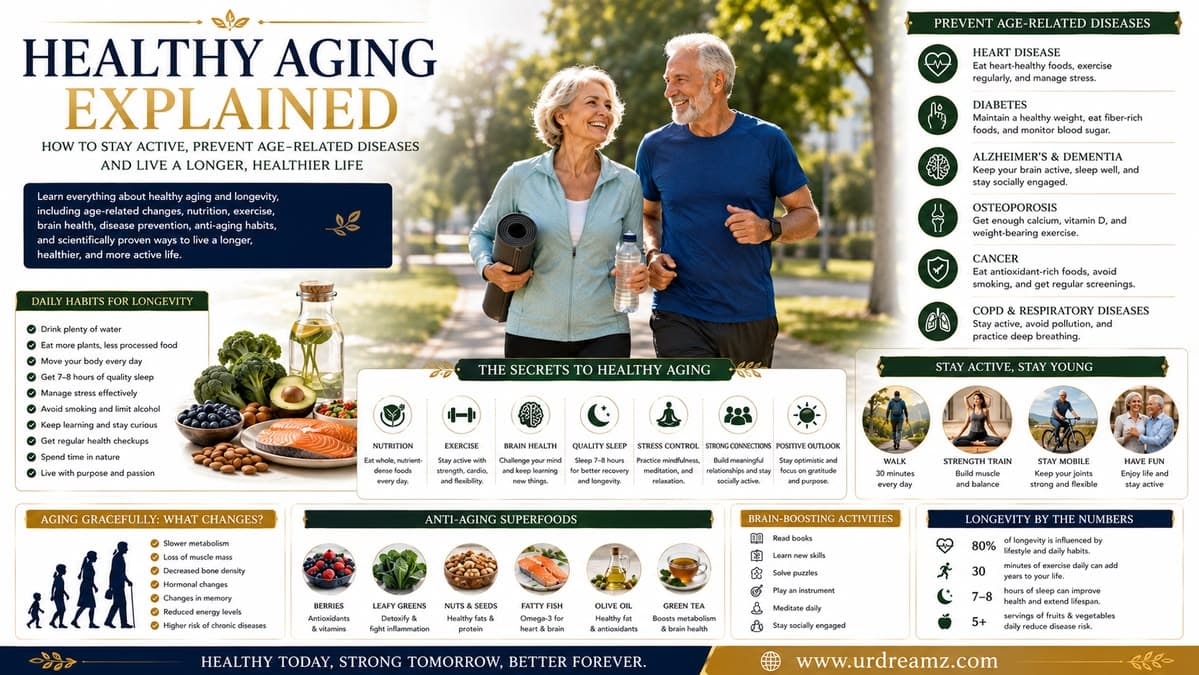
Researchers studying these regions identified nine recurring lifestyle patterns, often called the Power 9, shared across all of them despite their very different cultures and geography: natural, regular movement built into daily life rather than formal exercise, a genuine sense of purpose, effective stress-reduction rituals, stopping eating before feeling completely full, a diet built predominantly around plants, moderate alcohol consumption in a social context, active participation in a faith or spiritual community, prioritizing family, and belonging to a social circle that reinforces healthy behaviors. None of these are exotic or expensive; they're ordinary, sustainable patterns woven into daily life rather than a supplement stack or intense workout program.
Nutrition and Longevity: The Foundation
What you eat over decades plays an outsized role in how you age, influencing everything from blood sugar stability to inflammation levels to the health of your skin and brain. Large population studies tracking millions of people have consistently found that heavy consumption of ultra-processed foods, sugar-sweetened drinks, and processed or red meat is associated with a meaningfully higher risk of dying from any cause, while diets built around whole, minimally processed foods are associated with the opposite. This isn't a call for extreme restriction; it's a case for shifting the overall balance of what fills your plate most days.
The Mediterranean Diet and Longevity
The Mediterranean diet consistently ranks among the most well-studied and evidence-backed eating patterns for both lifespan and healthspan, built around vegetables, fruits, whole grains, legumes, nuts, olive oil, and fish, with red meat and processed foods kept to a minimum. It supports healthy blood sugar and cholesterol levels, reduces inflammation, and has been linked in multiple studies to a reduced risk of heart disease, cognitive decline, and premature death. Part of what makes it so sustainable compared to more restrictive diets is that it's built around genuine, flavorful food rather than elimination, making it far easier to maintain for decades rather than weeks.
Plant-Forward Eating and Lifespan
Beyond the Mediterranean pattern specifically, a broader body of research points to plant-forward eating as one of the most consistent nutritional predictors of a longer healthspan. One well-cited analysis found that shifting from a typical Western diet to one built predominantly around whole grains, legumes, fruits, vegetables, and nuts over a couple of decades could meaningfully extend life expectancy. This doesn't require eliminating animal products entirely for most people; it simply means making plants the majority of what fills the plate most days, with animal protein playing a smaller, supporting role rather than the centerpiece of every meal.
Protein Needs Increase With Age, Not Decrease
A common misconception is that older adults need less protein than younger people, when the opposite is actually closer to the truth. As the body ages, it becomes somewhat less efficient at using dietary protein to build and maintain muscle, meaning older adults often need more protein per meal, not less, to achieve the same muscle-preserving effect. Spreading protein intake across each meal of the day, rather than concentrating it mostly at dinner, appears to support muscle maintenance more effectively, and pairing adequate protein with regular strength training produces meaningfully better outcomes for muscle mass and function than either one alone.
Caloric Restriction and Intermittent Fasting: What the Evidence Shows
Caloric restriction, reducing calorie intake below typical levels without causing malnutrition, and intermittent fasting, cycling between periods of eating and extended fasting windows, have both been studied for their potential to extend lifespan and improve markers of age-related disease. In animal studies, particularly in mice, these approaches have shown real extensions in lifespan and improvements in metabolic health. In humans, the picture is more measured: both approaches have shown improvements in specific risk factors like blood sugar and cardiovascular markers, but their direct effect on human lifespan itself remains genuinely under-studied and not yet fully established. For most people, the more reliable, better-supported approach remains simply eating a nutrient-dense, whole-food diet in appropriate portions, with fasting approaches considered an individual choice best discussed with a doctor rather than a proven requirement for healthy aging.
Foods That Support Healthy Aging
Certain foods repeatedly show up across longevity research for their concentration of nutrients directly tied to reduced inflammation, better blood sugar control, and protection against cellular damage. Building a rotation of these into regular meals, rather than treating any single food as a magic fix, is what actually moves the needle over years of consistent eating.
Table: Best Foods for Healthy Aging
| Food | Why It Supports Longevity |
|---|---|
| Leafy greens | Antioxidants and nutrients linked to slower cognitive decline |
| Berries | High antioxidant content supporting cellular protection |
| Fatty fish | Omega-3s supporting heart and brain health |
| Olive oil | Anti-inflammatory monounsaturated fats |
| Legumes | Plant protein and fiber, a Blue Zone staple |
| Nuts and seeds | Healthy fats supporting heart and brain health |
| Whole grains | Fiber supporting blood sugar and gut health |
| Fermented foods (miso, natto, kefir) | Support gut bacteria and have been linked to lower blood pressure |
| Green tea | Antioxidants and modest blood sugar benefits |
| Turmeric and ginger | Natural anti-inflammatory compounds |
Foods and Habits That Accelerate Aging
Just as certain foods support longevity, others quietly work against it, primarily through promoting chronic inflammation, blood sugar instability, and oxidative stress, the kind of cellular damage that accumulates silently over years before showing up as visible decline.
Table: Foods and Habits That Speed Up Aging
| Food or Habit | Why It Accelerates Aging |
|---|---|
| Ultra-processed foods | Linked to higher all-cause mortality in large studies |
| Sugar-sweetened beverages | Drive blood sugar instability and inflammation |
| Processed and red meat in excess | Associated with increased chronic disease risk |
| Fried and grilled high-fat foods | High in compounds linked to inflammation and skin aging |
| Smoking | Accelerates telomere shortening and cellular damage |
| Excess alcohol | Increases inflammation and disrupts sleep |
| Chronic sedentary behavior | Accelerates muscle loss and metabolic decline |
| Chronic sleep deprivation | Impairs cellular repair processes |
Hydration and Aging
The body's sense of thirst naturally becomes less reliable with age, which means older adults can become dehydrated without feeling particularly thirsty, a genuinely common and under-recognized issue. Proper hydration supports skin elasticity, kidney function, digestion, cognitive clarity, and joint lubrication, and consistent, spread-out water intake throughout the day matters more than trying to drink large amounts all at once. For older adults especially, treating regular water intake as a deliberate habit, rather than waiting for thirst as a signal, is a simple but genuinely protective adjustment.
Exercise: The Most Powerful Anti-Aging Intervention
If there is one single intervention that comes closest to a genuine anti-aging tool, backed by decades of consistent research, it's regular physical activity. Exercise stimulates the creation of healthier mitochondria, reduces chronic inflammation, improves insulin sensitivity, preserves muscle and bone, and supports brain health through improved blood flow and the release of growth factors that support new brain cell connections. Most guidelines recommend roughly 150 minutes of moderate or about 75 minutes of vigorous aerobic activity weekly, alongside regular strength training, a combination consistently linked to a longer, more independent healthspan.
Strength Training After 50
Strength training deserves particular emphasis for anyone over 50, since the natural decline in muscle mass and strength accelerates noticeably from this point onward if left unaddressed. Resistance training, whether with weights, resistance bands, or bodyweight exercises, directly counters this decline, and research has shown that combining strength training with adequate protein intake produces meaningfully better outcomes for maintaining a healthy muscle-to-fat ratio than calorie restriction alone, which, without strength training, tends to cause loss of both fat and valuable muscle.
Understanding Sarcopenia (Age-Related Muscle Loss)
Sarcopenia is the medical term for the progressive loss of muscle mass and strength that occurs with aging, and it's considered one of the strongest predictors of frailty, falls, and loss of independence in older adults. Without intervention, adults can lose a meaningful percentage of their muscle mass per decade after their thirties, with the rate accelerating further after 60. The encouraging part is that sarcopenia is not simply an unavoidable fate; consistent resistance training combined with sufficient protein intake has repeatedly been shown to slow, and in many cases partially reverse, this decline even well into a person's eighties.
Walking and Aerobic Exercise for Longevity
Walking remains one of the most consistently supported, accessible forms of exercise for healthy aging, requiring no equipment, carrying minimal injury risk, and delivering genuine cardiovascular, metabolic, and mood benefits when done regularly. Beyond formal walks, simply moving more throughout the day, taking the stairs, standing up periodically, doing household tasks actively, adds up meaningfully over time and complements structured exercise rather than replacing it. The goal isn't running marathons; it's simply making sure the body moves consistently rather than sitting for the majority of one's waking hours.
Balance Training and Fall Prevention
Falls are one of the leading causes of injury and loss of independence in older adults, and balance training is one of the most direct, evidence-backed ways to reduce that risk. Simple exercises like standing on one foot, heel-to-toe walking, and practices like tai chi and yoga all train the body's ability to stay stable and recover quickly from a stumble. Because balance tends to decline gradually and silently, much like muscle mass, incorporating balance exercises before an actual fall occurs is far more effective than only addressing it after a fall has already caused an injury.
Flexibility and Mobility as You Age
Joint flexibility and overall mobility naturally decline with age, but regular stretching and mobility work can meaningfully preserve range of motion well into later decades. This matters for far more than comfort; good mobility directly supports the ability to perform everyday tasks independently, from reaching a high shelf to getting up off the floor, both of which become genuinely important markers of functional independence as people age.
Yoga and Tai Chi for Healthy Aging
Yoga and tai chi occupy a particularly valuable niche in healthy aging because they combine several benefits at once, flexibility, balance, gentle strength, and stress reduction through breathwork, in a single low-impact practice. Research has specifically linked both practices to improved balance and reduced fall risk in older adults, alongside measurable reductions in stress hormones that contribute to chronic inflammation and accelerated aging. Their gentle, adjustable nature also makes them genuinely accessible for people starting exercise later in life or managing existing joint issues.
Table: A Weekly Exercise Framework for Healthy Aging
| Exercise Type | Suggested Frequency | Examples |
|---|---|---|
| Aerobic activity | 150 minutes weekly (moderate) | Walking, cycling, swimming, dancing |
| Strength training | 2-3 times weekly | Bodyweight, resistance bands, weights |
| Balance training | Daily or most days | Single-leg stands, tai chi, yoga |
| Flexibility/mobility | 3-4 times weekly | Stretching, yoga, mobility drills |
Bone Health and Osteoporosis Prevention
Bone density naturally peaks in early adulthood and gradually declines afterward, with the decline accelerating notably in women after menopause due to falling estrogen levels. Osteoporosis, a condition where bones become porous and fragile, significantly raises fracture risk, but weight-bearing exercise, resistance training, and adequate calcium and vitamin D intake together form a genuinely effective prevention strategy. Building strong bone density earlier in life provides a larger reserve to draw from later, but meaningful bone protection remains possible at any age through these same core habits.
Calcium and Vitamin D for Strong Bones
Calcium provides the structural mineral content bones need, while vitamin D is essential for the body to actually absorb and use that calcium effectively, making the two nutrients genuinely inseparable when it comes to bone health. Dairy products, leafy greens, and fortified foods provide calcium, while vitamin D comes primarily from sun exposure and select foods like fatty fish and fortified products, though many older adults, particularly those with limited sun exposure, benefit from supplementation guided by a blood test rather than guesswork.
Heart Health and Aging
Cardiovascular disease remains one of the leading health risks associated with aging, but it's also one of the most preventable through lifestyle. Regular aerobic exercise, a diet low in processed food and rich in vegetables and healthy fats, not smoking, and effective stress management together meaningfully lower cardiovascular risk at any stage of life, and starting or improving these habits later in life still produces genuine, measurable benefit rather than being "too late" to matter.
Blood Sugar, Diabetes and Aging
Insulin sensitivity naturally tends to decline somewhat with age, partly due to muscle loss, since muscle tissue plays a major role in clearing glucose from the bloodstream. This is part of why type 2 diabetes becomes more common in later decades, and it's exactly why strength training, which preserves and builds muscle, plays such a direct role in blood sugar management alongside diet. Keeping blood sugar levels stable over the long term protects not just against diabetes itself but against the accelerated cellular damage that chronically elevated blood sugar causes throughout the body.
Brain Health and Cognitive Aging
Some degree of cognitive change is a normal part of aging, occasionally needing a bit more time to recall a name or word. Meaningful cognitive decline, however, is not an inevitable part of getting older, and a growing body of research shows that lifestyle factors, exercise, diet, sleep, and mental engagement, play a substantial role in how well cognitive function holds up over the decades. Blood flow to the brain, supported directly by cardiovascular exercise, appears to be one of the more important underlying mechanisms connecting physical activity to long-term brain health.
Dementia and Alzheimer's Prevention
While there is currently no guaranteed way to fully prevent dementia or Alzheimer's disease, research increasingly points to modifiable lifestyle factors, cardiovascular health, physical activity, quality sleep, social engagement, and managing conditions like diabetes and high blood pressure, as meaningfully reducing risk. Some research institutions are now studying brain changes in younger adults with a family history of Alzheimer's, well before any symptoms appear, based on the idea that the molecular changes behind the disease begin building years, sometimes decades, before memory problems become noticeable, making early, sustained prevention habits genuinely valuable rather than something to start only once symptoms appear.
Brain Exercises and Mental Stimulation
Keeping the brain actively engaged, learning new skills, reading, solving puzzles, picking up a new hobby or language, appears to build what researchers sometimes call cognitive reserve, extra neural connections and adaptability that may help the brain compensate for age-related changes for longer. The specific activity matters less than genuine novelty and challenge; repeating the same familiar puzzle daily offers far less benefit than regularly engaging with something that requires real, active mental effort.
Table: Habits That Support Long-Term Brain Health
| Habit | How It Supports the Brain |
|---|---|
| Regular aerobic exercise | Improves blood flow and supports new neural connections |
| Quality sleep | Supports memory consolidation and waste clearance in the brain |
| Learning new skills | Builds cognitive reserve |
| Social engagement | Linked to slower cognitive decline |
| Managing blood pressure and blood sugar | Protects blood vessels supplying the brain |
| Mediterranean-style diet | Supports brain structure and function over time |
Sleep and Healthy Aging
Sleep is when the body carries out much of its cellular repair, including processes directly tied to heart and brain health, yet a significant share of adults consistently fall short of the sleep they actually need. Poor sleep has been linked to accelerated inflammation, impaired blood sugar regulation, weakened immune function, and faster cognitive decline over time, making consistent, quality sleep just as central to healthy aging as diet or exercise, not a lesser afterthought to either of them.
Stress, Cortisol and Accelerated Aging
Chronic, unmanaged stress keeps cortisol levels elevated over long periods, and sustained high cortisol has been directly linked to increased inflammation, accelerated telomere shortening, and a higher risk of several chronic diseases associated with aging. This doesn't mean stress itself must be eliminated entirely, which isn't realistic for most people, but building genuine stress-reduction practices into daily life, time in nature, breathing exercises, journaling, meditation, or simply reframing how much a given worry will matter in a month or a year, meaningfully protects against this accelerated cellular wear over time.
Social Connection and Longevity
Loneliness and social isolation are now recognized as genuine health risks in their own right, associated with a higher risk of heart disease, stroke, depression, and even earlier death, comparable in scale to more commonly recognized risk factors like smoking. Strong, regular social connection, family, friendships, community groups, appears consistently across longevity research and Blue Zone studies alike as one of the most protective, and most frequently underestimated, factors in living a long, healthy life. Even small, consistent efforts, a regular phone call, a weekly group activity, meaningfully reduce this risk over time.
Sense of Purpose and Longevity
Having a clear reason to get up in the morning, whether it's family, work, a hobby, or community involvement, shows up repeatedly in longevity research as a genuine predictor of both a longer life and better health during it. In Nicoya, Costa Rica, this concept even has a specific name, "plan de vida," a life plan or reason for being, and researchers studying centenarians globally consistently find that a strong, ongoing sense of purpose correlates with better health outcomes independent of diet or exercise habits alone.
Skin Aging Explained
Skin aging results from both factors you can't control, like genetics, and factors you genuinely can influence, like sun exposure, diet, and smoking. Collagen production naturally slows over time, reducing skin's firmness and elasticity, while accumulated sun damage, oxidative stress from free radicals, and glycation, a process where sugar molecules attach to proteins and stiffen tissue, all contribute to visible wrinkling and loss of youthful skin texture over the decades.
Nutrition and Skin Aging
Diet genuinely influences how skin ages, not just how the rest of the body ages. Antioxidant-rich foods, particularly those high in vitamin C and vitamin E, help neutralize the free radicals that damage skin cells and collagen, while diets low in processed foods and added sugar reduce the glycation process that stiffens skin tissue over time. Brightly colored fruits and vegetables, berries especially, tend to carry the highest antioxidant concentrations, making them a genuinely useful, food-based approach to supporting skin health alongside whatever topical skincare routine someone follows.
Sun Protection and Healthy Aging
Cumulative, unprotected sun exposure remains one of the most significant, controllable drivers of visible skin aging, alongside a meaningfully increased risk of skin cancer over a lifetime. Consistent use of sunscreen, protective clothing, and simply seeking shade during peak sun hours genuinely slows the visible signs of skin aging while also protecting against far more serious risks, making sun protection one of the simplest, most evidence-backed anti-aging habits available, requiring no supplement or expensive product at all.
Immune System Changes With Age
Immune function naturally becomes somewhat less efficient with age, a process researchers call immunosenescence, making older adults more susceptible to infections and generally slower to recover from illness. Regular exercise, adequate sleep, a nutrient-dense diet, and staying current on recommended vaccinations all support stronger immune resilience in later decades, and maintaining these habits consistently matters more for immune health with age, not less, even as the body's baseline defenses gradually shift.
Supplements for Healthy Aging: What's Actually Supported
The supplement market for anti-aging and longevity is enormous, but the genuine evidence behind most individual products remains limited or inconsistent. A handful of supplements have reasonably supported roles for specific situations, correcting an actual vitamin D deficiency, protein powder for older adults struggling to meet protein needs through food alone, and certain B-vitamins for people at risk of cognitive decline linked to deficiency. Many other compounds actively marketed for longevity, various experimental molecules studied mainly in animals so far, simply don't yet have strong human evidence behind them, and should be approached with realistic skepticism rather than assumed to be a shortcut around the fundamentals.
Table: Supplements Sometimes Considered for Aging
| Supplement | Best-Supported Use | Evidence Level |
|---|---|---|
| Vitamin D | Correcting a confirmed deficiency, bone health | Well supported when deficiency is present |
| Protein powder | Meeting protein needs alongside strength training | Reasonably supported for muscle maintenance |
| B-vitamins | Supporting cognitive function in at-risk individuals | Moderately supported |
| Omega-3 (fish oil) | Heart health support | Mixed but reasonably studied |
| NAD+ precursors | Cellular energy and longevity (largely experimental) | Mostly animal studies so far |
| Collagen supplements | Skin elasticity support | Limited, mixed human evidence |
Any supplement plan should genuinely be discussed with a doctor, both to confirm it addresses an actual need and to avoid interactions with other medications, rather than assembled based on marketing claims alone.
Preventive Healthcare and Regular Screenings
Regular checkups and age-appropriate screenings remain one of the most straightforward, evidence-backed tools for healthy aging, since catching a chronic condition, high blood pressure, elevated blood sugar, an irregular heart rhythm, early enough dramatically improves the odds of managing it effectively before it causes lasting damage. Many age-related conditions progress silently for years before producing noticeable symptoms, which is exactly why waiting for symptoms before seeking care tends to mean intervening later than would have been ideal.
Healthy Aging After 50
The fifties are often when the first meaningful signs of accelerated change appear, shifts in metabolism, the beginning of more noticeable muscle loss if strength training hasn't been part of the routine, and for many women, the hormonal transition of menopause. This decade is a genuinely valuable window to build or reinforce strength training, prioritize protein intake, get a comprehensive baseline health screening, and address any lingering unhealthy habits before they compound further into the following decades.
Healthy Aging After 60
By the sixties, balance training and fall prevention deserve genuinely increased priority, alongside continued strength work and cardiovascular exercise. This is also typically when more comprehensive health screenings, including cognitive and bone density assessments, become more routinely recommended. Many people find this decade, particularly around retirement, requires deliberate effort to maintain the social connection and sense of purpose that daily work structure previously provided automatically, making community involvement and hobbies genuinely important additions rather than optional extras.
Healthy Aging After 70
Healthy aging remains genuinely achievable well into the seventies and beyond; it is absolutely not "too late" to meaningfully benefit from improved diet, exercise, or other lifestyle changes at this stage. Exercise intensity may need thoughtful adjustment, and working with a doctor or physical therapist to build a safe, appropriate routine becomes more valuable, but the underlying principles, movement, protein, social connection, purpose, quality sleep, remain exactly the same. Some 80-year-olds maintain physical and cognitive capacities comparable to people decades younger, a difference driven far more by accumulated lifestyle than by age alone.
The Future of Longevity Science
Longevity research has moved well beyond simple lifestyle advice into genuinely active drug and gene-therapy development. Compounds like rapamycin, originally studied for entirely different purposes, have shown promising effects on delaying age-related decline in animal studies. Senolytic drugs, designed to clear out damaged senescent cells, and gene-editing tools capable of correcting specific age-related genetic changes, are both active areas of ongoing research. Some researchers are even now pushing to study aging and longevity interventions starting in childhood or even before birth, based on the idea that the biological groundwork for healthy aging is laid far earlier than previously assumed. None of these are established treatments available today, but they represent a genuinely fast-moving field likely to meaningfully reshape healthy aging within coming decades.
Table: Healthy Aging Myths vs Facts
| Myth | Fact |
|---|---|
| Muscle loss and frailty are simply inevitable with age | Strength training can meaningfully slow or partially reverse muscle loss at nearly any age |
| Older adults need less protein than younger adults | Protein needs generally increase, not decrease, with age |
| It's too late to benefit from lifestyle changes after 60 or 70 | Meaningful health benefits from improved habits occur at any age |
| Cognitive decline is an unavoidable part of aging | Lifestyle factors meaningfully influence the pace of cognitive change |
| Longevity is mostly determined by genetics | Lifestyle and environment account for the larger share of variation |
| Supplements are necessary for healthy aging | Whole foods, exercise and sleep remain the most evidence-backed foundation |
A Realistic Daily Routine for Healthy Aging
A genuinely sustainable healthy aging routine doesn't need to be complicated: a morning that includes some form of movement, meals built predominantly around vegetables, whole grains, legumes, and lean protein, consistent water intake throughout the day, a period of mental engagement or learning, meaningful social contact, some form of stress-reduction practice, and a consistent bedtime that allows for seven to nine hours of sleep. None of these individually feels dramatic, but performed consistently across years and decades, this ordinary-looking routine is genuinely what separates people who age with vitality from those who don't.
Common Mistakes That Undermine Healthy Aging
Several avoidable patterns quietly undermine healthy aging efforts: skipping strength training in favor of cardio alone, assuming decline is simply inevitable and therefore not worth resisting, neglecting social connection after retirement or major life transitions, chasing expensive supplements while neglecting basic sleep and nutrition, and waiting for a health scare before addressing preventable risk factors. Recognizing these patterns early makes it far easier to build the kind of sustainable, well-rounded routine that genuinely protects healthspan over decades rather than reacting only after decline has already begun.
When to See a Doctor About Aging-Related Changes
Occasional forgetfulness, mild joint stiffness, or feeling somewhat less energetic than in younger years are common and not automatically cause for alarm. You should consult a doctor if you notice a genuine pattern of memory problems affecting daily function, unexplained weight loss, frequent falls, persistent fatigue, new or worsening pain, or any sudden, significant change in physical or cognitive ability, since these patterns deserve proper evaluation rather than being dismissed as simply "getting older."
Frequently Asked Questions
What is healthy aging?
Healthy aging is the process of growing older while maintaining as much physical function, cognitive clarity, and independence as possible, focusing on healthspan rather than just total years lived.
What are the secrets to healthy aging?
Consistent exercise including strength training, a plant-forward diet, quality sleep, stress management, strong social connections, and a genuine sense of purpose are the most well-supported, recurring factors.
Can aging be slowed naturally?
While chronological aging can't be stopped, lifestyle factors genuinely influence biological aging, meaning the rate of cellular and functional decline can be meaningfully slowed through diet, exercise, sleep, and stress management.
How much exercise do older adults need?
Most guidelines recommend around 150 minutes of moderate aerobic activity weekly alongside strength training at least twice a week, adjusted for individual ability and health status.
What foods help you live longer?
Vegetables, fruits, whole grains, legumes, nuts, olive oil, and fish, the core of the Mediterranean and Blue Zone dietary patterns, are consistently linked to longer, healthier lives.
What are Blue Zones and why do people live longer there?
Blue Zones are regions with an unusually high number of healthy centenarians, where shared habits like natural movement, plant-forward diets, strong community ties, and a clear sense of purpose appear to support exceptional longevity.
How can I improve my memory as I age?
Regular exercise, quality sleep, ongoing mental stimulation through learning new skills, and managing cardiovascular risk factors all support better memory and cognitive function over time.
Can dementia be prevented?
There's no guaranteed prevention, but managing cardiovascular risk factors, staying physically and mentally active, sleeping well, and maintaining social engagement are all associated with meaningfully reduced risk.
What supplements are good for healthy aging?
Vitamin D, protein supplementation for those not meeting needs through diet, and certain B-vitamins have reasonable support for specific situations, though whole foods and lifestyle habits remain the strongest overall foundation.
Is it too late to start healthy habits after 60 or 70?
No, meaningful health benefits from improved diet, exercise, sleep, and other lifestyle changes have been consistently observed at every age, including well into a person's seventies and beyond.
Conclusion
Healthy aging was never really about outsmarting time, it's about giving your body and mind the ordinary, consistent inputs they actually need to keep functioning well for as long as possible: real food, regular movement, genuine rest, real relationships, and a reason to keep showing up each day. The people living the longest, healthiest lives on this planet aren't doing anything exotic; they're simply living in a way that naturally reinforces these fundamentals, decade after decade, without treating any of it as a chore. This guide is intended for general education and does not replace personalized medical advice; consult a qualified doctor for guidance specific to your own health history and goals.
If you take only one idea from everything covered here, let it be this: the version of yourself at 80 or 90 is being built right now, today, through the small, repeatable choices you make about how you move, eat, sleep, and connect with the people around you. It's genuinely not too late to start, and it's never too early either.
Related Reading:
- Diabetes Explained: Symptoms, Causes, Blood Sugar and Treatment Guide
- Weight Loss Diet Plan: Best Foods for Fat Loss
- High Blood Pressure vs Low Blood Pressure: Complete Guide
- Heart Health: Complete Guide to Prevention, Symptoms and Diet
- Digestive Problems Explained: Causes, Symptoms and Treatment
- Fatty Liver Disease: Warning Signs, Stages and Complete Guide
- Kidney Health Explained: Symptoms, Causes and Treatment
- Thyroid Disorders Explained: Symptoms, Causes and Treatment
- Joint Pain Explained: Causes, Symptoms and Treatment
- High Cholesterol Explained: Symptoms, Causes, LDL vs HDL and Treatment Guide
- Anemia Explained: Symptoms, Causes, Iron Deficiency and Treatment Guide
- Sleep Health Explained: Causes of Poor Sleep and Complete Guide to Better Sleep
- Piles (Hemorrhoids) Explained: Internal vs External Piles and Complete Treatment Guide
- Dental Health Explained: Common Teeth and Gum Problems and Complete Oral Care Guide
- Eye Health Explained: Common Eye Diseases and Complete Eye Care Guide
- Fitness & Exercise Explained: Complete Beginner's Guide
- Immune System Explained: How Immunity Works and Complete Guide to Boosting Immunity Naturally
This article is for general educational purposes only and is not a substitute for professional medical advice, diagnosis, or treatment. Always consult a qualified healthcare provider regarding your individual health, aging concerns, or before starting any new diet, exercise, or supplement routine.