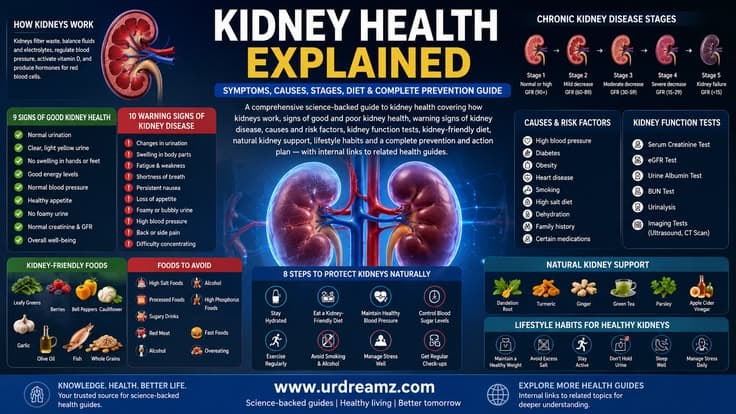
Kidney Health Explained: Symptoms of Kidney Disease, Causes, Stages, Diet and Complete Prevention Guide
Your kidneys are two bean-shaped organs roughly the size of a fist — yet together they filter over 200 quarts (approximately 190 liters) of blood every single day, producing 1–2 liters of urine and continuously cleansing your entire blood volume roughly 40 times in 24 hours. They regulate your blood pressure, control the balance of fluids and electrolytes throughout your body, produce hormones that stimulate red blood cell production and activate vitamin D for bone health, and maintain the precise chemical environment that every organ in your body depends on to function. When kidneys fail — progressively and often silently — the consequences reach every cell in the body. This complete guide covers everything you need to know about kidney health: how kidneys work, the warning signs that yours may be struggling, the diseases that affect them, the foods and habits that protect or damage them, natural kidney support strategies, kidney function tests, treatment options, and a practical daily plan for lifelong kidney wellness.
1. How Your Kidneys Work: Complete Functions Overview
The kidneys are remarkable organs of extraordinary precision and efficiency. Located in the back of the abdominal cavity, one on either side of the spine just below the rib cage, these two fist-sized organs work continuously — 24 hours a day, 7 days a week, 365 days a year — to perform functions that no other organ can replicate and no machine can fully reproduce. Understanding what the kidneys actually do provides the essential context for understanding why kidney damage is so consequential and why protecting kidney health deserves the same attention we give the heart, liver, and brain.
The kidneys' primary function is blood filtration and waste elimination. Each kidney contains approximately one million microscopic filtering units called nephrons — each nephron consisting of a glomerulus (a tiny cluster of capillaries that acts as a pressure filter) and a tubule (a long twisted tube that reabsorbs needed substances and allows waste to pass into urine). Every minute, approximately 1.2 liters of blood pass through the kidneys for filtration — amounting to the entire blood volume being filtered roughly 40 times per day. This filtration process removes metabolic waste products (primarily urea from protein metabolism, creatinine from muscle activity, and uric acid from nucleic acid metabolism), excess water, and foreign substances from the blood, concentrating them into urine for excretion.
Beyond filtration, the kidneys perform a remarkable range of additional regulatory functions: they maintain fluid balance by adjusting the volume of water excreted in urine in response to hydration status; they regulate electrolyte balance — maintaining precise blood levels of sodium, potassium, calcium, phosphate, magnesium, and chloride within the narrow ranges required for normal heart rhythm, muscle function, nerve conduction, and cellular metabolism; they regulate blood pressure through the renin-angiotensin-aldosterone system (RAAS) — secreting the enzyme renin when blood pressure falls, triggering a hormonal cascade that constricts blood vessels and retains sodium to raise pressure; they produce erythropoietin (EPO) — the hormone that signals bone marrow to produce red blood cells, which is why kidney disease so frequently causes anemia; and they activate vitamin D (converting it to its active form calcitriol), which is essential for calcium absorption and bone strength. When kidney function declines, all of these critical regulatory systems fail simultaneously — which explains why kidney disease produces such wide-ranging systemic effects.
| Function | What the Kidneys Do | Consequence of Kidney Failure |
|---|---|---|
| Blood filtration and waste removal | Filter 200 quarts (190L) of blood daily; remove urea, creatinine, uric acid, and metabolic byproducts | Uremia — dangerous buildup of toxic waste in blood; nausea, confusion, coma if untreated |
| Fluid balance regulation | Adjust water excretion in urine based on body hydration status; prevent overhydration and dehydration | Fluid overload — edema in legs, lungs (pulmonary edema causing breathlessness), and around eyes |
| Electrolyte regulation | Maintain precise blood levels of sodium, potassium, calcium, phosphate, and magnesium | Hyperkalemia (dangerously high potassium — causes fatal heart arrhythmias); calcium-phosphate imbalance causes bone disease and calcification |
| Blood pressure control | Secrete renin to regulate blood pressure via the RAAS system; control sodium and water balance | Hypertension — which then causes further kidney damage (bidirectional relationship) |
| Red blood cell production | Produce erythropoietin (EPO) stimulating bone marrow to make red blood cells | Renal anemia — chronic fatigue, shortness of breath, reduced exercise tolerance |
| Vitamin D activation | Convert inactive vitamin D to active calcitriol for calcium absorption and bone metabolism | Renal osteodystrophy — weak and brittle bones; increased fracture risk; calcium-phosphate deposition |
| Acid-base balance | Excrete excess hydrogen ions and reabsorb bicarbonate to maintain blood pH between 7.35 and 7.45 | Metabolic acidosis — accelerates muscle wasting, bone loss, CKD progression, and cardiovascular risk |
| Hormone metabolism | Metabolize and clear insulin, parathyroid hormone, and other peptide hormones from circulation | Altered drug and hormone levels; insulin accumulation can cause hypoglycemia in diabetic kidney disease |
2. Why Kidney Health Is a Growing Global Crisis
Chronic kidney disease has quietly become one of the fastest-growing and most underrecognized public health crises of the 21st century. Approximately 850 million people worldwide are currently living with some form of kidney disease — a number that exceeds the combined global burden of diabetes and cancer combined by some estimates. CKD affects approximately 10–15% of adults globally, with prevalence rising steeply in aging populations and in populations with high rates of diabetes and high blood pressure — the two conditions responsible for the majority of CKD cases worldwide.
What makes kidney disease particularly dangerous from a public health perspective is its characteristic silence: CKD typically produces no symptoms until kidney function has been reduced to 20–30% of normal — or even less. By the time most people are diagnosed, significant and often irreversible damage has already accumulated over years or even decades of silent progression. This delayed diagnosis means that the majority of people living with early-stage CKD — the stage where lifestyle interventions are most effective — are entirely unaware of their condition.
The economic burden of kidney disease is equally sobering. End-stage kidney disease (ESKD) requiring dialysis or transplantation is among the most expensive medical conditions to treat — consuming a disproportionate fraction of healthcare budgets in developed countries while remaining largely inaccessible to patients in lower-income countries. Globally, millions of people who develop ESKD die prematurely each year for lack of access to renal replacement therapy. Prevention — through control of the underlying conditions that cause kidney disease, primarily diabetes, hypertension, and obesity — is therefore not merely a health imperative but an economic and ethical one. For diabetes management strategies that directly reduce kidney disease risk, see our comprehensive Diabetes Explained Guide.
3. Nine Signs of Good Kidney Health vs Poor Kidney Health
Many people have never thought carefully about what healthy kidney function actually looks and feels like — or what the early, subtle signs of impaired function are. Recognizing the contrast between healthy and compromised kidney function helps you identify problems early, when intervention is most effective.
| # | Health Indicator | Good Kidney Health | Poor Kidney Health |
|---|---|---|---|
| 1 | Eyes | Clear, bright eyes with no puffiness or swelling around them | Puffy eyes — particularly morning puffiness or persistent swelling under and around the eyes (periorbital edema from protein leaking into urine) |
| 2 | Urination | Normal amounts (1–2 liters per day); urine is clear to pale yellow; urination is pain-free and comfortable; no urgency or waking at night to urinate | Frequent urination (especially at night — nocturia); foamy or bubbly urine (protein in urine); painful or burning urination; dark, cloudy, or bloody urine; significantly reduced urine output |
| 3 | Energy levels | Consistent energy throughout the day; mental clarity; good concentration | Persistent fatigue, weakness, and low energy that rest does not resolve; brain fog; poor concentration — caused by anemia from reduced EPO production and toxin accumulation |
| 4 | Ankles, feet, and hands | Normal size; no swelling or puffiness | Swollen ankles, feet, and hands — edema from fluid and sodium retention when kidneys cannot properly regulate fluid balance |
| 5 | Skin | Smooth, clear, and comfortable; no persistent itching or dryness | Persistently dry, itchy skin (uremic pruritus) — caused by phosphate accumulation and uremic toxins depositing in skin when kidneys cannot filter them adequately |
| 6 | Back comfort | No persistent lower back pain attributable to kidney region (flank area) | Dull, persistent aching pain in the lower back or flanks (sides of the lower back, just below the rib cage) — kidney location; sharp pain may indicate kidney stone or infection |
| 7 | Muscles | Rare or no muscle cramps; comfortable muscle function | Frequent muscle cramps and spasms — particularly at night — caused by electrolyte imbalances (calcium, magnesium, potassium) from impaired renal regulation |
| 8 | Breath and taste | Neutral or normal breath; normal taste perception | Ammonia-like or metallic taste in the mouth; foul-smelling breath (uremic fetor) — caused by urea accumulating in the blood being converted to ammonia in the mouth and expelled through breath |
| 9 | Appetite and digestion | Normal appetite; regular, comfortable digestion; no persistent nausea | Poor appetite; persistent nausea and sometimes vomiting; metallic taste making food unappealing — caused by uremia and altered gut microbiome in CKD. See our Digestive Health Guide for related gut health information |
4. Ten Warning Signs of Kidney Disease
Because kidney disease is typically silent in its early stages, recognizing the symptoms that do appear — often in moderate or advanced disease — is critical for seeking timely medical evaluation. These ten warning signs warrant kidney function testing and medical assessment, particularly in people with known risk factors (diabetes, hypertension, obesity, family history of kidney disease).
| # | Warning Sign | Medical Explanation | Urgency |
|---|---|---|---|
| 1 | Swelling (edema) in feet, ankles, hands, or puffy face | Kidneys regulate fluid balance; when function declines, sodium and water accumulate in tissues, causing edema. Periorbital (around the eye) edema is often an early sign of proteinuria (protein leaking into urine, reducing plasma oncotic pressure) | Moderate — evaluate with kidney function tests; urgent if accompanied by breathlessness (suggesting pulmonary edema) |
| 2 | Frequent urination — especially at night (nocturia) | Damaged kidney tubules lose their ability to concentrate urine effectively; the kidneys compensate by producing larger volumes of dilute urine, causing more frequent urination. Nocturia (waking at night to urinate more than once) is a particularly significant early symptom | Moderate — evaluate; also rule out diabetes and prostate issues in men |
| 3 | Persistent fatigue and weakness | Two mechanisms: first, declining kidney function reduces EPO production, causing renal anemia (fewer red blood cells to carry oxygen); second, accumulating uremic toxins impair cellular energy production. This fatigue is characteristically unresponsive to rest | Moderate — evaluate; blood tests including eGFR, hemoglobin, and ferritin |
| 4 | Changes in urine appearance | Foamy or bubbly urine indicates protein in the urine (proteinuria) — a hallmark of kidney damage where the glomerular filter has been compromised. Dark urine suggests concentrated waste products or blood. Cloudy urine may indicate infection. Bloody urine (hematuria) can indicate infection, stones, or glomerulonephritis | High — particularly blood in urine or consistently foamy urine; warrants same-week evaluation |
| 5 | Shortness of breath | Two mechanisms: fluid accumulation in the lungs (pulmonary edema) when kidneys cannot regulate fluid balance; and renal anemia reducing the blood's oxygen-carrying capacity, making physical exertion feel much harder than it should | High — pulmonary edema is potentially life-threatening; seek immediate evaluation if breathlessness is new or worsening rapidly |
| 6 | Nausea and vomiting | Uremic toxins (particularly urea, creatinine, and other metabolic waste products) accumulating in the blood irritate the gastrointestinal lining and stimulate nausea centers in the brain. Nausea is more common in advanced CKD and acute kidney injury | Moderate–High — significant nausea in the context of other kidney symptoms warrants prompt evaluation |
| 7 | Loss of appetite and metallic taste | Uremia suppresses appetite through multiple mechanisms including altered gut hormone signaling and direct toxin effects on appetite centers. Uremic compounds alter taste perception, producing a persistent metallic or bitter taste that makes food unpalatable | Moderate — evaluate alongside other symptoms; significant unintentional weight loss warrants urgent investigation |
| 8 | Muscle cramps and spasms | Impaired kidney regulation of calcium, magnesium, phosphate, and potassium disrupts the electrolyte environment required for normal muscle contraction. Nocturnal leg cramps are a particularly common symptom of moderate CKD and dialysis patients | Moderate — evaluate electrolytes alongside kidney function tests |
| 9 | Persistent itchy skin (pruritus) | Uremic pruritus affects up to 40% of dialysis patients and many people with advanced CKD. Multiple mechanisms contribute: phosphate accumulation in skin; mast cell activation by uremic toxins; altered opioid receptor function; dry skin from impaired sebaceous gland function in uremia | Moderate — significantly impacts quality of life; evaluate kidney function and phosphate levels |
| 10 | High blood pressure — new onset or worsening existing hypertension | The kidneys are central regulators of blood pressure via the renin-angiotensin-aldosterone system. Kidney damage impairs this regulation, causing or worsening hypertension. Conversely, uncontrolled hypertension damages the kidneys — creating a vicious cycle. See our Blood Pressure Complete Guide | High — uncontrolled hypertension accelerates kidney damage; both conditions must be managed simultaneously |
5. Why Kidney Disease Often Has No Early Symptoms
One of the most medically important and clinically dangerous features of chronic kidney disease is its characteristic silence. The kidneys are extraordinarily adaptive organs — they have remarkable compensatory reserve, meaning that remaining healthy nephrons work harder to compensate for those that are damaged, maintaining near-normal filtration function until a very large proportion of kidney tissue has been destroyed. Studies consistently show that most people do not experience noticeable symptoms until kidney function has declined to approximately 20–30% of normal — and some people remain largely asymptomatic until kidney function is even lower.
This compensatory capacity is ultimately the kidney's greatest weakness from a clinical perspective. A person can lose 50% or even 60–70% of their nephrons without feeling significantly different from when their kidneys were fully healthy. By the time symptoms become unmistakable, the window for preventing progression to dialysis or transplantation has often significantly narrowed. This is why kidney function screening — through simple, inexpensive blood and urine tests — is so important for people with risk factors for kidney disease, even in the complete absence of symptoms. Waiting for symptoms to appear before seeking kidney function testing is one of the most common and consequential medical mistakes in kidney disease management.
This asymptomatic progression is also why knowing your risk factors matters more than knowing your current symptoms for kidney health. If you have diabetes, high blood pressure, obesity, a family history of kidney disease, are over 60 years of age, or have experienced recurrent kidney infections or kidney stones, you are at elevated risk for CKD and should be screened with regular kidney function tests regardless of how you feel. Early detection — when eGFR is still above 45–60 ml/min and proteinuria is just beginning — is the point at which lifestyle changes and medical management can most effectively slow or halt progression.
6. Types of Kidney Disease: Complete Overview
Kidney disease encompasses a diverse range of conditions that affect the kidneys through different mechanisms, at different rates of progression, and with different treatment approaches. Understanding this spectrum helps you identify which condition you or someone you care about may be dealing with and what the appropriate response is.
| Condition | Definition | Primary Causes | Key Features | Reversibility |
|---|---|---|---|---|
| Chronic Kidney Disease (CKD) | Gradual, progressive loss of kidney function persisting for 3+ months | Diabetes (most common); hypertension (second most common); glomerulonephritis; polycystic kidney disease; other | Staged by eGFR (G1–G5) and proteinuria; mostly asymptomatic until advanced stages; leading cause of ESKD | Not curable — progression can be slowed or halted with good management; early stages (G1–G3) may stabilize |
| Acute Kidney Injury (AKI) | Sudden, rapid decline in kidney function occurring over hours to days | Severe dehydration or blood loss; medications (NSAIDs, contrast dye, some antibiotics); infections (sepsis); heart failure; urinary obstruction | Often reversible if cause is treated promptly; can permanently reduce baseline kidney function if severe; risk factor for subsequent CKD | Often reversible — recovery depends on severity and speed of treatment |
| Kidney Stones (Nephrolithiasis) | Hard mineral deposits forming in the kidneys from crystallized substances in concentrated urine | Dehydration; high oxalate, sodium, or protein diet; hypercalciuria; hyperuricosuria; genetic factors | Excruciating pain when stones move; hematuria; recurrence rate high (50% within 10 years without prevention); can cause kidney damage if obstructing flow | Individual stones treatable (passage, lithotripsy, surgery); underlying tendency requires ongoing dietary and medical management |
| Kidney Infections (Pyelonephritis) | Bacterial infection of one or both kidneys, typically ascending from bladder infection (UTI) | Escherichia coli (most common); Klebsiella; Enterococcus; urinary obstruction increasing risk; vesicoureteral reflux | Fever, chills, flank pain, nausea; urinary symptoms (frequency, burning); can cause permanent scarring if recurrent or inadequately treated | Fully treatable with appropriate antibiotics; prevention of recurrence important to protect kidney function |
| Glomerulonephritis | Inflammation of the glomeruli (kidney's filtering units) from immune-mediated causes | Immune complex deposition; IgA nephropathy (most common worldwide); lupus nephritis; post-streptococcal GN; vasculitis | Proteinuria; hematuria (tea-colored urine); edema; hypertension; can be acute or chronic; major cause of CKD in young adults | Depends on type — some forms respond well to immunosuppression; others progress to CKD despite treatment |
| Nephrotic Syndrome | A clinical syndrome characterized by heavy proteinuria (>3.5g/day), hypoalbuminemia, edema, and hyperlipidemia | Minimal change disease (children most commonly); focal segmental glomerulosclerosis (FSGS); membranous nephropathy; diabetic nephropathy; lupus | Massive edema (particularly periorbital — puffy eyes, ascites); foamy urine; high cholesterol; increased infection and clotting risk | Depends on underlying cause; minimal change disease often steroid-responsive; others require immunosuppression; some progress to CKD |
| Polycystic Kidney Disease (PKD) | Inherited condition causing multiple fluid-filled cysts to grow in both kidneys, progressively replacing functional tissue | Autosomal dominant PKD (ADPKD — adult onset; most common inherited kidney disease); Autosomal recessive PKD (ARPKD — childhood onset, severe) | Bilateral renal cysts on imaging; hypertension; hematuria; kidney pain; progressive CKD; associated with liver cysts and cerebral aneurysms in ADPKD | Not curable — tolvaptan (vasopressin receptor antagonist) slows cyst growth in ADPKD; management of blood pressure and complications; eventual ESKD in many cases |
| Diabetic Kidney Disease (Diabetic Nephropathy) | Progressive kidney damage specifically caused by long-standing diabetes mellitus affecting glomerular structure and function | Type 1 or type 2 diabetes; poor long-term blood glucose control; hypertension; genetic susceptibility | Most common cause of CKD and ESKD worldwide; proteinuria is typically the earliest detectable marker; see Diabetes Guide | Progression significantly slowed by optimal glycemic control, blood pressure management, and newer medications (SGLT2 inhibitors, GLP-1 agonists) |
| End-Stage Kidney Disease (ESKD) | The final stage of CKD when remaining kidney function is insufficient to sustain life without renal replacement therapy | Progression of any chronic kidney disease to its end stage | eGFR <15 ml/min; requires dialysis or kidney transplantation to survive; all uremic symptoms fully manifest | Not reversible — treated with hemodialysis, peritoneal dialysis, or kidney transplantation (the best option for eligible patients) |
7. Chronic Kidney Disease (CKD): Stages and Progression
Chronic kidney disease is classified into five stages based primarily on the estimated Glomerular Filtration Rate (eGFR) — a calculation derived from blood creatinine levels, age, and sex that estimates how many milliliters of blood the kidneys filter per minute. The eGFR staging system provides a standardized framework for communicating kidney function, guiding treatment decisions, and monitoring disease progression over time. Each stage comes with specific management priorities and treatment goals.
| Stage | eGFR (ml/min/1.73m²) | Kidney Function | Typical Symptoms | Key Management Priorities |
|---|---|---|---|---|
| G1 (Stage 1) | 90 or above | Normal or high (but kidney damage present — e.g., proteinuria, structural abnormality) | None — asymptomatic; eGFR is normal but evidence of kidney damage exists | Identify and treat underlying cause; control blood pressure and blood sugar; limit protein if significant proteinuria; annual monitoring |
| G2 (Stage 2) | 60–89 | Mild reduction in function with evidence of kidney damage | Usually none — asymptomatic; slightly elevated creatinine; fatigue in some | Cardiovascular risk reduction; blood pressure target <130/80 mmHg; diabetes management; dietary adjustments; 6-monthly monitoring |
| G3a (Stage 3a) | 45–59 | Mild to moderate reduction — kidney function noticeably declining | Usually mild or absent; some fatigue; possible mild anemia beginning; slightly elevated phosphate | Nephrology referral recommended; begin dietary modifications (moderate sodium, protein, phosphate restriction); address anemia and mineral metabolism; 3–6 monthly monitoring |
| G3b (Stage 3b) | 30–44 | Moderate to severe reduction — significant decline in filtration | Fatigue becomes more noticeable; mild edema possible; anemia; hypertension often worsening; beginning electrolyte imbalances | Active nephrology management; comprehensive dietary restriction (sodium, potassium, phosphate, protein); anemia treatment (EPO injections); mineral and bone disease management; 3-monthly monitoring |
| G4 (Stage 4) | 15–29 | Severe reduction — substantial kidney damage | Clear symptoms: fatigue, edema, nausea, itching, shortness of breath, significant anemia; hypertension often difficult to control | Prepare for renal replacement therapy (dialysis or transplant planning); access creation for hemodialysis; complete dietary management; manage all CKD complications; monthly monitoring |
| G5 / ESKD (Stage 5) | Below 15 | Kidney failure — insufficient to sustain life without intervention | All uremic symptoms fully manifest: severe fatigue, significant edema, confusion, nausea, vomiting, severe itching, breathlessness | Initiate renal replacement therapy: hemodialysis, peritoneal dialysis, or kidney transplantation; transplantation offers best survival and quality of life; conservative management (palliative) is an option for elderly frail patients |
CKD progression is not inevitable — appropriate management at every stage can dramatically slow the rate of eGFR decline. People diagnosed at G1–G2 who optimize blood pressure, blood sugar, diet, and lifestyle can maintain kidney function at a stable level for decades. The critical insight is that CKD progression is not a fixed biological destiny but a modifiable trajectory heavily influenced by the quality of both self-care and medical management at each stage.
8. Acute Kidney Injury (AKI) Explained
Acute kidney injury (AKI) — previously called acute renal failure — is a sudden, rapid decline in kidney function occurring over hours to days rather than the months to years typical of CKD. AKI ranges from mild, transient reductions in kidney function that fully recover to complete kidney failure requiring emergency dialysis, and it carries significant short-term and long-term health consequences that are increasingly recognized in medical research.
AKI is classified by its cause into three categories. Pre-renal AKI occurs when blood flow to the kidneys is reduced — without intrinsic kidney damage — due to severe dehydration, blood loss, heart failure, liver failure, or severe infection (sepsis reducing cardiac output). This form is the most common and most readily reversible: restore adequate blood flow promptly and kidney function typically recovers. Intrinsic (or intrarenal) AKI involves direct damage to kidney tissue — from nephrotoxic medications (NSAIDs, aminoglycoside antibiotics, contrast dye used in imaging procedures, ACE inhibitors in hypovolemic patients), acute glomerulonephritis, acute tubular necrosis (the most common form of intrinsic AKI, from sustained pre-renal insult or toxin exposure), or rhabdomyolysis (muscle breakdown releasing myoglobin that blocks tubules). Post-renal AKI results from obstruction to urine flow — kidney stones, enlarged prostate (in men), or bladder or ureteric tumors blocking the urinary tract; relieve the obstruction and function can recover, though prolonged obstruction causes permanent damage.
AKI is more serious than a temporary inconvenience. Even a single episode of AKI — particularly moderate to severe AKI — permanently reduces the total number of functional nephrons and is now recognized as a major independent risk factor for developing CKD subsequently. People who have experienced AKI should have their kidney function monitored regularly for years afterward. Common preventable causes of AKI include dehydration (particularly in hot weather, during illness, or with exercise), overuse of NSAIDs (ibuprofen, naproxen — which reduce renal blood flow), and the combination of dehydration with medications that lower blood pressure or block the RAAS system.
9. Kidney Infections: Causes, Symptoms and Treatment
A kidney infection — medically called pyelonephritis — is a serious bacterial infection of one or both kidneys, most commonly occurring when bacteria from the urinary tract (particularly the bladder) ascend upward through the ureters to infect the kidney tissue. The most common causative organism is Escherichia coli (E. coli), which normally inhabits the gut but can colonize the urinary tract, particularly in women (whose shorter urethra provides easier access for bacteria to enter the bladder). Kidney infections are a medical urgency — unlike uncomplicated bladder infections (UTIs) which can sometimes be managed conservatively, kidney infections typically require antibiotic treatment and sometimes hospitalization.
The symptoms of kidney infection are typically more severe than those of a bladder infection and involve systemic signs reflecting the body's response to a more serious infection. Classic symptoms include: high fever (often above 38.5°C or 101.3°F), severe chills, flank pain (pain in the side of the lower back where the kidneys are located), nausea and vomiting, and general malaise — combined with the urinary symptoms of a bladder infection (burning on urination, frequent urge to urinate, cloudy or smelly urine). The combination of fever plus flank pain should always prompt urgent medical evaluation to rule out kidney infection.
Recurrent kidney infections — even when each episode is adequately treated — can cause cumulative kidney scarring (pyelonephritis-related nephropathy) that progressively reduces kidney function over time. Prevention of recurrent kidney infections involves: adequate hydration (diluting bacteria in the urinary tract), urinating promptly when the urge arises (not "holding" urine for extended periods), proper hygiene (particularly important for women), voiding after sexual intercourse, treating UTIs promptly before they ascend to the kidneys, and in some cases prophylactic low-dose antibiotics for women with frequently recurrent UTIs.
10. Kidney Stones: Causes, Types and Prevention
Kidney stones (nephrolithiasis) are hard, crystallized deposits of minerals and salts that form inside the kidneys when urine becomes excessively concentrated, allowing dissolved substances to crystallize and aggregate into solid masses ranging from grain-of-sand size to golf-ball size. Kidney stones affect approximately 11% of men and 6% of women in the United States over their lifetime, with recurrence rates of 50% within 10 years in people who do not take preventive measures — making prevention as important as treatment of individual stones.
There are four main types of kidney stones, each with different causes and prevention strategies. Calcium oxalate stones (the most common — accounting for approximately 80% of stones) form when oxalate (found in many foods) binds with calcium in concentrated urine; prevention involves increasing fluid intake, moderating oxalate-rich foods (spinach, nuts, chocolate, tea), and adequate calcium intake (paradoxically — calcium from food binds oxalate in the gut, preventing its absorption). Calcium phosphate stones are associated with alkaline urine and conditions like renal tubular acidosis. Uric acid stones form in acidic urine in people who excrete excessive uric acid — from high-purine diets (red meat, organ meats, seafood), gout, or metabolic syndrome; prevention involves alkalinizing urine and reducing purine intake. Struvite stones (infection stones) form in the context of urinary tract infections with urease-producing bacteria and require both stone removal and eradication of the underlying infection.
The pain from a kidney stone passing through the ureter is among the most severe pain a human can experience — described by many who have experienced both as comparable to or worse than childbirth. The pain (renal colic) comes in excruciating waves radiating from the flank down toward the groin and is accompanied by nausea, vomiting, and often hematuria (blood in urine). Prevention of kidney stones is straightforward and highly effective: drink enough water to produce at least 2.5 liters of urine per day (urine should be pale yellow to colorless); follow a kidney stone-appropriate diet based on the stone type identified after analysis of a passed stone or surgical specimen; and for high-risk individuals, take prescribed preventive medications (thiazide diuretics for calcium stones, allopurinol for uric acid stones, potassium citrate for most stone types).
11. Glomerulonephritis, Nephrotic Syndrome and Polycystic Kidney Disease
Three additional important kidney conditions — glomerulonephritis, nephrotic syndrome, and polycystic kidney disease — deserve specific discussion because together they represent a significant cause of kidney disease in populations not primarily affected by diabetes or hypertension, and they have distinct presentations and management approaches.
Glomerulonephritis (GN) refers to a group of conditions characterized by immune-mediated inflammation of the glomeruli — the kidney's filtering units. IgA nephropathy (Berger's disease) is the most common cause of primary GN worldwide, affecting predominantly young adults, and presents with recurrent episodes of visible blood in the urine (hematuria) after respiratory infections, along with proteinuria and occasionally hypertension. Despite its often-benign initial presentation, IgA nephropathy can progress to CKD in up to 30–40% of patients over 20–30 years — making long-term monitoring essential. Lupus nephritis — kidney involvement in systemic lupus erythematosus — is a major cause of morbidity in lupus patients and requires aggressive immunosuppressive treatment. Post-streptococcal GN can occur 1–3 weeks after streptococcal throat or skin infection, particularly in children, and typically resolves spontaneously with supportive care.
Nephrotic syndrome is a clinical syndrome — not a single disease — defined by heavy proteinuria (more than 3.5 grams of protein lost in urine per day), low blood albumin (hypoalbuminemia from protein loss), significant edema (particularly dramatic periorbital puffiness and leg swelling from reduced blood oncotic pressure), and high cholesterol (hyperlipidemia — the liver overproduces cholesterol to compensate for protein loss). Polycystic kidney disease (PKD) is the most common life-threatening inherited kidney disease, affecting 1 in 400–1,000 people. In autosomal dominant PKD (ADPKD) — the adult form — mutations in PKD1 or PKD2 genes cause thousands of fluid-filled cysts to grow in both kidneys progressively from early in life, eventually replacing so much functional tissue that ESKD develops, typically between ages 50 and 60. ADPKD is also associated with cysts in the liver, intracranial (brain) aneurysms (requiring screening), and hypertension (which appears early, before significant eGFR decline). Tolvaptan (a vasopressin receptor antagonist) has been approved to slow cyst growth and kidney function decline in rapidly progressing ADPKD.
12. Causes and Risk Factors of Kidney Disease
Understanding what causes kidney disease — and which risk factors place particular individuals at highest risk — is the foundation of effective prevention. While some kidney disease risk factors are non-modifiable (age, genetics, family history), the majority are directly influenced by lifestyle choices, making primary prevention both genuinely possible and profoundly impactful.
| Risk Factor | Type | How It Damages Kidneys | Relative Risk |
|---|---|---|---|
| Diabetes mellitus (Type 1 and Type 2) | Modifiable (partially) | Chronically elevated blood glucose damages glomerular capillaries; promotes mesangial expansion and glomerulosclerosis; induces podocyte injury increasing proteinuria. See Diabetes Guide | Very High — responsible for ~40% of all ESKD cases globally |
| High blood pressure (Hypertension) | Modifiable | Elevated pressure damages delicate glomerular capillaries; promotes glomerulosclerosis and interstitial fibrosis; bidirectional — CKD also causes hypertension. See Blood Pressure Guide | Very High — responsible for ~25–30% of ESKD cases |
| Obesity | Modifiable | Glomerular hyperfiltration from increased metabolic demands; obesity-related glomerulosclerosis; promotes insulin resistance and hypertension which damage kidneys; lipotoxicity of renal tubular cells. See Weight Loss Guide | High — independent risk factor beyond its contribution to diabetes and hypertension |
| Family history of kidney disease | Non-modifiable | Genetic susceptibility to kidney diseases (PKD, Alport syndrome, FSGS); inherited hypertension and diabetes risk | High — first-degree relatives of CKD patients have 2–3x higher risk |
| Age (over 60) | Non-modifiable | Nephron number declines naturally with age (approximately 1% per year after age 40); reduced renal reserve makes elderly kidneys more vulnerable to insults | High — CKD prevalence rises dramatically with age; important to distinguish normal aging from pathological decline |
| Chronic dehydration | Modifiable | Chronically inadequate fluid intake increases urine concentration, predisposing to kidney stone formation; reduces renal blood flow; increases risk of recurrent AKI from other insults | Moderate — particularly important in hot climates and for physically active individuals |
| Smoking | Modifiable | Reduces renal blood flow through vasoconstriction; promotes proteinuria; accelerates progression of existing CKD; doubles the risk of kidney cancer | Moderate-High — independent risk factor for CKD and ESKD |
| Recurrent use of NSAIDs (ibuprofen, naproxen) | Modifiable | NSAIDs block prostaglandins that maintain renal blood flow; regular use causes chronic reduction in renal perfusion, interstitial nephritis, and analgesic nephropathy | Moderate — risk increases dramatically with long-term daily use, particularly in combination with dehydration or existing kidney disease |
| Frequent kidney infections | Modifiable (via prevention) | Recurrent pyelonephritis causes progressive renal scarring, reducing functional kidney tissue | Moderate — particularly significant in children with vesicoureteral reflux and women with frequent UTIs |
| High-sodium diet | Modifiable | Raises blood pressure damaging glomeruli; promotes calcium loss through urine increasing kidney stone risk; increases protein excretion worsening proteinuria | Moderate — contributes to hypertension-mediated kidney damage; amplifies proteinuria in CKD |
13. Why Your Kidneys Become Stressed: Ten Common Causes
Beyond the chronic risk factors that cause progressive CKD, the kidneys can also become acutely stressed — functioning suboptimally in response to specific short-term insults that, when frequent or prolonged, contribute to long-term kidney damage. Understanding these acute kidney stressors helps you avoid them proactively.
- High blood pressure: Elevated arterial pressure is transmitted directly to the delicate capillaries in the glomeruli, where it causes mechanical damage over time. Chronically elevated blood pressure — even at levels some clinicians previously considered "borderline" — is actively damaging kidney tissue with every beat of the heart. Target blood pressure for kidney protection is now below 130/80 mmHg.
- Diabetes and high blood sugar: Elevated glucose is toxic to kidney cells through multiple mechanisms including glycation (glucose attaching to proteins forming advanced glycation end-products), oxidative stress, inflammation, and hemodynamic changes that cause glomerular hypertension. Even mildly elevated blood sugar over years causes measurable kidney damage long before diabetes is formally diagnosed.
- Dehydration: Not drinking enough fluids reduces blood volume and therefore renal blood flow — the kidneys respond by reducing urine output and concentrating waste products in a smaller volume of fluid. Chronic mild dehydration concentrates nephrotoxins in the tubular fluid, strains tubular cells, and promotes kidney stone formation. Every person should produce pale yellow urine throughout the day as a simple hydration target.
- Too much salt intake: High sodium intake directly raises blood pressure (through fluid retention) and increases the work the kidneys must do to maintain sodium balance. In people with CKD, excess sodium intake also amplifies proteinuria and accelerates disease progression. The kidney-protective target is below 2,000 mg of sodium per day.
- Low blood flow to the kidneys: Any condition that severely reduces blood reaching the kidneys — severe vomiting or diarrhea causing dehydration, significant blood loss, heart failure reducing cardiac output, or major surgery — can cause acute kidney injury. This is why patients with known kidney disease must manage dehydrating illnesses carefully and sometimes require hospitalization for IV fluids.
- Frequent painkiller use (NSAIDs): Ibuprofen, naproxen, and other non-steroidal anti-inflammatory drugs work by blocking prostaglandins — but prostaglandins are also responsible for maintaining blood flow to the kidneys, particularly under stress. Regular NSAID use chronically reduces renal perfusion, causes interstitial nephritis, and in those with existing kidney disease, can cause rapid significant deterioration. Paracetamol (acetaminophen) is generally safer for the kidneys when used as directed.
- Kidney infections or urinary tract problems: Ascending urinary tract infections that reach the kidneys and recurrent kidney infections cause progressive scarring of kidney tissue. Urinary obstruction from any cause — stones, enlarged prostate, tumors — causes pressure to build up in the kidney (hydronephrosis), directly damaging nephrons. Prompt treatment of UTIs before they ascend, and treatment of urinary obstruction, are essential kidney-protective measures.
- Smoking and excessive alcohol: Smoking constricts renal blood vessels (reducing glomerular filtration), promotes proteinuria, and accelerates CKD progression — independent of its effects on blood pressure. Excessive alcohol is dehydrating (diuretic effect) and directly nephrotoxic at high doses; chronic excessive alcohol also raises blood pressure, contributing to hypertensive kidney disease.
- Obesity: Obesity causes glomerular hyperfiltration — the kidney's filtration rate is increased to handle the greater metabolic demands of excess body mass, which over time causes glomerular stress, injury, and eventual scarring. Obesity also promotes the development of diabetes and hypertension — the two leading causes of ESKD.
- High-protein or heavily processed diets: Excessive protein intake (particularly from animal sources) increases the kidney's filtration burden — the more protein metabolized, the more urea and uric acid the kidneys must excrete. In people with healthy kidneys, this additional workload is handled comfortably; but in people with existing CKD, excess protein intake can accelerate loss of remaining function. Ultra-processed foods add the combined insults of excess sodium, phosphate additives, refined carbohydrates, and unhealthy fats that collectively burden kidney health.
14. How Diabetes Damages Your Kidneys
Diabetes mellitus is the single most common cause of chronic kidney disease and end-stage kidney disease worldwide, responsible for approximately 40% of all dialysis patients in developed countries. Understanding precisely how diabetes damages the kidney helps explain why optimal blood glucose control is the most powerful preventive measure available for diabetic kidney disease — and why even a few percentage points of reduction in HbA1c translates into dramatically lower risk of developing or progressing kidney disease.
The kidney damage from diabetes — called diabetic nephropathy or diabetic kidney disease (DKD) — begins with a characteristic process: chronically elevated blood glucose causes the blood vessels supplying the kidneys, and particularly the delicate glomerular capillaries, to become damaged through multiple mechanisms simultaneously. Glycation — the non-enzymatic attachment of glucose to proteins — produces advanced glycation end-products (AGEs) that stiffen blood vessel walls, activate inflammatory pathways, and damage the basement membrane of the glomerular filter. Oxidative stress from high glucose generates excessive free radicals that damage glomerular endothelial cells and podocytes (the specialized cells that form the final filtration barrier). Hemodynamic changes — including glomerular hypertension (elevated pressure within the glomerular capillaries) caused by dilation of the afferent arteriole — accelerate glomerular injury. The result of these converging mechanisms is gradual thickening and scarring of the glomerular basement membrane, mesangial expansion, and ultimately glomerulosclerosis — the progressive replacement of functional glomeruli with scar tissue.
The earliest detectable sign of diabetic kidney disease is the appearance of small amounts of albumin in the urine (microalbuminuria — now called moderately increased albuminuria, defined as 30–300 mg albumin per gram of creatinine in a spot urine sample). This is why all diabetic patients should have their urine checked annually for albumin. Microalbuminuria signals that the glomerular filter has been breached — and at this stage, intensive intervention (tight glycemic control, blood pressure optimization below 130/80 mmHg, ACE inhibitor or ARB therapy, and now SGLT2 inhibitors which have shown remarkable kidney-protective properties) can reverse or significantly slow progression. Once overt proteinuria develops, the course typically progresses to ESKD unless very aggressively managed. For comprehensive diabetes management strategies that protect the kidneys, see our Diabetes Explained Guide.
15. How High Blood Pressure Damages Your Kidneys
Hypertension and kidney disease share a deeply destructive bidirectional relationship: high blood pressure damages kidney blood vessels, causing CKD; and CKD impairs the kidney's blood pressure regulatory functions, worsening hypertension. This vicious cycle — if not interrupted by effective blood pressure management — leads to progressively more severe kidney damage and progressively more difficult-to-control blood pressure.
The mechanism of hypertensive kidney damage (hypertensive nephrosclerosis) involves the sustained elevated pressure being transmitted from the systemic circulation into the sensitive microvasculature of the kidneys. The afferent arterioles supplying the glomeruli normally protect the glomeruli from systemic pressure fluctuations by autoregulation — but when blood pressure is chronically and severely elevated, this protective mechanism is overwhelmed. Glomerular capillary pressure rises, damaging the filtration barrier and promoting protein leakage into the tubules. The pressure-induced injury triggers scarring of both the glomeruli (glomerulosclerosis) and the interstitial tissue (interstitial fibrosis), progressively reducing the number of functional nephrons. Fewer functional nephrons means less ability to excrete sodium and regulate blood volume — which further raises blood pressure, completing the cycle.
Blood pressure control is one of the most powerful and evidence-supported interventions for slowing CKD progression, regardless of its underlying cause. Every 10 mmHg reduction in systolic blood pressure reduces kidney disease progression risk by approximately 25–30%. The target blood pressure for patients with CKD (particularly those with proteinuria) is below 130/80 mmHg — achievable through lifestyle measures (low-sodium diet, exercise, weight management) combined with medications when needed. ACE inhibitors and angiotensin receptor blockers (ARBs) are the preferred antihypertensives in CKD — not only do they lower blood pressure, but they also specifically reduce intraglomerular pressure and proteinuria through their effects on the RAAS system, providing kidney protection beyond their blood pressure-lowering effect. For comprehensive blood pressure management, see our High Blood Pressure Guide.
16. Kidney Function Tests Explained
Kidney function testing is simple, inexpensive, and routinely available — yet the majority of people with early CKD have never been tested, simply because no one has ordered the tests. Understanding what each kidney test measures — and what the results mean — enables you to have more informed conversations with your healthcare provider and to understand your own kidney health status.
| Test | What It Measures | Normal Range | What Abnormalities Mean |
|---|---|---|---|
| Serum Creatinine | A waste product of muscle metabolism filtered by the kidneys; levels rise when filtration declines | 0.6–1.2 mg/dL (men); 0.5–1.1 mg/dL (women) — varies by lab and muscle mass | Elevated creatinine indicates reduced kidney filtration; creatinine is an insensitive early marker — levels may remain "normal" until 50%+ of kidney function is lost |
| eGFR (estimated Glomerular Filtration Rate) | Calculated from creatinine, age, and sex (and sometimes race); estimates how much blood the kidneys filter per minute; the primary staging marker for CKD | 90+ ml/min/1.73m² in adults under 40; slight decline with normal aging is expected | Below 60 for 3+ months = CKD (any stage G3+); below 15 = kidney failure; see CKD staging table (Section 7) |
| Blood Urea Nitrogen (BUN) | Urea is the primary nitrogen-containing waste product of protein metabolism; elevated BUN indicates impaired urea excretion or excess protein catabolism | 7–20 mg/dL | Elevated: kidney dysfunction, dehydration, high protein diet, GI bleeding, heart failure; BUN:Creatinine ratio helps distinguish pre-renal from intrinsic kidney causes of AKI |
| Urine Albumin-to-Creatinine Ratio (ACR) | Spot urine test measuring how much albumin (protein) is being lost through the kidneys relative to creatinine; the most sensitive marker of early kidney damage | Below 30 mg/g (normal); 30–300 mg/g (moderately increased — microalbuminuria); above 300 mg/g (severely increased — macroalbuminuria/proteinuria) | Elevated ACR is often the earliest detectable sign of diabetic kidney disease and hypertensive nephropathy; predicts CKD progression risk; indicates need for kidney-protective treatment |
| Urine Protein Dipstick / 24-hour Urine Protein | Detects protein (primarily albumin) in urine; 24-hour collection quantifies total protein loss more accurately than a single spot sample | Negative on dipstick; below 150 mg/24 hours on quantitative testing | Persistent proteinuria indicates glomerular damage; nephrotic range proteinuria (above 3.5g/24hr) indicates nephrotic syndrome |
| Urine Microscopy | Microscopic examination of urine sediment looking for blood cells, casts, bacteria, and crystals | No or rare red blood cells; no casts; no significant bacteria | Red cell casts: pathognomonic of glomerulonephritis; white cell casts: pyelonephritis or interstitial nephritis; granular casts: tubular damage; bacteria plus white cells: infection |
| Serum Electrolytes (Sodium, Potassium, Bicarbonate) | Blood levels of key electrolytes regulated by the kidneys | Sodium: 135–145 mEq/L; Potassium: 3.5–5.0 mEq/L; Bicarbonate: 22–29 mEq/L | Hyperkalemia (high potassium): life-threatening in CKD; metabolic acidosis (low bicarbonate): accelerates CKD progression; abnormal sodium: fluid regulation dysfunction |
| Kidney Ultrasound | Imaging test showing kidney size, shape, structure, and presence of cysts, stones, or obstruction | Normal-sized kidneys (9–12 cm); smooth outline; no cysts, stones, or obstruction | Small kidneys: chronic scarring (CKD); large kidneys: polycystic kidney disease or obstruction; echogenicity (brightness): indicates fibrosis and scarring |
| Kidney Biopsy | Pathological examination of kidney tissue obtained by needle under ultrasound guidance; gold standard for diagnosis of many kidney diseases | Normal glomeruli, tubules, interstitium, and blood vessels on light and electron microscopy | Essential for diagnosing glomerulonephritis types, nephrotic syndrome cause, and treatment planning; not routinely needed for CKD from diabetes or hypertension |
17. Understanding Creatinine and eGFR Results
Creatinine and eGFR are the two most commonly ordered kidney tests, and understanding what they mean — including their limitations — is important for interpreting your kidney health status accurately. Creatinine is produced at a relatively constant rate from the normal turnover of creatine in muscle tissue; it is freely filtered by the glomeruli and not reabsorbed (unlike many substances) — making it an excellent marker of filtration rate. However, serum creatinine has important limitations as a kidney health marker: it is heavily influenced by muscle mass (a muscular bodybuilder may have "elevated" creatinine with perfectly normal kidney function; a frail elderly person may have apparently "normal" creatinine despite significantly impaired kidney function), and it only begins rising into the "abnormal" range when kidney filtration has declined by approximately 50% — making it an insensitive early marker.
The eGFR addresses these limitations by incorporating age, sex, and creatinine together into a calculation that provides a more accurate estimate of actual filtration rate. The most widely used equation (CKD-EPI 2021) does not include race as a variable, correcting a prior disparity. Normal eGFR in young adults is typically 90–120 ml/min/1.73m². eGFR declines with age as a normal physiological process — by approximately 1 ml/min/1.73m² per year after age 40. An eGFR of 75 in an 80-year-old represents very different kidney health than the same eGFR in a 40-year-old — context matters enormously in interpretation.
An eGFR below 60 on two measurements taken at least 3 months apart — or evidence of kidney damage (proteinuria, structural abnormality) with any eGFR level — establishes a diagnosis of CKD. A single abnormal eGFR measurement is not sufficient for diagnosis and should be rechecked, as acute factors (dehydration, recent strenuous exercise, medications) can transiently affect the result. Trajectory matters more than any single value — a person with eGFR declining from 75 to 55 over 2 years has a very different prognosis from someone whose eGFR has been stable at 55 for 5 years.
18. Protein in Urine (Proteinuria) Explained
Protein in the urine — proteinuria or albuminuria — is one of the most important early warning signs of kidney damage and a powerful predictor of both kidney disease progression and cardiovascular risk. Under normal circumstances, the kidney's filtration barrier is remarkably selective — it keeps large proteins like albumin within the bloodstream and allows only tiny amounts to pass into the tubules, where they are largely reabsorbed. When the glomerular filtration barrier is damaged — by diabetes, hypertension, glomerulonephritis, or other causes — larger amounts of albumin and other proteins leak through into the urine.
The foamy or bubbly appearance of urine is often the first thing that alerts people to possible proteinuria — the foam is produced by proteins that lower the surface tension of urine, similar to how soap causes foaming in water. While occasional mild foaming of urine can be normal (particularly first morning urine or after physical activity), persistent foaming — especially if the foam takes more than a minute to dissipate after the urine settles — should prompt urine testing for protein. Proteinuria itself causes further kidney damage: excess protein in the tubular fluid is toxic to tubular cells, triggering inflammation and fibrosis in the interstitium. This means that once proteinuria begins, it not only signals existing damage but actively accelerates further damage — creating another vicious cycle that makes early detection and treatment of proteinuria so important.
The urine albumin-to-creatinine ratio (ACR) is the recommended screening test for proteinuria — a single spot urine sample collected at any time of day, with results available rapidly. An ACR below 30 mg/g is normal; 30–300 is moderately increased (formerly microalbuminuria); above 300 is severely increased (formerly macroalbuminuria). All adults with diabetes should have annual ACR testing. All adults with hypertension, CKD of any cause, or other kidney risk factors should also be screened. ACE inhibitors and ARBs specifically reduce proteinuria — independent of their blood pressure-lowering effects — and are recommended for all CKD patients with significant proteinuria.
19. Kidney-Friendly Diet: Complete Guide
Diet is one of the most powerful modifiable factors in kidney disease management — both for preventing kidney disease in healthy individuals and for slowing progression in those with CKD. However, dietary requirements for kidney health are more nuanced and, in the case of established CKD, more complex than for most other conditions. The appropriate kidney diet differs substantially between someone with healthy kidneys (who should focus on prevention) and someone with advanced CKD (who must carefully restrict specific minerals). This section provides guidance for both situations.
For people with healthy kidneys or early CKD (Stage 1–2) focused on prevention, the evidence strongly supports a Mediterranean-style or DASH-style dietary pattern — abundant vegetables, fruits, whole grains, legumes, fish, olive oil, and low in sodium, processed foods, and red and processed meat. Both dietary patterns have been associated with lower risk of developing CKD, slower progression in established CKD, and lower cardiovascular risk (critically important in CKD patients who die most commonly from cardiovascular disease, not kidney failure). For people with moderate to advanced CKD (Stage 3–5), the dietary requirements become more specific — requiring careful management of sodium, potassium, phosphorus, protein, and fluid intake — ideally under the guidance of a specialist renal dietitian.
The most important single dietary change for kidney protection in the general population is reducing sodium (salt) intake. Excess sodium raises blood pressure, increases proteinuria, and directly strains the kidneys' regulatory systems. Most people consume 3,500–4,500 mg of sodium per day — far above the 2,000 mg recommended for kidney health (and below 1,500 mg recommended for CKD patients with hypertension). Reducing dietary sodium also has the important benefit of making blood pressure medications more effective and reducing urinary protein losses in CKD. For comprehensive weight management strategies that reduce kidney disease risk, see our Weight Loss Diet Plan Guide.
20. Low Sodium Diet for Kidney Health
Reducing dietary sodium is the single most universally applicable and consistently evidence-supported dietary intervention for kidney health — applicable from primary prevention in healthy individuals all the way through the most advanced stages of CKD. Sodium is the primary driver of fluid retention, blood pressure elevation, and cardiovascular risk in kidney disease, and excess sodium directly amplifies proteinuria and accelerates glomerular damage.
The challenge with sodium reduction is that the vast majority of dietary sodium — approximately 70–80% — does not come from table salt added at the table but is already present in processed, packaged, and restaurant foods. Processed meats (bacon, sausages, deli meats), canned soups and vegetables, bread and baked goods, cheese, condiments (soy sauce, ketchup, salad dressings), pickles, olives, and virtually all fast food are major sources of hidden sodium. Reading nutrition labels and being surprised by the sodium content in seemingly innocuous foods (a single slice of bread may contain 200–250 mg of sodium) is an essential first step in meaningful sodium reduction.
Practical strategies for reducing sodium intake: cook from scratch using fresh, whole ingredients (the single most effective strategy); season food with herbs, spices, citrus juice, garlic, ginger, vinegar, and onion rather than salt; choose low-sodium or no-salt-added versions of canned foods and condiments; avoid processed and packaged foods where possible; reduce restaurant meals (restaurant food is uniformly high in sodium); when purchasing packaged foods, aim for less than 140 mg sodium per serving (low-sodium) and avoid products with more than 600 mg per serving; and rinse canned beans and vegetables with water before use to remove some of the added sodium. Flavor does not require salt — the palate adapts remarkably within 2–4 weeks of reducing sodium, making lower-sodium food taste normal.
21. Potassium and Kidney Disease: What You Need to Know
Potassium management in kidney disease requires a nuanced understanding that differs significantly from general healthy eating guidelines. For healthy individuals, a high-potassium diet — abundant in fruits, vegetables, and legumes — is genuinely beneficial, associated with lower blood pressure, reduced cardiovascular risk, and better kidney outcomes. However, for people with moderate to advanced CKD (Stage 3b and beyond), the kidneys can no longer adequately excrete excess potassium, leading to hyperkalemia — a potentially life-threatening condition in which elevated blood potassium causes dangerous cardiac arrhythmias and, in severe cases, cardiac arrest.
Hyperkalemia in CKD is particularly dangerous because it can develop rapidly and with minimal warning symptoms (mild muscle weakness or tingling are the typical early symptoms, but many people feel nothing until the potassium level is dangerously high). This is why potassium monitoring is a critical component of CKD management, and why potassium restriction is advised for CKD patients whose blood potassium levels are elevated or trending upward. Specific potassium targets and dietary recommendations should be individualized based on regular blood potassium monitoring — a person with CKD Stage 3 whose potassium runs at 4.0–4.5 mEq/L may not need to restrict potassium at all, while someone at 5.5 mEq/L needs significant dietary restriction and possibly medication.
High-potassium foods to limit in CKD when potassium restriction is advised include: bananas, oranges, avocados, kiwi, mangoes, dried fruits, potatoes (especially baked), sweet potatoes, tomatoes, spinach, beans, and lentils. Lower-potassium alternatives include: apples, pears, berries (blueberries, strawberries), grapes, watermelon, cherries, pineapple, cabbage, cauliflower, green beans, cucumber, onions, and white rice. Leaching — a cooking technique involving peeling and cubing high-potassium vegetables, soaking them in water for several hours, then boiling and discarding the cooking water — can reduce potassium content by 30–50%. Importantly, healthy individuals and early CKD patients with normal potassium levels should not unnecessarily restrict potassium-rich vegetables and fruits, which have important kidney-protective benefits including blood pressure reduction and antioxidant effects.
22. Phosphorus and Kidney Disease
Phosphorus is an essential mineral required for bone health, cellular energy production (ATP), and many enzyme functions — but in kidney disease, impaired phosphorus excretion leads to its dangerous accumulation in the blood (hyperphosphatemia), causing a cascade of complications that represent some of the most serious consequences of advanced CKD. When blood phosphorus rises, it binds to calcium — lowering blood calcium (hypocalcemia) and triggering parathyroid hormone (PTH) release, which pulls calcium from bones (renal osteodystrophy); high phosphorus also combines with calcium to form calcium-phosphate crystals that deposit in blood vessels and soft tissues (calcification), dramatically increasing cardiovascular risk in CKD patients.
The most important distinction in dietary phosphorus for CKD patients is between naturally occurring phosphorus in whole foods (absorbed at 40–60% efficiency by the gut) and inorganic phosphate additives in processed foods (absorbed at 80–100% efficiency). This means that the phosphate from a handful of almonds (a whole food) is absorbed at roughly half the rate of the phosphate from a glass of cola (which contains phosphoric acid — directly soluble inorganic phosphate). For CKD patients managing phosphorus, reducing or eliminating processed foods, fast food, packaged snacks, cola drinks, and processed cheeses has a disproportionately large impact on blood phosphorus compared to moderating natural phosphorus in whole foods.
High-phosphorus foods to limit in advanced CKD include: dairy products (milk, cheese, yogurt), colas (phosphoric acid), processed meats with phosphate additives, packaged and processed foods, whole wheat bread, bran cereals, dried beans and lentils, nuts, and chocolate. Lower-phosphorus alternatives include: white rice, white bread, pasta, almond milk and rice milk (phosphorus-fortified dairy alternatives should be checked for phosphate additives), most fruits and vegetables, egg whites (much lower phosphorus than whole eggs), and non-dark poultry and fish in moderate portions. Phosphate binders — medications taken with meals — are frequently prescribed in advanced CKD to bind dietary phosphate in the gut and prevent its absorption, reducing blood phosphate levels.
23. Protein and Kidney Health
Protein and kidney health have one of the most nuanced relationships in clinical nutrition, and getting it right is important for both kidney protection and maintaining overall nutritional status. The concern about protein in kidney disease arises because the metabolism of protein generates nitrogenous waste (primarily urea) that must be filtered and excreted by the kidneys — and excess protein increases the filtration burden on already-compromised nephrons while also potentially increasing intraglomerular pressure through hemodynamic effects. Clinical trials consistently show that moderate protein restriction (0.6–0.8 grams of protein per kilogram of body weight per day) slows CKD progression in patients with moderate to advanced disease.
However, the relationship is more complex than "less protein is always better for kidneys." For healthy individuals without kidney disease, the evidence that high protein intake causes kidney damage is weak — the healthy kidney has substantial reserve capacity to handle protein loads. The concern about protein is primarily relevant for people with established CKD (particularly Stage 3 and beyond) and for prevention of kidney stone recurrence in those with hyperuricosuria or high urinary calcium. Additionally, in dialysis patients, protein requirements actually increase (dialysis removes amino acids), so protein restriction guidelines that apply in pre-dialysis CKD reverse in patients receiving dialysis.
Protein source matters as much as quantity in kidney health. Plant proteins — from legumes, whole grains, tofu, and tempeh — produce fewer acidic metabolites and less phosphorus per gram of protein compared to animal proteins, and plant-based dietary patterns are associated with slower CKD progression and better cardiovascular outcomes in CKD patients. If animal protein is consumed, lean poultry (skinless chicken, turkey) and fish (particularly fatty fish for omega-3 benefits) are preferable to red meat and processed meat. All CKD patients should work with a renal dietitian to establish an appropriate personalized protein target based on their current eGFR, whether they are on dialysis, nutritional status, and individual metabolic needs.
24. Twelve Best Foods for Healthy Kidneys
Certain foods stand out for having specific, evidence-backed benefits for kidney health — either through antioxidant protection of kidney tissue, blood pressure reduction, anti-inflammatory effects, or specific nutrient profiles that are suitable across most CKD stages. These twelve foods form the foundation of a kidney-protective diet.
| # | Food | Key Kidney Benefit | Key Nutrients | Best Way to Include |
|---|---|---|---|---|
| 1 | Cabbage | Low in potassium and phosphorus; rich in phytochemicals that reduce oxidative stress and inflammation in kidney tissue; high in fiber supporting gut health (reduced uremic toxin production) | Vitamin C, K, folate, fiber; glucosinolates; low potassium (~170mg/cup) | Raw in coleslaw; stir-fried with garlic; steamed; fermented as sauerkraut for additional probiotic benefit |
| 2 | Blueberries | Among the richest sources of antioxidants (particularly anthocyanins); reduce oxidative stress and inflammation in kidney tubular cells; low in phosphorus and sodium; moderate potassium | Anthocyanins; vitamin C; manganese; fiber; resveratrol | Fresh or frozen in breakfast; smoothies; yogurt topping; kidney-friendly desserts |
| 3 | Garlic | Anti-inflammatory (reduces NF-kB activation); antioxidant protection of kidney tissue; modest blood pressure reduction; supports immune function — important as CKD patients are immunocompromised; very low potassium and phosphorus | Allicin; organosulfur compounds; selenium; manganese; very low potassium | 2–4 cloves crushed into cooking daily; raw garlic pressed into olive oil dressings; roasted for milder flavor |
| 4 | Apples | High in quercetin (anti-inflammatory flavonoid); pectin fiber reduces gut absorption of uremic toxins; low in phosphorus; moderate potassium; reduce cardiovascular risk (the primary killer in CKD) | Quercetin; pectin; vitamin C; moderate potassium; very low phosphorus | Fresh as snack; peeled and baked (reduces potassium); added to salads; applesauce (unsweetened) |
| 5 | Cauliflower | Low in potassium and phosphorus; provides indoles and glucosinolates that support liver and kidney detoxification pathways; versatile substitute for higher-potassium starchy vegetables in CKD diet | Vitamin C, K, B6, folate; glucosinolates; fiber; very low potassium and phosphorus | Mashed cauliflower as potato substitute; roasted; in curries and stews; as cauliflower rice |
| 6 | Red grapes | Contain flavonoids (quercetin, kaempferol) and resveratrol that have anti-inflammatory and antioxidant effects on kidney tissue; low phosphorus; moderate potassium in controlled portions | Resveratrol; quercetin; kaempferol; vitamin C; low phosphorus | Fresh as snack; frozen as a refreshing treat; small portions (1/2 cup) to manage potassium |
| 7 | Watermelon | Very high water content supports hydration and urine dilution (important for kidney stone prevention); contains lycopene (antioxidant protective of kidney cells); low phosphorus; moderate potassium in moderate portions | Lycopene; citrulline; water (92%); vitamin C; potassium (moderate — limit to 1 cup if potassium-restricted) | Fresh chunks; blended in water; kidney stone prevention when consumed well-hydrated |
| 8 | Berries (strawberries, raspberries, cranberries) | Low potassium; rich in antioxidants; anti-inflammatory; cranberries specifically support urinary tract health reducing infection risk | Anthocyanins; vitamin C; manganese; proanthocyanidins (cranberry); low potassium and phosphorus | Fresh or frozen; smoothies; in yogurt; unsweetened cranberry juice (in moderation — verify low phosphate additives) |
| 9 | Olive Oil (Extra-Virgin) | Rich in oleocanthal (anti-inflammatory); monounsaturated fats reduce cardiovascular risk (the leading cause of death in CKD); antioxidant polyphenols protect kidney and blood vessel health; no potassium or phosphorus | Oleocanthal; oleic acid; polyphenols; vitamin E; zero potassium and phosphorus | Primary cooking oil; raw on salads and vegetables; 2–4 tablespoons daily |
| 10 | Bell Peppers (especially red) | Extremely low in potassium (170mg per large pepper); rich in vitamins A and C — powerful antioxidants; anti-inflammatory lycopene in red peppers; low phosphorus | Vitamin C (highest of all vegetables — 3x more than orange); vitamin A; lycopene; beta-carotene; very low potassium | Raw in salads; stuffed and baked; roasted; in stir-fries and curries |
| 11 | Lemon | Citric acid prevents kidney stone formation by binding calcium in the urine and reducing its crystallization; increases urine citrate (a natural inhibitor of stone formation); vitamin C for antioxidant protection; very low potassium and phosphorus | Citric acid; vitamin C; very low potassium and phosphorus | Freshly squeezed into water throughout the day; in dressings; over fish and vegetables |
| 12 | Egg whites | Provide high-quality complete protein with ALL essential amino acids; dramatically lower in phosphorus than whole eggs (yolk contains most phosphorus); ideal kidney-friendly protein source; low potassium and sodium | Complete protein; very low phosphorus (compared to yolk); low potassium; no saturated fat | Egg white omelettes; poached egg whites; in baking; combined with small amount of whole egg for taste while limiting phosphorus |
25. Kidney-Friendly Fruits and Vegetables Guide
Fruits and vegetables provide fiber, antioxidants, anti-inflammatory compounds, and essential vitamins that are genuinely valuable for kidney health — both in prevention and in disease management. The key is understanding which are low in potassium and phosphorus (safe in most CKD stages) and which should be limited when blood potassium or phosphorus levels are elevated.
| Category | Kidney-Friendly (Low Potassium) Choices | Limit if Potassium-Restricted (High Potassium) |
|---|---|---|
| Fruits | Apples, pears, blueberries, strawberries, raspberries, cherries, grapes, watermelon (1 cup), plums, pineapple, cranberries, lemon, lime, lychee, tangerines, persimmon, coconut (fresh, in moderation) | Bananas, avocados, oranges, mangoes, apricots, kiwi, cantaloupe, honeydew, dried fruits (all types), grapefruit juice, pomegranate, raisins, prunes, papaya, elderberry |
| Vegetables | Cabbage (all types), cauliflower, broccoli (small portions), bell peppers, cucumber, celery, asparagus, garlic, onions, radishes, kale (small portion), corn, yellow squash, eggplant, bean sprouts, watercress, green beans, parsley, basil | Potatoes, sweet potatoes, tomatoes, spinach, Swiss chard, beet greens, artichokes, mushrooms, acorn squash, avocado, carrots (moderate), fennel, lima beans, turnip greens |
| Grains | White rice, white bread, pasta, corn tortillas, English muffins, rice cakes, cornflakes, couscous, farro (in moderation), bulgur, millet, buckwheat | Bran cereals, whole wheat bread (moderation), oats (moderation — phosphorus consideration), quinoa (higher phosphorus), pumpkin seeds |
| Protein | Egg whites (ideal), skinless chicken breast, fresh fish (flounder, cod, tilapia), canned light tuna (rinsed), shrimp, oysters, lean turkey | Processed meats (high sodium and phosphate additives), organ meats, very large portions of any animal protein |
Important note for healthy individuals: This restriction guidance applies specifically to people with moderate to advanced CKD (Stage 3b+) with elevated blood potassium or phosphorus levels. People with healthy kidneys or early CKD with normal electrolyte levels should eat abundantly from ALL fruits and vegetables — the potassium and nutrients in these foods provide important kidney-protective benefits through blood pressure reduction and antioxidant effects.
26. Foods to Avoid for Kidney Health
Just as certain foods protect kidney health, others actively damage the kidneys — through blood pressure elevation, phosphate overload, nitrogen waste accumulation, and direct nephrotoxic effects. Understanding and reducing these foods is as important as adding kidney-protective ones.
| Food Category | Why It Harms Kidney Health | Healthier Alternative |
|---|---|---|
| Excess salt and high-sodium foods (canned soups, processed meats, salted snacks, condiments) | Raises blood pressure, the primary driver of progressive kidney damage; increases urinary protein loss; promotes fluid retention; worsens edema in CKD | Fresh herbs, garlic, lemon juice, spices, low-sodium condiments; aim for below 2,000mg sodium/day |
| Sugary drinks (sodas, energy drinks, fruit juices, sweetened coffees) | Cola beverages contain phosphoric acid (directly absorbed inorganic phosphate — very harmful in CKD); high sugar content drives diabetes and obesity (leading causes of CKD); fructose promotes uric acid production (kidney stone risk) | Water, lemon water, unsweetened green tea, diluted cranberry juice (unsweetened) |
| Processed and fast food | Extremely high in sodium, phosphate additives (added to almost all processed food to preserve and enhance flavor — labeled as sodium phosphate, dicalcium phosphate, polyphosphates on ingredient lists), and unhealthy fats that promote cardiovascular disease and diabetes | Home-cooked meals from fresh ingredients; whenever possible, avoid packaged foods with "phosphate" in the ingredients list |
| Fried foods | High in unhealthy fats and inflammatory compounds from high-temperature cooking; promote obesity, insulin resistance, and cardiovascular disease — all of which worsen kidney health | Baked, grilled, air-fried, or steamed preparations using olive oil |
| Processed meats (bacon, sausages, deli meats, hot dogs) | Extremely high in sodium AND phosphate additives (sodium phosphate, polyphosphate preservatives); excess animal protein increases nitrogenous waste load; high saturated fat worsens cardiovascular risk in CKD | Fresh lean poultry, fish, egg whites, legumes as protein sources |
| Excessive protein from animal sources | Protein metabolism produces urea and other nitrogen-containing waste requiring kidney excretion; excess animal protein promotes acidosis, increases uric acid production, and raises intraglomerular pressure — accelerating CKD in those with reduced kidney function | Plant protein sources (legumes, tofu, tempeh, whole grains) produce less waste per gram; lean fish and poultry in moderate portions |
| Alcohol | Directly dehydrating (diuretic); raises blood pressure; causes kidney inflammation at high doses; interacts with many medications used in CKD management; toxic to kidneys in chronic excess | Strict limitation (zero is safest in CKD); herbal teas, sparkling water with lemon as social drink alternatives |
| Smoking | Not a food, but critically important: smoking reduces renal blood flow, doubles kidney cancer risk, promotes proteinuria, and accelerates CKD progression more than almost any other modifiable factor | Smoking cessation — one of the most impactful single kidney-protective interventions available |
| Excess caffeine | In high amounts, caffeine raises blood pressure (transiently); is mildly diuretic (can worsen dehydration); high caffeine energy drinks often contain significant phosphate additives; moderate coffee intake is not harmful and may have benefits | Limit to 1–2 cups of regular coffee or tea daily; avoid high-caffeine energy drinks entirely |
| Unnecessary medications (NSAIDs, excessive supplements) | NSAIDs (ibuprofen, naproxen, diclofenac) reduce kidney blood flow and cause interstitial nephritis with regular use; many herbal supplements have undisclosed nephrotoxic compounds; excessive vitamin C (above 1,000mg/day) increases oxalate stone risk; excessive vitamin D can cause hypercalcemia damaging kidneys | Use paracetamol (acetaminophen) for pain relief when possible; inform your nephrologist about all supplements |
| Refined carbohydrates (white bread, pastries, refined sugar) | Spike blood sugar and insulin; drive diabetes and insulin resistance (leading CKD causes); contribute to obesity; refined grain products often contain phosphate additives | Whole grains in appropriate portions; white rice is actually preferable to whole wheat in advanced CKD (lower phosphorus) |
27. Kidney-Friendly Foods vs Foods to Avoid: Complete Comparison
A clear at-a-glance comparison of kidney-healthy choices versus kidney-harmful ones helps translate nutritional guidance into daily shopping and meal decisions.
| Eat More (Kidney-Friendly) | Benefit | Avoid More (Kidney-Harmful) | Harm |
|---|---|---|---|
| Water and lemon water | Hydration for kidney filtration; citrate prevents kidney stones | Soda and cola | Phosphoric acid; fructose; dehydration |
| Berries (blueberries, strawberries) | Antioxidants; low potassium; anti-inflammatory | Sugary drinks and energy drinks | Blood sugar spike; phosphate additives |
| Cabbage and cauliflower | Low potassium; anti-inflammatory phytochemicals; versatile CKD-safe vegetables | Excess salt and salty snacks | Raises blood pressure; worsens proteinuria |
| Garlic and onions | Anti-inflammatory; antioxidant; blood pressure support; zero phosphorus | Processed and canned foods | Hidden sodium and phosphate additives |
| Olive oil (extra-virgin) | Anti-inflammatory; cardiovascular protection; no potassium or phosphorus | Fried foods and fast food | Inflammatory; promotes obesity and insulin resistance |
| Bell peppers and cucumber | Extremely low potassium; very high vitamin C; hydrating | Processed meats (bacon, sausages) | Sodium and phosphate additives; cardiovascular risk |
| Apples (especially peeled) | Quercetin; pectin fiber; low potassium; kidney stone protection | Red meat in excess | Uric acid production; acidosis; phosphorus load |
| Egg whites | Complete protein; very low phosphorus; no saturated fat | Alcohol | Dehydrating; raises blood pressure; directly nephrotoxic in excess |
| Lean chicken (skinless) and fresh fish | Kidney-appropriate protein; omega-3 in fatty fish reduces inflammation | Tobacco/smoking | Reduces renal blood flow; accelerates CKD; doubles kidney cancer risk |
| Green tea (unsweetened) | EGCG antioxidants reduce kidney inflammation; blood pressure support; modest caffeine | Excess painkillers (NSAIDs) | Reduces renal blood flow; interstitial nephritis with chronic use |
| Turmeric (with black pepper) | Curcumin reduces kidney inflammation; antioxidant protection of tubular cells | Refined flour products and pastries | Blood sugar spikes; phosphate additives; weight gain |
| Watermelon and berries | High water content; lycopene; antioxidant; low phosphorus | Lack of sleep | Poor sleep accelerates CKD progression and cardiovascular risk |
28. Hydration and Kidney Health
Water is the single most important substance for kidney health. The kidneys filter blood and produce urine — and without adequate fluid, this entire process is impaired. Adequate hydration dilutes the concentration of waste products and minerals in urine, reducing kidney stone formation risk; maintains renal blood flow for efficient filtration; and supports the tubular reabsorption and secretion processes that maintain electrolyte balance throughout the body.
The recommendation to "drink 8 glasses of water per day" — while a useful rough guide — is oversimplified. Optimal fluid intake varies significantly based on body size, physical activity, climate, diet (water-rich foods contribute meaningfully to hydration), and health status. A practical and reliable gauge of hydration adequacy is urine color: pale yellow to almost colorless urine throughout the day indicates good hydration; dark yellow or amber urine indicates that the kidneys are concentrating waste in too little fluid — a stress state for kidney cells. Targeting at least 2–2.5 liters of urine output per day is the kidney stone prevention guideline most nephrologists recommend.
An important caveat applies for people with advanced CKD (Stage 4–5) or those on dialysis: fluid restriction is often necessary in later stages because the kidneys can no longer excrete excess fluid efficiently, and overhydration causes dangerous fluid overload (edema, hypertension, pulmonary congestion). The appropriate fluid intake for advanced CKD should be determined in consultation with a nephrologist and renal dietitian — it is not the same as the "drink more water" advice appropriate for kidney health prevention. The best hydration choices for kidney health (for those without fluid restriction) include: plain water, lemon water, unsweetened herbal teas (particularly cranberry tea, dandelion root tea, and peppermint tea), and low-sodium broth. Drinking water consistently throughout the day — rather than large volumes at once — is more effective for maintaining renal blood flow and preventing concentration of urine.
29. Natural Kidney Support: Home Remedies Explained
Natural approaches to kidney support — including specific foods, herbs, and lifestyle practices — can play a meaningful complementary role in maintaining kidney health and, in some cases, reducing the risk of specific kidney problems like kidney stones and urinary tract infections. It is important to be clear about what these approaches can and cannot do: natural remedies cannot reverse established CKD, cannot replace dialysis or transplantation in kidney failure, and some herbal supplements can actually be harmful to kidneys. What they can do — when evidence-supported — is reduce inflammation, support urinary tract health, improve blood pressure and blood sugar (the leading kidney disease drivers), and provide antioxidant protection to kidney tissue.
Disclaimer about "kidney cleansing" and "kidney detox" products: healthy kidneys continuously filter and clean the blood with extraordinary efficiency — they do not need commercial cleanses or detox products to function. The kidney cleansing industry markets products (teas, supplements, protocols) that have no credible scientific evidence of benefit for kidney function, and some products contain herbs (aristolochic acid-containing plants, thunder god vine, and others) that have caused severe kidney damage and kidney cancer. Supporting kidney health through evidence-based lifestyle practices is genuinely powerful; commercial kidney cleanses are not the mechanism for doing so.
| Remedy | Evidence Level | Specific Benefit | How to Use | Cautions |
|---|---|---|---|---|
| Adequate water intake | Very Strong | Prevents kidney stones by diluting urine; maintains renal blood flow; reduces UTI risk; supports filtration efficiency | Target pale yellow urine all day; 8–10 glasses or more depending on activity and climate; lemon water especially beneficial for stone prevention | Restrict in advanced CKD (Stage 4–5) under medical guidance |
| Cranberry (unsweetened juice or supplement) | Moderate (for UTI prevention); Weak (for direct kidney benefit) | Proanthocyanidins prevent E. coli adhesion to urinary tract wall, reducing UTI and ascending kidney infection risk; antioxidant effects | Unsweetened cranberry juice (not cocktail — watch for high sugar); cranberry extract supplements; regular consumption for UTI-prone individuals | High sugar in sweetened cranberry products counterproductive; high oxalate content is a concern for calcium oxalate kidney stone formers — use cautiously |
| Dandelion root tea | Weak–Moderate (mostly traditional and early laboratory evidence) | Natural diuretic effect — increases urine production, potentially helping flush waste from kidneys; anti-inflammatory; liver supportive (liver and kidney health are connected) | 1–2 cups of dandelion root tea daily; available dried and in teabags | Avoid in advanced CKD with fluid restriction; can interact with diuretic medications (additive effect); avoid in people with gallbladder disease |
| Coriander seed water | Weak (traditional remedy; limited human trials) | Traditional diuretic and anti-inflammatory properties; may support mild reduction in blood glucose and blood pressure; antioxidant flavonoids | Boil 1 tablespoon of coriander seeds in 2 cups of water, strain, and drink warm daily | Very safe in culinary amounts; supplement doses may interact with diabetic medications (blood glucose-lowering effect) |
| Lemon water | Strong (for kidney stone prevention specifically) | Citric acid raises urinary citrate levels — citrate is a natural inhibitor of calcium crystal formation; directly reduces recurrence of calcium kidney stones; vitamin C supports antioxidant status | Half a fresh lemon squeezed into a large glass of water; drink throughout the day; particularly important for kidney stone formers | Avoid large amounts if having dental erosion issues (citric acid); very safe in normal quantities |
| Apple cider vinegar (diluted) | Weak (limited human evidence for kidney-specific effects) | Acetic acid may support mild alkalinization of urine (potentially helpful for uric acid stone prevention); modest blood sugar lowering effect; antimicrobial properties | 1 tablespoon in a large glass of water before meals; never undiluted (corrosive) | Contraindicated in ESRD and advanced CKD (acetic acid metabolism generates acid); avoid with ulcers or GERD; tooth enamel erosion risk |
| Parsley tea | Weak–Moderate (animal studies strong; limited human data) | Natural diuretic properties; contains apigenin (anti-inflammatory flavonoid); antioxidant; used in traditional medicine for kidney support | Fresh parsley steeped in hot water as tea; in cooking; as garnish in large amounts | High in vitamin K — caution with anticoagulant (warfarin) use; high in oxalate — avoid if calcium oxalate kidney stones; diuretic effect may require fluid intake adjustment in CKD; avoid in pregnancy (in medicinal doses) |
| Garlic | Moderate (blood pressure and cardiovascular; anti-inflammatory) | Reduces blood pressure (benefits kidneys by protecting glomeruli from hypertensive damage); anti-inflammatory protection of kidney tissue; supports liver health that reduces systemic inflammatory burden on kidneys | 2–4 fresh cloves crushed into daily cooking; very safe and beneficial for most people including CKD patients | Potassium content very low (safe in CKD); can modestly reduce platelet function — inform healthcare provider if on anticoagulants |
30. Cranberry for Urinary and Kidney Health
Cranberry is one of the most researched natural remedies for urinary tract health, and the scientific evidence for its specific mechanism of action is more robust than for most herbal remedies. Cranberries contain proanthocyanidins (PACs) — specifically a type called type-A proanthocyanidins — that interfere with the ability of E. coli (the bacterium responsible for approximately 80% of UTIs) to adhere to the cells lining the urinary tract. Without the ability to adhere, bacteria are flushed out with normal urine flow rather than establishing a colony that causes infection.
The clinical evidence for cranberry in UTI prevention is strongest for women with frequently recurring uncomplicated UTIs, where systematic reviews of multiple randomized controlled trials demonstrate a meaningful reduction in UTI incidence with regular cranberry consumption. The evidence is weaker for treatment of existing UTIs (cranberry does not cure established infection — antibiotics are required) and for direct kidney protection beyond UTI prevention. However, given that recurrent ascending UTIs can cause progressive kidney scarring, reducing UTI frequency through cranberry consumption can have an indirect kidney-protective benefit.
Practical guidance for cranberry use: the key is to choose unsweetened cranberry products — many commercial cranberry juice cocktails contain primarily apple or grape juice with small amounts of cranberry and large amounts of added sugar, which undermines any health benefit. Pure unsweetened cranberry juice (available at health food stores), cranberry extract supplements standardized for PAC content, or fresh and frozen cranberries are the most effective choices. Important caution: cranberry is high in oxalate — people who form calcium oxalate kidney stones (the most common type) should use cranberry cautiously and in moderation, as excess oxalate increases stone-forming risk. Discuss cranberry use with your healthcare provider if you have a history of kidney stones.
31. Garlic, Turmeric and Ginger for Kidney Health
Three widely available and extensively studied kitchen ingredients — garlic, turmeric, and ginger — have meaningful, evidence-supported benefits for kidney health through their antioxidant, anti-inflammatory, and blood-pressure-supporting properties. None of these replaces medical treatment for kidney disease, but all three are genuinely valuable additions to a kidney-protective diet and are safe for most people including those with CKD.
Garlic's benefits for kidney health operate primarily through its blood pressure-reducing and anti-inflammatory effects — both directly protective of the glomerular capillaries that are most vulnerable to hypertensive and inflammatory damage. Allicin and other sulfur compounds in garlic activate antioxidant pathways in kidney cells, reduce NF-kB (a master inflammatory signaling molecule) activation, and have shown direct kidney-protective effects in animal models of CKD and diabetic nephropathy. Garlic also has favorable effects on lipid metabolism (reducing LDL cholesterol and triglycerides) — beneficial given the dramatically elevated cardiovascular risk of CKD patients. Practical use: crush or mince garlic and allow it to sit for 10 minutes before cooking or eating to allow enzymatic conversion of alliin to allicin; raw or lightly cooked garlic provides the most active compounds.
Turmeric's curcumin has demonstrated anti-inflammatory and antioxidant effects specifically in kidney tissue in multiple animal studies and preliminary human research. Curcumin reduces oxidative stress in tubular cells, reduces fibrosis-promoting TGF-beta signaling (potentially slowing CKD progression), improves the metabolic syndrome components that drive CKD (blood sugar, blood lipids, blood pressure), and reduces proteinuria in some studies. Combined with black pepper (which dramatically improves curcumin absorption), turmeric is a genuinely valuable addition to the kidney-protective diet. Ginger reduces systemic inflammation through its gingerol and shogaol compounds, has modest blood pressure-lowering effects, reduces nausea (important for comfort in CKD patients who experience significant nausea), and improves insulin sensitivity — all relevant to kidney health management. One study found ginger supplementation reduced kidney inflammation markers in diabetic animals; human trials are ongoing.
32. Lemon Water, Parsley Tea and Dandelion Root for Kidneys
Lemon water is arguably the most evidence-supported single "natural kidney remedy" in this guide, specifically for kidney stone prevention. The mechanism is well-established: lemon juice is rich in citric acid, which when metabolized in the body raises the urinary citrate concentration. Citrate is a natural inhibitor of kidney stone formation — it binds calcium in the urine, preventing calcium from combining with oxalate or phosphate to form crystals. People who have formed calcium kidney stones have demonstrably lower urinary citrate levels than the general population, and multiple clinical trials confirm that lemon juice supplementation (equivalent to approximately half a cup of lemon juice per day diluted in a liter of water) raises urinary citrate to levels that significantly reduce stone recurrence. Even for people who have never had kidney stones, lemon water provides gentle alkalinization of urine, hydration, vitamin C (supporting antioxidant kidney cell protection), and a pleasant alternative to plain water that encourages better hydration overall.
Parsley tea has a long tradition of use as a kidney-supporting herbal remedy across multiple cultures — primarily as a gentle diuretic (increasing urine flow) and as an anti-inflammatory. The diuretic effect is real and is attributed to a compound called apiole, which stimulates renal blood flow and filtration; apigenin (a flavonoid in parsley) has additional anti-inflammatory effects on kidney tissue. However, parsley contains significant amounts of oxalate — making it unsuitable in large quantities for people prone to calcium oxalate kidney stones. And its diuretic effect means it should not be used by people with advanced CKD who require fluid restriction. Within these limitations, parsley tea (1–2 cups daily of fresh parsley steeped in hot water) can provide gentle kidney support as part of a comprehensive kidney health approach for healthy individuals and early CKD.
Dandelion root tea is one of the better-studied herbal diuretics, with evidence from both traditional use and pharmacological research supporting its ability to increase urine output by stimulating kidney activity without the electrolyte-depleting effects of pharmaceutical diuretics. It also contains prebiotic inulin (feeding gut bacteria whose metabolites reduce uremic toxin production through the gut-kidney axis), and has liver-supportive effects (relevant since liver and kidney health are interconnected through shared metabolic pathways and the systemic inflammatory environment). Dandelion root tea is prepared by simmering dried dandelion root in water for 20 minutes. Avoid if on diuretic medications (additive effect may cause over-diuresis), potassium-sparing diuretics, or lithium.
33. Eight Steps to Protect Your Kidneys Naturally
Kidney health is built and maintained through consistent daily habits — not through dramatic interventions or short-term cleanses. These eight evidence-based steps, implemented consistently, provide the most powerful available protection for your kidneys throughout your lifetime.
| # | Step | Why It Works | How to Practice It |
|---|---|---|---|
| 1 | Drink plenty of water — consistently throughout the day | Adequate hydration maintains renal blood flow and urine dilution; prevents kidney stone formation by keeping minerals dissolved; reduces concentration of nephrotoxins in tubular fluid | Target pale yellow urine as your daily hydration benchmark; drink 8–10 glasses (2–2.5 liters) daily; add lemon for additional stone protection; increase in hot weather and during exercise |
| 2 | Eat kidney-friendly foods: watermelon, cucumber, lemon, beets, cranberries, ginger, turmeric, garlic, bell peppers, cauliflower, blueberries, and olive oil | These foods provide antioxidants protecting kidney cells, reduce systemic inflammation, support blood pressure control, reduce kidney stone risk, and support urinary tract health | Aim to include 4–6 of these foods daily; make them the basis of meals and snacks; prepare fresh, minimally processed food as much as possible |
| 3 | Cut down on kidney-damaging foods and habits | Less salt, processed meals, sugary drinks, alcohol, and excessive red meat reduces the metabolic burden on the kidneys, lowers blood pressure, and reduces diabetes risk | Cook from scratch more; read nutrition labels; reduce sodium below 2,000mg/day; eliminate sodas and energy drinks; limit alcohol; choose lean protein sources |
| 4 | Enjoy herbal teas for gentle kidney support | Dandelion root tea (gentle diuresis); cranberry tea (UTI prevention); chamomile tea (anti-inflammatory); peppermint tea (antispasmodic, good for urinary discomfort); green tea (antioxidant EGCG protects kidney cells) | 1–3 cups of herbal tea daily as part of overall fluid intake; avoid adding sugar; choose organic where possible; check for contraindications with your medications |
| 5 | Add antioxidant-rich foods to every meal | Oxidative stress is a primary mechanism of kidney cell damage in all forms of kidney disease; antioxidants from berries, vegetables, olive oil, and spices reduce this damage and protect remaining nephrons | Include colorful fruits and vegetables at every meal; use turmeric, ginger, garlic freely in cooking; drizzle olive oil on cooked vegetables; have berries as a daily snack |
| 6 | Manage stress and sleep well — aim for 7–8 hours of quality sleep each night | Sleep deprivation impairs blood pressure regulation (worsening kidney damage from hypertension); increases cortisol and inflammatory markers that accelerate kidney disease; sleep is when the body performs essential repair processes | Consistent bedtime and wake time; dark, quiet, cool sleeping environment; manage stress through daily movement, mindfulness, or social connection; screen time off 1 hour before bed |
| 7 | Use garlic regularly — it helps remove heavy metals and supports natural kidney detoxification | Garlic's sulfur compounds support the body's glutathione-dependent detoxification pathways that help neutralize and excrete heavy metals and organic toxins; garlic also reduces blood pressure (key kidney protector) and has direct antioxidant effects on kidney tissue | 2–4 crushed or minced cloves daily in cooking; allow 10 minutes after crushing before cooking for maximum allicin formation; raw garlic in salad dressings for maximum potency |
| 8 | Boost with kidney-supporting nutrients: vitamin C, magnesium, and leafy greens | Vitamin C supports collagen synthesis in kidney blood vessels and provides antioxidant protection; magnesium reduces calcium oxalate crystal formation (protective against kidney stones) and improves insulin sensitivity; leafy greens (in kidney-appropriate amounts) provide folate, vitamin K, and anti-inflammatory flavonoids | Vitamin C from fresh fruits and vegetables (rather than supplements — high-dose supplements increase oxalate); magnesium from nuts, seeds, dark chocolate, whole grains; leafy greens in portion sizes appropriate to potassium status |
34. Exercise and Kidney Health
Regular physical activity is one of the most consistently beneficial interventions for kidney health — reducing virtually every major risk factor for kidney disease while also directly improving kidney function in people with established CKD. Despite this, physical activity levels among CKD patients are dramatically lower than in the general population — partly from fatigue and reduced exercise tolerance from anemia, partly from misplaced concerns that exercise might harm the kidneys, and partly from lack of advice and encouragement from healthcare providers. Exercise does not harm healthy or moderately diseased kidneys; it protects them.
Exercise benefits kidney health through multiple pathways: it reduces blood pressure (the second leading cause of CKD and the primary driver of progression in established disease); improves insulin sensitivity and blood glucose control (addressing the first leading cause of CKD — diabetes); promotes healthy weight loss (reducing glomerular hyperfiltration from obesity); reduces systemic inflammation (a key driver of CKD progression and cardiovascular disease in CKD); improves cardiovascular fitness and cardiovascular outcomes (the most common cause of death in CKD); and directly improves physical function, quality of life, and psychological wellbeing in CKD patients. Studies in CKD patients demonstrate that structured exercise programs improve eGFR, reduce proteinuria, lower blood pressure, improve anemia (by stimulating EPO production), and extend survival.
For healthy individuals or those with early CKD, the standard recommendation of 150 minutes of moderate aerobic exercise per week (brisk walking, cycling, swimming) combined with 2 resistance training sessions is the kidney-protective goal. For people with more advanced CKD (Stage 4–5) or on dialysis, exercise should be undertaken under medical guidance — but is strongly encouraged even at these stages, with intradialytic exercise (during dialysis sessions) shown in multiple trials to be safe and beneficial. Even walking 20–30 minutes daily provides meaningful kidney health benefits and is an excellent starting point for sedentary individuals.
35. Sleep and Kidney Function
The relationship between sleep and kidney health is bidirectional and clinically significant: impaired kidney function disrupts sleep (through nocturia, restless leg syndrome from electrolyte imbalances, sleep apnea worsened by fluid redistribution in horizontal position, and the general discomfort of uremia), and poor sleep quality in turn accelerates kidney disease progression and worsens its metabolic drivers.
Sleep deprivation activates the sympathetic nervous system (raising blood pressure and reducing renal blood flow), increases cortisol production (promoting insulin resistance and inflammation — both kidney disease drivers), disrupts the normal nocturnal dip in blood pressure (which is important for glomerular recovery), and alters gut microbiome circadian rhythms (with implications for the gut-kidney axis and uremic toxin production). Multiple large epidemiological studies link both insufficient sleep (less than 6 hours per night) and excessive sleep (more than 9 hours) with increased risk of kidney function decline over time. Sleep apnea — characterized by repetitive nocturnal hypoxia — is particularly harmful: the oxygen-deprived kidney sustains ischemic injury with each apneic episode, and sleep apnea is independently associated with faster CKD progression and higher cardiovascular risk in CKD patients. Treatment of sleep apnea with CPAP in CKD patients improves blood pressure, reduces inflammation, and may slow kidney function decline.
Optimizing sleep for kidney health involves: maintaining consistent sleep and wake times; treating underlying sleep disorders (particularly sleep apnea); managing nocturia by limiting fluid intake in the 2 hours before bed (while maintaining overall adequate daily hydration); elevating the legs briefly before bed (reducing leg edema that otherwise redistributes to cause nocturia when lying flat); and addressing the general insomnia that often accompanies chronic disease through CBT-I (cognitive behavioral therapy for insomnia — more effective than sleeping pills and without the side effects or nephrotoxic risks of some sedatives).
36. Stress Management for Kidney Health
Chronic psychological stress has direct and measurable harmful effects on kidney health that are frequently overlooked in kidney disease management. The mechanisms are multiple and interconnected: activation of the sympathetic nervous system and the hypothalamic-pituitary-adrenal (HPA) axis by chronic stress produces sustained elevation of cortisol and catecholamines (adrenaline, noradrenaline) that raise blood pressure (directly damaging kidney glomeruli), promote insulin resistance (the primary driver of diabetic kidney disease), cause renal vasoconstriction (reducing kidney blood flow and filtration), and drive systemic inflammation (accelerating kidney fibrosis).
Psychological stress also indirectly harms kidneys through behavioral pathways — stressed people sleep less, exercise less, make poorer dietary choices, drink more alcohol, and are less adherent to medications. In people already diagnosed with CKD, the emotional burden of living with a chronic, progressive, potentially life-limiting disease creates its own stress burden — with depression affecting approximately 20–25% of CKD patients and anxiety being similarly prevalent. Both depression and anxiety in CKD are associated with faster kidney function decline, worse cardiovascular outcomes, and higher mortality, independent of disease severity — making psychological wellbeing a legitimate medical concern in kidney disease management, not a peripheral or optional one.
Effective stress management strategies with evidence of benefit for kidney health include: regular aerobic exercise (arguably the most powerful single stress-reduction intervention — simultaneously benefits kidneys directly through the mechanisms described in Section 34); mindfulness-based stress reduction (MBSR) — shown in randomized trials to reduce inflammatory markers relevant to kidney disease; maintaining strong social connections and seeking peer support (patient support groups for CKD improve psychological outcomes and treatment adherence); and seeking professional psychological support when depression, anxiety, or adjustment disorders develop — the treatment of these conditions with CBT or antidepressants can produce measurable improvements in physical kidney disease outcomes as well as quality of life.
37. Smoking, Alcohol and Kidney Disease
Smoking is one of the most underappreciated and underemphasized risk factors for kidney disease. Beyond its well-known effects on the lungs and cardiovascular system, smoking directly damages the kidneys through multiple mechanisms: nicotine and other tobacco compounds cause renal arteriolar vasoconstriction, chronically reducing renal blood flow and glomerular filtration rate; smoking causes endothelial dysfunction and oxidative stress in the renal microvasculature; and the prothrombotic effects of smoking promote microvascular thrombosis in glomerular capillaries. Epidemiologically, smoking doubles the risk of developing CKD in the general population, significantly accelerates CKD progression in those with established disease, and doubles the risk of kidney cancer. Smoking cessation is one of the single most impactful kidney-protective interventions available to smokers — and the risk reduction benefits begin within weeks to months of quitting, with progressive improvement continuing for years.
Alcohol has a complex relationship with kidney health. At low to moderate intake (1–2 standard drinks per day), the evidence of direct kidney harm is relatively weak, and some studies show neutral to mildly positive cardiovascular effects that might indirectly benefit kidneys. However, heavy or chronic alcohol consumption is clearly harmful to kidneys through multiple mechanisms: alcohol is a diuretic, reducing urine concentration capacity and promoting dehydration (a kidney stressor); excess alcohol raises blood pressure significantly (a major kidney disease driver); alcohol causes electrolyte disturbances (hypokalemia, hypomagnesemia, hypophosphatemia) that stress kidney tubular function; and chronic heavy alcohol use is hepatotoxic — impaired liver function creates a hepatorenal syndrome risk and increases systemic inflammatory burden on the kidneys. For people with existing CKD, the conservative recommendation is zero alcohol — or strict limitation to very occasional small amounts — particularly given the interaction of alcohol with medications commonly used in CKD management. See also our Liver Health Guide for comprehensive coverage of alcohol's effects on the liver-kidney axis.
38. Anti-Inflammatory Diet for Kidney Protection
Inflammation is a central driver of kidney disease progression at every stage — from the initial glomerular injury that begins CKD, through the tubular inflammation and fibrosis that reduces nephron numbers, to the cardiovascular complications that kill most CKD patients. An anti-inflammatory dietary pattern — one that consistently reduces pro-inflammatory inputs and provides anti-inflammatory compounds — is therefore one of the most powerful dietary strategies for kidney protection.
The anti-inflammatory dietary approach for kidney health combines elements of the Mediterranean diet, DASH diet, and specific kidney-protective modifications. Core anti-inflammatory principles include: abundant colorful vegetables and fruits providing polyphenols, flavonoids, and antioxidants that quench inflammatory signaling; fatty fish (salmon, sardines, mackerel) 2–3 times per week for EPA and DHA omega-3 fatty acids that directly reduce renal inflammatory cytokine production; extra-virgin olive oil as the primary fat providing oleocanthal (an anti-inflammatory compound with COX-inhibiting activity similar to ibuprofen, but without the kidney-damaging side effect); whole grains and legumes for fiber that feeds anti-inflammatory gut bacteria; turmeric, ginger, garlic, and other anti-inflammatory spices used liberally; and strict limitation of pro-inflammatory foods including refined carbohydrates, ultra-processed foods, trans fats, excess animal protein, and alcohol.
The gut-kidney axis is an important emerging concept in kidney disease management: the gut microbiome produces uremic toxins (particularly indoxyl sulfate and p-cresyl sulfate from protein fermentation by specific bacteria) that are absorbed and must be excreted by the kidneys — and in CKD, impaired excretion causes these toxins to accumulate and drive further kidney damage and cardiovascular disease. Anti-inflammatory dietary patterns that promote microbiome diversity (through fiber and fermented foods) and reduce protein fermentation in the colon (through adequate dietary fiber competing with protein for fermentation substrate) may reduce uremic toxin burden and slow CKD progression — an exciting area of active clinical research.
39. Sample Kidney-Friendly Meal Plan
The following sample meal plan illustrates how kidney-protective dietary principles translate into practical, enjoyable daily eating. This plan is appropriate for individuals with healthy kidneys or early CKD (Stage 1–2) without significant electrolyte abnormalities. People with Stage 3b or more advanced CKD should work with a renal dietitian to adapt this plan to their specific lab values and restrictions.
| Time | Meal | Kidney Benefit |
|---|---|---|
| On Waking (6:30 AM) | Large glass of warm water with half a lemon squeezed in | Hydration; citrate for kidney stone prevention; vitamin C for antioxidant protection |
| Breakfast (8:00 AM) | Egg white omelette (3 egg whites) with bell peppers, onion, and garlic; 1 slice white bread (low-sodium); fresh blueberries; 1 cup unsweetened green tea | High-quality low-phosphorus protein; bell peppers provide very high vitamin C with very low potassium; garlic is anti-inflammatory; blueberries provide antioxidants; green tea EGCG protects kidney cells |
| Mid-Morning (10:30 AM) | 1 apple (peeled); water with lemon slices | Quercetin and pectin fiber from apple; continued hydration and citrate from lemon |
| Lunch (1:00 PM) | Grilled skinless chicken breast over cabbage and cucumber salad dressed with olive oil and lemon; 1/2 cup white rice; unsweetened cranberry juice (small glass) | Lean protein; cabbage and cucumber are very low potassium and high fiber; EVOO is anti-inflammatory; cranberry supports urinary health |
| Mid-Afternoon (3:00 PM) | Dandelion root or peppermint herbal tea; small handful of grapes; celery sticks | Gentle diuresis from herbal tea; antioxidant flavonoids from grapes; celery provides natural sodium-chelating compounds and hydration |
| Dinner (7:00 PM) | Baked salmon fillet with turmeric-garlic crust; roasted cauliflower and asparagus drizzled with olive oil; 1/2 cup white rice; watermelon wedge (1 cup) for dessert | Omega-3 fatty acids from salmon reduce kidney inflammation; curcumin from turmeric is anti-inflammatory and antioxidant; cauliflower and asparagus are kidney-friendly low-potassium vegetables; watermelon provides lycopene and hydration |
| Evening (8:30 PM) | Chamomile or ginger herbal tea; fresh lemon water | Chamomile reduces inflammation and promotes quality sleep (essential for kidney repair); ginger soothes digestive discomfort common in CKD |
Key principles of this meal plan: low in sodium (no added salt, no processed foods); adequate but not excessive protein; low in phosphate additives (all fresh whole foods); moderate potassium from whole plant foods; rich in antioxidants and anti-inflammatory compounds; well hydrated throughout the day with kidney-supportive beverages.
40. Treatment Options for Kidney Disease
Treatment for kidney disease has advanced remarkably in recent years, with new medications offering genuine disease-modifying benefits beyond the traditional approaches of blood pressure control and dietary restriction. Understanding the treatment landscape empowers patients to engage more actively in their care and to ask informed questions of their healthcare providers.
| Condition / Stage | First-Line Treatment | Additional Medical Treatments | Lifestyle Essentials |
|---|---|---|---|
| Early CKD (Stage 1–3a) from Diabetes | Optimal glycemic control (HbA1c below 7%); blood pressure below 130/80 mmHg with ACE inhibitor or ARB; annual eGFR and ACR monitoring | SGLT2 inhibitors (empagliflozin, dapagliflozin — now approved specifically for CKD and demonstrated to slow progression independent of glucose effects); GLP-1 agonists (semaglutide — reduces proteinuria and inflammation) | Weight loss; Mediterranean diet; 150 min/week aerobic exercise; stop smoking; limit alcohol; low sodium diet |
| CKD from Hypertension (Stage 1–3) | Blood pressure below 130/80 mmHg with ACE inhibitor or ARB (preferred for their kidney-specific protective effects beyond BP lowering); regular monitoring | Add second or third agent if needed to reach target (calcium channel blocker, diuretic); SGLT2 inhibitors showing promise across CKD types | Low sodium diet; DASH diet; exercise; weight management; stop smoking; limit alcohol; stress management |
| Moderate to Advanced CKD (Stage 3b–4) | Nephrology referral; comprehensive dietary management (sodium, potassium, phosphate, protein restriction — individualized); blood pressure optimization; anemia management | Erythropoiesis-stimulating agents (ESAs) for renal anemia; iron supplementation; phosphate binders; active vitamin D for mineral bone disease; bicarbonate for metabolic acidosis; diuretics for fluid management; finerenone (non-steroidal MRA) — newly approved and kidney-protective in diabetic CKD | Renal dietitian guidance essential; graduated exercise; fluid restriction if indicated; medication review to remove nephrotoxins; preparation for renal replacement therapy planning |
| ESKD (Stage 5 — Kidney Failure) | Renal replacement therapy: hemodialysis (typically 3 sessions per week, 4 hours each, in a dialysis unit or at home), peritoneal dialysis (home-based; daily exchanges), or kidney transplantation (best outcome for eligible patients) | Conservative/supportive care (palliative approach without dialysis) is a legitimate option for elderly or frail patients — symptom management without life extension as the goal | Strict dietary management (protein, fluid, potassium, phosphate); medication adherence; physical activity within tolerance; psychological support; caregiver support |
| Kidney Stones | Adequate fluid intake (key preventive measure — target 2.5L urine per day); dietary modification based on stone type (low oxalate for calcium oxalate stones; low purine for uric acid stones; low sodium universally) | Potassium citrate (alkalinizes urine; reduces calcium and uric acid stone risk); thiazide diuretics (reduce urinary calcium in hypercalciuria); allopurinol (reduces uric acid production); lithotripsy for large symptomatic stones | Very high fluid intake (the most important intervention); stone analysis after passing to guide prevention; metabolic evaluation for underlying causes |
41. When to See a Nephrologist
A nephrologist is a physician who specializes in kidney disease — in the diagnosis, management, and treatment of all forms of kidney conditions. Knowing when to seek nephrology referral rather than managing through primary care alone can make a critical difference in outcomes, particularly given that early specialist involvement has been consistently shown to slow CKD progression and improve preparation for renal replacement therapy.
Seek urgent evaluation (same day or emergency department) for: sudden severe reduction in urine output; gross hematuria (blood visible in urine) not immediately explained; severe flank pain with high fever suggesting kidney infection; signs of dangerous hyperkalemia (muscle weakness, heart palpitations in the context of known CKD); acute confusional state with other kidney disease symptoms (possible uremic encephalopathy); and rapidly rising creatinine on serial measurements over days suggesting acute kidney injury.
Schedule a nephrology appointment within 2–4 weeks for: eGFR below 30 ml/min (Stage 4 CKD — advanced disease requiring specialist co-management); rapid eGFR decline (more than 5 ml/min in one year); significant proteinuria (ACR above 300 mg/g or urine dipstick 2+ or more protein on repeat testing); blood in urine (hematuria) that persists after ruling out urological causes; CKD from an unknown cause requiring investigation; glomerulonephritis or nephrotic syndrome; and refractory hypertension in the context of CKD. A standard nephrology appointment (within 3–6 months) is appropriate for: confirmed CKD Stage 3b with stable eGFR; new diagnosis of CKD in a high-risk individual; elevated but stable proteinuria; and any patient whose primary care physician is uncertain about the appropriate management of CKD. Kidney function should be checked at least annually for all adults with diabetes, hypertension, or obesity — and more frequently if any abnormality is detected.
42. Kidney Disease Myths vs Facts
Kidney health is surrounded by misconceptions that can lead people to unnecessary restriction, false reassurance, or missed opportunities for early intervention. Addressing the most common myths provides clarity for evidence-based decision-making.
- Myth: Kidney disease always causes obvious symptoms early. Fact: Most CKD is completely asymptomatic until kidney function has declined to 20–30% of normal — sometimes lower. Symptoms are a late sign. Testing is the only reliable way to detect early CKD.
- Myth: Only people who drink too little water get kidney disease. Fact: Dehydration is one risk factor for kidney problems — but the leading causes of CKD are diabetes and high blood pressure, which can occur regardless of hydration habits. Adequate hydration is important but not sufficient for kidney protection.
- Myth: Once kidneys fail, nothing can be done. Fact: Dialysis and kidney transplantation allow people to live for many years — even decades — after ESKD onset. Transplantation offers excellent quality of life and survival for eligible patients. Even conservative management allows comfortable living for many elderly patients who decline dialysis.
- Myth: Kidney cleanses and detox drinks improve kidney function. Fact: The kidneys are continuously and highly efficiently detoxifying the blood. Commercial kidney cleanses have no scientific evidence of benefit and some products contain herbs with documented nephrotoxicity.
- Myth: High protein diets cause kidney disease in healthy people. Fact: The evidence that high protein intake causes CKD in people with healthy kidneys is weak. The concern about protein is primarily for people with existing CKD (Stage 3+), in whom excess protein can accelerate decline. Healthy kidneys handle high protein loads comfortably.
- Myth: Kidney disease patients should drink as little water as possible. Fact: This only applies to advanced CKD (Stage 4–5) when kidneys can no longer excrete excess fluid — and even then, fluid targets are individualized. For early CKD and prevention, adequate hydration is genuinely beneficial.
- Myth: Bananas are the best fruit for kidney patients because of their potassium. Fact: This is the opposite of the truth for CKD patients with hyperkalemia — bananas are among the highest-potassium fruits and should be limited in potassium-restricted kidney disease. Apples, blueberries, and watermelon are far more suitable kidney-friendly fruit choices.
- Myth: Natural herbal supplements are always safe for the kidneys. Fact: Some herbal supplements cause severe kidney damage — aristolochic acid (in some traditional Chinese and Ayurvedic herbs) causes irreversible nephropathy and kidney cancer; high-dose vitamin C increases kidney stone risk; creatine supplements may stress kidneys with existing disease. Always disclose supplements to your healthcare provider.
- Myth: Kidney disease is not treatable and always progresses. Fact: Early CKD with appropriate management can remain stable for decades. New medications (SGLT2 inhibitors, finerenone, sparsentan) are proving genuinely disease-modifying in clinical trials. CKD is a highly manageable chronic condition when detected and treated early.
43. Your Complete Kidney Health Action Plan
Protecting your kidneys requires consistent, long-term commitment to the foundational habits and medical practices outlined throughout this guide. This action plan translates everything covered into a practical, progressive roadmap — applicable whether you currently have healthy kidneys and want to keep them that way, or whether you have been diagnosed with early CKD and want to do everything possible to slow its progression.
| Timeframe | Priority Actions | Goal |
|---|---|---|
| Today | Drink a large glass of water with lemon on waking. Replace one sugary drink or soda with water, herbal tea, or lemon water. Take a 20-minute walk. If you smoke, commit to quitting and explore cessation support. | Immediately implement the three highest-impact kidney-protective daily habits |
| This Week | Add garlic to at least 2 meals daily. Eliminate soda and cola entirely from your diet. Begin reading nutrition labels for sodium — aim for below 2,000mg per day. Cook at least 3 meals from scratch using fresh ingredients and kidney-friendly foods (cabbage, cauliflower, bell peppers, olive oil, lean protein, berries). | Remove the most kidney-damaging foods; add the most kidney-protective ones; begin sodium awareness |
| This Month | Get kidney function tested — request serum creatinine, eGFR, urine ACR, blood pressure measurement, and fasting glucose from your doctor. Begin regular aerobic exercise: 30 minutes 5 days per week. Establish a kidney-friendly dietary pattern based on Section 19–27 of this guide. Address any elevated blood pressure or blood sugar immediately. | Know your current kidney health status; establish exercise and dietary foundations; address modifiable risk factors |
| Months 2–3 | If blood pressure is above 130/80 mmHg, work with your doctor on a treatment plan — see our Blood Pressure Guide. If blood sugar is elevated or you have diabetes, optimize management with your doctor — see our Diabetes Guide. Begin stress management practice (daily mindfulness or exercise). Optimize sleep quality. | Address the two most important modifiable kidney disease risk factors; improve sleep and stress as secondary drivers |
| Months 4–6 | If overweight, commit to sustainable weight loss using evidence-based strategies from our Weight Loss Guide. Review all medications and supplements with your doctor for potential nephrotoxicity. Consider adding turmeric with black pepper and regular herbal tea to your daily routine. Repeat kidney function tests if initial tests showed abnormality. | Address obesity (third major kidney disease risk factor); optimize all preventive strategies; track progress |
| Ongoing | Annual kidney function testing for all adults with diabetes, hypertension, obesity, or family history of kidney disease. Regular blood pressure monitoring at home. Consistent adherence to kidney-protective dietary and lifestyle habits. Colonoscopy and other age-appropriate cancer screenings (cardiovascular disease and CKD share many risk factors). Discuss nephrology referral with your primary care doctor if eGFR declines below 60 or significant proteinuria is detected. | Long-term kidney health maintenance through consistent monitoring and evidence-based self-care |
Your kidneys work in silence — filtering your blood, regulating your fluids, controlling your blood pressure, building your red blood cells, and protecting your bones — every hour of every day from the moment you are born. They never ask for attention, and they never complain — until the damage has accumulated too far for silence to continue. The information in this guide represents everything the science and medicine of kidney health has established about protecting these extraordinary organs. The choice to act on it — through the foods you choose, the water you drink, the exercise you take, the blood pressure you manage, and the doctor you see for annual testing — is the most powerful kidney health decision available to you. Make it today.
Medical Disclaimer: This article is for general educational and informational purposes only. It does not constitute medical advice and should not replace professional medical consultation, diagnosis, or treatment. Kidney disease is a serious medical condition requiring individualized assessment and management by qualified healthcare professionals including nephrologists and renal dietitians. Dietary recommendations for CKD must be individualized based on laboratory values — do not implement potassium, phosphorus, or protein restrictions without medical guidance. Emergency symptoms (sudden severe reduction in urine output, severe flank pain with fever, extreme breathlessness, acute confusion) require immediate emergency medical attention.