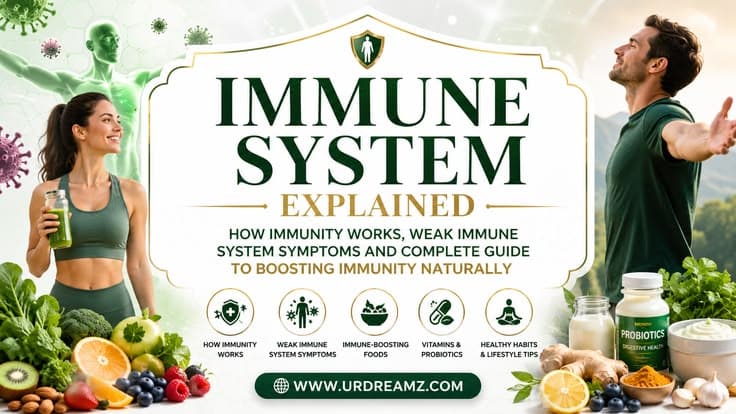
Immune System Explained: How Immunity Works, Weak Immune System Symptoms and Complete Guide to Boosting Immunity Naturally
Somewhere inside you, right now, an invisible army is working around the clock, scanning for threats, remembering old enemies, and quietly keeping you alive without asking for a single day off. That's your immune system. This guide breaks down what it actually is, how it works, why it sometimes weakens, and what genuinely helps, foods, vitamins, herbal remedies, diet plans, and daily habits, based on how immunity actually functions rather than trendy shortcuts.
Introduction: The Defense System You Never Think About
Most people only think about their immune system when it fails them, when a cold drags on for two weeks instead of five days, when a small cut takes forever to heal, or when everyone else at the office seems to shake off a bug while you're stuck in bed for the third time this season. The truth is, your immune system is working every single moment of every single day, whether you notice it or not, quietly neutralizing germs you breathe in, eat, or brush up against without you ever feeling sick at all.
This guide skips the vague "eat healthy and get sleep" advice that gets repeated everywhere and actually digs into how immunity works, why it weakens, what genuinely strengthens it, and what doesn't. You'll find real food lists, an honest diet plan, herbal options with actual context, and the medical side of things too, written the way you'd want a knowledgeable friend to explain it, not a textbook.
What Is the Immune System?
The immune system isn't one single organ sitting somewhere in your body; it's a network, a coordinated team made up of cells, tissues, proteins, and organs scattered throughout your entire body, all communicating with each other to identify and destroy anything that shouldn't be there, bacteria, viruses, fungi, parasites, and even your own cells when they turn cancerous. Think of it less like a wall and more like a security team that patrols every hallway, checks every visitor, and has a memory sharp enough to recognize a troublemaker who tried to sneak in years ago.
What makes this system genuinely remarkable is that it has to walk a very fine line. It needs to be aggressive enough to destroy real threats quickly, but restrained enough not to attack your own healthy tissue. When that balance tips too far in either direction, either too weak or too aggressive, that's when real health problems show up, from constant infections on one end to autoimmune disease on the other.
Table: The Key Organs and Parts of the Immune System
| Organ or Tissue | Role in Immunity |
|---|---|
| Bone marrow | Produces white blood cells, the core immune cells |
| Thymus | Matures T cells before they enter circulation |
| Lymph nodes | Filter lymph fluid and trap harmful invaders |
| Spleen | Filters blood and stores immune cells |
| Tonsils and adenoids | Trap germs entering through the nose and mouth |
| Skin | First physical barrier against invaders |
| Gut-associated lymphoid tissue | Monitors and responds to threats in the digestive tract |
How the Immune System Actually Works
When a germ enters your body, say through a scrape on your knee or through the air you breathe, your immune system runs through a rough sequence of steps. First, it detects that something foreign is present, usually through specialized cells that patrol tissues looking for anything unfamiliar. Next, it mobilizes, sending signals that call in more immune cells to the site of the problem, which is often what causes the redness, swelling, or fever you feel during an infection, not the germ itself, but your body's own response to it. Finally, it attacks and clears the invader, either destroying it directly or coating it with antibodies that mark it for destruction by other cells.
What's easy to miss is that most of this happens without you ever feeling a thing. The vast majority of germs you encounter every single day get handled quietly, before symptoms ever develop, which is honestly the whole point. You only notice your immune system when something manages to get past the early defenses and a bigger, more visible response kicks in.
Innate Immunity Explained
Innate immunity is the immune system you were born with, the fast, general-purpose defense that doesn't need to learn anything first. It includes physical barriers like your skin and the mucus lining your airways, along with a set of cells that respond to anything foreign within minutes to hours, not days. Innate immunity doesn't distinguish between one virus and another the way more advanced immunity does; it treats anything unfamiliar as a threat and reacts quickly and broadly, which makes it your body's first line of defense while the more targeted response is still gearing up.
Adaptive Immunity Explained
Adaptive immunity is the slower but far more precise system that develops over the course of your life as your body encounters specific germs. Unlike innate immunity, adaptive immunity learns; it studies a particular invader, builds a targeted response against it, and, crucially, remembers it. This is the system behind why you usually only get chickenpox once, and it's the exact mechanism vaccines are designed to trigger, teaching your body to recognize a threat before you're ever actually exposed to the real, dangerous version of it.
Passive Immunity Explained
Passive immunity is a bit different from the other two, because it's borrowed rather than built. It happens when antibodies are transferred directly from one source to another, most notably from a mother to her baby through the placenta during pregnancy and through breast milk afterward, giving newborns temporary protection during the vulnerable early months before their own immune system has fully matured. Passive immunity can also be given medically, such as through certain antibody treatments, but unlike adaptive immunity, it doesn't leave a lasting memory and fades over time.
Table: Types of Immunity Compared
| Type | Speed | Specificity | Memory |
|---|---|---|---|
| Innate immunity | Minutes to hours | General, not targeted to a specific germ | No lasting memory |
| Adaptive immunity | Days to build, then fast on re-exposure | Highly specific to a particular invader | Long-lasting memory |
| Passive immunity | Immediate | Specific, but borrowed from another source | Temporary, fades over time |
White Blood Cells: The Body's Soldiers
White blood cells, also called leukocytes, are the actual working cells of the immune system, produced continuously in the bone marrow and circulating through your blood and tissues on constant patrol. There isn't just one kind; different types specialize in different jobs. Neutrophils are usually first on the scene, rushing to an infection site and engulfing invaders directly. Macrophages act almost like cleanup crews, consuming debris and dead cells while also alerting the rest of the immune system that something needs attention. Lymphocytes, which include T cells and B cells, handle the more targeted, adaptive side of the response, and natural killer cells specialize in detecting and destroying cells that have already been infected by a virus or turned cancerous.
Antibodies Explained
Antibodies are Y-shaped proteins produced by B cells, and they're essentially precision-guided tags. Each antibody is built to recognize one specific invader, locking onto it and either neutralizing it directly or marking it clearly so other immune cells know exactly what to destroy. Once your body has produced antibodies against a particular germ, some of those B cells stick around long-term as memory cells, ready to pump out the same antibodies fast if that exact germ ever shows up again, which is a big part of why your second encounter with a familiar illness is usually milder, or doesn't happen at all.
Immune Memory: Why Vaccines Work
Immune memory is arguably one of the most elegant features of the entire system. After your body defeats an infection, it doesn't just forget and move on; specialized memory T cells and B cells remain in your body, sometimes for decades, holding onto the blueprint for how to fight that specific threat. This is exactly the principle vaccines are built on: they introduce a safe, weakened, or partial version of a germ so your immune system can build that memory without you ever having to get seriously sick from the real thing first. When the actual germ eventually shows up, your body already has the playbook ready and can respond dramatically faster than it could the first time around.
Why the Immune System Gets Weak or Damaged
Immunity isn't a fixed trait you're simply born with and stuck with forever; it shifts constantly based on what you do, what you eat, how you sleep, and what your body is dealing with at any given time. A weakened immune system generally happens for one of two broad reasons: either something is actively suppressing immune function, like chronic stress, poor sleep, or certain medications, or the body simply lacks the raw materials, the vitamins, minerals, and overall nutrition, it needs to produce and maintain a fully functioning immune response. Often it's a combination of several of these factors stacking on top of each other rather than one single dramatic cause.
Cause: Poor Nutrition
Your immune system is expensive to run, biologically speaking. Producing white blood cells, antibodies, and all the signaling proteins involved in an immune response requires a steady supply of protein, vitamins, and minerals. A diet that's heavy on processed food and light on actual nutrients, fruits, vegetables, whole grains, quality protein, quietly starves the immune system of what it needs, even if you're eating plenty of calories overall. This is part of why someone can be well-fed by calorie count and still be nutritionally deficient in exactly the things immunity depends on most.
Cause: Chronic Stress
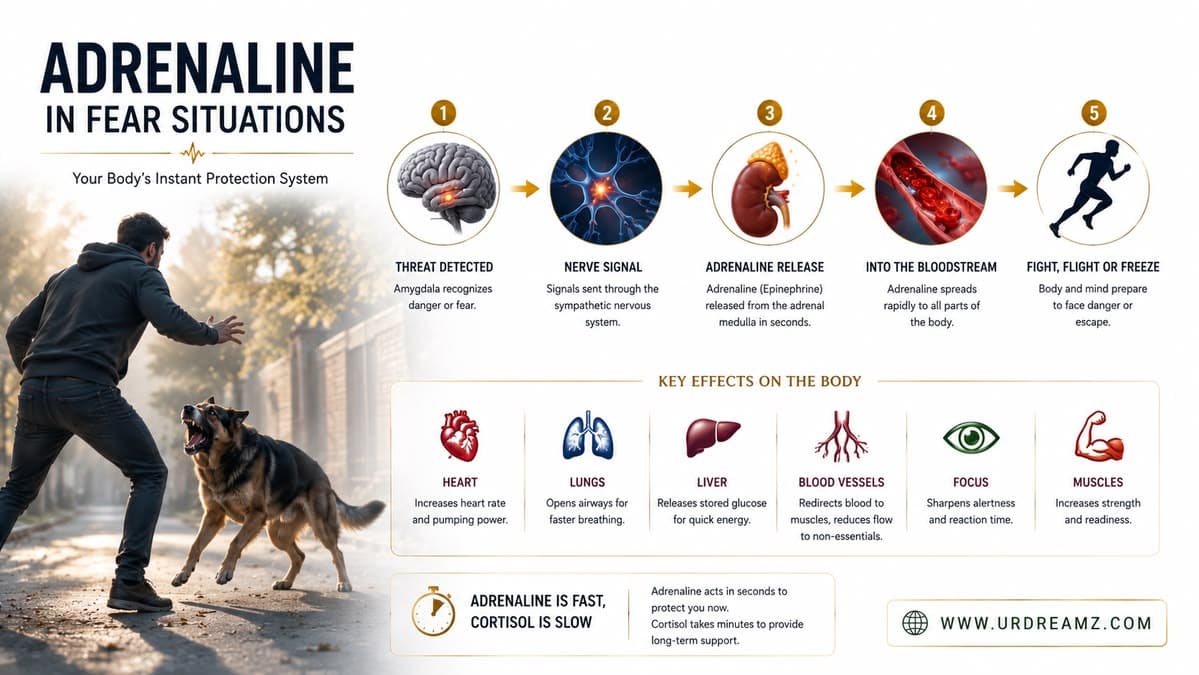
Short bursts of stress aren't necessarily bad for immunity; they can even sharpen it temporarily. The real problem is chronic, ongoing stress, the kind that doesn't let up for weeks or months. Sustained stress keeps cortisol levels elevated, and over time, elevated cortisol suppresses immune function, reduces the number of certain protective white blood cells in circulation, and makes the body generally more vulnerable to infection. This is why people going through prolonged stressful periods, whether work-related, financial, or personal, so often notice they get sick more easily during that stretch of life.
Cause: Lack of Sleep
Sleep is when a huge amount of immune system maintenance actually happens, particularly the production and release of certain proteins the body needs to fight infection and inflammation. Cut sleep short consistently, and you're cutting into the immune system's main maintenance window. Studies on sleep-deprived people have shown a measurably weaker antibody response to vaccines and a higher susceptibility to catching a cold after exposure to the virus, compared to well-rested people, which is about as direct a demonstration as you can get of sleep's real impact on immunity.
Cause: Sedentary Lifestyle
A body that barely moves tends to have sluggish circulation, and immune cells rely on efficient circulation to travel through the bloodstream and lymphatic system to wherever they're needed. Long stretches of inactivity have been linked to reduced immune surveillance, essentially meaning immune cells patrol less effectively when the body isn't moving regularly. This doesn't mean you need to become an athlete; it simply means a body that moves regularly tends to have an immune system that's more actively on patrol.
Cause: Smoking and Alcohol
Smoking damages the immune system on multiple fronts at once: it harms the lining of the airways that normally traps and clears germs, reduces the effectiveness of certain immune cells, and increases overall inflammation throughout the body. Alcohol, particularly in excess, disrupts gut health, impairs the production and function of white blood cells, and interferes with the body's ability to mount a proper inflammatory response when it's actually needed. Neither has to be extreme to cause measurable harm; even moderate, regular use has been shown to blunt immune function over time.
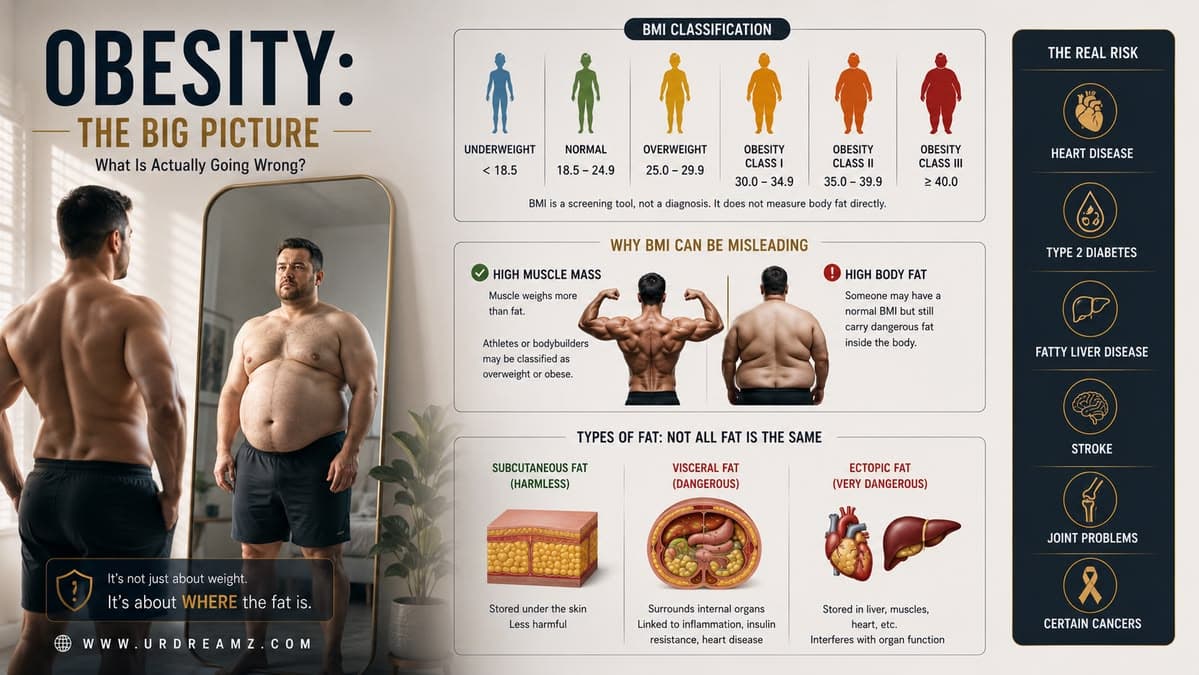
Cause: Obesity
Excess body fat, particularly around the abdomen, isn't just inert storage; it's metabolically active tissue that releases inflammatory signals into the bloodstream continuously. This low-grade, chronic inflammation puts ongoing strain on the immune system and has been linked to a weaker response to certain infections and even reduced effectiveness of some vaccines in people with obesity. It's another example of how immune health rarely exists in isolation from the rest of your overall physical health.
Cause: Aging
As the years go by, the immune system naturally becomes somewhat less efficient, a process researchers call immunosenescence. The thymus, which matures T cells, gradually shrinks starting in early adulthood, reducing the supply of new, fully trained T cells over time. Older adults typically respond more slowly to new infections, mount a weaker response to vaccines, and take longer to recover from illness than younger people, which is exactly why extra attention to nutrition, activity, and preventive care becomes increasingly valuable with age rather than less.
Cause: Chronic Illness and Medications
Certain chronic conditions, including diabetes, kidney disease, and autoimmune disorders, can directly impair normal immune function, either through the disease process itself or through the medications used to manage it. Some medications, such as chemotherapy drugs, corticosteroids, and immunosuppressants prescribed after organ transplants or for autoimmune disease, are specifically designed to suppress immune activity, which is medically necessary in those situations but does leave the body more vulnerable to infection as a tradeoff, requiring extra precautions during treatment.
Table: Common Causes of Low Immunity
| Cause | How It Weakens Immunity |
|---|---|
| Poor nutrition | Deprives immune cells of essential building blocks |
| Chronic stress | Elevated cortisol suppresses immune cell activity |
| Lack of sleep | Disrupts production of key infection-fighting proteins |
| Sedentary lifestyle | Reduces circulation and immune cell surveillance |
| Smoking | Damages airway defenses and increases inflammation |
| Excess alcohol | Impairs white blood cell production and gut health |
| Obesity | Drives chronic low-grade inflammation |
| Aging | Naturally reduces T cell production over time |
| Chronic illness or immunosuppressive medication | Directly impairs immune cell function |
Signs and Symptoms of a Weak Immune System
A weakened immune system doesn't usually announce itself with one dramatic symptom; it tends to show up as a pattern over time. Getting sick more often than the people around you, colds that linger far longer than they should, cuts and wounds that take an unusually long time to heal, and a general sense of being run down or fatigued even without an obvious reason are all common signals. Frequent digestive issues can be part of the picture too, given how closely gut health and immune function are linked, and some people notice they seem to catch nearly every illness going around a workplace or household while others around them stay unaffected.
Table: Warning Sign Checklist
| Sign | What It May Indicate |
|---|---|
| Frequent infections | Reduced ability to fight off common germs |
| Slow wound healing | Reduced immune cell activity at injury sites |
| Persistent fatigue | Body working harder than usual to manage low-grade issues |
| Frequent digestive problems | Possible disruption in gut-related immune function |
| Colds that linger longer than usual | Slower or weaker immune clearance of infection |
| Frequent cold sores or reactivated infections | Reduced ability to keep dormant viruses suppressed |
How Doctors Diagnose Immune Problems
If someone is genuinely concerned about their immune function, rather than just going through a rough patch, a doctor will typically start with a detailed history: how often infections occur, how severe they are, and whether there's a family pattern suggesting something inherited. From there, blood tests can measure white blood cell counts and types, immunoglobulin levels, and specific markers that point toward either an underlying deficiency or an overactive immune process. This kind of thorough evaluation matters because "weak immunity" can mean very different things depending on the underlying cause, and treatment only makes sense once that cause is actually identified.
Table: Common Immune-Related Tests
| Test | What It Checks |
|---|---|
| Complete blood count with differential | Total and specific types of white blood cells |
| Immunoglobulin levels | Levels of different antibody classes in the blood |
| C-reactive protein | General marker of inflammation in the body |
| Autoantibody panel | Signs the immune system may be attacking the body's own tissue |
| Vaccine response testing | How well the body produces antibodies after vaccination |
Medical Treatment for Immune Deficiency
When someone has a genuinely diagnosed immune deficiency, whether inherited or acquired, treatment depends heavily on the specific cause. Some people benefit from immunoglobulin replacement therapy, essentially receiving antibodies through an IV or injection when their body can't produce enough on its own. Others may need treatment for an underlying condition driving the immune weakness, such as better-controlled diabetes or adjustments to a medication regimen. In cases where infections are frequent, preventive antibiotics or antivirals are sometimes prescribed as a proactive measure. None of this is something to self-diagnose or self-treat; a real immune deficiency needs a doctor's involvement, not a supplement aisle.
Vaccination and Immunity
Vaccines work by giving your immune system a safe preview of a threat, whether through a weakened form of a germ, an inactivated version, or just a specific piece of it, enough for your body to build a targeted response and lay down memory cells without you having to go through the actual illness first. This is why vaccinated populations tend to see dramatically lower rates of the diseases they're protected against, and why staying current on recommended vaccinations remains one of the single most effective tools medicine has for supporting immunity at a population level, not just an individual one.
Autoimmune Conditions: When Immunity Overreacts
Not every immune problem is about weakness; sometimes the immune system becomes overactive and starts attacking the body's own healthy tissue by mistake, treating it as if it were a foreign invader. This is what happens in autoimmune conditions like rheumatoid arthritis, lupus, and type 1 diabetes, where the immune system's normally protective aggression gets misdirected. Treatment for autoimmune disease usually involves carefully calming or redirecting immune activity rather than boosting it, which is exactly why "boost your immunity" advice, however well-meaning, doesn't apply the same way to someone managing an autoimmune condition.
Allergies: Another Form of Immune Overreaction
Allergies are another example of the immune system misfiring, this time reacting to something ordinarily harmless, pollen, certain foods, pet dander, as though it were a genuine threat. The resulting sneezing, itching, or swelling is the immune system's inflammatory response kicking in unnecessarily. Like autoimmune disease, allergies illustrate that a "strong" immune system isn't automatically a good thing in every context; the real goal is a well-regulated one that responds appropriately, not one that's simply cranked up as high as possible.
Table: Immune-Related Conditions Overview
| Condition Type | What Happens | Example |
|---|---|---|
| Immune deficiency | Immune system is underactive or missing key components | Primary immunodeficiency, medication-induced suppression |
| Autoimmune disease | Immune system attacks the body's own healthy tissue | Rheumatoid arthritis, lupus, type 1 diabetes |
| Allergy | Immune system overreacts to a harmless substance | Pollen allergy, food allergy |
| Chronic infection | Immune system struggles to fully clear a persistent germ | Certain viral or bacterial infections |
Herbal and Natural Remedies for Immunity
Long before modern immunology existed, people across cultures relied on plants and traditional preparations to support the body during illness, and several of these have since drawn real scientific interest. Echinacea has been studied for its potential to modestly shorten the duration of colds when taken at the first sign of symptoms, though results across studies are mixed. Elderberry has shown some promise in reducing the severity and length of flu-like symptoms in a handful of clinical trials. Raw honey has mild antibacterial properties and has long been used to soothe a sore throat and cough, particularly in adults and children over one year old. Tulsi, also known as holy basil, has a long history in traditional practice as a general wellness herb believed to support the body's stress response, which indirectly supports immune balance given how closely stress and immunity are linked.
It's worth being honest here: herbal remedies are generally best understood as supportive, comfort-oriented measures rather than replacements for medical treatment, especially for anything beyond a mild, common illness. They can genuinely help you feel better during a cold or support general wellness as part of a broader healthy routine, but they should be used with some caution around dosing, potential interactions with medications, and, for pregnant or breastfeeding women or anyone on prescription drugs, a conversation with a doctor first.
Table: Popular Herbal Immunity Boosters and Notes
| Herb or Remedy | Traditional Use | Note |
|---|---|---|
| Echinacea | Shortening cold duration | Best started at first symptoms; effects vary by study |
| Elderberry | Reducing flu-like symptom severity | Use standardized, food-safe preparations only |
| Raw honey | Soothing sore throat and cough | Not recommended for children under one year old |
| Tulsi (holy basil) | General wellness and stress support | Often taken as tea; check with a doctor if on medication |
| Ginger tea | Soothing nausea and supporting digestion | Generally safe in food amounts |
| Turmeric milk | Traditional comfort drink with anti-inflammatory reputation | Pair with black pepper for better absorption |
| Green tea | Source of antioxidants (catechins) | Contains caffeine; moderate intake recommended |
Vitamins and Minerals That Support Immunity
Certain nutrients are so directly tied to immune cell production and function that a genuine deficiency in any one of them can measurably weaken your body's defenses. Vitamin C supports the production and function of white blood cells and acts as an antioxidant protecting cells during an immune response. Vitamin D plays a regulatory role, helping activate immune defenses while also helping keep an overactive response in check. Zinc is essential for the development and communication of nearly every immune cell type, and even a mild deficiency has been linked to increased infection risk. Iron, selenium, and magnesium all play supporting roles in specific immune processes, while B complex vitamins support the energy production immune cells need to actually do their job.
Table: Key Vitamins and Minerals for Immune Health
| Nutrient | Role in Immunity | Good Sources |
|---|---|---|
| Vitamin C | Supports white blood cell function; antioxidant | Citrus fruits, bell peppers, berries |
| Vitamin D | Regulates and activates immune defenses | Sunlight, fatty fish, fortified foods |
| Zinc | Essential for immune cell development | Meat, shellfish, seeds, legumes |
| Iron | Supports immune cell energy and function | Red meat, spinach, lentils |
| Selenium | Supports antioxidant defense in immune cells | Brazil nuts, fish, eggs |
| Magnesium | Supports overall immune cell signaling | Nuts, seeds, leafy greens |
| Vitamin A | Maintains mucosal barriers and immune cell function | Sweet potatoes, carrots, liver |
| Vitamin E | Antioxidant protection for immune cells | Nuts, seeds, vegetable oils |
| B complex vitamins | Support energy metabolism in immune cells | Whole grains, eggs, leafy greens |
Gut Health and the Immune Connection
Roughly seventy percent of your immune system's activity is estimated to be concentrated around the gut, which makes sense once you realize the digestive tract is one of the biggest entry points for germs into the body. The gut lining works alongside trillions of bacteria, collectively known as the gut microbiome, to help train and regulate immune responses, distinguish harmless food particles from genuine threats, and maintain a strong physical barrier against invaders. When the balance of gut bacteria is disrupted, whether from poor diet, antibiotics, or chronic stress, immune function tends to suffer right along with it, which is exactly why gut health keeps coming up as such a central theme in any serious conversation about immunity.
Probiotics and Fermented Foods
Probiotics are live beneficial bacteria that, when consumed in adequate amounts, can help support a healthy balance of gut microbes. Fermented foods like yogurt with live cultures, kefir, sauerkraut, and kimchi naturally contain these beneficial bacteria, while prebiotic fiber found in foods like garlic, onions, and bananas provides the fuel those bacteria need to thrive. Regularly including both probiotic and prebiotic foods in your diet supports a more diverse, resilient gut microbiome, which in turn supports a more balanced, well-regulated immune response over time rather than a quick fix from any single food.
23 Best Foods for a Strong Immune System
There's no single miracle food that will single-handedly transform your immunity overnight, but certain foods consistently show up across nutrition research as genuinely useful for supporting immune function, thanks to their vitamin, mineral, or antioxidant content. The list below covers a wide, practical range so you can build variety into your regular meals rather than relying on the same three foods on repeat.
Table: 23 Best Immune-Boosting Foods
| # | Food | Key Immune Benefit |
|---|---|---|
| 1 | Oranges and citrus fruits | High in vitamin C |
| 2 | Bell peppers | Very high vitamin C content |
| 3 | Garlic | Contains allicin with antimicrobial properties |
| 4 | Ginger | Anti-inflammatory and soothing properties |
| 5 | Turmeric | Contains curcumin, an anti-inflammatory compound |
| 6 | Spinach | Rich in vitamin C, antioxidants and fiber |
| 7 | Broccoli | High in vitamins A, C, E and fiber |
| 8 | Yogurt with live cultures | Supports gut microbiome and immunity |
| 9 | Almonds | Rich source of vitamin E |
| 10 | Sunflower seeds | Good source of vitamin E and selenium |
| 11 | Fatty fish (salmon, sardines) | Omega-3s and vitamin D |
| 12 | Shellfish (oysters, crab) | Excellent zinc source |
| 13 | Eggs | Vitamin D, protein and selenium |
| 14 | Sweet potatoes | Rich in vitamin A (beta-carotene) |
| 15 | Carrots | Beta-carotene supporting mucosal defense |
| 16 | Kiwi | High vitamin C and antioxidants |
| 17 | Berries (blueberries, strawberries) | High in antioxidants |
| 18 | Green tea | Rich in catechin antioxidants |
| 19 | Garlic-infused honey | Combines antimicrobial and soothing properties |
| 20 | Kefir | Probiotic-rich fermented dairy drink |
| 21 | Lentils and legumes | Good plant source of zinc and iron |
| 22 | Mushrooms (shiitake, maitake) | Contain beta-glucans supporting immune activity |
| 23 | Pumpkin seeds | Rich in zinc and magnesium |
17 Foods and Habits to Avoid for Immune Health
Just as certain foods actively support immunity, others quietly undermine it, either by promoting chronic inflammation, disrupting gut bacteria, or crowding out the nutrients your immune system actually needs. None of these need to be eliminated entirely for most people, but recognizing them helps you understand why a diet heavy in these items tends to leave immunity noticeably weaker over time.
Table: 17 Foods and Habits That Weaken Immunity
| # | Item | Why It Weakens Immunity |
|---|---|---|
| 1 | Sugary drinks and soda | Can suppress immune cell activity temporarily after intake |
| 2 | Refined sugar and sweets | Promotes inflammation and feeds unhelpful gut bacteria |
| 3 | Deep-fried foods | High in inflammatory trans and saturated fats |
| 4 | Processed meats | Linked to increased inflammation |
| 5 | Excess alcohol | Impairs white blood cell production |
| 6 | Smoking and tobacco | Damages airway defenses and increases inflammation |
| 7 | Highly processed packaged snacks | Low in nutrients, often high in unhealthy fats and sugar |
| 8 | Excess refined carbohydrates | Can spike blood sugar and drive inflammation |
| 9 | Chronic sleep deprivation | Reduces production of infection-fighting proteins |
| 10 | Chronic unmanaged stress | Suppresses immune cell activity via elevated cortisol |
| 11 | Sedentary all-day habits | Reduces immune cell circulation and surveillance |
| 12 | Excessive caffeine late in the day | Disrupts sleep, indirectly weakening immunity |
| 13 | Chronic dehydration | Impairs the body's ability to flush toxins and transport nutrients |
| 14 | Skipping meals frequently | Can deprive the body of steady nutrient supply |
| 15 | Excess sodium intake | Some evidence links high salt intake to immune imbalance |
| 16 | Poor hygiene habits | Increases exposure to pathogens the immune system must fight |
| 17 | Overuse of unnecessary antibiotics | Disrupts beneficial gut bacteria supporting immunity |
Table: A 15-Day Immune-Boosting Diet Plan
| Day | Focus | Simple Daily Habit |
|---|---|---|
| Day 1 | Vitamin C reset | Add citrus fruit or bell peppers to two meals |
| Day 2 | Gut support | Include yogurt or kefir with breakfast |
| Day 3 | Zinc focus | Add pumpkin seeds or lentils to lunch or dinner |
| Day 4 | Hydration | Track water intake and aim for consistent hydration all day |
| Day 5 | Anti-inflammatory boost | Cook with turmeric and ginger in at least one meal |
| Day 6 | Leafy greens | Add spinach or broccoli to one main meal |
| Day 7 | Rest and recovery | Prioritize a full night of quality sleep |
| Day 8 | Healthy fats | Include fatty fish or a handful of nuts |
| Day 9 | Garlic and onion focus | Add garlic or onion to your cooking for prebiotic support |
| Day 10 | Sugar reduction | Swap one sugary snack or drink for fruit or water |
| Day 11 | Movement | Fit in at least 30 minutes of light to moderate activity |
| Day 12 | Vitamin A boost | Include sweet potato or carrots in one meal |
| Day 13 | Mindful stress break | Spend 10-15 minutes on deep breathing or a quiet walk |
| Day 14 | Sunlight exposure | Spend some time outdoors during daylight hours |
| Day 15 | Reflection and reset | Review which habits felt sustainable and plan to continue them |
This 15-day structure is meant as a practical, gradual reset rather than a strict rulebook; the goal is to build small, repeatable habits you can realistically keep going well beyond the two weeks, not to follow a rigid plan perfectly and then abandon it entirely.
Hydration and Immune Function
Water plays a more direct role in immunity than people often realize. Lymph, the fluid that carries immune cells throughout your body, is largely water-based, and proper hydration supports its efficient movement. Water also helps flush waste products and toxins out of the body through the kidneys and supports the mucous membranes lining your nose, throat, and lungs, which act as an important physical barrier against inhaled germs. Chronic mild dehydration, the kind many people walk around with without realizing it, can quietly reduce how efficiently all of these systems function.
Sleep and Immunity
It bears repeating with a bit more depth: sleep isn't just rest for the brain, it's active maintenance time for the immune system. During deep sleep, the body produces cytokines, proteins that help coordinate immune responses and manage inflammation, and this production drops off noticeably when sleep is cut short. Most adults need somewhere between seven and nine hours a night to support this process fully, and consistently falling short, even by an hour or two most nights, adds up to a meaningfully weaker immune baseline over time.
Exercise and Immunity
Regular, moderate exercise is one of the more reliably beneficial habits for immune health, improving circulation so immune cells can move through the body more efficiently and helping reduce chronic inflammation over time. The relationship isn't perfectly linear, though; extremely intense or prolonged exercise without adequate recovery has actually been associated with temporary dips in immune function immediately afterward. The sweet spot for most people is consistent, moderate activity, something like brisk walking, cycling, or swimming for around 30 minutes most days, rather than occasional extreme workouts.
Stress Management and Immunity
Given how directly chronic stress suppresses immune function, actively managing stress isn't a soft, optional wellness add-on, it's a legitimate immune support strategy. Practices like meditation, deep breathing exercises, spending time in nature, journaling, or simply making time for hobbies and relationships you genuinely enjoy all help lower baseline stress hormone levels over time. The specific method matters less than consistency; the goal is regularly giving your nervous system genuine breaks from a constant state of alert, not finding one perfect technique.
Hygiene Habits That Support Immunity
Good hygiene doesn't strengthen your immune system directly, but it dramatically reduces how often that system has to work overtime fighting off preventable infections in the first place. Regular handwashing, particularly before eating and after being in public spaces, covering coughs and sneezes, keeping frequently touched surfaces clean, and staying current on recommended vaccinations all reduce your overall exposure to pathogens, giving your immune system fewer unnecessary battles to fight and more capacity to handle the ones that genuinely matter.
Sunlight and Vitamin D
Sunlight exposure triggers your skin to produce vitamin D, a nutrient that plays a genuinely important regulatory role in immune function, helping activate immune defenses while also helping prevent the kind of overactive inflammatory response linked to some autoimmune and allergic conditions. People who spend most of their time indoors, live in regions with limited sunlight, or consistently wear full sun protection are at higher risk of vitamin D deficiency and may need dietary sources or supplementation, ideally guided by a blood test rather than guesswork, to maintain adequate levels.
Immune Health in Children
A child's immune system is still actively developing, which is exactly why kids tend to catch more colds and minor infections than adults, especially once they start daycare or school and encounter a wider range of germs for the first time. This is a normal, expected part of building a mature immune system, not necessarily a sign that something is wrong. Supporting children's immunity mainly comes down to the same fundamentals as adults, balanced nutrition, adequate sleep, regular outdoor time, good hygiene habits, and staying current on recommended vaccinations, all adjusted appropriately for their age and needs.
Immune Health in Older Adults
As discussed earlier, immune function naturally declines somewhat with age, which makes older adults more susceptible to infections and generally slower to recover from them. This makes preventive habits particularly valuable in this stage of life: staying current on vaccinations recommended for older adults, maintaining good nutrition even when appetite naturally decreases, staying as physically active as safely possible, and promptly addressing any chronic health conditions that could further strain immune function all meaningfully support healthier aging.
Immune Health During Pregnancy
Pregnancy naturally involves some immune system adjustments, since the body has to tolerate the presence of the developing baby, who is genetically only half identical to the mother, without treating it as a foreign threat. This delicate balancing act can leave pregnant women somewhat more vulnerable to certain infections, which is part of why prenatal care places such emphasis on nutrition, appropriate vaccinations, and prompt attention to any signs of infection during pregnancy rather than waiting to see if symptoms resolve on their own.
Immune Health for People With Chronic Illness
People managing chronic conditions like diabetes, kidney disease, or autoimmune disorders often need a more individualized approach to immune health, since both the underlying condition and its treatment can significantly influence immune function. Working closely with a doctor to keep the underlying condition well controlled, staying current on additional vaccinations that may be specifically recommended for higher-risk individuals, and being extra attentive to early signs of infection are all particularly important for this group, where general advice needs to be adapted to individual medical circumstances.
Table: Immune System Myths vs Facts
| Myth | Fact |
|---|---|
| You can "boost" your immune system to superhuman levels with supplements | Supplements can correct a deficiency but cannot push immunity beyond a healthy normal baseline |
| Catching a cold means your immune system is weak | Even healthy immune systems get occasional common colds; it's largely about exposure and the specific virus |
| More vitamin C is always better | Beyond a certain point, extra vitamin C is simply excreted rather than providing additional benefit |
| Cold weather itself causes illness | Cold weather doesn't directly cause infection; it correlates with more indoor time and virus spread |
| Antibiotics help fight viral infections like colds | Antibiotics only work against bacteria, not viruses |
| A stronger immune system is always better | An overactive immune system can cause autoimmune disease and allergies; balance matters most |
Seasonal Immunity Tips
Immune needs shift a bit with the seasons, mostly due to changes in daylight, temperature, and behavior rather than the immune system itself changing. Winter months typically bring less sun exposure and more time spent indoors in close contact with others, both of which raise the practical risk of catching something going around, making extra attention to vitamin D, hydration, and hygiene particularly worthwhile. Warmer months bring their own considerations, like staying hydrated in the heat and being mindful of food safety during outdoor gatherings, both of which indirectly support the immune system by reducing unnecessary strain from preventable issues.
Prevention Tips for Long-Term Immune Health
If you pull everything in this guide together, the real throughline is that immune health isn't about any single food, supplement, or trick, it's the sum of a handful of consistent daily habits: eating a genuinely varied, nutrient-dense diet, sleeping enough most nights, moving your body regularly, managing stress instead of just absorbing it indefinitely, staying hydrated, practicing solid hygiene, and keeping up with routine medical care and vaccinations. None of these individually feels dramatic, but together, sustained over months and years, they add up to a meaningfully more resilient immune system than any single "immunity booster" ever could on its own.
It also helps to let go of the all-or-nothing mindset that so much wellness content pushes. You don't need to nail every single habit perfectly every day; a body that gets most of these things right most of the time is already in a genuinely strong position, and that consistency, not perfection, is what actually protects you over the long run.
When to See a Doctor
Occasional colds and minor infections are a completely normal part of having an immune system that's actively learning and adapting; they're not automatically a red flag. You should consider seeing a doctor, though, if you notice a genuine pattern of unusually frequent or severe infections, infections that don't respond to standard treatment, wounds that consistently heal very slowly, unexplained persistent fatigue, or a family history of immune deficiency. A doctor can run the appropriate tests to determine whether something specific is genuinely going on, rather than leaving you guessing based on symptoms alone.
Frequently Asked Questions
What is the immune system and how does it work?
The immune system is a network of cells, tissues and organs that detects, attacks and remembers harmful invaders like bacteria and viruses, working continuously to protect the body from infection and disease.
What are the signs of a weak immune system?
Frequent infections, slow wound healing, constant fatigue, and recurring colds can all be signs that your immune system needs support.
How can I boost my immune system naturally?
Eat a balanced, nutrient-rich diet, get enough sleep, exercise regularly, manage stress, stay hydrated, and avoid smoking and excess alcohol.
Which vitamin is most important for immunity?
Vitamin C, vitamin D, and zinc are among the most important individual nutrients supporting normal immune function, though overall nutritional balance matters more than any single vitamin.
Do probiotics really help the immune system?
Yes, probiotics may support immune health by helping maintain a healthy, diverse gut microbiome, which plays a major and increasingly well-documented role in immune regulation.
Can stress really weaken the immune system?
Chronic, ongoing stress raises cortisol levels, which can suppress immune cell activity and increase susceptibility to infection over time.
How much sleep does a healthy immune system need?
Most adults need about seven to nine hours of quality sleep each night to support normal immune function and recovery.
What is the difference between innate and adaptive immunity?
Innate immunity is the fast, general first line of defense you're born with, while adaptive immunity is the slower, highly targeted response that develops and builds lasting memory as your body encounters specific germs over time.
Can exercise really strengthen the immune system?
Yes, regular moderate exercise improves circulation and helps reduce chronic inflammation, both of which support healthier immune function over the long term.
When should I see a doctor about frequent infections?
If infections occur unusually often, are unusually severe, don't respond to normal treatment, or come with very slow wound healing, it's worth having a doctor evaluate your immune function directly.
Conclusion
Your immune system doesn't need a miracle food or a trendy supplement to work well; it needs consistent nutrition, decent sleep, regular movement, manageable stress, and a reasonable amount of hygiene, applied steadily over time rather than perfectly for one intense week. Understanding how immunity actually works, what genuinely weakens it, and which habits and foods realistically support it puts you in a far stronger position than chasing whatever "immunity booster" happens to be trending this month. This guide is intended for general education and does not replace professional medical advice; if you have concerns about frequent infections, immune deficiency, or an autoimmune condition, consult a qualified healthcare professional for proper diagnosis and treatment.
At the end of the day, your immune system has been quietly protecting you since before you were born, adapting, learning, and remembering every threat it has ever faced. Giving it the basic, unglamorous support it actually needs, food, rest, movement, and a reasonably calm nervous system, is one of the most genuinely powerful things you can do for your long-term health, no matter how simple it sounds compared to whatever's being marketed as the next big immunity hack.
Related Reading:
- Diabetes Explained: Symptoms, Causes, Blood Sugar and Treatment Guide
- Weight Loss Diet Plan: Best Foods for Fat Loss
- High Blood Pressure vs Low Blood Pressure: Complete Guide
- Heart Health: Complete Guide to Prevention, Symptoms and Diet
- Digestive Problems Explained: Causes, Symptoms and Treatment
- Fatty Liver Disease: Warning Signs, Stages and Complete Guide
- Kidney Health Explained: Symptoms, Causes and Treatment
- Thyroid Disorders Explained: Symptoms, Causes and Treatment
- Joint Pain Explained: Causes, Symptoms and Treatment
- High Cholesterol Explained: Symptoms, Causes, LDL vs HDL and Treatment Guide
- Anemia Explained: Symptoms, Causes, Iron Deficiency and Treatment Guide
- Sleep Health Explained: Causes of Poor Sleep and Complete Guide to Better Sleep
- Eye Health Explained: Causes, Diseases, Treatment and Complete Guide to Healthy Eyes
This article is for general educational purposes only and is not a substitute for professional medical advice, diagnosis, or treatment. Always consult a qualified healthcare provider regarding immune deficiency, autoimmune conditions, or any concerns about frequent infections.