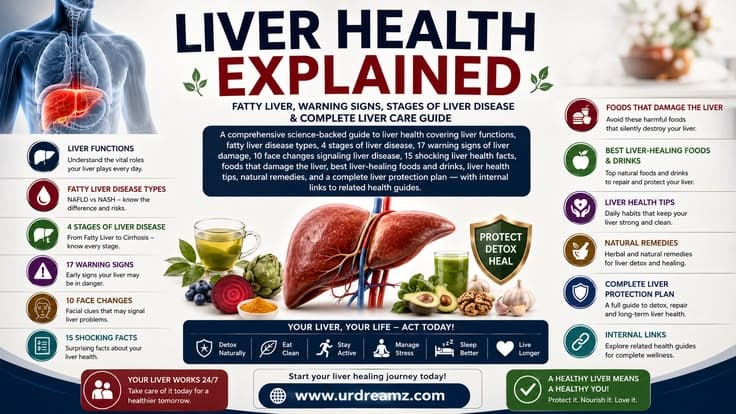
Liver Health Explained: Fatty Liver, Warning Signs, Stages of Liver Disease & Complete Liver Care Guide
Your liver is performing over 500 vital functions right now — silently, without complaint — filtering every toxin from your blood, producing bile to digest fat, storing energy for your muscles and brain, manufacturing proteins that allow your blood to clot, and metabolizing every medication you take. It is the hardest-working organ in your body after the heart, and it can regenerate damage that would permanently cripple any other organ. Yet it is also one of the most abused and overlooked organs in modern life, silently accumulating damage from poor diet, excess alcohol, obesity, and inactivity until that damage becomes irreversible. This comprehensive guide covers everything you need to know about liver health: how the liver works, the types and stages of liver disease, the warning signs your liver is in trouble, the best and worst foods for your liver, natural remedies, and a practical plan to protect and restore one of your most essential organs.
1. What Does the Liver Do? Complete Functions Overview
The liver is the largest internal organ in the human body, weighing approximately 1.5 kilograms (3.3 pounds) in a healthy adult and occupying the upper right portion of the abdomen, protected behind the ribcage. It is also among the most metabolically complex organs — performing well over 500 distinct biochemical functions that are essential for survival. No machine — not even the most advanced medical technology — can fully replicate the liver's functions, which is why liver failure is so rapidly life-threatening and why liver transplantation remains the only option when the liver fails completely.
The liver's most critical functions include: detoxification — filtering and neutralizing toxins, drugs, metabolic waste products, bacterial byproducts, and environmental chemicals from the bloodstream (every drop of blood that passes through the gut first travels to the liver before entering general circulation); bile production and secretion — the liver produces approximately 500–1,000 ml of bile per day, which is stored in the gallbladder and released into the small intestine to emulsify and aid the digestion and absorption of dietary fats and fat-soluble vitamins (A, D, E, and K); glucose metabolism — the liver stores excess glucose as glycogen and releases it into the bloodstream when blood sugar levels drop, acting as the body's primary blood sugar regulator; protein synthesis — the liver manufactures most of the proteins circulating in blood, including albumin (which maintains blood pressure and transports hormones and nutrients), clotting factors (essential for stopping bleeding), and acute-phase proteins of the immune system.
Additional vital liver functions include: lipid metabolism — processing and packaging dietary fats, producing cholesterol (both LDL and HDL), and synthesizing triglycerides for energy transport; drug metabolism — breaking down and eliminating virtually every medication you take, which is why liver disease affects medication dosing; storage of essential nutrients including glycogen, vitamins A, D, B12, iron, and copper; immune defense — containing a large proportion of the body's immune cells (Kupffer cells) that destroy bacteria and pathogens entering from the gut; and hormonal regulation — metabolizing and eliminating excess hormones including estrogen, cortisol, and thyroid hormones. The liver's extraordinary importance means that even modest, early damage — still entirely reversible — is worth taking seriously and addressing promptly.
| Function Category | Specific Actions | What Happens When Impaired |
|---|---|---|
| Detoxification | Filters toxins, drugs, alcohol, ammonia, and metabolic waste from blood | Toxin buildup in blood; drug sensitivity; hepatic encephalopathy (confusion) |
| Digestion support | Produces bile (500–1,000 ml/day) for fat emulsification and absorption | Fat malabsorption; fat-soluble vitamin deficiency; pale, greasy stools |
| Blood sugar regulation | Stores glucose as glycogen; releases glucose when blood sugar drops | Hypoglycemia; impaired diabetes management; energy instability |
| Protein synthesis | Produces albumin, clotting factors, immune proteins, and carrier proteins | Edema (low albumin); bleeding disorders (clotting factor deficiency); reduced immunity |
| Lipid metabolism | Processes dietary fats; produces and regulates cholesterol; manages triglycerides | Dyslipidemia; fatty deposits in arteries; impaired fat transport |
| Nutrient storage | Stores vitamins A, D, B12, iron, copper, and glycogen | Nutritional deficiencies despite adequate dietary intake |
| Hormone regulation | Breaks down and eliminates excess estrogen, cortisol, thyroid hormones | Hormonal imbalances; irregular menstruation; gynecomastia (breast tissue in men) |
| Immune defense | Kupffer cells destroy bacteria entering from gut; produces immune proteins | Increased susceptibility to infection; systemic inflammation |
2. Why Liver Health Is a Modern Crisis
Liver disease has quietly become one of the most significant — and fastest-growing — public health crises of the 21st century. While conditions like heart disease and cancer rightly receive extensive public attention, liver disease kills approximately 2 million people globally every year and is one of the leading causes of premature death and disability worldwide. More alarmingly, the forms of liver disease that are increasing most rapidly are not the historical viral causes (hepatitis B and C, which have treatments and vaccines) but the lifestyle-driven conditions — primarily non-alcoholic fatty liver disease (NAFLD) — that are entirely determined by diet, weight, and metabolic health.
NAFLD now affects an estimated 25–32% of the global adult population — making it the most common liver condition in the world, affecting approximately 1 in 4 adults. In countries with high rates of obesity and sedentary lifestyles, prevalence reaches 30–40%. The condition affects people across all age groups, including children and adolescents — a deeply concerning recent trend driven by rising rates of childhood obesity and sugar-heavy diets. Most people with early or moderate NAFLD have no symptoms at all — the disease is silent until significant damage has occurred, which is why so many cases go undiagnosed until an advanced stage.
The liver disease burden is also deeply connected to other conditions covered in this health series: type 2 diabetes and insulin resistance are both a cause and consequence of NAFLD; obesity is the primary driver of fatty liver; high blood pressure and elevated triglycerides are components of the metabolic syndrome that consistently accompanies NAFLD; and cardiovascular disease is the leading cause of death in NAFLD patients — not liver disease itself in most cases. Understanding liver health is therefore not a separate topic from the other health guides in this series — it is the central metabolic organ around which the entire web of modern chronic disease is organized.
3. Types of Liver Disease: An Overview
Liver disease is not a single condition but a spectrum of distinct disorders that affect the liver through different mechanisms — ranging from reversible accumulation of fat in early stages to permanent, life-threatening scarring and organ failure in advanced stages. Understanding the full landscape of liver conditions helps you recognize which category applies to any given situation and what the appropriate response is.
| Type | Primary Cause | Key Features | Reversibility |
|---|---|---|---|
| Non-Alcoholic Fatty Liver Disease (NAFLD) | Obesity, insulin resistance, poor diet, sedentary lifestyle | Fat accumulation in liver cells without alcohol as cause; most common form worldwide | Yes — early stages fully reversible with lifestyle change |
| Non-Alcoholic Steatohepatitis (NASH) | Progression of NAFLD; fat plus inflammation and liver cell damage | More severe than simple fatty liver; higher risk of progression to fibrosis and cirrhosis | Partially — lifestyle change and medications can reverse inflammation; fibrosis partially reversible |
| Alcoholic Liver Disease (ALD) | Excessive and chronic alcohol consumption | Spectrum from alcoholic fatty liver (reversible) to alcoholic hepatitis to cirrhosis | Early stages reversible with abstinence; cirrhosis is irreversible |
| Viral Hepatitis (A, B, C, D, E) | Hepatitis viruses transmitted via contaminated food/water (A, E) or blood/body fluids (B, C, D) | Liver inflammation; acute or chronic; hepatitis C often asymptomatic for decades | Hepatitis A and E resolve spontaneously; B and C treatable; C now curable with antivirals |
| Liver Fibrosis | Ongoing inflammation from any cause producing scar tissue | Fibrous scar tissue replaces functional liver cells; reduced liver efficiency | Partially reversible in early stages with effective treatment of underlying cause |
| Liver Cirrhosis | Advanced fibrosis from any chronic liver condition | Extensive irreversible scarring; severely impaired liver function; life-threatening complications | Not reversible — only management and transplantation |
| Autoimmune Hepatitis | Immune system attacking liver cells | Chronic inflammation; primarily affects young women; associated with other autoimmune conditions | Manageable with immunosuppressant medications; not curable |
| Liver Cancer (HCC) | Most commonly develops on background of cirrhosis; also from hepatitis B/C | Hepatocellular carcinoma is the most common form; aggressive malignancy with poor late-stage prognosis | Depends on stage at diagnosis; early detection allows curative treatment |
| Drug-Induced Liver Injury (DILI) | Medications (including over-the-counter), supplements, herbal remedies | Paracetamol (acetaminophen) overdose is the leading cause in Western countries | Usually resolves with drug discontinuation if caught early |
4. Fatty Liver Disease: NAFLD and AFLD Explained
Fatty liver disease — medically called hepatic steatosis — occurs when more than 5% of the liver's weight consists of fat. Under normal circumstances, small amounts of fat in the liver are acceptable and healthy. When fat accumulates beyond this threshold, liver cell function is impaired, inflammation is triggered, and the foundation is laid for progressive liver damage that can ultimately lead to cirrhosis and liver failure.
Fatty liver disease is divided into two fundamentally different conditions based on whether alcohol is the primary cause. Non-Alcoholic Fatty Liver Disease (NAFLD) occurs in people who drink little to no alcohol — its cause lies in metabolic dysfunction driven by obesity, insulin resistance, poor diet, and physical inactivity. Alcoholic Fatty Liver Disease (AFLD) is directly caused by excessive alcohol consumption — alcohol is metabolized in the liver into toxic byproducts that directly damage liver cells and promote fat accumulation. Both conditions produce fat in the liver and can progress through identical stages of inflammation, fibrosis, and cirrhosis — but their underlying causes, treatments, and populations affected differ significantly.
The critical and profoundly important point about early fatty liver disease — whether alcoholic or non-alcoholic — is that it is completely reversible. The liver's extraordinary regenerative capacity means that if the underlying cause is removed (through weight loss, dietary improvement, and cessation of alcohol) in the early fatty liver stage, the liver can return to completely normal function. This reversibility makes early detection through screening — and the lifestyle changes that follow — genuinely lifesaving in a way that is rarely available for other serious chronic diseases.
5. Types of Fatty Liver Disease: Complete Classification
Both NAFLD and AFLD exist on a spectrum — from simple fat accumulation (entirely reversible) to end-stage cirrhosis (irreversible, requiring transplantation). Understanding this spectrum helps patients and families understand where they are in the disease process, what to expect, and what the urgency of intervention is at each stage.
| Category | Stage | What Happens in the Liver | Reversibility | Primary Intervention |
|---|---|---|---|---|
| Non-Alcoholic Fatty Liver Disease (NAFLD) | Simple Fatty Liver (NAFL / Steatosis) | Fat accumulates in liver cells without significant inflammation or cell death | Fully reversible with lifestyle change | Weight loss (7–10% of body weight), dietary improvement, exercise |
| Non-Alcoholic Steatohepatitis (NASH) | Fat accumulation PLUS inflammation and liver cell damage (ballooning) | Partially reversible — inflammation may resolve; fibrosis may not fully reverse | Weight loss, anti-inflammatory diet, emerging medications (semaglutide, resmetirom) | |
| Liver Fibrosis (NASH-related) | Ongoing inflammation has produced scar tissue replacing functional liver cells; liver function declining | Early fibrosis (F1–F2) may partially reverse; advanced fibrosis (F3) less likely | Aggressive lifestyle change; treatment of underlying metabolic disease; medications | |
| Cirrhosis (NASH-related) | Extensive irreversible scarring; severely impaired liver function; portal hypertension | Not reversible; slowing progression is the goal | Medical management of complications; liver transplantation in end-stage | |
| Alcoholic Fatty Liver Disease (AFLD) | Alcoholic Fatty Liver (Steatosis) | Alcohol metabolism byproducts cause fat accumulation in liver cells | Fully reversible with alcohol abstinence (within 4–6 weeks) | Complete alcohol cessation |
| Alcoholic Hepatitis | Acute severe liver inflammation from alcohol; can be life-threatening; may occur on background of cirrhosis | Partially reversible in milder cases with abstinence; severe cases have high short-term mortality | Alcohol abstinence; corticosteroids (prednisolone) in severe cases; nutritional support | |
| Alcoholic Cirrhosis | Irreversible scarring from years of alcoholic damage | Not reversible; abstinence prevents further damage and improves survival | Alcohol abstinence (most important intervention even at this stage); medical management; transplantation |
6. Four Stages of Liver Disease Explained
Regardless of the underlying cause — whether alcoholic, non-alcoholic, viral, or otherwise — progressive liver disease follows a broadly similar four-stage progression from healthy function through increasing degrees of damage to end-stage failure. Understanding these stages, what the body experiences at each point, and what interventions are most effective provides the clinical framework for managing liver disease at any point in its progression.
| Stage | What Happens in the Liver | Typical Symptoms | Urine Color Sign | Reversibility | Key Intervention |
|---|---|---|---|---|---|
| Stage 1: Fatty Liver (Steatosis) | Excess fat accumulates inside liver cells; liver begins to enlarge slightly; no significant inflammation yet; liver function largely preserved | Usually none — completely silent in most cases; some experience mild fatigue or mild discomfort in upper right abdomen | Pale yellow to light straw (Grades 1–2) — normal, indicates good hydration and healthy liver function | Fully reversible — the liver can return to completely normal structure and function with appropriate lifestyle change | Weight loss of 7–10% body weight; low-sugar, anti-inflammatory diet; regular exercise; alcohol cessation if applicable |
| Stage 2: Inflammation / Steatohepatitis | Fat accumulation triggers ongoing liver inflammation; liver cells begin to swell and die (ballooning degeneration); liver is attempting to repair damage but inflammatory cycle continues | Persistent fatigue; abdominal discomfort or mild pain in right upper abdomen; bloating; reduced appetite; brain fog; some weight loss | Bright to dark yellow (Grades 3–4) — early sign of liver stress; drink more water and improve diet immediately | Partially reversible — inflammation can resolve with lifestyle change; some cell damage may persist | Same as Stage 1 but more urgent; medications may be added; regular hepatologist monitoring; address all metabolic risk factors |
| Stage 3: Liver Fibrosis | Chronic inflammation has activated stellate cells (liver's scar-forming cells) to lay down fibrous collagen scar tissue; scar tissue replaces functional liver cells; liver architecture begins to distort; blood flow through liver increasingly restricted | More noticeable fatigue; abdominal pain; worsening digestive symptoms; possible fluid retention; itchy skin beginning; hormone imbalance signs; joint pain; irritability | Deep yellow to amber (Grades 5–6) — indicates buildup of bilirubin (a waste product the damaged liver struggles to process); medical evaluation warranted | Early fibrosis (F1–F2) may partially reverse with effective treatment; advanced fibrosis (F3) is unlikely to fully reverse but can be stabilized | Aggressive lifestyle intervention; treatment of underlying cause (viral hepatitis, metabolic syndrome, alcohol); emerging antifibrotic medications; specialist hepatology care |
| Stage 4: Cirrhosis | Extensive irreversible scarring replaces most functional liver tissue with hard nodular scar; liver loses ability to filter blood, produce proteins, make bile, regulate blood sugar, and detoxify metabolic waste; portal hypertension (backup pressure in portal vein) leads to serious complications | Jaundice (yellow skin and eyes); severe fatigue; significant abdominal swelling (ascites — fluid in abdomen); leg swelling; mental confusion and personality changes (hepatic encephalopathy); vomiting blood (variceal bleeding); severe itching; dark brown urine; extreme weight loss; easy bruising and bleeding | Dark brown to reddish (Grades 7–8) — sign of severe dehydration OR significant liver dysfunction or jaundice; seek immediate medical help | Not reversible — structural damage is permanent; however, abstinence from alcohol and treatment of underlying causes can slow further progression and improve quality of life and survival; liver transplantation is the only potential cure | Medical management of cirrhosis complications (diuretics for ascites, lactulose for encephalopathy, beta-blockers for varices, antibiotics for infections); liver transplantation evaluation; alcohol abstinence; nutritional support |
7. Non-Alcoholic Fatty Liver Disease (NAFLD): Causes and Risk Factors
NAFLD is now the most common liver condition in the world, affecting an estimated 25% of the global adult population. It is defined by the presence of fat in the liver (steatosis) in people who drink little to no alcohol and do not have another identifiable cause of liver disease such as viral hepatitis or specific medications. Despite its prevalence, it remains dramatically underdiagnosed because most people with early to moderate NAFLD experience no symptoms — making it a condition that is typically discovered incidentally during investigation of an unrelated health issue or during routine screening.
The fundamental driver of NAFLD is metabolic dysfunction — specifically the complex interplay between excess caloric intake (particularly from refined carbohydrates and fructose), obesity (particularly abdominal adiposity), and insulin resistance. When cells throughout the body become resistant to insulin's signals, the liver compensates by ramping up fat production (de novo lipogenesis) — essentially converting excess blood glucose and fructose into triglycerides and storing them within its own cells. Simultaneously, insulin resistance impairs the normal breakdown and export of fats from the liver, creating a bidirectional accumulation problem.
| Risk Factor | Type | Mechanism of Liver Damage | How Significant |
|---|---|---|---|
| Obesity (particularly abdominal) | Modifiable | Excess free fatty acids from visceral fat flood the liver; promotes insulin resistance and de novo lipogenesis | Very High — present in 70–90% of NAFLD patients |
| Type 2 Diabetes / Insulin Resistance | Modifiable | Impaired insulin signaling drives both fat accumulation and inflammation in the liver | Very High — NAFLD present in 50–70% of T2D patients; related guide: Diabetes Explained |
| High-fructose diet (sodas, juices, processed foods) | Modifiable | Fructose is almost exclusively metabolized in the liver; excess drives fat production and inflammation directly | Very High — even in normal-weight individuals with high sugar intake |
| Sedentary lifestyle / Physical inactivity | Modifiable | Reduces fat oxidation; promotes insulin resistance; reduces hepatic fat export | High — independent risk factor even when weight is controlled |
| Dyslipidemia (high triglycerides, low HDL) | Modifiable | Component of metabolic syndrome; reflects impaired hepatic fat metabolism; related guide: Heart Health Guide | High |
| High blood pressure (Hypertension) | Modifiable | Component of metabolic syndrome; associated with NAFLD and worsens outcomes; related guide: Blood Pressure Guide | Moderate–High |
| Genetics | Non-Modifiable | PNPLA3 and TM6SF2 gene variants significantly increase NAFLD susceptibility and severity | Moderate — increases risk but does not make NAFLD inevitable |
| Sleep apnea | Modifiable | Chronic intermittent hypoxia (low oxygen during sleep) promotes liver inflammation and fat accumulation | Moderate — often overlooked NAFLD risk factor |
| Polycystic ovary syndrome (PCOS) | Partially modifiable | PCOS-associated insulin resistance directly promotes NAFLD in women | High in affected women |
8. Alcoholic Liver Disease: How Alcohol Destroys the Liver
The liver is the primary site of alcohol metabolism in the body, processing approximately 90% of ingested alcohol. While the liver is remarkably adapted to handle moderate amounts of alcohol, chronic excessive consumption overwhelms its metabolic capacity and produces a cascade of toxic effects that progressively damage liver tissue over months and years.
When alcohol (ethanol) is metabolized in the liver, it is converted to acetaldehyde by the enzyme alcohol dehydrogenase. Acetaldehyde is highly toxic — it directly damages liver cell proteins, mitochondria (the cell's energy-producing structures), and DNA; triggers inflammatory responses that attract immune cells and cause further damage; and promotes the formation of reactive oxygen species (free radicals) that cause oxidative damage throughout the liver cell. A secondary metabolic pathway (the MEOS — microsomal ethanol oxidizing system) becomes increasingly active with habitual drinking and generates even more reactive oxygen species and oxidative stress.
The progression of alcoholic liver disease follows a well-defined sequence: alcoholic fatty liver (steatosis) — which develops in virtually everyone who drinks excessively and is entirely reversible with 4–6 weeks of abstinence; alcoholic hepatitis — an acute inflammatory episode that can range from mild to life-threatening (severe alcoholic hepatitis has a 30-day mortality rate of up to 40%); and alcoholic cirrhosis — which develops in approximately 15–20% of heavy drinkers after 10+ years of excessive intake. Not everyone who drinks heavily develops cirrhosis — genetic factors, sex (women develop liver disease at lower alcohol doses than men), nutritional status, and the pattern of drinking (binge versus steady) all influence risk. Critically, even in advanced alcoholic liver disease short of cirrhosis, alcohol abstinence can produce dramatic liver recovery — making cessation of alcohol the single most powerful intervention available at any stage before cirrhosis.
9. Hepatitis: Viral Liver Inflammation
The term "hepatitis" literally means liver inflammation and can result from any cause — including fatty liver, alcohol, medications, and autoimmune conditions — but it is most commonly understood to refer to viral hepatitis caused by a family of hepatotropic viruses specifically adapted to infect liver cells. Five distinct hepatitis viruses (A, B, C, D, and E) have been identified, each with different transmission routes, natural histories, and treatment approaches.
Hepatitis A and E are transmitted through contaminated food and water (fecal-oral route) and typically cause acute, self-limiting infections that resolve without treatment. Hepatitis A is preventable by vaccine. Hepatitis B, C, and D are transmitted through blood, sexual contact, and from mother to child during birth. Hepatitis B is preventable by a highly effective vaccine and is the leading cause of liver cancer globally. Hepatitis C — which had no cure until 2014 — can now be cured in more than 95% of cases with 8–12 weeks of oral direct-acting antiviral medications. Hepatitis D only infects those already infected with hepatitis B. Together, hepatitis B and C cause the majority of the world's cirrhosis and liver cancer, affecting more than 350 million people globally with chronic infection.
10. Liver Cirrhosis: The End Stage of Liver Damage
Liver cirrhosis represents the final common pathway of all chronic liver diseases — the stage at which years of persistent inflammation and injury have replaced most of the liver's functional tissue with dense, fibrous scar tissue that cannot perform liver functions. The term "cirrhosis" comes from the Greek word for "tawny" — referring to the orange-brown nodular appearance of the scarred liver on gross examination. Once cirrhosis is established, the structural changes are irreversible — the goal of treatment shifts from reversal to preventing further progression, managing complications, and preserving the quality of life of remaining functional liver tissue.
Cirrhosis produces its most serious complications through two primary mechanisms. First, hepatic insufficiency — the loss of adequate numbers of functional liver cells — leads to impaired bile production, reduced clotting factor synthesis (causing bleeding risk), decreased albumin production (causing fluid leakage from blood vessels into the abdomen and legs), impaired detoxification (causing hepatic encephalopathy — brain dysfunction from ammonia and other toxin buildup), and hypoglycemia. Second, portal hypertension — the increased pressure in the portal venous system caused by the scarred liver's resistance to blood flow — causes the development of esophageal and gastric varices (dilated, fragile veins that can rupture and cause massive, life-threatening bleeding), ascites (fluid accumulation in the abdominal cavity), splenomegaly (enlarged spleen), and hepatorenal syndrome (kidney failure in the context of liver failure).
11. Liver Cancer: Risk Factors and Prevention
Hepatocellular carcinoma (HCC) — the most common form of primary liver cancer — is one of the most lethal cancers in the world, with approximately 900,000 new cases diagnosed annually and a 5-year survival rate of only 18% overall (much better at early stages). The majority of HCC cases — approximately 80–90% — develop on a background of cirrhosis, which makes cirrhosis prevention the most effective liver cancer prevention strategy available. The most common underlying causes of the cirrhosis that precedes HCC are chronic hepatitis B infection, chronic hepatitis C infection, alcohol-related cirrhosis, and increasingly, NAFLD-related cirrhosis.
Prevention of liver cancer is achievable through: universal hepatitis B vaccination (one of the most important public health achievements — countries with high HBV vaccination coverage have seen dramatic reductions in HCC incidence); treatment of chronic hepatitis C infection (which now cures the infection and dramatically reduces — though does not eliminate — HCC risk even in cirrhotic patients); prevention and reversal of NAFLD through lifestyle modification; alcohol cessation; and regular surveillance (ultrasound every 6 months) for all cirrhotic patients and high-risk hepatitis B patients — since HCC detected at early stages is potentially curable with resection, ablation, or liver transplantation, while late-stage HCC has very limited treatment options.
12. Seventeen Warning Signs of Liver Damage
The liver has a remarkable ability to function without obvious symptoms even when significantly damaged — which is both a testament to its resilience and one of the most dangerous features of liver disease. By the time symptoms appear, substantial and sometimes irreversible damage may have already occurred. Knowing and acting on the early and intermediate warning signs of liver damage is therefore essential for timely intervention.
| # | Warning Sign | Medical Explanation | Urgency Level |
|---|---|---|---|
| 1 | Jaundice — yellowing of skin and eyes | Bilirubin (a yellow bile pigment) accumulates in the blood when the damaged liver cannot process it; deposits in skin and sclerae (whites of eyes) | High — seek medical evaluation promptly |
| 2 | Extreme and constant fatigue | Impaired liver function reduces energy production, detoxification, and nutrient metabolism — producing persistent fatigue unrelieved by rest | Moderate — evaluate if persistent and unexplained |
| 3 | Abdominal pain — particularly right side discomfort | The liver is located in the right upper abdomen; inflammation and enlargement causes pain or pressure under the right rib cage | Moderate — evaluate if persistent or severe |
| 4 | Dark urine — brown or orange colored urine | Excess bilirubin being excreted through the kidneys (since the liver cannot process it) gives urine a tea-colored or dark brown appearance | High — significant sign of liver dysfunction |
| 5 | Pale or clay-colored stools | Stool normally gets its brown color from bile pigments; when bile flow from the liver is blocked or severely reduced, stools become pale, gray, or clay-colored | High — indicates bile flow obstruction |
| 6 | Persistent itchy skin (pruritus) | Bile salts accumulating under the skin when liver cannot clear them cause intense, widespread itching — often one of the most distressing symptoms of chronic liver disease | Moderate–High — evaluate if persistent without other cause |
| 7 | Easy bruising | The damaged liver produces insufficient clotting factors (proteins essential for blood coagulation); minor trauma causes bruising far more easily than normal | Moderate — evaluate if new or worsening |
| 8 | Easy bleeding — bleeding gums, prolonged bleeding from cuts | Same mechanism as easy bruising — clotting factor deficiency; also reduced platelet count from splenomegaly in portal hypertension | Moderate–High |
| 9 | Swollen legs and ankle edema | Reduced albumin production (albumin maintains blood oncotic pressure) allows fluid to leak from blood vessels into tissues; portal hypertension also contributes | High — evaluate promptly; may indicate advanced disease |
| 10 | Loss of appetite and unintended weight loss | Liver inflammation suppresses appetite; impaired bile production reduces fat digestion efficiency; muscle wasting from impaired protein metabolism | Moderate — significant if persistent or combined with other signs |
| 11 | Confusion, memory problems, and personality changes | Hepatic encephalopathy — toxins (particularly ammonia) that the damaged liver cannot clear accumulate in the blood and affect brain function | Very High — medical emergency in acute presentations; seek immediate care |
| 12 | Nausea and vomiting | Toxic metabolite accumulation, impaired bile flow, and gastric motility changes associated with liver dysfunction cause persistent nausea | Moderate |
| 13 | Spider angiomas — spider-like vein patterns on skin | Dilated small blood vessels radiating from a central point, typically on upper body; caused by impaired hepatic estrogen metabolism (elevated estrogen dilates blood vessels) | Moderate — characteristic sign of chronic liver disease |
| 14 | Red palms (palmar erythema) | Reddening and blotchiness of the palms, particularly at the thenar and hypothenar eminences; caused by elevated estrogen from impaired liver metabolism | Moderate |
| 15 | Abdominal swelling (ascites) | Fluid accumulation in the peritoneal cavity from portal hypertension plus low albumin; produces visible abdominal distension and discomfort | Very High — indicates advanced liver disease; seek specialist care |
| 16 | Muscle wasting | The liver plays a central role in protein metabolism; liver failure leads to profound muscle wasting (sarcopenia) despite adequate nutritional intake in some cases | High — indicates advanced hepatic dysfunction |
| 17 | Bad breath (foetor hepaticus) — sweet, musty odor | Volatile sulfur compounds and other metabolites the damaged liver cannot clear are exhaled through the lungs; produces a distinctive sweet or musty breath odor in advanced disease | Moderate — characteristic of advanced liver disease |
13. Thirteen Signs Your Liver Is Overloaded
Before clinical liver disease becomes established, many people experience subtler signs that the liver is under stress — working harder than it should be, accumulating toxins, and beginning to show functional strain. Recognizing these early overload signals provides an opportunity to intervene before damage progresses.
- Fatigue and low energy: Feeling persistently tired or weak despite adequate rest is one of the earliest and most common signs of liver stress. The liver's role in energy metabolism, toxin clearance, and blood sugar regulation means that even early dysfunction impairs the body's ability to generate and maintain energy. This is a very non-specific symptom — but when combined with other signs on this list, it points toward liver overload as a contributing factor.
- Bloating or stomach pain: Frequent bloating, persistent gas, or abdominal discomfort — particularly in the upper right quadrant — may indicate that the liver is struggling to produce adequate bile for fat digestion. Poor fat digestion leads to fermentation of undigested fats in the colon, producing gas and bloating. See also our related guide: Digestive Problems Explained.
- Acne or dull, congested skin: When the liver is overloaded, toxins and metabolic waste products that it cannot fully process are diverted to secondary elimination pathways including the skin, producing acne, rashes, and a dull, sallow complexion.
- Yellowing of eyes or skin (early, mild jaundice): Even mild yellowish tinting of the whites of the eyes or a slight yellow cast to the skin signals that bilirubin — which the liver processes — is beginning to accumulate. This warrants prompt medical investigation.
- Dark urine and pale stools: The combination of darker than usual urine (even without dehydration) and lighter than normal stools is a classically significant early sign of impaired bile flow and liver processing — deserving same-day medical evaluation.
- Nausea and loss of appetite: A persistently nauseated feeling or consistent lack of hunger can reflect the liver's struggle to process and clear metabolic waste and dietary fats efficiently.
- Frequent illness or infections: A liver under stress produces fewer immune proteins, and its Kupffer cells (liver-based immune cells) function less effectively — reducing the immune surveillance of blood leaving the gut and making the body more susceptible to viral and bacterial infections.
- Unexplained weight gain or difficulty losing weight: The liver plays a central role in fat metabolism and hormone processing; a sluggish liver can impair the body's ability to burn fat and can contribute to hormonal imbalances that promote weight gain. See our Weight Loss Diet Plan Guide for comprehensive weight management strategies.
- Sugar cravings: When the liver is struggling to regulate blood glucose effectively, the brain may signal intense cravings for sugar as it perceives an energy deficit — creating a vicious cycle of sugar consumption, liver fat accumulation, and worsening insulin resistance.
- Brain fog and poor concentration: Even mild impairment in the liver's ability to clear metabolic waste from the blood can produce subtle effects on brain function — manifesting as difficulty concentrating, mental fatigue, or a "foggy" feeling particularly in the afternoon.
- Persistent right shoulder or upper back pain: The liver shares nerve supply with the right shoulder and diaphragm; inflammation or enlargement of the liver can produce referred pain to the right shoulder or upper back that mimics musculoskeletal pain.
- Hormonal imbalances: The liver is responsible for metabolizing and clearing excess hormones including estrogen and cortisol. A stressed liver allows these hormones to build up — in women this can manifest as irregular periods, severe PMS, or worsening perimenopausal symptoms; in men as gynecomastia (breast tissue development) and reduced libido.
- Chemical sensitivities and medication intolerances: People with compromised liver function often notice that they tolerate medications, alcohol, caffeine, and even strong smells (perfumes, cleaning products) much less well than they used to — reflecting reduced detoxification capacity.
14. Ten Face Changes That Could Signal Liver Disease
The face is often the first place where internal organ dysfunction becomes externally visible, and liver disease produces several characteristic facial changes that a perceptive observer — or the patient themselves — may notice. While none of these signs alone is diagnostic, their presence warrants liver function testing and medical evaluation.
| # | Face Change | What It Looks Like | Why the Liver Causes It | Action Required |
|---|---|---|---|---|
| 1 | Yellowing of skin and eyes (Jaundice) | Yellowish tinge to skin; whites of eyes turn yellow; most noticeable in natural daylight | Bilirubin accumulation from impaired liver processing | Urgent medical evaluation — blood tests (bilirubin, LFTs) within 24–48 hours |
| 2 | Dark patches on face (Hyperpigmentation) | Brown or black irregular patches of darkened skin, particularly around the eyes and forehead | Impaired hormone and toxin clearance affects melanin regulation in the skin | Liver function testing; rule out other causes (Addison's disease, sun damage) |
| 3 | Puffiness and facial swelling (especially around eyes) | Persistent puffiness, particularly under and around the eyes; face looks bloated or swollen | Low albumin from liver dysfunction causes fluid to leak into tissues; fluid retention | Check albumin levels and kidney function alongside liver tests |
| 4 | Spider angiomas on cheeks and nose | Small red spider-like veins radiating from a central red spot, appearing on cheeks, nose, and around eyes | Elevated estrogen (poorly metabolized by damaged liver) dilates small blood vessels | Liver function testing; spider angiomas in clusters are a classic sign of liver disease |
| 5 | Itchy skin and skin rashes | Red, flaky, itchy patches on face and elsewhere; may look like eczema or psoriasis | Bile salt accumulation in skin from impaired bile flow causes intense itch | Liver function testing; dermatology review if skin change is the primary presentation |
| 6 | Dry mouth, cracked lips, and bleeding gums | Persistent dryness; cracks at corners of mouth; gums that bleed easily when brushing | Reduced clotting factor production (bleeding gums); impaired vitamin absorption (dry lips); dehydration from metabolic dysfunction | Liver function test; vitamin levels (particularly B vitamins and vitamin C) |
| 7 | Yellow nails (nail changes) | Yellow, brittle, thickened nails; white bands across nails (Muehrcke's lines) or half-moon shaped white areas near nail base | Low albumin causes Muehrcke's lines; bilirubin deposits cause yellowing; impaired nutrient delivery affects nail matrix | Liver function testing alongside thyroid and nutritional assessment |
| 8 | Hair thinning (particularly in women) | Diffuse hair thinning, particularly at the temples and crown; reduced hair density overall | Hormonal imbalances from impaired liver hormone processing; reduced protein synthesis affecting hair follicle nutrition | Thyroid tests, liver function tests, nutritional panel (iron, zinc, B vitamins) |
| 9 | Swollen face and jaw | Generalized facial puffiness; jaw appears swollen or full even without dental issues | Fluid retention from low albumin and impaired drainage in portal hypertension | Urgent liver function testing; assess albumin and portal pressure signs |
| 10 | Bad breath — sweet or musty odor (foetor hepaticus) | Distinctive sweet, musty, or "freshly turned earth" smell on breath; different from typical bad breath | Dimethyl sulfide and other volatile sulfur compounds not cleared by damaged liver are exhaled via the lungs | Characteristic of advanced liver disease — warrants urgent hepatology referral |
15. Urine Color and Liver Health: What Your Urine Tells You
Urine color is a remarkably informative and completely free biomarker that provides real-time insight into both hydration status and — more importantly for liver health — bilirubin metabolism. Bilirubin is a yellow pigment produced when old red blood cells are broken down in the spleen. It is transported to the liver, where it is processed (conjugated) and excreted into bile, which gives stool its normal brown color. When the liver is damaged and cannot process bilirubin efficiently, excess unconjugated or conjugated bilirubin accumulates in the blood and is excreted through the kidneys, dramatically darkening urine color — often one of the earliest visible signs of liver dysfunction.
| Urine Color | Grade | What It Indicates | Liver Health Signal | Action |
|---|---|---|---|---|
| Pale yellow to light straw | 1–2 | Good hydration; bilirubin being processed normally | Healthy liver function | Continue current habits — this is the target |
| Bright yellow to medium yellow | 3–4 | Mild dehydration OR early liver stress beginning to affect bilirubin processing | Early sign — drink more water; improve diet; early liver check if persistent | Increase water intake; if color persists despite good hydration, get liver function test |
| Deep yellow to amber | 5–6 | Significant dehydration OR moderate liver dysfunction causing bilirubin to spill into urine | Meaningful signal — particularly if not dehydrated; indicates buildup of bilirubin | Medical evaluation; liver function tests; if jaundice also present, seek care promptly |
| Dark amber to brown | 7 | Severe dehydration OR significant liver dysfunction; bilirubin overflow into urine | Serious — indicates possible jaundice, hepatitis, or advanced liver disease | Seek medical attention promptly — same day if possible |
| Dark brown to reddish-brown (tea-colored) | 8 | Severe liver dysfunction causing major bilirubin overflow; or rhabdomyolysis (muscle breakdown) | Medical emergency — may represent acute hepatitis, liver failure, or bile duct obstruction | Emergency medical care immediately |
| Pink or red-tinged | Special | May be blood in urine (hematuria); or beets/red foods; certain medications | Blood in urine is always significant — rule out kidney or urinary tract causes | Medical evaluation to rule out blood in urine |
| Cloudy or murky | Special | Urinary tract infection most commonly; occasionally kidney disease | Usually unrelated to liver but can co-occur in liver disease with kidney involvement | Urine culture; kidney function tests |
16. Fifteen Shocking Truths About Liver Health
Many people are surprised to learn how counterintuitive some liver health facts are — and how powerful everyday foods and habits can be in either protecting or damaging this vital organ. These fifteen evidence-based liver health facts challenge common assumptions and provide immediately actionable guidance.
| # | Liver Health Truth | The Evidence |
|---|---|---|
| 1 | The best antioxidant for liver repair is Green Tea | EGCG catechins in green tea reduce liver enzyme levels and hepatic fat accumulation; multiple human trials show significant improvement in NAFLD markers with regular green tea consumption |
| 2 | The most ignored liver killer is Sugar (particularly fructose) | Fructose is almost exclusively metabolized in the liver; excess fructose (from sodas, fruit juices, and processed foods) drives de novo lipogenesis — essentially converting sugar directly into liver fat, even in people who are not obese |
| 3 | The best liver-flushing drink is Black Coffee (unsweetened) | This is perhaps the most counterintuitive liver health fact in the scientific literature: coffee consumption is associated with reduced liver enzyme levels, lower NAFLD progression rates, reduced cirrhosis risk, and lower hepatocellular carcinoma risk — with benefits seen even at 2–3 cups per day; kahweol and cafestol and chlorogenic acids are the probable active compounds |
| 4 | The fastest liver fat builder is Fructose from soft drinks and juices | Studies show that consuming fructose-sweetened beverages raises hepatic fat content significantly within 8 weeks even without caloric excess — because fructose bypasses appetite regulation and is converted directly to fat in the liver without the metabolic checks that glucose faces |
| 5 | The best hydration booster for liver is Lemon Water with a pinch of Himalayan Salt | Lemon water provides vitamin C (needed for glutathione synthesis — the liver's master antioxidant) and citrate (which supports alkaline environment and bile secretion); Himalayan salt provides trace minerals lost in liver disease; adequate hydration is essential for efficient liver detoxification |
| 6 | The best sulfur food to activate liver detox enzymes is Garlic | Allicin and other sulfur compounds in garlic activate Phase II detoxification enzymes in the liver (particularly glutathione S-transferases and sulfotransferases) that neutralize carcinogens, medications, and toxins; garlic also improves glutathione levels and has direct antioxidant effects on liver tissue |
| 7 | The most powerful liver detox spice is Turmeric combined with Black Pepper | Curcumin in turmeric is a potent anti-inflammatory and antioxidant that protects liver cells, reduces hepatic inflammation, decreases liver enzyme levels in NAFLD, and may inhibit hepatic stellate cell activation (reducing fibrosis). Black pepper's piperine increases curcumin bioavailability by up to 2,000% |
| 8 | The best fiber to pull toxins out of the liver is Oats (Beta-Glucan) | Soluble fiber (particularly oat beta-glucan) binds bile acids in the gut and removes them, forcing the liver to synthesize new bile from cholesterol — effectively drawing cholesterol and fat-soluble toxins out of the liver via this enterohepatic circulation; oats consistently reduce liver enzymes and hepatic fat in clinical studies |
| 9 | The best fat that protects liver cells is Olive Oil (extra-virgin) | A key component of the Mediterranean diet — which has the strongest evidence base for NAFLD treatment — EVOO's oleocanthal is anti-inflammatory, its polyphenols protect liver cells from oxidative damage, and its monounsaturated fats improve insulin sensitivity and reduce liver fat compared to saturated fat |
| 10 | The best vegetable to drain liver fat is Beetroot | Betaine in beetroot is one of the most studied nutrients for liver fat reduction — it donates methyl groups to convert homocysteine (toxic) to methionine and supports the PEMT pathway that packages fat for export from the liver; beetroot also provides nitrates that improve liver blood flow |
| 11 | Exercise reduces liver fat more effectively than any single food | Even without weight loss, regular aerobic exercise reduces hepatic fat content, liver enzyme levels, and liver inflammation — with effects visible within 4–8 weeks; this makes exercise genuinely the most powerful anti-fatty liver intervention available |
| 12 | The liver can regenerate up to 75% of its mass after acute damage | The liver is the only internal organ with significant regenerative capacity; this allows safe surgical resection of up to 75% of the liver (the remnant regrows to near-normal size within weeks) and explains why acute liver damage from a single insult (such as a medication overdose, if treated) can recover fully |
| 13 | Acetaminophen (paracetamol) is the leading cause of acute liver failure in developed countries | Overdose — or even repeated therapeutic doses combined with alcohol or fasting — depletes liver glutathione and causes direct hepatotoxic damage; every household should know that paracetamol is toxic to the liver in excess and that alcohol dramatically lowers the toxic threshold |
| 14 | Herbal and dietary supplements cause more drug-induced liver injury than many recognize | Herbal supplements (including kava, green tea extract in concentrated form, ashwagandha, and many weight loss supplements) can cause significant hepatotoxicity; "natural" does not mean safe for the liver |
| 15 | A 7–10% reduction in body weight can reverse significant fatty liver | Multiple clinical trials demonstrate that sustained weight loss of 7–10% of initial body weight reduces hepatic fat content by 40–80%, resolves NASH in 25–50% of cases, and can reduce early fibrosis — making this one of the most powerful evidence-based liver disease treatments available |
17. The Four Stages of Liver Health: From Healthy to Cirrhosis
The liver's health status at any given time can be broadly characterized across four functional stages — from optimal health through progressive compromise to life-threatening failure. Understanding which stage describes your liver's current situation guides the urgency and nature of the intervention required.
- Stage 1 — Healthy Liver: The liver is functioning efficiently, detoxifying the blood, producing adequate bile, regulating blood sugar, and synthesizing all required proteins. Signs of a healthy liver include good energy levels throughout the day, clear skin, regular and comfortable digestion, stable weight, good immunity, and balanced mood. Supporting a healthy liver requires nothing exotic — adequate hydration, a balanced whole-food diet, regular exercise, good sleep, and avoidance of excess alcohol. Prevention at this stage costs nothing and guarantees the best possible long-term outcome.
- Stage 2 — Overworked Liver: Poor diet, excess sugar and processed food, sedentary lifestyle, chronic stress, excess alcohol, and inadequate sleep have begun to cause fat accumulation and early inflammation in the liver. The liver is still functional but working harder than it should. Signs include bloating and digestive sluggishness, fatigue (particularly in the afternoon), brain fog, persistent sugar cravings, dull skin, and mild right-side abdominal discomfort. This stage is completely reversible — dietary improvement, cutting sugar and alcohol, regular exercise, and stress management can restore normal function relatively quickly.
- Stage 3 — Damaged Liver (Fibrosis): Continued inflammation has triggered scar tissue formation; functional liver cell mass is being replaced by fibrous tissue. The liver's efficiency is measurably declining. Signs include joint pain, hormonal imbalances, worsening digestive problems, persistent fatigue, irritability, and early signs of impaired detoxification. Early fibrosis (F1–F2) can be partially or largely reversed with aggressive lifestyle change and treatment of underlying causes; advanced fibrosis (F3) is much harder to reverse but can be stabilized. Anti-inflammatory foods, milk thistle, regular movement, and medical management are the priorities at this stage.
- Stage 4 — Cirrhosis: Extensive irreversible scarring has replaced most functional liver tissue. The liver's ability to filter blood, produce proteins, generate bile, and regulate metabolism is severely compromised. Signs include jaundice, abdominal swelling (ascites), swollen legs, mental confusion, extreme fatigue, easy bruising, and dark urine. Medical care is essential at this stage — lifestyle changes can slow further progression and improve quality of life, but cannot reverse the structural damage. Liver transplantation may be the only curative option.
18. How Liver Health Connects to Diabetes
The relationship between liver health and diabetes is one of the most clinically important — and bidirectional — connections in metabolic medicine. Insulin resistance and type 2 diabetes are among the strongest risk factors for NAFLD, and NAFLD in turn worsens insulin resistance and accelerates the progression to type 2 diabetes. Understanding and addressing this bidirectional relationship is essential for managing either condition effectively.
When liver cells accumulate excess fat (as in NAFLD), they become insulin-resistant — they no longer respond normally to insulin's signal to take up glucose from the blood. The liver continues to produce glucose even when insulin signals it to stop (a process called hepatic glucose overproduction), contributing directly to elevated fasting blood glucose. Simultaneously, fat-laden liver cells produce increased amounts of inflammatory cytokines (particularly TNF-alpha and IL-6) that impair insulin signaling throughout the body — making skeletal muscle and adipose tissue insulin-resistant as well. The result is a self-reinforcing cycle: excess liver fat drives insulin resistance, and insulin resistance drives further liver fat accumulation.
The treatment implications are profound: interventions that improve liver health (weight loss, exercise, Mediterranean diet, reducing fructose) simultaneously improve insulin sensitivity and blood glucose control — often before any medication change. Conversely, medications that improve insulin sensitivity (metformin, GLP-1 receptor agonists like semaglutide) also reduce liver fat and inflammation, and some (particularly GLP-1 agonists) have shown dramatic efficacy in clinical trials for NASH treatment. For detailed diabetes management strategies, see our comprehensive Diabetes Explained Guide.
19. Liver Health and Heart Disease Connection
Despite liver disease being primarily thought of as a digestive or hepatic condition, cardiovascular disease is actually the leading cause of death among patients with NAFLD — not liver-related causes, except in the most advanced stages. This striking statistic underscores the profound interconnection between liver health and cardiovascular risk, which operates through multiple shared pathways and mechanisms.
The liver plays a central and direct role in cardiovascular risk through its lipid metabolism functions. It is responsible for producing very-low-density lipoprotein (VLDL) particles — the main transporters of triglycerides in the blood — and for clearing LDL cholesterol from the circulation via LDL receptors on liver cells. A fatty, inflamed liver overproduces VLDL (raising triglycerides), produces a less efficient form of HDL (reducing protective "good" cholesterol), and has impaired LDL receptor function (raising LDL cholesterol). The characteristic dyslipidemia of NAFLD — high triglycerides, low HDL, and a predominance of small, dense LDL particles — is highly atherogenic (promotes plaque buildup in arteries).
Beyond lipids, the chronic systemic inflammation produced by an inflamed fatty liver contributes to arterial inflammation and atherosclerosis. NAFLD is now considered an independent cardiovascular risk factor — and treatment guidelines increasingly recommend aggressive cardiovascular risk management (addressing cholesterol, blood pressure, and blood sugar) in all patients with NAFLD. For comprehensive cardiovascular health strategies, see our Heart Health Complete Guide.
20. Liver Health and Weight: The Two-Way Relationship
The relationship between body weight — particularly excess abdominal fat — and liver health is profound, direct, and bidirectional. Excess weight (particularly visceral adiposity) is the primary driver of NAFLD in populations that do not drink excessively, and conversely, a damaged liver impairs the metabolic processes that regulate body weight — making weight loss paradoxically harder for many people with significant liver disease.
Visceral fat cells (the fat cells surrounding internal organs in the abdominal cavity) are metabolically highly active, releasing large amounts of free fatty acids directly into the portal vein — the blood vessel that drains directly into the liver. This flood of free fatty acids overwhelms the liver's fat processing capacity and drives hepatic fat accumulation. Visceral fat cells also secrete pro-inflammatory cytokines (adipokines including resistin and TNF-alpha and IL-6) that directly promote liver inflammation, insulin resistance, and fibrosis. This is why waist circumference is often a better predictor of NAFLD and metabolic disease than total body weight or BMI alone.
The great therapeutic news is that the intervention with the strongest, most consistent evidence base for reversing NAFLD is sustainable weight loss — and relatively modest amounts make a dramatic difference. A 3–5% weight loss reduces liver fat; 7–10% weight loss resolves NASH in a significant proportion of patients; 10%+ weight loss can reduce fibrosis. This makes our Weight Loss Diet Plan Guide directly relevant and important for anyone with NAFLD — the strategies outlined there for sustainable fat loss are simultaneously the most evidence-based treatment available for fatty liver disease.
21. Foods That Damage Your Liver
The liver bears the full brunt of the dietary choices you make — processing every substance that enters your bloodstream after digestion. Foods that are hard to metabolize, promote inflammation, drive fat accumulation, or contain directly hepatotoxic compounds place a continuous burden on the liver that, over years and decades, can convert a healthy organ into a diseased one.
| # | Food / Category | Why It Damages the Liver | Damage Mechanism | How to Reduce It |
|---|---|---|---|---|
| 1 | Alcohol | Alcohol is processed in the liver to acetaldehyde — a directly toxic byproduct that damages liver cell proteins, DNA, and mitochondria; drives inflammatory immune response; promotes fat accumulation | Direct hepatotoxicity; oxidative stress; inflammatory cascade | Strict limitation to no more than 1 unit per day for women, 2 for men; complete abstinence if liver disease is present |
| 2 | Fried and fast foods | High in saturated and trans fats that promote hepatic fat accumulation; high caloric density drives obesity and insulin resistance; oxidized fats from deep frying are directly toxic to liver cells | Promotes NAFLD; drives obesity; direct lipotoxicity from oxidized fats | Replace with baked, grilled, or air-fried alternatives cooked with olive oil |
| 3 | Sugary drinks (sodas, fruit juices, energy drinks) | Loaded with fructose that is metabolized almost exclusively in the liver; excess fructose is converted directly to fat (de novo lipogenesis); drives insulin resistance; causes hepatic inflammation | Fructose-driven hepatic de novo lipogenesis; insulin resistance; inflammation | Replace with water, green tea, black coffee, or lemon water |
| 4 | Processed meats (bacon, sausages, deli meats) | High in saturated fat, nitrates, preservatives, and sodium; linked to oxidative stress and inflammation in the liver; promotes insulin resistance | Inflammation; oxidative stress; metabolic disruption | Choose lean protein sources (fish, chicken, legumes, eggs) |
| 5 | Refined carbohydrates (white bread, white rice, pastries) | Rapidly spike blood glucose and insulin; excess glucose converted to fat in the liver; drive insulin resistance; provide calories without nutrients that support liver function | Hyperinsulinemia; hepatic fat accumulation; insulin resistance | Choose whole grains (oats, brown rice, quinoa, whole wheat) |
| 6 | High-fructose foods (candy, sweets, desserts) | Fructose in concentrated form (as opposed to in whole fruit with fiber) floods the liver's metabolic capacity; promotes fat synthesis; triggers inflammatory pathways | Direct hepatic fructose overload; lipogenesis; inflammation | Satisfy sweetness with whole fruit; dark chocolate (70%+) in moderation |
| 7 | Excess salt and high-sodium foods | High sodium causes fluid retention that can worsen ascites and edema in liver disease; may promote endothelial dysfunction and circulatory changes that impair hepatic blood flow | Fluid retention; circulatory stress; compounds complications in existing liver disease | Reduce to under 2,000mg sodium per day; avoid packaged and processed foods; cook with herbs and spices |
| 8 | Artificial sweeteners (in excess) | Emerging evidence suggests some artificial sweeteners alter gut microbiome composition in ways that increase intestinal permeability — allowing bacterial byproducts to enter the portal circulation and trigger liver inflammation | Gut microbiome disruption; increased intestinal permeability; potential hepatic inflammation | Choose whole fruit, small amounts of natural sweeteners; avoid excessive consumption of artificially sweetened products |
| 9 | Trans fats and hydrogenated oils | Trans fatty acids increase LDL cholesterol, decrease HDL cholesterol, and drive systemic inflammation; directly promote fat accumulation in the liver; linked to increased risk of NAFLD and fibrosis | Dyslipidemia; hepatic lipotoxicity; inflammation; insulin resistance | Read labels carefully; avoid products listing "partially hydrogenated oils"; use olive oil, avocado oil |
| 10 | Excessive red meat | Very high saturated fat content; haem iron in red meat can contribute to oxidative stress in liver tissue; high protein load from excess meat requires significant hepatic processing; processed red meat adds additional preservative-related hepatic burden | Saturated fat accumulation; haem iron-mediated oxidative stress; hepatic processing overload | Limit to 1–2 servings per week; prefer lean cuts; replace with fatty fish, legumes, and plant proteins |
22. Alcohol and the Liver: The Real Story
Alcohol is, quite simply, the most well-studied hepatotoxin (liver toxin) in existence — and the one most extensively consumed by human populations worldwide. The liver is equipped to metabolize alcohol because alcohol has been part of human diets for millennia, but this adaptive capacity has strict limits that, when chronically exceeded, produce progressive and ultimately irreversible damage.
The liver processes approximately one standard drink per hour (roughly 10 grams of pure alcohol). When alcohol is consumed faster than this — or consumed chronically in amounts that chronically exceed the liver's processing capacity — the metabolism pathway shifts to produce increasingly toxic byproducts. Even without alcoholism, regular drinking at levels many people consider "moderate" can contribute to liver fat accumulation over years. No amount of alcohol has been identified that is definitively safe for the liver — though the dose-response relationship means that very low, infrequent intake carries minimal risk while heavy, chronic intake causes progressive damage.
For people with existing liver disease of any cause — including NAFLD, hepatitis, or any degree of fibrosis — the position is unambiguous: zero alcohol intake is the medical recommendation. Even modest alcohol consumption significantly accelerates liver disease progression in someone with pre-existing hepatic damage. For those without liver disease, reducing alcohol intake is one of the most impactful liver health choices available — and for those who choose to drink, drinking with food, hydrating between drinks, avoiding binge drinking, and having several alcohol-free days per week dramatically reduces hepatic burden.
23. Sugar, Fructose and Liver Fat
The story of sugar and liver disease is more complex and more alarming than most people realize — and it is one of the most important public health messages emerging from nutritional hepatology research in the past two decades. While all excess calories can contribute to obesity that drives NAFLD, fructose — the form of sugar abundant in table sugar (sucrose), high-fructose corn syrup, and most sweetened beverages — has a uniquely damaging relationship with the liver that goes beyond its caloric contribution.
Unlike glucose (which can be metabolized by every cell in the body), fructose is almost exclusively metabolized in the liver. When fructose arrives at the liver in modest amounts (from whole fruit, which comes packaged with fiber that slows absorption), the liver handles it comfortably. But when concentrated fructose arrives rapidly in large amounts — as from sodas, fruit juices, sweetened coffees, energy drinks, and processed foods — the liver's fructose-handling capacity is overwhelmed. It converts the excess directly into fat (a process called de novo lipogenesis) — producing triglycerides that are either exported into the blood (raising triglyceride levels and cardiovascular risk) or stored within the liver cells themselves (causing fatty liver).
This is why multiple studies have documented that consuming one or two sugar-sweetened beverages per day significantly increases NAFLD risk — even in people who are not overweight. The fructose-liver fat connection operates independently of total caloric intake and body weight, making sugary drinks one of the most specifically and powerfully hepatotoxic dietary patterns available in the modern food environment. Replacing all sugar-sweetened beverages with water, unsweetened tea, or black coffee is one of the single most impactful liver health changes anyone can make, regardless of their other dietary habits.
24. Best Foods for a Healthy Liver
The liver is metabolically responsive to diet in ways that are genuinely remarkable — specific foods and dietary patterns can measurably reduce liver enzyme levels, decrease hepatic fat content, reduce inflammation, and even partially reverse early fibrosis. These are not theoretical claims but findings from clinical studies involving real patients with measurable liver disease.
| Food | Key Active Compounds | Specific Liver Benefit | Best Way to Consume |
|---|---|---|---|
| Green Tea | EGCG and catechins; antioxidants | Reduces ALT and AST liver enzymes; decreases hepatic fat; anti-inflammatory; protective against HCC | 3–5 cups unsweetened green tea daily; do not add milk (binds catechins) |
| Black Coffee (unsweetened) | Chlorogenic acid; kahweol; cafestol; polyphenols | Reduces liver enzyme levels; slows NAFLD progression; reduces cirrhosis and HCC risk; anti-fibrotic effects | 2–3 cups daily without sugar or sweetened creamers |
| Extra-Virgin Olive Oil | Oleocanthal; polyphenols; monounsaturated fats | Reduces liver enzymes and hepatic fat in NAFLD; anti-inflammatory; improves insulin sensitivity | 2–4 tablespoons daily as primary cooking oil or in dressings; raw application preserves polyphenols |
| Garlic | Allicin; sulfur compounds; selenium | Activates Phase II liver detox enzymes; improves glutathione status; reduces hepatic fat and liver enzymes; antimicrobial against H. pylori which can co-contribute to liver stress | 2–4 cloves raw or lightly cooked daily; crush and wait 10 minutes before using to activate allicin |
| Beetroot | Betaine; nitrates; betalains; folate | Betaine supports methyl group donation for fat packaging and export from liver; reduces liver enzymes; anti-inflammatory betalains; nitrates improve hepatic blood flow | Fresh beetroot juice; roasted beets; grated raw in salads; beetroot powder in smoothies |
| Turmeric (with black pepper) | Curcumin; turmerones | Reduces liver enzyme levels (ALT/AST); anti-fibrotic; anti-inflammatory; protective against hepatocellular carcinoma; reduces hepatic oxidative stress | 1 tsp turmeric with pinch of black pepper in golden milk or cooking; 400–600mg curcumin extract 3x daily for therapeutic effect |
| Oats | Beta-glucan (soluble fiber); avenanthramides | Reduces hepatic cholesterol and fat by binding bile acids in gut; reduces liver enzymes in NAFLD; feeds beneficial gut bacteria that reduce intestinal permeability (protecting liver from bacterial byproducts) | Steel-cut or rolled oats porridge; overnight oats; oat bran added to smoothies or yogurt |
| Fatty Fish (Salmon, Sardines, Mackerel) | EPA and DHA omega-3 fatty acids; vitamin D; protein | Omega-3s directly reduce hepatic triglyceride accumulation; reduce liver inflammation; improve liver enzyme levels; the most evidence-supported dietary intervention for NASH specifically | 2–3 servings per week; baked, grilled, or steamed (not fried); sardines are the most affordable and sustainable option |
| Lemon Water | Vitamin C; citrate; flavonoids (in zest) | Vitamin C is required for glutathione synthesis (liver's master antioxidant); citrate supports bile production; hydration essential for liver detoxification; alkalizing effects | Half a lemon squeezed into warm water on waking; drink before breakfast |
| Walnuts | ALA omega-3; arginine; glutathione precursors; polyphenols | Arginine detoxifies ammonia (a liver product); omega-3s reduce hepatic fat; antioxidant polyphenols protect liver cells; clinical trials show reduced liver enzyme levels in NAFLD patients | A small handful (28g/1oz) daily as a snack; do not roast in oils — eat raw or dry-roasted |
| Cruciferous vegetables (Broccoli, Brussels Sprouts, Cauliflower) | Sulforaphane; indole-3-carbinol; glucosinolates; fiber | Sulforaphane powerfully induces both Phase I and Phase II liver detoxification enzymes; reduces hepatic fat; animal studies show protection against NAFLD progression; glucosinolates support estrogen metabolism | Daily serving lightly steamed or raw; light steaming preserves sulforaphane; do not overcook |
| Avocado | Monounsaturated fats; fiber; glutathione; vitamin E | Slows liver damage in animal studies; rich in glutathione (liver's primary antioxidant); fiber supports gut health that benefits liver; healthy fats reduce hepatic inflammation | Half to one avocado daily; in salads, on whole grain toast, in smoothies |
25. Liver-Healing Drinks and Smoothies
What you drink has a direct and measurable impact on liver health — both positively (through liver-protective compounds in tea, coffee, and nutrient-rich juices) and negatively (through alcohol, fructose-heavy beverages, and sugary drinks that directly drive hepatic fat accumulation). Strategic hydration choices can meaningfully support liver detoxification, reduce inflammation, and deliver hepatoprotective compounds efficiently.
The most liver-protective daily drink routine includes: warm lemon water on waking (stimulates bile production, delivers vitamin C for glutathione synthesis), followed by black coffee or green tea mid-morning (powerful liver enzyme reducers and anti-inflammatory agents), adequate water intake throughout the day (essential for efficient toxin clearance), and optionally a liver-supportive smoothie or juice in the afternoon. Drinks to avoid or dramatically reduce: all sugar-sweetened beverages (sodas, fruit juices, energy drinks, sweetened coffees and teas), alcohol, and highly caffeinated energy drinks.
A powerful liver-healing smoothie recipe: blend one cup of spinach (folate, iron, antioxidants), half a beet (betaine, nitrates), one inch of fresh ginger (anti-inflammatory gingerol), half a teaspoon of turmeric with a pinch of black pepper (curcumin for liver protection), half a lemon juiced (vitamin C for glutathione), one tablespoon of chia seeds (fiber, omega-3), and water or unsweetened plant milk to desired consistency. This combination delivers multiple evidence-based liver-protective compounds in a convenient and palatable form. A liver-specific juice recipe: blend 1 carrot, 1 small beet, half a lemon, 1 inch fresh ginger, 1 green apple, and a handful of spinach for a potent anti-inflammatory, antioxidant-rich liver tonic.
26. Green Tea for Liver Health
Green tea has one of the most compelling and consistent evidence bases of any dietary component for liver protection. Multiple human clinical trials — not just animal studies — demonstrate measurable, statistically significant improvements in liver health markers with regular green tea consumption, making it perhaps the single most evidence-supported beverage for hepatic health beyond black coffee.
The primary active compounds responsible for green tea's liver benefits are catechin polyphenols — particularly epigallocatechin-3-gallate (EGCG), the most abundant and most bioactive catechin in green tea. EGCG is a potent antioxidant that reduces oxidative stress in liver cells, inhibits inflammatory signaling pathways (particularly NF-kB, a master regulator of liver inflammation), reduces hepatic fat accumulation by inhibiting fat synthesis enzymes, promotes fat oxidation (breakdown of stored fat), and demonstrates anti-fibrotic properties by reducing stellate cell activation. Multiple human trials in NAFLD patients have documented reductions in ALT and AST (liver enzyme) levels with 4–12 weeks of green tea consumption or supplementation, along with reductions in hepatic fat content measured by imaging.
Practical guidance: consume 3–5 cups of unsweetened green tea daily for liver benefit. Loose leaf green teas (particularly Japanese varieties like Sencha, Gyokuro, and Matcha) typically have higher catechin content than tea bags. Avoid adding milk — milk proteins bind catechins and significantly reduce their absorption. Brew at around 70–80°C (not boiling, which destroys catechins). If using green tea extract supplements, exercise caution — concentrated green tea extract in supplement form has actually been associated with rare cases of hepatotoxicity, likely from supraphysiological concentrations; stick to beverage consumption for safe, sustained benefit.
27. Black Coffee and Liver Protection
The liver-protective effects of coffee represent one of the most counterintuitive and robustly supported findings in hepatology. Across dozens of epidemiological studies and several clinical trials, regular coffee consumption is consistently and significantly associated with: lower levels of liver enzymes (ALT, AST, GGT) in blood — suggesting less liver cell damage and inflammation; lower rates of NAFLD and slower NAFLD progression; lower risk of developing liver cirrhosis (multiple studies show 20–40% reduction per cup per day); and dramatically lower risk of hepatocellular carcinoma — with a 40–50% reduction in HCC risk in regular coffee drinkers.
The protective effects of coffee appear to be attributable to multiple compounds beyond caffeine. Chlorogenic acid is one of the most powerful antioxidants in coffee; it reduces oxidative stress in liver cells, improves insulin sensitivity, and modulates the gut microbiome in liver-protective ways. Kahweol and cafestol — diterpenes found particularly in unfiltered coffee preparations (cafetiere, espresso) — demonstrate direct anti-fibrotic and anti-cancer effects in hepatic stellate cells and hepatocytes. Importantly, decaffeinated coffee also shows liver-protective effects, confirming that caffeine is not the primary active component for liver health specifically.
The liver benefits appear with as few as 1–2 cups per day, with greater benefit seen at 3–4 cups per day in many studies. The key qualifier is unsweetened — adding significant sugar, syrups, or highly caloric creamers negates the metabolic and liver benefits of coffee by adding liver-burdening fructose and excess calories. For people who already drink coffee, this is genuinely welcome news: your daily habit is actively protecting your liver.
28. Turmeric and Black Pepper for the Liver
Turmeric (Curcuma longa) is one of the most extensively researched anti-inflammatory natural compounds in medicine, and its specific effects on liver health are among the most exciting areas of hepatological nutrition research. Curcumin — the primary bioactive polyphenol in turmeric, responsible for its characteristic golden-yellow color — acts on multiple molecular pathways simultaneously relevant to liver disease: it reduces NF-kB activation (a master switch for liver inflammation), inhibits TGF-beta signaling (the primary pathway driving liver fibrosis), scavenges reactive oxygen species (reducing oxidative stress in liver cells), and modulates gut microbiome composition in anti-inflammatory directions.
Clinical trials in NAFLD patients have documented significant reductions in ALT and AST levels (liver enzyme markers of hepatic inflammation and damage) with curcumin supplementation, along with reductions in steatosis grade (hepatic fat content) measured by ultrasound. One well-designed randomized controlled trial found that 1,000mg of curcumin per day for 8 weeks significantly reduced liver enzymes and hepatic steatosis compared to placebo. Animal studies consistently show anti-fibrotic effects — making curcumin potentially valuable even in more advanced liver disease — though human trial evidence for fibrosis reversal remains preliminary.
The critical practical challenge with turmeric is bioavailability. Curcumin is very poorly absorbed from the gut — only approximately 1% of consumed curcumin reaches systemic circulation under standard conditions. Combining turmeric with black pepper increases curcumin bioavailability by up to 2,000% because piperine (the active compound in black pepper) inhibits the enzyme that degrades curcumin in the gut and liver. Consuming turmeric with a fat source (olive oil, coconut milk in golden milk, in a curry with ghee or oil) also significantly enhances absorption, as curcumin is fat-soluble. For therapeutic effects, standardized curcumin-phospholipid complex supplements (CurcuWin, Meriva) or curcumin with piperine show dramatically better bioavailability than standard turmeric powder.
29. Garlic and Its Liver Detox Benefits
Garlic (Allium sativum) has been used medicinally across virtually every traditional medical system for thousands of years, and modern science has substantiated many of its claimed benefits — particularly those related to liver health and detoxification. The primary bioactive compounds in garlic relevant to liver function are its organosulfur compounds (particularly allicin, diallyl sulfide, diallyl disulfide, and S-allylcysteine), which have multiple documented hepatoprotective mechanisms.
Garlic's liver detoxification benefits operate through two primary mechanisms. First, its sulfur compounds directly activate hepatic Phase II detoxification enzymes — the enzymes responsible for conjugating and neutralizing toxins, carcinogens, and reactive metabolites so they can be safely excreted. Specifically, garlic compounds upregulate glutathione S-transferases (GSTs) — the family of enzymes that conjugate glutathione (the liver's master antioxidant) to toxic compounds for elimination. Second, garlic enhances the synthesis and recycling of glutathione itself — increasing the liver's total antioxidant defense capacity. Selenium in garlic is also required for glutathione peroxidase, another critical liver antioxidant enzyme.
Clinical evidence for garlic's liver benefits includes a randomized controlled trial in NAFLD patients that found aged garlic extract supplementation significantly reduced hepatic fat content and liver enzyme levels compared to placebo. Epidemiological evidence also suggests regular garlic consumption is associated with lower rates of liver cancer. For practical use: crush or chop garlic cloves and allow them to sit for 10 minutes before cooking — this allows the allinase enzyme to convert alliin to allicin before heat inactivates the enzyme. Raw garlic has the highest allicin content; lightly cooked garlic retains most of its organosulfur compounds. Adding 2–4 cloves daily to cooking (in dressings, sauces, stir-fries, soups) is a safe and effective liver-supportive practice.
30. Beetroot for Liver Fat Drainage
Beetroot (Beta vulgaris) is among the most specifically hepatoprotective vegetables available, with its liver benefits operating through several distinct and complementary biochemical pathways. Its primary active compounds for liver health are betaine, nitrates, and betalain pigments — each with documented liver-relevant mechanisms.
Betaine (trimethylglycine) is arguably beetroot's most important liver-specific compound. It functions as a methyl group donor in a critical metabolic pathway (the PEMT — phosphatidylethanolamine N-methyltransferase pathway) that packages fat within the liver into VLDL particles for export into the bloodstream. When this pathway functions suboptimally — due to betaine or methionine insufficiency — fat accumulates in the liver instead of being exported. Betaine also protects liver cells directly from oxidative damage, reduces hepatic inflammation, and is the subject of clinical trials for NAFLD treatment. Studies show betaine supplementation reduces liver enzyme levels and hepatic fat in NAFLD patients.
Beetroot's dietary nitrates are converted to nitric oxide in the body, which improves blood vessel dilation and blood flow — including portal blood flow through the liver — improving the liver's efficiency of nutrient delivery and waste removal. Betalain pigments (betacyanins and betaxanthins — the red and yellow pigments of beet) are potent antioxidants with anti-inflammatory properties, protective of liver cells against oxidative damage. Beetroot fiber also supports the gut microbiome in anti-inflammatory directions, indirectly benefiting liver health through the gut-liver axis. Consume fresh beetroot juice, roasted beets, or grated raw beet in salads — cooked beet retains most betaine and nitrates while raw offers maximum enzyme and antioxidant content.
31. Olive Oil, Oats and Lemon Water for Liver Health
Three additional evidence-based liver health staples deserve detailed coverage: extra-virgin olive oil, oats, and lemon water — each offering distinct mechanisms of liver protection that complement the other foods and drinks discussed in this guide.
Extra-virgin olive oil (EVOO) is the defining fat of the Mediterranean diet — the dietary pattern with the strongest evidence base for NAFLD treatment and reversal. EVOO's hepatoprotective effects come primarily from its oleocanthal (a powerful natural anti-inflammatory comparable to ibuprofen in molecular mechanism), its polyphenol antioxidants (oleuropein, hydroxytyrosol), its monounsaturated fatty acid composition (oleic acid), and its anti-inflammatory effects that reduce NF-kB signaling in liver cells. Multiple human trials in NAFLD patients document that replacing refined oils and saturated fats with EVOO significantly reduces liver enzyme levels, hepatic fat content, and inflammatory markers. Using 2–4 tablespoons of EVOO daily as your primary fat — drizzling on salads, using in cooking at medium temperatures, adding to vegetables — is both palatable and demonstrably beneficial for liver health.
Oats contain beta-glucan — a specific type of soluble fiber with particularly powerful liver-protective properties. Beta-glucan binds bile acids in the intestine, preventing their reabsorption and forcing the liver to synthesize new bile salts from cholesterol — effectively drawing cholesterol and fat out of the liver and reducing the hepatic fat accumulation that drives NAFLD. Beta-glucan also reduces the blood sugar spike after meals (beneficial for insulin resistance that drives NAFLD), feeds Lactobacillus and Bifidobacterium gut bacteria (whose metabolites reduce intestinal permeability and protect the liver from bacterial byproducts), and reduces liver enzyme levels in human trials. A daily bowl of oatmeal is one of the highest-value and most economical liver health investments available.
Lemon water — particularly warm or room temperature water with freshly squeezed lemon juice consumed first thing in the morning — benefits liver health through several simple but meaningful mechanisms: vitamin C in lemon juice is an essential cofactor for glutathione synthesis (the liver's primary antioxidant), providing the liver with the raw material it needs for its most important self-protective process; citrate in lemon juice supports alkalinity and bile production; and the hydration aspect is itself essential for all liver functions, as the liver requires adequate fluid for efficient blood filtration and toxin excretion.
32. Milk Thistle: The Most Studied Liver Supplement
Milk thistle (Silybum marianum) is the most extensively studied herbal supplement for liver disease, with thousands of published studies examining its primary active compound, silymarin — a flavonolignan complex with potent antioxidant, anti-inflammatory, and anti-fibrotic properties. Milk thistle extract has been used medicinally for over 2,000 years for liver and gallbladder conditions, and modern research has validated multiple mechanisms through which silymarin supports liver health and protects hepatic tissue from various forms of damage.
Silymarin's key mechanisms relevant to liver disease include: scavenging reactive oxygen species and reducing oxidative stress in liver cells; inhibiting NF-kB activation (reducing inflammatory cytokine production in the liver); inhibiting TGF-beta signaling (reducing activation of hepatic stellate cells — the primary scar-forming cells in liver fibrosis); stimulating RNA polymerase and ribosomal RNA production (accelerating liver cell regeneration and protein synthesis after damage); competing with toxins for liver cell receptor binding sites (reducing hepatocellular uptake of damaging compounds); and modulating gut microbiome in ways that reduce intestinal permeability and bacterial toxin delivery to the liver.
The clinical evidence for milk thistle in liver disease is substantial but nuanced. Most consistently positive results come from studies in alcoholic liver disease and NAFLD, where silymarin supplementation reduces liver enzyme levels (ALT, AST, GGT), improves liver function tests, reduces inflammatory markers, and in some studies improves histological liver scores on biopsy. The evidence for clinically significant fibrosis reversal in humans is promising but not yet definitive. The standard supplementation dose is 140mg of silymarin (standardized to 70–80% silymarin content) 2–3 times daily before meals. Silymarin is remarkably non-toxic with decades of clinical use — it is one of the few herbal supplements with an excellent safety profile even at higher doses and even in people with established liver disease. Always inform your doctor before starting milk thistle if you take medications, as it may affect drug metabolism via cytochrome P450 enzymes.
33. Complete Liver-Healthy Foods vs Unhealthy Foods Comparison
Making the right food choices consistently is the most powerful thing you can do for your liver — more powerful than any supplement, more durable than any short-term cleanse, and more transformative than any single dietary change. The contrast between liver-healing and liver-damaging food choices is stark and the impact accumulates over every meal.
| Eat for a Healthy Liver | Liver Benefit | Limit or Avoid for Liver Health | Why It Harms |
|---|---|---|---|
| Black coffee (unsweetened) | Reduces liver enzymes; anti-fibrotic; lowers HCC risk | Soda and energy drinks | Fructose drives liver fat; inflammation |
| Green tea (unsweetened) | EGCG reduces hepatic fat; anti-inflammatory | Fruit juices (even 100%) | Concentrated fructose without fiber burdens liver |
| Plain Greek yogurt | Probiotics support gut microbiome that protects liver via gut-liver axis | White bread and refined grains | Spike insulin; promote hepatic fat accumulation |
| Sardines (fatty fish) | Omega-3s directly reduce hepatic triglycerides and inflammation | Cookies and sweets | Fructose and refined sugar drive liver fat |
| Lentils and beans | High fiber and plant protein support microbiome and reduce hepatic fat | Fast food burgers and fried foods | Saturated fat, oxidized fats, and excessive calories promote NAFLD |
| Garlic | Activates liver detox enzymes; boosts glutathione | Processed meats (bacon, sausages) | Nitrates, saturated fat, preservatives promote liver inflammation |
| Lemon water | Vitamin C for glutathione; bile support; hydration | Beer and alcohol | Directly toxic to liver cells; drives fat accumulation and inflammation |
| Oats | Beta-glucan reduces bile acid reabsorption; reduces liver fat | Eggs (for those with liver disease — in excess) | Cholesterol management needed; limit to 3–4 per week in liver disease |
34. Liver Health Diet Plan
A liver-healing diet is not a temporary cleanse or a dramatic dietary overhaul — it is a sustainable pattern of eating that consistently prioritizes the foods the liver needs to function optimally while minimizing the substances that burden, inflame, and damage it. The Mediterranean dietary pattern, with specific modifications for liver health, has the strongest evidence base and is recommended by leading hepatology societies worldwide for NAFLD management.
| Time | Meal | Liver-Specific Benefit |
|---|---|---|
| On Waking (6:30 AM) | Warm water with half a lemon squeezed in | Stimulates bile production; vitamin C for glutathione; hydrates after overnight fast |
| Breakfast (8:00 AM) | Steel-cut oatmeal cooked with water or oat milk, topped with walnuts and fresh blueberries; 1 cup black coffee or green tea | Beta-glucan reduces liver fat; walnuts provide ALA omega-3 and glutathione precursors; coffee directly protects liver; blueberries provide antioxidants |
| Mid-Morning (10:30 AM) | Green tea (unsweetened); small handful of almonds | EGCG for liver protection; vitamin E in almonds supports liver antioxidant defense |
| Lunch (1:00 PM) | Large salad with leafy greens, grated raw beet, sliced avocado, cherry tomatoes, cucumber, chickpeas; dressed with EVOO and lemon juice; topped with grilled salmon or sardines | Betaine from beet; liver-healing fats from avocado and EVOO; omega-3s from fish; fiber from chickpeas; EGCG from green tea alongside |
| Mid-Afternoon (3:30 PM) | Liver-healing smoothie: spinach, half a beet, ginger, turmeric with black pepper, half lemon, chia seeds, water or almond milk | Multiple liver-protective compounds delivered simultaneously in bioavailable form |
| Dinner (7:00 PM) | Garlic-turmeric roasted broccoli and cauliflower; baked salmon fillet; 1/2 cup quinoa with olive oil drizzle; plain Greek yogurt with a small amount of honey | Sulforaphane from cruciferous vegetables; allicin from garlic; omega-3s; complete protein; probiotics from yogurt |
| Evening (8:30 PM) | Chamomile or peppermint herbal tea; 2 squares of 70%+ dark chocolate (optional) | Anti-inflammatory herbal compounds; dark chocolate polyphenols support liver antioxidant systems |
35. Exercise and Liver Health
Regular physical activity is one of the most potent and most consistent interventions for improving liver health — and arguably the single most powerful anti-fatty liver treatment available outside of bariatric surgery. What makes exercise particularly valuable is that it benefits the liver through multiple independent mechanisms simultaneously, and produces measurable liver improvements even in the absence of weight loss — making it essential for everyone, not just those trying to lose weight.
The most direct mechanism by which exercise benefits the liver is through enhanced hepatic fat oxidation — exercise literally burns the fat stored within liver cells. During physical activity, skeletal muscles increase their demand for fatty acids as fuel, drawing free fatty acids from the blood and reducing the supply available for hepatic uptake. Simultaneously, exercise activates AMP-activated protein kinase (AMPK) in liver cells — an enzyme that inhibits fat synthesis and promotes fat oxidation within the liver itself. Multiple clinical trials demonstrate that 8–12 weeks of regular aerobic exercise reduces liver fat content (measured by MRI-based spectroscopy) by 20–30% even without significant body weight change.
Beyond hepatic fat reduction, exercise reduces liver inflammation by lowering systemic inflammatory markers (CRP, TNF-alpha, IL-6), improves insulin sensitivity (addressing the root metabolic driver of NAFLD), reduces serum triglycerides (decreasing the fat supply the liver must process), and improves liver enzyme levels (ALT and AST — markers of liver cell damage). For liver health specifically, the optimal exercise prescription is 150–300 minutes of moderate aerobic exercise per week (brisk walking, cycling, swimming, dancing) combined with resistance training 2–3 times per week. Resistance training — previously overlooked for liver health — is now recognized as independently effective at reducing hepatic fat through its effects on insulin sensitivity and muscle glucose uptake.
36. Sleep and Liver Function
Sleep quality and liver health are connected in ways that are clinically significant but only recently appreciated by the medical mainstream. The liver follows a strong circadian rhythm — with many of its metabolic activities (bile acid synthesis, lipid metabolism, detoxification enzyme activity, glycogen synthesis) peaking at specific times in the 24-hour cycle. When sleep is chronically disrupted — through insufficient duration, poor quality, irregular scheduling, or night shift work — the liver's circadian metabolic rhythm is disrupted, impairing all of these time-sensitive processes.
Sleep deprivation (consistently sleeping fewer than 6 hours per night) is now recognized as an independent risk factor for NAFLD and liver disease progression. Multiple studies link poor sleep to elevated liver enzyme levels, increased hepatic fat content, higher rates of insulin resistance (a primary NAFLD driver), and altered gut microbiome composition (disrupted gut microbial circadian rhythms increase intestinal permeability and the delivery of bacterial toxins to the liver via the gut-liver axis). Sleep apnea — characterized by repetitive episodes of nocturnal hypoxia (low oxygen) — is particularly harmful to the liver: the intermittent hypoxia directly damages liver cells, promotes oxidative stress, and is associated with more severe NAFLD and higher rates of NASH compared to NAFLD patients without sleep apnea.
Optimizing sleep for liver health involves the same foundational sleep hygiene practices relevant to all aspects of health: maintaining a consistent bedtime and wake time (including weekends), creating a dark, quiet, and cool sleep environment, avoiding screens for 1 hour before bed, finishing the last substantial meal at least 2–3 hours before bed (large meals close to bedtime impair sleep quality and force the liver to process a large metabolic load during its rest phase), limiting caffeine after 2 PM, and evaluating and treating sleep apnea if suspected.
37. Stress and Liver Damage
Chronic psychological stress has direct and measurable effects on liver health through multiple neuroendocrine and immunological pathways that connect the brain's stress response system to hepatic function. While the gut-liver axis (the connection between gut microbiome and liver health) has received increasing attention, the brain-liver axis — the direct influence of psychological stress on liver biology — is equally significant and often overlooked in clinical liver disease management.
Chronic stress activates the hypothalamic-pituitary-adrenal (HPA) axis, producing chronically elevated cortisol levels. Cortisol directly promotes hepatic glucose output (worsening insulin resistance and the blood sugar dysregulation that drives NAFLD), promotes visceral fat accumulation (the primary source of free fatty acids that flood the liver), and has direct pro-inflammatory effects on liver Kupffer cells. Stress also activates the sympathetic nervous system, releasing catecholamines that affect hepatic blood flow and metabolic rate. Additionally, psychological stress disrupts sleep, promotes poor dietary choices (stress eating typically involves high-sugar, high-fat comfort foods), reduces physical activity motivation, and increases alcohol consumption — all of which indirectly worsen liver health.
The gut-brain-liver triangle is particularly relevant: stress increases intestinal permeability through corticotrophin-releasing factor (CRF) acting on the gut lining, allowing bacteria and their toxins (lipopolysaccharide) to cross into the portal circulation and reach the liver — where they activate Kupffer cells and trigger inflammatory cascades. Active stress management — through regular aerobic exercise, mindfulness-based practices, adequate sleep, social support, and professional psychological support when needed — is not merely a quality-of-life recommendation but a legitimate and important component of liver disease prevention and management.
38. Liver Function Tests Explained
Liver function tests (LFTs) — also called liver panel or hepatic panel — are a group of blood tests that provide important information about the health, function, and potential damage of the liver. They are used to screen for liver disease, monitor known liver conditions, assess the severity of liver damage, and evaluate the effect of treatments. Understanding what each test measures and what abnormal results mean helps patients engage more meaningfully in discussions about their liver health with their healthcare providers.
| Test | What It Measures | Normal Range | What Abnormalities Mean |
|---|---|---|---|
| ALT (Alanine Aminotransferase) | Enzyme found predominantly in liver cells; released into blood when liver cells are damaged | 7–56 U/L (varies by lab and sex) | Elevated ALT: liver cell damage or inflammation (NAFLD, hepatitis, drug injury); very high (>10x normal): acute hepatitis or drug injury |
| AST (Aspartate Aminotransferase) | Enzyme found in liver but also heart, muscle, and other organs; less liver-specific than ALT | 10–40 U/L | Elevated with liver damage; AST:ALT ratio >2:1 suggests alcoholic liver disease |
| ALP (Alkaline Phosphatase) | Enzyme found in liver, bone, and bile ducts; elevated in bile duct obstruction and cholestatic conditions | 44–147 U/L | Elevated: bile duct obstruction, cholestasis, bone disease, primary biliary cholangitis |
| GGT (Gamma-Glutamyl Transferase) | Enzyme particularly sensitive to alcohol consumption and bile duct disorders | 9–48 U/L | Elevated: alcohol use (even moderate); bile duct disease; NAFLD; certain medications |
| Bilirubin (Total and Direct) | Yellow pigment from red blood cell breakdown; processed by liver into bile | Total: 0.1–1.2 mg/dL | Elevated: jaundice; liver dysfunction; bile duct obstruction; hemolytic conditions |
| Albumin | Primary protein produced by the liver; important marker of liver's synthetic function | 3.5–5.0 g/dL | Low albumin: impaired liver protein synthesis; indicates significant liver dysfunction; also low in malnutrition and kidney disease |
| Prothrombin Time (PT) / INR | Measures time blood takes to clot; clotting factors are made in the liver | PT: 11–13.5 seconds; INR: 0.8–1.1 | Prolonged PT/elevated INR: impaired clotting factor production — marker of significant hepatic synthetic dysfunction |
| Platelet Count | Not a direct LFT but often included; splenomegaly from portal hypertension sequesters platelets | 150,000–400,000 per μL | Low platelets in liver disease context often indicates portal hypertension and cirrhosis |
39. Treatment Options for Liver Disease
Treatment for liver disease varies significantly depending on the specific condition, its underlying cause, and the stage of disease progression. The overarching treatment philosophy in liver disease is to identify and address the underlying cause, reduce ongoing hepatic injury, manage complications of impaired liver function, and — where possible — reverse existing damage.
For NAFLD and NASH, lifestyle modification remains the primary and most evidence-supported intervention: weight loss of 7–10% of body weight, Mediterranean diet, aerobic exercise (150–300 minutes per week), alcohol abstinence, and management of metabolic comorbidities (diabetes, dyslipidemia, hypertension). In 2024, the FDA approved resmetirom (Rezdiffra) — the first medication specifically approved for NASH with moderate to advanced fibrosis — representing a landmark in NASH pharmacotherapy. GLP-1 receptor agonists (semaglutide) show significant promise in clinical trials for NASH, and several additional medications are in late-stage development. For alcoholic liver disease, complete alcohol abstinence is the most important intervention at all stages, supplemented with nutritional support, corticosteroids in severe alcoholic hepatitis, and eventual transplant consideration for end-stage disease. For viral hepatitis, Hepatitis C is now curable with 8–12 weeks of oral direct-acting antivirals; Hepatitis B is manageable with lifelong antiviral therapy; vaccination prevents Hepatitis A and B. For cirrhosis, treatment focuses on preventing and managing complications (diuretics for ascites, lactulose for encephalopathy, antibiotics for infections, endoscopic treatments for varices, beta-blockers for portal hypertension). Liver transplantation is the definitive treatment for end-stage liver failure from any cause, with 1-year post-transplant survival rates exceeding 85% in experienced centers.
40. When to See a Doctor for Liver Concerns
Given that early liver disease is almost always silent and that many warning signs are subtle and non-specific, knowing when to proactively seek medical evaluation — rather than waiting for dramatic symptoms — is one of the most important pieces of liver health knowledge available.
Seek emergency medical attention immediately for: jaundice (yellow skin or eyes), vomiting blood, black or tarry stools (suggesting GI bleeding from varices or ulcers), severe sudden abdominal pain, significant confusion or personality change, high fever with right upper abdominal pain (suggesting liver infection or cholangitis), or signs of severe dehydration combined with dark urine and pale stools.
Schedule a non-emergency medical evaluation within 1–2 weeks for: persistent fatigue and malaise lasting more than 2 weeks without explanation, mild jaundice (yellowing noticed in natural daylight), consistently dark urine not explained by dehydration, upper right abdominal discomfort or heaviness lasting more than 1 week, unexplained weight loss of more than 5% over 3 months, spider angiomas (spider-like veins on skin), and any abnormal liver enzyme results on blood testing. Schedule a standard medical appointment for: known risk factors for NAFLD (obesity, diabetes, metabolic syndrome) without current screening, family history of liver disease, known alcohol consumption at levels above safe limits, medication use that carries hepatotoxic risk, and anyone over age 40 who has never had liver function tests checked.
41. Liver Disease Prevention: Complete Strategy
The majority of liver disease — including the most common forms (NAFLD, alcoholic liver disease, and to some extent even viral hepatitis complications) — is either preventable or manageable through lifestyle and behavioral choices. Prevention is vastly more effective than treatment for the liver, both because early liver disease is reversible while advanced disease is not, and because the lifestyle changes that prevent liver disease simultaneously prevent most other major chronic diseases.
| Prevention Domain | Specific Actions | Evidence Level |
|---|---|---|
| Diet | Mediterranean diet; reduce sugar and fructose; eliminate trans fats; increase fiber; daily EVOO, green tea, coffee, fatty fish, cruciferous vegetables | Very Strong — multiple RCTs and epidemiological studies |
| Healthy Weight | Maintain BMI 18.5–24.9; waist circumference under 94cm (men) or 80cm (women); 7–10% weight loss if overweight | Very Strong — weight loss is most effective NAFLD treatment |
| Physical Activity | 150–300 min/week aerobic exercise; 2–3 strength training sessions/week; reduce sedentary time | Very Strong — reduces liver fat independently of weight loss |
| Alcohol | Limit to no more than 1–2 drinks per day maximum; complete abstinence with any liver disease | Very Strong |
| Blood Sugar Control | Prevent and manage type 2 diabetes; maintain fasting glucose below 100mg/dL; HbA1c below 6.5%; see Diabetes Guide | Very Strong |
| Blood Pressure Control | Maintain blood pressure below 130/80 mmHg; see Blood Pressure Guide | Strong |
| Medication Safety | Avoid paracetamol overdose; take NSAIDs only as needed with food; review all supplements and herbal remedies with doctor | Very Strong |
| Vaccination | Hepatitis A and B vaccination for unvaccinated adults; especially important for travellers and healthcare workers | Very Strong — vaccines are highly effective preventive measures |
| Hepatitis C Screening | One-time blood test for HCV antibody recommended for all adults born 1945–1965 (Baby Boomers) and for those with risk factors; HCV is now curable | Very Strong |
| Regular Screening | Annual liver function tests for high-risk individuals (obesity, diabetes, heavy drinkers); ultrasound every 6 months for cirrhotic patients (for HCC surveillance) | Very Strong for cirrhosis; Strong for metabolic risk groups |
42. Liver Health Myths vs Facts
Liver health is surrounded by popular misconceptions that can lead people to ignore real risks, pursue ineffective interventions, or miss opportunities for genuine liver protection. Clearing up the most prevalent myths helps you make evidence-based decisions.
- Myth: You only get liver disease if you drink heavily. Fact: Non-alcoholic fatty liver disease (NAFLD) — which has nothing to do with alcohol — is now the most common liver condition in the world, affecting 1 in 4 adults. Diet, obesity, insulin resistance, and inactivity drive NAFLD without any alcohol involvement.
- Myth: If you feel fine, your liver is fine. Fact: The liver has no pain receptors and produces no obvious symptoms until very significant damage has accumulated. NAFLD, hepatitis C, and even early cirrhosis can all be present without any symptoms for years or decades.
- Myth: Liver cleanses and detox teas effectively cleanse the liver. Fact: The liver is an extraordinarily efficient self-cleaning organ. No commercial cleanse, juice fast, or detox tea enhances its natural detoxification capacity. Some "liver cleanse" products actually contain hepatotoxic herbs that can damage the liver they claim to clean.
- Myth: Fatty liver is not serious and does not need to be treated. Fact: Simple fatty liver is entirely reversible and may remain benign long-term — but in 15–20% of cases it progresses to NASH, and 10–15% of NASH cases progress to cirrhosis. NAFLD patients are also at significantly elevated cardiovascular risk. Early intervention prevents progression.
- Myth: Natural and herbal supplements are safe for the liver. Fact: Drug-induced liver injury from herbal and dietary supplements is a growing public health concern. Products marketed for weight loss, bodybuilding, and sexual enhancement are among the most commonly implicated. Always inform your doctor about supplement use.
- Myth: Cirrhosis always means liver failure is imminent. Fact: Cirrhosis exists on a spectrum from compensated (where the liver, despite scarring, maintains adequate function and the patient may have no symptoms) to decompensated (where complications appear). With appropriate management, people with compensated cirrhosis can live for many years with good quality of life.
- Myth: You need expensive supplements to protect your liver. Fact: The most powerful liver protectors are free or affordable: stopping smoking and limiting alcohol, losing excess weight, exercising regularly, sleeping adequately, managing stress, drinking black coffee or green tea daily, and eating a Mediterranean-style diet. Supplements may play a supporting role but cannot substitute for these fundamentals.
43. Your Complete Liver Health Action Plan
Protecting your liver is not complicated — it requires consistency, not perfection, in a set of well-defined, evidence-based daily habits. This action plan translates everything in this guide into concrete, progressive steps you can begin implementing today, regardless of your current liver health status.
| Timeframe | Priority Actions | Goal |
|---|---|---|
| Today | Drink warm lemon water on waking. Replace one sugary drink with water or green tea. Take a 20-minute walk. If you drink alcohol daily, have your first alcohol-free day. | Begin three most impactful daily liver health habits immediately |
| This Week | Add a daily cup of black coffee or green tea (if not already doing so). Eliminate sodas and fruit juices from your regular diet. Include oatmeal or oats at least 3 mornings. Add garlic to 2 or more meals. | Remove most impactful liver-harmful beverages; add key liver-protective foods |
| This Month | Begin regular aerobic exercise — 150 minutes per week minimum. Adopt Mediterranean dietary principles: EVOO as primary fat; fatty fish 2–3 times per week; abundant vegetables, especially cruciferous and beet; legumes. Request liver function tests (LFTs) from your doctor if not checked recently. | Know your liver's current health status; establish exercise and dietary foundations |
| Months 2–3 | Add turmeric (with black pepper) to daily cooking or supplementation. Assess sleep quality — if you snore heavily or wake unrefreshed, discuss sleep apnea screening with your doctor. If overweight, commit to sustainable weight loss (see our Weight Loss Guide for strategies). | Target weight management and sleep quality; add anti-inflammatory supplements |
| Months 4–6 | Consider adding milk thistle supplement (140mg 2–3x daily) if you have identified liver risk factors or mildly elevated liver enzymes. Repeat liver function tests to compare to baseline. Discuss blood sugar and cholesterol management with your doctor (see Diabetes Guide and Heart Health Guide). | Track progress; address metabolic risk factors comprehensively |
| Ongoing | Annual liver function testing. Hepatitis A and B vaccination if not already vaccinated. One-time HCV screening if born 1945–1965 or with risk factors. Continue all established liver-protective habits. Screen for fatty liver through ultrasound if overweight, diabetic, or with persistent liver enzyme abnormalities. | Long-term liver health maintenance and disease prevention |
Your liver works silently, tirelessly, and without complaint — processing every meal, clearing every toxin, regulating your blood, and sustaining your energy from the moment you are born until your last breath. It asks remarkably little in return: nourishing food, reasonable activity, adequate hydration, moderate alcohol intake, and protection from avoidable chemical insults. The guide you have just read contains everything you need to give your liver what it deserves. The choice to act on it — today, not someday — is the only step remaining.
Medical Disclaimer: This article is for general educational and informational purposes only. It does not constitute medical advice and should not be used as a substitute for professional medical evaluation, diagnosis, or treatment. Liver disease is a complex medical condition requiring individualized assessment by qualified healthcare professionals. If you have symptoms of liver disease or known liver risk factors, please consult a gastroenterologist or hepatologist. Seek immediate emergency medical attention for any acute, severe, or rapidly worsening symptoms.