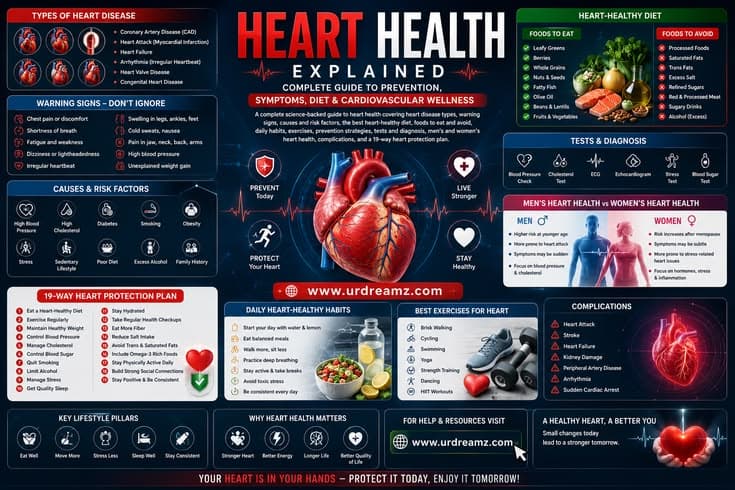
Heart Health Explained: Complete Guide to Prevention, Symptoms, Diet & Cardiovascular Wellness
Heart disease is the leading cause of death worldwide — yet up to 80% of heart attacks and strokes are preventable through the right knowledge, diet, exercise, and daily habits. This comprehensive guide covers everything you need to know: what heart disease is, how to recognize its warning signs, what causes it, how to eat for your heart, how to exercise safely, and the medical tests and treatments available. Whether you are 25 or 75, this guide gives you the tools to protect the organ that works for you every second of every day.
1. What Is Heart Disease? An Overview
Heart disease — also called cardiovascular disease — is an umbrella term covering a range of conditions that affect the heart and its surrounding blood vessels. It is not a single illness but a family of related disorders, all of which can impair the heart's ability to pump blood efficiently, maintain a normal rhythm, or receive adequate oxygen-rich blood to its own muscle tissue.
According to the World Health Organization, cardiovascular diseases are responsible for approximately 17.9 million deaths every year — representing 32% of all global deaths. In practical terms, that means one person dies from a heart or blood vessel condition every 33 seconds somewhere in the world. Despite these staggering numbers, the medical community is clear: most cases of heart disease are not inevitable. They are driven primarily by modifiable lifestyle factors — meaning that the choices you make every day play a far more powerful role in your cardiovascular destiny than your genetics do.
Heart disease typically develops silently over decades before producing a sudden event like a heart attack. This slow, invisible progression — driven by arterial plaque buildup, inflammation, elevated blood pressure, and metabolic dysfunction — is precisely why understanding heart health is so critical: by the time symptoms appear, significant damage may already have occurred. Prevention, early detection, and consistent healthy habits are your most powerful defenses.
2. How the Heart Works
The human heart is an extraordinary muscular organ approximately the size of your closed fist. It beats roughly 100,000 times per day — about 35 million times per year — circulating roughly 2,000 gallons of blood through your body every 24 hours. This relentless pumping delivers oxygen and nutrients to every organ and tissue while simultaneously removing carbon dioxide and metabolic waste products.
The heart is divided into four chambers: the right atrium and right ventricle (which receive oxygen-depleted blood from the body and send it to the lungs for re-oxygenation), and the left atrium and left ventricle (which receive oxygen-rich blood from the lungs and pump it out to the rest of the body). Four valves — the mitral, tricuspid, aortic, and pulmonary valves — act as one-way doors ensuring blood flows in the correct direction at each stage of the cycle.
The heart's own electrical system generates the rhythmic signals that coordinate each heartbeat — starting in the sinoatrial (SA) node (the heart's natural pacemaker), traveling through the atrioventricular (AV) node, and spreading through specialized conducting fibers to cause the coordinated muscle contractions we recognize as a heartbeat. Disruption of any component — the muscle, the valves, the arteries supplying the heart itself, or the electrical system — can produce one of the many forms of heart disease.
3. Types of Heart Disease
Understanding the different types of heart disease helps clarify that not all heart conditions are the same, and each has distinct causes, symptoms, and treatment approaches. What they share is the potential to significantly impair quality of life and, if unmanaged, to be life-threatening.
| Type | What It Is | Primary Cause | Common Symptoms |
|---|---|---|---|
| Coronary Artery Disease (CAD) | Narrowing or blockage of the arteries supplying blood to the heart muscle | Atherosclerosis (plaque buildup) | Chest pain (angina), shortness of breath, heart attack |
| Heart Attack (Myocardial Infarction) | Complete blockage of blood supply to part of the heart muscle, causing tissue death | Ruptured arterial plaque + blood clot | Severe chest pain, sweating, arm pain, nausea |
| Heart Failure | The heart muscle weakens and can no longer pump blood effectively | CAD, hypertension, cardiomyopathy | Breathlessness, fatigue, swollen legs, reduced exercise tolerance |
| Arrhythmia | Abnormal heart rhythm — too fast, too slow, or irregular | Electrical system dysfunction, scarring, medications | Palpitations, dizziness, fainting, chest discomfort |
| Cardiomyopathy | Disease of the heart muscle itself, making it stiff, enlarged, or thick | Genetics, infection, alcohol, unknown | Breathlessness, fatigue, swelling, irregular heartbeat |
| Heart Valve Disease | One or more valves malfunction — either not opening fully (stenosis) or not closing properly (regurgitation) | Age-related calcification, rheumatic fever, congenital defects | Heart murmur, breathlessness, chest pain, fatigue |
| Congenital Heart Disease | Structural heart defects present from birth | Genetic factors, maternal infections during pregnancy | Varies — from none (mild) to severe breathlessness, cyanosis |
| Angina | Chest pain or discomfort caused by reduced blood flow to the heart, typically during exertion | Coronary artery narrowing | Pressure, squeezing, or aching in the chest during activity |
| Pericarditis | Inflammation of the outer protective sac surrounding the heart | Viral infection, autoimmune conditions | Sharp chest pain (worsens lying down), fever |
4. Coronary Artery Disease: The Most Common Type
Coronary artery disease (CAD) is by far the most prevalent form of heart disease and the leading cause of heart attacks globally. It occurs when the coronary arteries — the blood vessels that supply oxygen-rich blood specifically to the heart muscle — become narrowed or blocked by the accumulation of a fatty, waxy substance called plaque inside their walls. This process, known as atherosclerosis, typically begins in childhood or early adulthood and progresses silently over decades.
Plaque is composed of cholesterol, inflammatory cells, calcium deposits, and other cellular debris. As it accumulates on the artery walls, it reduces the internal diameter of the vessel, restricting blood flow. This restriction causes angina — chest pain or pressure during exertion, when the heart muscle demands more oxygen than the narrowed artery can supply. If a plaque ruptures suddenly, a blood clot forms at the rupture site, which can completely block the artery within minutes — causing a heart attack.
The most alarming aspect of CAD is that it can be severely advanced before producing any symptoms at all. Many people who experience their first heart attack had no prior warning signs. This is why proactive screening — cholesterol tests, blood pressure monitoring, and discussions of risk factors with a doctor — is so critical, particularly from age 40 onward.
5. Heart Attack: Causes, Symptoms and Emergency Response
A heart attack (myocardial infarction) occurs when blood supply to a section of the heart muscle is completely cut off, causing that portion of muscle to begin dying within minutes. Every minute without treatment causes more permanent damage to the heart muscle — which is why heart attacks are medical emergencies requiring immediate action. The phrase "time is muscle" is literally true in cardiac medicine.
The most common cause of a heart attack is the rupture of an unstable atherosclerotic plaque in a coronary artery. The body responds to the rupture by forming a blood clot, which completely occludes the artery and cuts off blood supply downstream. Less commonly, coronary artery spasm (a sudden severe tightening of the artery wall) can also cause a heart attack without plaque rupture.
| Symptom | In Men (Classic) | In Women (Often Atypical) |
|---|---|---|
| Chest pain or discomfort | Strong, crushing, pressure-like — often radiates to left arm | May be milder, described as pressure or squeezing — sometimes absent |
| Pain radiation | Left arm, shoulder, jaw | Jaw, neck, back, both arms, stomach |
| Shortness of breath | Common | Very common — sometimes the primary symptom |
| Nausea and vomiting | Possible | More common than in men |
| Cold sweats | Common | Common |
| Unusual fatigue | Less prominent | Extreme fatigue days or weeks before attack — very characteristic |
| Dizziness or lightheadedness | Possible | Common |
| Anxiety or sense of doom | Possible | Common — often described as a feeling that something is seriously wrong |
If you or someone around you experiences these symptoms, act immediately: call emergency services (911 or your local emergency number) without delay. Do not drive yourself to the hospital. If aspirin is available and the person is not allergic, chewing (not swallowing whole) a standard aspirin tablet can help reduce clot size while waiting for emergency services. If the person becomes unresponsive and has no pulse, begin CPR immediately.
6. Heart Failure: What It Means and How It Differs
Heart failure is one of the most misunderstood terms in cardiology. It does not mean the heart has stopped beating — it means the heart muscle has become too weak or too stiff to pump blood as efficiently as the body needs. As a result, the body does not receive adequate blood and oxygen, and fluid can back up into the lungs and lower extremities.
Heart failure typically develops gradually over years as a consequence of other conditions that damage or overwork the heart muscle: coronary artery disease, high blood pressure, previous heart attacks, cardiomyopathy, or valve disease. It is classified by which side of the heart is primarily affected (left-sided, right-sided, or both) and by how severely it limits function (using the New York Heart Association classification from Class I to Class IV).
Key symptoms of heart failure include progressive shortness of breath (particularly when lying flat — called orthopnea — requiring extra pillows to sleep), fatigue with minimal exertion, rapid weight gain from fluid retention, swelling in the legs and ankles, persistent cough with white or pink frothy mucus, and reduced ability to exercise. Heart failure is a chronic, serious condition but is highly manageable with modern medications, lifestyle modifications, and regular medical follow-up.
7. Arrhythmia: Irregular Heartbeat Explained
An arrhythmia is any abnormality in the rate or rhythm of the heartbeat. The heart may beat too fast (tachycardia — above 100 beats per minute at rest), too slow (bradycardia — below 60 beats per minute when symptomatic), or in an irregular pattern. Not all arrhythmias are dangerous — many people experience occasional harmless palpitations — but some can be life-threatening if left untreated.
The most common sustained arrhythmia is atrial fibrillation (A-Fib) — a chaotic, irregular electrical firing in the upper chambers of the heart (atria). A-Fib often produces no obvious symptoms (which makes it particularly dangerous, as it frequently goes undiagnosed), but it dramatically increases the risk of stroke by allowing blood to pool and clot in the heart's upper chambers. These clots can then travel to the brain, causing a potentially devastating stroke. A-Fib doubles the risk of stroke and significantly increases the risk of heart failure.
Other arrhythmias include ventricular tachycardia (rapid, potentially life-threatening rhythm originating in the heart's lower chambers), ventricular fibrillation (chaotic electrical activity in the ventricles — the primary cause of sudden cardiac arrest), and various forms of heart block. Treatment depends on the specific arrhythmia type and may include medications, electrical cardioversion, ablation procedures, or implanted devices like pacemakers or defibrillators (ICDs).
8. Cardiac Arrest vs Heart Attack: Know the Critical Difference
Cardiac arrest and heart attack are two completely different — though related — events that are commonly and dangerously confused. Understanding the distinction can literally save a life.
| Feature | Heart Attack | Cardiac Arrest |
|---|---|---|
| What happens | A blood flow problem — a coronary artery becomes blocked, starving heart muscle of oxygen | An electrical problem — the heart's electrical system malfunctions and the heart stops beating |
| Consciousness | Person remains conscious and responsive | Person collapses suddenly and becomes unresponsive |
| Breathing | Usually breathing normally | No normal breathing (may gasp or stop entirely) |
| Pulse | Pulse present | No pulse |
| Onset | Symptoms often develop gradually over minutes | Happens suddenly without warning |
| Symptoms | Chest pain, arm pain, shortness of breath, sweating, nausea | Sudden collapse, no response to voice or touch, no breathing, no pulse |
| Emergency response | Call emergency services immediately; chew aspirin if not allergic | Call emergency services AND immediately begin CPR; use AED if available |
| Relationship | A heart attack can trigger cardiac arrest | Cardiac arrest can be caused by a heart attack, but also by other arrhythmias |
In cardiac arrest, every second matters. Without immediate CPR, the brain begins to suffer irreversible damage within 4–6 minutes of losing blood flow. The chance of survival decreases by 10% with every minute that passes without defibrillation. Knowing how to perform CPR and how to use an Automated External Defibrillator (AED) — both of which can be learned in a 2–4 hour first aid course — can be the difference between life and death for someone you love.
9. 12 Warning Signs Your Heart Needs Attention
Your heart often signals trouble long before a crisis occurs. Recognizing these warning signs and seeking medical evaluation promptly is one of the most powerful forms of heart disease prevention available. Never dismiss or rationalize away these symptoms — take them seriously and consult a healthcare provider.
| # | Warning Sign | What It May Indicate | What to Do |
|---|---|---|---|
| 1 | Chest discomfort — pain, pressure, tightness, burning, or squeezing | Angina, coronary artery disease, or heart attack | Seek immediate medical evaluation. Call emergency services if severe or persistent. |
| 2 | Shortness of breath during activities or even at rest | Heart failure, valve disease, coronary artery disease | See a cardiologist promptly. Note when it occurs and what worsens it. |
| 3 | Unusual fatigue and weakness — especially feeling exhausted with minimal activity | Heart failure, anemia related to heart disease, cardiac dysfunction | Medical evaluation — particularly if onset is new and unexplained |
| 4 | Dizziness or lightheadedness — feeling like you might faint | Arrhythmia, low blood pressure, valve disease | Do not ignore episodes of near-fainting — seek cardiac evaluation |
| 5 | Rapid or irregular heartbeat — racing, pounding, or skipping sensations | Arrhythmia, A-Fib, tachycardia | ECG evaluation recommended — especially if recurrent |
| 6 | Swelling in legs, ankles, or feet | Heart failure (right-sided) causing fluid backup | Medical evaluation, particularly if accompanied by breathlessness |
| 7 | Persistent cough that will not go away — especially with white or pink mucus | Pulmonary edema (fluid in lungs) from heart failure | Seek urgent medical attention |
| 8 | Sweating without exertion — particularly cold or clammy sweats | Heart attack, autonomic dysfunction related to heart disease | Emergency evaluation if accompanied by chest pain or shortness of breath |
| 9 | Nausea, loss of appetite, or upset stomach | Heart attack (particularly in women), heart failure, poor cardiac output affecting digestion | Evaluate in context of other symptoms — urgent if accompanied by chest discomfort |
| 10 | Pain in neck, jaw, shoulder, or back | Referred pain from cardiac ischemia — a classic heart attack presentation | Treat as potential cardiac emergency — seek immediate evaluation |
| 11 | Poor sleep quality — breathlessness at night, waking exhausted, needing extra pillows to breathe | Heart failure (orthopnea), sleep apnea contributing to heart disease | Medical evaluation — address both sleep quality and cardiac function |
| 12 | Consistently high blood pressure readings (140/90 mmHg or higher) | Hypertension — the silent killer and primary driver of heart disease and stroke | Begin treatment immediately with lifestyle modification and if necessary, medication |
10. Heart Disease Symptoms in Men vs Women
One of the most dangerous misconceptions about heart disease is that it presents the same way in everyone. In reality, women frequently experience heart attacks very differently from men — and these atypical presentations are a leading reason why heart attacks in women are more often missed, misdiagnosed, and treated later than those in men, resulting in worse outcomes.
Men more typically experience the "classic" heart attack presentation: sudden, severe chest pain described as crushing, squeezing, or pressure-like, often radiating to the left arm or jaw. This pattern has become so culturally ingrained that many women — and many healthcare providers — fail to recognize a cardiac event when it presents differently.
Women, by contrast, are more likely to experience heart attack symptoms that include unusual and extreme fatigue (sometimes in the days or weeks leading up to the attack), shortness of breath without significant chest pain, upper back pain, jaw pain, nausea, dizziness, and a general sense that something is seriously wrong. They may also experience the chest discomfort described as pressure or tightness rather than dramatic crushing pain. Because these symptoms mimic more common conditions like acid reflux, anxiety, or flu, they are frequently overlooked or dismissed — both by the women experiencing them and by medical professionals.
Both men and women should know: never discount potential cardiac symptoms because they do not fit the Hollywood portrayal of a heart attack. When in doubt, seek emergency evaluation. The cost of an unnecessary visit to the emergency room is vastly preferable to the cost of delayed treatment for an actual heart attack.
11. Top Causes of Heart Disease
Heart disease does not have a single cause — it is the product of multiple interacting factors that, over years and decades, damage the blood vessels, increase the heart's workload, promote inflammation, and accelerate the buildup of arterial plaque. Understanding these causes is the first step toward addressing them.
The primary biological mechanism underlying most cardiovascular disease is atherosclerosis — the progressive buildup of plaque (composed of cholesterol, inflammatory cells, calcium, and fibrous tissue) inside the artery walls. As plaque accumulates, arteries narrow and stiffen, reducing blood flow. The process is driven by a combination of elevated LDL cholesterol, chronic inflammation, high blood pressure, blood sugar dysregulation, and oxidative stress — all of which are significantly influenced by lifestyle and diet.
The leading causes of heart disease include: chronically elevated LDL (bad) cholesterol which deposits in artery walls; persistently high blood pressure which damages artery walls and forces the heart to work harder; type 2 diabetes and insulin resistance which accelerate atherosclerosis and damage blood vessels; cigarette smoking which directly damages artery walls, reduces oxygen, and promotes clot formation; obesity particularly abdominal obesity which drives systemic inflammation and metabolic dysfunction; chronic psychological stress which elevates cortisol and promotes inflammation; physical inactivity which reduces cardiovascular fitness and metabolic health; and a diet high in saturated fats, trans fats, added sugars, and excess sodium. Genetic factors also play a role — but they typically only dramatically increase risk when combined with these modifiable lifestyle drivers.
12. Heart Disease Risk Factors Explained
Risk factors for heart disease are divided into two categories: non-modifiable (factors you cannot change) and modifiable (factors you can change through lifestyle, medication, or medical intervention). Understanding both helps you direct your prevention efforts most effectively — focusing your energy on what you can genuinely control.
| Category | Risk Factor | Impact Level | What You Can Do |
|---|---|---|---|
| Non-Modifiable | Age (risk increases significantly after 45 in men, 55 in women) | High | Begin preventive screening earlier; intensify lifestyle vigilance |
| Non-Modifiable | Biological sex (men have higher risk until women reach menopause) | Moderate | Women: increase vigilance post-menopause; know atypical symptoms |
| Non-Modifiable | Family history (first-degree relative with early heart disease) | High | Inform your doctor; begin screening 10 years before relative's age at diagnosis |
| Non-Modifiable | Race and ethnicity (South Asians, African Americans have elevated risk) | Moderate | More frequent monitoring; earlier lifestyle intervention |
| Modifiable | High blood pressure (hypertension) | Very High | Lifestyle modification + medication if needed; target below 130/80 mmHg |
| Modifiable | High LDL cholesterol | Very High | Diet, exercise, and statins if indicated |
| Modifiable | Smoking | Very High | Quit — risk begins decreasing within 24 hours of stopping |
| Modifiable | Type 2 diabetes | Very High | Tight blood sugar control dramatically reduces cardiovascular risk |
| Modifiable | Obesity (particularly abdominal) | High | Even 5–10% weight loss measurably improves cardiovascular risk markers |
| Modifiable | Physical inactivity | High | 150 minutes of moderate aerobic activity per week is the minimum target |
| Modifiable | Poor diet | High | Mediterranean or DASH diet patterns consistently reduce cardiovascular risk |
| Modifiable | Chronic stress | Moderate–High | Stress management techniques, therapy, social connection, adequate sleep |
| Modifiable | Excess alcohol consumption | Moderate | Limit to no more than 1 drink/day for women, 2 for men — or ideally less |
13. High Cholesterol and Heart Disease
Cholesterol is a waxy, fat-like substance produced naturally by the liver and also obtained from animal foods. It is essential for life — used to build cell membranes, produce hormones, and synthesize vitamin D. The problem arises not with cholesterol itself but with the specific forms it takes when transported through the bloodstream, and the quantity circulating at any given time.
Cholesterol travels in the blood packaged in protein-covered particles called lipoproteins. Low-density lipoprotein (LDL) cholesterol — often called "bad" cholesterol — carries cholesterol from the liver to cells throughout the body. When LDL levels are chronically elevated, excess LDL infiltrates artery walls, oxidizes, triggers an inflammatory response, and contributes to the atherosclerotic plaque that narrows and hardens arteries over time. High-density lipoprotein (HDL) cholesterol — "good" cholesterol — performs the reverse function: it scavenges excess cholesterol from the bloodstream and artery walls and returns it to the liver for disposal. Higher HDL levels are generally associated with lower cardiovascular risk.
Triglycerides are a third type of blood fat that also contribute to cardiovascular risk, particularly when elevated alongside low HDL. A lipid profile blood test measures all three: total cholesterol, LDL, HDL, and triglycerides. Optimal values for most adults are: LDL below 100 mg/dL (or below 70 mg/dL for very high-risk individuals), HDL above 40 mg/dL for men and above 50 mg/dL for women, triglycerides below 150 mg/dL. High cholesterol almost never causes symptoms — making regular lipid testing essential from age 20 onward.
14. High Blood Pressure and Heart Disease
High blood pressure (hypertension) is often called the "silent killer" — and this is not hyperbole. An estimated 1.3 billion people worldwide have hypertension, and nearly half of them do not know it because the condition causes no symptoms until it has already caused significant damage. Over time, chronically elevated blood pressure damages artery walls, promotes atherosclerosis, forces the heart to work harder and thicken (a condition called left ventricular hypertrophy), and dramatically increases the risk of heart attack, stroke, heart failure, kidney disease, and peripheral artery disease.
Blood pressure is measured as two numbers: systolic pressure (the pressure in your arteries when the heart beats and pumps blood, measured first) over diastolic pressure (the pressure when the heart is at rest between beats, measured second). Normal blood pressure is below 120/80 mmHg. Elevated blood pressure is 120–129 systolic with diastolic below 80. Stage 1 hypertension is 130–139/80–89 mmHg. Stage 2 hypertension is 140+/90+ mmHg, which requires immediate attention and typically medication in addition to lifestyle changes.
The most effective non-pharmacological strategies for lowering blood pressure include: the DASH diet (specifically designed and proven to reduce blood pressure), reducing sodium intake to below 1,500–2,300 mg per day, regular aerobic exercise (which can reduce systolic pressure by 5–10 mmHg), achieving and maintaining a healthy weight, limiting alcohol, quitting smoking, and managing stress. For many people, these lifestyle interventions can eliminate or reduce the need for blood pressure medication — but medication is an important and lifesaving tool for those whose blood pressure remains elevated despite lifestyle changes.
15. Diabetes and Heart Disease
The relationship between diabetes and cardiovascular disease is so well established that cardiologists often refer to type 2 diabetes as a "cardiovascular disease equivalent" — meaning that having diabetes confers roughly the same level of heart disease risk as having already had a heart attack. Adults with type 2 diabetes are 2–4 times more likely to develop cardiovascular disease than adults without diabetes, and heart disease accounts for approximately 50–80% of deaths among people with diabetes.
The mechanisms are multiple and overlapping. Chronically elevated blood glucose damages the inner lining of blood vessels (the endothelium), promotes inflammation, accelerates atherosclerosis, thickens artery walls, promotes blood clot formation, and contributes to autonomic neuropathy — nerve damage that can cause abnormal heart rate responses and mask the classic chest pain of a heart attack (creating the dangerous condition of "silent" cardiac ischemia). Insulin resistance — the metabolic dysfunction that precedes type 2 diabetes — also independently contributes to hypertension, dyslipidemia (abnormal cholesterol levels), and abdominal obesity, creating a clustering of cardiovascular risk factors known as metabolic syndrome.
People with diabetes should prioritize cardiovascular risk reduction as aggressively as they manage blood glucose: maintain HbA1c below 7%, control blood pressure to below 130/80 mmHg, achieve LDL cholesterol below 70 mg/dL, follow a heart-healthy diet, exercise regularly, maintain a healthy weight, and discuss with their doctor whether medications specifically protective against cardiovascular events (such as SGLT-2 inhibitors or GLP-1 receptor agonists) are appropriate for their situation.
16. Smoking, Alcohol and Heart Health
Cigarette smoking is one of the most powerful and entirely modifiable risk factors for cardiovascular disease. Tobacco smoke contains more than 7,000 chemicals, many of which directly damage the inner lining of blood vessels, reduce the oxygen-carrying capacity of the blood, promote arterial inflammation, raise LDL cholesterol, lower HDL cholesterol, increase blood viscosity (making clots more likely), raise blood pressure and heart rate, and accelerate atherosclerosis. Smokers have a 2–4 times higher risk of coronary artery disease and are significantly more likely to die from a heart attack than non-smokers.
The profoundly encouraging fact about quitting smoking is how rapidly its cardiovascular benefits begin: within 20 minutes of the last cigarette, heart rate begins to normalize. Within 24 hours, carbon monoxide blood levels drop. Within 1 year, excess cardiovascular risk is halved. Within 15 years, cardiovascular risk approaches that of a lifelong non-smoker. There is no amount of smoking that is safe for your cardiovascular system, and secondhand smoke exposure also meaningfully increases cardiovascular risk in non-smokers.
Alcohol's relationship with cardiovascular health is more nuanced. While some observational research has historically suggested that moderate alcohol consumption might be associated with slightly lower cardiovascular risk (the so-called "French paradox"), more rigorous analyses — particularly those accounting for confounding factors — suggest that no level of alcohol consumption is definitively heart-protective, and any apparent benefit is marginal at best. What is clear is that heavy alcohol consumption (more than 14 units per week for men, more than 7 for women) raises blood pressure significantly, contributes to cardiomyopathy (alcohol-induced heart muscle disease), triggers arrhythmias (particularly A-Fib — the "holiday heart syndrome"), and adds significant empty calories that promote obesity. Limiting or eliminating alcohol is a reasonable cardiovascular health strategy.
17. Obesity and Heart Disease
Obesity — particularly abdominal or visceral obesity, where excess fat accumulates around the internal organs in the belly — is a powerful and independent risk factor for cardiovascular disease. Excess weight strains the heart by increasing the volume of blood it must circulate, elevates blood pressure, promotes dyslipidemia (high triglycerides, low HDL, high LDL), contributes to insulin resistance and type 2 diabetes, and drives chronic low-grade systemic inflammation — all of which directly accelerate the development of atherosclerosis and increase the risk of heart attack, heart failure, and stroke.
A useful measure of abdominal obesity is waist circumference: values above 94 cm (37 inches) for men and above 80 cm (31.5 inches) for women indicate increased cardiovascular risk in most ethnic groups. South Asian populations have lower thresholds. The good news is that even modest weight loss — as little as 5–10% of initial body weight — produces measurable and meaningful improvements in blood pressure, cholesterol, blood sugar, and inflammation, all of which translate into reduced cardiovascular risk.
18. Stress and Heart Disease
Chronic psychological stress is a genuine and underappreciated cardiovascular risk factor. When stress becomes chronic rather than occasional, the sustained activation of the body's stress response system — releasing cortisol, adrenaline, and other stress hormones — produces a cascade of cardiovascular effects: elevated heart rate and blood pressure, increased inflammation, higher LDL cholesterol and triglycerides, reduced HDL cholesterol, increased tendency for blood to clot, and direct effects on the heart's electrical system that can trigger arrhythmias.
Research published in the Lancet found that activity in the amygdala (the brain's fear and stress-processing center) directly predicted future cardiovascular events, independent of traditional risk factors. Notably, one landmark study found that depression is a stronger independent risk factor for heart disease than smoking — yet it is far less commonly screened for in cardiovascular risk assessment. Social isolation, job stress, caregiver burnout, financial stress, and post-traumatic stress disorder (PTSD) are all associated with elevated cardiovascular risk.
Evidence-based stress reduction strategies that benefit heart health include: regular aerobic exercise (the most powerful and consistently effective anxiolytic known to science), mindfulness-based stress reduction (MBSR), cognitive behavioral therapy (CBT), yoga, tai chi, adequate sleep, strong social connections, and limiting news and social media consumption. Addressing mental health is not a soft or optional component of cardiovascular health — it is integral to it.
19. The Heart-Healthy Diet: What to Eat
Diet is one of the most powerful levers you have for protecting your cardiovascular system. Food choices directly influence LDL cholesterol, blood pressure, blood sugar, body weight, systemic inflammation, and arterial health — all of the primary drivers of heart disease. The evidence is overwhelming that a diet rich in whole plant foods, healthy fats, lean proteins, and fiber dramatically reduces cardiovascular risk compared to the typical Western diet high in ultra-processed foods, added sugars, saturated fats, and excess sodium.
Two specific dietary patterns have the strongest and most consistent evidence base for cardiovascular protection: the Mediterranean diet and the Dietary Approaches to Stop Hypertension (DASH) diet. Both share a common foundation: abundant vegetables and fruits, whole grains, legumes, nuts and seeds, healthy fats (particularly olive oil), lean protein (particularly fish), and very limited ultra-processed foods, added sugars, red meat, and excess salt. The differences are primarily in their specific emphases and restrictions.
Key nutrients and food groups to prioritize for heart health include: omega-3 fatty acids (from fatty fish, walnuts, flaxseeds, chia seeds) which reduce inflammation and triglycerides; soluble fiber (from oats, beans, lentils, apples, and psyllium) which binds LDL cholesterol in the gut and removes it from circulation; monounsaturated fats (from olive oil, avocados, and most nuts) which improve cholesterol profiles; antioxidants (from colorful fruits and vegetables) which protect artery walls from oxidative damage; potassium (from leafy greens, bananas, and legumes) which counteracts sodium's blood pressure-raising effects; and magnesium (from nuts, seeds, and whole grains) which supports healthy blood pressure and heart rhythm.
20. Mediterranean Diet for Heart Health
The Mediterranean diet is named for the traditional eating patterns of people living along the Mediterranean Sea — particularly in Greece, southern Italy, and Spain — whose rates of cardiovascular disease were historically much lower than those in northern Europe and North America. It is the most extensively studied dietary pattern in cardiovascular medicine and has been endorsed by virtually every major cardiology organization worldwide.
The landmark PREDIMED trial — a randomized controlled trial involving over 7,000 high-risk participants — found that following a Mediterranean diet supplemented with extra-virgin olive oil or mixed nuts reduced major cardiovascular events (heart attack, stroke, and cardiovascular death) by approximately 30% compared to a low-fat control diet. This magnitude of benefit is comparable to that achieved by some cardiovascular medications.
Core components of the Mediterranean diet: extra-virgin olive oil as the primary fat source (replacing butter, margarine, and refined oils); abundant vegetables (at least 2–3 servings per meal); whole fresh fruits daily; whole grains (bread, pasta from whole wheat); legumes (lentils, chickpeas, beans) at least 3 times per week; fish and seafood at least twice per week; moderate amounts of dairy (mainly yogurt and cheese); limited red meat (no more than once per week); eggs in moderation; wine in moderation with meals (optional and not recommended to start drinking for heart benefit); and generous use of herbs and spices rather than salt for flavoring.
21. DASH Diet for Heart Health
The DASH (Dietary Approaches to Stop Hypertension) diet was specifically developed and tested in clinical trials for its ability to lower blood pressure — one of the most important modifiable risk factors for heart disease and stroke. Multiple trials have shown that following the DASH diet can reduce systolic blood pressure by 8–14 mmHg — a reduction equivalent to or greater than that achieved by many blood pressure medications in patients with Stage 1 hypertension.
The DASH diet emphasizes: fruits and vegetables (8–10 servings per day), whole grains (6–8 servings), low-fat or fat-free dairy (2–3 servings for calcium and potassium), lean protein particularly poultry and fish, nuts and seeds in moderation, and very limited sodium (targeting below 1,500 mg per day in the more aggressive version). The DASH diet restricts: full-fat dairy, red meat, saturated and trans fats, sweets, added sugars, and sugary beverages.
The DASH diet's particular strengths are its high potassium, calcium, and magnesium content (all of which independently support healthy blood pressure), its very high fiber content, and its strict sodium restriction. It is particularly beneficial for people with hypertension, pre-hypertension, or who have diabetes alongside cardiovascular risk. The Mediterranean and DASH diets share many features and are often described as the "two pillars" of evidence-based heart-healthy eating — and combining elements of both may be more beneficial than either alone.
22. 20 Best Foods for Heart Health
These are the foods that clinical research consistently identifies as most beneficial for cardiovascular health — delivering the omega-3 fatty acids, fiber, antioxidants, healthy fats, and anti-inflammatory compounds that protect arteries, improve cholesterol profiles, reduce blood pressure, and support healthy heart function.
| # | Food | Primary Heart Benefit | Key Nutrients |
|---|---|---|---|
| 1 | Fatty Fish (Salmon, Sardines, Mackerel, Tuna) | Reduces triglycerides and inflammation, lowers risk of arrhythmia | EPA & DHA omega-3 fatty acids, vitamin D, protein |
| 2 | Walnuts | Reduces LDL cholesterol, improves artery function, anti-inflammatory | ALA omega-3, antioxidants, polyphenols, vitamin E |
| 3 | Blueberries | Reduces blood pressure, improves artery function, powerful antioxidant | Anthocyanins, vitamin C, fiber |
| 4 | Avocado | Lowers LDL, raises HDL, reduces blood pressure | Monounsaturated fats, potassium, fiber, folate |
| 5 | Extra-Virgin Olive Oil | Reduces inflammation, lowers LDL, improves endothelial function | Oleocanthal, polyphenols, monounsaturated fats |
| 6 | Oats | Lowers LDL cholesterol via soluble fiber binding in the gut | Beta-glucan (soluble fiber), magnesium, antioxidants |
| 7 | Leafy Greens (Spinach, Kale, Swiss Chard) | Lowers blood pressure, reduces arterial stiffness, anti-inflammatory | Dietary nitrates, potassium, folate, vitamin K, antioxidants |
| 8 | Beans and Lentils | Lowers LDL and blood pressure, improves metabolic health | Soluble fiber, plant protein, potassium, magnesium |
| 9 | Almonds | Reduces LDL, maintains healthy cholesterol ratio | Vitamin E, magnesium, monounsaturated fats, fiber |
| 10 | Tomatoes | Reduces LDL oxidation, supports artery health | Lycopene (most bioavailable when cooked), vitamin C, potassium |
| 11 | Garlic | Reduces blood pressure and LDL cholesterol, improves circulation | Allicin, polysulfides, antioxidants |
| 12 | Dark Chocolate (70%+ cocoa) | Improves blood flow, reduces blood pressure, anti-inflammatory | Flavonoids, theobromine, magnesium |
| 13 | Chia Seeds and Flaxseeds | Reduces LDL, lowers blood pressure, reduces inflammation | ALA omega-3, soluble fiber, lignans |
| 14 | Green Tea | Reduces LDL and blood pressure, improves cholesterol levels | EGCG catechins, antioxidants |
| 15 | Sweet Potato | High potassium content supports blood pressure control | Potassium, beta-carotene, fiber, vitamin C |
| 16 | Beets | Dietary nitrates dilate blood vessels and lower blood pressure | Dietary nitrates, betalains, folate |
| 17 | Pomegranate | Reduces arterial plaque progression, lowers blood pressure | Punicalagins, anthocyanins, ellagic acid |
| 18 | Ginger | Anti-inflammatory, improves circulation, may reduce blood pressure | Gingerol, shogaols, antioxidants |
| 19 | Whole Grains (Quinoa, Brown Rice, Barley) | Reduces LDL, improves blood pressure, lowers heart disease risk | Soluble and insoluble fiber, B vitamins, minerals |
| 20 | Pumpkin Seeds | High magnesium content supports healthy blood pressure and heart rhythm | Magnesium, zinc, ALA omega-3, phytosterols |
23. Complete Heart-Healthy Food List
Beyond the top 20 individual foods, a truly heart-healthy diet is built around comprehensive food group choices. Below is a complete organized food list — the cardiologist-approved guide to eating for your heart every day.
| Category | Eat More of These | Limit These | Avoid These |
|---|---|---|---|
| Vegetables | Leafy greens (spinach, kale, chard), broccoli, cauliflower, bell peppers, tomatoes, beets, carrots, sweet potatoes, garlic, onions, zucchini, eggplant, Brussels sprouts, asparagus, mushrooms | Canned vegetables with added salt (rinse before using) | French fries, deep-fried vegetables |
| Fruits | Berries (all varieties), apples, pears, oranges, grapefruit, pomegranate, kiwi, avocado, grapes, bananas (in moderation) | High-sugar dried fruits in large quantities | Fruit juices (no fiber, high sugar impact) |
| Proteins | Fatty fish (salmon, sardines, tuna, mackerel, trout), skinless chicken and turkey breast, eggs (in moderation), beans, lentils, chickpeas, tofu, tempeh | Lean cuts of red meat occasionally; egg yolks (limit if cholesterol-sensitive) | Processed meats (bacon, sausage, salami, hot dogs, deli meats), fatty cuts of red meat, fried chicken, deep-fried seafood |
| Grains | Oats, quinoa, brown rice, wild rice, whole wheat bread, barley, farro, whole grain pasta, bulgur | Regular tortillas, bagels from refined flour (occasionally) | White bread, white rice, white pasta, pastries, croissants, donuts, crackers from refined flour, pancakes from refined flour |
| Fats and Oils | Extra-virgin olive oil, avocado oil, natural nut butters (no added sugar), nuts and seeds | Canola oil (for high-heat cooking) | Butter in excess, ghee, lard, shortening, margarine with trans fats, palm oil, coconut oil (very high in saturated fat), hydrogenated oils |
| Dairy | Non-fat Greek yogurt, low-fat milk, low-fat cottage cheese, unsweetened plant-based milks (almond, oat, soy) | Full-fat cheese in small amounts occasionally | Whole milk, full-fat yogurt, cream, sour cream, ice cream, cream cheese |
| Beverages | Water, unsweetened green tea, herbal teas, black coffee (in moderation), unsweetened plant milks | Low-fat milk, diluted 100% fruit juice occasionally | Regular soda, diet soda, energy drinks, sweetened coffee drinks, fruit punches, packaged juices, sports drinks, alcohol in excess |
| Snacks | Raw or roasted nuts (unsalted), seeds, fresh fruit, raw vegetables with hummus, dark chocolate (70%+), plain Greek yogurt | Lightly salted popcorn occasionally, whole grain crackers | Potato chips, corn chips, packaged snack cakes, fried snacks, candy, cookies |
24. Foods to Eat vs Foods to Avoid for Heart Disease Prevention
Making the right food choices consistently is the single most powerful dietary strategy for heart disease prevention. The contrast between heart-protective and heart-damaging foods is stark — and the difference in long-term cardiovascular outcomes between people who follow these principles and those who do not is substantial.
| Eat These for Heart Protection | Avoid These for Heart Protection |
|---|---|
| Leafy green vegetables (spinach, kale, Swiss chard) | Fried foods (French fries, fried chicken, fried snacks) |
| Berries (blueberries, strawberries, raspberries) | Processed meats (bacon, sausage, hot dogs, salami) |
| Oats and oatmeal | Red meat in excess |
| Fatty fish (salmon, mackerel, sardines) | Butter, ghee, full-fat dairy products in excess |
| Nuts (almonds, walnuts, pistachios) | Refined carbohydrates (white bread, pastries, bagels) |
| Avocados | Sugary drinks (soda, energy drinks, sweetened juices) |
| Extra-virgin olive oil | Added sugars and sweets (candy, cookies, ice cream) |
| Beans and lentils | Trans fats (margarine, shortening, packaged snacks) |
| Whole grains (quinoa, brown rice, whole wheat) | High-sodium foods (canned soup, instant noodles, fast food) |
| Dark chocolate (70%+ cocoa, in moderation) | Alcohol in excess |
25. Foods to Avoid for Heart Disease
Understanding not just what to eat but what to consistently limit or avoid is equally important for cardiovascular protection. The following food categories contribute to elevated LDL cholesterol, raised blood pressure, systemic inflammation, arterial plaque buildup, obesity, and blood sugar dysregulation — all of which accelerate heart disease progression.
Saturated fats — found primarily in red meat, full-fat dairy products, butter, ghee, coconut oil, and palm oil — raise LDL cholesterol levels. While the science around saturated fat has been nuanced in recent years, replacing saturated fats with polyunsaturated fats (from vegetable oils, nuts, and seeds) consistently reduces cardiovascular risk in clinical studies. Trans fats — artificially created by hydrogenating vegetable oils and found in some margarines, packaged baked goods, and fried fast foods — are the most harmful dietary fat for cardiovascular health, simultaneously raising LDL cholesterol, lowering HDL cholesterol, and promoting systemic inflammation. Many countries have moved to ban industrial trans fats, but they still appear in some packaged foods listed as "partially hydrogenated oils."
Excess dietary sodium raises blood pressure in the majority of the population (salt-sensitive individuals), which directly increases cardiovascular risk. The American Heart Association recommends no more than 2,300 mg of sodium per day for most adults, and ideally 1,500 mg per day for those with hypertension. The primary sources of excess dietary sodium are not the salt shaker at home but processed and packaged foods: canned soups, instant noodles, fast food, packaged snacks, soy sauce, pickles, and ready-made seasoning mixes. Added sugars in beverages and foods contribute to elevated triglycerides, promote obesity, drive insulin resistance, and increase systemic inflammation — all of which directly harm cardiovascular health.
26. 19 Ways to Protect Your Heart Every Day
Heart protection is not a single dramatic intervention — it is the accumulation of dozens of small daily choices made consistently over years and decades. These 19 science-backed practices represent the most impactful daily habits for long-term cardiovascular wellness.
- Walk at least 30 minutes every day. Daily walking is one of the most accessible, low-impact, and consistently evidence-supported cardiovascular protective habits. Even brisk 10-minute walks three times daily are equivalent in cardiovascular benefit to a single 30-minute session.
- Stay hydrated throughout the day. Adequate hydration supports healthy blood viscosity, kidney function, and metabolic processes — all of which influence cardiovascular health. Aim for 6–8 glasses of water daily, more if exercising.
- Eat more fruits, vegetables, and whole grains. Targeting 5+ servings of fruits and vegetables daily provides the fiber, potassium, antioxidants, and anti-inflammatory compounds that form the foundation of cardiovascular protection.
- Quit smoking and avoid secondhand smoke. No single lifestyle change produces faster or more dramatic cardiovascular risk reduction than quitting smoking. Cardiovascular benefits begin within hours.
- Get 7–8 hours of quality sleep every night. Chronic sleep deprivation (under 6 hours) is associated with a 48% increased risk of cardiovascular disease. Sleep is when the heart rests, blood pressure drops, and the body repairs inflammatory damage.
- Cut back on processed foods and added sugar. Reducing ultra-processed food consumption is one of the most impactful single dietary changes for cardiovascular risk reduction.
- Manage stress with breathing, meditation, or yoga. Daily stress management — even 10 minutes of controlled breathing or mindfulness — measurably reduces cortisol, heart rate, and blood pressure.
- Maintain a healthy weight and waistline. Carrying excess abdominal fat directly strains the heart and drives multiple cardiovascular risk factors simultaneously. Losing even a small amount of weight produces rapid improvements.
- Keep blood pressure in a healthy range. Monitor regularly; target below 130/80 mmHg. Hypertension is the single most important modifiable cardiovascular risk factor.
- Do resistance or strength training weekly. Strength training 2–3 times per week improves insulin sensitivity, reduces blood pressure, and supports healthy body composition alongside aerobic exercise.
- Build strong friendships and social connections. Social isolation is an independent risk factor for cardiovascular disease comparable in magnitude to smoking 15 cigarettes per day. Strong relationships reduce stress and support healthy behaviors.
- Limit alcohol consumption. If you drink, limit to no more than 1 unit daily for women and 2 for men — and consider eliminating alcohol entirely for maximum cardiovascular benefit.
- Add heart-healthy fats like nuts and olive oil. Replacing saturated and trans fats with monounsaturated and polyunsaturated fats from whole food sources is one of the most evidence-supported dietary changes for cardiovascular protection.
- Monitor your cholesterol regularly. Have your lipid profile checked at least every 5 years from age 20, and annually if you have elevated risk or are on treatment.
- Reduce salty and fried foods. Cooking at home with herbs and spices rather than salt, and choosing baking or air-frying over deep-frying, makes a meaningful difference in sodium and unhealthy fat intake.
- Schedule regular health checkups and blood tests. Many cardiovascular risk factors — high blood pressure, high cholesterol, pre-diabetes — produce no symptoms. Only regular screening catches them early enough to prevent damage.
- Add omega-3s from fish or flaxseeds. Aim for 2+ servings of fatty fish per week; if not a fish eater, consider algae-based omega-3 supplements.
- Limit screen time before bed for better sleep. Blue light from devices delays melatonin production, disrupts sleep architecture, and indirectly harms cardiovascular health by impairing sleep quality.
- Practice daily gratitude to ease stress. Gratitude practice measurably reduces inflammatory markers, improves sleep quality, and lowers blood pressure — all through its stress-buffering effects.
27. 20 Everyday Habits to Keep Heart Attacks Away
- Walk at least 30 minutes every day — even in segments
- Drink enough water throughout the day — at least 6–8 glasses
- Fill half your plate with fruits and vegetables at every meal
- Cut back on sugary foods and beverages — replace with whole fruit and water
- Avoid processed and deep-fried foods as your daily default
- Limit salt in your cooking — use herbs and spices for flavor instead
- Sleep 7–8 hours every night as a genuine health priority
- Reduce screen exposure at least one hour before bedtime
- Manage stress through daily breathing exercises, meditation, or movement
- Avoid cigarette smoking and limit secondhand smoke exposure
- Drink alcohol only in strict moderation — or not at all
- Practice yoga, stretching, or light movement daily for flexibility and stress relief
- Check your blood pressure regularly — monthly at home if you have hypertension
- Schedule an annual physical exam including lipid profile and blood sugar tests
- Take regular breaks from prolonged sitting — stand or walk for 5 minutes every hour
- Laugh genuinely, connect with others, and maintain a positive mental outlook
- Cook more meals at home — restaurant and fast food is dramatically higher in sodium, saturated fat, and calories
- Avoid overeating at any meal — eat slowly, pause between portions, and stop at 80% fullness
- Know your key numbers: cholesterol, blood pressure, blood sugar, waist circumference
- Surround yourself with people who support and uplift you — your social environment shapes your health behaviors
28. 10 Daily Habits for a Healthy Heart
If the full list feels overwhelming, start with these ten core daily habits that deliver the greatest cardiovascular benefit per unit of effort. Master these before adding complexity.
- Stay physically active every day — any form of movement counts toward your daily cardiovascular benefit
- Eat colorful, whole foods — variety in plant food color means variety in cardiovascular-protective phytonutrients
- Get enough quality sleep — 7–8 hours is not a luxury but a physiological requirement for heart repair and recovery
- Drink plenty of water — proper hydration supports healthy blood viscosity and kidney function
- Manage stress calmly and consistently — daily stress management, however brief, compounds into significant cardiovascular protection over time
- Include heart-healthy fats — olive oil, avocado, nuts, and fatty fish at regular meals
- Avoid or quit smoking entirely — no cardiovascular action you can take delivers faster or more certain benefit
- Limit sugar and processed food — these are the primary drivers of the metabolic dysfunction that underlies most preventable cardiovascular disease
- Check your blood pressure regularly — it is the most important single number for cardiovascular risk prediction
- Spend meaningful time with loved ones — genuine social connection is one of the most robustly heart-protective factors identified in epidemiological research
29. Best Exercises for Heart Health
Regular physical activity is one of the most powerful and evidence-backed strategies for cardiovascular protection. Exercise strengthens the heart muscle (making it pump more efficiently), reduces resting heart rate and blood pressure, improves cholesterol profiles (raises HDL, lowers triglycerides), enhances insulin sensitivity, promotes healthy weight, reduces systemic inflammation, and significantly reduces the risk of heart attack, stroke, and cardiovascular death.
The American Heart Association recommends at least 150 minutes of moderate-intensity aerobic exercise per week (equivalent to about 30 minutes, 5 days a week) or 75 minutes of vigorous-intensity aerobic exercise per week — plus muscle-strengthening activities at least 2 days per week. Meeting these minimums reduces cardiovascular mortality by approximately 35%.
| Exercise Type | Examples | Intensity | Heart Benefits | Recommended Frequency |
|---|---|---|---|---|
| Moderate aerobic | Brisk walking, cycling, swimming, dancing, water aerobics | Moderate — can hold a conversation but slightly breathless | Lowers blood pressure, improves cholesterol, reduces cardiovascular mortality | 30 min, 5 days/week |
| Vigorous aerobic | Running, jogging, HIIT, aerobics classes, fast cycling | High — cannot comfortably hold a conversation | Greater calorie burn, more significant blood pressure reduction, stronger cardiovascular adaptation | 25 min, 3 days/week |
| Strength training | Free weights, resistance bands, bodyweight exercises (squats, push-ups), machine weights | Moderate to high, set-and-rep based | Improves insulin sensitivity, reduces blood pressure, supports healthy body composition, boosts metabolism | 2–3 sessions/week, all major muscle groups |
| Flexibility and balance | Yoga, tai chi, Pilates, stretching | Low to moderate | Reduces stress and cortisol, lowers blood pressure, improves sleep quality, enhances circulation | Daily or 3–5 times/week |
| Daily movement | Walking meetings, taking stairs, gardening, household chores, active commuting | Light | Reduces sedentary time which independently increases cardiovascular risk even in people who exercise regularly | Every day — break sitting every 30–60 minutes |
For people who are sedentary or have established heart disease, begin exercise very gradually and — if you have any cardiac symptoms or conditions — always consult your doctor or cardiologist before starting a new exercise program. Cardiac rehabilitation programs offer medically supervised exercise for people recovering from heart attacks, heart surgery, or with heart failure.
30. Walking for Heart Health
Walking is the most accessible, sustainable, and universally recommended form of cardiovascular exercise — and its benefits for heart health are remarkably well documented. Multiple large-scale studies consistently demonstrate that regular brisk walking reduces the risk of heart disease, stroke, and cardiovascular death by 30–35%, independent of other lifestyle factors.
A landmark study found that walking just 20 minutes per day at a brisk pace cuts the risk of dying from heart disease in half — even for people over age 70. Another major analysis found that people who walked more than 8,000 steps per day had approximately 50% lower cardiovascular mortality compared to those walking fewer than 4,000 steps. The cardiovascular benefits of walking include: reducing resting blood pressure, improving LDL and HDL cholesterol levels, enhancing insulin sensitivity, supporting healthy weight management, reducing systemic inflammation, and improving overall cardiovascular fitness.
To maximize walking's heart benefits: aim for a pace at which you can talk but would not be able to sing (moderate intensity); target 30 minutes of brisk walking most days of the week; if this seems daunting, start with 10 minutes and build gradually; use a pedometer or smartphone app to track steps and set progressive goals; incorporate walking into your daily routine by parking farther away, taking stairs, walking meetings, or walking after meals (post-meal walking also significantly improves blood sugar control). For heart health, consistency matters far more than intensity — the most beneficial walk is the one you actually do.
31. Sleep and Cardiovascular Health
The relationship between sleep and cardiovascular health is one of the most robust and clinically important findings in modern cardiology. Multiple large prospective studies demonstrate that adults sleeping fewer than 6 hours per night have a 48% higher risk of developing or dying from heart disease compared to those sleeping 7–8 hours. The mechanisms are multiple and biologically plausible.
During normal sleep, blood pressure drops by 10–20% (called "nocturnal dipping") — a physiological pattern that gives the cardiovascular system its essential daily period of reduced workload and inflammatory repair. People who are chronically sleep-deprived lose this nocturnal blood pressure dip, maintaining elevated pressures through the night that continuously stress artery walls and the heart muscle. Sleep deprivation also elevates cortisol and other stress hormones, increases inflammatory markers (particularly CRP and interleukin-6), impairs glucose metabolism, promotes weight gain, reduces self-control over dietary choices, and disrupts the hormonal regulation of appetite (increasing ghrelin and reducing leptin, leading to increased caloric intake).
Sleep apnea — a condition in which breathing repeatedly stops and starts during sleep, most common in people who are overweight or obese — is an independent and powerful risk factor for hypertension, atrial fibrillation, heart failure, and cardiovascular death. It is estimated to be present in 30–40% of people with cardiovascular disease, yet remains vastly underdiagnosed. If you snore loudly, wake unrefreshed despite adequate sleep duration, or are told that you stop breathing during sleep, seek evaluation for sleep apnea — treating it can dramatically improve cardiovascular outcomes.
32. Heart Disease Prevention: Complete Guide
Up to 80% of cases of heart disease and stroke are preventable through lifestyle modification and appropriate medical management of risk factors. Prevention is not a single action but a sustained commitment to multiple overlapping strategies that together create a protective shield around your cardiovascular system.
Primary prevention targets people who have not yet developed heart disease: the goal is to prevent it from ever occurring. This involves controlling the modifiable risk factors discussed throughout this guide — through diet, exercise, maintaining healthy weight, not smoking, limiting alcohol, managing stress, sleeping adequately, and addressing any medical risk factors (high blood pressure, high cholesterol, diabetes) proactively.
Secondary prevention targets people who have already experienced a cardiovascular event (heart attack, stroke, or diagnosis of heart disease): the goal is to prevent recurrence and disease progression. This typically involves medication (aspirin, statins, ACE inhibitors or ARBs, beta-blockers depending on the condition), cardiac rehabilitation, and intensified lifestyle modification. People in secondary prevention typically need to be more aggressive in achieving cardiovascular risk factor targets than those in primary prevention.
Annual cardiovascular risk assessment — which your doctor can perform using validated risk calculators that account for age, sex, blood pressure, cholesterol, smoking status, and diabetes — gives you a personalized 10-year risk estimate for cardiovascular events and helps guide the intensity of preventive interventions. Discuss your cardiovascular risk with your doctor at every annual checkup, particularly once you are past age 40.
33. Tests and Diagnosis for Heart Disease
Many forms of heart disease develop silently over years without producing obvious symptoms. Diagnostic tests are therefore crucial both for identifying heart disease early when it is most treatable and for assessing the severity and type of disease in people who are already symptomatic. Understanding what these tests are and what they measure helps you participate more actively and informedly in your own cardiac care.
| Test | What It Measures | Who Needs It | What Results Show |
|---|---|---|---|
| Lipid Profile (Cholesterol Test) | Total cholesterol, LDL, HDL, and triglycerides in blood | All adults from age 20; annually for high-risk individuals | Whether cholesterol levels are increasing heart disease risk |
| Blood Pressure Measurement | Systolic and diastolic arterial pressure | All adults — at every medical visit and regularly at home | Whether hypertension is present or developing |
| ECG / EKG (Electrocardiogram) | Electrical activity and rhythm of the heart | Cardiac screening; anyone with palpitations, chest pain, or dizziness | Arrhythmias, previous heart attack evidence, heart enlargement |
| Echocardiogram | Ultrasound imaging of heart structure, valves, and pumping function | Symptoms of heart failure, valve disease, or structural problems | Ejection fraction, valve function, wall motion abnormalities |
| Stress Test (Exercise ECG / Treadmill Test) | How the heart performs under physical exertion | Chest pain on exertion; assessment of cardiac fitness | Whether coronary arteries can meet the heart's oxygen demands during exercise |
| Cardiac CT Scan | High-resolution images of coronary arteries and cardiac structures | Intermediate cardiovascular risk; suspected CAD without invasive testing | Coronary artery plaque burden; coronary calcium score (risk stratification) |
| Coronary Angiography | Direct X-ray visualization of coronary arteries using contrast dye | Confirmed or strongly suspected significant coronary artery disease | Exact location and severity of arterial blockages; guides treatment planning |
| Blood Tests (CRP, BNP, Troponin) | Inflammatory markers, heart failure markers, heart muscle damage markers | Suspected heart attack (troponin), heart failure (BNP), cardiovascular risk assessment (CRP) | Evidence of active heart muscle damage, heart failure severity, or systemic inflammation |
| Holter Monitor | Continuous 24–72 hour ECG recording during daily activities | Suspected intermittent arrhythmia not captured on a standard ECG | Arrhythmia patterns, frequency, and correlation with symptoms |
34. ECG vs EKG vs Echocardiogram Explained
Three of the most commonly performed cardiac diagnostic tests — ECG, EKG, and echocardiogram — are frequently confused with one another. Understanding the distinction helps patients know what each test can and cannot reveal about their heart's health.
ECG and EKG are actually the same test — just different abbreviations for the same word. ECG stands for Electrocardiogram (from the Greek "kardia" for heart), while EKG comes from the German "Elektrokardiogramm." The test is identical regardless of which abbreviation is used. An ECG/EKG records the electrical activity of the heart using electrodes placed on the skin. It produces a characteristic trace of waves (P wave, QRS complex, T wave) that allows cardiologists to identify arrhythmias, evidence of previous heart attacks (shown as specific changes in the electrical pattern), heart enlargement, conduction defects, and various other cardiac abnormalities. A standard 12-lead ECG takes only about 5 minutes and is completely painless.
An echocardiogram (echo) is a completely different test — it is an ultrasound of the heart. Using high-frequency sound waves, it creates real-time moving images of the heart's chambers, walls, valves, and surrounding structures. An echo can measure the ejection fraction (the percentage of blood pumped out of the left ventricle with each beat — normally 55–70%), assess valve function (stenosis or regurgitation), identify areas of wall motion abnormality (suggesting previous heart attack damage), detect fluid around the heart (pericardial effusion), assess heart size and wall thickness, and evaluate congenital defects. Where an ECG tells you about the heart's electrical behavior, an echocardiogram tells you about its mechanical structure and function.
35. Heart Disease Treatment Options
Heart disease treatment has evolved dramatically in recent decades, and many conditions that were once rapidly fatal are now highly manageable. Treatment approaches range from intensive lifestyle modification and medications to sophisticated interventional procedures and surgical repairs. The appropriate treatment depends on the specific type and severity of heart disease, the patient's overall health status, and individual preferences and goals.
Medications are the foundation of most heart disease treatment plans. Statins (cholesterol-lowering medications) reduce LDL cholesterol and directly decrease the risk of heart attack and cardiovascular death in people at elevated risk. ACE inhibitors and ARBs lower blood pressure and reduce the heart's workload, protecting against heart failure progression and kidney damage. Beta-blockers slow the heart rate, reduce blood pressure, and are particularly beneficial after a heart attack and in heart failure. Antiplatelet agents (like aspirin and clopidogrel) reduce blood clot formation. Anticoagulants (blood thinners) reduce stroke risk in atrial fibrillation. And newer classes of medications — particularly SGLT-2 inhibitors and GLP-1 receptor agonists — have demonstrated remarkable cardiovascular protective effects in people with diabetes and established cardiovascular disease.
Lifestyle modification remains essential even for people on medication — medications manage risk factors but do not eliminate the underlying pathology that continues to progress without behavioral change. Cardiac rehabilitation programs — structured, medically supervised programs of exercise, education, and behavioral counseling — significantly improve outcomes after heart attacks, cardiac surgery, and in heart failure, yet remain chronically underutilized.
36. Angioplasty vs Bypass Surgery
When coronary arteries are significantly narrowed or blocked, two main revascularization approaches are available to restore blood flow: percutaneous coronary intervention (PCI, commonly known as angioplasty with stenting) and coronary artery bypass grafting (CABG, commonly called bypass surgery). Understanding the difference helps patients participate meaningfully in decisions about their own care.
| Feature | Angioplasty (PCI) | Bypass Surgery (CABG) |
|---|---|---|
| What it is | A catheter (thin tube) with a balloon is inserted through a wrist or groin artery, guided to the blockage, inflated to compress the plaque, and usually a metal mesh stent is left in place to keep the artery open | A surgeon creates new pathways for blood to bypass blocked coronary arteries by grafting blood vessels (usually from the leg or chest wall) to route blood around the blockage |
| Invasiveness | Minimally invasive — no chest opening required | Open-heart surgery — sternum (breastbone) is divided |
| Recovery time | 1–2 days in hospital; return to normal activity in 1–2 weeks | 5–7 days in hospital; full recovery 6–12 weeks |
| Best for | One or two discrete blockages; emergency heart attack treatment; patients unsuitable for surgery | Multiple or complex blockages; left main coronary artery disease; diabetes with multivessel disease |
| Long-term outcome | Excellent for appropriate candidates; some risk of re-narrowing (restenosis) — reduced with modern drug-eluting stents | More durable long-term revascularization in complex multivessel disease, particularly in diabetics |
| Risk | Lower procedural risk; small risk of stent thrombosis | Higher procedural risk (open surgery); risk of stroke, infection, longer recovery |
37. Cardiac Rehabilitation Guide
Cardiac rehabilitation (cardiac rehab) is a medically supervised, structured program designed to help people with heart disease recover, regain strength, prevent further cardiac events, and improve quality of life. It is one of the most evidence-based and cost-effective interventions in all of cardiovascular medicine — yet fewer than 25% of eligible patients participate in it, largely due to lack of awareness.
Cardiac rehab is appropriate for people who have had a heart attack, undergone angioplasty or bypass surgery, been diagnosed with heart failure or stable angina, or had heart valve surgery. The program typically runs for 12–36 sessions over 3 months and includes three core components: supervised exercise training (gradually increasing in intensity under medical monitoring, with continuous heart rate and rhythm observation); cardiovascular risk factor education and management (diet counseling, smoking cessation support, blood pressure and cholesterol management); and psychosocial support (addressing depression, anxiety, and the emotional adjustment to living with heart disease).
The evidence base for cardiac rehabilitation is compelling: multiple meta-analyses demonstrate that participation reduces cardiovascular mortality by 20–25%, reduces the risk of recurrent heart attacks, reduces hospitalizations, significantly improves exercise capacity and quality of life, and reduces depression and anxiety — the latter of which are themselves independent cardiovascular risk factors. If you or a family member is eligible for cardiac rehab and has not been referred, proactively ask your cardiologist about it.
38. Men's Heart Health Guide
Heart disease is the leading cause of death for men in most countries worldwide, and men develop coronary artery disease an average of 7–10 years earlier than women. Men have naturally higher testosterone levels, which is protective in some ways (supports lean muscle mass and healthy metabolism) but can also contribute to higher cardiovascular risk — testosterone may influence platelet aggregation and the tendency to develop central adiposity when it declines in middle age. Men's higher rates of smoking, heavy alcohol use, sedentary behavior, and tendency to delay medical care until symptoms are severe all contribute to their disproportionate cardiovascular burden.
Men should begin cardiovascular risk assessment discussions with their doctor at age 35 if they have any risk factors, or at age 45 as a standard recommendation. Cholesterol should be measured from age 35 (earlier if family history of premature heart disease exists). Blood pressure should be checked at every medical visit and monitored at home monthly for those with hypertension. Men are more likely to experience the classic chest pain presentation of heart attack, which makes their presentation more easily recognized — but they are also more likely to have silent myocardial infarctions that are discovered incidentally on ECG.
Key messages for men's heart health: do not wait for symptoms to appear before engaging with cardiovascular prevention; strength training is as important as aerobic exercise for men's cardiovascular health; managing testosterone levels (both naturally declining levels and supraphysiological levels from anabolic steroid use — which is severely cardiotoxic) is relevant to long-term cardiac health; and prostate health treatments that affect testosterone (androgen deprivation therapy for prostate cancer) significantly increase cardiovascular risk, requiring heightened cardiac monitoring.
39. Women's Heart Health Guide
Heart disease is also the leading cause of death for women globally — yet it is persistently underrecognized as a women's health issue. The misconception that heart disease is primarily "a man's problem" has led to decades of under-representation of women in cardiovascular research, underdiagnosis in clinical practice, and inadequate awareness among women themselves. Women who experience heart attacks receive effective treatment later than men, are less likely to be referred for cardiac rehabilitation, and have historically been prescribed medications and interventions at lower rates even when equally indicated.
Estrogen provides significant cardiovascular protection in premenopausal women by supporting healthy artery function, maintaining favorable cholesterol profiles, and reducing inflammation. This explains why women typically develop coronary artery disease approximately 10 years later than men. However, after menopause — when estrogen levels fall sharply — women's cardiovascular risk rises dramatically and begins to approach that of men. Within 10 years of menopause, cardiovascular disease becomes the leading cause of death for women, surpassing all cancers combined.
Women face several unique cardiovascular risk factors: pre-eclampsia and gestational hypertension (pregnancy complications that independently increase long-term cardiovascular risk); polycystic ovary syndrome (PCOS — associated with insulin resistance and cardiovascular risk); autoimmune conditions (lupus, rheumatoid arthritis — more common in women and independently increase cardiovascular risk); and greater susceptibility to cardiovascular effects of depression and anxiety (both more prevalent in women and more strongly linked to cardiac risk in women than in men). Women should begin discussing cardiovascular risk prevention with their doctors at least by age 40, and ideally earlier if any of these risk factors are present.
40. Heart Health After Age 40 and 70: What Changes
Cardiovascular risk changes meaningfully across the lifespan, and the strategies that protect your heart need to evolve accordingly. Understanding what changes with age — and what the evidence actually shows about managing these changes — is essential for making informed decisions about your cardiac health at every life stage.
| Age Group | Key Cardiovascular Changes | Primary Risks | Priority Actions |
|---|---|---|---|
| 20s–30s | Risk factors beginning to accumulate; atherosclerosis starting silently | Unchecked hypertension, high cholesterol, smoking, poor diet | Establish healthy habits; begin lipid and blood pressure screening; do not smoke |
| 40s | Accelerating arterial stiffening; metabolic changes; hormonal shifts begin | Rising blood pressure, cholesterol accumulation, pre-diabetes, weight gain | Annual cardiovascular risk assessment; begin aggressive prevention; exercise regularly |
| 50s | Post-menopausal risk surge for women; testosterone decline in men; CAD risk significantly elevated | Established hypertension, dyslipidemia, diabetes, atrial fibrillation beginning | Manage all risk factors aggressively; consider cardiac screening; continue exercise |
| 60s | Most people have subclinical CAD; arrhythmia risk increases; valve disease developing | Heart failure, atrial fibrillation, valve disease, cognitive effects of poor circulation | Regular cardiology review; medication optimization; cardiac rehabilitation if applicable |
| 70s+ | Multiple concurrent conditions common; polypharmacy risk; high cholesterol may actually be protective in very elderly | Heart failure, arrhythmia complications, medication side effects, frailty | Individualize targets; review all medications; 20 minutes daily walking halves heart death risk; prioritize quality of life |
A crucial insight from cardiologists who specialize in care of elderly patients: the standard guidelines developed primarily from research on middle-aged adults do not always apply to those over 75–80. For example, very aggressive LDL lowering or blood pressure lowering in octogenarians may not provide the same benefit as in younger patients and may cause harm. Statins after age 75 should be continued if already beneficial but may not need to be initiated for primary prevention in those over 80. Aspirin therapy is no longer routinely recommended for most patients over 70 for primary prevention due to bleeding risks that outweigh the cardiovascular benefit. These decisions require individualized conversations between patient and cardiologist.
41. Complications of Heart Disease
Untreated or poorly managed heart disease can lead to serious and potentially life-threatening complications affecting not only the heart itself but multiple organ systems throughout the body. Understanding these complications underscores the urgency of prevention and the critical importance of managing cardiovascular risk factors proactively and consistently.
| Complication | How It Develops | Consequences | Prevention |
|---|---|---|---|
| Stroke | Blood clots from A-Fib travel to brain; carotid artery atherosclerosis; high blood pressure weakens cerebral vessels | Paralysis, speech loss, cognitive impairment, death | Control A-Fib, anticoagulation where indicated, blood pressure management |
| Heart Failure | Repeated heart attacks, chronic hypertension, or cardiomyopathy weaken the heart muscle progressively | Breathlessness, fluid accumulation, severe exercise limitation, premature death | Treat underlying causes aggressively; medication compliance; cardiac rehab |
| Kidney Disease | Reduced cardiac output from heart failure reduces kidney blood flow; shared risk factors damage kidney blood vessels | Progressive kidney function decline; fluid imbalance; medication management complexity | Optimize cardiac output; control blood pressure; manage diabetes; avoid nephrotoxic drugs |
| Sudden Cardiac Arrest | Arrhythmia (usually ventricular fibrillation) causes the heart to stop pumping effectively | Death within minutes without immediate CPR and defibrillation | Manage arrhythmias; ICD in high-risk patients; CPR training for bystanders |
| Blood Clots and Embolism | Slow blood flow in heart failure or A-Fib promotes clot formation; clots can travel to lungs (PE) or brain (stroke) | Pulmonary embolism (breathlessness, circulatory collapse), stroke, limb ischemia | Anticoagulation therapy; compression stockings; regular movement |
| Poor Peripheral Circulation | Atherosclerosis affecting arteries in the legs (peripheral artery disease) | Leg pain walking (claudication), non-healing wounds, amputation risk | Control cholesterol and blood pressure; quit smoking; exercise walking program; medications |
| Cognitive Decline | Chronic reduced cerebral blood flow from low cardiac output; microemboli; hypertension-related brain damage | Vascular dementia, memory impairment, reduced processing speed | Aggressive cardiovascular risk factor control; maintain aerobic fitness; blood pressure management |
42. Heart Disease Myths vs Facts
Misconceptions about heart disease are widespread and can lead to false reassurance or inappropriate anxiety. Clearing up the most common myths empowers better decision-making about cardiovascular health.
- Myth: Heart disease only affects older people. Fact: Atherosclerosis begins in childhood and adolescence. Young adults can and do have heart attacks. Risk factor management in your 20s and 30s dramatically shapes your cardiac health at 60.
- Myth: Heart disease is a man's problem. Fact: Heart disease is the number one killer of women globally. Women's risk becomes equivalent to men's after menopause. Women simply have different (and often missed) symptoms.
- Myth: If you feel fine, your heart is fine. Fact: The majority of people who suffer heart attacks had no prior symptoms. High blood pressure, high cholesterol, and even significant coronary artery disease are often completely silent until an acute event occurs.
- Myth: Heart disease is inevitable if it runs in your family. Fact: Family history increases risk but does not make heart disease inevitable. Lifestyle factors account for 80%+ of cardiovascular risk even in people with strong family histories.
- Myth: A heart attack always feels like crushing chest pain. Fact: Heart attacks can present with back pain, jaw pain, nausea, extreme fatigue, or shortness of breath — particularly in women. Not all heart attacks are dramatic events.
- Myth: You should rest completely after a heart attack. Fact: Appropriate physical activity — guided by cardiac rehabilitation — after a heart attack dramatically improves recovery and reduces risk of recurrence. Inactivity after a cardiac event worsens outcomes.
- Myth: Thin people do not get heart disease. Fact: Normal-weight people can have high blood pressure, high cholesterol, diabetes, and other cardiovascular risk factors. Body weight is one risk factor among many.
- Myth: A little salt is fine and will not affect your heart. Fact: Excess sodium intake is a major driver of hypertension in salt-sensitive individuals and contributes meaningfully to population-level cardiovascular mortality. Most people consume 2–3 times the recommended sodium intake.
43. Best Vitamins and Supplements for Heart Health
While no supplement replaces a heart-healthy diet and lifestyle, several nutrients have meaningful evidence supporting their cardiovascular benefit when dietary intake is insufficient. Always consult your healthcare provider before starting supplements, particularly if you take medications, as interactions can occur.
| Supplement | Evidence Level | Primary Cardiovascular Benefit | Recommended Dose (General) |
|---|---|---|---|
| Omega-3 Fatty Acids (EPA & DHA) | Strong | Reduces triglycerides, reduces risk of sudden cardiac death in high-risk patients, anti-inflammatory | 1–4g EPA+DHA daily; prescription doses for very high triglycerides |
| Coenzyme Q10 (CoQ10) | Moderate | May support heart muscle function in heart failure; reduces statin-induced muscle pain | 100–200mg daily |
| Magnesium | Moderate | Supports healthy blood pressure and heart rhythm; commonly deficient in Western diets | 200–400mg daily (glycinate or citrate forms preferred) |
| Vitamin D | Moderate | Deficiency associated with elevated cardiovascular risk; supplementation may support blood pressure | 1,000–2,000 IU daily; guided by blood level testing |
| Berberine | Emerging | Reduces LDL cholesterol and blood sugar; may improve metabolic syndrome markers | 500mg 2–3 times daily with meals |
| Plant Sterols/Stanols | Strong | Directly block cholesterol absorption in the gut; reduce LDL by 8–10% | 2g daily (available in fortified foods and supplements) |
| Psyllium Husk | Strong | Soluble fiber that reduces LDL cholesterol and improves blood sugar control | 5–10g daily with water |
| Folic Acid / Folate | Moderate | Reduces homocysteine levels; elevated homocysteine is an independent cardiovascular risk marker | 400–800 mcg daily |
44. Heart Health FAQs Answered
| Question | Answer |
|---|---|
| How do I know if my heart is healthy? | Regular screening is the only reliable way — check blood pressure, lipid profile, blood sugar, and discuss 10-year cardiovascular risk with your doctor. A resting heart rate under 60 BPM and the ability to exercise without symptoms are good general signs. |
| Can heart disease be reversed naturally? | Research suggests that aggressive lifestyle change (very low-fat plant-based diet, exercise, stress management, and no smoking) can slow and in some cases reverse early atherosclerosis. Advanced disease requires medication and sometimes procedures — but lifestyle always matters alongside them. |
| What is the best diet for heart health? | The Mediterranean diet and DASH diet have the strongest evidence. Both emphasize whole plant foods, healthy fats, lean protein, limited red meat, and minimal ultra-processed foods, added sugars, and excess sodium. |
| Is walking enough to keep the heart healthy? | For most people, yes — brisk walking 30 minutes per day, most days of the week, meets cardiovascular exercise guidelines and significantly reduces heart disease risk. Adding strength training 2–3 times per week optimizes outcomes. |
| How often should I get my cholesterol checked? | At least every 5 years starting from age 20 for normal-risk individuals; annually or more frequently for those with elevated cholesterol, on statin therapy, with diabetes, or with other high-risk factors. |
| Is high blood pressure really a "silent killer"? | Yes — persistently. Hypertension produces no symptoms while silently damaging artery walls, the heart, kidneys, and brain over years. The first sign is often a heart attack or stroke. Regular blood pressure monitoring is essential. |
| Should I take aspirin daily for my heart? | This has changed significantly. Aspirin is still recommended for people who have already had a heart attack or stroke (secondary prevention). For primary prevention (no prior cardiac event), aspirin is generally no longer recommended for most people over 60 due to bleeding risk. Ask your doctor about your specific situation. |
| What is the difference between good and bad cholesterol? | LDL (low-density lipoprotein) is often called "bad" because excess amounts deposit in artery walls and form plaque. HDL (high-density lipoprotein) is "good" because it removes cholesterol from arteries and returns it to the liver. Higher HDL and lower LDL generally indicate lower cardiovascular risk. |
45. Your Heart Health Action Plan
Understanding heart health is valuable only insofar as it translates into action. Here is a practical, phased action plan to take meaningful steps toward cardiovascular protection starting today.
| Timeframe | Action | Goal |
|---|---|---|
| This week | Schedule a blood pressure check and ask your doctor about your last lipid profile. If you smoke, research cessation resources today. | Know your key numbers; begin addressing the most powerful risk factors |
| This month | Begin 30 minutes of brisk walking on 5 days per week. Replace one processed food item per day with a whole food alternative. Reduce salt in cooking. | Establish movement and dietary foundations |
| Months 1–3 | Adopt Mediterranean or DASH dietary principles. Add 2 servings of fatty fish per week. Introduce strength training 2x per week. Prioritize 7–8 hours sleep. | Multiple risk factor improvements compounding simultaneously |
| Months 3–6 | Assess progress with medical checkup — recheck blood pressure, cholesterol, blood sugar, and weight. Discuss cardiovascular risk score with your doctor. | Quantify improvements; identify any remaining gaps; adjust medications if indicated |
| 6 months+ | Consolidate habits into permanent lifestyle. Annual cardiovascular screening. Discuss with your doctor whether any risk factors warrant medication. Consider cardiac rehabilitation if eligible. | Long-term, sustainable cardiovascular protection |
| Ongoing | Continue annual checkups. Stay physically active. Maintain heart-healthy diet. Manage stress. Get quality sleep. Never smoke. Know the warning signs of heart attack and cardiac arrest. | A lifetime of cardiovascular health and the quality of life that comes with it |
Your heart works every second of every day without complaint, without rest, and without asking for anything in return. The least you can do is feed it well, move it regularly, protect it from avoidable stresses, and listen when it sends you a signal. The choices you make today — the food on your plate, the steps you take, the stress you manage, the sleep you prioritize — are writing the story of your cardiovascular future. Make it a good one. Your heart deserves it.
Medical Disclaimer: This article is for general educational and informational purposes only. It is not a substitute for professional medical advice, diagnosis, or treatment. Always seek the advice of a qualified cardiologist or healthcare professional with any questions you may have regarding a medical condition or cardiovascular concern. Never disregard professional medical advice or delay seeking it because of something you have read here.