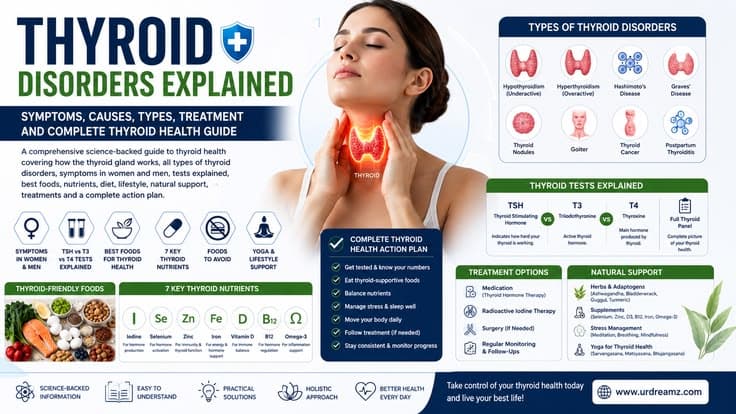
Thyroid Disorders Explained: Symptoms, Causes, Types, Treatment and Complete Thyroid Health Guide
Nestled at the base of your neck, wrapped around your windpipe like a butterfly with its wings spread, sits one of the most influential organs in your entire body — the thyroid gland. Weighing only 25–30 grams and measuring just 5 centimeters across, this small endocrine gland produces hormones that reach every single cell in your body, regulating how fast or slow your heart beats, how quickly you burn calories, whether you feel warm or cold, how clearly you think, how your mood and emotions fluctuate, whether your hair grows thick or falls out, and how deeply you sleep. When the thyroid functions optimally, you feel energized, mentally sharp, emotionally balanced, and physically well. When it malfunctions — producing too little or too much hormone — the effects ripple through your entire physiology with consequences that can be debilitating without appropriate recognition and treatment. Thyroid disorders affect an estimated 200 million people worldwide, making them among the most common endocrine conditions in existence. This comprehensive guide covers everything from thyroid anatomy and hormone physiology to every major type of thyroid disorder, their symptoms, causes, and treatments, the foods and nutrients that support thyroid function, and a complete lifestyle plan for maintaining thyroid health throughout life.
1. What Is the Thyroid Gland? Anatomy and Function
The thyroid gland is a butterfly-shaped endocrine organ located at the front of the neck, sitting just below the Adam's apple and wrapping around the trachea (windpipe). It consists of two lobes — a right lobe and a left lobe — connected by a narrow bridge of tissue called the isthmus, giving it the characteristic butterfly appearance on ultrasound and during surgical examination. Despite its small size (approximately 25–30 grams in a healthy adult), the thyroid is one of the most metabolically influential organs in the body — its hormones are essential for normal functioning of virtually every tissue, organ system, and physiological process in the human body.
The thyroid gland is composed primarily of spherical structures called follicles — microscopic sacs lined with thyroid epithelial cells (follicular cells or thyrocytes) and filled with a protein-rich substance called colloid, which contains thyroglobulin — the storage form of thyroid hormones. When the thyroid is stimulated to produce hormones, follicular cells absorb iodine from the blood, attach it to thyroglobulin molecules, and cleave the resulting iodinated compounds to release thyroid hormones (T3 and T4) into the bloodstream. A second population of thyroid cells — parafollicular C cells (scattered between follicles) — produce calcitonin, a hormone involved in calcium regulation and bone metabolism, entirely separate from the thyroid's more widely known hormone-producing function.
The thyroid gland also has a rich blood supply — receiving approximately 5 milliliters of blood per gram of tissue per minute (one of the highest blood flow rates of any organ in the body relative to its size), which facilitates the rapid delivery of iodine for hormone synthesis and the release of completed hormones into circulation. Four small parathyroid glands — each the size of a grain of rice — sit on the posterior surface of the thyroid lobes and are responsible for calcium and phosphate regulation through parathyroid hormone (PTH). These are distinct from the thyroid itself but are anatomically adjacent and must be carefully preserved during thyroid surgery to prevent hypoparathyroidism.
2. How Thyroid Hormones Work: T3, T4 and TSH Explained
The thyroid produces two primary hormones: thyroxine (T4) and triiodothyronine (T3). These names reflect their iodine content — T4 contains four iodine atoms per molecule and T3 contains three. The numbers are not arbitrary; they describe the actual chemical structure of these hormones, and the difference in iodine content translates into significant differences in biological activity and metabolic role.
The thyroid produces approximately 80–90% of its hormonal output as T4 and only 10–20% as T3. However, T3 is the biologically active form — it is approximately 3–4 times more potent than T4 and directly acts on cell receptors to regulate metabolic processes. T4 functions primarily as a prohormone — a precursor that must be converted to T3 in peripheral tissues (primarily the liver, kidneys, and muscles) before it can exert significant biological effects. This conversion is performed by enzymes called deiodinases, which remove one iodine atom from T4 to produce T3. This conversion step is critically important clinically and nutritionally: it requires adequate selenium (for the deiodinase enzymes), zinc, and iron — which is why deficiencies in these nutrients can produce hypothyroid-like symptoms even when the thyroid gland itself is producing adequate T4.
The entire thyroid hormone system is regulated by a feedback loop involving the hypothalamus and the pituitary gland. When thyroid hormone levels in the blood fall, the hypothalamus releases thyrotropin-releasing hormone (TRH), which signals the pituitary gland to secrete thyroid-stimulating hormone (TSH — also called thyrotropin). TSH travels through the blood to the thyroid gland, where it binds to TSH receptors on follicular cells and stimulates the production and release of T3 and T4. As T3 and T4 levels rise, they signal the pituitary to reduce TSH secretion — completing the feedback loop. This is why TSH is such a sensitive and reliable marker of thyroid function in blood tests: a high TSH indicates the pituitary is working overtime to stimulate an underperforming thyroid (hypothyroidism), while a low TSH indicates the pituitary has reduced stimulation because the thyroid is already producing excess hormone (hyperthyroidism).
| Hormone | Produced By | Primary Function | High Levels Indicate | Low Levels Indicate | Normal Range |
|---|---|---|---|---|---|
| TSH (Thyroid Stimulating Hormone) | Pituitary gland | Signals the thyroid to produce T3 and T4; controls thyroid output | Hypothyroidism — thyroid is underperforming; pituitary compensates by increasing TSH signal | Hyperthyroidism — thyroid is overproducing; pituitary reduces stimulation | 0.4–4.0 mIU/L (optimal: 1.0–2.5 mIU/L for most people) |
| T4 (Thyroxine — inactive prohormone) | Thyroid gland (80–90% of thyroid output) | Storage form; converted to active T3 in tissues; regulates metabolic rate indirectly | Hyperthyroidism; excess thyroid hormone production | Hypothyroidism; primary thyroid failure; secondary (pituitary) hypothyroidism | Free T4: 0.8–1.8 ng/dL; Total T4: 4.5–12.5 µg/dL |
| T3 (Triiodothyronine — active hormone) | Thyroid gland (10–20%); peripheral conversion of T4 (80%) | Directly activates cell receptors; controls metabolism, energy, heart rate, temperature, mood, and cognition | Hyperthyroidism; Graves' disease; T3 toxicosis | Hypothyroidism; impaired T4-to-T3 conversion (selenium/zinc deficiency; chronic illness) | Free T3: 2.3–4.2 pg/mL; Total T3: 80–200 ng/dL |
3. Why Thyroid Health Matters: Effects on the Whole Body
The thyroid's hormones — T3 in particular — act on virtually every cell in the body by binding to nuclear receptors that directly influence gene expression, making the thyroid one of the master regulators of human physiology. Understanding the breadth of thyroid hormone influence helps explain why thyroid disorders produce such wide-ranging, seemingly unrelated symptoms that can affect every organ system simultaneously.
Thyroid hormones are perhaps most prominently known for their role in metabolic rate regulation — they determine how efficiently cells convert nutrients into energy. In hypothyroidism (too little hormone), metabolism slows dramatically: the body burns fewer calories, produces less body heat, and functions at reduced efficiency — resulting in weight gain, fatigue, feeling cold, and sluggish thinking. In hyperthyroidism (too much hormone), metabolism accelerates excessively: the body burns calories and tissue at an unsustainable rate — producing weight loss despite increased appetite, heat intolerance, sweating, rapid heart rate, and anxiety. This metabolic regulation is intimately connected to weight management, which is why thyroid disorders so consistently affect body weight and why thyroid status must always be considered in the evaluation of unexplained weight changes. For detailed weight management strategies, see our Weight Loss Diet Plan Guide.
Beyond metabolism, thyroid hormones regulate cardiovascular function (heart rate and contractility), respiratory drive, gastrointestinal motility (bowel movement frequency), neurocognitive function (memory, concentration, mood), skeletal muscle function, bone turnover and calcium metabolism, skin and hair follicle growth cycles, reproductive hormone function (including menstrual regularity and fertility), immune system regulation, and fetal brain and body development during pregnancy. This extraordinary reach means that thyroid disorders can produce symptoms that seem completely disconnected from the thyroid — depression that does not respond to antidepressants (because undiagnosed hypothyroidism is the underlying cause), infertility that resolves when hypothyroidism is treated, or palpitations misattributed to anxiety that are actually driven by hyperthyroidism. A comprehensive approach to health must always include consideration of thyroid function.
4. Types of Thyroid Disorders: Complete Overview
Thyroid disease is not a single condition but a diverse spectrum of disorders affecting the thyroid gland through different mechanisms — from autoimmune destruction to excess hormone production to structural abnormalities to malignancy. Understanding the full range of thyroid conditions provides essential context for recognizing which type of disorder may be relevant in a particular situation.
| Condition | Type | Core Problem | Primary Cause | Key Feature |
|---|---|---|---|---|
| Hypothyroidism | Functional (underactive) | Insufficient thyroid hormone production | Hashimoto's thyroiditis (most common); iodine deficiency; thyroidectomy; radioactive iodine treatment; medications | Slowed metabolism, fatigue, weight gain, cold sensitivity, constipation, depression |
| Hyperthyroidism | Functional (overactive) | Excessive thyroid hormone production or release | Graves' disease (most common); toxic multinodular goiter; toxic adenoma; thyroiditis; excess iodine | Accelerated metabolism, weight loss, rapid heart rate, heat intolerance, anxiety, tremor |
| Hashimoto's Thyroiditis | Autoimmune; most common cause of hypothyroidism | Immune system attacks thyroid follicular cells, progressively destroying gland tissue | Autoimmune — genetic predisposition triggered by environmental factors; strongly associated with HLA-DR3/DR5 alleles | High TPO antibodies and anti-thyroglobulin antibodies in blood; may cause goiter; most common in women aged 30–50 |
| Graves' Disease | Autoimmune; most common cause of hyperthyroidism | Stimulatory autoantibodies (TRAb/TSI) mimic TSH and continuously activate thyroid hormone production | Autoimmune — TSH receptor antibodies stimulate unregulated thyroid hormone overproduction | Exophthalmos (bulging eyes) — a unique feature of Graves'; pretibial myxedema; elevated TRAb antibodies |
| Thyroid Nodules | Structural | Localized abnormal growths within the thyroid gland — most are benign | Iodine deficiency; chronic thyroiditis; genetic factors; radiation exposure | 95% benign; require evaluation to rule out the 5% that are malignant; most discovered incidentally on imaging |
| Goiter | Structural | Enlargement of the thyroid gland — may be diffuse or nodular; may occur with any thyroid function status | Iodine deficiency (most common globally); Hashimoto's; Graves'; thyroid nodules; multinodular goiter | Visible or palpable neck swelling; may cause compression symptoms (difficulty swallowing or breathing in large cases) |
| Thyroiditis | Inflammatory | Inflammation of the thyroid gland — can be acute, subacute, or chronic; may cause transient hypo or hyperthyroidism | Autoimmune (Hashimoto's); viral infection (subacute/de Quervain's thyroiditis); postpartum; drug-induced; radiation | Painful neck swelling in subacute thyroiditis; postpartum thyroiditis affects 5–10% of women within a year of delivery |
| Thyroid Cancer | Malignant | Cancerous transformation of thyroid cells | Radiation exposure (including therapeutic); genetic mutations; family history; iodine deficiency (follicular type) | 4 types (papillary, follicular, medullary, anaplastic); papillary is most common and highly treatable; presents as thyroid nodule |
| Congenital Hypothyroidism | Developmental/congenital | Absent, underdeveloped, or non-functioning thyroid gland from birth | Thyroid dysgenesis (most common); defects in thyroid hormone synthesis; maternal iodine deficiency; maternal antibodies | Screened at birth with newborn TSH test; early treatment prevents intellectual disability (cretinism) |
| Subclinical Thyroid Disease | Functional (borderline) | Abnormal TSH with normal T3 and T4 — thyroid function not yet sufficiently impaired to produce clear symptoms | Same as clinical hypo/hyperthyroidism — an earlier stage of the same disease process | Subclinical hypothyroidism (high TSH, normal T4) affects 4–10% of adults; treatment decision individualized based on symptoms and TSH level |
5. Hypothyroidism: Underactive Thyroid Explained
Hypothyroidism — a condition in which the thyroid gland produces insufficient thyroid hormone to meet the body's needs — is the most common thyroid disorder and one of the most common endocrine conditions worldwide, affecting approximately 5% of adults in the United States and significantly higher proportions of women over age 60. Because thyroid hormones control the metabolic rate of every cell in the body, deficiency of these hormones produces a characteristic slowing of virtually all bodily functions — a state of physiological sluggishness that manifests across multiple organ systems simultaneously.
The most common cause of hypothyroidism in developed countries with adequate iodine intake is Hashimoto's thyroiditis — an autoimmune condition in which the body's immune system produces antibodies that gradually destroy thyroid tissue (covered in detail in Section 8). Other important causes include: previous thyroid surgery (thyroidectomy) or radioactive iodine therapy for hyperthyroidism or thyroid cancer; certain medications (lithium, amiodarone, interferons, tyrosine kinase inhibitors); iodine deficiency (the most common cause globally, particularly in developing regions); pituitary disorders causing secondary hypothyroidism (TSH deficiency); and congenital hypothyroidism (present from birth — screened by newborn bloodspot testing). Hypothyroidism is classified as primary (thyroid gland failure — elevated TSH, low T4), secondary (pituitary failure — low TSH, low T4), or tertiary (hypothalamic failure — rare).
The clinical presentation of hypothyroidism is highly variable — from severe, obvious symptoms to completely asymptomatic (subclinical) disease detectable only on blood testing. Classic symptoms include: persistent fatigue and exhaustion disproportionate to activity; unexplained weight gain despite unchanged or reduced food intake; cold intolerance (feeling cold when others are comfortable); constipation; dry, flaky skin; brittle nails; coarse, thinning hair and hair loss; puffy face (particularly around the eyes); slowed heart rate (bradycardia); depression, brain fog, and poor concentration; heavy or irregular menstrual periods in women; muscle aches, stiffness, and cramps; elevated cholesterol; and in severe cases, myxedema — a potentially life-threatening condition characterized by profound hypothyroidism with extreme fatigue, hypothermia, and altered consciousness. Standard treatment is daily oral levothyroxine (synthetic T4), tailored to normalize TSH levels.
6. Hyperthyroidism: Overactive Thyroid Explained
Hyperthyroidism — characterized by excessive production of thyroid hormones causing accelerated metabolism and overstimulation of target tissues — is less common than hypothyroidism but produces some of the most distinctive and sometimes dramatically uncomfortable symptoms of any thyroid condition. It affects approximately 1.2% of the US population, with women being 5–10 times more commonly affected than men, and Graves' disease accounting for the majority of cases.
While the thyroid normally produces hormones in response to TSH signals that keep levels within a healthy range, in hyperthyroidism this feedback regulation fails. In Graves' disease, stimulatory autoantibodies continuously activate TSH receptors, driving relentless hormone overproduction regardless of circulating T3 and T4 levels. In toxic multinodular goiter and toxic adenoma, autonomously functioning thyroid nodules produce hormone independently of TSH regulation. In thyroiditis, inflammation causes the gland to release its stored hormone in a burst — producing transient hyperthyroidism followed by temporary hypothyroidism as the stores are depleted. Excess iodine — from supplements, contrast dye, or medications containing iodine — can also trigger hyperthyroidism in susceptible individuals (the Jod-Basedow phenomenon).
Symptoms of hyperthyroidism reflect the effects of metabolic overdrive: unexplained weight loss despite increased or normal appetite; rapid or irregular heartbeat (palpitations and arrhythmias — including atrial fibrillation); heat intolerance and excessive sweating; tremor (fine trembling of the hands); nervousness, anxiety, and irritability; fatigue from metabolic exhaustion; increased bowel movement frequency or diarrhea; sleep disturbances and insomnia; light or absent menstrual periods in women; muscle weakness; and in Graves' disease specifically — exophthalmos (bulging eyes, caused by autoimmune inflammation of the orbital tissues) and pretibial myxedema (thickening and redness of the skin over the shins). Untreated hyperthyroidism significantly increases cardiovascular risk (atrial fibrillation, heart failure) and accelerates bone loss (osteoporosis from increased bone turnover). The most dangerous acute complication is thyroid storm — a life-threatening hyperthyroid emergency triggered by infection, surgery, or acute illness in untreated hyperthyroid patients, requiring immediate intensive care. For the cardiovascular risks of hyperthyroidism, see our Heart Health Guide.
7. Hypothyroidism vs Hyperthyroidism: Complete Comparison
Understanding the contrast between these two opposite states of thyroid function is one of the most clinically useful frameworks in endocrinology — the symptoms of the two conditions are often mirror images of each other, reflecting the opposing metabolic effects of too little versus too much thyroid hormone.
| Feature | Hypothyroidism (Underactive — Too Little T3/T4) | Hyperthyroidism (Overactive — Too Much T3/T4) |
|---|---|---|
| Metabolism | Slowed — body burns fewer calories; gains weight | Accelerated — body burns calories rapidly; loses weight |
| Body weight | Weight gain despite unchanged or reduced appetite | Weight loss despite increased or normal appetite |
| Heart rate | Slow heart rate (bradycardia — below 60 bpm) | Rapid heart rate (tachycardia); palpitations; atrial fibrillation risk |
| Temperature sensitivity | Cold intolerance — always feeling cold | Heat intolerance — always feeling too warm; excessive sweating |
| Energy levels | Persistent fatigue, sluggishness, exhaustion | Restless energy but ultimately metabolic exhaustion; fatigue from overactivity |
| Mental state | Brain fog, poor memory, depression, slowed thinking | Anxiety, nervousness, irritability, hyperactivity, insomnia |
| Bowel function | Constipation — slowed gastrointestinal motility | Increased bowel movements, diarrhea, loose stools |
| Skin | Dry, flaky, thickened skin; pale complexion; cool skin | Warm, moist, smooth skin; flushing |
| Hair | Dry, coarse, brittle hair; significant hair loss; loss of outer third of eyebrows | Fine, thin hair; some hair loss |
| Menstrual cycle | Heavy, prolonged, more frequent periods; infertility | Light, irregular, infrequent periods; reduced fertility |
| Cholesterol | Elevated LDL and total cholesterol (reduced hepatic cholesterol metabolism) | Reduced cholesterol (increased cholesterol metabolism) |
| Blood pressure | Diastolic hypertension (increased vascular resistance) | Widened pulse pressure; systolic hypertension; tachycardia |
| Bone | Slowed bone turnover (but reduced bone formation too) | Accelerated bone turnover — increased bone loss and osteoporosis risk |
| Face | Puffy face, swollen eyelids; periorbital edema; loss of lateral eyebrow hair | Staring gaze; in Graves' — exophthalmos (bulging eyes); lid retraction |
| Neck | May have goiter from Hashimoto's stimulation | Often diffuse goiter from TSH-receptor antibody stimulation (Graves') |
| TSH level | High — pituitary compensates for low thyroid output | Low (or undetectable) — pituitary suppressed by excess hormone |
| Primary treatment | Levothyroxine (synthetic T4) replacement | Antithyroid drugs; radioactive iodine; beta-blockers; thyroid surgery |
8. Hashimoto's Thyroiditis: The Most Common Cause of Hypothyroidism
Hashimoto's thyroiditis — named after the Japanese physician Hakaru Hashimoto who described it in 1912 — is an autoimmune condition in which the body's immune system mistakenly attacks the thyroid gland, progressively destroying the thyroid follicular cells that produce thyroid hormones. It is the most common autoimmune disease in the world and the leading cause of hypothyroidism in countries with adequate iodine intake, affecting an estimated 5% of the global population. Women are 7–10 times more commonly affected than men, with peak incidence between ages 30 and 50 — though it can occur at any age, including childhood.
The autoimmune attack in Hashimoto's is mediated by both T-lymphocytes (which directly infiltrate and damage thyroid tissue) and autoantibodies — primarily anti-thyroid peroxidase antibodies (anti-TPO) and anti-thyroglobulin antibodies (anti-TG). These antibodies are detectable in the blood years before clinical hypothyroidism develops, making them valuable diagnostic markers. The immune attack gradually reduces the number of functional thyroid follicular cells over years to decades, progressively impairing the thyroid's capacity to produce T3 and T4. The damaged, inflamed thyroid often develops a characteristic rubbery, firm, irregular texture on palpation and may be mildly enlarged in the early stages — but atrophies (shrinks) as the autoimmune damage progresses and most functional tissue is replaced by fibrous scar tissue.
The clinical course of Hashimoto's is typically slow and insidious. Many patients pass through an initial phase of euthyroidism (normal thyroid function with positive antibodies but normal TSH and T4), then develop subclinical hypothyroidism (elevated TSH with normal T4 and minimal or no symptoms), and eventually progress to overt hypothyroidism (elevated TSH, low T4, and clear clinical symptoms). Some patients experience a transient Hashitoxicosis early in the disease — a brief period of hyperthyroidism caused by the release of preformed hormones from damaged follicles — before progressing to hypothyroidism. The diagnosis is made by the combination of clinical features, elevated TSH with low or normal T4, and positive anti-TPO antibodies (present in over 95% of Hashimoto's patients). Treatment is levothyroxine replacement when TSH is elevated; the autoimmune process itself cannot currently be reversed, though some evidence suggests that selenium supplementation reduces anti-TPO antibody levels and may slow progression.
9. Graves' Disease: The Most Common Cause of Hyperthyroidism
Graves' disease is an autoimmune disorder in which the immune system produces stimulatory antibodies — TSH receptor antibodies (TRAb), also called thyroid-stimulating immunoglobulins (TSI) — that bind to and continuously activate TSH receptors on thyroid follicular cells. Unlike TSH itself (whose levels rise and fall in response to thyroid hormone feedback), these antibodies are not subject to feedback regulation — they continuously stimulate the thyroid to produce more and more T3 and T4 regardless of circulating hormone levels, producing autonomous, sustained hyperthyroidism. Graves' disease is named after the Irish physician Robert Graves, who described it in 1835, and is responsible for approximately 70–80% of all hyperthyroidism cases globally.
Graves' disease has three characteristic clinical features that, when present together, are virtually pathognomonic (exclusively diagnostic) of the condition: diffuse goiter (symmetrical enlargement of the thyroid gland from TSH-receptor antibody stimulation); hyperthyroidism with its full symptom constellation; and Graves' ophthalmopathy (also called thyroid eye disease or orbitopathy) — an autoimmune inflammatory condition affecting the orbital tissues (muscles, fat, and connective tissue behind the eyes) that produces the characteristic exophthalmos (bulging or protruding eyes), lid retraction (a characteristic wide-eyed staring appearance), periorbital edema, redness, and in severe cases, corneal exposure, optic nerve compression, and visual loss. Graves' ophthalmopathy can be present even when thyroid function is controlled and may require specific treatment (intravenous glucocorticoids, orbital decompression surgery) separate from the thyroid treatment. A fourth manifestation — pretibial myxedema (localized skin thickening and redness over the anterior shins) — occurs in approximately 5% of Graves' patients.
The diagnosis of Graves' disease is made clinically and confirmed by elevated free T4 and T3, suppressed TSH, positive TRAb antibodies (specific for Graves'), and characteristic findings on thyroid scan (diffuse increased uptake of radioactive iodine). Treatment options for Graves' disease include antithyroid drugs (carbimazole or methimazole, and propylthiouracil — PTU — in pregnancy and thyroid storm), radioactive iodine ablation (the most commonly used definitive treatment in the United States, though it typically results in hypothyroidism requiring lifelong levothyroxine), and total thyroidectomy (surgical removal — used when medications fail, goiter is very large, or malignancy is suspected). Beta-blockers (propranolol, atenolol) are used to control symptoms (heart rate, tremor, anxiety) while waiting for antithyroid drugs to take effect. With appropriate treatment, Graves' disease can be effectively managed, though antithyroid drug therapy has a remission rate of approximately 30–50%, making definitive treatment with radioactive iodine or surgery necessary in many cases.
10. Thyroid Nodules: What They Are and When to Worry
Thyroid nodules are discrete lumps or growths within the thyroid gland — distinct from the surrounding normal thyroid tissue. They are extraordinarily common: high-resolution ultrasound detects thyroid nodules in approximately 50–70% of adults, with prevalence increasing with age and significantly higher in women. The vast majority — approximately 90–95% — are completely benign and require no treatment other than periodic monitoring. The critical clinical task is identifying the small but important minority (5–10%) that represent thyroid cancer, requiring further evaluation and treatment.
Thyroid nodules can be classified by their ultrasound characteristics (solid vs cystic vs mixed; hypoechoic vs hyperechoic; smooth vs irregular margins; presence of microcalcifications), their functional status (cold/non-functioning nodules, warm/iso-functioning, or hot/hyperfunctioning — hot nodules that autonomously produce excess hormone are called toxic adenomas), and their size. The risk of malignancy is higher in: solid hypoechoic nodules (especially with irregular margins or microcalcifications on ultrasound); nodules that grow rapidly; nodules in people with a history of head and neck radiation; nodules with associated cervical lymphadenopathy; nodules in young patients (under 20) or older men; and nodules associated with hoarseness or difficulty swallowing (suggesting local invasion). Most thyroid nodules are discovered incidentally during imaging performed for other reasons — a phenomenon sometimes called "incidentaloma."
The standard evaluation of thyroid nodules includes: thyroid function tests (TSH — to determine if the nodule is functioning); thyroid ultrasound (the primary imaging modality for characterizing nodule features using standardized risk stratification systems like ATA, ACR TIRADS, or EU-TIRADS); and fine needle aspiration biopsy (FNAB) — the most reliable way to determine whether a nodule is benign or malignant, recommended for nodules meeting specific size and ultrasound criteria. Most biopsied nodules return benign results, providing reassurance that the nodule can be monitored with periodic ultrasound rather than treated surgically. Nodules confirmed as benign on biopsy typically require no treatment — though large nodules causing compressive symptoms (difficulty swallowing, breathing discomfort, or a feeling of neck pressure) may warrant surgery or ablation regardless of malignancy status.
11. Goiter: Enlarged Thyroid Explained
A goiter is any visible or palpable enlargement of the thyroid gland, regardless of its functional status. The thyroid can be enlarged while producing too little hormone (hypothyroid goiter — as in Hashimoto's in its earlier stages, or iodine-deficiency goiter), normal hormone levels (euthyroid goiter), or too much hormone (hyperthyroid goiter — as in Graves' disease or toxic multinodular goiter). This is why the presence of a goiter alone does not determine whether the thyroid is over- or under-functioning — thyroid function tests are essential for that determination.
The most common cause of goiter globally remains iodine deficiency — affecting hundreds of millions of people in regions without adequate iodine in the diet or water supply, particularly mountainous inland regions far from seafood and without iodized salt programs. When iodine is insufficient, the thyroid cannot produce adequate amounts of T3 and T4; the resulting drop in thyroid hormone levels triggers the pituitary to increase TSH secretion, which chronically stimulates the thyroid to grow in an attempt to compensate — producing diffuse goiter. With prolonged iodine deficiency, some regions of the thyroid grow more than others, producing the irregular, bumpy texture of a multinodular goiter. In developed countries with iodine-sufficient populations, the most common causes of goiter are Hashimoto's thyroiditis and Graves' disease.
Goiters range from small, barely palpable enlargements detected only by a physician during examination, to massive swellings visible from across a room and causing significant compression of surrounding structures (the trachea and esophagus). Compressive symptoms include: a sensation of fullness or pressure in the neck; difficulty swallowing (dysphagia); hoarseness (from pressure on the recurrent laryngeal nerve); breathing difficulty or stridor (from tracheal compression — particularly when lying flat or with arms raised — Pemberton's sign); and visible distortion of the neck. Treatment depends on the underlying cause: iodine supplementation for deficiency-related goiter; levothyroxine or antithyroid drugs for hypo- or hyperthyroid goiter; radioactive iodine ablation for reducing thyroid size; or surgical removal for large compressive goiters unresponsive to other treatments.
12. Thyroiditis: Thyroid Inflammation Explained
Thyroiditis refers to inflammation of the thyroid gland from any cause. Because inflammation disrupts normal thyroid cell architecture and function, thyroiditis can produce a characteristic biphasic pattern: an initial hyperthyroid phase (as inflammation releases preformed stored thyroid hormones into the bloodstream), followed by a hypothyroid phase (as the stores are depleted and the damaged gland struggles to produce new hormone), followed ultimately by recovery to normal function in most patients. Several distinct types of thyroiditis exist, differing in cause, clinical presentation, and prognosis.
Subacute thyroiditis (de Quervain's thyroiditis) is the most dramatically symptomatic form — typically triggered by viral upper respiratory tract infections (commonly Coxsackievirus, mumps, measles, or influenza) and presenting with severe, painful thyroid gland tenderness, typically migrating from one side of the gland to the other, along with systemic symptoms of viral illness (fever, fatigue, muscle aches). The ESR (erythrocyte sedimentation rate) is characteristically very elevated, and thyroid function tests typically show initial hyperthyroidism transitioning to hypothyroidism and then recovery to euthyroidism over 3–6 months. Treatment is supportive — NSAIDs for pain and inflammation, beta-blockers for hyperthyroid symptoms, and corticosteroids in severe cases. Postpartum thyroiditis affects 5–10% of women within the first year after delivery, following a similar biphasic hyper-then-hypothyroid pattern and resolving in most women within 12 months, though approximately 20–30% develop permanent hypothyroidism requiring long-term levothyroxine treatment. Hashimoto's thyroiditis — covered in detail in Section 8 — is the most common form of autoimmune chronic thyroiditis. Drug-induced thyroiditis can result from amiodarone, interferon-alpha, interleukin-2, checkpoint inhibitor immunotherapy drugs, and lithium, all of which can trigger thyroid inflammation or disrupt thyroid hormone metabolism.
13. Thyroid Cancer: Types, Symptoms and Treatment
Thyroid cancer is the most common endocrine malignancy, with incidence increasing worldwide — partly due to genuine increases in some cancer subtypes and partly due to improved detection of small cancers through more widespread ultrasound use. Despite being "cancer," thyroid cancer has an overall excellent prognosis — the 10-year survival rate for the most common forms exceeds 95% — though this varies considerably between different types, and early detection through evaluation of thyroid nodules remains important.
The four main types of thyroid cancer have distinct origins, behaviors, and prognoses. Papillary thyroid carcinoma (PTC) is the most common type, accounting for approximately 80–85% of all thyroid cancers — it arises from follicular cells, grows slowly, tends to spread to regional lymph nodes rather than distant sites, and has an excellent prognosis (10-year survival greater than 95%) even when lymph node involvement is present. Follicular thyroid carcinoma (FTC) accounts for 10–15% of thyroid cancers — it also arises from follicular cells, is more common in iodine-deficient areas, has a tendency to spread through blood vessels to distant sites (lungs and bones) rather than lymph nodes, and cannot be reliably distinguished from benign follicular adenoma on fine needle biopsy alone (requiring surgical removal for definitive diagnosis). Medullary thyroid carcinoma (MTC) arises from the parafollicular C cells that produce calcitonin (not follicular cells) — it accounts for approximately 3–5% of thyroid cancers, may be sporadic or hereditary (associated with MEN2 syndrome — multiple endocrine neoplasia type 2, caused by RET gene mutations), and is diagnosed by elevated calcitonin levels in blood, which makes calcitonin a useful screening marker for MTC specifically. Anaplastic thyroid carcinoma (ATC) is the rarest (less than 2%) but most aggressive thyroid cancer — it arises from follicular cells that have undergone complete loss of differentiation, grows extremely rapidly, invades surrounding structures aggressively, and has a median survival of only 3–5 months from diagnosis despite aggressive treatment. ATC frequently presents with rapidly growing, fixed neck mass and symptoms of tracheal or esophageal obstruction.
Warning signs of thyroid cancer that should prompt evaluation include: a rapidly growing lump in the neck; hoarseness or voice changes not explained by respiratory illness; difficulty swallowing; persistent cough not related to respiratory infection; swollen lymph nodes in the neck; and a thyroid nodule with concerning ultrasound features. Treatment depends on cancer type and stage: the standard treatment for papillary and follicular thyroid cancer is total thyroidectomy (surgical removal of the entire thyroid), often followed by radioactive iodine (RAI) ablation to destroy any remaining thyroid tissue and potential metastases, and then lifelong levothyroxine suppression therapy (keeping TSH suppressed below normal to reduce stimulation of any remaining cancer cells). Medullary thyroid carcinoma requires surgery and family genetic screening. Anaplastic carcinoma is typically treated with multimodal combination therapy (surgery when possible, external beam radiation, chemotherapy, and targeted therapy with dabrafenib/trametinib in BRAF-mutated tumors) but prognosis remains extremely poor.
14. Common Symptoms of Thyroid Disorders
Thyroid disorders produce symptoms that are extraordinarily diverse, often subtle in early stages, and easily attributed to other causes (stress, aging, depression, or simple tiredness) — which contributes to the frustratingly long average delay (5–7 years in some studies) between symptom onset and diagnosis of thyroid disorders. Recognizing the characteristic symptom patterns of thyroid dysfunction is essential for seeking timely evaluation.
| Symptom | Hypothyroidism | Hyperthyroidism | What It Reflects |
|---|---|---|---|
| Fatigue and low energy | Persistent exhaustion even after sleep — a hallmark symptom | Restless but ultimately exhausted from metabolic overdrive | Cellular energy production impaired (hypo) or overdriven to exhaustion (hyper) |
| Weight changes | Weight gain without increased food intake | Weight loss despite increased appetite | Thyroid hormones directly determine basal metabolic rate |
| Hair loss or thinning hair | Dry, coarse, brittle hair; diffuse hair loss; loss of outer third of eyebrows (very characteristic) | Fine, thin hair; some diffuse hair loss | Thyroid hormones regulate hair follicle growth cycles; deficiency or excess both disrupt them |
| Temperature sensitivity | Cold intolerance — feeling cold when others are comfortable; cold hands and feet | Heat intolerance; excessive sweating; warm skin | Thyroid hormones regulate thermogenesis (body heat production) |
| Dry skin or rough nails | Dry, flaky, thickened skin; brittle nails that break easily | Warm, moist skin | Thyroid hormones regulate skin cell turnover and sebaceous gland activity |
| Muscle aches or joint pain | Muscle stiffness, aching, and cramps; joint swelling; carpal tunnel syndrome (from tissue swelling) | Muscle weakness; tremor (fine shaking of hands) | Thyroid hormones regulate muscle protein metabolism and neuromuscular function |
| Changes in heart rate | Slow heart rate (bradycardia); may feel heart pounding with minimal exertion | Rapid, irregular heartbeat (palpitations); atrial fibrillation in severe cases | Thyroid hormones directly regulate cardiac chronotropy (rate) and inotropy (strength) |
| Trouble sleeping or insomnia | Excessive sleepiness; need for more sleep than usual despite feeling unrested | Insomnia; difficulty falling asleep; restless sleep | Thyroid hormone levels regulate sleep architecture and circadian rhythm |
| Bowel problems | Constipation — slowed gastrointestinal motility; infrequent stools | Increased bowel frequency; loose stools or diarrhea | Thyroid hormones regulate gastrointestinal smooth muscle motility. See our Digestive Health Guide |
| Swelling in the neck area | Goiter from Hashimoto's stimulation or iodine deficiency; feeling of pressure or fullness | Diffuse goiter from TSH-receptor antibody stimulation in Graves' | Thyroid enlargement from any cause produces neck swelling visible or palpable on examination |
| Mood and cognitive changes | Depression, brain fog, poor memory, slowed thinking, difficulty concentrating | Anxiety, nervousness, irritability, restlessness, difficulty concentrating from overstimulation | Thyroid hormones are essential for normal neurotransmitter function and synaptic plasticity |
15. Thyroid Symptoms in Women
Thyroid disorders disproportionately affect women — women are 5–10 times more likely than men to develop thyroid disease over their lifetime, with estimates suggesting that 1 in 8 women will develop a thyroid disorder at some point. This female preponderance reflects the complex interplay between thyroid hormones and the female reproductive hormone system — estrogen influences thyroid hormone binding proteins, thyroid autoimmune conditions are linked to female-specific immune regulation patterns, and thyroid function changes dramatically during key reproductive milestones (puberty, pregnancy, the postpartum period, and menopause).
In women, thyroid disorders produce specific reproductive and hormonal manifestations that are often the most prominent presenting features. Hypothyroidism in women commonly causes menstrual irregularities — heavy, prolonged, and more frequent periods (menorrhagia) from disrupted sex hormone metabolism; or irregular cycles and amenorrhea in severe cases. Hypothyroidism is an important and frequently overlooked cause of female infertility — thyroid hormones are essential for normal ovarian function, follicular development, and corpus luteum function. Women with unexplained infertility or recurrent miscarriage should always have their thyroid function tested. Hyperthyroidism in women tends to cause the opposite pattern — light, irregular, or absent periods and reduced fertility from excess thyroid hormone disrupting the hypothalamic-pituitary-ovarian axis.
Thyroid dysfunction has particular significance in pregnancy — thyroid hormones are essential for fetal brain development (the fetal thyroid does not become functional until approximately 10–12 weeks of gestation, meaning the fetus depends entirely on maternal thyroid hormones for early neurodevelopment). Maternal hypothyroidism — even subclinical (elevated TSH with normal T4) — is associated with adverse pregnancy outcomes including miscarriage, preterm birth, preeclampsia, placental abruption, and impaired fetal neurological development. This is why thyroid screening in early pregnancy is critically important for women with known thyroid disease, thyroid antibodies, or risk factors. Postpartum thyroiditis — affecting 5–10% of women within the first year after delivery — is frequently misdiagnosed as postpartum depression when it presents in its hypothyroid phase, making thyroid function testing essential in any new mother presenting with fatigue, depression, or weight changes that persist beyond the expected postpartum adjustment period.
16. Thyroid Symptoms in Men
While thyroid disorders are significantly less common in men than women, their effects in men are no less significant — and they are frequently underdiagnosed in men precisely because the cultural and clinical expectation that thyroid disease is "a women's condition" leads to it being considered later in the differential diagnosis of men with relevant symptoms. Men tend to present with thyroid disorders at older ages than women on average, and their symptoms may differ in emphasis from those seen in women.
In men, hypothyroidism commonly presents with: profound fatigue and reduced exercise tolerance; unexplained weight gain with particular accumulation of abdominal fat; erectile dysfunction and reduced libido (from thyroid hormone effects on testosterone metabolism and sex hormone binding globulin levels); muscle weakness and aching; dry skin and hair thinning; elevated cholesterol (hypothyroidism reduces hepatic cholesterol clearance — men with newly discovered high cholesterol should have thyroid function tested); depression and cognitive slowing; and bradycardia. Hyperthyroidism in men produces: significant unexplained weight loss (often striking and rapid); palpitations and reduced exercise tolerance from tachyarrhythmias; muscle weakness particularly of the proximal muscle groups (difficulty climbing stairs, rising from chairs — thyrotoxic myopathy); increased bowel frequency; heat intolerance; and in Graves' disease — exophthalmos and goiter. Thyroid cancer is more likely to be aggressive in men — the same thyroid cancer that would behave indolently in a woman tends to carry a worse prognosis when it occurs in a man, making evaluation of suspicious thyroid nodules particularly important.
17. Causes and Risk Factors of Thyroid Disease
Thyroid disorders arise from a complex interaction of genetic predisposition, environmental triggers, nutritional factors, and hormonal influences. Understanding these causes helps identify who is at risk and what preventive or early monitoring strategies are appropriate.
| Risk Factor | How It Causes Thyroid Disease | Conditions It Contributes To |
|---|---|---|
| Autoimmune susceptibility (genetic) | Genetic variants in immune regulation genes (HLA system, CTLA-4, PTPN22) increase susceptibility to autoimmune thyroid attack | Hashimoto's thyroiditis; Graves' disease; other autoimmune thyroid conditions |
| Family history of thyroid disease | First-degree relatives of people with autoimmune thyroid disease have 5–10 times higher risk; thyroid cancer has familial forms | All thyroid disorders; particularly Hashimoto's, Graves', and familial MTC |
| Female sex | Estrogen influences immune regulation and thyroid hormone binding; pregnancy and hormonal fluctuations are thyroid disease triggers | All autoimmune thyroid disorders; significantly higher prevalence in women |
| Iodine deficiency | Inadequate iodine prevents T3 and T4 synthesis; TSH rises chronically, stimulating thyroid growth; deficiency in pregnancy impairs fetal brain development | Goiter; hypothyroidism; cretinism (congenital neurological damage) in severe maternal deficiency; follicular thyroid cancer |
| Excess iodine | Paradoxically, very high iodine intake can inhibit thyroid hormone synthesis (Wolff-Chaikoff effect) or trigger hyperthyroidism (Jod-Basedow) in susceptible individuals; amiodarone (a cardiac drug with very high iodine content) is a major cause | Iodine-induced hypothyroidism or hyperthyroidism; amiodarone-induced thyroid disease |
| Radiation exposure | Ionizing radiation to the neck — from childhood therapeutic radiation, nuclear fallout (Chernobyl, Fukushima), or diagnostic radiation — damages thyroid DNA and increases cancer risk | Thyroid cancer (particularly papillary); increased risk persists for decades after exposure |
| Chronic stress | Sustained cortisol elevation suppresses TSH and T3 production; impairs T4-to-T3 conversion; may trigger autoimmune thyroid disease in genetically predisposed individuals | Subclinical hypothyroidism; Hashimoto's triggering or exacerbation; low T3 syndrome |
| Pregnancy and the postpartum period | The dramatic immune shifts of pregnancy and postpartum period are major triggers for autoimmune thyroid disease in susceptible women | Postpartum thyroiditis; worsening of Hashimoto's; Graves' disease remission during pregnancy and relapse after delivery |
| Selenium and zinc deficiency | Selenium is required for the deiodinase enzymes that convert T4 to active T3; zinc is essential for thyroid hormone receptor function; deficiency of either impairs thyroid hormone metabolism even when production is normal | Low T3 syndrome; worsening of hypothyroid symptoms despite normal T4 and TSH; impaired selenium nutrition worsens Hashimoto's |
| Medications | Lithium inhibits thyroid hormone secretion; amiodarone contains 37% iodine by weight and causes hypo or hyperthyroidism; checkpoint inhibitor immunotherapy drugs trigger autoimmune thyroiditis; interferon-alpha causes thyroid autoimmunity | Drug-induced hypothyroidism or hyperthyroidism; autoimmune thyroiditis |
| Smoking | Thiocyanates in cigarette smoke are goitrogens that impair iodine uptake by the thyroid; smoking worsens Graves' ophthalmopathy significantly | Goiter; worsened thyroid eye disease in Graves'; subclinical hypothyroidism |
18. TSH vs T3 vs T4: Understanding Your Thyroid Test Results
When a doctor suspects thyroid disease or screens for it, a thyroid function panel (or thyroid profile test) is ordered. Understanding what each test measures, how the values relate to each other, and what patterns of results mean is essential for any patient managing or monitoring thyroid health.
TSH is universally recognized as the single most sensitive and informative initial test for thyroid function — it reflects how hard the pituitary is working to drive thyroid hormone production, making it the most sensitive indicator of even minor deviations from normal thyroid function. A normal TSH (0.4–4.0 mIU/L — though many specialists prefer 0.5–2.5 mIU/L as the optimal range for symptomatic patients) generally indicates adequate thyroid hormone production. An elevated TSH (above 4.0 mIU/L) indicates hypothyroidism — the pituitary is working harder than normal to drive hormone production from an underperforming gland. A suppressed TSH (below 0.4 mIU/L — or undetectable) indicates hyperthyroidism — the pituitary has reduced its stimulation because too much hormone is already present.
Free T4 (the fraction of T4 not bound to carrier proteins — the biologically available portion) provides information about how much hormone the thyroid is actually producing and releasing. Free T3 provides information about how much active hormone is available at the cellular level — it may be low even when TSH and T4 are normal in cases of impaired T4-to-T3 conversion (which requires adequate selenium, zinc, and iron). TSH alone is the standard initial screening test; both TSH and free T4 are ordered for diagnosis and monitoring. Free T3 is added when T3 toxicosis is suspected (symptomatic hyperthyroidism with elevated T3 but normal T4), when conversion efficiency is questioned, or when symptoms persist despite normalized TSH and T4. Thyroid antibodies (anti-TPO, anti-TG for Hashimoto's; TRAb for Graves') are ordered when autoimmune thyroid disease is suspected. Thyroglobulin is used as a tumor marker to monitor for papillary and follicular thyroid cancer recurrence after thyroidectomy.
19. Thyroid Function Tests Explained
| Test | What It Measures | When It Is Ordered | Normal Range | Clinical Significance |
|---|---|---|---|---|
| TSH (Thyroid Stimulating Hormone) | Pituitary hormone driving thyroid function — the primary regulator | Routine screening; initial evaluation of thyroid symptoms; monitoring of thyroid treatment | 0.4–4.0 mIU/L (varies by lab; optimal: 0.5–2.5 mIU/L) | Most sensitive single test for thyroid dysfunction; elevated = hypothyroidism; suppressed = hyperthyroidism |
| Free T4 (fT4) | Biologically available (unbound) thyroxine in blood | Ordered with TSH for diagnosis; monitoring of levothyroxine therapy | 0.8–1.8 ng/dL | Low fT4 + high TSH = primary hypothyroidism; high fT4 + low TSH = hyperthyroidism; normal fT4 + high TSH = subclinical hypothyroidism |
| Free T3 (fT3) | Biologically active hormone (unbound triiodothyronine) | Suspected T3 toxicosis; poor response to levothyroxine despite normal TSH/T4; monitoring conversion efficiency | 2.3–4.2 pg/mL | Low fT3 with normal TSH/T4 suggests impaired T4-to-T3 conversion; high fT3 with suppressed TSH = T3 toxicosis |
| Anti-TPO antibodies | Antibodies against thyroid peroxidase enzyme — marker of autoimmune thyroid attack | Suspected Hashimoto's; subclinical hypothyroidism (to assess likelihood of progression) | Below 34 IU/mL (lab-specific) | Elevated in over 95% of Hashimoto's patients; also elevated in some Graves' patients; predicts progression from subclinical to overt hypothyroidism |
| Anti-thyroglobulin antibodies (anti-TG) | Antibodies against thyroglobulin — a second autoimmune marker | Ordered alongside anti-TPO in Hashimoto's evaluation; monitoring after thyroid cancer surgery | Below 20 IU/mL | Elevated in Hashimoto's; can interfere with thyroglobulin tumor marker assay after thyroid cancer surgery |
| TSH receptor antibodies (TRAb / TSI) | Stimulatory antibodies specific to Graves' disease | Suspected Graves' disease; to determine cause of hyperthyroidism; monitoring Graves' treatment and predicting remission | Below 1.75 IU/L | Highly specific for Graves' disease; declining TRAb levels during treatment predict remission; persistent high levels predict relapse |
| Thyroid ultrasound | Structural imaging — size, echogenicity, nodule characteristics, blood flow | Suspected goiter or nodules; monitoring nodule size; guiding fine needle aspiration | Normal-sized gland (4–5 cm); homogeneous echogenicity; no nodules | Heterogeneous echogenicity suggests Hashimoto's; identifies nodules requiring biopsy; detects malignant features (microcalcifications, irregular margins) |
| Radioactive iodine uptake scan (RAIU) | Functional imaging — how actively the thyroid absorbs iodine; identifies hot vs cold nodules | Hyperthyroidism (to distinguish Graves' from thyroiditis from toxic nodule); evaluation of thyroid nodules | Normal: 10–30% uptake at 24 hours | High diffuse uptake = Graves'; high focal uptake = toxic adenoma; low uptake = thyroiditis (hormone release without production) or factitious hyperthyroidism |
| Fine needle aspiration biopsy (FNAB) | Cytological examination of thyroid cells from nodule | Thyroid nodules with concerning ultrasound features or meeting size criteria | Bethesda System classification: I (non-diagnostic) through VI (malignant) | Gold standard for thyroid nodule evaluation; Bethesda III–VI categories require individualized management; cannot distinguish follicular adenoma from carcinoma |
| Thyroglobulin tumor marker | Protein produced by thyroid follicular cells — used post-thyroidectomy as cancer recurrence marker | Monitoring after thyroidectomy for papillary or follicular thyroid cancer | Should be undetectable after total thyroidectomy and RAI ablation | Rising thyroglobulin after thyroid cancer treatment suggests recurrence; interfered with by anti-TG antibodies |
20. Seven Essential Nutrients Your Thyroid Needs
The thyroid gland depends on a specific set of micronutrients for every stage of thyroid hormone production — from iodine uptake through the follicular cell membrane, to hormone synthesis, to the conversion of inactive T4 to active T3, to hormone receptor function at target cells. Deficiencies in any of these key nutrients can impair thyroid function even when the thyroid gland itself is structurally healthy and the TSH signal is normal.
| # | Nutrient | Role in Thyroid Function | Best Food Sources | Deficiency Effects |
|---|---|---|---|---|
| 1 | Iodine | The must-have mineral — literally incorporated into thyroid hormone molecules (T4 has 4 iodine atoms; T3 has 3); essential for hormone synthesis; cannot make T3 or T4 without it | Seaweed (nori, kelp, wakame — the richest sources); iodized salt; seafood and fish; dairy products; eggs | Goiter; hypothyroidism; in severe deficiency during pregnancy: cretinism (irreversible intellectual disability and growth impairment in the newborn) |
| 2 | Selenium | The protector — essential for the deiodinase enzymes that convert T4 to active T3; also required for selenoprotein P and glutathione peroxidase that protect thyroid cells from oxidative damage during hydrogen peroxide-dependent hormone synthesis (the thyroid produces more hydrogen peroxide per gram of tissue than any other organ) | Brazil nuts (by far the richest source — 1–2 nuts meets the daily requirement); tuna and other fatty fish; eggs; sunflower seeds; chicken; beef | Impaired T4-to-T3 conversion (low T3 despite normal TSH and T4); increased thyroid oxidative damage; worsened Hashimoto's autoimmune activity; selenoprotein deficiency amplifies iodine toxicity |
| 3 | Zinc | The builder — required for the synthesis of thyroid hormones; supports immune system function and reduces autoimmune thyroid attack; required for thyroid hormone receptor function at target cells; involved in TSH synthesis in the pituitary | Oysters (highest zinc food source); beef; pumpkin seeds; lentils; chickpeas; hemp seeds; cashews; dark chocolate | Reduced T3 production; impaired thyroid hormone receptor sensitivity; immune dysregulation potentially worsening autoimmune thyroid conditions; increased hypothyroid symptoms even with adequate T4 |
| 4 | Iron | The oxygen carrier — required for thyroid peroxidase (TPO), the enzyme that incorporates iodine into thyroglobulin during hormone synthesis; iron deficiency impairs TPO activity even when iodine is adequate; iron is also required for red blood cell production — anemia from iron deficiency compounds fatigue already present from hypothyroidism | Beef and red meat; spinach and dark leafy greens; lentils; pumpkin seeds; fortified cereals; oysters; tofu | Impaired thyroid hormone synthesis through reduced TPO activity; compounded fatigue from anemia alongside thyroid-related fatigue; reduced response to iodine supplementation |
| 5 | Vitamin D | The immune regulator — vitamin D receptors are present on thyroid cells; vitamin D plays a critical role in immune system regulation that is directly relevant to autoimmune thyroid disease (Hashimoto's and Graves'); low vitamin D levels are strongly and consistently associated with higher thyroid antibody levels and more severe Hashimoto's disease | Sunlight exposure (the primary source — 15–20 minutes of direct sun on bare skin); fatty fish (salmon, mackerel, sardines); egg yolks; fortified foods (dairy, plant milks, cereals); vitamin D supplements (the most reliable source in sun-deprived regions) | Increased autoimmune thyroid disease risk and severity; higher anti-TPO antibody levels in Hashimoto's; impaired immune regulation; reduced response to thyroid treatment in deficient patients |
| 6 | Magnesium | The relaxer — magnesium supports over 300 enzymatic reactions including those involved in thyroid hormone metabolism; essential for proper sleep (disrupted by thyroid disorders); required for protein synthesis including thyroid hormone synthesis; supports stress response regulation (important since chronic stress disrupts thyroid function); helps maintain hormone balance and cortisol management | Dark chocolate (70%+ cocoa); almonds and cashews; spinach; black beans; avocado; bananas; pumpkin seeds; whole grains | Impaired thyroid hormone synthesis; worsened stress response (amplifying cortisol suppression of thyroid function); poor sleep quality; muscle cramps compounding hypothyroid myopathy |
| 7 | Vitamin B12 | The energy booster — B12 deficiency is extremely common in hypothyroid patients (particularly those with autoimmune hypothyroidism from Hashimoto's, which is associated with autoimmune gastritis reducing intrinsic factor production and B12 absorption); B12 supports red blood cell production and neurological function; B12 deficiency compounds the fatigue, depression, brain fog, and neuropathy that are already symptoms of hypothyroidism | Eggs; fish and seafood; meat and poultry; dairy products; nutritional yeast; B12-fortified plant milks (essential for vegans and vegetarians) | Compounded fatigue, depression, and brain fog in hypothyroid patients; peripheral neuropathy; macrocytic anemia; important to screen for B12 deficiency in all patients with hypothyroidism, particularly autoimmune hypothyroidism |
21. Iodine and Thyroid Function
Of all the nutrients essential for thyroid function, iodine occupies a uniquely irreplaceable position — it is literally a structural component of thyroid hormones, not merely a cofactor or regulatory mineral. You cannot produce T4 (with its four iodine atoms) or T3 (with its three iodine atoms) without adequate dietary iodine. This absolute biochemical dependency makes iodine the most critical single nutrient for thyroid function, and iodine deficiency remains the most common preventable cause of intellectual disability worldwide — because the developing fetal brain depends on adequate maternal thyroid hormone (and therefore maternal iodine) for its formation during the first trimester.
The recommended daily intake of iodine is 150 micrograms per day for adults, 220 micrograms per day in pregnancy, and 290 micrograms per day in breastfeeding. The most reliable way to assess iodine status in populations is through urinary iodine concentration (urine iodine excretion reflects recent dietary intake closely). In developing countries without iodized salt programs, iodine deficiency remains endemic — causing goiter, hypothyroidism, and developmental impairment on a massive scale. In iodine-sufficient countries, iodized salt and seafood are the primary dietary sources, and iodine deficiency is relatively uncommon but can occur in people who avoid dairy and seafood, use sea salt or kosher salt (which are not iodized), eat vegan diets without iodine supplementation, or live in iodine-depleted soil regions where plant foods grown locally are naturally low in iodine.
Paradoxically, excess iodine can also cause thyroid problems — both hypothyroidism (through the Wolff-Chaikoff effect — very high iodine acutely inhibits thyroid hormone synthesis) and hyperthyroidism (by providing excess substrate for hormone production in nodular or autonomous glands — the Jod-Basedow phenomenon). This means that iodine supplementation should be approached carefully in people with existing thyroid disease or thyroid nodules — higher is not always better, and supplementation above 500 micrograms per day without medical supervision is not recommended for people with thyroid conditions. For most healthy adults without thyroid disease, adequate iodine through dietary sources (iodized salt, seafood, dairy, eggs) is the appropriate approach.
22. Selenium and Thyroid Health
Selenium is perhaps the most clinically impactful thyroid nutrient beyond iodine — its role in both thyroid hormone activation (T4-to-T3 conversion) and thyroid cell protection from oxidative damage makes it essential at multiple stages of thyroid physiology. The thyroid gland contains the highest concentration of selenium per gram of any organ in the body — a biological priority reflecting how critically dependent thyroid function is on this trace mineral.
The selenium-dependent deiodinase enzymes (Type 1, 2, and 3 iodothyronine deiodinases) are responsible for the peripheral conversion of inactive T4 into active T3 that occurs in the liver, kidneys, and muscles. Type 1 and 2 deiodinases remove an iodine atom from the outer ring of T4 to produce T3; Type 3 deiodinase removes an inner ring iodine atom to produce the inactive reverse T3 (rT3). When selenium is deficient, deiodinase activity falls — T4-to-T3 conversion is impaired, active T3 levels drop, and reverse T3 may accumulate, producing hypothyroid-like symptoms even when TSH and T4 appear normal on standard testing. This is one mechanism by which people can feel hypothyroid despite "normal" thyroid tests — a situation sometimes called "low T3 syndrome" or "euthyroid sick syndrome."
Clinical evidence for selenium supplementation in thyroid disease is strongest in Hashimoto's thyroiditis: multiple randomized controlled trials demonstrate that selenium supplementation (typically 200 micrograms per day as selenomethionine — the organic form with best bioavailability) significantly reduces anti-TPO antibody levels, reduces thyroid inflammatory markers, and improves the ultrasound appearance of the thyroid gland in Hashimoto's patients. Whether this antibody reduction translates into clinical benefit (slowed progression to hypothyroidism) is still being studied. Brazil nuts are by far the richest food source of selenium — a single Brazil nut provides approximately 70–90 micrograms of selenium, meaning 1–2 nuts daily meets the adult RDA of 55 micrograms. Note that Brazil nuts vary widely in selenium content depending on soil composition, and eating more than 3–4 per day regularly risks selenium toxicity (selenosis) — so moderation is important.
23. Best Foods for Thyroid Health
A thyroid-supportive diet centers on providing the specific nutrients the thyroid needs for hormone synthesis and conversion, while reducing foods that promote inflammation or interfere with thyroid function. The following foods provide the most concentrated and reliable thyroid-supporting nutrition.
| Food | Key Thyroid Nutrient | Specific Thyroid Benefit | How to Include |
|---|---|---|---|
| Brazil nuts | Selenium (the richest food source — 1–2 nuts meets daily need) | Supports T4-to-T3 conversion; protects thyroid cells from oxidative damage; reduces anti-TPO antibodies in Hashimoto's | 1–2 nuts daily — do not exceed 3–4; can be eaten as snack or mixed into yogurt or trail mix |
| Fatty fish (salmon, tuna, sardines, mackerel) | Selenium; iodine; omega-3 fatty acids; vitamin D | Provides selenium for hormone conversion; omega-3s reduce thyroid inflammation; iodine for hormone synthesis; vitamin D for immune regulation | 2–3 servings per week; baked, grilled, or canned |
| Eggs | Iodine (primarily in yolk); selenium; vitamin D; vitamin B12; zinc | Excellent multi-nutrient thyroid support; one egg provides approximately 16 micrograms of iodine, 15 micrograms of selenium, and meaningful B12 and D | Daily; prepared any way; the yolk is where most thyroid-relevant nutrients are concentrated |
| Greek yogurt | Iodine; selenium; calcium; protein; probiotics | Good iodine source for dairy consumers; probiotic content supports gut health which influences thyroid autoimmunity via the gut-immune axis | Daily as breakfast, snack, or smoothie base; choose plain, full-fat versions |
| Seaweed (nori, kelp, wakame) | Iodine (the most concentrated food source in the plant world) | Provides iodine for hormone synthesis; use sparingly as kelp especially can contain very high iodine concentrations that can trigger hypo or hyperthyroidism with excess intake | Nori sheets in sushi rolls or as snack; modest amounts — not daily large quantities of kelp supplements |
| Iodized salt | Iodine (the primary dietary source for most people in iodine-sufficient countries) | Reliable, standardized iodine delivery; prevents iodine deficiency and associated goiter and hypothyroidism | Use in cooking and at the table; note that sea salt, kosher salt, and Himalayan salt are NOT iodized — if avoiding table salt, ensure iodine from other sources |
| Pumpkin seeds | Zinc; iron; selenium; magnesium | Multi-mineral thyroid support; zinc for hormone synthesis and receptor function; selenium for conversion; iron for TPO activity | Small handful daily as snack; sprinkled on salads or yogurt; in granola |
| Dark leafy greens (spinach, kale — cooked) | Iron; magnesium; vitamin C (enhances iron absorption) | Iron supports TPO activity for hormone synthesis; magnesium supports hormone balance; cooking reduces goitrogenic compounds | Daily as side dish, in soups, smoothies (cooked or lightly wilted for those concerned about goitrogens) |
| Blueberries and other berries | Antioxidants (anthocyanins, quercetin, vitamin C) | Reduce oxidative stress in the thyroid gland; anti-inflammatory effects reduce autoimmune thyroid inflammation; quercetin specifically has been studied for thyroid protection | Daily in smoothies, yogurt, oatmeal, or as fresh snack |
| Lentils and legumes | Zinc; iron; selenium; fiber | Plant-based sources of zinc and iron for thyroid enzyme function; high fiber supports gut microbiome health which influences thyroid autoimmunity | 3–4 times per week in soups, salads, curries, or dals |
| Avocado | Healthy monounsaturated fats; magnesium; B vitamins; potassium | Healthy fats support thyroid hormone transport (hormones are carried on lipoproteins); magnesium supports hormone balance; anti-inflammatory properties reduce chronic inflammatory burden on thyroid | Half an avocado daily in salads, on toast, in smoothies |
| Dark chocolate (70%+) | Magnesium; zinc; iron; antioxidants | Provides magnesium for stress and hormone regulation; zinc and iron for hormone synthesis; flavanoid antioxidants for thyroid cell protection | 1–2 squares of 70%+ dark chocolate daily; choose low-sugar options |
24. Foods to Limit or Avoid with Thyroid Disorders
While dietary restrictions for thyroid disease are far less rigid than for conditions like kidney disease, certain foods and dietary patterns can interfere with thyroid hormone production, medication absorption, or immune regulation in ways that make them worth reducing or timing carefully.
| Food / Substance | How It Affects the Thyroid | Practical Guidance |
|---|---|---|
| Refined sugar and ultra-processed foods | Promote systemic inflammation that worsens autoimmune thyroid conditions; drive insulin resistance that alters thyroid hormone metabolism; cause blood sugar instability that compounds thyroid-related fatigue and mood issues | Minimize processed snacks, sweets, sodas, pastries, and refined flour products; replace with whole food alternatives |
| Soy products in excess (soy milk, tofu, edamame, soy protein isolate) | Isoflavones in soy can inhibit thyroid peroxidase (the enzyme responsible for incorporating iodine into thyroid hormones) and interfere with levothyroxine absorption in the gut. The effect is relevant primarily when soy is consumed in large quantities and particularly in people who are already iodine-deficient or taking levothyroxine | Moderate soy intake is acceptable for most people with adequate iodine; avoid large amounts of soy immediately around levothyroxine timing (take medication with water 30–60 minutes before food); not necessary to eliminate soy entirely unless prescribed by your doctor |
| Raw cruciferous vegetables in excess (broccoli, cauliflower, cabbage, kale, Brussels sprouts) | These vegetables contain glucosinolates — compounds that can be converted to goitrogens (thyroid-disrupting compounds including isothiocyanates and nitriles) by bacteria in the gut. Goitrogens can interfere with iodine uptake by the thyroid gland, potentially impeding hormone synthesis. The effect is clinically relevant mainly in people with iodine deficiency and when these vegetables are consumed raw in very large quantities — cooking deactivates most glucosinolate-converting enzymes and dramatically reduces goitrogenic activity | Cooking (steaming, roasting, boiling) significantly reduces goitrogenic activity — eat cooked cruciferous vegetables freely; limit very large amounts of raw cruciferous juices or smoothies if you have hypothyroidism or iodine deficiency; moderate amounts of raw cruciferous vegetables in a typical diet are safe for most thyroid patients |
| Gluten (particularly with Hashimoto's or Graves') | The evidence that gluten affects thyroid function in people without celiac disease is still debated; however, celiac disease occurs at 3–5 times higher rates in people with autoimmune thyroid disease than the general population (sharing HLA genetic susceptibility), and undiagnosed celiac disease causes intestinal damage that can impair nutrient absorption (including iodine, selenium, and iron) and levothyroxine absorption. Some Hashimoto's patients report symptom improvement on a gluten-free diet even without celiac disease — potentially related to gut inflammation and intestinal permeability effects | People with Hashimoto's or Graves' disease should be screened for celiac disease (serology: tissue transglutaminase IgA antibody). A gluten-free trial may be worth attempting for 3 months to assess symptom response; consult your doctor before making this change |
| Alcohol | Chronic alcohol consumption directly suppresses thyroid hormone production; reduces TSH secretion from the pituitary; disrupts the conversion of T4 to T3; impairs nutrient absorption (zinc, selenium, B vitamins essential for thyroid function); and increases systemic inflammation worsening autoimmune thyroid conditions | Limit to occasional, moderate intake; people with active thyroid disorders are best advised to minimize or eliminate alcohol |
| Excess caffeine (around levothyroxine timing) | Coffee specifically has been shown to significantly reduce levothyroxine absorption when consumed within 60 minutes of taking the medication; this can lead to persistently elevated TSH despite taking medication as prescribed. Caffeine also raises cortisol, which can suppress thyroid function | Take levothyroxine with plain water 30–60 minutes before coffee; separate all medications and supplements from coffee by at least 60 minutes; moderate overall caffeine intake |
| Fried foods and trans fats | Promote systemic inflammation that worsens autoimmune thyroid disease; impair T4-to-T3 conversion by disrupting cell membrane fatty acid composition; contribute to obesity which alters thyroid hormone metabolism and increases thyroid disease risk | Replace with healthy fats — extra-virgin olive oil, avocado, nuts, fatty fish; minimize fried foods, margarine, and processed snacks containing hydrogenated oils |
| High-sodium processed foods | Increase inflammatory burden; often indicate high consumption of ultra-processed foods with other thyroid-unfriendly components; elevated sodium can worsen blood pressure in hypothyroid patients who already have a tendency toward elevated diastolic blood pressure. See our Blood Pressure Guide | Reduce processed foods broadly; cook from scratch with herbs and spices rather than relying on salt for flavor |
25. Goitrogens: Raw Cruciferous Vegetables and the Thyroid
No thyroid nutrition topic generates more confusion and unnecessary dietary restriction than goitrogens — compounds found in certain foods that can, under specific circumstances, interfere with thyroid hormone production. The word "goitrogen" (from "goiter" + "-gen," meaning "goiter-producing") describes substances that can disrupt thyroid function by interfering with iodine uptake into thyroid follicular cells, impeding the thyroid peroxidase enzyme that synthesizes thyroid hormones, or disrupting the conversion of T4 to T3.
The primary dietary goitrogens are glucosinolates — compounds found in the Brassica family of vegetables (broccoli, cauliflower, cabbage, kale, Brussels sprouts, bok choy, turnips, and radishes) and in some other foods (millet, cassava, soy, peanuts, pine nuts). When these vegetables are eaten raw, gut bacteria convert glucosinolates to isothiocyanates and nitriles — the actual goitrogenic compounds. The clinical significance of dietary goitrogens is highly context-dependent: they matter most in people with concurrent iodine deficiency (where the thyroid is already struggling to capture sufficient iodine, and any additional impediment to iodine uptake is significant) and when consumed raw in very large quantities (such as large daily servings of raw kale smoothies or raw cabbage juice). For most people with adequate iodine status and typical dietary patterns, the goitrogenic effect of cruciferous vegetables is clinically negligible.
Cooking cruciferous vegetables — through any method including steaming, boiling, stir-frying, or roasting — inactivates the myrosinase enzyme in the vegetables that converts glucosinolates to their goitrogenic metabolites, dramatically reducing goitrogenic activity (by 30–90% depending on cooking method and duration). This means that cooked broccoli, cauliflower, cabbage, kale, and Brussels sprouts are safe and beneficial for people with thyroid disorders — these vegetables provide anti-cancer glucosinolates (which are still active after cooking through a different metabolic pathway), fiber, vitamins C and K, folate, and anti-inflammatory compounds that are genuinely valuable for thyroid and overall health. The practical conclusion: eat cooked cruciferous vegetables freely; moderate very large amounts of raw cruciferous vegetables if you have hypothyroidism or iodine deficiency; do not eliminate these nutritionally valuable vegetables from your diet based on goitrogen concerns alone.
26. Thyroid-Friendly Diet Plan
A thyroid-supportive dietary pattern is not a restrictive, complicated protocol — it is fundamentally a nutrient-dense, anti-inflammatory whole food diet centered on the specific minerals and vitamins the thyroid depends on, with modest attention to the foods and patterns that interfere with thyroid function or medication. The following principles provide the foundation for any thyroid-healthy eating pattern.
- Prioritize iodine-containing foods daily: Eggs, dairy products, seafood and fish, and iodized salt provide reliable iodine for hormone synthesis without the risk of excess that comes from kelp supplements.
- Include selenium daily: 1–2 Brazil nuts OR a serving of fatty fish OR eggs — one selenium-rich food per day is sufficient for most people to meet their selenium needs.
- Eat zinc-rich foods regularly: Pumpkin seeds, lentils, chickpeas, beef, and oysters provide the zinc essential for thyroid hormone synthesis and receptor function.
- Optimize vitamin D: Through sunlight exposure when possible and vitamin D-rich foods (fatty fish, eggs, fortified foods); supplement based on blood test results — deficiency is extremely common in autoimmune thyroid disease.
- Choose anti-inflammatory fats: Extra-virgin olive oil as the primary fat; fatty fish for omega-3s; avocado and nuts for additional healthy fats — all reduce the chronic inflammation that worsens autoimmune thyroid conditions.
- Eat abundant colorful vegetables: Cooked cruciferous vegetables freely; a variety of colored vegetables provides antioxidants that protect thyroid cells from oxidative damage; leafy greens provide iron and magnesium.
- Prioritize quality protein: Adequate protein is essential because thyroid hormones are made from amino acids (tyrosine specifically); lean animal proteins (fish, poultry, eggs) and plant proteins (legumes, tofu) both provide the amino acid building blocks the thyroid needs.
- Time levothyroxine correctly: Take the medication with plain water, 30–60 minutes before any food, coffee, supplements, or other medications; calcium, iron, magnesium, antacids, and certain foods all reduce levothyroxine absorption significantly.
- Minimize ultra-processed foods, sugar, and alcohol: These promote systemic inflammation, disrupt gut microbiome health, and impair the immune regulation that is directly relevant to autoimmune thyroid conditions.
27. Seven-Day Thyroid Diet Meal Plan
The following 7-day plan provides practical meal ideas that incorporate thyroid-supportive nutrients while following the principles of an anti-inflammatory, whole food diet. This plan is suitable for people with hypothyroidism (particularly Hashimoto's) seeking dietary support alongside medical treatment. People with hyperthyroidism have different nutritional needs — they may need to be more cautious about high-iodine foods and focus more on caloric adequacy during the weight-loss phase.
| Day | Early Morning | Breakfast | Lunch | Evening Snack | Dinner |
|---|---|---|---|---|---|
| Day 1 (Monday) | Warm water with lemon and honey; 1–2 Brazil nuts | Scrambled eggs with spinach and iodized salt; slice of whole grain toast | Grilled salmon with cooked broccoli and brown rice; cucumber salad with olive oil | Greek yogurt with blueberries | Lentil soup with turmeric and ginger; roasted cauliflower |
| Day 2 (Tuesday) | Cumin and fennel seed water; 4 soaked walnuts | Oats with flaxseeds, chia seeds, and fresh berries; cup of green tea | Quinoa salad with chickpeas, roasted vegetables, and olive oil-lemon dressing | Green tea with cinnamon; a few pumpkin seeds | Baked chicken with roasted sweet potato and steamed green beans; olive oil drizzle |
| Day 3 (Wednesday) | Warm water with apple cider vinegar (1 tsp) and raw honey; 5 raisins | Ragi (finger millet) porridge with jaggery, almonds, and banana | Brown rice, mixed vegetable dal, cabbage salad with lemon; buttermilk | Herbal tea (ginger, tulsi, cinnamon); carrot sticks | Tuna and vegetable stir-fry with sesame seeds over white rice |
| Day 4 (Thursday) | Fenugreek seed water; 1–2 Brazil nuts; soaked cashews | Egg white omelette with bell peppers and onion; whole grain toast | Millet roti with moong dal, cooked spinach sabzi, green salad | Coconut water or buttermilk with cumin | Baked salmon fillet with turmeric-garlic roasted asparagus; quinoa |
| Day 5 (Friday) | Warm water with tulsi leaves; 2 dates; 1–2 Brazil nuts | Idli with coconut chutney and sambar (iodine from coconut; selenium from the dal) | Brown rice, rajma (kidney beans — good zinc source), cooked greens, cucumber raita | Herbal tea (ginger, tulsi, licorice); apple with almond butter | Sardines (canned in olive oil) with mixed roasted vegetables and cooked kale |
| Day 6 (Saturday) | Coriander seeds water; 1–2 Brazil nuts; pistachios | Poha with vegetables, peanuts (good zinc), and lemon juice | Quinoa, chana dal, roasted beet salad (beets support liver health supporting T4-to-T3 conversion), buttermilk | Amla (Indian gooseberry) juice — rich in vitamin C supporting iron absorption | Chicken and vegetable soup with garlic and ginger; whole grain bread |
| Day 7 (Sunday) | Warm water with lemon and cinnamon; 4 almonds; 1–2 Brazil nuts | Besan cheela (chickpea flour pancake — good zinc) with mint chutney and eggs on the side | Baked fish with cooked broccoli and cauliflower (cooked — minimal goitrogens); brown rice; Greek yogurt | Dark chocolate (1–2 squares 70%+); green tea | Vegetable and lentil kitchari with turmeric and cumin; roasted pumpkin seeds on top |
28. Natural Ways to Support Your Thyroid
Beyond diet and medication, a comprehensive thyroid health strategy includes specific lifestyle practices, stress management techniques, sleep optimization, and targeted natural approaches that collectively support thyroid hormone production, immune regulation, and overall endocrine balance. These approaches are most meaningful as adjuncts to medical treatment — not as replacements for it when medication is required.
- Drink plenty of water and stay consistently hydrated: The thyroid gland and all cellular metabolic processes that thyroid hormones regulate depend on adequate hydration. Dehydration reduces metabolic efficiency and can worsen fatigue — already a dominant hypothyroid symptom — while also impairing the kidney function that regulates thyroid hormone clearance.
- Eat kidney-friendly thyroid-supporting foods: Watermelon (hydration), cucumber (anti-inflammatory), lemon (vitamin C for glutathione and iron absorption), beets (betaine supporting liver function and T4-to-T3 conversion), cranberries (antioxidants), ginger (anti-inflammatory), and turmeric with black pepper (curcumin reduces thyroid inflammation). For more on how thyroid health intersects with kidney function, see our Kidney Health Guide.
- Reduce ultra-processed foods, refined sugar, fried foods, alcohol, and excess caffeine around medication: These foods promote inflammatory states that worsen autoimmune thyroid conditions and interfere with thyroid hormone metabolism and medication effectiveness.
- Incorporate anti-inflammatory herbal teas: Green tea (EGCG antioxidants); ginger tea (anti-inflammatory); tulsi/holy basil tea (adaptogenic stress support); chamomile (sleep and anti-anxiety); licorice root tea (supports adrenal function which interacts with thyroid hormone metabolism).
- Optimize antioxidant intake: Berries, fresh fruits, leafy green vegetables, and colorful vegetables provide the antioxidant vitamins (C, E) and polyphenols that protect thyroid cells from the significant oxidative stress generated during hormone synthesis — the thyroid produces more hydrogen peroxide per gram of tissue than any other organ.
- Manage stress actively and consistently: Chronic psychological stress elevates cortisol, which suppresses TSH production in the pituitary, reduces T4-to-T3 conversion, and promotes thyroid autoimmunity in susceptible individuals. Daily stress management practice is genuinely important for thyroid health — not optional.
- Use garlic and onions liberally: These prebiotic, anti-inflammatory, and immune-modulating vegetables support the gut microbiome diversity that influences autoimmune thyroid disease through the gut-immune axis.
- Boost with targeted nutrients: Vitamin D supplementation for deficient patients; selenium (200 micrograms selenomethionine) for Hashimoto's; zinc from whole food sources; vitamin B12 testing and supplementation if deficient (particularly in autoimmune hypothyroid patients with associated autoimmune gastritis).
29. Herbs for Thyroid Support: Ashwagandha, Tulsi and More
Several herbal remedies and traditional medicinal plants have evidence — ranging from substantial to preliminary — supporting their use as adjunct support for thyroid health. These should be discussed with your endocrinologist before use, particularly if you are taking thyroid medications.
Ashwagandha (Withania somnifera) is an adaptogenic herb from Ayurvedic medicine with one of the strongest evidence bases for thyroid support among herbal remedies. A 2018 randomized controlled trial published in the Journal of Alternative and Complementary Medicine found that ashwagandha supplementation (600mg of root extract daily for 8 weeks) significantly increased T3 and T4 levels and reduced TSH in patients with subclinical hypothyroidism, suggesting genuine thyroid-stimulating activity. Ashwagandha primarily acts by reducing cortisol (its primary adaptogenic effect) — since cortisol suppresses TSH and T4-to-T3 conversion, reducing cortisol improves thyroid hormone production and conversion. It also has direct antioxidant and anti-inflammatory effects on thyroid tissue. Important: ashwagandha is contraindicated in hyperthyroidism — its thyroid-stimulating effects make it potentially harmful in anyone who already has excess thyroid hormone production.
Guggulu (Commiphora mukul resin) has traditional use in Ayurvedic medicine for thyroid support and metabolic stimulation; active compounds called guggulsterones have shown thyroid-stimulating effects in animal studies by increasing T3 and T4 production. Holy basil (Tulsi — Ocimum sanctum) is a revered adaptogen in traditional Indian medicine that reduces cortisol, supports adrenal function (important because adrenal-thyroid interactions are clinically significant), and provides anti-inflammatory and antioxidant compounds relevant to autoimmune thyroid conditions. Ginger reduces systemic inflammation and improves gastrointestinal function — both relevant since hypothyroidism causes constipation and slowed digestion (for detailed gut health information, see our Digestive Health Guide). Licorice root supports adrenal function and has anti-inflammatory effects but must be used cautiously — it raises blood pressure and reduces potassium with excessive use. Important caveat: always inform your endocrinologist about any herbal supplements you are taking, as some can significantly affect thyroid hormone levels and interact with thyroid medications.
30. Yoga Poses for Thyroid Health
Specific yoga poses — particularly those involving the neck and throat region — have long been advocated in yogic tradition for supporting thyroid function, and modern integrative medicine has begun exploring these practices with increasing interest. While yoga cannot replace medical treatment for thyroid disorders, it provides meaningful benefits through stress reduction (improving cortisol and thyroid hormone balance), improved circulation to the thyroid gland, and parasympathetic nervous system activation (supporting the "rest and digest" state that favors optimal endocrine function).
The most advocated yoga poses for thyroid health include: Sarvangasana (Shoulder Stand) — one of the most recommended poses for thyroid stimulation in yogic tradition; this inverted posture is believed to increase blood circulation to the thyroid gland and stimulate the glandular tissue through gentle compression of the thyroid region; it also has significant stress-reducing effects through its parasympathetic activation. Matsyasana (Fish Pose) — performed as a counter-pose to shoulder stand, this posture creates an extension of the neck that opens the throat region and stretches the thyroid gland area, promoting blood flow. Halasana (Plow Pose) — similar to shoulder stand in its effects on cervical blood circulation and thyroid stimulation. Bhujangasana (Cobra Pose) — a gentle backbend that stretches and stimulates the neck and thyroid region while also strengthening the spine and stimulating the adrenal glands. Dhanurasana (Bow Pose) — improves metabolism and hormonal regulation through stimulation of endocrine glands. Simhasana (Lion's Pose) — a unique pose that involves a specific roaring exhalation that releases tension in the throat and has traditionally been used to stimulate the throat area including the thyroid. Pranayama breathing practices — particularly ujjayi (victorious breath), kapalabhati, and nadi shodhana — reduce cortisol, balance the autonomic nervous system, and improve overall endocrine function. For best results, yoga for thyroid support should be practiced daily or at least 4–5 times per week, ideally with guidance from an experienced yoga instructor familiar with therapeutic applications.
31. Exercise and Thyroid Health
Regular physical activity is one of the most evidence-supported lifestyle interventions for thyroid health — providing benefits through multiple mechanisms relevant to thyroid function and the management of thyroid-related symptoms. However, the appropriate type, intensity, and duration of exercise differs significantly depending on whether someone has hypothyroidism or hyperthyroidism, and on the current status of their thyroid treatment.
In hypothyroidism, exercise improves thyroid health by: boosting metabolism (combating the metabolic slowdown of hypothyroidism and supporting weight management — thyroid-related weight gain is one of the most distressing and treatment-resistant aspects of hypothyroidism); improving insulin sensitivity (important because hypothyroidism worsens insulin resistance, increasing diabetes risk — see our Diabetes Guide); reducing chronic inflammation (particularly relevant for Hashimoto's — regular aerobic exercise reduces inflammatory cytokines that drive autoimmune thyroid damage); improving mood and reducing depression (which is both a symptom and a consequence of hypothyroidism — exercise is one of the most effective antidepressant interventions available); improving cardiovascular function (hypothyroidism causes bradycardia and elevated cholesterol — see our Heart Health Guide); and supporting bone health (particularly important since long-term levothyroxine therapy at higher doses can reduce bone density).
For people with adequately treated hypothyroidism, standard exercise recommendations apply — 150 minutes of moderate aerobic activity per week, combined with resistance training 2–3 times per week. People with uncontrolled or recently diagnosed hypothyroidism may need to start more slowly (fatigue and muscle weakness can be significant) and increase gradually as treatment takes effect. For people with hyperthyroidism, high-intensity exercise carries cardiovascular risk from already elevated heart rate and potential arrhythmias — gentler activities (yoga, walking, swimming at moderate pace) are preferable until thyroid function is adequately controlled with treatment. Always consult your endocrinologist about appropriate exercise when thyroid function is not yet well controlled.
32. Sleep and Thyroid Hormones
The relationship between sleep and thyroid health is bidirectional and clinically significant in both directions: thyroid disorders profoundly disturb sleep architecture, and poor sleep quality in turn disrupts thyroid hormone regulation. Understanding this connection helps explain why addressing sleep quality is an important component of comprehensive thyroid disease management.
Thyroid hormones follow a circadian pattern — TSH has a characteristic nocturnal surge, rising in the evening and reaching its peak around midnight, with lower levels during the day. This nocturnal TSH rise is driven by the circadian clock in the hypothalamus and is critical for normal thyroid hormone production rhythm. Sleep deprivation disrupts this circadian TSH surge — after a sleepless night, the normal nocturnal TSH rise is blunted, reducing the stimulus for thyroid hormone production. Chronic sleep deprivation may therefore contribute to suppressed thyroid function in otherwise healthy individuals, adding to the population burden of subclinical hypothyroidism. Conversely, hypothyroidism itself severely disrupts sleep through multiple mechanisms: the profound fatigue of hypothyroidism causes excessive daytime sleepiness and altered sleep-wake cycles; hypothyroidism is a major risk factor for sleep apnea (from tissue swelling in the upper airway from myxedema and weight gain); and hypothyroidism may reduce serotonin and melatonin production, impairing sleep quality and depth. Hyperthyroidism causes the opposite sleep disruption — insomnia, difficulty falling asleep, and restless, shallow sleep from the overstimulated nervous system state produced by excess thyroid hormones.
Optimizing sleep for thyroid health involves: maintaining consistent sleep and wake times (to preserve circadian TSH rhythm); creating a sleep-conducive environment (dark, quiet, cool); addressing underlying sleep apnea (very common in hypothyroid patients — sleep study may be warranted); taking levothyroxine at a consistent time relative to sleep (some evidence suggests bedtime dosing may marginally improve absorption for some patients — discuss with your doctor); managing thyroid anxiety and hyperthyroid insomnia through appropriately timed treatment; and stress management techniques (particularly mindfulness and progressive muscle relaxation) to reduce the cortisol elevation from anxiety that disrupts sleep and suppresses thyroid function. Target 7–8 hours of quality, restorative sleep per night as a thyroid health priority.
33. Stress and the Thyroid: How Cortisol Disrupts Hormones
Chronic psychological stress is one of the most underappreciated drivers of thyroid dysfunction and one of the most important modifiable factors in thyroid disease management. The mechanisms by which stress disrupts thyroid function are multiple, direct, and clinically significant — making stress management not a soft, optional lifestyle recommendation but a physiologically essential component of comprehensive thyroid care.
When the brain perceives chronic stress, the hypothalamic-pituitary-adrenal (HPA) axis is activated, resulting in sustained elevation of cortisol — the primary stress hormone. Cortisol affects thyroid function through several mechanisms: it directly suppresses TSH secretion from the pituitary gland, reducing the stimulus for thyroid hormone production; it inhibits the conversion of T4 to active T3 by the deiodinase enzymes (instead favoring conversion to reverse T3 — the inactive form that competes with T3 for receptor binding); it increases thyroid hormone binding to carrier proteins (reducing the free, biologically active fraction of T3 and T4 in circulation); and it promotes systemic inflammation through altered immune regulation, which can trigger or worsen autoimmune thyroid conditions in genetically predisposed individuals. The result of chronic cortisol elevation is a state of functional hypothyroidism — reduced active T3 at the cellular level — even when TSH and T4 appear normal on standard testing.
There is also compelling evidence that significant acute psychological stress (bereavement, major trauma, severe illness) can trigger the onset of Graves' disease and worsen Hashimoto's disease activity in people with genetic susceptibility. The immune dysregulation from chronic stress — including suppression of regulatory T cells (which normally restrain autoimmune attacks) — can shift the immune balance toward autoimmune activity, potentially precipitating the first clinical episode of autoimmune thyroid disease in someone who was previously in a compensated state. Conversely, evidence-based stress management interventions (mindfulness-based stress reduction, cognitive behavioral therapy, regular aerobic exercise, social support, and sleep optimization) reduce inflammatory markers, lower cortisol, and improve HPA axis regulation — all of which directly benefit thyroid function and autoimmune thyroid disease management.
34. Thyroid Health and Weight Management
The relationship between thyroid function and body weight is one of the most important and most misunderstood aspects of thyroid disease. Thyroid hormones are the primary determinants of basal metabolic rate — the number of calories the body burns at rest to maintain basic physiological functions. When thyroid hormone production is inadequate (hypothyroidism), metabolic rate falls, and the body burns fewer calories — resulting in weight gain even without increased food intake. When hormone levels are excessive (hyperthyroidism), metabolic rate is dramatically elevated, and the body burns through calories and tissue at an unsustainable pace — producing weight loss often despite increased appetite.
In hypothyroidism, the weight gain associated with thyroid disease is real and physiological — not simply the result of lifestyle choices. However, it is important to understand that the weight gain attributable to thyroid hormone deficiency itself is typically modest (most studies suggest 2–5 kg directly attributable to thyroid hormone deficiency) — the more substantial weight gain in hypothyroid patients often reflects the combination of metabolic slowdown with the fatigue and depression that reduce physical activity, and the fluid retention (myxedema) that is a separate effect of thyroid hormone deficiency. Once hypothyroidism is adequately treated with levothyroxine and TSH is normalized, the thyroid-attributable weight gain is typically reversible — but additional weight gained through lifestyle factors during the hypothyroid period requires active management through diet and exercise. For comprehensive weight loss strategies, see our Weight Loss Diet Plan Guide.
In hyperthyroidism, weight loss can be severe and accompanied by muscle wasting (thyrotoxic myopathy) — making adequate caloric intake important during the hyperthyroid period, with nutritional focus on lean protein to protect muscle mass. Once hyperthyroidism is treated and thyroid function normalizes, metabolism slows to normal — and patients who were consuming excess calories to compensate for their previously elevated metabolic rate may notice weight gain as their metabolism adjusts. A gradual, sustainable approach to caloric intake adjustment during this transition is important. The relationship between thyroid health and metabolic function also connects to diabetes risk — hypothyroidism worsens insulin resistance, and both diabetes and hypothyroidism share many of the same metabolic pathway effects. See our Diabetes Explained Guide for comprehensive information on managing insulin resistance.
35. Thyroid Health During Pregnancy
Pregnancy is perhaps the most physiologically demanding context for thyroid health — the requirements for thyroid hormone increase by approximately 30–50% during pregnancy, and the consequences of inadequate thyroid function during gestation extend not only to the mother but critically to the developing fetal brain. Because the fetal thyroid does not become functionally active until approximately week 10–12 of gestation, the developing fetus depends entirely on maternal thyroid hormones for the first trimester — the period of most critical fetal brain development and cortical organization. This is why maternal hypothyroidism — even subclinical — during early pregnancy is associated with measurable adverse effects on offspring cognitive development, and why thyroid function must be screened and optimized before conception and early in pregnancy.
Normal pregnancy produces significant changes in thyroid hormone physiology: human chorionic gonadotropin (hCG) — produced in large amounts in the first trimester — has TSH-like activity and directly stimulates the thyroid, causing TSH to fall in the first trimester (sometimes to levels that would suggest hyperthyroidism outside pregnancy, but are normal in this context — called gestational transient thyrotoxicosis in some cases); estrogen dramatically increases thyroid hormone binding globulin (TBG) production, increasing the total T4 and T3 measured in blood (but not the free fractions that are biologically active); and the increased plasma volume of pregnancy dilutes thyroid hormone concentrations. These physiological changes make interpretation of thyroid function tests in pregnancy more complex and require use of trimester-specific reference ranges established for pregnant populations rather than standard adult reference ranges. Women with Hashimoto's or Graves' disease require careful monitoring and medication adjustment throughout pregnancy — levothyroxine doses typically need to increase by 25–30% in the first trimester as pregnancy progresses. Graves' disease generally improves during pregnancy (due to the natural immune suppression of pregnancy) but can worsen significantly in the postpartum period when immune function rebounds.
36. Thyroid Disease Treatment Options
Treatment for thyroid disorders depends entirely on the specific condition, its severity, the patient's clinical context (age, comorbidities, pregnancy status, and symptom burden), and the patient's preferences and values. The treatment approaches for hypo- and hyperthyroidism are fundamentally different — one involves replacement of missing hormone, while the other involves reducing or eliminating excess hormone production.
| Condition | First-Line Treatment | Additional Options | Monitoring |
|---|---|---|---|
| Hypothyroidism (all causes) | Levothyroxine (synthetic T4) — the gold standard; taken once daily on an empty stomach, 30–60 minutes before food and other medications; dose tailored to normalize TSH | Liothyronine (T3) added in some patients with persistent symptoms despite normal TSH on levothyroxine alone; NDT (natural desiccated thyroid — combination T4/T3) for patients preferring this option | TSH checked 4–8 weeks after dose changes; then every 6–12 months once stable; annually thereafter |
| Hyperthyroidism (Graves' disease) | Antithyroid drugs (ATDs): carbimazole or methimazole for most patients; propylthiouracil (PTU) in first trimester pregnancy and thyroid storm | Radioactive iodine (RAI — I-131) ablation: most commonly used definitive treatment in adults (results in hypothyroidism requiring lifelong levothyroxine in most cases); total thyroidectomy (surgery): preferred for large goiters, contraindications to RAI, suspected malignancy, or patient preference; beta-blockers (propranolol, atenolol) for symptom control while ATDs take effect | FT4 and FT3 checked 4–6 weeks after starting ATDs; TRAb levels to monitor and predict remission; TSH monitored post-RAI or post-surgery to detect hypothyroidism |
| Hashimoto's thyroiditis | Levothyroxine when TSH is elevated above reference range; selenium supplementation (200mcg selenomethionine) may reduce antibody levels; vitamin D supplementation if deficient (very common) | Gluten-free diet trial (particularly if celiac disease suspected); anti-inflammatory dietary pattern; stress management | TSH and fT4 annually (or every 6 months if subclinical with declining fT4); anti-TPO antibodies not routinely monitored after diagnosis (they don't guide treatment) |
| Thyroid nodules (benign) | Monitoring with periodic ultrasound (typically at 6–12 months, then every 1–2 years if stable) | TSH suppression with levothyroxine (rarely used now — modest benefit, not first choice); minimally invasive ablation (radiofrequency or ethanol ablation) for large symptomatic benign nodules; surgery for large compressive nodules or patient preference | Ultrasound every 12–24 months for stable benign nodules; FNA biopsy if growth exceeds 20% or new concerning features appear |
| Thyroid cancer | Total thyroidectomy for most differentiated thyroid cancers; hemithyroidectomy for very small low-risk papillary cancers | Radioactive iodine ablation post-surgery for intermediate/high-risk cancers; TSH suppression therapy with levothyroxine; external beam radiation for select cases; targeted therapy (lenvatinib, sorafenib) for iodine-refractory differentiated thyroid cancer; vandetanib for medullary carcinoma; dabrafenib/trametinib for BRAF-mutated anaplastic carcinoma | Thyroglobulin tumor marker post-thyroidectomy; neck ultrasound; whole body RAI scan; TSH monitoring for suppression therapy; imaging for high-risk cases |
37. Levothyroxine: The Most Common Thyroid Medication
Levothyroxine (brand names Synthroid, Levoxyl, Tirosint, Euthyrox, and others) is the world's most prescribed medication in many countries — a synthetic form of the thyroid hormone T4 that serves as the standard treatment for hypothyroidism from all causes. Understanding how to take it correctly, what factors affect its absorption, and what to expect from treatment is essential for any patient taking this medication.
Levothyroxine must be taken correctly to achieve its full therapeutic effect — absorption is highly sensitive to co-administration with other substances. The medication should be taken with a full glass of plain water, on an empty stomach, at least 30–60 minutes before breakfast, coffee, other medications, and supplements. Coffee (even decaffeinated) significantly reduces levothyroxine absorption when consumed together; calcium supplements, iron supplements, antacids, proton pump inhibitors, magnesium supplements, and many other medications all reduce absorption; high-fiber foods and soy can also interfere when consumed simultaneously. Bedtime dosing (at least 3 hours after the last meal) is an alternative that some patients find more convenient and some studies suggest may marginally improve absorption and TSH control.
The dose of levothyroxine is highly individualized and typically starts low (25–50 micrograms per day in most adults; lower in elderly or cardiac patients), increasing gradually every 4–8 weeks based on TSH levels until the optimal dose is achieved. The target TSH for most hypothyroid patients is 0.5–2.5 mIU/L — within the normal range but in the lower half. Symptoms typically begin improving within 2–4 weeks of starting treatment, with full clinical effect requiring 6–12 months as metabolic processes and tissues fully normalize. A small proportion of patients (approximately 15%) do not feel well despite normalized TSH on levothyroxine alone — persistent fatigue, brain fog, and weight issues despite good TSH control — and may benefit from the addition of T3 (liothyronine) or a switch to NDT (natural desiccated thyroid extract containing both T4 and T3), a discussion worth having with your endocrinologist if symptoms persist after 6–12 months of optimized levothyroxine therapy.
38. Treatment for Hyperthyroidism
Hyperthyroidism treatment differs fundamentally from hypothyroidism — rather than replacing missing hormone, the goal is to reduce excess hormone production through one of three primary approaches: medication to block hormone synthesis, radioactive iodine to ablate thyroid tissue, or surgery to remove the gland. Each option has specific advantages, disadvantages, and circumstances where it is preferred.
Antithyroid drugs (ATDs) — primarily carbimazole or methimazole (in most of the world) and propylthiouracil (PTU — reserved for pregnancy and thyroid storm) — work by blocking thyroid peroxidase, thereby preventing the incorporation of iodine into thyroid hormones and reducing T3 and T4 production. They take 4–8 weeks to achieve full effect (because they reduce new hormone production but the large stores of pre-formed hormone in the thyroid colloid must be depleted first). Side effects include rash, liver toxicity (more common with PTU), and — most importantly — agranulocytosis (destruction of white blood cells — a rare but potentially life-threatening complication requiring immediate medical attention if fever, sore throat, or mouth sores develop during ATD therapy). ATDs can induce remission in Graves' disease in 30–50% of patients after 12–18 months of treatment, making them the preferred choice for patients who wish to avoid definitive therapy or who have Graves' disease that may remit. Beta-blockers (propranolol, atenolol, metoprolol) are used as adjunctive symptom control — they do not reduce thyroid hormone levels but block the effects of excess hormone on the heart and nervous system, rapidly improving palpitations, tremor, anxiety, and heat intolerance.
Radioactive iodine (RAI — I-131) is the most commonly used definitive treatment for Graves' disease in the United States. The thyroid is one of the few tissues in the body that concentrates iodine, and when radioactive iodine is given orally, it is selectively taken up by thyroid tissue and emits beta radiation that destroys thyroid follicular cells — reducing thyroid hormone production. The goal is to produce hypothyroidism, which is then managed with lifelong levothyroxine. RAI is highly effective and has an excellent long-term safety record — though it is contraindicated in pregnancy, breastfeeding, and in patients with active Graves' ophthalmopathy (it can worsen eye disease). Thyroid surgery (thyroidectomy — total or near-total) is preferred for patients who have very large goiters, have suspicious nodules requiring histological diagnosis, have active severe Graves' ophthalmopathy, are pregnant (when medications have failed), or strongly prefer surgery over radioactive iodine. Surgery carries the specific risks of hypoparathyroidism (damage to parathyroid glands causing calcium dysregulation) and recurrent laryngeal nerve damage (causing voice changes) — complication rates are minimized by experienced, high-volume thyroid surgeons.
39. Thyroid and Heart Health: The Cardiovascular Connection
The cardiovascular system is profoundly influenced by thyroid hormones at every level — from heart rate and contractility to blood pressure, cholesterol metabolism, vascular tone, and cardiac electrical conduction. This intimate thyroid-heart connection means that thyroid disorders — particularly when unrecognized or inadequately treated — carry significant cardiovascular consequences, and conversely, cardiovascular symptoms are often the presenting complaint that leads to a thyroid diagnosis.
Hypothyroidism produces a characteristic cardiovascular profile: bradycardia (slowed heart rate from reduced cardiac pacemaker sensitivity to adrenergic signals); increased peripheral vascular resistance (raising diastolic blood pressure); reduced cardiac contractility (heart pumps less forcefully — reduced cardiac output); pericardial effusion (fluid around the heart in severe cases); and markedly elevated LDL cholesterol (from reduced hepatic LDL receptor activity — hypothyroidism is an important and treatable secondary cause of hypercholesterolemia). This unfavorable cardiovascular risk profile means that hypothyroidism — even subclinical — increases the risk of coronary artery disease, heart failure, and atherosclerosis over time. Treating hypothyroidism with levothyroxine reverses most of these cardiovascular changes, including the elevated cholesterol, which is one reason thyroid function testing is recommended as part of the workup for newly discovered hypercholesterolemia before statin therapy is initiated. For comprehensive cardiovascular health information, see our Heart Health Guide.
Hyperthyroidism produces dramatically different cardiovascular effects: sinus tachycardia (persistently elevated resting heart rate — often 90–130 bpm at rest); atrial fibrillation (the most important cardiac complication of hyperthyroidism — occurring in approximately 15% of hyperthyroid patients and conferring a significant risk of stroke and heart failure if not treated); increased cardiac output (heart works harder at rest); widened pulse pressure (systolic hypertension); and in severe or prolonged hyperthyroidism — high-output cardiac failure (the heart fails from the sustained excess workload). Hyperthyroid-associated atrial fibrillation requires anticoagulation therapy to prevent stroke while hyperthyroidism is being treated; in many patients, atrial fibrillation spontaneously reverts to normal sinus rhythm once thyroid function is normalized. The relationship between liver health and thyroid hormone metabolism — the liver is the primary site of T4-to-T3 conversion and thyroid hormone conjugation for excretion — is explored in our Liver Health Guide.
40. Thyroid and Digestive Health
The thyroid-gut connection is bidirectional and clinically important — thyroid hormones regulate gastrointestinal motility at every level, and disruptions in gut health can in turn influence thyroid function through the gut-immune axis and nutrient absorption. Digestive symptoms are among the most common and often most troublesome manifestations of both hypothyroidism and hyperthyroidism, and these symptoms can significantly impact quality of life even when thyroid function is being managed medically.
Hypothyroidism slows gastrointestinal motility throughout the digestive tract — transit time from mouth to anus is significantly prolonged, producing the characteristic constipation of hypothyroidism that can range from mildly inconvenient to severe (occasionally causing intestinal obstruction — ileus — in myxedema). Hypothyroidism also reduces gastric acid secretion, impairing the early stages of digestion and potentially contributing to SIBO (small intestinal bacterial overgrowth) in some patients. The association between Hashimoto's thyroiditis and autoimmune gastritis (causing pernicious anemia from vitamin B12 deficiency) is clinically important — many Hashimoto's patients also have autoimmune gastritis that impairs B12 absorption, making B12 testing and supplementation an important part of comprehensive Hashimoto's management. Hyperthyroidism accelerates gastrointestinal motility — producing increased bowel frequency, loose stools, and sometimes frank diarrhea. These symptoms typically resolve as thyroid function is normalized with treatment. For comprehensive information about managing digestive symptoms, see our Digestive Health Guide.
The gut microbiome influences thyroid health through the gut-thyroid axis — an increasingly recognized bidirectional communication network. Gut bacteria influence thyroid hormone metabolism through their effects on intestinal enterocyte deiodinase activity (converting T4 to T3 in the gut lining), immune regulation (gut-associated lymphoid tissue training of immune cells that determine autoimmune susceptibility), and production of short-chain fatty acids (which regulate immune function relevant to autoimmune thyroid disease). Specific bacterial genera including Lactobacillus and Bifidobacterium have been associated with better thyroid hormone levels and lower thyroid antibody titers in some studies. Supporting gut microbiome diversity through dietary fiber, fermented foods, and avoiding excessive antibiotic use may therefore benefit thyroid health through this gut-thyroid connection — a compelling reason to treat thyroid and gut health as interconnected rather than separate systems.
41. When to See an Endocrinologist
While general practitioners (GPs or family medicine physicians) can initiate thyroid testing and manage straightforward hypothyroidism requiring levothyroxine, several situations warrant referral to an endocrinologist — a physician specializing in the diagnosis and management of hormonal and endocrine disorders including thyroid disease.
Seek prompt endocrinology referral for: any suspected or newly diagnosed hyperthyroidism (diagnosis and treatment selection is more complex than hypothyroidism and benefits from specialist input); Graves' disease (management of antithyroid drugs, ophthalmopathy, and treatment selection requires specialist expertise); thyroid nodules with concerning features on ultrasound requiring biopsy or specialized evaluation; thyroid cancer diagnosis and management; thyroid disease during pregnancy or planning to become pregnant (particularly important due to the specific risks to fetal development and the complexity of managing thyroid medications in pregnancy); persistent symptoms of thyroid disease despite apparently adequate levothyroxine treatment with normalized TSH (may require T3 evaluation, medication adjustment, or investigation for other causes); subclinical thyroid disease where the decision to treat requires nuanced consideration of individual risk factors and TSH trends; children and adolescents with suspected thyroid disease; autoimmune thyroid disease with complex antibody patterns requiring interpretation; and any case where the GP is uncertain about diagnosis or management — thyroid disorders are treatable conditions that respond well to expert management.
42. Thyroid Health Myths vs Facts
Thyroid health is surrounded by widespread misconceptions — some that lead people to unnecessarily fear their diet, others that create false hope for "natural cures," and others that lead to delayed diagnosis and treatment. Clearing up these myths helps people make better-informed decisions about their thyroid health.
- Myth: If you eat broccoli and other cruciferous vegetables, you will worsen your thyroid disease. Fact: Cooked cruciferous vegetables have dramatically reduced goitrogenic activity and are safe for people with thyroid disorders in normal dietary amounts. Their nutritional benefits (fiber, vitamins C and K, anti-cancer glucosinolates) far outweigh any modest effect on iodine uptake, particularly in people with adequate iodine status.
- Myth: Natural thyroid supplements can replace levothyroxine. Fact: When hypothyroidism requires medication, only pharmaceutical-grade levothyroxine provides reliable, consistent dosing of thyroid hormone replacement. Natural thyroid supplements sold online contain widely variable, unregulated amounts of thyroid hormone — or no thyroid hormone at all. They are not equivalent to prescribed medications and should never replace them.
- Myth: Weight gain from hypothyroidism means you have no control over your weight until thyroid levels are perfect. Fact: While thyroid hormone deficiency does reduce metabolic rate, the direct contribution to weight gain is typically modest (2–5 kg). Dietary choices and physical activity remain important regardless of thyroid status, and weight management strategies that work for the general population also work for people with well-treated hypothyroidism.
- Myth: A normal TSH means your thyroid is completely fine and cannot explain your symptoms. Fact: TSH falls within the "normal" range in subclinical thyroid disease, in cases of impaired T4-to-T3 conversion (low T3 despite normal TSH and T4), in pituitary causes of thyroid dysfunction, and in some individuals who experience symptoms at TSH levels that are "normal" for the population but not optimal for their personal physiology. Normal TSH does not rule out thyroid-related contributions to symptoms in all cases.
- Myth: Once you start levothyroxine, you are on it for life. Fact: For Hashimoto's with significant thyroid destruction, levothyroxine is typically lifelong. However, for other causes of hypothyroidism (postpartum thyroiditis, some cases of subclinical hypothyroidism, medication-induced hypothyroidism that resolves when the medication is stopped), hypothyroidism can be temporary and levothyroxine discontinued after a trial period under endocrinologist guidance.
- Myth: Iodine supplements will cure your hypothyroidism. Fact: Iodine supplements benefit only people whose hypothyroidism is caused by iodine deficiency — which is uncommon in countries with iodized salt programs. In people with Hashimoto's disease (the most common cause in developed countries), excess iodine can actually trigger or worsen thyroid inflammation and is not recommended without medical guidance.
- Myth: Thyroid cancer is rare and not worth worrying about when a nodule is found. Fact: While most thyroid nodules are benign, thyroid cancer is not rare — it is the most common endocrine malignancy, and its incidence is increasing. The good news is that most thyroid cancers are highly treatable when detected early. Every thyroid nodule meeting size and feature criteria should be evaluated with ultrasound and biopsy where indicated.
- Myth: You can feel if your thyroid levels are correct or not. Fact: While symptoms provide useful clinical information, many patients with hypothyroidism or hyperthyroidism have significant abnormalities on blood testing without prominent symptoms (subclinical disease). Conversely, many people with normal thyroid tests still have significant symptoms that require investigation for other causes. Blood testing remains essential alongside clinical symptom assessment.
43. Your Complete Thyroid Health Action Plan
Whether you are currently healthy and want to maintain optimal thyroid function, have been recently diagnosed with a thyroid disorder, or have been managing thyroid disease for years and want to optimize your approach, this action plan provides a progressive, practical roadmap.
| Timeframe | Priority Actions | Goal |
|---|---|---|
| Today | Add 1–2 Brazil nuts to your daily routine (selenium for T4-to-T3 conversion). Swap sugary drinks for green tea or herbal tea. Take a 20-minute walk. If you have unexplained fatigue, hair loss, weight changes, or temperature sensitivity — request a thyroid function test (TSH + fT4) from your doctor. | Begin selenium optimization; reduce inflammatory foods; initiate evaluation if symptoms are present |
| This Week | Add iodine-containing foods (eggs, seafood, dairy, iodized salt) to daily meals. Replace ultra-processed snacks with whole food alternatives. Practice 10 minutes of mindfulness or deep breathing daily (cortisol reduction for thyroid support). If taking levothyroxine — ensure you are timing it correctly: plain water, 30–60 minutes before food and coffee. | Optimize thyroid-essential nutrients; begin stress management practice; optimize medication timing if applicable |
| This Month | Get vitamin D blood level checked — supplement if deficient (extremely common in autoimmune thyroid disease). Increase dietary zinc through pumpkin seeds, lentils, and lean meats. Begin regular yoga practice — include neck-stimulating poses (Sarvangasana, Matsyasana, Bhujangasana). Establish consistent sleep timing (7–8 hours nightly) to protect circadian TSH rhythm. | Address vitamin D deficiency; optimize zinc intake; establish yoga and sleep routines for hormonal support |
| Months 2–3 | If Hashimoto's: discuss selenium supplementation (200mcg selenomethionine) with your doctor. Consider a 3-month gluten-free trial if not already tried (particularly if you have digestive symptoms — see our Digestive Health Guide). Get B12 level checked. Implement the full 7-day thyroid diet plan from Section 27. Repeat thyroid function tests if initial tests showed abnormality. | Address autoimmune-specific nutritional strategies; optimize all thyroid-supporting nutrients; assess progress |
| Months 4–6 | If symptoms persist despite normalized TSH on levothyroxine — request free T3 testing and discuss T3/NDT options with your endocrinologist. Address cardiovascular risk (cholesterol, blood pressure) alongside thyroid management — see our Heart Health Guide. Optimize weight management with evidence-based strategies from our Weight Loss Guide. Address any blood sugar concerns — see our Diabetes Guide. | Address persistent symptoms; optimize the full metabolic health picture alongside thyroid management |
| Ongoing | Annual TSH (and fT4) testing for all adults with known thyroid conditions; every 6 months if treatment is being adjusted. Annual vitamin D, B12, iron panel for autoimmune thyroid patients. Regular thyroid ultrasound for known nodules per schedule. Self-monitoring of neck for new lumps or changes. Annual physical examination including neck palpation. Continue all established thyroid-supportive dietary and lifestyle habits. | Long-term thyroid health maintenance, cancer screening, and disease management through consistent monitoring and evidence-based self-care |
Your thyroid — small, quiet, and easily overlooked — controls the pace of your entire life. It determines whether you feel energized or exhausted, sharp or foggy, warm or cold, content or anxious, lean or heavy. The knowledge in this guide — from the nutrients your thyroid depends on, to the symptoms that signal its dysfunction, to the tests and treatments that restore it — gives you everything you need to support this remarkable organ throughout your lifetime. Act on it consistently, monitor proactively, and partner with your healthcare provider for optimal thyroid health.
Medical Disclaimer: This article is for general educational and informational purposes only. It does not constitute medical advice and should not replace professional medical consultation, diagnosis, or treatment by a qualified endocrinologist, physician, or healthcare professional. Thyroid disorders are serious medical conditions requiring accurate diagnosis and individualized medical management. Never stop or adjust prescribed thyroid medication without medical guidance. Seek immediate medical attention for any symptoms of thyroid storm, severe hypothyroidism (myxedema), rapidly growing neck mass, or any acute, severe, or rapidly worsening symptoms.