High Cholesterol Explained: Symptoms, Causes, LDL vs HDL, Treatment and Complete Heart Health Guide
Cholesterol quietly shapes the health of your heart and blood vessels for decades before it ever produces a symptom. This complete guide breaks down what cholesterol actually is, how LDL and HDL differ, why levels rise, how doctors test and treat it, and which everyday food and lifestyle choices genuinely move the needle toward a healthier heart.
Introduction: Why Cholesterol Deserves Your Attention
Ask most people what cholesterol does and you will hear that it is simply "bad for the heart." That description misses most of the story. Cholesterol is a normal, necessary substance that your body manufactures every single day, and the real issue is not cholesterol itself but the balance between its different carriers in your bloodstream. When that balance tips too far toward the artery-clogging type, the risk of heart attack and stroke climbs quietly, often over 10 to 20 years, without a single warning sign. This guide walks through the biology, the numbers, the causes, the tests, the treatments, and the everyday habits that keep cholesterol working for you instead of against you.
Heart disease linked to unhealthy cholesterol patterns remains one of the leading causes of death worldwide, yet it is also one of the most preventable. Unlike conditions driven mostly by factors outside your control, cholesterol responds directly and measurably to the choices you make about food, movement, sleep, and habits like smoking. That responsiveness is genuinely good news: small, consistent changes sustained over months and years can shift your numbers meaningfully and, more importantly, shift your actual risk of a heart attack or stroke decades down the road. This guide is written to give you a working understanding of the science, not just a list of dos and don'ts, so that the choices you make feel informed rather than arbitrary.
What Is Cholesterol?
Cholesterol is a soft, waxy, fat-like substance that exists in every cell membrane in your body. It is not a poison and it does not float freely in the blood like oil in water. Instead, it travels wrapped inside protein-covered particles called lipoproteins, which act like delivery trucks carrying fat and cholesterol to the tissues that need them. Because cholesterol does not dissolve in blood on its own, the type of "truck" carrying it, whether LDL, HDL, or VLDL, determines whether that cholesterol helps your body or ends up deposited inside an artery wall.
It helps to picture the bloodstream as a busy highway system. Lipoproteins are the vehicles, cholesterol and fat are the cargo, and different routes lead to very different destinations. Some vehicles head out from the liver toward tissues that need building materials; others head back toward the liver carrying cargo that is no longer needed. Problems begin when too many outbound vehicles are on the road relative to inbound ones, leaving excess cargo to spill over and settle along the walls of the highway itself. This everyday analogy captures why doctors care less about the raw amount of cholesterol in the body and far more about which direction it is moving.
Why the Body Actually Needs Cholesterol
Every cell membrane in the human body relies on cholesterol to stay flexible and stable. Beyond structural support, cholesterol is the raw material your body uses to manufacture vitamin D, bile acids for digesting fat, and steroid hormones such as estrogen, testosterone, and cortisol. The brain alone contains a remarkably high concentration of cholesterol, since it is essential for nerve signaling and the protective sheath around nerve fibers. In other words, a complete absence of cholesterol would be incompatible with life; the goal is not zero cholesterol but the right mix of carriers in the right amounts.
This is also why extremely low cholesterol is not automatically a good thing. Very low LDL achieved through medication under medical supervision has generally proven safe in large studies, but naturally very low cholesterol caused by malnutrition, liver disease, or certain thyroid disorders can be a sign that something else is wrong. The healthy target is not the lowest possible number across the board, but rather LDL low enough to protect the arteries while total physiological function, including hormone production and cell repair, continues normally.
Where Cholesterol Comes From
Cholesterol in your bloodstream comes from two sources working together. The first is your own liver, which manufactures the majority of the cholesterol your body needs regardless of what you eat, adjusting output based on signals from your diet and hormones. The second source is the food you eat, particularly animal products such as red meat, egg yolks, full-fat dairy, and organ meats. For most people, dietary saturated and trans fat influence blood cholesterol far more than dietary cholesterol itself, because these fats push the liver to produce more LDL particles. This is why lowering saturated fat intake tends to matter more than simply avoiding cholesterol-containing foods like eggs.
Types of Cholesterol: An Overview
When a lab report lists your cholesterol results, it is not measuring one single number but several distinct lipoprotein particles, each with a different job. Low-density lipoprotein, high-density lipoprotein, very-low-density lipoprotein, and triglycerides together make up what doctors call a lipid profile. Understanding each one individually, rather than fixating on a single "total cholesterol" figure, gives a much clearer picture of true cardiovascular risk.
LDL Cholesterol: The "Bad" Cholesterol Explained
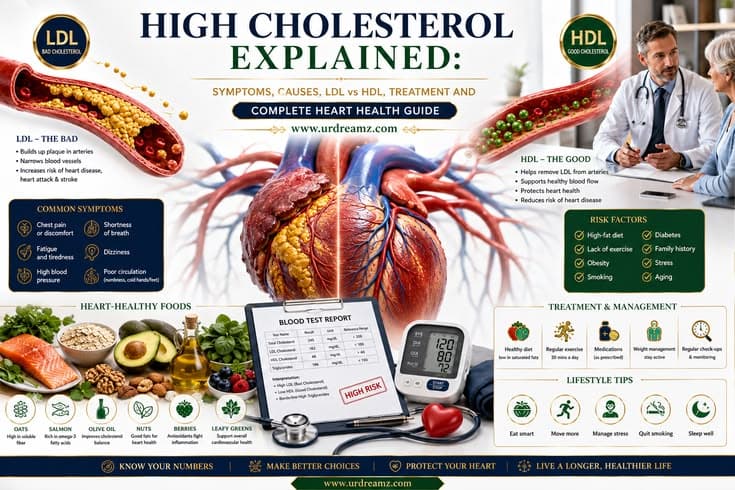
Low-density lipoprotein, or LDL, carries cholesterol from the liver out to the rest of the body. The problem arises when there is more LDL in the blood than the body's cells actually need. Excess LDL particles can slip into the inner lining of artery walls, where they trigger an inflammatory response, oxidize, and gradually form fatty plaque. Over years, this plaque narrows and stiffens arteries in a process called atherosclerosis, restricting blood flow to the heart and brain and raising the risk of heart attack and stroke. Because of this mechanism, lower LDL levels are consistently linked to better long-term heart and brain health.
Not all LDL particles carry identical risk. Research on particle size has shown that smaller, denser LDL particles slip into artery walls more easily and are more prone to oxidation than larger, more buoyant ones, which is one reason two people with the same LDL number on a standard test can still have different real-world risk. Diets high in refined carbohydrates and sugar tend to shift LDL toward this smaller, denser pattern, while diets richer in healthy fats and fiber tend to favor the larger, less harmful particle type. Advanced lipid testing that measures particle number and size is available in some clinical settings for people who need a more detailed risk assessment.
HDL Cholesterol: The "Good" Cholesterol Explained
High-density lipoprotein, or HDL, works in the opposite direction from LDL. It travels through the bloodstream picking up excess cholesterol from artery walls and tissues and ferrying it back to the liver, where it is broken down and eliminated from the body. This process, sometimes called reverse cholesterol transport, is why higher HDL levels are protective rather than harmful. Regular physical activity, healthy fats such as olive oil and nuts, and not smoking all tend to raise HDL, while a sedentary lifestyle and smoking tend to lower it.
It is worth noting that simply having a high HDL number is not automatically protective in every circumstance; researchers have found that HDL function, meaning how effectively it actually removes cholesterol from tissues, can matter as much as the raw quantity. This is a newer and more complex area of cardiovascular research, and for most people the practical takeaway remains the same: the everyday habits known to raise HDL, such as staying active, eating healthy fats, and avoiding tobacco, are also the habits that improve overall cardiovascular health through several other pathways at the same time.
VLDL Cholesterol Explained
Very-low-density lipoprotein, or VLDL, is produced by the liver and is mostly made up of triglycerides rather than cholesterol itself. Its job is to transport fat from the liver to tissues throughout the body for storage or energy use. As VLDL particles deliver their triglyceride cargo, they gradually shrink and convert into LDL particles, which means high VLDL levels indirectly contribute to higher LDL cholesterol over time. Because VLDL is difficult to measure directly in routine testing, labs typically estimate it using a simple calculation based on triglyceride levels.
Triglycerides Explained
Triglycerides are a distinct type of blood fat, separate from cholesterol, that store unused calories from food for later energy use. When you eat more calories than your body burns immediately, especially from refined carbohydrates, sugar, and alcohol, the surplus is converted into triglycerides and released into the bloodstream. Chronically elevated triglycerides are associated with insulin resistance, type 2 diabetes, fatty liver disease, and a higher risk of pancreatitis at very high levels. Triglycerides tend to rise and fall more quickly with diet than LDL or HDL, which is why fasting is usually required before this particular test.
Total Cholesterol Explained
Total cholesterol is simply the sum of LDL, HDL, and a fraction of triglycerides, rolled into one number. While it offers a quick snapshot, total cholesterol alone can be misleading. Two people can have an identical total cholesterol reading, yet one may have mostly protective HDL while the other has mostly harmful LDL, giving them very different actual heart disease risk. For this reason, doctors always look at the individual components, not just the total, before making decisions about treatment.
Cholesterol Ratio and Why It Matters
The cholesterol ratio, calculated by dividing total cholesterol by HDL, offers another useful lens on cardiovascular risk. A lower ratio generally reflects a healthier balance between protective and harmful lipoproteins, even when the total cholesterol number looks unremarkable on its own. Some clinicians also examine the ratio of triglycerides to HDL, since a high result here can flag insulin resistance long before blood sugar tests show a problem. No single ratio replaces a full lipid profile, but it adds helpful context when interpreting the numbers together.
Table: Comparing the Types of Cholesterol
| Type | Common Name | Main Function | Effect on Heart Health |
|---|---|---|---|
| LDL | Bad cholesterol | Delivers cholesterol to tissues | Raises risk when elevated |
| HDL | Good cholesterol | Removes excess cholesterol | Lowers risk when higher |
| VLDL | Triglyceride carrier | Transports triglycerides from liver | Raises risk when elevated |
| Triglycerides | Stored fat | Stores unused calories | Raises risk when elevated |
| Total Cholesterol | Overall figure | Sum of LDL, HDL and part of triglycerides | Context-dependent |
Table: Normal Cholesterol Levels by Age
| Age Group | Total Cholesterol | LDL | HDL |
|---|---|---|---|
| Children and teens (up to 19) | Below 170 mg/dL | Below 110 mg/dL | Above 45 mg/dL |
| Adults 20 to 39 | Below 200 mg/dL | Below 100 mg/dL | Above 40 mg/dL (men), 50 mg/dL (women) |
| Adults 40 to 59 | Below 200 mg/dL | Below 100 mg/dL, individualized by risk | Above 40 mg/dL (men), 50 mg/dL (women) |
| Adults 60 and above | Below 200 mg/dL, individualized by risk | Often below 70-100 mg/dL if high risk | Above 40 mg/dL (men), 50 mg/dL (women) |
These figures are general reference ranges rather than personal targets. Your own ideal LDL goal depends on individual risk factors such as family history, diabetes, blood pressure, and prior cardiovascular events, and should always be set together with a healthcare professional.
Table: LDL and HDL Target Levels
| Marker | Optimal | Borderline | High Risk |
|---|---|---|---|
| LDL cholesterol | Below 100 mg/dL | 100-159 mg/dL | 160 mg/dL and above |
| HDL cholesterol (men) | Above 40 mg/dL | Borderline low near 40 mg/dL | Below 40 mg/dL |
| HDL cholesterol (women) | Above 50 mg/dL | Borderline low near 50 mg/dL | Below 50 mg/dL |
| Triglycerides | Below 150 mg/dL | 150-199 mg/dL | 200 mg/dL and above |
| Total cholesterol | Below 200 mg/dL | 200-239 mg/dL | 240 mg/dL and above |
Symptoms of High Cholesterol: A Silent Condition
One of the most important things to understand about high cholesterol is that it usually produces no noticeable symptoms at all. Unlike a fever or an injury, elevated LDL cholesterol quietly builds plaque inside artery walls for years or even decades before any warning sign appears. Many people first discover they have high cholesterol only after a routine blood test, or worse, after a heart attack or stroke has already occurred. This is exactly why cholesterol has earned the nickname "the silent killer" among cardiologists, and why periodic screening matters even when you feel completely fine.
The absence of symptoms also explains why so many people underestimate their own risk. It is easy to assume that feeling healthy and energetic rules out a cholesterol problem, but plaque can be actively narrowing an artery in someone who runs, eats reasonably well, and has no family history they are aware of. The only reliable way to know your cholesterol status is a blood test; waiting for symptoms means waiting, in many cases, for a cardiovascular event rather than a warning.
Table: Warning Signs Worth Watching
| Sign | What It May Indicate |
|---|---|
| Chest pain or pressure (angina) | Reduced blood flow to the heart |
| Shortness of breath | Heart working harder to pump blood |
| Leg pain while walking | Poor circulation from narrowed arteries |
| Numbness or tingling in limbs | Reduced blood flow to extremities |
| Unusual fatigue | Heart and tissues receiving less oxygen |
| Yellowish skin deposits | Very high cholesterol, often genetic |
None of these signs are exclusive to high cholesterol and each can have other causes, so they should prompt a medical evaluation rather than self-diagnosis.
Xanthelasma and Xanthomas: Visible Clues
In a smaller number of cases, particularly among people with a strong genetic predisposition to high cholesterol, visible fatty deposits can appear on the skin. Xanthelasma refers to soft, yellowish patches that form on or around the eyelids, while xanthomas are firmer fatty bumps that can develop on the elbows, knees, hands, or tendons. Neither sign is common, but when they do appear, they are a strong signal to get a full lipid profile and screen for inherited conditions such as familial hypercholesterolemia.
Causes of High Cholesterol: Diet
Diet is one of the most influential and most modifiable drivers of cholesterol levels. Regularly eating foods high in saturated fat, such as fatty cuts of red meat, butter, and full-fat dairy, signals the liver to produce more LDL particles. Trans fats, found in many fried and commercially baked products, do double damage by raising LDL while simultaneously lowering protective HDL. A diet low in fiber-rich fruits, vegetables, and whole grains removes one of the body's most effective natural tools for clearing excess cholesterol through the digestive system.
Portion patterns and overall eating style matter as much as any single food. Diets built around frequent takeout, oversized portions, and minimal home cooking tend to be higher in hidden saturated fat, sodium, and refined carbohydrates than people realize, simply because these ingredients are cheap and shelf-stable for commercial food preparation. Shifting toward more home-cooked meals built around vegetables, whole grains, and lean protein, even without eliminating any single food entirely, tends to produce steady improvement in cholesterol over a period of several months.
Causes of High Cholesterol: Sedentary Lifestyle
Physical inactivity contributes to unhealthy cholesterol patterns in more than one way. Regular movement helps raise protective HDL cholesterol and improves the enzymes responsible for clearing triglycerides from the blood. When the body stays inactive for long stretches of time, these protective processes slow down, allowing LDL and triglycerides to accumulate more easily. Even modest amounts of daily movement, well short of intense training, have been shown to meaningfully shift the balance of lipoproteins in a healthier direction over time.
Modern working life, with long hours spent sitting at a desk or commuting, has made sedentary behavior far more common than in previous generations, even among people who exercise for an hour a few times a week. Emerging research suggests that prolonged uninterrupted sitting carries its own metabolic cost, separate from whether someone exercises at other points in the day. Building in short movement breaks every hour, alongside a regular exercise routine, is a practical way to counter this modern pattern without requiring a complete lifestyle overhaul.
Causes of High Cholesterol: Obesity
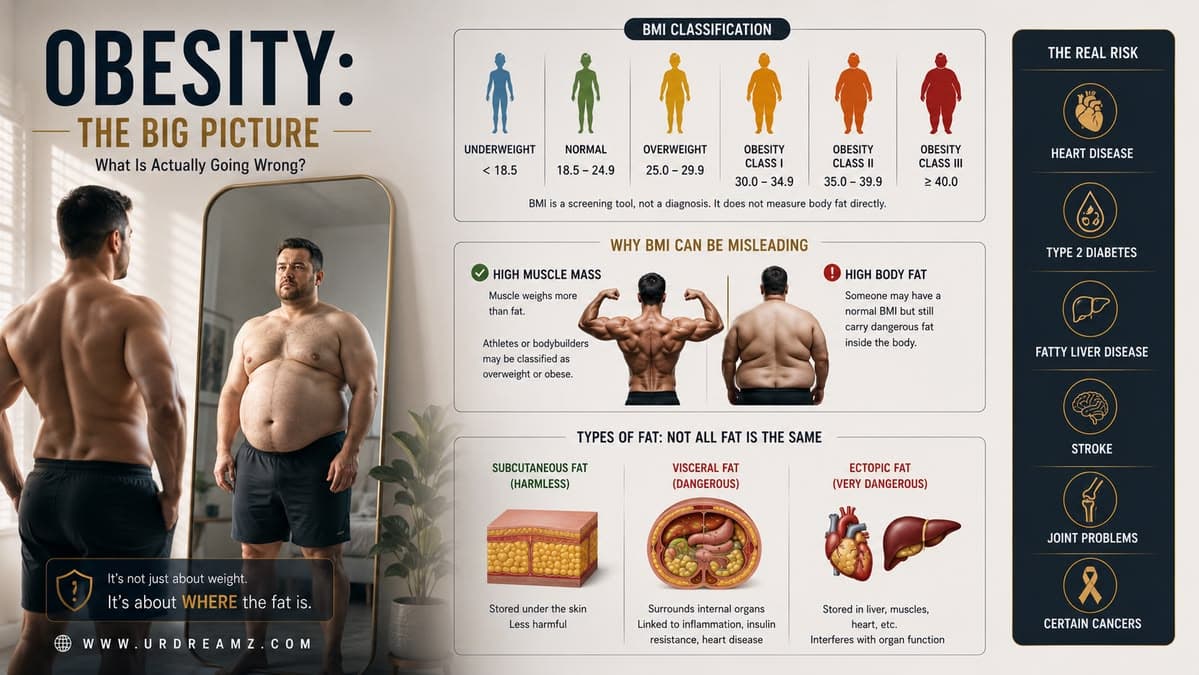
Excess body weight, particularly fat stored around the abdomen, disrupts the way the body manages cholesterol and triglycerides. Visceral fat around internal organs is metabolically active and tends to increase LDL and triglyceride production while lowering HDL. This pattern places extra strain on the heart and blood vessels and often overlaps with insulin resistance, making obesity one of the central, and most reversible, contributors to unhealthy lipid profiles.
Waist circumference is often a more informative early indicator than total body weight alone, since two people with the same weight can carry fat very differently, and abdominal fat carries a disproportionately higher metabolic risk than fat stored elsewhere on the body. Tracking waist circumference alongside standard weight measurements can give a more complete picture of cardiovascular risk over time, particularly for people whose weight has stayed relatively stable but whose body composition has shifted.
Causes of High Cholesterol: Smoking and Alcohol
Smoking damages blood vessel walls directly and lowers HDL cholesterol, removing one of the body's key defenses against plaque buildup. It also makes LDL particles more prone to the kind of oxidation that triggers artery inflammation. Alcohol has a more complicated relationship with cholesterol: light to moderate intake has sometimes been associated with modest HDL increases, but drinking beyond one to two drinks per day reliably raises triglycerides and can worsen overall cardiovascular risk, which is why moderation, not encouragement to drink, is the standard medical advice.
Causes of High Cholesterol: Genetics
Some people inherit a genetic condition called familial hypercholesterolemia, which causes the liver to remove LDL from the blood far less efficiently than normal. People with this condition often have very high LDL levels from a young age, sometimes accompanied by early heart disease running through several generations of the family, regardless of diet or exercise habits. Because lifestyle changes alone may not be enough in these cases, genetic forms of high cholesterol usually require medication and closer long-term monitoring.
Because familial hypercholesterolemia is often underdiagnosed, doctors recommend that anyone with a close relative who had a heart attack or stroke at an unusually young age, generally under 55 for men or 65 for women, mention this history clearly during checkups. A simple lipid profile combined with a detailed family history is usually enough to raise suspicion, and earlier identification allows treatment to begin sooner, meaningfully reducing the lifetime cardiovascular risk for people carrying this inherited pattern.
Causes of High Cholesterol: Diabetes and Metabolic Syndrome
Diabetes and insulin resistance frequently travel together with an unhealthy lipid pattern known as diabetic dyslipidemia, marked by high triglycerides, low HDL, and small, dense LDL particles that are especially prone to lodging in artery walls. Metabolic syndrome, a cluster of conditions that includes abdominal obesity, high blood pressure, high blood sugar, and abnormal cholesterol, multiplies cardiovascular risk well beyond what any single factor would cause on its own, making combined management of blood sugar and lipids essential.
Causes of High Cholesterol: Age and Gender
Cholesterol levels naturally tend to rise with age as metabolism slows and the liver's ability to clear LDL from the blood gradually declines. Before menopause, women often have somewhat more favorable cholesterol profiles than men of the same age, partly due to the protective effect of estrogen on HDL levels. After menopause, this advantage narrows considerably, and LDL cholesterol commonly rises, which is one reason cardiovascular risk in women increases notably in the years following menopause.
Table: Modifiable vs Non-Modifiable Risk Factors
| Non-Modifiable | Modifiable |
|---|---|
| Family history of heart disease | Diet high in saturated and trans fat |
| Age (men 45+, women 55+) | Physical inactivity |
| Genetic conditions | Obesity |
| Male gender | Smoking |
| Ethnicity-related predisposition | Excess alcohol intake |
| - | Poorly controlled diabetes |
Diagnosis: The Lipid Profile Test
A lipid profile is the standard blood test used to diagnose and monitor cholesterol levels. It measures LDL, HDL, triglycerides, and total cholesterol from a single blood draw, usually taken from a vein in the arm. Results typically return within a day or two and give a doctor the core information needed to estimate cardiovascular risk and decide whether lifestyle changes alone are sufficient or whether medication should be considered.
Fasting vs Non-Fasting Cholesterol Tests
Traditionally, patients were asked to fast for nine to twelve hours before a cholesterol test because eating can temporarily raise triglyceride levels and affect the accuracy of certain calculated values. More recent research has shown that non-fasting lipid panels are reasonably accurate for LDL and HDL and are now considered acceptable for general screening in many cases. Fasting is still usually recommended, however, when triglycerides need to be measured precisely or when a patient has a history of very high triglyceride levels.
How to Prepare for a Cholesterol Test
If your doctor requests a fasting lipid panel, avoid all food and caloric beverages for the recommended window beforehand, while continuing to drink plain water. It is best to maintain your normal diet and activity level in the days leading up to the test rather than making sudden changes, since this gives a more accurate picture of your usual cholesterol pattern. Let your doctor know about any medications or supplements you take, since some can influence lipid results.
Table: Reading Your Lipid Panel
| Result | Desirable | Needs Attention |
|---|---|---|
| Total Cholesterol | Under 200 mg/dL | 240 mg/dL or higher |
| LDL | Under 100 mg/dL | 160 mg/dL or higher |
| HDL | Above 60 mg/dL | Below 40 mg/dL |
| Triglycerides | Under 150 mg/dL | 200 mg/dL or higher |
| Cholesterol/HDL Ratio | Below 4.0 | Above 5.0 |
Complications: Atherosclerosis
Atherosclerosis is the underlying process behind most cholesterol-related complications. Excess LDL particles penetrate the inner lining of arteries, where they are oxidized and trigger an immune response that draws in white blood cells. Over time, this creates a fatty, fibrous plaque that narrows the artery and stiffens its walls. As plaque builds up over years, it can restrict blood flow to vital organs or become unstable and rupture, setting off a blood clot that can suddenly and completely block an artery.
What makes atherosclerosis particularly dangerous is that the size of a plaque does not always predict how dangerous it is. Some plaques grow large but remain stable, causing only gradual narrowing that the body can partly compensate for by growing small detour blood vessels. Other plaques stay relatively small but have a thin, unstable outer cap that can rupture suddenly, triggering a clot with little or no warning. This is one reason why lowering LDL cholesterol is protective even for people who already have known plaque, since it can help stabilize existing plaque and reduce the chance of a sudden rupture.
Complications: Heart Attack
When plaque buildup or a ruptured plaque completely blocks a coronary artery supplying the heart muscle, the result is a heart attack, medically known as a myocardial infarction. The affected portion of heart muscle is deprived of oxygen and begins to die within minutes, which is why heart attacks are medical emergencies requiring immediate attention. Long-standing high LDL cholesterol is one of the most significant and well-established contributors to this life-threatening event.
Classic heart attack symptoms include chest pressure or pain, discomfort spreading to the arm, jaw, or back, shortness of breath, cold sweats, nausea, and lightheadedness, though symptoms can be less typical, particularly in women, sometimes presenting as unusual fatigue or indigestion-like discomfort rather than dramatic chest pain. Anyone experiencing these symptoms should seek emergency medical care immediately rather than waiting to see if they pass, since prompt treatment substantially limits permanent heart damage.
Complications: Stroke
A similar blockage process can occur in the arteries supplying the brain, cutting off oxygen to brain tissue and causing a stroke. Cholesterol plaque can narrow these arteries directly, or a piece of plaque or a clot can travel from elsewhere in the body and lodge in a smaller brain vessel. Because brain cells begin to die quickly without oxygen, strokes can cause lasting disability, which underscores why long-term cholesterol control is as much about protecting the brain as it is about protecting the heart.
Recognizing stroke symptoms quickly can make a significant difference in outcome. Sudden facial drooping, weakness in an arm or leg, slurred or difficult speech, and sudden vision or balance problems are common warning signs that call for emergency medical attention right away, since faster treatment generally means less lasting brain damage. Managing cholesterol over the long term, alongside blood pressure and blood sugar, is one of the most effective ways to reduce the likelihood of this type of event occurring in the first place.
Complications: Peripheral Artery Disease
Cholesterol plaque does not only affect the heart and brain; it can also build up in the arteries supplying the legs and arms, a condition known as peripheral artery disease. This typically shows up as cramping leg pain during walking that eases with rest, a symptom called intermittent claudication. Left unaddressed, peripheral artery disease can progress to poor wound healing and, in severe cases, tissue damage, making it another important reason to keep cholesterol under control throughout life.
Treatment Overview
Treatment for high cholesterol is built around two complementary pillars: lifestyle changes and, when necessary, medication. For many people with mild to moderate elevation and no other major risk factors, sustained changes to diet, physical activity, weight, and smoking status can bring cholesterol back into a healthier range without any prescription at all. For others, particularly those with genetic conditions, very high LDL levels, or existing heart disease, medication becomes a necessary partner to lifestyle changes rather than a replacement for them.
Statins Explained
Statins are the most widely prescribed and most extensively studied class of cholesterol-lowering medication. They work by blocking an enzyme in the liver that the body needs to manufacture cholesterol, which prompts liver cells to pull more LDL out of the bloodstream to compensate. Large clinical studies have consistently shown that statins reduce the risk of heart attack and stroke in appropriate candidates. Like any medication, statins can cause side effects in some people, most commonly muscle aches, so anyone prescribed a statin should discuss expected benefits and possible side effects with their doctor rather than adjusting or stopping the medication independently.
Doctors typically decide whether to recommend a statin by weighing overall cardiovascular risk rather than looking at LDL cholesterol in isolation. Someone with a moderately elevated LDL but no other risk factors may be advised to try lifestyle changes first, while someone with the same LDL level plus diabetes, high blood pressure, or a family history of early heart disease may be offered a statin sooner, because their overall risk profile is different. This individualized, risk-based approach is why two people with similar lab results can receive different treatment recommendations from their doctors, and why self-comparing your treatment plan to someone else's is rarely useful.
Table: Common Cholesterol Medications
| Medication Class | How It Works | Primary Effect |
|---|---|---|
| Statins | Blocks a liver enzyme needed for cholesterol production | Lowers LDL significantly |
| Ezetimibe | Reduces cholesterol absorption in the intestine | Lowers LDL moderately |
| PCSK9 inhibitors | Helps liver clear more LDL from blood | Lowers LDL substantially |
| Bile acid sequestrants | Binds bile acids to reduce cholesterol reabsorption | Lowers LDL |
| Fibrates | Increases breakdown of triglyceride-rich particles | Lowers triglycerides |
| Niacin | Reduces liver production of VLDL | Raises HDL, lowers triglycerides |
Medication choice always depends on individual risk, lab results, and tolerance, and should only be started or changed under medical supervision.
Diet Changes That Lower Cholesterol
Diet remains one of the most powerful tools for improving cholesterol naturally. Replacing saturated fats found in red meat and butter with unsaturated fats from olive oil, nuts, and fatty fish helps shift the balance toward healthier LDL levels. Increasing soluble fiber intake through oats, beans, lentils, and fruit binds cholesterol in the digestive tract and carries it out of the body before it can be absorbed. Cutting back on refined sugar and simple carbohydrates also helps control triglycerides, since excess sugar is readily converted into stored fat by the liver.
Plant sterols and stanols, naturally occurring compounds found in small amounts in vegetables, nuts, and seeds and added in larger amounts to some fortified foods, can also help by competing with cholesterol for absorption in the intestine. Eating patterns built around this general approach, such as the Mediterranean diet, have been studied extensively and consistently show improvements in LDL cholesterol alongside broader cardiovascular benefits, making them a practical, sustainable framework rather than a restrictive short-term diet.
Table: Foods That Lower Cholesterol
| Food | Key Benefit |
|---|---|
| Oats and barley | Soluble fiber (beta-glucan) reduces LDL absorption |
| Fatty fish (salmon, mackerel, sardines) | Omega-3 fatty acids lower triglycerides |
| Nuts (almonds, walnuts) | Plant sterols and healthy fats lower LDL |
| Avocado | Monounsaturated fat supports healthy HDL |
| Beans and lentils | High fiber and plant protein reduce cholesterol absorption |
| Olive oil | Monounsaturated fat and antioxidants lower LDL |
| Flaxseeds and chia seeds | Omega-3s and fiber support lower LDL |
| Leafy greens | Plant sterols and fiber block cholesterol absorption |
| Berries and citrus fruit | Antioxidants reduce LDL oxidation |
| Garlic | May modestly support healthy circulation |
Table: Foods to Avoid or Limit
| Food Group | Why to Limit It |
|---|---|
| Fried foods | High in trans and saturated fat |
| Processed meats | High saturated fat and sodium |
| Full-fat dairy and butter | Raises LDL cholesterol |
| Bakery items and pastries | Often contain trans fats and refined sugar |
| Sugary drinks | Raises triglycerides |
| Refined carbohydrates | Contributes to elevated triglycerides |
| Excess alcohol | Raises triglycerides beyond moderate intake |
Table: A Sample 7-Day Cholesterol-Friendly Meal Plan
| Day | Breakfast | Lunch | Dinner |
|---|---|---|---|
| Monday | Oatmeal with berries and flaxseed | Grilled chicken salad with olive oil dressing | Baked salmon with steamed vegetables |
| Tuesday | Greek yogurt with walnuts and fruit | Lentil soup with whole-grain bread | Stir-fried tofu with leafy greens |
| Wednesday | Whole-grain toast with avocado | Quinoa bowl with chickpeas and vegetables | Grilled fish with brown rice |
| Thursday | Smoothie with spinach, banana and chia seeds | Turkey and vegetable wrap | Bean and vegetable stew |
| Friday | Oat bran cereal with almond milk | Grilled fish salad | Vegetable and lentil curry with brown rice |
| Saturday | Whole-grain pancakes with fruit | Chickpea and vegetable stir-fry | Baked chicken with roasted vegetables |
| Sunday | Vegetable omelet with whole-grain toast | Mixed bean salad | Grilled salmon with steamed broccoli |
This plan is a general educational example, not a personalized prescription; portion sizes and specific choices should be adjusted with guidance from a doctor or registered dietitian, particularly for people with diabetes or other medical conditions.
Exercise and Cholesterol
Regular physical activity is one of the few habits that improves cholesterol from multiple directions at once. Aerobic exercise such as brisk walking, cycling, or swimming helps raise HDL cholesterol and lower triglycerides, while also supporting weight management, which further improves the lipid profile. Most health guidelines recommend at least 150 minutes of moderate-intensity activity per week, and even shorter daily walks have measurable benefits when done consistently over months and years rather than in occasional bursts.
Weight Management and Cholesterol
Losing even a modest amount of excess weight, roughly five to ten percent of body weight, can meaningfully lower LDL and triglycerides while raising HDL cholesterol. Weight loss achieved through a combination of a balanced diet and regular activity tends to produce the most sustainable improvements in cholesterol, compared to rapid or extreme dieting approaches that are difficult to maintain long term. Reducing abdominal fat in particular appears to have an outsized benefit on overall lipid and metabolic health.
Stress, Sleep and Cholesterol
Chronic stress and poor sleep quality do not just affect mood and energy; they also influence cholesterol indirectly through hormonal changes and behavior. Ongoing stress can raise cortisol levels, which in turn can increase LDL cholesterol and abdominal fat storage over time. Poor sleep is similarly linked to unfavorable changes in triglycerides and blood sugar regulation. Prioritizing consistent, adequate sleep and practical stress management techniques such as regular exercise, relaxation practices, or simply protecting downtime can therefore play a supporting role in overall cholesterol management.
Quitting Smoking and Moderating Alcohol
Quitting smoking is one of the fastest ways to improve HDL cholesterol and overall cardiovascular health, with measurable benefits to blood vessel function appearing within weeks of stopping. Because smoking damages the lining of blood vessels directly, quitting also reduces the tendency for LDL particles to become trapped and oxidized within artery walls. For alcohol, most cardiovascular guidelines recommend keeping intake moderate at most, since regularly drinking beyond recommended limits raises triglycerides and can counteract other healthy lifestyle efforts.
Cholesterol in Special Groups
Cholesterol management is not one-size-fits-all. During pregnancy, cholesterol levels naturally rise to support fetal development, and most cholesterol medications, including statins, are generally avoided unless a doctor determines the benefit clearly outweighs the risk. Young adults are increasingly being diagnosed with elevated cholesterol due to diet and inactivity, making early screening more relevant than in previous generations. In older adults, cholesterol targets are often individualized, balancing cardiovascular protection against other health priorities and medication tolerance. Anyone in these groups should work closely with a healthcare provider rather than relying on generic guidelines.
Children and adolescents can also have elevated cholesterol, most often linked either to family history or to early patterns of poor diet and inactivity. Pediatric guidelines generally recommend a first cholesterol screening between ages nine and eleven, with earlier testing considered for children who have a family history of high cholesterol or early heart disease. Establishing heart-healthy habits early in childhood, including regular activity and a diet built around whole foods, tends to carry forward into adulthood and can meaningfully lower lifetime cardiovascular risk.
Table: Cholesterol Myths vs Facts
| Myth | Fact |
|---|---|
| All cholesterol is bad for you | Cholesterol is essential; the balance between LDL and HDL matters most |
| Only overweight people get high cholesterol | Genetics and diet can raise cholesterol in people of any body size |
| Eggs alone cause high cholesterol | Saturated and trans fat intake overall matters more than dietary cholesterol for most people |
| High cholesterol always causes symptoms | It is usually silent until a complication develops |
| Once you start statins, lifestyle no longer matters | Diet and exercise remain important alongside medication |
| Cholesterol only affects older adults | Levels can be elevated at any age, including in children with genetic conditions |
Prevention Tips for Long-Term Heart Health
Long-term prevention of high cholesterol relies on consistency rather than short bursts of effort. Building a diet centered on vegetables, fruits, whole grains, legumes, and healthy fats, while limiting fried and processed foods, lays the foundation. Pairing this with regular movement, maintaining a healthy weight, avoiding tobacco, moderating alcohol, managing stress, and getting consistent sleep addresses cholesterol from every meaningful angle. Periodic screening, even in the absence of symptoms, ensures that any upward drift in cholesterol is caught and addressed early, well before it can silently progress toward serious complications.
Small, repeatable habits tend to outperform dramatic short-term changes when it comes to cholesterol, largely because arteries respond to years of consistent exposure rather than any single week of eating well or poorly. Choosing water over sugary drinks most days, taking the stairs when practical, swapping one red meat meal per week for fish or legumes, and keeping regular sleep and wake times are the kind of unremarkable, sustainable changes that compound quietly into meaningfully lower cardiovascular risk over the years.
When to See a Doctor
Because high cholesterol rarely causes noticeable symptoms, routine screening is the main way it is caught, and most adults should have a baseline lipid profile checked and then retested periodically as advised by their doctor. You should seek medical attention sooner if you have a family history of early heart disease, notice possible warning signs such as chest pain or leg pain during walking, have diabetes or high blood pressure, or notice unusual skin or eyelid deposits. A doctor can interpret your results in the context of your overall risk and recommend the right next steps, whether that means lifestyle changes, closer monitoring, or medication.
Frequently Asked Questions
What is considered high cholesterol?
Generally, a total cholesterol reading above 240 mg/dL or an LDL above 160 mg/dL is considered high, though personal targets vary based on individual risk factors.
What causes high cholesterol?
Diet, inactivity, obesity, smoking, genetics, diabetes, and aging can all contribute individually or in combination.
What are the symptoms of high cholesterol?
Most people have no symptoms at all; when signs do appear, they are usually related to a complication such as reduced circulation.
Can high cholesterol be improved naturally?
For many people, sustained diet and lifestyle changes can meaningfully improve cholesterol, though some, particularly those with genetic conditions, also need medication.
Which foods help lower cholesterol?
Oats, beans, nuts, fatty fish, olive oil, and leafy vegetables are among the most consistently supportive foods.
Is LDL or HDL more important to watch?
Both matter, but LDL is generally considered the primary driver of artery-clogging plaque, while HDL offers a protective counterbalance.
How often should cholesterol be checked?
Most healthy adults are advised to test every four to six years, with more frequent testing recommended for those with risk factors or existing high cholesterol.
Can exercise lower cholesterol?
Yes, regular aerobic activity reliably raises HDL and lowers triglycerides, with additional benefits for LDL when combined with dietary changes.
Is high cholesterol hereditary?
It can be. Familial hypercholesterolemia is an inherited condition that causes significantly elevated LDL from an early age.
When is medication needed for high cholesterol?
Medication is typically considered when lifestyle changes are insufficient, when LDL is very high, or when other risk factors such as diabetes or existing heart disease are present.
Can stress increase cholesterol?
Chronic stress can raise cortisol and indirectly worsen cholesterol through hormonal changes, unhealthy coping habits, and disrupted sleep, even though stress itself is not a direct dietary source of cholesterol.
What is a lipid profile test?
A lipid profile is a blood test that measures LDL, HDL, triglycerides, and total cholesterol together, giving a complete picture of your cardiovascular risk rather than a single isolated number.
How can cholesterol be lowered quickly and safely?
There is no truly instant fix; the safest path to meaningfully lower cholesterol combines consistent dietary changes, regular exercise, and, when appropriate, medication guided by a healthcare professional over a period of weeks to months.
Conclusion
High cholesterol is common, largely silent, and strongly influenced by everyday choices, which makes it one of the most manageable risk factors for heart attack and stroke when it is caught early. Understanding the difference between LDL and HDL, knowing your own numbers through regular screening, and making steady, sustainable changes to diet, activity, weight, and habits like smoking can shift your long-term cardiovascular risk dramatically. This guide is intended for general education and does not replace personalized medical advice; always work with a qualified healthcare professional to interpret your own lipid profile and build a treatment plan suited to your individual health history.
Perhaps the most useful mindset to take away is that cholesterol management is not a one-time project but an ongoing relationship with your own body. Numbers on a lab report will shift with age, weight, activity level, and life circumstances, and that is expected rather than alarming. What matters most is the general trend over years, the honesty of the conversation you have with your doctor about your personal risk, and the willingness to adjust habits gradually rather than waiting for a crisis to force the issue. Treat your lipid profile the way you would treat any other long-term health metric: check it periodically, respond calmly to what it shows, and keep building the habits that quietly protect your heart and brain for decades to come.
Related Reading:
- Diabetes Explained: Symptoms, Causes, Blood Sugar and Treatment Guide
- Weight Loss Diet Plan: Best Foods for Fat Loss
- High Blood Pressure vs Low Blood Pressure: Complete Guide
- Heart Health: Complete Guide to Prevention, Symptoms and Diet
- Digestive Problems Explained: Causes, Symptoms and Treatment
- Fatty Liver Disease: Warning Signs, Stages and Complete Guide
- Kidney Health Explained: Symptoms, Causes and Treatment
- Thyroid Disorders Explained: Symptoms, Causes and Treatment
- Joint Pain Explained: Causes, Symptoms and Treatment
This article is for general educational purposes only and is not a substitute for professional medical advice, diagnosis, or treatment. Always consult a qualified healthcare provider regarding your cholesterol levels and cardiovascular health.