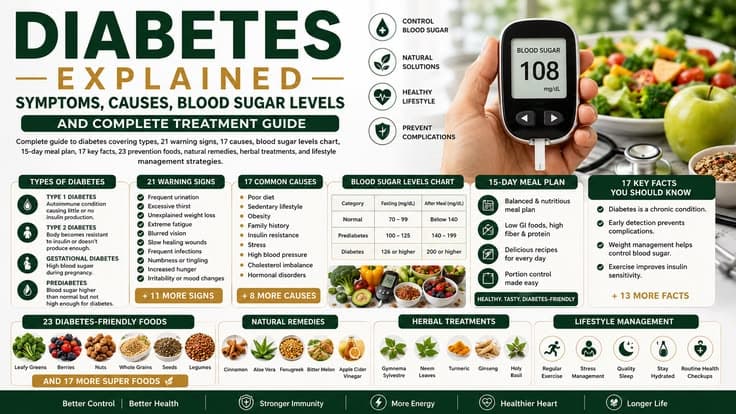
Diabetes Explained: Symptoms, Causes, Blood Sugar Levels and Complete Treatment Guide
Diabetes is one of the fastest-growing chronic diseases in the world. According to the World Health Organization, nearly 590 million adults worldwide now live with this condition, and millions more have it without knowing. In Pakistan, diabetes prevalence is among the highest globally, affecting urban and rural populations alike. Yet despite how common this disease is, most people do not fully understand what it is, how it develops, and what they can do about it. This comprehensive guide covers everything from the basic biology of diabetes to its warning signs, causes, blood sugar targets, diet plans, natural remedies, and long-term management strategies so that you are equipped to protect yourself and your family.
1. What Is Diabetes: Complete Beginner Explanation
Diabetes is a chronic metabolic disease that occurs when the body cannot properly regulate blood glucose levels. Glucose is the primary fuel source for every cell in the body, and it comes from the food you eat. After a meal, glucose enters the bloodstream. The pancreas, a gland sitting behind the stomach, normally responds by releasing a hormone called insulin. Insulin acts like a key that unlocks cells throughout the body, allowing glucose to enter and be used for energy.
In diabetes, this system breaks down in one of two ways. Either the pancreas produces little or no insulin, leaving glucose locked out of the cells and accumulating dangerously in the blood. Or the pancreas produces insulin but the body's cells have become resistant to it, meaning the key no longer fits the lock effectively. In both cases, blood glucose rises to levels that gradually damage blood vessels, nerves, and organs throughout the body.
The word diabetes comes from the Greek word meaning "to siphon" because early physicians noticed that people with the condition urinated excessively, as if the body was trying to drain the excess sugar out through the kidneys. The term mellitus means honey-sweet in Latin, referring to the sweetness of urine in affected individuals, which was historically detected by taste. Today, diabetes is diagnosed through blood tests rather than taste, and management has advanced dramatically, but the underlying challenge of maintaining healthy blood glucose remains central to the condition.
2. Types of Diabetes: Type 1, Type 2, Gestational and More
| Type | What Happens | Who Gets It | Primary Cause | Management Approach |
|---|---|---|---|---|
| Type 1 Diabetes | The immune system attacks and destroys insulin-producing beta cells in the pancreas. Little to no insulin is produced | Primarily children, teenagers, and young adults though it can occur at any age | Autoimmune reaction triggered by genetic and environmental factors | Lifelong daily insulin therapy is absolutely essential for survival. Cannot be managed through diet alone |
| Type 2 Diabetes | The body's cells become resistant to insulin. The pancreas initially produces extra insulin to compensate but eventually cannot keep up, leading to rising blood glucose | Primarily adults over 35 though increasingly seen in younger people and children due to rising obesity rates | Combination of genetics, obesity, physical inactivity, poor diet, and aging | Lifestyle changes first. Oral medications if needed. Insulin therapy in advanced cases. Potentially reversible through weight loss |
| Prediabetes | Blood glucose is higher than normal but not yet high enough to qualify as Type 2 diabetes. A critical warning window for prevention | Common in adults with obesity, sedentary lifestyle, or family history of diabetes | Same as Type 2 diabetes risk factors, representing an earlier stage of the same process | Highly reversible through lifestyle changes, weight loss, and increased physical activity |
| Gestational Diabetes | Develops during pregnancy when placental hormones cause insulin resistance that the mother's pancreas cannot overcome | Pregnant women, particularly those with obesity, family history, or previous gestational diabetes | Pregnancy hormones creating insulin resistance in the mother's body | Diet management, exercise, blood sugar monitoring. Insulin if needed. Usually resolves after delivery but raises future Type 2 risk |
| Diabetes Insipidus | A completely different and rare condition unrelated to blood sugar. Involves the kidneys producing excessive amounts of very dilute urine due to problems with a hormone called vasopressin | Can affect anyone. Usually caused by brain or kidney problems | Deficiency of vasopressin (ADH) or kidney insensitivity to it | Managed with vasopressin replacement therapy, not insulin. Completely separate from diabetes mellitus |
| Type 3c Diabetes | Diabetes resulting from direct damage to the pancreas from conditions like pancreatitis, cystic fibrosis, or pancreatic surgery | People with pancreatic disease or those who have undergone pancreatic surgery | Physical damage to pancreatic tissue reducing insulin production capacity | Requires insulin therapy similar to Type 1. Also requires enzyme replacement for digestion |
3. Twenty-One Warning Signs of Diabetes You Should Never Ignore
One of the most dangerous aspects of diabetes, particularly Type 2, is that it often develops silently over years before producing noticeable symptoms. By the time obvious signs appear, significant damage to blood vessels and nerves may already have occurred. Recognizing these 21 warning signs early and seeking testing promptly is the most powerful thing you can do to protect your long-term health.
| # | Warning Sign | Why It Happens | Who Notices It Most |
|---|---|---|---|
| 1 | Frequent Urination (Polyuria) | The kidneys work overtime to filter and excrete excess glucose from the blood, pulling large amounts of water with it | Most people, especially noticeable at night when it disrupts sleep |
| 2 | Excessive Thirst (Polydipsia) | Constant urination causes dehydration. The body signals urgent thirst that no amount of drinking seems to satisfy | Both Type 1 and Type 2 patients, often one of the first noticed symptoms |
| 3 | Extreme Unexplained Hunger (Polyphagia) | Without sufficient insulin, glucose cannot enter cells. Cells signal hunger even right after eating because they are starved of the fuel they need | Particularly common in Type 1 diabetes and uncontrolled Type 2 |
| 4 | Unexplained Weight Loss | When cells cannot access glucose, the body breaks down fat and muscle tissue for alternative fuel, causing rapid weight loss despite normal or increased eating | Primarily Type 1 patients and those with severely uncontrolled Type 2 |
| 5 | Persistent Fatigue and Weakness | Cells deprived of glucose lack the energy needed for basic functions. Even simple tasks like walking or climbing stairs cause disproportionate exhaustion | Extremely common in both types. One of the earliest and most consistent complaints |
| 6 | Blurred or Fluctuating Vision | High blood glucose affects fluid levels in the eye lenses, causing them to swell and change shape. Vision quality fluctuates as blood sugar rises and falls | Both types. Vision typically improves when blood sugar is controlled |
| 7 | Slow Healing Wounds and Sores | High glucose impairs blood circulation and weakens the immune response, dramatically slowing the body's ability to heal even small cuts, scrapes, and blisters | More common in Type 2. Can lead to serious infections if ignored |
| 8 | Tingling, Numbness, or Burning in Hands and Feet | Prolonged high blood glucose damages peripheral nerves, particularly in the extremities, causing sensations ranging from tingling and numbness to burning pain | Often develops gradually in Type 2 patients who have had uncontrolled sugar for years |
| 9 | Frequent Infections | High blood glucose provides ideal conditions for bacteria and fungi to grow. The immune system also functions poorly in hyperglycemic conditions | Skin infections, urinary tract infections, gum infections, and yeast infections are particularly common |
| 10 | Darkened Skin Patches (Acanthosis Nigricans) | Dark velvety patches appearing in skin folds of the neck, armpits, groin, or knuckles signal insulin resistance. The excess insulin stimulates skin cell growth in these areas | A very reliable early warning sign of insulin resistance and prediabetes |
| 11 | Dry Mouth and Increased Thirst | Dehydration caused by excessive urination leads to persistent dryness of the mouth, even after drinking water | Common in both types, particularly noticeable in the morning |
| 12 | Recurrent Headaches | Blood glucose fluctuations, particularly when levels are high or dropping rapidly, can cause persistent headaches and migraines through their effect on brain blood flow | People with poorly controlled diabetes of either type |
| 13 | Increased Irritability and Mood Changes | The brain depends entirely on glucose for fuel. When blood glucose is unstable, mood regulation suffers. Irritability, anxiety, and difficulty concentrating are common | Both types, particularly when blood sugar swings between high and low |
| 14 | Fruity or Sweet Smell on Breath | When the body burns fat instead of glucose for energy, it produces ketone compounds as a byproduct. These cause a characteristic fruity odor on the breath | Primarily Type 1 patients. A sign of developing diabetic ketoacidosis requiring immediate medical attention |
| 15 | Nausea and Vomiting | Very high blood glucose and developing ketoacidosis can cause severe nausea, vomiting, and abdominal pain that are frequently mistaken for digestive illness | More common in Type 1. Combined with other symptoms should trigger emergency care |
| 16 | Swollen or Bleeding Gums | Diabetes reduces the ability of gum tissue to fight infection. Blood glucose also creates an environment where harmful oral bacteria thrive | Both types. Severe gum disease is both a consequence and a warning sign of uncontrolled diabetes |
| 17 | Itchy Skin Especially Around Groin | Poor circulation, dry skin from dehydration, and fungal infections that thrive in high-glucose conditions all contribute to persistent skin itching | Common in Type 2 patients, particularly around groin, feet, and lower legs |
| 18 | Sudden Unexplained Anxiety or Sense of Doom | Rapid blood glucose drops (hypoglycemia) trigger adrenaline release, causing intense sudden anxiety, shakiness, rapid heartbeat, and a feeling that something is seriously wrong | People on insulin or certain diabetes medications who are prone to hypoglycemic episodes |
| 19 | Reduced Tolerance for Physical Activity | Without adequate cellular glucose uptake, muscles have insufficient energy for sustained activity. Exercise that was previously manageable becomes increasingly difficult | Often one of the first subtle signs of developing Type 2 diabetes in middle-aged adults |
| 20 | Sexual Dysfunction and Reduced Libido | Diabetes damages blood vessels and nerves, including those supplying the genitals. Men may experience erectile dysfunction while women may experience reduced sensation and vaginal dryness | Both men and women with poorly controlled diabetes of either type |
| 21 | Swollen Feet and Ankles | Advanced diabetes damages kidney function, reducing the body's ability to regulate fluid balance. This combined with circulation impairment causes fluid accumulation in the lower extremities | People with longer-standing or poorly managed diabetes, particularly Type 2 |
A critical point is that Type 2 diabetes can be completely silent for years. Studies show that by the time many Type 2 patients are diagnosed, they have already had elevated blood glucose for an average of 7 to 10 years. This silent damage period is why regular blood glucose screening is recommended for anyone over 35 or who has risk factors such as obesity, family history, or physical inactivity.
4. Seventeen Causes of Diabetes Explained
| # | Cause or Risk Factor | Type It Affects Most | How It Causes Diabetes | Is It Modifiable |
|---|---|---|---|---|
| 1 | Autoimmune Reaction | Type 1 | The immune system mistakenly identifies insulin-producing beta cells as foreign threats and destroys them, eliminating insulin production | No |
| 2 | Insulin Resistance | Type 2 and Prediabetes | Body cells stop responding normally to insulin signals. Glucose cannot enter cells efficiently, causing blood glucose to accumulate | Yes through diet and exercise |
| 3 | Genetics and Family History | Both types | Inherited gene variants increase susceptibility to autoimmune reactions (Type 1) or to insulin resistance and beta cell dysfunction (Type 2) | No but risk can be reduced by modifiable factors |
| 4 | Obesity and Excess Body Fat | Type 2 and Prediabetes | Fat tissue, especially visceral abdominal fat, releases inflammatory compounds that directly impair insulin signaling in muscle and liver cells | Yes |
| 5 | Physical Inactivity | Type 2 | Muscle cells use glucose for movement. Sedentary muscles become less sensitive to insulin. Exercise also controls weight which independently reduces Type 2 risk | Yes |
| 6 | Unhealthy Diet | Type 2 | Diets high in refined carbohydrates, added sugars, saturated fats, and ultra-processed foods promote weight gain, inflammation, and insulin resistance simultaneously | Yes |
| 7 | Viral Infections and Environmental Triggers | Type 1 | Certain viral infections, including enteroviruses, may trigger the autoimmune attack on beta cells in genetically susceptible individuals | Partially through vaccination and hygiene |
| 8 | Hormonal Imbalances | Type 2 and Gestational | Conditions like PCOS, Cushing syndrome, and hyperthyroidism produce hormones that counteract insulin or directly impair pancreatic function | Partially through treatment of underlying condition |
| 9 | Pregnancy Hormones | Gestational Diabetes | Placental hormones including estrogen, cortisol, and human placental lactogen cause increasing insulin resistance in the mother as pregnancy progresses | Partially through healthy weight before pregnancy |
| 10 | Chronic Stress | Type 2 | Stress hormones cortisol and adrenaline directly raise blood glucose and promote fat accumulation. Chronic stress also drives unhealthy eating and inactivity | Yes through stress management practices |
| 11 | Poor Sleep and Sleep Apnea | Type 2 | Sleep deprivation elevates cortisol, impairs insulin sensitivity, increases appetite for high-calorie foods, and disrupts glucose regulation mechanisms | Yes through sleep hygiene and treating sleep apnea |
| 12 | Certain Medications | Secondary Diabetes | Long-term corticosteroids, certain antipsychotics, some diuretics, and statins can impair insulin secretion or increase insulin resistance | Partially by discussing alternatives with your doctor |
| 13 | Pancreatic Disease or Damage | Type 3c | Pancreatitis, pancreatic cancer, cystic fibrosis, or pancreatic surgery destroys insulin-producing tissue, eliminating or severely reducing insulin output | Partially through prevention of pancreatitis |
| 14 | Advancing Age | Type 2 | Aging naturally reduces beta cell function, decreases muscle mass that helps use glucose, and accumulates the effects of years of lifestyle factors | No but its impact can be reduced |
| 15 | Ethnic and Racial Background | Type 2 | People of South Asian, Middle Eastern, African, and Hispanic descent have higher genetic predisposition to insulin resistance even at lower body weights | No but awareness allows earlier prevention |
| 16 | Excessive Alcohol Consumption | Type 2 and Pancreatitis-related | Heavy alcohol damages the pancreas directly, causes toxic pancreatitis, impairs liver glucose regulation, and promotes obesity | Yes |
| 17 | Smoking and Tobacco Use | Type 2 | Nicotine impairs insulin action directly, promotes abdominal fat accumulation, increases inflammation, and damages the pancreatic microvasculature | Yes through cessation |
5. Blood Sugar Levels Chart by Age and Category
| Category | Fasting Blood Sugar (Before Meals) | 2 Hours After Eating | HbA1c (3-Month Average) | What This Means |
|---|---|---|---|---|
| Normal (Healthy) | 70 to 99 mg/dL (3.9 to 5.5 mmol/L) | Under 140 mg/dL (under 7.8 mmol/L) | Below 5.7 percent | Blood sugar is in a healthy range. No diabetes or prediabetes |
| Prediabetes | 100 to 125 mg/dL (5.6 to 6.9 mmol/L) | 140 to 199 mg/dL (7.8 to 11.0 mmol/L) | 5.7 to 6.4 percent | Blood sugar is elevated but not yet diabetic range. Strong opportunity for reversal through lifestyle changes |
| Diabetes | 126 mg/dL or higher on two tests (7.0 mmol/L or higher) | 200 mg/dL or higher (11.1 mmol/L or higher) | 6.5 percent or higher | Diabetes is confirmed. Medical management and lifestyle changes required immediately |
| Target for Managed Type 2 (Adults) | 80 to 130 mg/dL (4.4 to 7.2 mmol/L) | Under 180 mg/dL (under 10.0 mmol/L) | Below 7.0 percent | Goal range for people already diagnosed and being treated for Type 2 diabetes |
| Target for Type 1 (Adults) | 80 to 130 mg/dL | Under 180 mg/dL | Below 7.0 percent (some aim for under 6.5) | Individual targets should be set with your endocrinologist based on hypoglycemia risk |
| Target for Gestational Diabetes | Under 95 mg/dL (under 5.3 mmol/L) | Under 120 mg/dL (under 6.7 mmol/L) | N/A during pregnancy | Tighter control is needed during pregnancy to protect both mother and baby |
| Hypoglycemia (Low Blood Sugar) | Under 70 mg/dL (under 3.9 mmol/L) | Under 70 mg/dL | N/A | Requires immediate treatment with fast-acting sugar. Severe below 54 mg/dL is a medical emergency |
| Hyperglycemic Crisis (Dangerously High) | Above 300 mg/dL requires urgent medical attention | Above 300 mg/dL | N/A | Risk of diabetic ketoacidosis (Type 1) or hyperosmolar hyperglycemic state (Type 2). Call emergency services |
6. Seventeen Key Diabetes Facts Everyone Should Know
| # | Fact | Why It Matters |
|---|---|---|
| 1 | Nearly 590 million adults worldwide currently live with diabetes, and this number is still rising | Diabetes is a global epidemic affecting nearly 1 in 11 adults on the planet |
| 2 | More than 4 in every 10 people with diabetes are completely unaware they have it | Silent undiagnosed diabetes causes years of invisible organ damage before symptoms appear |
| 3 | Type 2 diabetes accounts for approximately 90 to 95 percent of all diagnosed diabetes cases worldwide | Understanding that most diabetes is Type 2 directs prevention and management strategies appropriately |
| 4 | Type 2 diabetes can often be delayed, prevented, or even reversed through lifestyle changes | Unlike Type 1, Type 2 is largely a lifestyle-related condition that responds powerfully to behavioral intervention |
| 5 | Eating sugar does not directly cause diabetes, but diets high in sugar promote obesity which is a primary risk factor | This widespread myth causes misunderstanding and may prevent people from recognizing their actual risk |
| 6 | Diabetes is the leading cause of adult blindness, kidney failure, and non-traumatic lower limb amputation worldwide | These devastating complications are largely preventable with proper blood sugar management |
| 7 | People with diabetes are two to four times more likely to develop heart disease or stroke than those without | Heart disease is the leading cause of death in people with diabetes, making cardiovascular management essential |
| 8 | Diabetic neuropathy affects approximately half of all people with long-standing diabetes | Nerve damage is one of the most common and debilitating complications of poorly controlled blood sugar |
| 9 | Losing just 5 to 7 percent of body weight significantly reduces Type 2 diabetes risk in people with prediabetes | Even a modest amount of weight loss produces measurable improvements in insulin sensitivity |
| 10 | A person with gestational diabetes has a 50 percent chance of developing Type 2 diabetes within 5 to 10 years | Gestational diabetes is a major warning sign that must be followed with long-term health monitoring |
| 11 | Children and teenagers are now being diagnosed with Type 2 diabetes at unprecedented rates due to childhood obesity | Type 2 diabetes is no longer just an adult disease, making childhood health habits more critical than ever |
| 12 | People with diabetes are two to three times more likely to experience depression than those without the condition | Mental health is an inseparable component of diabetes care that is often overlooked |
| 13 | Regular aerobic exercise can lower HbA1c by approximately 0.7 to 1.0 percent, comparable to some medications | Exercise is medicine for diabetes, capable of producing clinically significant improvements in blood glucose control |
| 14 | Pakistan has one of the highest diabetes prevalence rates in the world, with over 30 million people affected | Local awareness and culturally appropriate management strategies are critical for Pakistani families |
| 15 | The HbA1c test measures your average blood glucose over the past 2 to 3 months and is the gold standard for monitoring diabetes control | A single blood glucose reading only shows your level at one moment. HbA1c reveals the bigger picture |
| 16 | All forms of diabetes are serious. There is no such thing as mild diabetes | Even modestly elevated blood glucose causes progressive damage over years if not properly managed |
| 17 | The COVID-19 pandemic significantly increased diabetes incidence, as the SARS-CoV-2 virus can damage insulin-producing cells in the pancreas | COVID-19 created a new category of post-viral diabetes, expanding the population at risk |
7. Type 1 vs Type 2 Diabetes: Complete Comparison
| Feature | Type 1 Diabetes | Type 2 Diabetes |
|---|---|---|
| Mechanism | Immune system destroys insulin-producing cells. No insulin is produced | Cells become resistant to insulin. Pancreas produces less over time |
| Disease Category | Autoimmune disease | Metabolic disease |
| Prevalence | 5 to 10 percent of all diabetes cases | 90 to 95 percent of all diabetes cases |
| Age of Onset | Usually childhood, teens, or young adulthood though can occur at any age | Usually 35 and above though increasingly in younger ages |
| Speed of Onset | Symptoms develop rapidly, often over days to weeks | Develops silently over months to years |
| Body Weight at Diagnosis | Usually normal weight or underweight | Often overweight or obese |
| Insulin Production | None or near-zero | Present initially but declining over time |
| Can It Be Prevented | Currently not preventable | Often preventable or delayable through lifestyle changes |
| Can It Be Reversed | No. Lifelong condition requiring insulin | Yes in some cases through significant weight loss and lifestyle change |
| Treatment Requirement | Insulin therapy is absolutely essential for survival. Cannot be managed without it | Starts with lifestyle changes. May progress to oral medications and then insulin |
| Risk of Diabetic Ketoacidosis | High risk if insulin doses are missed or insufficient | Low risk except in severe illness or stress |
| Genetic Component | Moderate genetic component plus environmental trigger | Strong genetic component amplified by lifestyle factors |
8. Twenty-Three Foods That Help Prevent and Manage Diabetes
| # | Food | Category | Key Benefit for Diabetes |
|---|---|---|---|
| 1 | Spinach and leafy greens | Vegetables | Very low in carbohydrates, rich in magnesium which improves insulin sensitivity |
| 2 | Broccoli | Cruciferous Vegetables | Contains sulforaphane which reduces blood sugar and improves insulin function |
| 3 | Bitter Melon (Karela) | Vegetables | Contains charantin and polypeptide-p which have insulin-like properties and actively lower blood glucose |
| 4 | Okra (Bhindi) | Vegetables | Rich in soluble fiber that slows glucose absorption and reduces post-meal blood sugar spikes |
| 5 | Bottle Gourd (Lauki) | Vegetables | Very low in calories and carbohydrates with high water content. Supports hydration without raising blood sugar |
| 6 | Oats and Oatmeal | Whole Grains | Beta-glucan soluble fiber significantly slows glucose absorption and reduces post-meal blood sugar spikes |
| 7 | Barley (Jau) | Whole Grains | Highest fiber content of any whole grain. Strongly reduces fasting blood glucose and improves insulin sensitivity |
| 8 | Brown Rice | Whole Grains | More fiber and slower glucose release than white rice. Better glycemic profile for blood sugar management |
| 9 | Chickpeas (Chana) | Legumes | High protein and fiber combination slows digestion and prevents rapid glucose rises after meals |
| 10 | Lentils (Daal) | Legumes | Low glycemic index and high in both fiber and plant protein. One of the best daily foods for blood sugar stability |
| 11 | Black Beans | Legumes | Slow-digesting complex carbohydrates with high fiber prevent blood sugar spikes |
| 12 | Walnuts | Nuts | Plant-based omega-3 fatty acids reduce inflammation associated with insulin resistance |
| 13 | Almonds | Nuts | Healthy fats, fiber, and magnesium together improve insulin sensitivity and reduce blood sugar after meals |
| 14 | Flaxseeds | Seeds | High in soluble fiber and lignans that slow glucose absorption and improve insulin sensitivity |
| 15 | Salmon and Fatty Fish | Protein | Omega-3 fatty acids reduce inflammation and improve insulin signaling. Zero carbohydrates |
| 16 | Eggs | Protein | High quality protein with zero carbohydrates. Does not raise blood sugar. Improves insulin sensitivity when eaten regularly |
| 17 | Blueberries and Berries | Fruits | Low glycemic index fruits rich in antioxidants that reduce oxidative stress associated with diabetes complications |
| 18 | Guava (Amrood) | Fruits | High fiber content slows glucose absorption. Low glycemic index makes it one of the best fruits for diabetics |
| 19 | Apple (without skin removed) | Fruits | Pectin fiber and quercetin antioxidant together reduce post-meal blood glucose rise |
| 20 | Extra Virgin Olive Oil | Healthy Fats | Monounsaturated fats and polyphenols reduce insulin resistance and support cardiovascular health |
| 21 | Greek Yogurt (Plain, Low-Fat) | Dairy | Probiotic bacteria and slow-digesting protein support healthy blood glucose levels and gut microbiome |
| 22 | Fenugreek Seeds (Methi Dana) | Spices and Seeds | Rich in soluble fiber and an amino acid called 4-hydroxyleucine that directly stimulates insulin release from beta cells |
| 23 | Cinnamon (Dalchini) | Spices | Active compounds mimic insulin action, improve cellular glucose uptake, and reduce fasting blood sugar levels |
9. Foods Diabetics Should Avoid
| Food Category | Examples | Why It Harms Blood Sugar | Healthier Alternative |
|---|---|---|---|
| Sugary Beverages | Sodas, sweetened juices, energy drinks, sweetened chai | Liquid sugar enters the bloodstream almost instantly, causing massive rapid blood glucose spikes | Water, green tea, herbal teas, buttermilk without sugar |
| White Refined Flour Products | White bread, paratha with refined flour, samosas, naan, pakoras, biscuits | Refined flour is rapidly converted to glucose with almost no fiber to slow absorption | Whole wheat roti, besan bread, oat chapati, jowar roti, bajra roti |
| White Rice in Large Portions | Regular white rice consumed in large servings | Very high glycemic index causes rapid post-meal blood glucose spikes | Brown rice in small portions, cauliflower rice, barley, quinoa |
| Sweetened Packaged Foods | Candy, mithai, sweets, cookies, cakes, halwa | Concentrated sugar with almost no fiber or protein causes extreme blood glucose elevation | Fresh fruit in small portions, stevia-sweetened options, dark chocolate in tiny amounts |
| Fried Foods | French fries, fried chicken, deep-fried snacks, commercial samosas | Refined carbohydrate coating combined with unhealthy fats damages insulin sensitivity and promotes weight gain | Baked, grilled, or air-fried alternatives with minimal oil |
| Processed and Packaged Snacks | Chips, namkeen, instant noodles, packaged crackers | Typically high in refined carbohydrates, sodium, and unhealthy fats with minimal nutritional value | Roasted chana, unsalted nuts, boiled eggs, cucumber slices |
| High-Sugar Fruits in Large Amounts | Mango, banana, grapes, lychee, dried fruits | Very high natural sugar content can significantly raise blood glucose when consumed in large portions | Guava, apple, pear, papaya in controlled portions. Berries are generally safe |
| Full-Fat Dairy in Excess | Buffalo milk, cream, butter in large amounts, full-fat malai | High saturated fat content worsens insulin resistance and cardiovascular risk in diabetics | Skimmed or low-fat milk, plain low-fat yogurt, small amounts of ghee |
10. Fifteen-Day Diabetic Meal Plan
This 15-day meal plan follows the diabetes plate method: filling half the plate with non-starchy vegetables, one quarter with lean protein, and one quarter with complex carbohydrates. All meals are appropriate for South Asian dietary preferences and locally available ingredients. Portion sizes and specific needs should be confirmed with your doctor or dietitian.
| Day | Breakfast | Lunch | Dinner | Snack |
|---|---|---|---|---|
| Day 1 | Oatmeal with ground flaxseed, almonds, and a sprinkle of cinnamon. One boiled egg. Unsweetened green tea | Grilled chicken with a large salad of cucumber, tomato, and radish with lemon dressing. One whole wheat roti | Masoor daal with spinach. One small cup brown rice. Raita (plain yogurt with cucumber) | One guava or one apple |
| Day 2 | Two scrambled egg whites with mixed vegetables (tomato, onion, capsicum). One slice whole wheat toast. Unsweetened tea | Grilled fish with steamed broccoli and cauliflower. One whole wheat roti | Chana curry (without excessive oil) with a large plate of mixed vegetable salad | Handful of unsalted walnuts or almonds |
| Day 3 | Plain low-fat yogurt with a sprinkle of methi powder and one teaspoon flaxseed. Half cup mixed berries or papaya pieces | Chicken tikka (grilled, not fried) with raita and a large mixed salad | Moong daal soup with lauki. One whole wheat roti. Cucumber salad | Roasted chana (a small handful) |
| Day 4 | Besan cheela (chickpea flour pancake) with green chutney. One cup methi saag. Unsweetened tea | Lentil soup with one whole wheat roti and a side salad of raw onion, tomato, and cucumber | Grilled chicken or fish with steamed green beans and roasted cauliflower. Small portion brown rice | One boiled egg |
| Day 5 | Barley porridge cooked in low-fat milk with a sprinkle of cinnamon and one teaspoon honey (very small amount). One boiled egg | Mixed vegetable curry with tofu or paneer (small amount). One whole wheat roti | Chicken karahi made with minimal oil, tomatoes, and green chilies. Large salad plate. One roti | Plain low-fat yogurt (half cup) |
| Day 6 | Oat dalia (savory oat porridge) with cumin, vegetables, and a pinch of turmeric. Unsweetened green tea | Baked fish with steamed sabziyaan (mixed vegetables). Half cup brown rice | Rajma (kidney beans) with a large salad plate. One roti | Half cup papaya or one small guava |
| Day 7 | Chia seed pudding made with low-fat milk overnight. Top with a few almonds. Unsweetened herbal tea | Grilled chicken salad with olive oil and lemon dressing. One whole wheat roti | Palak gosht (spinach with lean meat, minimal oil). One roti. Raita | Handful of roasted pumpkin seeds |
| Day 8 | Whole wheat paratha (one small, minimal ghee) with plain yogurt and a side of sliced cucumber. Green tea | Daal mash with one roti and a large plate of mixed raw vegetables | Baked chicken with roasted bhindi (okra) and tomatoes. Small cup brown rice | One apple or pear |
| Day 9 | Two egg white omelette with spinach, onion, and green chili. One slice whole grain bread | Chana daal with one roti and a green salad with lemon and olive oil | Salmon or grilled fish with steamed vegetables. One whole wheat roti | Plain low-fat yogurt with a sprinkle of cinnamon |
| Day 10 | Methi ki roti (one small, made with fenugreek leaves) with plain yogurt. One boiled egg. Unsweetened tea | Chicken shorba (broth-based, not fried) with one roti and mixed salad | Tofu and mixed vegetable stir fry with minimal oil. Half cup brown rice | Handful of walnuts |
| Day 11 | Plain oatmeal with half teaspoon cinnamon. One boiled egg. Unsweetened green tea with a small piece of ginger | Grilled fish with spinach and tomato. One roti | Daal with lauki and tomato. Large mixed salad. One roti | Roasted chana and one guava |
| Day 12 | Low-fat milk with one teaspoon methi powder (stirred in). Besan roti with plain yogurt | Mixed vegetable curry with chickpeas. One roti. Raita | Chicken seekh kebab (baked, not fried) with a large green salad and mint chutney | One boiled egg or small handful almonds |
| Day 13 | Dalia (broken wheat porridge, savory preparation) with vegetables. Unsweetened tea | Lentil soup with a large plate of tossed salad and one roti | Baked fish with roasted broccoli and cauliflower. Small brown rice portion | Plain yogurt with cucumber slices |
| Day 14 | Two scrambled eggs with spinach and tomato. One whole wheat slice. Unsweetened green tea | Grilled chicken or paneer (small amount) salad with olive oil. One roti | Mung bean curry with methi. Raita. One roti | Papaya pieces or apple |
| Day 15 | Oat and barley porridge with almonds and flaxseed. Unsweetened chai with cinnamon stick | Fish curry (minimal oil, tamarind based) with one roti and large salad | Chana or rajma with a large vegetable plate. One roti. Raita | Handful of roasted mixed seeds (pumpkin, sunflower, flax) |
Key principles to follow throughout all 15 days: eat at regular set times rather than skipping meals, keep dinner portions smaller than lunch portions, drink 8 to 10 glasses of water daily, take a 15-minute walk after dinner each evening, avoid eating anything after 8pm, and check blood glucose before breakfast each morning to track the impact of your dietary choices.
11. Diabetes Treatment Options: Medical and Natural
| Treatment Category | Specific Treatment | Who It Applies To | How It Works |
|---|---|---|---|
| Diet Modification | Low glycemic, high fiber, portion-controlled eating plan | All types of diabetes | Reduces the glucose load entering the bloodstream after meals and stabilizes blood sugar throughout the day |
| Physical Exercise | 150 minutes weekly moderate aerobic activity plus strength training twice weekly | All types, especially Type 2 | Muscle cells use glucose during exercise, improving sensitivity to insulin. Also promotes healthy weight |
| Oral Medication: Metformin | Most commonly prescribed first diabetes medication | Type 2 diabetes primarily | Reduces glucose output by the liver and improves insulin sensitivity in muscle and fat cells |
| Oral Medication: SGLT2 Inhibitors | Dapagliflozin, empagliflozin | Type 2 diabetes | Cause kidneys to excrete excess glucose in urine. Also protect the heart and kidneys |
| Injectable GLP-1 Agonists | Semaglutide, liraglutide, dulaglutide | Type 2 diabetes | Stimulate insulin release when blood sugar is high, suppress glucagon, slow stomach emptying, and reduce appetite |
| Insulin Therapy: Type 1 | Basal-bolus insulin regimen using long-acting and rapid-acting insulin | All Type 1 patients. Essential for survival | Replaces the insulin the destroyed beta cells can no longer produce. Delivered via injection or insulin pump |
| Insulin Therapy: Type 2 | Started when oral medications are insufficient to maintain target HbA1c | Type 2 patients with advancing disease | Directly delivers the insulin the exhausted pancreas can no longer produce in adequate amounts |
| Continuous Glucose Monitoring | CGM sensor worn on the body tracks blood sugar every few minutes | Type 1 patients primarily. Increasingly Type 2 | Provides real-time glucose data and alerts for highs and lows, enabling precise management decisions |
| Blood Glucose Self-Monitoring | Home glucometer with finger-prick testing | All diabetes patients | Allows daily tracking of fasting levels, post-meal responses, and response to medications and lifestyle changes |
| Weight Loss Surgery | Bariatric surgery including sleeve gastrectomy or gastric bypass | Severely obese Type 2 patients | Can produce remission of Type 2 diabetes in many patients through dramatic weight loss and hormonal changes |
12. Natural and Herbal Remedies for Blood Sugar Support
Traditional medicine systems used across South Asia for centuries include numerous plants and foods with evidence-based blood glucose lowering properties. These remedies can complement prescribed medical treatment but must never replace medication or insulin. Always consult your doctor before adding herbal supplements, as some can interact with medications or cause hypoglycemia when combined with diabetes drugs.
For personalized herbal diabetes consultation and treatment guidance contact: +923471936923
| Remedy | Traditional Name | Evidence-Based Mechanism | How to Use | Important Caution |
|---|---|---|---|---|
| Fenugreek Seeds | Methi Dana | Soluble fiber slows glucose absorption. Contains 4-hydroxyleucine which directly stimulates insulin release from beta cells | Soak one tablespoon of seeds in water overnight. Drink the water and chew seeds on empty stomach every morning | May lower blood sugar significantly. Monitor levels carefully and inform your doctor if you are on diabetes medication |
| Bitter Melon | Karela | Contains charantin, vicine, and polypeptide-p which lower blood glucose through insulin-like activity and by enhancing cellular glucose uptake | Drink one small glass of fresh bitter melon juice on empty stomach in the morning. Or cook regularly in meals | Can cause significant blood sugar drops. Avoid during pregnancy |
| Cinnamon | Dalchini | Compounds in cinnamon improve insulin receptor activity, enhance glucose transport into cells, and reduce fasting blood sugar | Add half teaspoon ground cinnamon to warm water, tea, or oatmeal daily. Or steep a cinnamon stick in hot water | Ceylon cinnamon is preferable over Cassia variety. Large amounts of Cassia cinnamon may harm the liver |
| Jamun Seeds | Kala Jamun ki Guthli | Contains jamboline and jambosine which slow starch conversion to sugar. Seed powder reduces blood glucose and has antioxidant properties | Dry the seeds, grind to powder. Take half teaspoon powder with water twice daily | Consult your doctor. May interact with diabetes medications |
| Black Seed | Kalonji (Nigella Sativa) | Thymoquinone in black seed improves insulin secretion, reduces glucose absorption, and has antioxidant effects protecting beta cells | Half teaspoon black seed with one teaspoon honey daily. Or add to food | Generally safe in food amounts. Consult doctor if taking blood thinners |
| Apple Cider Vinegar | Seb ka Sirka | Acetic acid reduces enzymatic starch digestion and improves insulin sensitivity in muscles. Two tablespoons before a high-carbohydrate meal reduces post-meal glucose rise | Mix two tablespoons in a large glass of water. Drink before a meal. Never drink undiluted | Can erode tooth enamel over time. May worsen digestive issues in some people |
| Turmeric | Haldi | Curcumin reduces insulin resistance, decreases pancreatic inflammation, and protects beta cells from oxidative damage | Add one teaspoon to food daily. Or drink golden milk with low-fat milk, turmeric, and a tiny pinch of black pepper which improves absorption | Safe in culinary amounts. High-dose supplements may cause digestive upset |
| Gymnema Sylvestre | Gurmar (Sugar Destroyer) | Gymnemic acids block sugar absorption from the intestine, reduce sweet taste perception, and may support beta cell regeneration | Available as a supplement or herbal tea in health stores. Follow supplement label instructions | Can significantly lower blood sugar when combined with diabetes medications. Monitor glucose closely |
| Aloe Vera | Elwa or Ghee Kanwar | Internal gel of aloe vera has been shown to reduce fasting blood glucose and HbA1c through improved insulin sensitivity | One tablespoon fresh aloe vera gel (inner transparent gel only, not the yellow latex) mixed with water daily | Do not consume aloe latex which is a strong laxative. May lower blood sugar significantly |
| Barley Water | Jau ka Pani | Beta-glucan in barley forms a gel in the digestive tract that dramatically slows glucose absorption and reduces cholesterol simultaneously | Soak one tablespoon of barley grain overnight. Boil in fresh water in morning. Cool and drink on empty stomach | Safe and beneficial. One of the most evidence-supported home remedies for blood sugar |
13. Insulin Resistance Explained
Insulin resistance is the core driver of Type 2 diabetes and prediabetes. It is a condition where the body's cells, particularly in muscle, fat, and liver tissue, stop responding normally to insulin signals. The pancreas compensates by producing more and more insulin. Over time, the pancreas cannot keep up with the demand, and blood glucose begins to rise, first producing prediabetes and eventually Type 2 diabetes if left unaddressed.
| Category | Details |
|---|---|
| Primary Causes | Obesity especially abdominal fat, physical inactivity, high refined carbohydrate diet, chronic sleep deprivation, chronic stress, certain medications |
| Warning Signs | Dark skin patches on neck or armpits (acanthosis nigricans), fatigue after meals, difficulty losing weight, sugar cravings, high triglycerides, low HDL cholesterol, PCOS in women |
| Diagnosis Tests | Fasting insulin test combined with fasting glucose. HOMA-IR calculation (fasting insulin multiplied by fasting glucose divided by 405). High triglyceride to HDL ratio also suggests insulin resistance |
| Diet Approach | Reduce refined carbohydrates and added sugars dramatically. Increase fiber intake through vegetables, legumes, and whole grains. Include healthy fats from olive oil, nuts, and avocado. Moderate protein at every meal |
| Exercise Approach | Both aerobic exercise and strength training independently improve insulin sensitivity. A 30-minute walk after meals is one of the most effective single habits for reducing insulin resistance |
| Natural Supports | Magnesium-rich foods, cinnamon, berberine, chromium, alpha-lipoic acid, and adequate sleep all have evidence for improving insulin sensitivity |
| Medical Treatment | Metformin is the primary medication for insulin resistance. Newer medications including GLP-1 agonists provide powerful insulin sensitizing effects with additional benefits |
14. Diabetes Risk Factors by Category
| Risk Category | Specific Risk Factors | Can Be Modified |
|---|---|---|
| Body Composition | Overweight or obesity, high waist circumference (above 35 inches for women and above 40 inches for men), high body fat percentage particularly around the abdomen | Yes |
| Lifestyle Habits | Physical inactivity and sedentary lifestyle, diet high in refined carbohydrates and processed foods, smoking and tobacco use, excessive alcohol consumption, chronic poor sleep | Yes |
| Medical History | Previous gestational diabetes, history of prediabetes, polycystic ovary syndrome (PCOS), metabolic syndrome, cardiovascular disease, hypertension | Partially |
| Family and Genetics | Parent or sibling with Type 2 diabetes, genetic variants for insulin resistance or beta cell dysfunction, ethnic background with higher predisposition (South Asian, African, Middle Eastern, Hispanic) | No but risk can be reduced |
| Age and Hormonal | Age 35 and above for Type 2 risk, menopause, hormonal imbalances including thyroid disease, previous use of corticosteroids or certain other medications | Partially |
| Mental Health | Chronic stress, untreated depression, anxiety disorders, history of trauma. These factors promote cortisol elevation, poor sleep, and unhealthy coping behaviors | Yes through mental health treatment |
15. Diabetes Lifestyle Management and Self-Care
| Time of Day | Self-Care Action | Why It Matters |
|---|---|---|
| Morning | Check fasting blood sugar before eating or taking medication | Gives your most accurate baseline reading and guides medication and meal decisions for the day |
| Morning | Take all prescribed medications at the same time every day | Consistent timing maintains steady medication blood levels and prevents blood sugar swings |
| Morning | Eat a balanced breakfast within one hour of waking | Prevents blood sugar from dropping too low and then spiking when you finally eat |
| After Every Meal | Take a 15-minute walk within one hour of eating | Post-meal walking is one of the most effective ways to reduce post-meal blood sugar spikes |
| Throughout Day | Drink 8 to 10 glasses of water | Adequate hydration helps kidneys filter excess glucose. Dehydration worsens blood sugar control |
| Throughout Day | Eat at consistent scheduled meal times without skipping | Regular eating patterns keep blood sugar stable. Skipping meals causes extreme swings |
| Daily | Inspect both feet thoroughly for any cuts, blisters, redness, or sores | Diabetes impairs healing. A small foot wound left unnoticed can become a severe infection |
| Daily | Log blood glucose readings, meals, activity level, and how you feel | Tracking reveals patterns that allow you and your doctor to optimize your management plan |
| Evening | Light 20-30 minute walk or yoga before dinner | Evening exercise improves overnight insulin sensitivity and reduces fasting morning blood sugar |
| Bedtime | Check blood sugar if you are on insulin | Helps prevent dangerous overnight hypoglycemia in insulin-dependent patients |
| Weekly | Weigh yourself at the same time under same conditions | Weight changes directly affect blood sugar control. Early detection of weight gain enables timely action |
| Monthly | Visit your doctor and review your blood glucose log | Regular medical review catches complications early and allows medication adjustments before damage accumulates |
16. Diabetes and Mental Health Connection
The relationship between diabetes and mental health is bidirectional and profoundly important yet frequently overlooked in standard diabetes care. People with diabetes are two to three times more likely to experience depression than the general population. Anxiety disorders are similarly elevated. The demands of constant blood sugar monitoring, meal planning, medication management, fear of complications, and the chronic nature of the disease create enormous psychological burden that directly affects blood glucose control through multiple pathways.
| Mental Health Factor | Effect on Blood Sugar | Management Strategy |
|---|---|---|
| Chronic Stress | Cortisol and adrenaline directly raise blood glucose. Stress drives emotional eating, poor sleep, and medication non-adherence | Daily stress reduction through walking, prayer, breathing exercises, or social connection |
| Depression | Reduces motivation for self-care, medication adherence, exercise, and healthy eating. Depression itself also impairs insulin sensitivity | Professional mental health support, social connection, regular mild exercise which is proven to improve both depression and blood sugar |
| Anxiety | Anxiety-driven overeating, avoidance of glucose monitoring due to fear of bad readings, avoidance of medical appointments | Cognitive behavioral approaches, support groups for diabetes patients, gradual exposure to monitoring |
| Diabetes Burnout | Emotional exhaustion from managing the constant demands of diabetes leading to abandonment of self-care routines | Acknowledging the difficulty of chronic disease management, seeking support from family and healthcare team, simplifying management routines where possible |
17. Diabetes Prevention Strategies That Work
| Strategy | How Much It Reduces Risk | How to Implement |
|---|---|---|
| Lose 5 to 7 percent of body weight if overweight | Reduces Type 2 diabetes risk by 58 percent in people with prediabetes according to the Diabetes Prevention Program | Focus on sustainable calorie reduction of 500 calories per day rather than extreme dieting |
| Exercise 150 minutes weekly | Reduces diabetes risk by 30 to 50 percent independently of weight loss | Start with 10-minute daily walks and build up gradually. Any movement counts |
| Replace refined carbohydrates with whole grains and fiber | Reduces Type 2 risk by 20 to 30 percent | Switch from white rice and white flour to brown rice, whole wheat roti, oats, and barley |
| Quit smoking | Smoking doubles diabetes risk. Quitting reduces it significantly within years | Seek medical support including nicotine replacement therapy and counseling |
| Limit sugary beverages completely | Each daily glass of sugary drink increases diabetes risk by 13 to 15 percent | Replace sodas and juices with water, herbal teas, and lassi without sugar |
| Get 7 to 9 hours quality sleep nightly | Poor sleep raises Type 2 diabetes risk by 30 to 50 percent | Consistent sleep and wake times, no screens in bedroom, cool dark room |
| Manage stress through daily practice | Chronic stress adds 30 to 40 percent to diabetes risk through cortisol elevation | Daily prayer, meditation, breathing exercises, social connection, or time in nature |
| Regular blood glucose testing | Prevents not risk reduction but enables early detection when most reversible | Anyone over 35, overweight, or with family history should test fasting glucose annually |
Internal links for further reading:
- Heart Health Explained: Causes of Heart Disease, Warning Signs and Prevention Guide
- Blood Pressure Lifestyle Management: Stress Reduction, Sleep, Daily Habits and Long-Term Heart Health
- High Blood Pressure Explained: Symptoms, Causes, Risks and Complete Treatment Guide
- Human Brain Explained: Parts, Functions, Structure and Amazing Facts
For personalized diabetes herbal treatment and consultation contact: +923471936923
Medical Disclaimer: This article is for educational purposes only and does not constitute medical advice or replace professional healthcare consultation. Type 1 diabetes requires insulin therapy for survival and cannot be treated with diet or herbs alone. Always consult a qualified doctor or endocrinologist before changing your diabetes medication, diet, or adding any herbal supplements. Blood sugar changes from herbs can interact dangerously with prescribed medications.