Digestive Problems Explained: Causes, Symptoms, Treatment & Complete Gut Health Guide
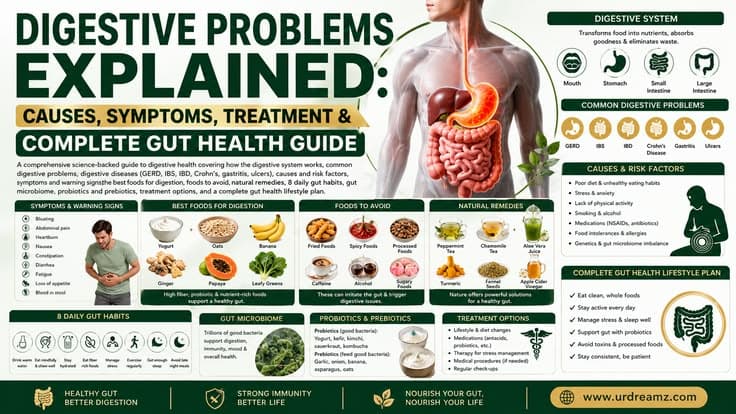
Your digestive system is at the center of your overall health — influencing your energy levels, immune function, mental clarity, skin, mood, and weight, far beyond simply processing food. When digestion works well, you feel light, energetic, and comfortable. When it malfunctions, the effects ripple through every aspect of your wellbeing. This comprehensive guide covers everything you need to understand and improve your digestive health: how your digestive system works, the most common disorders and diseases, their causes and symptoms, the best and worst foods for your gut, proven natural remedies, daily habits that transform digestion, the gut microbiome, probiotics and prebiotics, and a complete treatment and prevention framework. Nothing has been left out.
1. How the Digestive System Works
The digestive system is a remarkable, coordinated network of organs approximately 9 meters (30 feet) long that transforms every meal you eat into the nutrients, energy, and cellular building blocks your body needs to survive and thrive. Understanding how this system functions — and how remarkably it is designed — provides the foundation for understanding what goes wrong when digestive problems arise and why specific dietary and lifestyle choices have such a profound impact on digestive health.
Digestion begins in the mouth, not the stomach. Chewing physically breaks food into smaller pieces while saliva — which contains the digestive enzyme amylase — begins chemically breaking down carbohydrates. This is why chewing food thoroughly (20–30 times per bite) is not merely a table manner but a genuine digestive health practice: poorly chewed food places a greater burden on every organ that follows in the digestive chain. Swallowed food travels down the esophagus — a muscular tube approximately 25 centimeters long — propelled by rhythmic muscular contractions called peristalsis, and passes through the lower esophageal sphincter (LES) into the stomach.
The stomach is a muscular, expandable organ that acts as a chemical processing plant. It secretes hydrochloric acid (creating a highly acidic pH of 1.5–3.5) and pepsin, an enzyme that begins protein digestion. The stomach's muscular walls churn food into a semi-liquid mixture called chyme, which is released in small, controlled amounts into the small intestine. The small intestine — at 6–7 meters the longest section of the digestive tract — is where the vast majority of nutrient absorption occurs. Enzymes from the pancreas and bile from the liver (stored in the gallbladder) complete the breakdown of proteins, fats, and carbohydrates, while millions of microscopic finger-like projections called villi dramatically increase the absorptive surface area of the intestinal lining. The large intestine (colon) absorbs water, electrolytes, and remaining nutrients from digested material, and compacts the remainder into waste (feces) for elimination. The entire process from eating to elimination typically takes 24–72 hours in healthy individuals.
| Organ | Primary Function | Key Secretions | Common Problems When Dysfunctional |
|---|---|---|---|
| Mouth | Chewing, initial carbohydrate digestion | Saliva (amylase) | Poor chewing leading to downstream burden |
| Esophagus | Food transport via peristalsis to stomach | Mucus | Acid reflux, GERD, esophagitis |
| Stomach | Protein digestion, food churning, sterilization via acid | Hydrochloric acid, pepsin, mucus | Gastritis, ulcers, GERD, gastroparesis |
| Small Intestine | Nutrient absorption (proteins, carbs, fats, vitamins, minerals) | Intestinal enzymes; receives bile and pancreatic enzymes | Celiac disease, malabsorption, IBD, small intestinal bacterial overgrowth (SIBO) |
| Large Intestine (Colon) | Water absorption, electrolyte balance, waste compaction, microbiome habitat | Mucus; houses trillions of microorganisms | IBS, IBD, constipation, diarrhea, colorectal cancer |
| Liver | Bile production for fat digestion; detoxification; nutrient processing | Bile | Fatty liver disease, hepatitis, cirrhosis |
| Gallbladder | Bile storage and concentration; release into small intestine | Concentrated bile | Gallstones, cholecystitis |
| Pancreas | Enzyme production for all macronutrients; insulin and glucagon secretion | Pancreatic enzymes (lipase, protease, amylase); insulin; glucagon | Pancreatitis, pancreatic insufficiency, diabetes |
2. Why Digestive Health Matters Beyond the Stomach
Most people think of digestive health narrowly — as simply about avoiding stomach pain and having regular bowel movements. In reality, the digestive system's influence extends to virtually every system in the body, making gut health one of the most important foundations of overall health and wellbeing. The gut is not just a tube that processes food — it is a sophisticated organ system with its own nervous system (the enteric nervous system, often called "the second brain"), a vast immune network, and a dynamic ecosystem of trillions of microorganisms that profoundly shape everything from immunity to mental health.
Approximately 70–80% of the body's immune cells reside in the gut-associated lymphoid tissue (GALT) that lines the intestinal walls. The gut microbiome — the community of bacteria, fungi, viruses, and other microorganisms living in your digestive tract — trains and regulates immune function from birth. Disruptions to the gut microbiome (dysbiosis) are associated with increased susceptibility to infections, autoimmune conditions, allergies, and chronic inflammatory diseases throughout the body, not just the digestive tract.
The gut also produces approximately 90–95% of the body's total serotonin — the neurotransmitter most associated with mood, happiness, and emotional stability. This gut-brain connection (explored in detail in Section 40) explains why digestive problems so frequently co-occur with anxiety, depression, brain fog, and sleep disturbances — and why mental and emotional stress almost invariably manifests as digestive symptoms. A healthy digestive system is not a luxury — it is the foundation on which energy, immunity, mental clarity, skin health, hormonal balance, and longevity are all built.
3. Good Digestion vs Poor Digestion: Signs and Comparison
Understanding what good digestion looks and feels like helps you recognize when your digestive system is functioning optimally versus when it needs attention. Many people have lived with suboptimal digestion for so long that they have normalized symptoms that are actually signs of a system under stress.
| Factor | Good Digestion | Poor Digestion |
|---|---|---|
| Bowel movements | Regular (once or twice daily); stool passes easily; feeling of complete emptying; Bristol Type 3–4 (sausage-shaped, smooth) | Constipation (less than 3 per week); hard or dry stools; straining; feeling of incomplete emptying; OR loose, watery, frequent stools |
| Bloating | Stomach feels comfortable and normal after eating; no persistent gas or heaviness | Frequent bloating, tight or distended abdomen after meals; persistent gas or pressure |
| Appetite | Genuine, timely hunger that appears naturally; food feels satisfying | Absent or poor appetite; eating feels forced; or constant hunger despite eating |
| Energy levels | Consistent energy throughout the day; nutrients are absorbed and converted to fuel effectively | Persistent fatigue and sluggishness due to poor nutrient absorption; energy crashes after meals |
| Skin health | Healthy gut supports clear, glowing skin; toxins are properly eliminated through digestion | Acne, eczema, dull or inflamed skin often reflect gut inflammation and poor elimination |
| Stomach pain | No discomfort; digestion happens quietly and comfortably | Cramps, burning, stabbing, or aching pain in the stomach or abdomen |
| After-meal feeling | Satisfied but comfortable; light and energized | Heavy, uncomfortable, bloated, sleepy, or nauseous |
| Mental clarity | Clear thinking; good concentration; stable mood | Brain fog, poor concentration, mood swings, or anxiety often linked to gut dysfunction |
| Sleep quality | Comfortable; no nighttime digestive discomfort | Difficulty sleeping due to heartburn, discomfort, or gas; waking feeling unrested |
| Food sensitivities | Tolerates a wide range of foods without reaction | Reactions (bloating, gas, skin issues, headaches) to specific foods or food groups |
4. 10 Warning Signs Your Digestion Needs Help
Your gut communicates constantly through symptoms — and learning to listen to these signals allows you to address problems early, before they become more serious conditions requiring medical intervention. Here are the ten most important warning signs that your digestive system needs attention, what each typically indicates, and what level of urgency each requires.
| # | Warning Sign | What It May Indicate | Action Required |
|---|---|---|---|
| 1 | Frequent bloating — especially after eating | Food intolerances, IBS, SIBO, enzyme deficiency, dysbiosis | Track trigger foods; reduce processed foods; consider probiotics; see doctor if persistent |
| 2 | Constipation — infrequent or difficult bowel movements | Low fiber intake, dehydration, IBS, thyroid issues, medications | Increase fiber and water; exercise more; see doctor if chronic (more than 3 months) |
| 3 | Stomach pain or cramps | IBS, gastritis, ulcers, IBD, infection, food intolerance | Note when pain occurs (before/after eating, time of day); seek medical evaluation if severe or persistent |
| 4 | Persistent fatigue and low energy | Poor nutrient absorption (often from small intestinal damage, celiac, or dysbiosis) | Check for nutritional deficiencies; consider celiac screening; optimize diet |
| 5 | Food sensitivities — reactions to specific foods | Food intolerances, leaky gut, celiac disease, IBS | Keep a food diary; eliminate suspects for 2–4 weeks; work with a dietitian for elimination protocol |
| 6 | Skin problems — acne, eczema, rashes | Gut inflammation, dysbiosis, leaky gut, food intolerances manifesting via gut-skin axis | Address diet and gut health; reduce inflammatory foods; see dermatologist alongside gastroenterologist |
| 7 | Poor sleep quality | Gut discomfort disrupting sleep; serotonin produced in gut affects sleep regulation | Avoid large meals within 3 hours of bed; treat reflux; improve gut health overall |
| 8 | Stress and mood problems linked to digestion | Gut-brain axis dysfunction; IBS frequently co-occurs with anxiety and depression | Manage stress actively; consider gut-targeted therapy; probiotic strains supporting mood (L. rhamnosus) |
| 9 | Brain fog and poor concentration | Poor nutrient absorption affecting brain function; gut-brain axis inflammation; dysbiosis | Address gut health fundamentals; reduce ultra-processed foods; check for B12, iron, magnesium deficiency |
| 10 | Irregular digestion — alternating constipation and diarrhea | IBS (particularly IBS-M, mixed type); IBD; gut motility disorders | Seek medical evaluation; IBS diagnosis requires ruling out other conditions; dietary and lifestyle treatment available |
Seek immediate medical attention if you experience: blood in stool or vomit, unexplained significant weight loss, severe abdominal pain that comes on suddenly, persistent vomiting, high fever with digestive symptoms, or jaundice (yellowing of skin or eyes). These symptoms require urgent evaluation and should never be self-treated or ignored.
5. Common Digestive Problems Overview
Digestive problems affect an estimated 70 million people in the United States alone and are among the most frequent reasons people seek medical care worldwide. Understanding the full spectrum of common digestive conditions — from minor functional disorders to serious inflammatory diseases — helps you recognize symptoms accurately, seek appropriate care, and make informed decisions about treatment.
| Condition | Type | Key Symptoms | Primary Cause | Typical Treatment |
|---|---|---|---|---|
| Acid Reflux / GERD | Functional/structural | Heartburn, regurgitation, chest discomfort | Weak lower esophageal sphincter; stomach acid entering esophagus | Dietary changes, antacids, PPIs, lifestyle modification |
| Indigestion (Dyspepsia) | Functional/symptomatic | Upper abdominal discomfort, early fullness, nausea after eating | Overeating, fatty food, stress, H. pylori, medications | Dietary modification, antacids, stress management |
| Bloating and Gas | Functional/symptomatic | Abdominal distension, discomfort, excessive flatulence, burping | Food intolerances, swallowed air, gut bacteria imbalance, IBS | Dietary adjustments, probiotics, enzyme supplements |
| Constipation | Functional | Infrequent stools (<3/week), hard stools, straining, incomplete emptying | Low fiber, dehydration, inactivity, medications, IBS | Fiber increase, hydration, exercise, laxatives if needed |
| Diarrhea | Functional/symptomatic | Loose or watery stools, urgency, frequency (>3/day) | Infection, food intolerance, IBS, IBD, medications | Hydration, dietary adjustment, antimotility agents, treating cause |
| IBS (Irritable Bowel Syndrome) | Functional disorder | Abdominal pain, alternating constipation/diarrhea, bloating | Gut-brain dysfunction, hypersensitivity, dysbiosis | Low-FODMAP diet, probiotics, stress management, medications |
| IBD (Inflammatory Bowel Disease) | Autoimmune/inflammatory | Persistent diarrhea (often with blood), abdominal pain, weight loss, fatigue | Immune system attacking gut lining; genetic and environmental factors | Anti-inflammatory medications, immunosuppressants, biologics, surgery |
| Crohn's Disease | IBD subtype | Abdominal pain, diarrhea, weight loss, fatigue, mouth sores, joint pain | Immune dysregulation; affects any part of GI tract (often small intestine) | Corticosteroids, biologics, immunomodulators, surgical resection |
| Ulcerative Colitis | IBD subtype | Bloody diarrhea, urgency, abdominal cramping (affects colon only) | Autoimmune inflammation confined to colon and rectum | Aminosalicylates, corticosteroids, biologics, colectomy in severe cases |
| Gastritis | Inflammatory | Upper abdominal pain, nausea, vomiting, loss of appetite, feeling full quickly | H. pylori infection, NSAIDs, alcohol, stress, autoimmune | Antibiotics (H. pylori), PPIs, dietary changes, avoiding NSAIDs/alcohol |
| Peptic Ulcer Disease | Mucosal damage | Burning stomach pain (often between meals), nausea, bloating, black stools if bleeding | H. pylori, NSAIDs, excess stomach acid | H. pylori eradication therapy, PPIs, sucralfate, stopping NSAIDs |
| Celiac Disease | Autoimmune | Diarrhea, bloating, weight loss, fatigue, anemia, skin rash (dermatitis herpetiformis) | Immune response to gluten damaging small intestinal villi | Strict lifelong gluten-free diet — only effective treatment |
6. Acid Reflux and GERD: Causes, Symptoms and Treatment
Acid reflux — the backward flow of stomach acid into the esophagus — is one of the most common digestive complaints in the world, affecting an estimated 20% of Western populations. When acid reflux occurs frequently (more than twice per week) and begins causing significant symptoms or complications, it is classified as Gastroesophageal Reflux Disease (GERD). The primary cause is dysfunction or weakening of the lower esophageal sphincter (LES) — the muscular valve that normally prevents stomach contents from flowing back into the esophagus.
The most characteristic symptom of acid reflux is heartburn — a burning sensation in the chest or throat, typically worse after eating, when lying down, or when bending forward. Other symptoms include regurgitation (acid or undigested food coming back into the mouth), chronic cough (acid irritating the airways), hoarseness, difficulty swallowing, a feeling of a lump in the throat (globus sensation), and worsened asthma. Untreated chronic GERD can damage the esophageal lining, causing erosive esophagitis, and in some cases lead to Barrett's esophagus — a precancerous change in esophageal tissue that requires regular monitoring.
Risk factors for GERD include obesity (increased abdominal pressure pushes acid upward), pregnancy, hiatal hernia, smoking, consuming trigger foods (fatty foods, chocolate, peppermint, coffee, citrus, tomato-based foods, alcohol), large meals, lying down immediately after eating, and certain medications (calcium channel blockers, antihistamines, sedatives, and tricyclic antidepressants can all weaken the LES). Treatment begins with dietary and lifestyle modification — elevating the head of the bed, avoiding trigger foods, eating smaller meals, maintaining healthy weight, and not lying down within 3 hours of eating. Medications include antacids (for immediate symptom relief), H2 blockers, and proton pump inhibitors (PPIs — the most effective medication for GERD, reducing stomach acid production significantly). Surgical options like fundoplication are considered for severe cases unresponsive to medication.
7. Indigestion (Dyspepsia) Explained
Indigestion — medically called dyspepsia — is a collection of uncomfortable symptoms felt in the upper abdomen, typically during or after eating. It is not a disease itself but a cluster of symptoms that can have multiple causes. Estimates suggest that indigestion affects up to 30% of the population at some point, making it one of the most prevalent digestive complaints worldwide.
The primary symptoms of indigestion include upper abdominal discomfort or pain, a burning sensation in the stomach, feeling uncomfortably full during or shortly after eating (early satiety), bloating in the upper abdomen, nausea, belching, and occasionally vomiting. Functional dyspepsia (indigestion without an identified organic cause) is the most common form and is thought to involve hypersensitivity of the stomach lining to normal levels of acid and distension, and altered stomach motility. Organic dyspepsia has an identifiable cause such as Helicobacter pylori (H. pylori) bacterial infection, peptic ulcers, gastritis, GERD, or rarely stomach cancer.
Common triggers of indigestion include eating too much or too quickly, eating high-fat or spicy foods, drinking excessive caffeine or alcohol, swallowing air while eating, smoking, anxiety and stress, NSAIDs (aspirin, ibuprofen), and certain antibiotics. Treatment involves identifying and addressing triggers: eating smaller, more frequent meals; chewing food slowly and thoroughly; avoiding trigger foods; reducing stress; and taking antacids or H2 blockers for symptom relief. If indigestion is persistent, unexplained, associated with weight loss, or accompanied by difficulty swallowing, a medical evaluation is warranted to rule out more serious conditions including peptic ulcers and stomach cancer.
8. Bloating and Gas: Why It Happens and How to Stop It
Bloating — the uncomfortable feeling of abdominal fullness, pressure, or visible distension — affects up to 30% of people regularly and is one of the most common digestive complaints brought to gastroenterologists. While it is rarely a sign of serious disease when occurring in isolation, persistent or severe bloating significantly impacts quality of life and often signals underlying gut dysfunction that deserves attention.
Gas in the digestive tract comes from two primary sources: swallowed air (which we all do to some degree when eating, drinking, and talking — most of which is belched back up) and gas produced by bacteria in the large intestine as they ferment undigested carbohydrates (fiber, resistant starches, and poorly absorbed sugars). Foods that most commonly contribute to excessive gas include beans and legumes, cruciferous vegetables (broccoli, cabbage, Brussels sprouts), onions and garlic, wheat, dairy (particularly in lactose-intolerant individuals), carbonated drinks, artificial sweeteners (sorbitol, mannitol, xylitol), and highly processed foods rich in fermentable ingredients.
Bloating that occurs consistently after meals may indicate food intolerances (lactose, fructose, gluten), IBS, Small Intestinal Bacterial Overgrowth (SIBO), celiac disease, gastroparesis (delayed stomach emptying), or functional dyspepsia. Strategies to reduce bloating include eating slowly and chewing thoroughly (swallowing less air and improving digestion), avoiding known trigger foods, reducing portion sizes, limiting carbonated beverages, managing constipation (which worsens bloating significantly), taking probiotic supplements, using digestive enzyme supplements (particularly for specific intolerances), regular physical activity (stimulates gut motility), and peppermint oil capsules (evidence-based for IBS-related bloating). Persistent unexplained bloating, particularly when accompanied by weight loss, should always be evaluated by a doctor.
9. Constipation: Causes, Prevention and Natural Relief
Constipation is defined medically as having fewer than three bowel movements per week and is one of the most common digestive disorders worldwide, affecting an estimated 16% of adults and 33% of adults over age 60. Beyond infrequent stools, constipation often involves straining, passing hard or dry stools, a feeling of incomplete emptying, bloating, and abdominal discomfort. Chronic constipation significantly impacts quality of life and, when severe, can lead to complications including hemorrhoids, anal fissures, and fecal impaction.
The most common causes of constipation in otherwise healthy adults are dietary: insufficient dietary fiber (most adults consume only 10–15g per day versus the recommended 25–38g), inadequate fluid intake (dehydration causes the colon to absorb more water from stool, hardening it), and physical inactivity (exercise stimulates intestinal motility). Other significant causes include certain medications (opioids, iron supplements, calcium channel blockers, antidepressants, antacids containing aluminum or calcium), travel and changes in routine (disrupting the body's digestive rhythm), pregnancy, hypothyroidism, irritable bowel syndrome, and — rarely — structural issues in the colon or rectum.
First-line natural treatments for constipation include increasing dietary fiber intake gradually (adding 5g of fiber per week to avoid gas), drinking adequate water (8–10 glasses daily), daily physical activity (even a 30-minute walk stimulates colonic motility), establishing a consistent toilet routine (sitting at the same time each day, particularly after breakfast when the gastrocolic reflex is strongest), and avoiding suppressing the urge to defecate. Prunes (containing the natural laxative sorbitol), flaxseeds, chia seeds, oat bran, kiwi fruit, and psyllium husk are among the most evidence-supported natural constipation remedies. When lifestyle changes are insufficient, osmotic laxatives (polyethylene glycol, lactulose) are safe for short-term use; stimulant laxatives should only be used occasionally and not relied upon chronically.
10. Diarrhea: Causes, Types and Treatment
Diarrhea — defined as passing loose or watery stools three or more times per day — is an extremely common digestive symptom that can range from a minor temporary inconvenience to a life-threatening emergency (particularly in young children, elderly individuals, and people in settings with limited access to clean water). Globally, diarrheal disease remains among the leading causes of death in developing countries, particularly among children under five years of age.
Diarrhea is classified by duration: acute diarrhea (lasting less than 2 weeks) is most commonly caused by viral gastroenteritis ("stomach flu"), bacterial or parasitic food poisoning, travelers' diarrhea, antibiotic-related diarrhea, or sudden dietary changes. Persistent diarrhea (2–4 weeks) and chronic diarrhea (more than 4 weeks) require medical investigation and may be caused by IBS, IBD, celiac disease, microscopic colitis, lactose or fructose intolerance, chronic infections, bile acid malabsorption, or medications.
The most critical aspect of diarrhea management is preventing dehydration — particularly in vulnerable populations. Oral rehydration solutions (containing the right balance of water, salt, and sugar) are far more effective than plain water at replacing lost fluids and electrolytes. The BRAT diet (bananas, rice, applesauce, toast) is a traditional bland-food approach that can help firm stools during acute diarrhea, though more modern guidance emphasizes resuming normal nutritious eating as soon as possible. Probiotics — particularly Lactobacillus rhamnosus GG and Saccharomyces boulardii — have strong evidence for shortening the duration of acute infectious diarrhea and preventing antibiotic-associated diarrhea. Seek medical attention for diarrhea accompanied by high fever, blood in stool, signs of severe dehydration, diarrhea lasting more than 7 days, or diarrhea in infants, the elderly, or immunocompromised individuals.
11. Irritable Bowel Syndrome (IBS) Explained
Irritable Bowel Syndrome (IBS) is one of the most common functional gastrointestinal disorders in the world, affecting an estimated 10–15% of adults globally. It is characterized by recurring abdominal pain and changes in bowel habits — diarrhea, constipation, or alternating between both — in the absence of any detectable structural or biochemical abnormality in the bowel. This means that standard diagnostic tests (colonoscopy, blood tests, imaging) typically appear normal in people with IBS, which has historically led to its dismissal as a psychosomatic condition — an understanding now considered incorrect and harmful.
IBS is classified into subtypes based on predominant bowel habit: IBS-D (diarrhea-predominant), IBS-C (constipation-predominant), IBS-M (mixed — alternating between constipation and diarrhea), and IBS-U (unclassified). The exact cause of IBS remains incompletely understood, but current evidence points to a complex interplay of factors including altered gut-brain signaling (visceral hypersensitivity — the gut responding with pain to normal levels of distension and gas), gut microbiome dysbiosis, post-infectious gut dysfunction (IBS symptoms sometimes begin after a bout of gastroenteritis), altered gut motility, and psychological factors (anxiety and depression are extremely common comorbidities, not causes, of IBS).
The most evidence-supported dietary intervention for IBS is the low-FODMAP diet — a structured elimination and reintroduction protocol that removes fermentable carbohydrates (Fermentable Oligosaccharides, Disaccharides, Monosaccharides, and Polyols) that are poorly absorbed in the small intestine and fermented by gut bacteria, producing gas and triggering symptoms. The low-FODMAP diet reduces symptoms in approximately 50–80% of IBS patients, but it is complex and should be implemented under the guidance of a registered dietitian. Other evidence-supported IBS treatments include: specific probiotic strains (particularly Bifidobacterium infantis and L. plantarum), peppermint oil capsules (for abdominal pain and bloating), gut-directed hypnotherapy (remarkably effective — evidence comparable to dietary intervention), cognitive behavioral therapy (CBT), and various medications targeting specific symptom subtypes.
12. Inflammatory Bowel Disease (IBD): IBS vs IBD — Understanding the Difference
Inflammatory Bowel Disease (IBD) and Irritable Bowel Syndrome (IBS) are frequently confused because both affect the bowel and share some overlapping symptoms — but they are fundamentally different conditions in terms of nature, severity, and treatment. Understanding this distinction is critical for appropriate diagnosis and management.
| Feature | IBS (Irritable Bowel Syndrome) | IBD (Inflammatory Bowel Disease) |
|---|---|---|
| Nature | Functional disorder — no visible inflammation or structural damage | Organic disease — actual inflammation and damage to the intestinal wall |
| Diagnostic tests | Normal — colonoscopy, blood tests, imaging show no abnormality | Abnormal — colonoscopy shows inflammation; blood tests show elevated inflammatory markers (CRP, ESR) |
| Primary symptoms | Abdominal pain relieved by defecation; altered bowel habit (D, C, or mixed); bloating | Chronic diarrhea (often with blood or mucus); abdominal pain; weight loss; fever; fatigue |
| Blood in stool | Not a feature of IBS — if present, investigate further | Common in ulcerative colitis; possible in Crohn's |
| Weight loss | Not typical | Common — due to malabsorption and reduced intake |
| Systemic effects | Primarily gastrointestinal | Multi-systemic — joint pain, eye inflammation, skin manifestations, liver involvement |
| Risk of complications | Low — no intestinal damage or cancer risk attributable to IBS | High — strictures, fistulas, abscesses, perforations, significantly increased colorectal cancer risk (particularly long-standing UC) |
| Treatment approach | Dietary (low-FODMAP), lifestyle, stress management, specific medications for symptom control | Anti-inflammatory medications, immunosuppressants, biologic therapies, surgery in severe cases |
| Prognosis | Chronic but non-progressive; quality of life impact but not life-threatening | Can be severe and life-altering; requires ongoing medical management; can go into remission |
IBD encompasses two primary conditions: Crohn's disease and ulcerative colitis. Both involve chronic immune-mediated inflammation of the gastrointestinal tract, but they differ significantly in location, pattern, and depth of inflammation — which influences their symptoms, complications, and treatment approaches.
13. Crohn's Disease: Symptoms, Causes and Management
Crohn's disease is a chronic inflammatory bowel disease that can affect any part of the gastrointestinal tract from the mouth to the anus, though it most commonly involves the terminal ileum (the last part of the small intestine) and the beginning of the colon. Unlike ulcerative colitis (which is confined to the colon's inner lining), Crohn's inflammation can penetrate through all layers of the intestinal wall and may skip areas — alternating between inflamed and normal tissue.
The symptoms of Crohn's disease vary considerably depending on which part of the GI tract is affected and the severity of inflammation. Common symptoms include: persistent abdominal pain and cramping (typically in the lower right abdomen where the terminal ileum is located), chronic diarrhea (often without blood, unlike UC), significant unintended weight loss, fatigue, reduced appetite, fever during flares, and mouth sores (aphthous ulcers). Extra-intestinal manifestations — symptoms outside the digestive tract — affect up to 40% of Crohn's patients and include joint pain and arthritis, eye inflammation (uveitis, episcleritis), skin conditions (erythema nodosum, pyoderma gangrenosum), and primary sclerosing cholangitis (liver condition).
Crohn's disease is a relapsing-remitting condition — people experience periods of active disease (flares) alternating with periods of remission. Triggers that can provoke flares include stress, NSAIDs, smoking (strongly associated with worse Crohn's disease outcomes), and infections. Management aims to induce and maintain remission while minimizing side effects and preventing complications (strictures, fistulas, abscesses, malnutrition). Treatment options include corticosteroids (for acute flares), aminosalicylates (5-ASAs), immunomodulators (azathioprine, methotrexate), and biologic therapies (anti-TNF agents like infliximab and adalimumab; anti-integrin agents like vedolizumab; anti-IL-12/23 agents like ustekinumab). Surgical resection of severely damaged bowel segments is required in approximately 70–80% of Crohn's patients at some point in their disease course, though surgery is not curative as Crohn's can recur at the surgical site.
14. Ulcerative Colitis Explained
Ulcerative colitis (UC) is a chronic inflammatory bowel disease that causes inflammation and ulceration of the inner lining (mucosa) of the colon and rectum — exclusively. Unlike Crohn's disease, UC always begins in the rectum and may extend continuously upward through the colon, but it never affects the small intestine (with rare exceptions involving the terminal ileum in severe cases of "backwash ileitis"). This confined location and continuous pattern of inflammation is a distinguishing diagnostic feature.
The cardinal symptom of ulcerative colitis is persistent bloody diarrhea — often with mucus — which can range from mild (a few episodes per day) to severe (more than 10 bloody episodes per day with significant blood loss, abdominal pain, fever, and prostration). Other symptoms include abdominal cramping and pain (typically relieved after defecation), urgency and tenesmus (a persistent feeling of needing to defecate even when the bowel is empty), weight loss during flares, fatigue, and anemia from blood loss. As with Crohn's, extra-intestinal manifestations affecting joints, eyes, skin, and liver can occur.
UC is classified by extent: proctitis (limited to the rectum), left-sided colitis (extending from rectum to splenic flexure), and extensive colitis or pancolitis (affecting most or all of the colon). Treatment approaches parallel those for Crohn's but with some differences: aminosalicylates (5-ASAs — mesalazine) are more effective in UC than in Crohn's and are first-line treatment for mild-moderate UC. Corticosteroids, immunomodulators, and biologics are used for moderate-severe disease. Total colectomy (removal of the entire colon) is curative in UC — unlike in Crohn's — and is required in approximately 10–15% of UC patients, typically for uncontrolled disease, severe complications, or significantly increased colorectal cancer risk (which rises substantially after 8–10 years of extensive UC).
15. Gastritis: Stomach Lining Inflammation
Gastritis is inflammation of the gastric mucosa — the inner lining of the stomach. It is classified as acute (sudden onset, typically from a single identifiable cause) or chronic (long-standing, often developing gradually and sometimes without obvious symptoms for extended periods). Gastritis is extremely common — affecting approximately half of the world's population when H. pylori infection (the most common cause) is included, though many people with H. pylori-related gastritis are asymptomatic.
Common causes of gastritis include: Helicobacter pylori (H. pylori) bacterial infection — the most common cause worldwide, responsible for the majority of chronic gastritis cases; regular use of NSAIDs (aspirin, ibuprofen, naproxen) which damage the gastric mucosal barrier protecting the stomach from its own acid; excessive alcohol consumption which directly irritates and erodes the stomach lining; severe physiological stress (major surgery, serious illness, burns — causing stress ulcers); autoimmune gastritis (the immune system attacking stomach cells — type A gastritis, associated with vitamin B12 deficiency and pernicious anemia); and bile reflux (bile from the small intestine flowing backward into the stomach).
Symptoms of gastritis include upper abdominal pain or burning (often gnawing or aching, sometimes relieved by eating or antacids), nausea and vomiting, feeling of fullness or bloating after eating, loss of appetite, and in more severe erosive gastritis, signs of bleeding (vomiting blood or coffee-ground material, black tarry stools — indicating blood in the stool). Treatment targets the underlying cause: H. pylori eradication requires a combination antibiotic regimen (triple or quadruple therapy) alongside a proton pump inhibitor; NSAID-induced gastritis resolves when NSAIDs are stopped and PPIs are taken; alcohol-induced gastritis improves with alcohol cessation and dietary modification. Protective diet strategies include avoiding spicy, acidic, fatty, and alcohol-containing foods and eating smaller, more frequent meals.
16. Stomach Ulcers (Peptic Ulcer Disease)
Peptic ulcer disease (PUD) refers to open sores (ulcers) that develop on the inner lining of the stomach (gastric ulcers) or the upper part of the small intestine (duodenal ulcers). These ulcers form when the protective mucus layer that shields the stomach and duodenal lining from digestive acid breaks down, allowing stomach acid to damage the underlying tissue. Peptic ulcers affect approximately 4 million people in the United States annually and are one of the most common gastrointestinal conditions requiring medical treatment.
The two primary causes of peptic ulcers are H. pylori bacterial infection (responsible for approximately 70–90% of duodenal ulcers and 60–70% of gastric ulcers) and chronic use of NSAIDs (aspirin, ibuprofen, naproxen — which inhibit prostaglandin synthesis, reducing the protective mucus layer). Contrary to long-held popular belief, spicy food and stress do not cause peptic ulcers — though they may worsen symptoms in people who already have them. Smoking significantly delays ulcer healing and increases recurrence risk. Rare causes include Zollinger-Ellison syndrome (a tumor causing extreme acid overproduction).
Classic symptoms include a burning or gnawing pain in the center of the abdomen (epigastric area) — typically occurring 2–3 hours after eating or in the middle of the night (duodenal ulcers) or during or shortly after eating (gastric ulcers), sometimes relieved by eating or antacids. Complications of untreated peptic ulcers include bleeding (manifesting as black, tarry stools or vomiting blood — a medical emergency), perforation (ulcer breaks through the stomach or intestinal wall — sudden severe abdominal pain, a surgical emergency), and gastric outlet obstruction (ulcer-related swelling blocking the stomach's exit). Treatment involves H. pylori eradication when present (typically 7–14 days of combination antibiotic and PPI therapy), proton pump inhibitors to reduce acid and allow healing, and stopping NSAIDs if possible.
17. Celiac Disease: Gluten and the Gut
Celiac disease is a serious autoimmune condition in which the ingestion of gluten — a protein found in wheat, barley, and rye — triggers an immune response that damages the lining of the small intestine. Specifically, gluten exposure causes inflammation and destruction of the villi — the microscopic finger-like projections that dramatically increase the absorptive surface area of the small intestine. As villi are progressively destroyed, the small intestine loses its ability to properly absorb nutrients, leading to malabsorption of virtually all essential nutrients.
Celiac disease affects approximately 1% of the global population, though studies suggest that up to 80% of cases remain undiagnosed because symptoms can be highly varied, subtle, or entirely absent (silent celiac disease). Classical gastrointestinal symptoms include chronic diarrhea, steatorrhea (fatty, pale, foul-smelling stools), abdominal bloating and pain, nausea, vomiting, and significant unintentional weight loss. Non-classical presentations — now increasingly recognized as the majority of celiac cases — include iron deficiency anemia, osteoporosis (due to calcium and vitamin D malabsorption), fatigue, peripheral neuropathy, infertility, repeated miscarriages, depression, dermatitis herpetiformis (a characteristically itchy blistering skin rash), dental enamel defects, and delayed puberty in children.
Diagnosis involves serological blood tests (tissue transglutaminase IgA antibody — tTG-IgA — is the most sensitive and specific initial test) combined with small intestinal biopsy (considered the diagnostic gold standard). Critically, these tests must be performed while the patient is consuming gluten — testing after adopting a gluten-free diet produces false negative results. The only effective treatment for celiac disease is a strict, lifelong, completely gluten-free diet. Even trace amounts of gluten can cause immune activation and ongoing intestinal damage in celiac patients, so careful label reading and cross-contamination avoidance are essential. With strict adherence, intestinal healing typically occurs over 1–2 years, nutritional deficiencies resolve, and the risk of serious complications (osteoporosis, lymphoma) is substantially reduced.
18. Common Causes of Digestive Problems
Most digestive problems do not arise from nowhere — they are the predictable result of specific dietary, lifestyle, infectious, or psychological factors acting on the gut over time. Understanding the root causes of digestive dysfunction allows you to make targeted changes that address the problem at its source rather than simply managing symptoms.
| Cause | How It Damages Digestion | Conditions It Contributes To | How to Address It |
|---|---|---|---|
| Poor diet (low fiber, high processed food) | Starves beneficial gut bacteria; insufficient fiber slows transit and reduces stool bulk; processed food additives disrupt microbiome | Constipation, dysbiosis, IBS, colorectal cancer risk, inflammation | Increase whole plant foods; add fiber gradually; reduce ultra-processed food |
| Dehydration | Colon absorbs extra water from stool when body is dehydrated; slows overall gut motility | Constipation, harder stools, sluggish digestion | Drink 8–10 glasses of water daily; eat water-rich foods |
| Chronic stress | Activates the stress response (fight-or-flight), diverting blood and nervous system focus away from digestion; directly alters gut motility and microbiome | IBS, functional dyspepsia, diarrhea, constipation, worsening of all digestive conditions | Daily stress management practices (exercise, meditation, therapy); address root causes of chronic stress |
| Food intolerances | Poorly digested food components (lactose, fructose, gluten, FODMAPs) ferment in the gut, producing gas and triggering inflammation or hypersensitivity | Bloating, gas, diarrhea, abdominal pain, IBS-like symptoms; celiac disease (gluten) | Identify triggers through elimination protocols under dietitian guidance; avoid confirmed intolerances |
| H. pylori infection | Bacterium that colonizes the stomach lining, weakening the protective mucus layer and causing chronic inflammation | Gastritis, peptic ulcers, possibly gastric cancer with long-term infection | Testing and antibiotic eradication therapy |
| NSAIDs and medications | NSAIDs inhibit prostaglandins that protect stomach lining; antibiotics disrupt gut microbiome; many medications alter gut motility | Gastritis, peptic ulcers (NSAIDs); dysbiosis, diarrhea (antibiotics); constipation (opioids, antacids) | Use medications only as needed; take NSAIDs with food and PPI; use probiotics during and after antibiotics |
| Gut bacteria imbalance (dysbiosis) | Overgrowth of harmful bacteria and/or reduction in beneficial species disrupts fermentation, immune regulation, and gut barrier integrity | IBS, IBD, allergies, metabolic conditions, mood disorders, immune dysfunction | Probiotic-rich foods and supplements; dietary fiber; avoiding antibiotic overuse; reducing processed foods |
| Physical inactivity | Regular movement stimulates peristalsis — the muscular contractions that move food through the digestive tract; inactivity slows this | Constipation, sluggish digestion, increased colorectal cancer risk | Daily movement — even a 30-minute walk significantly improves digestive motility |
| Eating too quickly | Insufficient chewing means food arrives in the stomach in large pieces that are harder to break down; swallowing more air increases gas and bloating | Indigestion, bloating, gas, early satiety | Chew each bite 20–30 times; put utensils down between bites; eat without distractions |
19. Foods to Eat on an Empty Stomach (and Foods to Avoid)
What you eat first thing in the morning — when your digestive system is at its most sensitive and your stomach is empty after an overnight fast — has a measurable impact on your digestive comfort, energy levels, and gut health throughout the day. Some foods are gentle, nourishing, and easy to digest when the stomach is empty; others can cause irritation, discomfort, or blood sugar spikes that undermine the whole day's energy and digestive function.
| Eat on Empty Stomach | Why It Works | Avoid on Empty Stomach | Why It Causes Problems |
|---|---|---|---|
| Oatmeal | Soluble fiber soothes stomach lining; provides stable, sustained energy; easy to digest | Coffee (especially black) | Stimulates excess stomach acid secretion; can irritate stomach lining and cause acid reflux |
| Boiled or poached eggs | Light, high-quality protein that is gentle on an empty stomach; provides sustained satiety | Citrus fruits (oranges, lemons) | High acidity on an empty stomach can cause heartburn and gastric irritation |
| Plain yogurt | Probiotics survive better when stomach acid is lower (pre-breakfast); supports gut bacteria | Sugary drinks | Cause blood sugar spike followed by crash; disrupt insulin balance; provide no nutritional benefit |
| Banana | Gentle on stomach; natural antacid properties; potassium and magnesium support gut motility | Fried and fatty foods | Heavy on digestion, slow gastric emptying, and can cause nausea on an empty stomach |
| Almonds (soaked overnight) | Pre-soaking removes enzyme inhibitors; healthy fats and protein provide sustained energy | Candy and sweets | Rapid sugar absorption causes blood sugar spike and crash; no sustained energy |
| Warm water with lemon (small amount of lemon) | Stimulates digestive system; supports bile production; hydrates after overnight fast | Processed meats | High in saturated fat and preservatives; heavy and difficult to digest on empty stomach |
| Papaya | Contains papain enzyme that aids protein digestion; gentle and alkalizing | Raw vegetables (for sensitive stomachs) | High fiber content can cause gas and bloating in people with digestive sensitivity when eaten on empty stomach |
20. Twenty Healthy Foods for Better Digestion
The foundation of good digestive health is built in your kitchen. Every meal is an opportunity to nourish your gut lining, feed your beneficial bacteria, provide the enzymes and fiber needed for smooth digestion, and reduce the inflammation that underlies most chronic digestive conditions. Here are twenty specific foods — many of them easily available and affordable — that make a genuine, measurable difference in digestive health.
- Start your day with warm water and lemon — stimulates bile production, awakens the digestive system, and rehydrates after overnight fasting
- Include whole grains like oats and brown rice — provide soluble and insoluble fiber that feeds gut bacteria and supports regular bowel movements
- Eat plenty of fresh vegetables daily — particularly leafy greens which provide fiber, water, magnesium, and prebiotic compounds
- Add fiber-rich fruits like apples and pears — pectin in apples and pears is a powerful prebiotic fiber that feeds beneficial bacteria
- Cucumber — hydrating, anti-inflammatory, high water content keeps digestion cool and smooth; reduces bloating
- Banana — gentle and easy to digest; contains pectin and resistant starch that feed beneficial bacteria; soothes intestinal irritation
- Garlic — powerful prebiotic; supports beneficial gut bacteria; antimicrobial against harmful pathogens; anti-inflammatory
- Onions — act as natural prebiotics; contain fructooligosaccharides (FOS) that feed beneficial bacteria; support gut immunity
- Include probiotics like yogurt or curd — deliver live beneficial bacteria directly to the gut; evidence-supported for multiple digestive conditions
- Drink buttermilk — traditional probiotic drink providing beneficial bacteria and supporting healthy gut flora balance
- Add ginger to meals — reduces bloating and gas; speeds gastric emptying; anti-nausea effects; anti-inflammatory for gut lining
- Sip herbal teas like peppermint or chamomile — peppermint relaxes intestinal smooth muscle; chamomile soothes gut inflammation
- Eat soaked nuts — soaking removes enzyme inhibitors and phytic acid, making proteins and minerals more digestible and available
- Include legumes in moderate amounts — exceptional source of prebiotic fiber and plant protein; introduce gradually to minimize gas
- Carrots — rich in soluble fiber and pectin; support gut health and digestion; anti-inflammatory beta-carotene
- Eat meals on time and chew properly — consistent meal timing supports the gut's circadian rhythm; thorough chewing begins digestion optimally
- Pineapple — contains bromelain enzyme that breaks down proteins; reduces bloating after protein-rich meals; anti-inflammatory
- Papaya — contains papain enzyme that aids protein digestion; gentle laxative effect; anti-inflammatory
- Stay well hydrated throughout the day — water is essential for dissolving fiber, moving food through the GI tract, and preventing constipation
- Avoid processed and junk food — ultra-processed foods contain additives, emulsifiers, and artificial ingredients that disrupt gut microbiome and barrier function
21. Twelve Best Foods for a Happy Gut
Beyond the general principles, certain foods stand out for having specific, well-researched beneficial effects on digestive function and gut health. These twelve foods should form the core of any gut-healing or gut-maintenance diet.
| # | Food | Key Digestive Benefit | Active Component | Best Way to Use |
|---|---|---|---|---|
| 1 | Papaya | Breaks down food and reduces bloating; gentle digestive aid | Papain enzyme (proteolytic) | Eat fresh as a pre-meal starter or in smoothies |
| 2 | Pineapple | Aids protein digestion; eases bloating after protein-rich meals | Bromelain enzyme | Fresh pineapple (bromelain is destroyed by cooking/canning); in fruit salads or smoothies |
| 3 | Ginger | Reduces nausea and bloating; speeds gastric emptying; anti-inflammatory | Gingerol and shogaol | Fresh ginger tea; added to cooking; ginger chews |
| 4 | Yogurt | Delivers live beneficial bacteria; improves gut microbiome balance; reduces bloating | Live cultures (Lactobacillus, Bifidobacterium) | Plain, unsweetened yogurt daily; avoid flavored/sweetened versions |
| 5 | Kiwi | Stimulates gut motility; reduces constipation; high fiber and digestive enzymes | Actinidin enzyme; soluble fiber | Two kiwis daily shown in clinical trials to significantly reduce constipation |
| 6 | Cucumber | Hydrating and anti-inflammatory; reduces bloating and heat in digestive tract | Water (96%), flavonoids, cucurbitacins | Fresh in salads, sliced as snack, blended in juices |
| 7 | Fennel | Reduces gas and bloating; soothes intestinal spasms; aids in expelling trapped gas | Anethole (antispasmodic compound) | Fennel seeds chewed after meals; fennel tea; raw bulb in salads |
| 8 | Banana | Soothes intestinal lining; regulates bowel movements; prebiotic fiber | Pectin; resistant starch (in unripe); potassium | Ripe banana for diarrhea; slightly unripe for prebiotic benefit |
| 9 | Oats | Promotes regular bowel movements; feeds beneficial gut bacteria; reduces cholesterol | Beta-glucan (soluble fiber) | Steel-cut or rolled oats in porridge; overnight oats |
| 10 | Chia Seeds | Absorbs water and forms gel; bulks stool; promotes regularity and prevents constipation | Soluble fiber (psyllium-like gel-forming) | Soaked in water or plant milk; added to smoothies, yogurt, porridge |
| 11 | Peppermint Tea | Relaxes intestinal smooth muscle; relieves gas and bloating; reduces IBS symptoms | Menthol (antispasmodic) | Peppermint oil capsules (enteric-coated) for IBS; peppermint tea for general bloating |
| 12 | Avocado | Healthy fats and fiber promote smooth, efficient digestion; anti-inflammatory | Monounsaturated fats; fiber (6.7g per 100g) | Added to salads, toast, smoothies; half an avocado daily |
22. Ten Best Foods for Digestive Health
If you could add just ten foods to your regular diet for maximum digestive benefit, these would be the ones. Each has strong scientific evidence supporting its specific digestive health benefits, and together they cover the key mechanisms of gut health: fiber, enzymes, probiotics, anti-inflammation, and gut motility support.
| # | Food | Primary Gut Benefit | Key Nutrients |
|---|---|---|---|
| 1 | Yogurt | Rich in probiotics that maintain gut bacteria balance and improve digestion and immunity | Lactobacillus, Bifidobacterium, calcium, protein |
| 2 | Oats | High soluble fiber promotes regular bowel movements and feeds beneficial bacteria | Beta-glucan, magnesium, B vitamins, zinc |
| 3 | Papaya | Papain enzyme breaks down food proteins and reduces bloating and digestive discomfort | Papain, vitamin C, beta-carotene, folate |
| 4 | Chia Seeds | Absorb water and form a gel that promotes regularity and prevents constipation | Soluble and insoluble fiber, omega-3 fatty acids, calcium |
| 5 | Ginger | Natural anti-inflammatory that soothes the stomach and reduces nausea and gas | Gingerol, shogaol, antioxidants |
| 6 | Cucumber | Hydrating and high in fiber; helps smooth digestion and prevents constipation | Water (96%), vitamin K, flavonoids, silica |
| 7 | Banana | Rich in pectin and resistant starch that regulate bowel movements; easy to digest | Pectin, potassium, magnesium, vitamin B6 |
| 8 | Flaxseeds | High fiber and omega-3 fatty acids support healthy digestion and relieve constipation | Lignans, ALA omega-3, soluble and insoluble fiber |
| 9 | Green Tea | Contains antioxidants that reduce gut inflammation and support beneficial bacteria | EGCG catechins, polyphenols, L-theanine |
| 10 | Kiwi | High in fiber and actinidin enzyme that aid digestion and relieve bloating and constipation | Actinidin enzyme, vitamin C, fiber, folate |
23. Foods to Avoid for Better Digestion
Just as the right foods can heal and support your digestive system, the wrong foods can actively damage gut lining, disrupt the microbiome, promote inflammation, slow gut motility, and trigger or worsen virtually every digestive condition. Identifying and reducing these foods is equally as important as adding beneficial ones.
| Food Category | Examples | How It Harms Digestion | Better Alternative |
|---|---|---|---|
| Spicy foods (in excess) | Hot peppers, chili, spicy sauces | Irritates esophagus and stomach lining; worsens GERD, gastritis, and IBS symptoms | Mild herbs (ginger, turmeric, cumin) that provide flavor with anti-inflammatory benefits |
| Deep-fried and fatty foods | French fries, fried chicken, chips, pakoras | Slow gastric emptying causing prolonged fullness and discomfort; worsen GERD; high calorie density promotes obesity which worsens reflux | Baked, grilled, or air-fried alternatives using healthy oils |
| Ultra-processed foods | Packaged snacks, instant noodles, fast food, packaged meals | Emulsifiers and additives disrupt gut microbiome; low fiber; high in sodium, refined carbs, and unhealthy fats | Whole, minimally processed foods; home-cooked meals |
| Sugary drinks | Sodas, energy drinks, sweetened juices, flavored milk | Feed harmful gut bacteria; promote inflammatory dysbiosis; contribute to obesity worsening GERD; no nutritional value | Water, herbal teas, diluted coconut water, kombucha (in moderation) |
| Alcohol | Beer, wine, spirits, cocktails | Directly damages gut lining; causes inflammation; disrupts microbiome (reducing beneficial species); increases intestinal permeability; worsens GERD, gastritis, IBS, and IBD | Eliminate or reduce significantly; replace with sparkling water with fruit |
| Carbonated drinks | Sodas, sparkling water (in excess) | Carbon dioxide in carbonated drinks causes gas and bloating; pressure can worsen GERD | Still water; herbal teas; flat kombucha |
| Excess caffeine | Multiple cups of strong coffee, energy drinks, strong tea | Stimulates acid secretion; relaxes the lower esophageal sphincter (worsening GERD); speeds gut transit (can cause diarrhea in sensitive individuals) | 1–2 cups of regular coffee; green tea (lower caffeine with gut-protective antioxidants) |
| Artificial sweeteners | Sorbitol, mannitol, xylitol (in sugar-free products); sucralose, aspartame | Sugar alcohols (sorbitol, mannitol, xylitol) are poorly absorbed and fermented by gut bacteria, causing bloating, gas, and diarrhea; some artificial sweeteners disrupt gut microbiome composition | Small amounts of natural sweeteners (honey, maple syrup); whole fruit for sweetness |
| Red and processed meat (in excess) | Bacon, sausages, deli meats, very large servings of red meat | High saturated fat slows digestion; processed meats contain nitrates and preservatives that harm gut bacteria; linked to increased colorectal cancer risk | Fatty fish, poultry, legumes, tofu as protein sources |
| Refined flour and refined carbohydrates | White bread, pastries, biscuits, white pasta | Low fiber; rapidly fermented causing gas; spikes blood sugar promoting inflammatory gut environment; feeds harmful gut bacteria | Whole grain versions; oats; brown rice; legumes |
24. High-Fiber Foods for Healthy Digestion
Dietary fiber is the single most important dietary factor for long-term digestive health. It is the only major food component that reaches the large intestine largely intact — where it serves as the primary food source for the trillions of bacteria that make up your gut microbiome. A fiber-rich diet consistently produces better gut microbiome diversity, more regular and comfortable bowel movements, lower risk of colorectal cancer, better blood sugar control, and reduced risk of virtually every major chronic disease.
There are two types of dietary fiber with different but complementary digestive benefits. Soluble fiber dissolves in water to form a gel-like substance — slowing digestion, stabilizing blood sugar, lowering LDL cholesterol, and being fermented by gut bacteria to produce beneficial short-chain fatty acids (SCFAs) like butyrate, which nourish the cells lining the colon. Excellent sources include oats, barley, beans, lentils, apples, pears, psyllium husk, and chia seeds. Insoluble fiber does not dissolve in water — it adds bulk to stool and speeds transit through the digestive tract, preventing constipation. Excellent sources include whole wheat, vegetables (particularly leafy greens and root vegetables), nuts, and seeds.
The recommended daily fiber intake is 25 grams for women and 38 grams for men — yet most adults consume only 10–15 grams per day, representing one of the most significant and impactful nutritional gaps in modern diets. Increase fiber intake gradually (adding 5g per week) to allow your gut bacteria to adapt without excessive gas and bloating. Always drink additional water when increasing fiber intake, as fiber needs water to do its job effectively.
25. Probiotic Foods: The Living Gut Healers
Probiotics are live microorganisms that, when consumed in adequate amounts, provide health benefits to the host. The term was first coined in 2001 by the World Health Organization, and the evidence base for specific probiotic strains in specific digestive conditions has grown substantially since then. Probiotic foods — fermented foods containing live beneficial bacteria — are the oldest and most natural way humans have supported their gut microbiome, and many traditional food cultures around the world have independently developed fermented foods as dietary staples.
The most important thing to understand about probiotics is strain specificity: different strains of bacteria have different, specific health effects. Lactobacillus rhamnosus GG is among the best-studied strains for preventing and treating diarrhea (particularly antibiotic-associated and acute infectious diarrhea). Bifidobacterium infantis has strong evidence for reducing IBS symptoms. Saccharomyces boulardii (a beneficial yeast, not a bacterium) is highly effective for various types of diarrhea. When choosing probiotic supplements, look for products specifying both genus (Lactobacillus) and species (rhamnosus) and strain (GG) — and ensure the product's clinical evidence matches your specific health goal. Probiotic foods are a gentler, more balanced way to maintain gut health compared to high-dose supplements for general wellness.
| Probiotic Food | Primary Bacteria | Key Digestive Benefit | How to Include It |
|---|---|---|---|
| Plain Yogurt (with live cultures) | Lactobacillus bulgaricus, Streptococcus thermophilus | Improves gut bacteria balance; reduces antibiotic-associated diarrhea; lactose digestion support | Daily breakfast; in smoothies; as a savory dip |
| Kefir | Diverse bacteria and yeasts (20–50 strains) | More diverse microbiome support than yogurt; may help with lactose intolerance | As a drink; in smoothies; over granola |
| Buttermilk (traditional) | Lactobacillus species | Supports beneficial gut flora; easy to digest; traditional digestive aid | Chilled after meals; in cooking (not heated to preserve cultures) |
| Kimchi | Lactobacillus kimchii and other species | Anti-inflammatory gut effects; supports microbiome diversity | As a side dish; in rice bowls; with eggs |
| Kombucha | Acetobacter, Gluconobacter, various yeasts | Antioxidant-rich; modest microbiome support (evidence still emerging) | As a beverage; start with small amounts to assess tolerance |
| Miso | Aspergillus oryzae, other microorganisms | Supports gut flora; digestive enzyme content aids digestion | Miso soup (add miso off the heat to preserve live cultures); in dressings and marinades |
| Sauerkraut | Lactobacillus plantarum and other Lactobacillus species | High in probiotics and fiber; anti-inflammatory; supports colon health | As a condiment; in sandwiches and wraps (unpasteurized, refrigerated varieties have live cultures) |
26. Prebiotic Foods: Feeding Your Good Bacteria
Probiotics get all the attention — but without prebiotics, they have nothing to eat. Prebiotics are non-digestible food components (primarily specific types of dietary fiber and other plant compounds) that selectively feed and stimulate the growth and activity of beneficial bacteria already residing in your gut. Think of probiotics as the seeds and prebiotics as the fertilizer — both are essential for a flourishing gut garden.
The most well-studied prebiotic compounds include: inulin and fructooligosaccharides (FOS) found in garlic, onions, leeks, asparagus, artichokes, and chicory root; resistant starches found in cooked-then-cooled potatoes and rice, green bananas, and legumes; beta-glucan found in oats and barley; and pectin found in apples, pears, and citrus. These compounds resist digestion in the small intestine, arriving intact in the large intestine where they are fermented by Bifidobacterium and Lactobacillus species — the primary beneficial bacteria — producing short-chain fatty acids (particularly butyrate) that nourish the colon lining, reduce inflammation, and strengthen the gut barrier.
Prebiotic foods are broadly safe and beneficial for most people, but those with IBS should introduce them cautiously — many high-prebiotic foods (garlic, onions, asparagus, chicory) are also high in FODMAPs and can trigger IBS symptoms in susceptible individuals. A low-FODMAP approach under dietitian guidance can help IBS patients identify which prebiotics they tolerate well and in what quantities. For healthy individuals without IBS, increasing a variety of prebiotic foods — aiming for 8+ different plant foods per week — is one of the most powerful ways to improve gut microbiome diversity and long-term digestive health.
27. Fermented Foods for Gut Health
Fermented foods — foods produced or preserved through the action of microorganisms — represent one of humanity's oldest and most universal food preparation traditions, found across virtually every culture and continent: yogurt, kefir, and ayran in the Middle East and Central Asia; kimchi and doenjang in Korea; miso and natto in Japan; sauerkraut and kvass in Eastern Europe; injera in Ethiopia; kanji in India; and sourdough bread across the Western world. Modern nutritional science is now confirming what traditional food cultures understood intuitively: regular consumption of fermented foods has significant benefits for gut microbiome diversity, digestive health, and immune function.
A 2021 landmark study published in Cell found that a diet high in fermented foods for 10 weeks significantly increased gut microbiome diversity (a key marker of gut health) and reduced multiple markers of immune activation and inflammation, including 19 inflammatory proteins — outcomes not achieved by a high-fiber diet alone in the study period. The study authors emphasized that fermented foods increase the overall diversity of gut microbiome species — and greater diversity is consistently associated with better health outcomes across populations.
To maximize the benefit of fermented foods: choose unpasteurized, refrigerated versions where possible (pasteurization kills live cultures, though heat-killed bacteria may still have some benefits through their cell wall components); consume them regularly and in variety rather than occasionally or just one type; and understand that fermented foods work as part of an overall dietary pattern — they are most effective when combined with a diet rich in prebiotic fiber from vegetables, legumes, and whole grains that sustain the bacterial communities they introduce.
28. Natural Remedies for Digestive Problems
Many of the most effective and evidence-supported remedies for common digestive complaints are found in the kitchen and garden rather than the pharmacy. Natural remedies for digestion have been used across cultures for thousands of years — and modern research is increasingly validating the biological mechanisms that underlie their traditional uses. These should be considered as first-line strategies for mild to moderate digestive symptoms, and as complementary approaches for more serious conditions alongside medical treatment.
| Remedy | Active Compounds | Digestive Benefits | Best For | How to Use |
|---|---|---|---|---|
| Ginger | Gingerol, shogaol, zingerone | Reduces nausea; speeds gastric emptying; anti-inflammatory; antispasmodic | Nausea, indigestion, bloating, morning sickness, post-surgery nausea | Fresh ginger tea (1 inch grated in hot water); added to cooking; ginger chews; 1–2g ginger daily |
| Peppermint | Menthol, menthone | Relaxes intestinal smooth muscle; relieves gas and bloating; reduces IBS pain | IBS, bloating, gas, intestinal spasms | Peppermint tea (leaves in hot water); enteric-coated peppermint oil capsules for IBS (evidence-based) |
| Chamomile | Apigenin, bisabolol, chamazulene | Anti-inflammatory; antispasmodic; soothes gut lining; reduces stomach discomfort | Indigestion, gastritis, IBS, anxiety-related gut upset | Chamomile tea 2–3 cups daily; dried flowers steeped 5 minutes |
| Fennel seeds | Anethole, fenchone, estragole | Reduces gas and bloating; antispasmodic; supports digestive enzyme activity | Gas, bloating, indigestion, colic | Chew 1 tsp after meals; fennel seed tea; fennel water |
| Cumin seeds | Cuminaldehyde, thymol, carvacrol | Stimulates digestive enzyme secretion; reduces gas; anti-inflammatory | Indigestion, gas, bloating, diarrhea | Roasted cumin powder added to food; cumin water (boil seeds then cool); in cooking |
| Turmeric | Curcumin | Powerful anti-inflammatory reducing gut wall inflammation; supports bile production; protective of gut lining | IBD (as adjunct), gastritis, general gut inflammation, IBS | Added to cooking with black pepper (enhances bioavailability); golden milk; 400–600mg curcumin extract 3x daily for therapeutic use |
| Aloe vera | Acemannan, anthraquinones, enzymes | Soothes gut lining; anti-inflammatory; mild laxative effect (anthraquinones in latex — use leaf gel or decolorized juice) | Constipation (mild); IBS; GERD (soothing); gastritis | Aloe vera juice (inner leaf gel only); 100–200ml before meals; choose decolorized/purified products |
| Apple cider vinegar (diluted) | Acetic acid, enzymes, probiotics (raw/unfiltered) | May improve stomach acid levels in those with low acid (not reflux); modest prebiotic effect; antimicrobial | Low stomach acid (hypochlorhydria), mild indigestion (not GERD) | 1 tbsp in a large glass of water before meals; never undiluted; avoid if you have GERD or ulcers |
| Psyllium husk | Soluble fiber (psyllium mucilage) | Gel-forming fiber relieves both constipation and diarrhea; reduces cholesterol; feeds gut bacteria | Constipation, IBS (all subtypes), diarrhea, high cholesterol | 1–2 tsp mixed in large glass of water daily; always drink additional water; increase gradually |
29. Ginger for Digestion: Benefits and Uses
Ginger (Zingiber officinale) is one of the most extensively studied and clinically validated natural remedies for digestive complaints, with a documented history of use in traditional medicine spanning more than 2,000 years across Asian, Indian, and Middle Eastern cultures. Modern pharmacological research has identified the bioactive compounds responsible for its digestive benefits — primarily gingerol (in fresh ginger) and shogaol (in dried ginger) — and confirmed multiple mechanisms through which ginger improves digestive function.
Ginger's primary digestive benefits include: accelerating gastric emptying — multiple clinical trials demonstrate that ginger significantly speeds the rate at which food leaves the stomach and enters the small intestine, reducing the bloating, fullness, and nausea associated with delayed gastric emptying; anti-nausea effects — the strongest evidence base for any natural anti-nausea remedy, with ginger proven effective for pregnancy-induced nausea and vomiting (morning sickness), chemotherapy-induced nausea (as an adjunct), postoperative nausea, and motion sickness; antispasmodic effects on intestinal smooth muscle, reducing cramping and gas pain; and anti-inflammatory effects on the gut wall that may benefit conditions including gastritis, IBD, and IBS.
Practical ginger supplementation: for general digestive support and nausea prevention, 1–1.5 grams of fresh or ground ginger per day (equivalent to approximately 1 teaspoon of fresh grated ginger) is both safe and effective for most adults. Fresh ginger tea made by simmering 1–2 inches of sliced fresh ginger in water for 10 minutes provides a bioavailable and pleasant-tasting source. Ginger is generally safe in culinary amounts; at higher supplemental doses, those on blood-thinning medications (warfarin, aspirin) should consult their doctor, as ginger may modestly inhibit platelet aggregation.
30. Peppermint Tea and Chamomile Tea for Gut Health
Peppermint and chamomile are two of the most scientifically validated herbal teas for digestive health, each with distinct mechanisms of action and specific conditions they address most effectively. Together, they provide a powerful natural toolkit for managing common digestive discomfort.
Peppermint's active compound is menthol — a potent natural antispasmodic that relaxes the smooth muscle lining of the intestinal wall. This muscle-relaxing effect reduces painful intestinal spasms, helps trapped gas move more easily through the digestive tract, and relieves bloating. For IBS specifically, enteric-coated peppermint oil capsules (which release in the small intestine rather than the stomach, avoiding heartburn) are one of the most evidence-supported treatments available — a 2014 meta-analysis found peppermint oil was significantly more effective than placebo for global IBS symptom relief. Peppermint tea provides milder but similar benefits for general bloating and gas. Note: peppermint can worsen GERD by relaxing the lower esophageal sphincter, so should be avoided by people with acid reflux. Peppermint oil capsules are distinct from peppermint tea and far more potent for IBS.
Chamomile's active compounds include apigenin (a flavonoid with anxiolytic properties that also acts on gut receptors), bisabolol, and chamazulene — collectively providing anti-inflammatory, antispasmodic, and carminative (gas-relieving) effects. Chamomile tea is particularly effective for stress-related digestive upset, infantile colic, gastritis discomfort, and general indigestion. Its dual action on both gut inflammation and anxiety (through the gut-brain axis) makes it especially valuable for people whose digestive symptoms are strongly stress-connected. Chamomile is also one of the safest and best-tolerated herbal remedies, suitable for children and elderly individuals (with caution for those with ragweed allergy, as chamomile is related to ragweed).
31. Apple Cider Vinegar, Aloe Vera and Turmeric for Digestion
Three additional natural remedies deserve specific attention for their widespread use and the nuances around their appropriate application in digestive health.
Apple cider vinegar (ACV) — particularly raw, unfiltered, unpasteurized ACV containing the "mother" (a colony of beneficial bacteria and enzymes) — is one of the most popular natural digestive remedies. Its primary active component is acetic acid, and its proposed mechanisms include improving stomach acid levels in individuals with low stomach acid (hypochlorhydria), modest prebiotic effects from the mother's bacteria, antimicrobial properties, and potential improvement in insulin sensitivity. The critical nuance is that ACV may help people with too little stomach acid but will worsen symptoms in people with too much (GERD, gastritis, ulcers). Never consume undiluted — always dilute 1 tablespoon in a large glass of water. People with GERD, peptic ulcers, or esophageal issues should avoid ACV entirely. Long-term undiluted use can erode tooth enamel and irritate the esophagus.
Aloe vera gel — the inner leaf gel (not the latex found just under the outer leaf skin, which contains anthraquinones and is a potent and potentially harmful stimulant laxative) — has documented anti-inflammatory, soothing, and immune-modulating effects on the gut lining. Studies suggest aloe vera juice (from inner leaf gel only; decolorized to remove anthraquinones) may benefit IBS and ulcerative colitis symptoms by soothing inflammation and supporting gut barrier integrity. The distinction between safe inner leaf gel and potentially harmful outer leaf latex is critical — always choose clearly labeled, decolorized aloe vera products for internal use.
Turmeric's active compound curcumin is one of the most potent natural anti-inflammatory compounds known, and its specific effects on gut health are impressive: it reduces gut wall inflammation (relevant to IBD and IBS), supports bile production and flow (supporting fat digestion and liver health), demonstrates antimicrobial effects against H. pylori, and protects gut mucosa from damage. The main limitation of turmeric is curcumin's poor bioavailability — it is very poorly absorbed from the gut without enhancement. Consuming turmeric with black pepper (which contains piperine, increasing curcumin absorption by up to 2,000%) and with a fat source dramatically improves its effectiveness.
32. Eight Daily Habits That Improve Digestion Naturally
Digestive health is not primarily determined by what supplements you take or what superfoods you occasionally eat — it is shaped by the consistent daily habits you practice every day. These eight evidence-based daily practices, implemented consistently, can transform digestive health within weeks and maintain it for life.
| # | Habit | Why It Works | How to Practice It |
|---|---|---|---|
| 1 | Start your day with water | Rehydrates after overnight fast; stimulates the gastrocolic reflex (promoting morning bowel movement); helps wake up the digestive system gently | Drink a full glass (250–350ml) of room temperature or warm water immediately upon waking, before coffee or food |
| 2 | Eat more fiber every day | Fiber feeds beneficial gut bacteria; adds stool bulk; promotes regular bowel movements; reduces inflammation; supports healthy cholesterol and blood sugar | Include fruits, vegetables, whole grains, and legumes at every meal; target 25–38g of fiber daily; increase intake gradually |
| 3 | Chew your food slowly and thoroughly | Chewing is the first stage of digestion; thoroughly chewed food is easier for the stomach and small intestine to process; slower eating reduces swallowed air (less bloating) and gives satiety signals time to reach the brain (preventing overeating) | Aim for 20–30 chews per bite; put down utensils between bites; eat without screens or distractions; take at least 20 minutes per meal |
| 4 | Move your body daily | Physical activity directly stimulates intestinal peristalsis (the muscular contractions that move food through the GI tract); reduces transit time; prevents constipation; improves gut microbiome diversity | A 30-minute brisk walk after meals is one of the most effective single digestive health habits; any form of movement counts |
| 5 | Add probiotic foods to your diet | Regular consumption of fermented foods increases gut microbiome diversity; delivers beneficial bacteria that support immunity, digestion, and gut-brain function | Include plain yogurt, kefir, buttermilk, kimchi, sauerkraut, or miso at least once daily; choose unpasteurized versions with live cultures |
| 6 | Stay well hydrated throughout the day | Water is essential for dissolving fiber and making it effective; softens stool; is required by every enzymatic process in digestion; prevents constipation | 8–10 glasses of water daily (2–2.5 liters); increase in hot weather and during exercise; herbal teas count toward fluid intake; avoid drinking large amounts with meals (dilutes digestive enzymes) |
| 7 | Manage stress actively and consistently | Chronic stress activates the sympathetic nervous system, suppressing digestion; directly alters gut motility (causing diarrhea or constipation); disrupts gut microbiome; worsens virtually every digestive condition | Daily mindfulness or meditation (10 minutes minimum); regular aerobic exercise; adequate sleep; social connection; professional support for chronic or clinical stress |
| 8 | Avoid late-night heavy meals | The digestive system follows a circadian rhythm — it is less active at night; eating large meals close to bedtime slows digestion, increases reflux risk, disrupts sleep, and impairs overnight gut repair processes | Finish your last substantial meal at least 2–3 hours before bedtime; if hungry later, choose a small, easily digestible snack (yogurt, banana) rather than a full meal |
33. Exercise and Digestion
Regular physical activity is one of the most evidence-supported and yet least discussed interventions for digestive health. Exercise benefits the digestive system through multiple distinct mechanisms, making it an indispensable component of any gut health strategy — and one that no supplement or dietary change can fully replicate.
The most direct digestive benefit of exercise is its effect on gut motility — the speed and efficiency with which food and waste move through the digestive tract. Physical activity stimulates peristalsis (the rhythmic muscular contractions that propel contents through the gastrointestinal tract) through both mechanical effects (movement and core muscle engagement massages the digestive organs) and neurological effects (exercise activates the parasympathetic nervous system, which governs "rest and digest" functions). Studies consistently show that regular exercisers have faster intestinal transit times and significantly lower rates of constipation than sedentary individuals.
Beyond motility, exercise profoundly influences the gut microbiome. Research comparing gut microbiome profiles of physically active individuals with sedentary ones consistently finds greater microbial diversity, higher levels of beneficial species (particularly butyrate-producing bacteria like Roseburia, Lachnospiraceae, and Faecalibacterium prausnitzii), and lower levels of pathogenic species in active individuals — regardless of diet. Exercise also reduces systemic inflammation, strengthens the gut barrier, improves insulin sensitivity (critical for preventing metabolic gut dysfunction), and reduces stress and anxiety (powerful gut modulators). For digestive health specifically, post-meal walking is one of the most impactful forms — even a 10–15 minute gentle walk after a meal significantly improves gastric emptying, reduces blood sugar response, and reduces post-meal bloating.
34. Hydration and Digestive Health
Water is arguably the most important and most overlooked element of digestive health. Every step of the digestive process requires water: saliva (which begins digestion in the mouth) is 99.5% water; stomach acid is produced from water-containing secretions; digestive enzymes require water to function; water lubricates the intestinal walls for smooth peristalsis; and the colon uses water to regulate stool consistency. Without adequate hydration, every aspect of digestion is compromised to some degree.
Dehydration is among the most common — and most easily correctable — causes of constipation. When the body is dehydrated, the colon prioritizes extracting water from its contents, producing hard, dry, difficult-to-pass stools. Drinking adequate water softens stools and makes them easier to pass. The classic recommendation of 8 glasses (approximately 2 liters) per day is a reasonable starting point, but individual needs vary based on body size, activity level, climate, and diet (foods with high water content like fruits and vegetables contribute meaningfully to hydration). Urine color is a practical hydration indicator: pale yellow indicates good hydration; dark yellow or amber indicates dehydration.
Practical hydration strategies for digestive health: drink a full glass of water upon waking before eating or drinking anything else; sip water consistently throughout the day rather than consuming large amounts at once; reduce or avoid alcohol and caffeinated beverages which have diuretic effects; eat water-rich foods (cucumber, watermelon, celery, leafy greens, yogurt) which contribute to fluid intake; and increase fluid intake significantly during illness (particularly diarrhea and vomiting, which cause rapid fluid and electrolyte losses). Avoid drinking large amounts of water immediately during or after meals, as this can dilute digestive enzymes and stomach acid, potentially impairing digestion — sipping water with meals is fine, but large volumes are best consumed between meals.
35. Sleep and Digestion
The relationship between sleep and digestion is bidirectional and profound. Poor digestive health disrupts sleep (GERD symptoms are worse lying down; IBS pain and urgency can wake people at night; bloating and gas cause discomfort that impairs sleep onset). And poor sleep quality in turn impairs digestive health through multiple overlapping mechanisms — creating a feedback cycle that can be challenging to break without addressing both sides simultaneously.
During sleep, the gut does not simply shut down — it enters a distinct mode of activity. The migrating motor complex (MMC) — a cyclical pattern of muscular contractions that sweeps through the small intestine approximately every 90–120 minutes during fasting and sleep — cleans undigested material and bacteria from the small intestine, preventing the accumulation of bacteria that can contribute to SIBO (small intestinal bacterial overgrowth). Chronic sleep deprivation disrupts this important cleansing mechanism. Sleep is also when the gut microbiome follows its own circadian rhythm — with different microbial species becoming more or less active at different times of the 24-hour cycle. Disrupting sleep patterns (through shift work, irregular sleep schedules, or chronic short sleep) disrupts the gut microbiome's circadian pattern, contributing to dysbiosis.
Practical strategies for improving digestive health through sleep optimization: finish your last meal 2–3 hours before bed; elevate the head of your bed by 15–20 cm if you have reflux (gravity helps keep acid in the stomach); sleep on your left side (which keeps the stomach entrance below the esophageal junction, reducing reflux risk); avoid large evening meals of high-fat or spicy foods; limit alcohol before bed (which may help initial sleep onset but dramatically disrupts sleep quality and gut function); and establish a consistent sleep schedule (same bedtime and wake time every day) to support both gut microbiome circadian rhythm and overall sleep quality.
36. Stress and the Digestive System
The relationship between stress and digestion is one of the most well-established in all of medicine — and one of the most important to understand for anyone experiencing chronic digestive symptoms. The gut and the brain are in constant, bidirectional communication through what scientists call the gut-brain axis — an intricate network of nerves, hormones, and immune signals connecting the central nervous system with the enteric nervous system (the gut's own independent nervous system). This means that psychological stress has direct, measurable, and often severe effects on digestive function.
When the brain perceives threat or stress — whether physical danger, emotional conflict, work pressure, or even the anticipation of something stressful — it activates the sympathetic nervous system (fight-or-flight response). This immediately diverts blood flow away from the digestive organs toward the muscles and heart, reduces secretion of digestive enzymes and stomach acid, alters gut motility (causing diarrhea in some people and constipation in others), increases intestinal permeability (allowing bacteria and toxins to cross the gut wall more easily), and releases cortisol and adrenaline that directly affect gut function and microbiome composition.
Chronic stress is now recognized as a major precipitating and perpetuating factor in IBS, functional dyspepsia, IBD flares, and many other digestive conditions. Research shows that 40–80% of IBS patients have significant anxiety or depression as comorbidities, and that gut-directed psychological therapies (cognitive behavioral therapy, gut-directed hypnotherapy, mindfulness-based stress reduction) are among the most effective treatments for functional gastrointestinal disorders. This is not because these conditions are "all in the head" — they are very real physiological conditions — but because the brain-gut connection is so powerful that addressing psychological stress produces measurable improvements in gut function, symptom severity, and quality of life.
37. The Gut Microbiome Explained
The gut microbiome refers to the vast community of microorganisms — primarily bacteria, but also viruses, fungi, and archaea — that inhabit the human gastrointestinal tract, particularly the large intestine. This community contains an estimated 38 trillion microbial cells — roughly equivalent to the number of human cells in the body — and comprises thousands of different species. The collective genetic material of the gut microbiome (the gut "metagenome") contains 150 times more genes than the human genome, encoding an extraordinary range of metabolic, immune, and neuroendocrine functions that profoundly influence human health.
The gut microbiome is established in early life — beginning with birth (vaginal delivery exposes newborns to the mother's vaginal and gut microbiota, which colonize the infant gut) and continuing to develop through breastfeeding (breast milk contains human milk oligosaccharides that selectively feed beneficial Bifidobacteria), early food introduction, environmental exposures, and antibiotic use in childhood. By approximately age 3, most children have established an adult-like microbiome that remains relatively stable throughout life but is continuously shaped by diet, lifestyle, medications, infections, and aging.
The most well-established functions of the gut microbiome include: fermenting dietary fiber to produce short-chain fatty acids (SCFAs — particularly butyrate, propionate, and acetate — which nourish colon cells, regulate immune function, and signal metabolic processes throughout the body); training and regulating the immune system; synthesizing vitamins (particularly B12, K2, folate, and biotin); protecting against pathogenic organisms through competitive exclusion and antimicrobial compound production; metabolizing medications and environmental chemicals; and producing neurotransmitters and their precursors including serotonin, GABA, and dopamine that influence mood, cognition, and stress responses through the gut-brain axis.
| Helps the Microbiome | Harms the Microbiome |
|---|---|
| High dietary fiber from diverse plant foods | Low-fiber, ultra-processed diet |
| Regular consumption of fermented probiotic foods | Antibiotic use (particularly broad-spectrum, repeated) |
| Diet rich in polyphenols (berries, green tea, dark chocolate, olive oil) | Chronic psychological stress |
| Regular physical activity | Excessive alcohol consumption |
| Adequate, quality sleep | Chronic poor sleep or night shift work |
| Managing stress effectively | Artificial sweeteners (disrupts microbiome composition) |
| Variety in diet — eating 30+ different plant foods per week | Emulsifiers in ultra-processed foods |
| Time in nature; exposure to diverse environmental bacteria | Highly sanitized environment with no microbial exposure |
| Breastfeeding (for infants) | C-section delivery without microbiome seeding (compared to vaginal) |
38. Probiotics vs Prebiotics: What Is the Difference?
Probiotics and prebiotics are both essential for a healthy gut — but they are fundamentally different things that work through different mechanisms and serve complementary roles in gut health. Confusing the two is extremely common, and understanding both clearly helps you make more effective choices for your digestive health.
Probiotics are live microorganisms — primarily bacteria and some yeasts — that, when consumed in adequate amounts, confer specific health benefits. They are living entities that can temporarily colonize the gut (though they typically do not permanently establish themselves — which is why regular consumption matters more than taking them once). Different strains have different, specific health effects that are not interchangeable between strains. The best food sources are fermented foods (yogurt, kefir, kimchi, sauerkraut, miso, kombucha). Probiotic supplements are useful in specific situations (during or after antibiotics, for specific digestive conditions) but are not necessary for generally healthy individuals eating a diet rich in fermented foods and fiber.
Prebiotics are non-digestible compounds — primarily specific types of dietary fiber and some plant polyphenols — that selectively stimulate the growth and activity of beneficial microorganisms already present in the gut. They are not alive, cannot be killed by cooking in most cases, and do not directly introduce bacteria — they feed the bacteria that are already there. They are found in plant foods: garlic, onions, leeks, asparagus, bananas (particularly unripe), oats, apples, and legumes. A diet rich in diverse plant foods is the most powerful and comprehensive prebiotic strategy available. The concept of synbiotics — combining probiotics and prebiotics together — aims to deliver both the beneficial bacteria and their preferred food source simultaneously for enhanced effect.
39. Digestive Enzymes: What They Are and Why They Matter
Digestive enzymes are proteins produced by the body — primarily in the pancreas, small intestine, and salivary glands — that catalyze the chemical breakdown of food macromolecules into their absorbable components. Without adequate digestive enzymes, food cannot be properly broken down regardless of how nutritious it is — leading to malabsorption, nutrient deficiencies, and digestive symptoms. Understanding the key digestive enzymes helps explain both normal digestion and the conditions in which enzyme supplementation may be beneficial.
| Enzyme | Produced By | What It Breaks Down | Clinical Significance |
|---|---|---|---|
| Amylase | Salivary glands (salivary amylase); pancreas (pancreatic amylase) | Starch and complex carbohydrates into simple sugars | Reduced in pancreatic insufficiency; also present in some fruits (banana) |
| Pepsin | Stomach chief cells (from pepsinogen activated by HCl) | Proteins into smaller polypeptides | Requires acidic environment; reduced in hypochlorhydria (low stomach acid) |
| Lipase | Pancreas (primary); also stomach and tongue | Fats (triglycerides) into fatty acids and glycerol | Deficiency in pancreatic insufficiency causes fat malabsorption (steatorrhea) |
| Trypsin / Chymotrypsin / Elastase | Pancreas | Proteins and polypeptides into amino acids | Part of the complete pancreatic protease system; essential for protein absorption |
| Lactase | Small intestinal brush border cells | Lactose (milk sugar) into glucose and galactose | Lactase deficiency causes lactose intolerance — very common globally (up to 70% of adults) |
| Sucrase | Small intestinal brush border cells | Sucrose into glucose and fructose | Congenital sucrase-isomaltase deficiency is rare but causes significant symptoms |
| Papain | Papaya fruit | Proteins | Natural proteolytic enzyme; used as digestive supplement; aids protein digestion |
| Bromelain | Pineapple fruit | Proteins | Anti-inflammatory; digestive support; destroyed by cooking — only effective in raw pineapple |
Digestive enzyme supplements may benefit people with: pancreatic exocrine insufficiency (most common in chronic pancreatitis and cystic fibrosis — prescription pancreatic enzyme replacement therapy is standard of care); lactase deficiency (lactase supplements allow lactose-intolerant individuals to consume dairy without symptoms); specific food intolerances (alpha-galactosidase helps digest the complex sugars in beans and cruciferous vegetables that cause gas); and some people with IBS, bloating, or suspected low stomach acid. For healthy individuals without specific enzyme deficiencies, eating a varied whole food diet rich in naturally enzyme-containing foods is the most effective and balanced approach to supporting digestive enzyme function.
40. The Gut-Brain Connection
The gut-brain connection — formally studied through the framework of the gut-brain axis — is one of the most exciting and rapidly evolving areas in medical science, fundamentally changing our understanding of both digestive disease and mental health. The enteric nervous system (ENS) — often called "the second brain" — contains more than 100 million neurons embedded in the walls of the gastrointestinal tract, making it the largest and most complex subdivision of the peripheral nervous system. This neural network operates largely independently of the brain, regulating gut motility, secretion, and blood flow — which is why we can still digest food even without direct brain input.
The gut and brain communicate through multiple channels: the vagus nerve (a massive neural highway that carries information in both directions — approximately 90% of the signals traveling on the vagus nerve go from gut to brain, not brain to gut); the enteric nervous system; gut hormones (including GLP-1, PYY, ghrelin, and CCK that regulate appetite, satiety, and mood); the immune system (gut immune activity influences brain-based inflammation); and — most profoundly — the gut microbiome, which produces neurotransmitters and their precursors including approximately 90–95% of the body's total serotonin, GABA, dopamine precursors, and short-chain fatty acids that cross the blood-brain barrier and influence mood, cognition, stress response, and sleep.
Clinical implications of the gut-brain axis are substantial: IBS is now understood not as a psychological disorder but as a disorder of gut-brain communication, with hypersensitivity of gut nerves producing pain responses to normal levels of distension; depression and anxiety frequently present with digestive symptoms (and vice versa); gut microbiome changes precede measurable changes in mood in some research models; certain probiotic strains (dubbed "psychobiotics") show preliminary evidence for reducing anxiety and depression scores; and gut-directed psychological therapies (CBT, gut-directed hypnotherapy, mindfulness) produce objective improvements in gut function, not just subjective comfort. The gut-brain connection means that caring for your mental health is also caring for your gut, and vice versa.
41. Digestive Health Treatment Options
Treatment for digestive problems ranges from simple lifestyle and dietary changes for mild functional complaints to sophisticated biological therapies for autoimmune inflammatory bowel diseases. Understanding the treatment landscape helps you navigate your options effectively and work productively with healthcare providers.
| Condition | First-Line Treatment | Second-Line / Medical Treatment | Lifestyle Essentials |
|---|---|---|---|
| Acid Reflux / GERD | Dietary modification (avoid triggers), antacids for occasional symptoms, elevate head of bed | H2 blockers (famotidine); Proton pump inhibitors (PPIs — omeprazole, lansoprazole); fundoplication surgery for severe cases | Weight loss if overweight; no eating 3 hrs before bed; no smoking; reduce alcohol and spicy food |
| IBS | Low-FODMAP diet (with dietitian); soluble fiber supplementation; probiotics; stress management | Antispasmodics (mebeverine, hyoscine); loperamide (IBS-D); laxatives (IBS-C); low-dose antidepressants; linaclotide; gut-directed hypnotherapy; CBT | Regular exercise; stress management; consistent meal routine; avoid known triggers |
| IBD (Crohn's / UC) | Corticosteroids for acute flares; 5-aminosalicylates for mild UC; nutritional support | Immunomodulators (azathioprine, methotrexate); biologic therapies (anti-TNF, anti-integrin, anti-IL agents); surgery (colectomy in UC; resection in Crohn's) | Anti-inflammatory diet; avoid NSAIDs and smoking; stress management; regular monitoring |
| Gastritis / Peptic Ulcers | H. pylori eradication (antibiotics + PPI if H. pylori present); stop NSAIDs; antacids for comfort | PPIs (higher dose, longer duration); sucralfate; bismuth-containing regimens for H. pylori | Avoid alcohol, NSAIDs, spicy food; smaller meals; stop smoking |
| Constipation | Increase dietary fiber and fluid; increase exercise; establish consistent toilet routine | Osmotic laxatives (polyethylene glycol, lactulose); stimulant laxatives (short-term); linaclotide for IBS-C; biofeedback for pelvic floor dysfunction | Daily movement; fiber-rich diet; 8–10 glasses water; respond to natural urge |
| Celiac Disease | Strict, permanent gluten-free diet — only effective treatment | Nutritional supplementation for deficiencies (iron, B12, folate, calcium, vitamin D); immunosuppressants for refractory celiac (rare) | Lifelong gluten avoidance; regular nutritional monitoring; annual review |
42. When to See a Gastroenterologist
Many digestive symptoms can be effectively managed with lifestyle and dietary changes, over-the-counter treatments, and primary care. However, certain symptoms, patterns, and circumstances require referral to a specialist gastroenterologist — a physician specialized in digestive disorders. Knowing when to escalate care promptly can be lifesaving.
Seek urgent or emergency medical attention immediately for: blood in stool or vomit; sudden, severe abdominal pain; signs of serious dehydration (rapid heartbeat, confusion, no urination); vomiting blood or material that looks like coffee grounds; high fever with severe abdominal pain; or jaundice (yellow skin or eyes with digestive symptoms). These may represent medical emergencies including GI bleeding, perforation, or severe infection.
Schedule a gastroenterology appointment (non-emergency but timely) for: persistent abdominal pain lasting more than 2 weeks despite basic treatment; unexplained weight loss of more than 5% of body weight over 6 months; chronic diarrhea lasting more than 4 weeks; rectal bleeding or consistently dark stools; difficulty swallowing that is persistent or worsening; heartburn or acid reflux not controlled by PPIs after 4–8 weeks; suspected celiac disease (request serology testing first from GP); family history of colorectal cancer or IBD; first screening colonoscopy (recommended at age 45 for average-risk adults, earlier for those with risk factors or symptoms); or any digestive symptoms significantly impacting quality of life that have not been diagnosed after initial evaluation.
43. Digestive Health by Age: After 40 and Beyond
Digestive health changes significantly with age, and understanding what to expect — and how to adapt — is essential for maintaining gut health through every life stage. Many digestive changes that occur with aging are preventable or manageable with appropriate lifestyle adjustment.
| Age Group | Common Digestive Changes | Increased Risks | Key Preventive Strategies |
|---|---|---|---|
| 20s–30s | Generally optimal digestive function; may develop IBS, food intolerances; lifestyle habits being established | IBS, functional dyspepsia, developing poor dietary habits, H. pylori | Establish fiber-rich diet; manage stress; avoid smoking; limit processed food and alcohol |
| 40s | Digestive enzyme production beginning to decline; gut motility slowing; metabolism changing; H. pylori complications if untreated | GERD increasing; constipation risk rising; colon cancer screening begins (age 45) | First colonoscopy at 45; increase fiber and water; exercise regularly; first cholesterol and diabetes screening |
| 50s–60s | Stomach acid production declining; gut motility slowing further; microbiome diversity beginning to decrease; lactose intolerance may worsen | Diverticular disease; constipation; colorectal cancer; gastric cancer; IBD complications | Regular colonoscopy screening; address constipation proactively; probiotic supplementation; maintain physical activity |
| 70s+ | Significantly reduced digestive enzyme and acid production; impaired absorption of B12, calcium, iron, and vitamin D; significantly slower gut motility; gut microbiome diversity lower | Malnutrition (despite adequate food intake); severe constipation; Clostridioides difficile (C. diff) infection risk; polypharmacy affecting digestion; colorectal cancer | Supplementation (B12, vitamin D, calcium); high-fiber diet with adequate fluid; regular medication review; stay physically active; regular cancer screening |
44. Digestive Health Myths vs Facts
Digestive health is surrounded by persistent myths — some harmless, some that lead people to avoid beneficial treatments or pursue ineffective ones. Clearing up these misconceptions helps you make evidence-based decisions about your gut health.
- Myth: IBS is just stress or anxiety — it is not a real physical condition. Fact: IBS is a very real physiological condition involving altered gut motility, visceral hypersensitivity, and gut microbiome changes. The gut-brain connection means that psychological factors influence its severity, but IBS is not imaginary or purely psychological.
- Myth: You need to have a bowel movement every day to be healthy. Fact: Normal bowel movement frequency ranges from three times per day to three times per week. What matters is consistency, comfort, and stool quality — not a specific frequency.
- Myth: Spicy food causes stomach ulcers. Fact: The vast majority of peptic ulcers are caused by H. pylori infection or NSAID use. Spicy food can worsen ulcer symptoms but does not cause them.
- Myth: Probiotics are helpful for everyone and every digestive problem. Fact: Probiotics are strain-specific and condition-specific. Not all probiotics help all conditions; some strains have strong evidence for specific situations, while others have little evidence for anything. Generic probiotic supplements are not equivalent to evidence-based strains.
- Myth: A detox cleanse is necessary to clean out your digestive system. Fact: Your liver, kidneys, and gastrointestinal tract are highly efficient and continuously active detoxification systems. Commercial "cleanses" and "detoxes" have no scientific evidence of benefit and some carry risks including electrolyte imbalances and disruption of the gut microbiome.
- Myth: Eating gluten-free is healthier for everyone, not just celiac patients. Fact: For people without celiac disease or non-celiac gluten sensitivity (NCGS), a gluten-free diet provides no benefit and may actually be harmful by reducing diversity of whole grain consumption and increasing intake of highly processed gluten-free alternatives.
- Myth: Heartburn means you have too much stomach acid. Fact: GERD is caused by stomach acid (of any level) reaching the esophagus due to a weakened LES. Many people with GERD actually have normal or even low stomach acid — the problem is location (acid in the wrong place), not necessarily quantity. Some cases of "heartburn" are caused by too little acid (hypochlorhydria), which also impairs digestion and allows bacterial overgrowth.
- Myth: You should wait until symptoms are severe before seeing a doctor about digestion. Fact: Many serious digestive conditions (colorectal cancer, IBD, celiac disease) are far more successfully treated when detected early. Regular screening and early evaluation of persistent symptoms significantly improves outcomes.
45. Your Complete Gut Health Action Plan
Good digestive health is not the result of any single food, supplement, or short-term intervention — it is the cumulative product of consistent daily choices made over months and years. This action plan consolidates everything in this guide into a practical, progressive framework you can begin implementing today.
| Timeframe | Priority Actions | Goal |
|---|---|---|
| Today | Drink a glass of warm water with a slice of lemon on waking. Add one fiber-rich food to your next meal. Eat your next meal sitting down, slowly, without screens. | Begin the three most impactful daily habits immediately |
| This Week | Add plain yogurt or another probiotic food to your daily diet. Take a 20-minute walk after your largest meal each day. Identify and reduce your biggest digestive trigger food. | Establish foundational gut health habits |
| This Month | Gradually increase dietary fiber to 25–38g daily (adding roughly 5g per week). Drink 8–10 glasses of water daily. Implement one stress management practice daily (5–10 minutes is enough to start). | Reach recommended fiber and hydration targets; begin stress management |
| Months 2–3 | Add variety to your gut microbiome: aim for 30 different plant foods per week. Introduce fermented foods more consistently. Address any specific digestive complaint with targeted strategies from this guide. | Microbiome diversity improvement; address specific conditions |
| Months 4–6 | Establish a consistent meal timing routine. Ensure you are getting quality sleep. Assess whether any persistent symptoms need medical evaluation — see your doctor if any warning signs from Section 4 are present. | Optimize all lifestyle factors; address any remaining unresolved symptoms medically |
| Ongoing | Annual health checkup including relevant screening (colonoscopy at 45, H. pylori testing if relevant, celiac screening if symptoms suggest it). Continue all established gut health habits. Adapt diet as your needs change with age. | Long-term gut health maintenance and disease prevention |
Your gut is remarkably resilient and responsive. The same gut that has been struggling with chronic bloating, constipation, or discomfort for years can show meaningful improvement within weeks of consistent, targeted lifestyle changes. Every fiber-rich meal, every probiotic food, every mindful moment of stress management, every good night of sleep, and every 20-minute walk is an investment in the gut that regulates your immunity, shapes your mood, fuels your energy, and underpins your long-term health. Start where you are. Make one improvement at a time. Be consistent. A healthy gut — and the extraordinary health it supports — is within reach.
Medical Disclaimer: This article is for educational purposes only and does not constitute medical advice. Digestive health conditions vary greatly in severity and cause. Always consult a qualified gastroenterologist or healthcare professional for persistent, severe, or concerning digestive symptoms, or before making significant dietary changes if you have diagnosed digestive conditions. Emergency symptoms (blood in stool, severe pain, signs of dehydration) require immediate emergency medical attention.