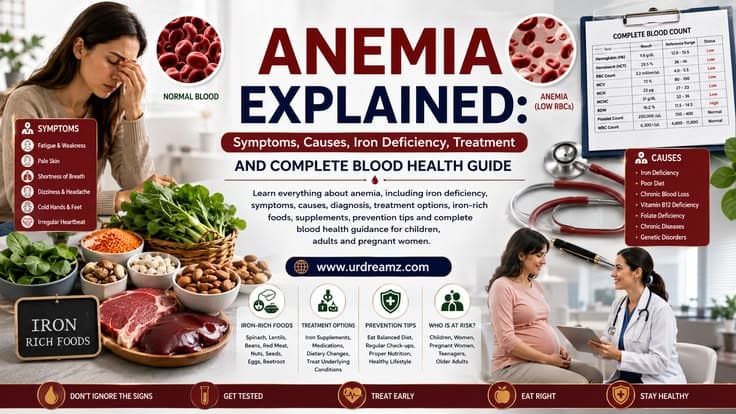
Anemia Explained: Symptoms, Causes, Iron Deficiency, Treatment and Complete Blood Health Guide
Anemia is one of the most common blood conditions in the world, yet it is frequently mistaken for ordinary tiredness. This complete guide explains what anemia and iron deficiency actually are, how they differ, why they happen, how doctors diagnose them, and which foods, supplements and lifestyle habits genuinely help restore healthy blood and lasting energy.
Introduction: Why Anemia Deserves Attention
Anemia affects a huge share of the global population at some point in life, and iron deficiency is its single most common cause. Because the earliest symptoms, tiredness, mild breathlessness, and difficulty concentrating, overlap so closely with the effects of a busy or stressful life, anemia is often dismissed for months or even years before it is properly diagnosed. Left unaddressed, it can quietly reduce quality of life, work performance, and in more severe cases, place real strain on the heart. This guide is built to give you a clear, practical understanding of anemia from the biology behind it to the everyday choices that help prevent and treat it.
Anemia is not a single disease but a shared endpoint reached through many different paths, ranging from a simple dietary gap to complex bone marrow or genetic conditions. Understanding which path applies to a given person is exactly what separates effective treatment from guesswork, which is why this guide spends real time on causes and diagnosis rather than jumping straight to supplements.
Because the word "anemia" covers such a wide range of underlying situations, from a temporary dietary gap that resolves in weeks to a lifelong genetic condition, it is worth resisting the urge to treat every case the same way. A teenager who has recently become vegetarian, a new mother recovering from childbirth, and an older adult with unexplained fatigue may all technically share an anemia diagnosis, yet each needs a very different conversation with their doctor about cause, testing, and treatment.
What Is Anemia?
Anemia is a condition in which the blood does not contain enough healthy red blood cells, or enough hemoglobin within those cells, to carry adequate oxygen to the body's tissues. Hemoglobin is the iron-containing protein inside red blood cells that binds oxygen in the lungs and releases it wherever the body needs it. When hemoglobin or red blood cell numbers fall below a healthy threshold, tissues throughout the body receive less oxygen than they need to function normally, which is what produces the tiredness and weakness so commonly associated with anemia.
It helps to think of red blood cells as a fleet of delivery vehicles and hemoglobin as the cargo hold inside each one. If there are too few vehicles, or if each vehicle can only carry a partial load, the same amount of oxygen simply cannot reach the body's tissues on time. Every organ, from muscles to the brain, depends on a steady oxygen supply, which is why anemia can affect something as specific as concentration and as broad as overall energy at the same time.
The body does have some ability to compensate for mild anemia, increasing heart rate and breathing rate slightly to move available oxygen more efficiently. This compensation is part of why mild anemia can go unnoticed for a long time, especially in people who are otherwise young and active, and why it often only becomes clearly noticeable once hemoglobin drops to a moderate or severe level, or once physical demands increase, such as during exercise, illness, or pregnancy.
What Is Iron Deficiency?
Iron deficiency means the body does not have enough stored iron to build healthy hemoglobin. Iron is the essential mineral at the center of every hemoglobin molecule, and without enough of it, the bone marrow cannot manufacture red blood cells at a normal pace or size. Iron deficiency does not always mean a person is already anemic; the body first draws down its iron reserves, stored mainly in the liver and marrow as ferritin, before hemoglobin production actually starts to suffer.
This is an important distinction: iron deficiency is best understood as an earlier stage on the same spectrum that, if left uncorrected, eventually progresses into iron deficiency anemia. Catching low iron stores early, often visible only through a ferritin blood test rather than a standard hemoglobin reading, allows treatment to begin before symptoms of full anemia ever appear.
How Blood Carries Oxygen: Hemoglobin Basics
Every breath you take fills the lungs with oxygen that must then be transported to muscles, organs, and the brain, and this transport job belongs almost entirely to hemoglobin inside red blood cells. Iron sits at the core of each hemoglobin molecule and is what actually binds to oxygen molecules, allowing blood to pick up oxygen in the lungs and release it wherever tissues need it most. Red blood cells are continuously produced in the bone marrow and typically survive for about 120 days before being recycled by the body, which means healthy iron intake and marrow function must keep pace with this constant renewal process.
When iron stores run low, the bone marrow can still attempt to produce red blood cells, but those cells often turn out smaller and paler than normal, carrying less hemoglobin per cell. This is why blood tests for anemia typically look not just at the number of red blood cells but at their size and hemoglobin content as well, since these details reveal a great deal about the underlying cause.
Types of Anemia: An Overview
Anemia is generally grouped in two complementary ways: by what is happening at a cellular level, meaning the size and appearance of red blood cells under a microscope, and by the underlying mechanism, meaning whether the body is producing too few red blood cells, destroying them too quickly, or losing them through bleeding. Understanding both classification systems helps explain why doctors run a range of specific tests rather than relying on a single hemoglobin number to make a diagnosis.
Thinking of these two classification systems as complementary lenses, rather than competing ones, is the easiest way to keep them straight. The cell-size lens narrows down the likely cause quickly from a single blood smear, while the mechanism-based lens explains the deeper "why" behind that finding, whether the marrow simply isn't producing enough cells, existing cells are being destroyed too fast, or cells are being lost faster than they can be replaced. Doctors typically move from the first lens to the second as they gather more test results.
Iron Deficiency Anemia Explained
Iron deficiency anemia is by far the most common form of anemia worldwide and develops when the body's iron stores are depleted to the point that hemoglobin production falls. It typically results from an ongoing mismatch between iron intake and iron needs, whether from inadequate dietary iron, poor absorption, chronic blood loss, or a period of increased demand such as pregnancy. Red blood cells in this type of anemia are usually smaller and paler than normal, a pattern doctors describe as microcytic and hypochromic.
Vitamin B12 Deficiency Anemia Explained
Vitamin B12 is essential for normal red blood cell division in the bone marrow, and when it is lacking, red blood cells grow abnormally large without completing normal maturation, a pattern known as macrocytic anemia. Because B12 is also critical for nerve health, this deficiency frequently comes with neurological symptoms such as numbness, tingling, or balance problems alongside the usual fatigue, distinguishing it from the more purely physical symptoms of iron deficiency. Common causes include a diet lacking animal products, pernicious anemia, an autoimmune condition that blocks B12 absorption, and certain digestive surgeries or disorders.
Folate Deficiency Anemia Explained
Folate, also known as vitamin B9, works alongside vitamin B12 in red blood cell production, and a shortage produces a very similar macrocytic anemia pattern on blood tests. Folate deficiency is most often linked to poor dietary intake, excessive alcohol use, certain medications, or increased demand during pregnancy, when folate needs rise substantially to support fetal development. Because the two conditions look alike on basic testing, doctors typically check both vitamin B12 and folate levels together when this pattern appears.
Aplastic Anemia Explained
Aplastic anemia is a rarer and more serious condition in which the bone marrow fails to produce enough of all three major blood cell types, red cells, white cells, and platelets, rather than red cells alone. It can be triggered by autoimmune attack on the marrow, certain toxins or medications, viral infections, or in some cases occurs without a clearly identifiable cause. Because it affects the entire blood cell supply, aplastic anemia carries risks beyond fatigue, including a higher likelihood of infections and bleeding, and requires specialized hematology care.
Hemolytic Anemia Explained
Hemolytic anemia occurs when red blood cells are destroyed faster than the bone marrow can replace them. This premature destruction can be triggered by inherited conditions affecting the red blood cell structure, autoimmune disorders in which the immune system mistakenly attacks its own red blood cells, certain infections, or reactions to specific medications. Because red blood cells are being broken down rapidly, hemolytic anemia often comes with additional signs such as yellowing of the skin or eyes, caused by the byproducts of red blood cell breakdown building up in the bloodstream.
Diagnosing hemolytic anemia usually involves additional blood tests beyond a standard CBC, since doctors need to confirm that red blood cells are indeed being destroyed prematurely rather than simply being underproduced. Markers such as elevated bilirubin, elevated lactate dehydrogenase, and a low haptoglobin level, together with a rising reticulocyte count showing the bone marrow's attempt to compensate, help distinguish this category from other forms of anemia and guide more targeted treatment.
Sickle Cell Anemia Explained
Sickle cell anemia is an inherited condition in which a genetic mutation causes hemoglobin to form abnormally, giving red blood cells a rigid, crescent or sickle shape instead of their normal flexible disc shape. These misshapen cells break down faster than normal red blood cells and can also block small blood vessels, causing painful episodes and reduced blood flow to various organs. Because it is a genetic condition present from birth, sickle cell anemia is typically identified through newborn screening or family history rather than adult blood work, and it requires lifelong specialized management rather than dietary correction alone.
Anemia of Chronic Disease
Long-standing conditions such as chronic kidney disease, autoimmune disorders, chronic infections, and certain cancers can all produce a distinct pattern of anemia even when iron stores are technically adequate. In this scenario, ongoing inflammation interferes with how the body uses stored iron and can also reduce the natural hormone signal, erythropoietin, that tells the bone marrow to produce more red blood cells. Anemia of chronic disease usually requires managing the underlying condition rather than iron supplementation alone, and in some cases, such as kidney disease, may involve specific medications that stimulate red blood cell production.
Table: Types of Anemia by Red Blood Cell Size
| Category | Cell Size Pattern | Common Examples |
|---|---|---|
| Microcytic | Smaller than normal red blood cells | Iron deficiency anemia, thalassemia |
| Normocytic | Normal-sized red blood cells | Anemia of chronic disease, acute blood loss, early kidney disease anemia |
| Macrocytic | Larger than normal red blood cells | Vitamin B12 deficiency, folate deficiency |
Table: Hemoglobin Levels and Severity
| Category | Male Hemoglobin | Female Hemoglobin |
|---|---|---|
| Normal | 13.5-17.5 g/dL | 12.0-15.5 g/dL |
| Mild anemia | 10.0-13.4 g/dL | 10.0-11.9 g/dL |
| Moderate anemia | 8.0-9.9 g/dL | 8.0-9.9 g/dL |
| Severe anemia | Below 8.0 g/dL | Below 8.0 g/dL |
These ranges are general reference values; exact cutoffs and clinical significance can vary slightly by laboratory and should always be interpreted by a doctor alongside symptoms and other test results.
Symptoms of Anemia
Because anemia reduces the amount of oxygen reaching the body's tissues, its symptoms tend to reflect that oxygen shortage in almost every system at once. Persistent fatigue and weakness are the most universal complaints, often accompanied by pale skin and lips, dizziness or lightheadedness, headaches, shortness of breath during activity that once felt easy, and a noticeably rapid or pounding heartbeat as the heart works harder to compensate for reduced oxygen delivery. Many people also report feeling unusually cold, along with brittle nails and increased hair shedding.
Symptoms often develop so gradually that people adjust their pace of life without realizing anything is wrong, attributing the changes to stress, aging, or simply being busy. This slow onset is part of why anemia is frequently discovered incidentally during a routine blood test rather than through a person actively seeking care for a specific complaint.
Some people with iron deficiency also report unusual cravings for non-food items such as ice, starch, or dirt, a phenomenon known as pica, along with restless legs at night, both of which are distinctive enough to raise suspicion for iron deficiency even before test results come back. Reporting these less obvious signs to a doctor, rather than dismissing them as odd habits, can help speed up an accurate diagnosis.
Table: Common Symptom Checklist
| Symptom | Why It Happens |
|---|---|
| Fatigue and weakness | Reduced oxygen delivery to muscles and tissues |
| Pale skin and lips | Lower hemoglobin reduces blood's red color at the surface |
| Dizziness and headache | Reduced oxygen supply to the brain |
| Shortness of breath | Body compensating for lower oxygen-carrying capacity |
| Rapid heartbeat | Heart pumping faster to move available oxygen |
| Brittle nails and hair loss | Reduced oxygen and nutrient supply to hair and nail tissue |
| Feeling cold | Reduced circulation and oxygen delivery to extremities |
How Anemia and Iron Deficiency Affect Men
In men, anemia and iron deficiency are less commonly caused by dietary factors alone and more often signal an underlying issue that deserves closer attention, since men do not lose iron through menstruation the way women do. Symptoms in men frequently include low energy and stamina, poor concentration, muscle weakness, and weakened immunity, and unexplained iron deficiency in a man is generally investigated for possible internal bleeding, most often from the gastrointestinal tract. Some studies also suggest a relationship between iron status and testosterone levels, adding another reason not to dismiss persistent fatigue in men as simply being overworked.
How Anemia and Iron Deficiency Affect Women
Women face a substantially higher lifetime risk of iron deficiency anemia, largely due to blood lost during monthly menstruation, and the risk rises further during pregnancy when iron needs increase to support the growing baby and expanding blood volume. Heavy or prolonged menstrual bleeding in particular can steadily deplete iron stores even when diet is reasonably balanced. Beyond fatigue and pale skin, women with iron deficiency may notice irregular periods, and untreated anemia during pregnancy can affect both maternal health and the health of the developing baby, which is why prenatal iron screening is a routine part of pregnancy care.
Causes of Anemia: Blood Loss
Blood loss, whether sudden or gradual, is one of the most direct causes of anemia because each unit of blood lost carries away red blood cells and the iron within them. Heavy menstrual periods are the most common source of chronic blood loss in women, while gastrointestinal bleeding from ulcers, hemorrhoids, or, less commonly, tumors is a frequent hidden cause in men and postmenopausal women. Frequent blood donation without adequate recovery time and, in some regions, parasitic infections such as hookworm can also steadily drain iron stores over time.
Chronic, low-level blood loss is often more dangerous from an anemia standpoint than a single dramatic bleeding event, precisely because it is easy to overlook. A small amount of blood lost daily from a slow-bleeding ulcer or a consistently heavy period can add up to significant iron loss over months, all while producing no obvious external sign beyond gradually worsening fatigue, which is why doctors take chronic blood loss seriously even when it seems minor on any single day.
Causes of Anemia: Poor Diet and Nutritional Gaps
A diet that consistently falls short on iron, vitamin B12, or folate can gradually lead to anemia even without any blood loss at all. This is more common among people following strict vegetarian or vegan diets without adequate planning, since the most readily absorbed form of iron and natural vitamin B12 are found almost exclusively in animal products, as well as among older adults facing reduced appetite or limited access to varied, nutrient-dense food. Restrictive diets undertaken for weight loss without proper guidance can also unintentionally create these same nutritional gaps.
Causes of Anemia: Malabsorption
Even a genuinely iron-rich diet cannot prevent anemia if the digestive system cannot properly absorb the nutrients it contains. Conditions such as celiac disease, chronic gastritis, Helicobacter pylori infection, inflammatory bowel disease, and prior gastric or intestinal surgery can all significantly reduce how much iron, vitamin B12, or folate the body actually absorbs from food. This is one of the reasons anemia that does not respond to dietary changes or standard supplements often prompts doctors to investigate the digestive tract more closely.
Causes of Anemia: Increased Demand
Certain life stages and activities raise the body's iron and nutrient requirements well above baseline, and if intake does not rise to match, anemia can develop even in someone who was previously healthy. Pregnancy and breastfeeding substantially increase iron needs to support the growing baby and expanded maternal blood volume. Rapidly growing children and adolescents going through growth spurts also require more iron relative to their size, and endurance athletes can develop a form of iron deficiency related to increased red blood cell turnover and, in some cases, minor gastrointestinal blood loss during intense training.
Causes of Anemia: Chronic Disease and Bone Marrow Disorders
Beyond diet and blood loss, anemia can arise directly from disease processes that interfere with normal red blood cell production. Chronic kidney disease reduces the hormone signal needed to stimulate the marrow, chronic infections and autoimmune diseases can suppress red blood cell production through ongoing inflammation, and bone marrow disorders such as leukemia, myelodysplastic syndrome, or marrow infiltration by cancer can physically crowd out normal blood cell production. These causes generally require treating the underlying disease alongside, or instead of, standard iron or vitamin supplementation.
Table: Causes of Anemia by Category
| Category | Examples |
|---|---|
| Decreased production | Iron deficiency, vitamin B12 or folate deficiency, aplastic anemia, chronic kidney disease |
| Increased destruction (hemolysis) | Sickle cell disease, thalassemia, G6PD deficiency, autoimmune hemolytic anemia |
| Blood loss | Gastrointestinal bleeding, heavy menstrual bleeding, trauma, parasitic infection |
| Chronic disease | Chronic infection, autoimmune disease, malignancy, chronic inflammation |
| Bone marrow disorders | Leukemia, myelodysplastic syndrome, marrow infiltration, multiple myeloma |
Diagnosis: The Complete Blood Count
A complete blood count, commonly abbreviated as CBC, is the standard first-line test used to detect and begin characterizing anemia. It measures hemoglobin, the number and size of red blood cells, and several other values in a single blood draw, giving a doctor an immediate sense of whether anemia is present and, from the size and appearance of the red blood cells, some early clues about the likely cause. Because it is quick, widely available, and relatively inexpensive, a CBC is often the very first test ordered when anemia is suspected.
Diagnosis: Iron Studies and Ferritin
When iron deficiency is suspected, doctors typically order a more detailed panel known as iron studies, which includes serum iron, total iron-binding capacity, and, most importantly, ferritin, a protein that reflects the body's stored iron reserves. Ferritin is particularly valuable because it can reveal depleted iron stores even before hemoglobin drops low enough to be classified as anemia, making it one of the earliest and most sensitive markers for iron deficiency. It is worth noting that ferritin can also rise during inflammation or infection, so doctors interpret it alongside other markers rather than in isolation.
Diagnosis: Vitamin B12 and Folate Testing
When red blood cells appear larger than normal on a CBC, doctors typically order specific blood tests for vitamin B12 and folate levels to confirm or rule out these deficiencies. In borderline or unclear cases, additional markers such as methylmalonic acid and homocysteine can help clarify a true vitamin B12 deficiency, since these substances tend to accumulate specifically when B12 is genuinely lacking. Identifying which of these two nutrients is responsible matters because the underlying causes, and sometimes the treatment approach, can differ meaningfully between the two.
Table: Key Diagnostic Tests for Anemia
| Test | What It Reveals |
|---|---|
| Complete Blood Count (CBC) | Hemoglobin level, red blood cell count and size |
| Ferritin | Body's stored iron reserves |
| Serum iron and TIBC | Current circulating iron and binding capacity |
| Vitamin B12 level | B12 status related to red blood cell maturation |
| Folate level | Folate status related to red blood cell maturation |
| Reticulocyte count | How actively the bone marrow is producing new red blood cells |
| Blood smear | Visual shape and appearance of red blood cells under a microscope |
Table: Anemia vs Iron Deficiency
| Aspect | Anemia | Iron Deficiency |
|---|---|---|
| Definition | Low red blood cells or hemoglobin | Low iron stores in the body |
| Relationship | A medical condition with many possible causes | One common cause of anemia, but can exist without anemia |
| Main cause | Blood loss, chronic disease, vitamin deficiency, marrow issues | Poor diet, heavy periods, pregnancy, blood loss |
| Oxygen delivery | Reduced oxygen transport in blood | Limits hemoglobin production needed for oxygen transport |
| Unique signs | Pale skin, rapid heartbeat | Ice cravings, restless legs, hair thinning |
| Key blood test finding | Low hemoglobin or red blood cell count | Low ferritin and iron stores |
Table: Iron Deficiency vs Vitamin B12 Deficiency
| Aspect | Iron Deficiency | Vitamin B12 Deficiency |
|---|---|---|
| Main role in the body | Helps carry oxygen through the blood | Supports nerve function and red blood cell production |
| Fatigue symptoms | Physical weakness and low stamina | Fatigue along with brain fog |
| Skin changes | Pale skin due to reduced hemoglobin | Pale or slightly yellowish skin |
| Nervous system effects | Dizziness or headaches | Tingling, numbness, balance problems |
| Memory and mood | Poor focus and tiredness | Memory issues, irritability, mental fatigue |
| Common causes | Blood loss, low dietary iron, heavy periods | Poor absorption, restrictive diet, digestive conditions |
| Confirming test | Ferritin, hemoglobin, iron levels | Vitamin B12 level, methylmalonic acid, homocysteine |
Treatment Overview
Treating anemia effectively starts with identifying its underlying cause rather than reaching for a generic supplement, since treatment for iron deficiency looks very different from treatment for a vitamin B12 deficiency, chronic disease anemia, or a bone marrow disorder. For most people with mild to moderate iron deficiency anemia, oral iron supplements combined with dietary changes are enough to restore healthy levels over a period of weeks to months. More severe or complicated cases may require intravenous iron, vitamin injections, blood transfusion, or treatment of an underlying condition such as gastrointestinal bleeding or kidney disease.
A useful first step in any treatment plan is addressing the source of the problem alongside correcting the deficiency itself. Simply raising hemoglobin with supplements while leaving heavy menstrual bleeding, an undiagnosed ulcer, or an untreated absorption disorder unaddressed usually means the anemia returns once supplementation stops, which is why doctors generally aim to treat both the numbers on the lab report and the reason those numbers dropped in the first place.
Oral Iron Supplements
Oral iron supplements, most commonly ferrous sulfate, are the standard first-line treatment for iron deficiency anemia and are typically taken once or twice daily as directed by a doctor. Iron is absorbed best on an empty stomach, though many people find this causes stomach upset and instead take it with a small amount of food, accepting a modest reduction in absorption for better tolerance. Pairing iron supplements with a source of vitamin C, such as a glass of orange juice, can meaningfully improve how much iron the body actually absorbs from each dose.
IV Iron Therapy
Intravenous iron therapy is generally reserved for people with severe anemia, iron deficiency caused by malabsorption that limits how well oral iron works, chronic kidney disease, or cases where rapid correction of iron levels is medically necessary. Because it bypasses the digestive system entirely, IV iron can restore iron stores considerably faster than oral supplements, though it requires administration in a clinical setting and, for certain formulations, a test dose beforehand to monitor for reaction.
Table: Iron Supplement Side Effects
| Type | Possible Side Effects |
|---|---|
| Oral iron (gastrointestinal) | Nausea, vomiting, constipation, diarrhea, abdominal cramps, dark-colored stools |
| Parenteral iron (IV/IM) | Pain at injection site, low blood pressure, rare allergic-type reactions |
Table: Drug Interactions With Iron
| Interacting Substance | Effect on Iron Absorption |
|---|---|
| Antacids | Decreased absorption; avoid taking together |
| Proton pump inhibitors | Decreased absorption |
| Calcium supplements | Decreased absorption |
| Tetracyclines and doxycycline | Decreased absorption of both medications |
| Fluoroquinolones (e.g. ciprofloxacin) | Decreased absorption of both medications |
Contraindications of Iron Therapy
Iron supplementation is not appropriate for everyone, and taking it without a confirmed deficiency can cause harm rather than help. Conditions such as hemochromatosis and hemosiderosis, which involve excessive iron accumulation in the body, are clear contraindications to further iron supplementation. Iron should also generally be avoided in hemolytic anemias unless a true coexisting iron deficiency has been confirmed, in people with known hypersensitivity to parenteral iron preparations, and, for intravenous formulations specifically, during active infections, since iron can potentially support bacterial growth. This is exactly why anemia should always be properly diagnosed before starting iron supplements rather than self-treating based on symptoms alone.
Blood Transfusion
Blood transfusion is reserved for cases of severe or rapidly developing anemia where hemoglobin has dropped low enough to pose an immediate risk, such as after major blood loss or in some cases of aplastic or hemolytic anemia. A transfusion works quickly to restore oxygen-carrying capacity, but it treats the immediate emergency rather than the underlying cause, so it is almost always paired with further investigation and longer-term treatment to prevent the anemia from recurring.
Dietary Changes and Iron-Rich Foods
For most people with mild iron deficiency, and as a supportive measure for nearly everyone recovering from anemia, dietary change is a foundational part of treatment. Iron from food comes in two forms: heme iron, found in animal sources such as red meat, poultry, and fish, which the body absorbs relatively efficiently, and non-heme iron, found in plant sources such as lentils, beans, and leafy greens, which is absorbed less efficiently but can be significantly improved when eaten alongside vitamin C-rich foods.
Building a realistic, repeatable pattern matters more than any single "superfood." Rather than trying to overhaul every meal at once, many people find it easier to add one iron-rich ingredient and one vitamin C source to meals they already eat regularly, such as adding lentils to an existing soup or a side of citrus fruit to a usual lunch. Over weeks, these small additions accumulate into a meaningfully higher and better-absorbed iron intake without requiring a completely new way of eating.
Table: Iron-Rich Foods List
| Food | Iron Type |
|---|---|
| Red meat and liver | Heme iron (high absorption) |
| Seafood (oysters, sardines) | Heme iron (high absorption) |
| Eggs | Heme iron (moderate absorption) |
| Spinach and leafy greens | Non-heme iron |
| Lentils and beans | Non-heme iron |
| Pumpkin seeds and sesame seeds | Non-heme iron |
| Fortified cereals | Added non-heme iron |
| Dried fruits (apricots, raisins) | Non-heme iron |
Nutrients That Boost Iron Absorption
Vitamin C plays an especially important role in improving how much non-heme iron the body absorbs from plant-based foods, since it converts iron into a form that the intestine can take up more easily. Pairing iron-rich meals with citrus fruits, strawberries, bell peppers, tomatoes, or a simple squeeze of lemon can meaningfully increase iron absorption from the same meal. Cooking in cast iron cookware, particularly for acidic foods such as tomato sauce, can also add a small but measurable amount of usable iron to a meal over time.
Table: Foods and Factors That Reduce Iron Absorption
| Factor | Why It Reduces Absorption |
|---|---|
| Tea and coffee | Contain compounds that bind iron in the gut |
| Calcium supplements and dairy | Calcium competes with iron for absorption |
| High-phytate foods (excess bran, raw legumes) | Phytates bind non-heme iron |
| Excess soy products | Certain compounds can limit iron uptake |
| Alcohol | Can impair overall nutrient absorption |
| Antacids, PPIs and certain pain relievers | Alter stomach acidity needed for iron absorption |
Spacing tea, coffee, or calcium-rich foods at least one to two hours away from iron-rich meals or supplements helps minimize this interference.
Table: Sample 7-Day Iron-Rich Meal Plan
| Day | Breakfast | Lunch | Dinner |
|---|---|---|---|
| Monday | Fortified cereal with strawberries | Lentil soup with a side of bell peppers | Grilled liver with steamed spinach |
| Tuesday | Eggs with whole-grain toast and orange juice | Chickpea salad with tomatoes | Lean beef stir-fry with broccoli |
| Wednesday | Oatmeal with pumpkin seeds and kiwi | Bean and vegetable soup | Grilled fish with leafy greens |
| Thursday | Smoothie with spinach and citrus fruit | Quinoa bowl with beans and peppers | Chicken liver with sautéed vegetables |
| Friday | Fortified cereal with sliced strawberries | Lentil and tomato stew | Grilled red meat with a side salad |
| Saturday | Eggs with tomatoes and citrus juice | Chickpea and spinach curry | Baked fish with roasted vegetables |
| Sunday | Oatmeal with dried apricots | Bean salad with bell peppers | Lean beef with leafy greens |
This plan is a general educational example, not a personalized prescription, and should be adjusted with guidance from a doctor or registered dietitian based on individual iron needs and any other medical conditions.
Anemia During Pregnancy
Pregnancy substantially increases the body's demand for iron to support the growing baby, the placenta, and a significantly expanded maternal blood volume, which is why anemia is common during pregnancy and iron screening is a routine part of prenatal care. Left uncorrected, anemia during pregnancy has been linked to increased fatigue, greater vulnerability to complications, and outcomes such as low birth weight or preterm delivery, making consistent prenatal vitamins and iron intake genuinely important rather than optional. Pregnant women are generally advised to follow their doctor's specific guidance on iron and folate supplementation rather than relying on general recommendations meant for the non-pregnant population.
The postpartum period deserves attention as well, since blood loss during delivery, combined with the iron demands of breastfeeding, can leave new mothers with depleted iron stores even after a healthy pregnancy. Fatigue in the weeks following childbirth is often attributed entirely to the demands of caring for a newborn, when a treatable iron deficiency may also be playing a meaningful role, which is why postpartum follow-up appointments often include a repeat blood count.
Anemia in Children
Rapid growth during infancy and childhood significantly increases iron requirements, and iron deficiency remains one of the most common nutritional deficiencies in young children worldwide. In children, anemia can affect more than physical energy, since adequate iron is also important for normal cognitive and behavioral development, which is part of why pediatric guidelines emphasize routine screening and, where appropriate, iron-fortified foods during infancy and early childhood. Picky eating patterns, excessive cow's milk intake in toddlers, which can displace iron-rich foods and interfere with absorption, and rapid growth spurts in adolescence are common contributing factors worth watching for.
Parents are often the first to notice subtle changes such as increased irritability, reduced interest in play, or a child seeming to tire more quickly than usual, and raising these observations with a pediatrician, alongside details about typical daily eating patterns, can help identify iron deficiency before it becomes more pronounced. Because children's iron needs vary considerably by age, dosing and dietary recommendations should always come from a pediatrician rather than being extrapolated from adult guidance.
Anemia in Older Adults
Anemia becomes more common with advancing age, though it should never simply be assumed to be a normal part of aging, since it is frequently linked to an identifiable and treatable cause. Reduced dietary intake, chronic diseases such as kidney disease, medication effects, and a higher likelihood of underlying gastrointestinal conditions all contribute to increased anemia risk in older adults. Because anemia in this age group has been associated with reduced strength, higher fall risk, and slower recovery from illness, it is generally worth a thorough evaluation rather than being dismissed as an inevitable consequence of growing older.
Polypharmacy, meaning the regular use of several medications at once, is particularly relevant in older adults, since drugs such as long-term antacids, certain pain relievers, and some blood thinners can each independently interfere with iron absorption or increase the risk of subtle gastrointestinal blood loss. Reviewing the full medication list with a doctor or pharmacist can sometimes reveal a contributing factor to anemia that would otherwise be missed.
Red Flags That Need Urgent Evaluation
Certain patterns of iron deficiency or anemia call for a more urgent and thorough medical workup rather than simple supplementation. These include iron deficiency discovered in a man or a postmenopausal woman, since both groups lack an obvious source of ongoing blood loss like menstruation, as well as unexplained weight loss, a change in bowel habits, visible blood in the stool, or a family history of colorectal cancer. In these situations, doctors typically investigate the gastrointestinal tract directly, since unexplained iron deficiency in these groups can occasionally be the first sign of a more serious underlying condition.
Recognizing these red flags early is not meant to cause alarm but to encourage timely evaluation, since most causes found through this kind of workup, including ulcers and benign sources of bleeding, are very treatable once identified. The key message is simply that iron deficiency in someone without an obvious explanation should always prompt the question "why," rather than being treated as a standalone finding to correct with supplements alone.
Table: Anemia Myths vs Facts
| Myth | Fact |
|---|---|
| Anemia only happens to women | Anemia affects men, children, and older adults too, though causes differ by group |
| Feeling tired always means you need iron supplements | Fatigue has many causes; a blood test should confirm anemia before supplementing |
| Eating spinach alone is enough to treat iron deficiency anemia | Non-heme iron from plants is absorbed less efficiently and often needs to be paired with vitamin C or supplements |
| More iron is always better | Excess iron can be harmful, especially in people with hemochromatosis |
| Anemia always causes obvious symptoms | Mild anemia can be present with very subtle or no noticeable symptoms |
| Iron supplements work immediately | It typically takes weeks to months of consistent use to fully restore iron stores |
Prevention Tips for Long-Term Blood Health
Preventing anemia largely comes down to consistent, practical habits rather than dramatic interventions. Eating a balanced diet that includes iron-rich foods alongside vitamin C sources at the same meal, spacing tea and coffee away from iron-rich meals, staying well hydrated, and attending regular check-ups, particularly for women with heavy periods and anyone with a chronic digestive condition, all meaningfully reduce the risk of developing anemia over time. Pregnant women and growing children in particular benefit from proactive nutrition planning rather than waiting for symptoms to appear.
Building these habits into an ordinary week, rather than treating them as a temporary fix, is what actually protects long-term blood health. A simple habit like adding a squeeze of lemon to a lentil dish, or choosing a piece of fruit instead of a cup of tea alongside a meal, costs almost nothing yet compounds meaningfully over months and years of consistent iron intake and absorption.
Beyond diet, a well-rounded prevention approach also includes attention to sleep, activity, and general stress levels, since the body repairs and produces new blood cells most efficiently under stable, well-rested conditions. People managing chronic illness, recovering from surgery, or navigating a demanding period of life may want to discuss slightly more frequent blood monitoring with their doctor, since these situations can quietly increase the risk of developing anemia even when day-to-day habits otherwise remain healthy.
When to See a Doctor
Persistent fatigue, unusual paleness, shortness of breath with everyday activity, dizziness, or a noticeably rapid heartbeat all warrant a conversation with a doctor and, in most cases, a simple blood test to check for anemia. You should seek care sooner if you notice visible blood loss, unexplained weight loss, a change in bowel habits, or if you are pregnant and have not yet had routine prenatal blood work done. A doctor can identify the specific type and cause of anemia through targeted testing and recommend the most appropriate and effective treatment path rather than a generic one-size-fits-all supplement.
Frequently Asked Questions
What is the most common cause of anemia?
Iron deficiency is the most common cause of anemia worldwide, often related to diet, blood loss, or increased demand during pregnancy and growth.
What are the early warning signs of anemia?
Persistent fatigue, pale skin, mild dizziness, and shortness of breath during activities that once felt easy are among the earliest and most common signs.
Can anemia be cured through diet alone?
Mild iron deficiency can often be corrected through diet and vitamin C pairing, but moderate to severe anemia, or anemia caused by an underlying condition, usually needs supplements or medical treatment as well.
How long does it take iron supplements to work?
Hemoglobin levels typically begin improving within a few weeks, though fully restoring iron stores generally takes several months of consistent supplementation.
Is iron deficiency the same as anemia?
Not always. Iron deficiency is an earlier stage where iron stores are low, while iron deficiency anemia means hemoglobin production has already been affected.
Can vitamin B12 deficiency cause the same symptoms as iron deficiency?
Both can cause fatigue and pale skin, but vitamin B12 deficiency more often adds neurological symptoms such as tingling, numbness, or balance problems.
Who is most at risk for anemia?
Women with heavy periods, pregnant women, young children, older adults, people with restrictive diets, and those with chronic digestive or kidney disease face higher risk.
What foods should be avoided with iron-rich meals?
Tea, coffee, calcium-rich dairy, and high-phytate foods can reduce iron absorption when eaten at the same time as iron-rich meals.
Can too much iron be harmful?
Yes, excess iron can build up in the body and cause harm, particularly in people with hemochromatosis, which is why iron supplements should only be taken based on a confirmed deficiency.
When should anemia be treated as an emergency?
Severe symptoms such as chest pain, fainting, very rapid heartbeat, or signs of active bleeding require immediate medical attention rather than routine follow-up.
Conclusion
Anemia is common, often silent in its early stages, and closely tied to everyday factors such as diet, blood loss, and specific life stages like pregnancy and childhood growth, which makes it one of the more manageable health conditions once it is properly identified. Understanding the difference between anemia and iron deficiency, recognizing the early warning signs, and knowing which foods and habits support healthy iron absorption puts you in a strong position to protect your energy and long-term blood health. This guide is intended for general education and does not replace personalized medical advice; always consult a qualified healthcare professional for diagnosis and a treatment plan suited to your individual health history.
If there is one habit worth taking from this guide, it is treating persistent tiredness as information rather than something to simply push through. A single blood test can distinguish ordinary exhaustion from a genuine, correctable deficiency, and catching that difference early is what turns a vague sense of running low on energy into a clear, solvable problem with a defined path back to feeling well.
Blood health rarely announces itself loudly, which is exactly why a proactive, informed approach matters more than a reactive one. Whether you are managing heavy periods, recovering after pregnancy, adjusting to a new way of eating, or simply getting older, keeping an eye on hemoglobin and iron status through periodic testing is a small, low-effort habit that pays off in steady energy, better resilience, and a stronger foundation for everything else you want your body to be able to do.
Related Reading:
- Diabetes Explained: Symptoms, Causes, Blood Sugar and Treatment Guide
- Weight Loss Diet Plan: Best Foods for Fat Loss
- High Blood Pressure vs Low Blood Pressure: Complete Guide
- Heart Health: Complete Guide to Prevention, Symptoms and Diet
- Digestive Problems Explained: Causes, Symptoms and Treatment
- Fatty Liver Disease: Warning Signs, Stages and Complete Guide
- Kidney Health Explained: Symptoms, Causes and Treatment
- Thyroid Disorders Explained: Symptoms, Causes and Treatment
- Joint Pain Explained: Causes, Symptoms and Treatment
- High Cholesterol Explained: Symptoms, Causes, LDL vs HDL and Treatment Guide
This article is for general educational purposes only and is not a substitute for professional medical advice, diagnosis, or treatment. Always consult a qualified healthcare provider regarding anemia, iron deficiency, and your overall blood health.