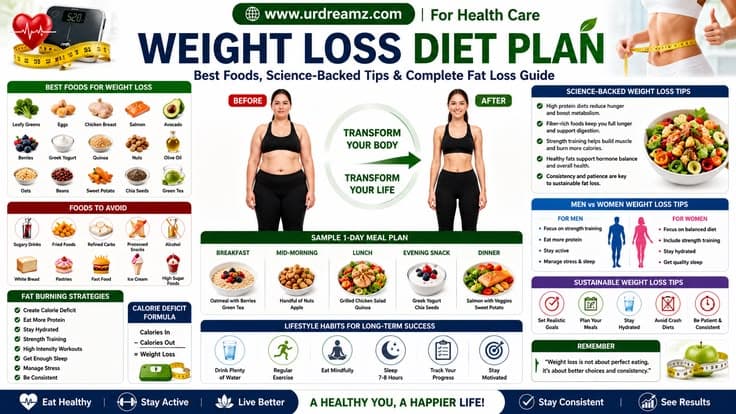
Weight Loss Diet Plan: Best Foods, Science-Backed Tips & Complete Fat Loss Guide
Whether you are just beginning your weight loss journey or looking to break through a plateau, this comprehensive guide covers everything you need to know — from the science of fat loss and the best foods to eat, to meal plans, exercise strategies, and sustainable lifestyle habits for men and women alike.
1. What Is Weight Loss? The Science Behind Fat Loss
Weight loss occurs when your body uses more energy (calories) than it takes in from food and drink. When this deficit exists consistently over time, your body turns to stored fat as a fuel source, resulting in a reduction of body fat and overall body weight. Understanding the biology behind this process is the first step toward achieving lasting results.
Your body's total daily energy expenditure (TDEE) consists of three major components: your Basal Metabolic Rate (BMR), which is the energy needed to keep your organs functioning at rest; the Thermic Effect of Food (TEF), which is the energy used to digest and process what you eat; and your physical activity level, which includes both exercise and daily movement like walking or standing.
Fat is stored in adipose tissue as triglycerides. When you create a calorie deficit, hormones like glucagon and epinephrine signal fat cells to release these triglycerides into the bloodstream, where they are transported to tissues and organs and burned for energy. This process — called lipolysis — is at the heart of every successful fat loss strategy.
| Term | Definition | Why It Matters |
|---|---|---|
| BMR (Basal Metabolic Rate) | Calories burned at complete rest | Largest component of your daily calorie burn |
| TDEE (Total Daily Energy Expenditure) | Total calories burned per day | Used to calculate your calorie deficit target |
| Caloric Deficit | Consuming fewer calories than you burn | The fundamental requirement for fat loss |
| Lipolysis | The breakdown of stored fat for energy | The biological mechanism of fat burning |
| Thermic Effect of Food (TEF) | Calories burned digesting food | Protein has the highest TEF (20–30%) |
| Adipose Tissue | Body fat storage cells | Where triglycerides are stored and released |
2. Caloric Deficit: The Foundation of Weight Loss
A caloric deficit is created when you consume fewer calories than your body needs to maintain its current weight. This single concept is the foundation of every successful weight loss approach, regardless of the specific diet or plan you follow. Without a calorie deficit, no diet — whether low-carb, high-protein, or Mediterranean — will result in weight loss.
To lose approximately 0.5 kg (1 lb) of fat, you need to create a deficit of roughly 3,500 calories over time. This translates to a daily deficit of about 500 calories to lose 0.5 kg per week, or 750–1,000 calories per day to lose around 1 kg per week. However, very large deficits are not recommended as they can lead to muscle loss, nutrient deficiencies, and metabolic adaptation.
The most sustainable approach is to combine a moderate reduction in food intake with an increase in physical activity. For example, cutting 300 calories from your diet and burning an additional 200 calories through exercise creates a 500-calorie daily deficit without feeling overly restrictive.
| Daily Deficit | Weekly Deficit | Projected Fat Loss per Week | Recommended? |
|---|---|---|---|
| 250 calories | 1,750 calories | ~0.25 kg (0.5 lb) | Yes — very gentle |
| 500 calories | 3,500 calories | ~0.5 kg (1 lb) | Yes — ideal for most |
| 750 calories | 5,250 calories | ~0.75 kg (1.5 lbs) | Yes — moderate pace |
| 1,000 calories | 7,000 calories | ~1 kg (2 lbs) | Yes — upper safe limit |
| 1,500+ calories | 10,500+ calories | >1.25 kg (2.5+ lbs) | No — risk of muscle loss |
3. Safe and Healthy Weight Loss Rate
According to health authorities including the Mayo Clinic and the CDC, the safest and most sustainable rate of weight loss is 0.5 to 1 kg (1 to 2 pounds) per week. Losing weight gradually not only preserves lean muscle mass but also makes it far more likely that the weight stays off long-term.
Losing weight too quickly — more than 1.5 kg (3 lbs) per week — can result in muscle loss, gallstones, nutritional deficiencies, fatigue, hair loss, and metabolic slowdown. Crash diets that promise dramatic rapid results almost always lead to rebound weight gain once the diet ends.
Think of weight loss as a marathon, not a sprint. Small, consistent changes in eating habits and activity levels compound over weeks and months into significant, lasting fat loss results. Setting realistic, time-bound goals like "lose 4–6 kg in 8 weeks" is far more effective than chasing extreme short-term outcomes.
| Goal | Timeframe | Safe Weekly Loss | Strategy |
|---|---|---|---|
| Lose 5 kg | 5–10 weeks | 0.5–1 kg/week | 500 cal/day deficit + light exercise |
| Lose 10 kg | 10–20 weeks | 0.5–1 kg/week | Balanced diet + cardio + strength training |
| Lose 20 kg | 5–10 months | 0.5–1 kg/week | Structured meal plan + regular activity |
| Lose 30+ kg | 9–18 months | 0.5–1 kg/week | Medical supervision + lifestyle overhaul |
4. Weight Loss Basics: Key Principles Every Beginner Must Know
Before diving into specific diets or exercise routines, every beginner needs to understand the fundamental principles that govern successful, sustainable weight loss. These principles apply regardless of gender, age, or body type.
- Calories In vs. Calories Out: Your body weight is ultimately determined by the balance between the calories you consume and the calories you burn. No food is inherently "fat-making" unless it contributes to a caloric surplus.
- Macronutrients Matter: Protein, carbohydrates, and fats all play important roles. Prioritizing protein while moderating refined carbs and unhealthy fats is the most effective macro strategy for fat loss.
- Consistency Beats Perfection: A slightly imperfect plan followed consistently for 12 weeks will produce far better results than a perfect plan followed for 3 days. Building sustainable habits is more important than short-term dietary purity.
- Exercise Amplifies Results: While diet is responsible for the majority of weight loss, exercise helps preserve muscle, boosts metabolism, improves mental health, and makes weight maintenance far easier.
- Lifestyle Factors Are Critical: Sleep quality, stress levels, and hydration directly impact hunger hormones and fat storage. Neglecting these factors will sabotage even the best diet and exercise plan.
- Track Your Progress: Keeping a simple food and activity journal, even for just 2–3 weeks, dramatically increases awareness of eating habits and helps identify patterns that contribute to weight gain.
5. Best Weight Loss Diet Plans Overview
There is no single "best" diet for weight loss that works for everyone. The most effective diet is the one you can follow consistently and that keeps you in a caloric deficit while providing adequate nutrition. Below is a comparison of the most popular and evidence-supported diet plans.
| Diet Plan | Core Principle | Best For | Pros | Cons |
|---|---|---|---|---|
| Low-Calorie Diet (1200–1500 cal) | Restrict total daily calories | General weight loss beginners | Flexible, well-studied | Can feel restrictive |
| High-Protein Diet | 30–40% calories from protein | Preserving muscle while losing fat | Reduces appetite, preserves muscle | Can be expensive |
| Mediterranean Diet | Whole foods, healthy fats, lean protein | Heart health + gradual fat loss | Nutrient-rich, sustainable | Slower weight loss |
| Intermittent Fasting | Restrict eating to specific windows | People who skip meals naturally | Simple, no calorie counting | Not suitable for everyone |
| Low-Carb / Keto | Very low carbohydrate intake (<50g/day) | Rapid initial fat loss | Fast early results | Restrictive, can cause fatigue |
| DASH Diet | Low sodium, heart-healthy foods | Hypertension + weight loss | Balanced, medically recommended | Requires careful planning |
| Plant-Based Diet | Fruits, vegetables, legumes, grains | Environmental + health goals | High fiber, anti-inflammatory | Requires protein planning |
6. Low-Calorie Diet Plan (1200 Calories)
A 1200-calorie diet is one of the most widely recommended approaches for women seeking weight loss, as it creates a meaningful caloric deficit while still providing enough nutrition to support bodily functions. For most men, 1500–1800 calories is a more appropriate minimum to avoid muscle loss and nutritional deficiencies.
On a 1200-calorie plan, every calorie counts, so food choices must be nutrient-dense. Fill your plate with lean proteins, vegetables, fruits, and whole grains. Avoid wasting calories on sugary drinks, processed snacks, or fried foods.
A well-designed 1200-calorie Indian diet plan might include oats porridge with fruit for breakfast, dal and roti with salad for lunch, roasted chickpeas as a snack, and grilled paneer with sabzi and small portion of brown rice for dinner. The same principles apply to non-Indian meal plans — prioritize protein and fiber at every meal.
7. 1500-Calorie 7-Day Meal Plan
A 1500-calorie meal plan is suitable for most moderately active women and some sedentary men. It allows for greater variety and is easier to sustain long-term compared to a 1200-calorie plan. Below is a sample 7-day framework.
| Day | Breakfast | Lunch | Snack | Dinner |
|---|---|---|---|---|
| Day 1 | Oatmeal with berries + black coffee | Grilled chicken salad + whole grain bread | Greek yogurt + walnuts | Baked salmon + steamed broccoli + quinoa |
| Day 2 | Scrambled eggs (2) + whole wheat toast + fruit | Lentil soup + side salad | Apple + almond butter | Stir-fried tofu + vegetables + brown rice |
| Day 3 | Smoothie (spinach, banana, protein powder, almond milk) | Turkey wrap + cucumber slices | Handful of mixed nuts | Grilled chicken breast + roasted sweet potato + green beans |
| Day 4 | Idli (3) + sambar + coconut chutney | Dal + 2 rotis + sabzi + curd | Roasted makhana + green tea | Paneer tikka + salad + millet pulao |
| Day 5 | Avocado toast (whole grain) + boiled egg | Tuna salad + mixed greens | Carrot sticks + hummus | Beef kebabs (lean) + roasted vegetables + quinoa |
| Day 6 | Besan chilla (2) + mint chutney + fruit | Chicken soup + whole grain crackers | Greek yogurt with flaxseeds | Grilled fish + palak sabzi + 1 roti |
| Day 7 | Poha with vegetables + herbal tea | Rajma (kidney beans) + brown rice + salad | Seasonal fruit + a few almonds | Grilled paneer + methi dal + 1 roti |
8. High-Protein Diet Plan for Fat Loss
Protein is the most important macronutrient for weight loss. It has the highest thermic effect of any macronutrient, meaning your body burns more calories digesting protein (20–30%) compared to carbohydrates (5–10%) or fats (0–3%). Protein also promotes satiety, reduces hunger hormones like ghrelin, and is critical for preserving lean muscle mass during a caloric deficit.
For fat loss, aim to consume 1.6–2.2 grams of protein per kilogram of body weight daily. For a 70 kg person, this translates to 112–154 grams of protein per day. Spread this intake across 3–5 meals for optimal muscle protein synthesis.
Best high-protein foods include eggs, chicken breast, turkey, salmon, tuna, Greek yogurt, cottage cheese, lentils, chickpeas, tofu, tempeh, and low-fat paneer. Combining these with fiber-rich vegetables creates satisfying, calorie-efficient meals that support steady fat loss.
9. Mediterranean Diet for Weight Loss
The Mediterranean diet is consistently ranked among the healthiest and most sustainable eating patterns in the world. It emphasizes whole, minimally processed foods including olive oil, fish, legumes, vegetables, fruits, whole grains, and moderate amounts of dairy and lean meats. Red meat, sweets, and processed foods are consumed rarely.
Research consistently shows that following a Mediterranean-style diet reduces the risk of heart disease, type 2 diabetes, and obesity. For weight loss specifically, its high fiber and healthy fat content promotes satiety, while its emphasis on whole foods naturally limits caloric intake without strict counting.
Key components include extra-virgin olive oil as the primary fat source, fatty fish like salmon or sardines 2–3 times per week, generous servings of vegetables at every meal, legumes as a primary protein source, moderate red wine consumption (optional), and very limited processed or refined foods.
10. Intermittent Fasting for Weight Loss
Intermittent fasting (IF) is not a diet in the traditional sense — it is an eating pattern that cycles between periods of eating and fasting. The most popular approach is the 16:8 method, where you fast for 16 hours and eat within an 8-hour window (for example, eating between 12 PM and 8 PM). Other approaches include the 5:2 method (eating normally 5 days per week and restricting calories to 500–600 on 2 non-consecutive days).
IF promotes weight loss primarily by reducing overall caloric intake — it is simply harder to eat as many calories in a shorter window. It may also improve insulin sensitivity, enhance fat oxidation, and reduce inflammatory markers, though more long-term research is needed on these effects.
IF is not suitable for everyone. Pregnant or breastfeeding women, people with a history of eating disorders, individuals with certain medical conditions like diabetes, and children or teenagers should not practice intermittent fasting without medical supervision.
11. The 37 Best Foods for Weight Loss
The best foods for weight loss are nutrient-dense, high in protein and/or fiber, relatively low in calories, and highly satiating. Including these foods regularly in your diet makes it easier to stay in a calorie deficit without feeling hungry or deprived.
| # | Food | Key Benefit | Calories (per 100g) |
|---|---|---|---|
| 1 | Eggs | High protein, extremely satiating | ~155 |
| 2 | Chicken Breast (skinless) | Lean protein, low fat | ~165 |
| 3 | Salmon | Omega-3 fats + protein, boosts metabolism | ~208 |
| 4 | Tuna (in water) | High protein, very low calorie | ~108 |
| 5 | Greek Yogurt (plain) | Protein + probiotics, reduces hunger | ~59 |
| 6 | Cottage Cheese | High protein, filling, low in fat | ~98 |
| 7 | Lentils (dal) | Protein + fiber, plant-based powerhouse | ~116 (cooked) |
| 8 | Chickpeas | Fiber + protein, stabilizes blood sugar | ~164 (cooked) |
| 9 | Black Beans | High fiber, slows digestion | ~132 (cooked) |
| 10 | Tofu | Plant protein, very low calorie | ~76 |
| 11 | Low-fat Paneer | Protein + calcium, Indian staple | ~265 |
| 12 | Turkey (lean) | Very lean protein source | ~189 |
| 13 | Oats | Beta-glucan fiber, long-lasting satiety | ~389 (dry) |
| 14 | Quinoa | Complete protein + complex carb | ~120 (cooked) |
| 15 | Brown Rice | Complex carbs, more fiber than white rice | ~216 (cooked) |
| 16 | Sweet Potato | High fiber, natural sweetness, filling | ~86 |
| 17 | Boiled Potato | Most satiating food on Satiety Index | ~87 |
| 18 | Spinach | Very low calorie, high in iron and fiber | ~23 |
| 19 | Kale | Dense nutrition, extremely low calorie | ~49 |
| 20 | Broccoli | High fiber + protein for a vegetable | ~55 |
| 21 | Cauliflower | Low carb substitute for rice/flour | ~25 |
| 22 | Cucumber | Very low calorie, high water content | ~15 |
| 23 | Zucchini | Low calorie, versatile | ~17 |
| 24 | Bell Peppers | High in vitamin C, low calorie | ~31 |
| 25 | Mushrooms | Meaty texture, very low calorie | ~22 |
| 26 | Berries (blueberries, strawberries) | High fiber + antioxidants, low sugar | ~32–57 |
| 27 | Apple | Pectin fiber, high water content | ~52 |
| 28 | Pear | Soluble fiber, filling | ~57 |
| 29 | Grapefruit | May reduce insulin levels, low calorie | ~42 |
| 30 | Watermelon | Very high water content, low calorie | ~30 |
| 31 | Avocado | Healthy monounsaturated fats, very filling | ~160 |
| 32 | Almonds | Healthy fats + protein, portion-controlled snack | ~579 |
| 33 | Chia Seeds | Soluble fiber absorbs water, extremely filling | ~486 |
| 34 | Flaxseeds | Omega-3s + fiber, hormonal balance | ~534 |
| 35 | Green Tea | EGCG antioxidants may slightly boost metabolism | ~0 |
| 36 | Apple Cider Vinegar | May improve satiety, stabilizes blood sugar | ~22 |
| 37 | Whole Wheat / Multigrain Roti | Complex carbs + fiber vs. refined flour | ~264 |
12. High-Protein Foods for Weight Loss
Protein is often called the king of macronutrients for weight loss. It reduces levels of the hunger hormone ghrelin while boosting levels of satiety hormones like peptide YY and GLP-1. Studies show that people who eat a high-protein diet naturally eat fewer calories throughout the day without actively trying to restrict intake.
Additionally, protein has a powerful effect on preserving muscle mass during weight loss. Since muscle tissue is metabolically active — burning calories even at rest — preserving muscle while losing fat keeps your metabolism higher and makes long-term weight maintenance much easier.
Top sources of lean protein include: eggs (6g per egg), skinless chicken breast (31g per 100g), canned tuna in water (25g per 100g), Greek yogurt (10g per 100g), lentils (9g per 100g cooked), black beans (8.9g per 100g cooked), and cottage cheese (11g per 100g). Distribute your protein intake across 3–5 meals per day for maximum benefit.
13. High-Fiber Foods for Weight Loss
Dietary fiber is indispensable for weight loss. It slows the rate at which food moves through your digestive system, prolongs feelings of fullness, stabilizes blood sugar levels, feeds beneficial gut bacteria, and reduces the risk of overeating. Both soluble fiber (which forms a gel in your gut and slows digestion) and insoluble fiber (which adds bulk and speeds up transit time) contribute to weight management.
The recommended daily fiber intake is 25 grams for women and 38 grams for men. Most people consume only 15 grams per day — a significant shortfall that contributes to increased hunger, blood sugar spikes, and difficulty losing weight.
Top fiber-rich foods for weight loss include oats (10g per 100g dry), chia seeds (34g per 100g), lentils (7.9g per 100g cooked), black beans (8.7g per 100g cooked), split peas, broccoli, avocado (6.7g per 100g), pears (3.1g), apples (2.4g), and psyllium husk (67g per 100g). Adding even 5–10 extra grams of fiber per day can measurably reduce daily caloric intake.
14. Best Fruits for Weight Loss
Many people fear fruit when trying to lose weight due to its natural sugar content. However, whole fruits are very different from refined sugars and fruit juices. The fiber in whole fruit slows the absorption of fructose, preventing blood sugar spikes and providing lasting energy. Fruits are also high in water content and antioxidants, making them excellent low-calorie food choices.
| Fruit | Calories per 100g | Key Nutrient | Weight Loss Benefit |
|---|---|---|---|
| Berries (blueberries, strawberries, raspberries) | 32–57 | Antioxidants, fiber | Low sugar, high fiber, reduce inflammation |
| Apple | 52 | Pectin (soluble fiber) | Increases satiety, reduces calorie intake at next meal |
| Grapefruit | 42 | Naringenin antioxidant | May improve insulin sensitivity |
| Watermelon | 30 | Water (92%), lycopene | Very filling for very few calories |
| Papaya | 43 | Papain enzyme, vitamin C | Aids digestion, anti-inflammatory |
| Pear | 57 | Soluble fiber | One of the most filling fruits |
| Guava | 68 | Dietary fiber, vitamin C | High fiber, low glycemic index |
| Kiwi | 61 | Vitamin C, fiber | Improves digestion, may reduce belly fat |
| Orange | 47 | Vitamin C, pectin | Filling, hydrating, low calorie |
15. Best Vegetables for Weight Loss
Vegetables are the cornerstone of any effective weight loss diet. They are extraordinarily low in calories but high in water, fiber, vitamins, and minerals. You can eat large, visually satisfying portions of most vegetables while consuming very few calories — making them the ultimate tool for managing hunger on a caloric deficit.
Non-starchy vegetables like spinach, kale, cucumber, zucchini, bell peppers, mushrooms, broccoli, and cauliflower can be eaten in virtually unlimited quantities. They provide volume and nutrients without meaningfully contributing to your caloric intake. Aim to fill at least half your plate with non-starchy vegetables at every meal.
Starchy vegetables like sweet potato, corn, peas, and carrots are higher in calories but still far healthier than processed carbohydrates. They provide valuable fiber, vitamins, and slow-digesting complex carbs that support sustained energy and fat loss.
16. Healthy Fats That Support Fat Loss
Contrary to older nutritional beliefs, dietary fat does not directly cause body fat accumulation — excess calories do. In fact, healthy fats from whole food sources play a critical role in weight loss by promoting satiety, supporting hormone production, aiding the absorption of fat-soluble vitamins (A, D, E, K), and reducing chronic inflammation that can impede fat loss.
The key is to choose unsaturated fats (monounsaturated and polyunsaturated) over saturated and trans fats. Excellent sources of healthy fats for weight loss include: avocados, olive oil, almonds, walnuts, chia seeds, flaxseeds, fatty fish (salmon, mackerel, sardines), and natural peanut butter. Because healthy fats are calorie-dense (9 calories per gram vs. 4 calories per gram for protein and carbs), portion control is important even with healthy fat sources.
17. The 23 Foods to Avoid for Weight Loss
Certain foods and beverages make weight loss dramatically harder by providing empty calories, spiking blood sugar, promoting fat storage, or triggering cravings that lead to overeating. Identifying and minimizing these foods is just as important as adding more healthy choices to your diet.
| # | Food to Avoid | Why It Sabotages Weight Loss | Healthy Swap |
|---|---|---|---|
| 1 | Sugary Sodas and Cold Drinks | Massive liquid calories with zero nutrition, spike insulin | Water, sparkling water, or herbal tea |
| 2 | Fruit Juices (store-bought) | No fiber, high sugar — worse than eating whole fruit | Whole fruit or infused water |
| 3 | White Bread | Highly processed, rapidly spikes blood sugar | Whole grain or multigrain bread |
| 4 | White Rice (large portions) | High glycemic index, low fiber | Brown rice, quinoa, or millets |
| 5 | Candy and Sweets | Pure sugar + unhealthy fats, no nutritional value | Dark chocolate (70%+) in small amounts |
| 6 | French Fries and Potato Chips | Deep-fried, very high in calories and unhealthy fats | Baked sweet potato wedges |
| 7 | Pastries, Cakes, and Donuts | High in refined flour, sugar, and trans fats | Homemade oat-based energy balls |
| 8 | Ice Cream | High sugar + saturated fat combination promotes fat storage | Frozen banana "nice cream" or Greek yogurt |
| 9 | Alcohol (especially beer) | Empty calories, impairs fat metabolism, increases appetite | Sparkling water with lemon |
| 10 | Margarine and Trans Fats | Promotes inflammation, harmful to cardiovascular health | Avocado or olive oil |
| 11 | Processed Meats (bacon, sausages) | High sodium + saturated fats, linked to obesity | Grilled chicken breast or turkey |
| 12 | Fast Food Burgers | Extremely calorie-dense, full of unhealthy fats and sodium | Homemade lean turkey or veggie burger |
| 13 | Instant Noodles | Refined flour, high sodium, very low nutritional value | Whole grain pasta with vegetables |
| 14 | Packaged Breakfast Cereals | Often loaded with hidden sugars despite health claims | Plain oatmeal with fruit and nuts |
| 15 | Flavored Yogurt | Added sugars can exceed those in desserts | Plain Greek yogurt with fresh fruit |
| 16 | Granola Bars | Often marketed as healthy but packed with sugar and calories | Handful of mixed nuts and a piece of fruit |
| 17 | Coffee Drinks (flavored lattes, frappes) | Can contain 300–600+ calories in liquid form | Black coffee or americano |
| 18 | Store-Bought Smoothies | Hidden sugar and calorie content can exceed a full meal | Homemade smoothie with protein and greens |
| 19 | Energy Drinks | High caffeine + sugar, spikes then crashes blood sugar | Green tea or black coffee |
| 20 | Maida / Refined Flour Products | Rapidly digested, promotes fat storage and blood sugar spikes | Whole wheat atta products |
| 21 | Fried Snacks (samosa, pakora, chips) | High calorie density, trans fats from reused cooking oil | Baked or air-fried versions, roasted makhana |
| 22 | High-Fat Dairy (cream, full-fat cheese) | Very calorie-dense, easy to overconsume | Low-fat Greek yogurt, reduced-fat paneer |
| 23 | Sports Drinks | Designed for endurance athletes — unnecessary sugar for casual exercisers | Water with a pinch of Himalayan salt and lemon |
18. Sugary Drinks and Weight Gain
Liquid calories are one of the most overlooked drivers of weight gain. Unlike solid food, beverages do not trigger the same satiety signals in the brain, meaning you can consume hundreds of extra calories from drinks without feeling any fuller. A single 500ml bottle of cola contains approximately 210 calories and 52 grams of sugar — equivalent to 13 teaspoons of sugar — with absolutely no nutritional benefit.
Research shows that sugary drink consumption is strongly associated with increased risk of obesity, type 2 diabetes, fatty liver disease, and cardiovascular disease. The fructose in sugary drinks is metabolized primarily in the liver, where excess amounts are converted directly into fat — particularly visceral belly fat, which is the most dangerous type.
Replacing sugary beverages with water, unsweetened herbal teas, black coffee, or lemon water is one of the single most impactful changes you can make to support weight loss. Studies show this simple swap alone can reduce daily caloric intake by 200–400 calories.
19. Refined Carbohydrates and Belly Fat
Refined carbohydrates are grains that have been processed to remove their fiber-containing bran and nutrient-rich germ layers — leaving only the rapidly digestible starchy endosperm. Common examples include white flour, white bread, white rice, regular pasta, pastries, and most breakfast cereals. These foods are quickly digested, causing rapid spikes in blood sugar followed by crashes that trigger hunger and cravings.
Chronically high blood sugar from refined carb consumption leads to elevated insulin levels, and insulin is the primary fat-storage hormone in the body. High insulin promotes fat accumulation, particularly in the abdominal area (visceral fat), and inhibits the body's ability to access and burn stored fat for energy.
Replacing refined carbohydrates with whole grain alternatives (whole wheat, oats, brown rice, quinoa, millets) dramatically improves blood sugar control, increases fiber intake, prolongs satiety, and supports steady, sustainable fat loss — especially around the belly.
20. Processed Foods and Obesity
Ultra-processed foods (UPFs) — which now account for 50–60% of caloric intake in many developed countries — are specifically engineered by food manufacturers to be hyper-palatable: irresistibly tasty, easy to eat quickly, and nearly impossible to stop eating at a reasonable portion. They are typically high in refined sugar, unhealthy fats, sodium, and artificial flavors while being low in protein, fiber, and micronutrients.
Landmark research published in the journal Cell Metabolism found that people given unlimited access to ultra-processed foods ate approximately 500 more calories per day and gained weight compared to when they were given access to whole, minimally processed foods with matched macronutrient profiles. The key driver was not just caloric density — it was that processed foods were eaten faster and triggered less satiety per calorie consumed.
A practical rule for avoiding ultra-processed foods is to focus on single-ingredient or minimally processed foods: foods that look like what they are — a piece of chicken, a handful of almonds, a bowl of oatmeal. The more a food has been altered from its natural state, the more cautiously it should be approached during a weight loss effort.
21. Full Day Diet Plan for Weight Loss
Understanding not just what to eat but when to eat — and how to structure your full day of nutrition — is a powerful tool for managing hunger and optimizing fat loss. Below is a structured full-day plan for a 1400-calorie weight loss diet appropriate for most moderately active individuals.
| Time | Meal | Food | Approx. Calories |
|---|---|---|---|
| 6:30 AM | Morning Drink | Warm water with lemon OR green tea (no sugar) | 5 |
| 7:30 AM | Breakfast | Oatmeal (40g) with 1 tsp honey, berries, and 1 boiled egg | 320 |
| 10:30 AM | Mid-Morning Snack | 1 apple + a small handful of almonds (10g) | 120 |
| 1:00 PM | Lunch | 1 cup dal + 2 whole wheat rotis + mixed vegetable sabzi + salad | 420 |
| 4:00 PM | Evening Snack | Green tea + roasted makhana (20g) OR Greek yogurt | 100 |
| 7:30 PM | Dinner | Grilled chicken (100g) OR paneer (80g) + 1 roti + palak sabzi + salad | 380 |
| 9:00 PM | Optional | Warm turmeric milk (low-fat) if hungry | 55 |
| Total | ~1,400 | ||
22. Best Breakfast for Weight Loss
Breakfast is often called the most important meal of the day for weight loss because it sets the nutritional tone for the rest of your day. A high-protein, high-fiber breakfast reduces hunger hormones, prevents mid-morning energy crashes, and significantly reduces total caloric intake throughout the day. Studies show that people who eat a nutritious breakfast are less likely to overeat at lunch and dinner.
The worst breakfasts for weight loss are those high in refined carbohydrates and sugar but low in protein — think sugary cereals, white bread toast with jam, sweetened juices, or processed biscuits. These spike blood sugar rapidly, causing a crash within 1–2 hours that drives intense hunger and cravings for more sugary foods.
The best breakfasts for weight loss combine protein (eggs, Greek yogurt, paneer, lentils) with fiber (oats, whole grain bread, fruits, vegetables) and a small amount of healthy fat. Examples: oatmeal with berries and a boiled egg; besan chilla with mint chutney and cucumber; Greek yogurt parfait with chia seeds and fruit; or scrambled eggs on whole wheat toast with avocado.
23. Healthy Lunch Ideas for Fat Loss
Lunch is typically the meal where calorie intake can escalate significantly, especially for people who rely on restaurant food, canteen meals, or convenient packaged options. Planning and preparing your lunch in advance is one of the most effective strategies for maintaining a caloric deficit during the workday.
An ideal weight loss lunch contains a large portion of non-starchy vegetables, a palm-sized serving of lean protein, a fist-sized serving of complex carbohydrates, and a small amount of healthy fat. This combination creates a meal that is nutritionally complete, calorie-moderate, and highly satiating — preventing afternoon hunger and snack cravings.
Great lunch options include: dal with 2 rotis and sabzi; a large grilled chicken salad with olive oil dressing; quinoa bowl with roasted vegetables and feta; tuna or chickpea wrap in whole wheat tortilla; lentil soup with whole grain bread; or a brown rice bowl with stir-fried tofu and vegetables.
24. Best Dinner for Weight Loss
Dinner is the meal most likely to derail weight loss goals because it tends to be the largest meal of the day, eaten late, when activity levels are lowest. Shifting the balance of your daily calories toward earlier meals — eating more at breakfast and lunch, and keeping dinner lighter — is associated with greater weight loss and better metabolic health.
An ideal weight loss dinner should be consumed at least 2–3 hours before bedtime and should emphasize protein and vegetables over starchy carbohydrates. Reducing dinner carbs (while keeping them at lunch and breakfast) is a simple strategy that significantly reduces late-night caloric intake without requiring major dietary changes.
Excellent dinner choices: grilled salmon with steamed broccoli and a small portion of quinoa; chicken stir-fry with colorful vegetables; palak paneer with one roti; vegetable soup with a boiled egg; baked cod with roasted asparagus; or a large salad with grilled tofu, nuts, and vinaigrette dressing.
25. Healthy Snacks for Weight Loss
Strategic snacking — choosing nutrient-dense snacks at the right times — prevents the extreme hunger that leads to overeating at main meals. The key is to choose snacks that provide protein and/or fiber, keeping you satisfied between meals without adding excessive calories to your daily total. Avoid the trap of "healthy-sounding" snacks like granola bars, trail mixes, or flavored rice cakes, which are often loaded with sugar and far more calorie-dense than they appear.
| Snack | Approximate Calories | Key Benefit |
|---|---|---|
| 1 medium apple + 1 tbsp almond butter | ~180 | Fiber + healthy fat, very filling |
| Plain Greek yogurt (150g) | ~88 | High protein, probiotic |
| Roasted makhana (30g) | ~112 | Low fat, crunchy, satisfying |
| A small handful of mixed nuts (25g) | ~160 | Protein + healthy fats |
| Boiled egg + cucumber slices | ~90 | High protein, very low calorie |
| Hummus (3 tbsp) + carrot and celery sticks | ~100 | Fiber + plant protein |
| Roasted chickpeas (30g) | ~120 | Protein + fiber, crunchy |
| Sprouts salad (1 cup) with lemon and salt | ~80 | High fiber + plant protein |
| Cottage cheese (paneer, 50g) + cherry tomatoes | ~95 | Protein + antioxidants |
| Green tea + 2 walnuts | ~35 | Metabolism support, anti-inflammatory |
26. Best Drinks for Weight Loss
What you drink has a profound impact on your weight loss results. Many people successfully clean up their diet only to continue consuming hundreds of liquid calories from beverages they do not even think of as "food." On the positive side, certain drinks can genuinely support fat loss by boosting hydration, increasing metabolic rate, reducing appetite, and improving gut health.
The single best drink for weight loss is plain water. Drinking 500ml of water before meals has been shown in clinical studies to reduce calorie intake at that meal and increase fat burning over the following hour. Green tea is a close second — its EGCG catechins, combined with natural caffeine, have been shown in multiple studies to modestly increase fat oxidation and metabolic rate. Black coffee similarly boosts short-term metabolism and fat burning. Lemon water, apple cider vinegar diluted in water, and ginger-infused water may also support satiety and digestion when consumed regularly.
Drinks to completely avoid or strictly limit during weight loss: regular sodas, fruit juices, sweetened teas or coffees, energy drinks, milky chai with sugar, alcohol, sports drinks, and flavored smoothies with added sugars.
27. Portion Control Guide
You do not necessarily need to count calories to lose weight — but you do need to be aware of portion sizes. Portion distortion is a major driver of unintentional overeating in modern society, where restaurant serving sizes, packaged food portions, and our own plate sizes have grown dramatically over the past 40 years. Using simple hand-based visual guides makes portion control practical and accessible without needing measuring cups or food scales.
| Food Group | Recommended Portion | Visual Guide | Example |
|---|---|---|---|
| Lean Protein | 1 portion per meal | Palm of your hand (thickness + size) | Chicken breast, fish fillet, paneer |
| Starchy Carbohydrates | 1 portion per meal | Closed fist | Brown rice, roti, oats, quinoa |
| Non-Starchy Vegetables | 2+ portions per meal | Two open hands cupped together | Spinach, broccoli, cucumber, sabzi |
| Healthy Fats | 1 portion per meal | Thumb (tip to base) | Avocado, olive oil, nut butter |
| Nuts and Seeds | 1 snack portion | One small closed fist | Almonds, walnuts, pumpkin seeds |
| Dairy | 1 portion | One cupped hand | Greek yogurt, cottage cheese, low-fat milk |
28. Calorie Counting for Beginners
While not mandatory, tracking calories — even temporarily for 2–4 weeks — is one of the most powerful tools for understanding your eating habits and achieving weight loss. Research consistently shows that people dramatically underestimate their caloric intake, often by 30–50%. Simply becoming aware of the actual caloric content of the foods you regularly eat is frequently enough to motivate significant dietary changes.
To calculate your calorie target: first estimate your TDEE using an online calculator (which accounts for your age, sex, height, weight, and activity level), then subtract 500–750 calories from this number to create a deficit that will result in 0.5–0.75 kg of fat loss per week. This is your daily calorie target. Track your intake using apps like MyFitnessPal, Cronometer, or LoseIt! for 2–4 weeks to gain insight into your eating patterns.
Key calorie counting tips: weigh your food with a kitchen scale rather than estimating volumes; log everything including sauces, cooking oils, and condiments, which are among the most commonly forgotten sources of hidden calories; and be consistent — track weekends as diligently as weekdays, since weekend eating is where most diets silently fail.
29. Meal Prep for Weight Loss
Meal preparation — cooking and portioning food in advance, typically once or twice per week — is one of the most practical and effective strategies for consistently eating healthy, calorie-controlled meals. Research published in the International Journal of Behavioral Nutrition and Physical Activity found that people who spent more time preparing food at home had significantly healthier diets and lower rates of obesity.
The premise is simple: when healthy food is already prepared and readily available, you are far less likely to resort to convenient but calorie-laden alternatives like fast food, processed snacks, or restaurant takeout. Having pre-portioned meals and healthy snacks in the refrigerator removes the decision fatigue that leads to poor food choices when you are hungry and time-pressed.
A practical meal prep routine: set aside 1.5–2 hours on Sunday and optionally Wednesday. Batch-cook proteins (grilled chicken, boiled eggs, baked salmon, dal), prepare complex carbs (cooked brown rice, quinoa, roasted sweet potato), wash and chop vegetables, and portion snacks (nuts, yogurt, fruit) into containers. This gives you the building blocks to assemble fast, nutritious meals throughout the week without any additional cooking effort.
30. Fat Burning: How It Works
Fat burning (technically called fat oxidation) is the process by which your body breaks down triglycerides stored in fat cells and uses the resulting fatty acids and glycerol as fuel for energy. This process is governed by hormones, primarily insulin and glucagon, and is significantly influenced by your diet, exercise habits, sleep quality, and stress levels.
When you eat, insulin levels rise to help shuttle glucose into cells for energy. While insulin is elevated, fat burning is suppressed. In between meals, when insulin drops, glucagon rises and signals fat cells to release stored fatty acids into the bloodstream. This is why longer gaps between meals (not necessarily full fasting, but simply avoiding constant snacking) can support fat burning.
Exercise — particularly aerobic exercise at moderate intensity and resistance training — dramatically increases fat oxidation both during the exercise session and in the hours afterward (known as the afterburn effect or EPOC: Excess Post-Exercise Oxygen Consumption). Combining regular exercise with a moderate caloric deficit and adequate sleep creates the optimal hormonal environment for sustained fat burning.
31. How to Burn Belly Fat Naturally
Belly fat — particularly visceral fat (the fat stored deep around your organs in the abdominal cavity) — is the most metabolically dangerous type of body fat, strongly associated with increased risk of type 2 diabetes, heart disease, and certain cancers. Unfortunately, you cannot "spot reduce" fat — there is no exercise or food that exclusively burns belly fat. However, a consistent caloric deficit combined with the right strategies leads to fat loss from all areas of the body, including the belly.
The most effective strategies for reducing belly fat are: creating a sustained caloric deficit; increasing protein intake (protein specifically reduces visceral fat accumulation); including both aerobic exercise (cardio) and resistance training in your weekly routine; dramatically reducing refined carbohydrates and added sugars; managing stress (high cortisol from chronic stress specifically drives visceral fat accumulation); and prioritizing 7–9 hours of quality sleep per night.
Foods particularly associated with belly fat reduction include fiber-rich foods, green tea, protein-rich foods, and anti-inflammatory foods like fatty fish, berries, and olive oil. Foods most associated with belly fat accumulation include sugary beverages, refined carbohydrates, trans fats, and alcohol.
32. Metabolism Boosting Tips
Your metabolism is the sum of all chemical processes in your body that convert food into energy. A higher metabolic rate means you burn more calories at rest — making weight loss easier and weight maintenance more forgiving. While genetics play a role in base metabolic rate, several evidence-backed strategies can meaningfully increase your metabolic rate.
| Strategy | Effect on Metabolism | Notes |
|---|---|---|
| Strength Training / Building Muscle | Increases BMR significantly | 1 kg of muscle burns ~13 cal/day at rest |
| High-Protein Diet | Increases TEF by 20–30% | Most powerful dietary metabolism booster |
| HIIT Exercise | Raises metabolism for 12–48 hours post-workout (EPOC) | More effective than steady-state cardio for afterburn |
| Cold Exposure | Activates brown fat, increases calorie burning | Cold showers, cool sleeping environments |
| Green Tea / Coffee | 3–11% temporary increase in fat oxidation | Most effective without added sugar |
| Adequate Sleep (7–9 hrs) | Prevents metabolic slowdown from sleep deprivation | Sleep deprivation can reduce metabolism by 5–20% |
| Staying Hydrated | Drinking 500ml water increases metabolism by ~30% for 1 hour | Preferably cold water for maximum effect |
| Eating Enough (no crash dieting) | Prevents metabolic adaptation | Severe calorie restriction reduces metabolism long-term |
33. Best Exercises for Weight Loss
Exercise is a powerful complement to dietary changes for weight loss. While diet creates the caloric deficit necessary for fat loss, exercise preserves and builds metabolically active muscle tissue, improves cardiovascular health, elevates mood through endorphin release, and makes long-term weight maintenance far more achievable.
The best exercise approach for weight loss combines cardiovascular (aerobic) exercise for calorie burning and heart health with resistance training for muscle preservation and metabolic enhancement. Aiming for at least 150–300 minutes of moderate aerobic activity per week plus 2–3 resistance training sessions represents the evidence-based sweet spot for fat loss and overall health.
Top fat-burning exercises: brisk walking (330 cal/hour for a 70kg person), running (600+ cal/hour), cycling (500 cal/hour), swimming (400–700 cal/hour), HIIT circuits (400–600 cal/30 minutes), jump rope (600–800 cal/hour), and strength training (250–450 cal/hour, with significant additional afterburn).
34. Walking vs Running for Fat Loss
One of the most common questions beginners ask is whether they should walk or run for weight loss. The honest answer is that both are excellent — the best choice depends on your current fitness level, joint health, time availability, and personal preference. The most effective exercise for weight loss is the one you will actually do consistently.
Walking burns fewer calories per minute than running, but it is sustainable for much longer durations, has minimal injury risk, and can be incorporated easily into daily life (walking to work, taking stairs, walking after meals). A 30-minute brisk walk burns approximately 150–200 calories for a 70 kg person and provides significant cardiovascular and metabolic benefits. Daily walking of 8,000–10,000 steps is associated with meaningful fat loss and improved health markers when combined with a calorie-controlled diet.
Running burns significantly more calories per minute (approximately double walking at comparable speeds) and has a stronger afterburn effect. However, it carries higher injury risk for beginners who are overweight, requires more recovery time, and may suppress appetite less effectively than walking in some individuals. For beginners, starting with brisk walking and gradually transitioning to run-walk intervals (like the popular Couch to 5K program) is the safest and most effective approach.
35. Strength Training for Weight Loss
Strength training (also called resistance training or weight lifting) is often undervalued in weight loss programs but is actually one of the most powerful tools for achieving and maintaining a lean body composition. While cardio burns more calories during the exercise session itself, strength training creates a higher metabolic rate that persists for 24–72 hours afterward, and more importantly, it builds muscle — which burns calories 24/7, even while you sleep.
Research consistently shows that combining strength training with a caloric deficit results in greater fat loss and far superior body composition compared to caloric deficit plus cardio alone. Strength training helps ensure that the weight you lose comes from fat, not from muscle — preventing the "skinny fat" outcome that often results from diet-only or cardio-only weight loss approaches.
For beginners, 2–3 full-body strength training sessions per week using compound movements (squats, deadlifts, push-ups, rows, lunges, overhead press) is optimal. These exercises target multiple large muscle groups simultaneously, maximizing calorie burn and muscle stimulation per unit of time. Progressive overload — gradually increasing the weight, repetitions, or difficulty over time — is the key principle that drives continued improvement.
36. HIIT Workout for Fat Burning
High-Intensity Interval Training (HIIT) alternates short bursts of maximum or near-maximum effort exercise with brief recovery periods. A typical HIIT session lasts only 15–30 minutes but burns a comparable or greater number of calories as 45–60 minutes of steady-state cardio, making it the most time-efficient form of fat-burning exercise.
The key advantage of HIIT is the substantial afterburn effect (EPOC) it creates — your body continues burning elevated calories for up to 24–48 hours after a HIIT session as it repairs muscles and restores oxygen reserves. HIIT also significantly improves insulin sensitivity, cardiovascular fitness, and fat oxidation capacity. Research shows HIIT is particularly effective at reducing visceral belly fat compared to steady-state cardio of equal duration.
A sample beginner HIIT routine: warm up for 5 minutes with light walking, then alternate 30 seconds of maximum effort (sprinting, jumping jacks, high knees, burpees) with 60–90 seconds of active rest (slow walking) for 8–10 rounds, followed by a 5-minute cool-down. Begin with 2 HIIT sessions per week, allowing at least 48 hours of recovery between sessions.
37. Weight Loss for Men: Complete Guide
Men and women have meaningfully different physiologies that affect how they lose weight. Men generally have higher levels of testosterone, which supports greater muscle mass (typically 15–20% more than women of similar size). Since muscle tissue is metabolically more active than fat, men tend to have higher base metabolic rates and often lose weight faster than women on equivalent caloric deficits — particularly in the early weeks of a diet.
For men, the most effective weight loss approach combines a moderate caloric deficit (500–750 calories below TDEE) with a high-protein diet (1.8–2.5g protein per kg body weight) and a resistance training program 3–4 times per week. Protein is especially critical for men because it preserves the muscle mass that drives their metabolic advantage — losing muscle on a calorie deficit undermines long-term results.
Men are also more prone to visceral belly fat accumulation (the "beer belly"), which is strongly influenced by alcohol consumption, high refined carbohydrate intake, chronic stress, and poor sleep. Eliminating or dramatically reducing alcohol, cutting refined carbs, managing stress, and sleeping 7–9 hours per night are among the highest-impact changes men can make for belly fat reduction specifically.
| Factor | Men | Women |
|---|---|---|
| Average BMR | Higher (more muscle mass) | Lower (less muscle mass) |
| Fat distribution | Visceral / abdominal (android) | Subcutaneous / hips, thighs (gynoid) |
| Speed of initial weight loss | Faster (more water weight + muscle) | Slower |
| Hormonal influence | Testosterone supports muscle retention | Estrogen, progesterone affect fat distribution |
| Optimal calorie deficit | 500–750 cal/day | 300–500 cal/day (smaller body size) |
| Exercise priority | Strength training + HIIT | Mix of cardio + strength training |
38. Weight Loss for Women: Complete Guide
Women face unique biological challenges in losing weight. Hormones — particularly estrogen, progesterone, cortisol, and leptin — play a far more dominant role in regulating appetite, fat storage, and metabolism in women than in men. Fluctuations throughout the menstrual cycle significantly affect hunger, cravings, energy levels, and water retention, making the scale an unreliable short-term measure of fat loss progress for women.
Women tend to store more of their fat subcutaneously (under the skin, particularly in the hips, thighs, and buttocks) rather than viscerally. While this type of fat is less dangerous to metabolic health than visceral fat, it is also more resistant to diet and exercise, particularly in the premenopausal years when estrogen promotes its storage as a biological reserve for pregnancy and breastfeeding.
For women, the most effective weight loss strategies include a moderate caloric deficit (not extreme restriction, which can disrupt hormonal balance and menstrual cycles), adequate protein intake (1.4–2g/kg/day), regular strength training (particularly important to counteract the natural decline in muscle mass with aging), managing stress and sleep, and addressing any underlying hormonal conditions like PCOS, hypothyroidism, or insulin resistance that can make weight loss disproportionately difficult.
39. PCOS Weight Loss Diet Plan
Polycystic Ovary Syndrome (PCOS) affects an estimated 8–13% of reproductive-age women and is one of the most common causes of hormonal weight gain and difficulty losing weight in women. PCOS is characterized by insulin resistance, elevated androgen hormones, disrupted ovulation, and a heightened tendency to store fat — particularly in the abdominal area. Even modest weight loss of 5–10% of body weight can significantly improve PCOS symptoms, insulin sensitivity, hormonal balance, and fertility.
The most effective dietary approach for PCOS weight loss is a low-glycemic, anti-inflammatory diet that minimizes blood sugar spikes, reduces insulin resistance, and lowers systemic inflammation. This means prioritizing: complex carbohydrates with low glycemic index (oats, brown rice, sweet potato, legumes, whole grains), lean proteins (eggs, fish, chicken, tofu, lentils), healthy fats (avocado, nuts, olive oil, fatty fish), and non-starchy vegetables at every meal. Foods to minimize or eliminate: refined carbohydrates, sugar, processed foods, dairy (for some women — evidence is mixed), alcohol, and saturated fats.
Regular exercise — particularly a combination of strength training (which improves insulin sensitivity) and moderate cardio — is strongly recommended for women with PCOS. Managing chronic stress through yoga, meditation, or other stress reduction techniques is also particularly important, as cortisol worsens insulin resistance and androgen levels in women with PCOS.
40. Menopause Weight Loss Tips
The menopausal transition — typically occurring between ages 45–55 — brings significant hormonal changes, most notably the decline in estrogen, that profoundly affect body composition. Many women gain 2–5 kg of weight during the menopausal transition even without any change in diet or activity, and the pattern of fat distribution shifts — with fat increasingly accumulating in the abdominal area rather than the hips and thighs. This visceral fat accumulation increases cardiovascular disease risk.
The most effective strategies for weight loss during and after menopause include: increasing protein intake to counter the accelerated muscle loss that occurs post-menopause (aim for 1.6–2g protein per kg body weight); prioritizing strength training 3–4 times per week to preserve metabolically active muscle; reducing refined carbohydrates and added sugars which worsen insulin resistance (which naturally increases with menopause); managing sleep disruption (hot flashes and night sweats commonly disrupt sleep, which worsens weight gain); and addressing stress and emotional eating patterns that often increase during this life transition.
Some women benefit from discussing hormone replacement therapy (HRT) with their doctor, as evidence suggests HRT can help prevent or reduce menopause-related weight gain and the shift to abdominal fat distribution — though individual risks and benefits must be carefully evaluated.
41. Weight Loss After Pregnancy
Postpartum weight loss is a deeply personal process that should be approached with patience, compassion, and medical guidance. On average, women retain 1–5 kg of weight after pregnancy beyond their pre-pregnancy baseline, with some retaining significantly more. The timeline for postpartum weight loss varies greatly depending on pre-pregnancy weight, total gestational weight gain, breastfeeding status, activity level, sleep quality, and hormonal factors.
Breastfeeding supports weight loss for many women by burning an additional 300–500 calories per day, but this is not universal — some breastfeeding women retain fat stores that the body appears to protect for milk production until breastfeeding ends. Regardless of breastfeeding status, the postpartum period is not the time for extreme caloric restriction, which can compromise milk supply, energy levels, and recovery from childbirth.
A safe and sustainable postpartum weight loss approach involves waiting until 6–8 weeks postpartum (and receiving medical clearance), beginning with gentle walking and gradually increasing activity, eating a nutrient-dense whole food diet with adequate protein and calories to support energy and recovery, prioritizing sleep whenever possible, and seeking support for postpartum mental health, as depression and anxiety can significantly impede weight loss efforts.
42. Natural Weight Loss Methods
Natural weight loss methods focus on making sustainable lifestyle and dietary changes rather than relying on supplements, medications, or extreme interventions. These approaches support the body's innate metabolic processes and tend to produce slower but far more durable results compared to quick-fix approaches. The most evidence-supported natural weight loss methods include: creating a moderate caloric deficit through whole food nutrition, regular physical activity, adequate sleep, stress management, and staying well-hydrated.
Several natural remedies and foods have been studied for their potential role in supporting weight loss: green tea (EGCG catechins may modestly increase fat oxidation), apple cider vinegar (may improve satiety and insulin sensitivity), ginger (anti-inflammatory, may reduce hunger), turmeric (curcumin has anti-inflammatory and metabolic effects), cinnamon (may improve blood sugar control), and intermittent fasting (reduces caloric intake and may improve insulin sensitivity). However, it is important to note that none of these are "magic" solutions — they work as complements to a healthy diet and active lifestyle, not as substitutes.
43. Green Tea for Weight Loss
Green tea is one of the most extensively studied beverages for its potential role in supporting weight loss. It contains two key bioactive compounds relevant to fat loss: catechins (particularly EGCG, or epigallocatechin gallate) and caffeine. These compounds work synergistically to increase fat oxidation and modestly boost metabolic rate.
Research suggests that green tea extract can increase fat burning by approximately 10–16% during moderate-intensity exercise, and may increase overall metabolic rate by 3–8% when consumed regularly. While these are modest effects, they can compound meaningfully over weeks and months when combined with a caloric deficit and regular exercise.
For maximum benefit, consume 3–5 cups of unsweetened green tea per day. Avoid adding sugar, honey, or milk, which negate the weight loss benefits. The best times to drink green tea are 30 minutes before exercise (to enhance fat burning during the workout) or between meals (to boost metabolism and reduce appetite). Green tea should not be consumed immediately before bed due to its caffeine content.
44. Apple Cider Vinegar for Weight Loss
Apple cider vinegar (ACV) has gained significant popularity as a natural weight loss aid, and there is some scientific evidence to support modest benefits. The primary active compound is acetic acid, which appears to improve insulin sensitivity, slow gastric emptying (keeping you feeling fuller for longer), reduce blood sugar spikes after carbohydrate-containing meals, and potentially increase fat burning in some research models.
A small but notable 12-week Japanese study found that daily consumption of 1–2 tablespoons of apple cider vinegar led to modest but statistically significant reductions in body weight, body fat percentage, and waist circumference compared to a placebo group. Other studies suggest ACV may reduce appetite and daily caloric intake when consumed before meals.
The recommended usage is 1–2 tablespoons of raw, unfiltered apple cider vinegar diluted in a large glass of water, consumed 15–30 minutes before meals once or twice daily. Never consume ACV undiluted — it is highly acidic and can erode tooth enamel and irritate the esophagus. People with gastroparesis, acid reflux, or kidney disease should consult their doctor before using ACV regularly.
45. Sleep and Weight Loss Connection
The connection between sleep quality and body weight is one of the most robust and increasingly recognized relationships in obesity research. Multiple large-scale studies consistently demonstrate that adults who sleep fewer than 6–7 hours per night have significantly higher rates of obesity and weight gain compared to those sleeping 7–9 hours. This relationship operates through multiple hormonal and behavioral pathways.
Sleep deprivation elevates the hunger hormone ghrelin (which increases appetite) and reduces leptin (which signals fullness and satiety). The net effect is increased hunger — particularly cravings for high-calorie, high-carbohydrate foods — and reduced ability to feel satisfied after eating. Research shows sleep-deprived individuals eat on average 385 more calories per day compared to well-rested individuals. Sleep loss also increases cortisol, which promotes fat storage specifically in the abdominal area, and impairs insulin sensitivity, making fat burning less efficient.
To optimize sleep for weight loss: maintain a consistent sleep schedule (same bedtime and wake time every day, including weekends); keep your bedroom cool, dark, and quiet; avoid caffeine after 2 PM; minimize screen exposure in the hour before bed (blue light suppresses melatonin production); and avoid eating large meals within 2–3 hours of bedtime, which can disrupt sleep quality.
46. Stress and Weight Gain
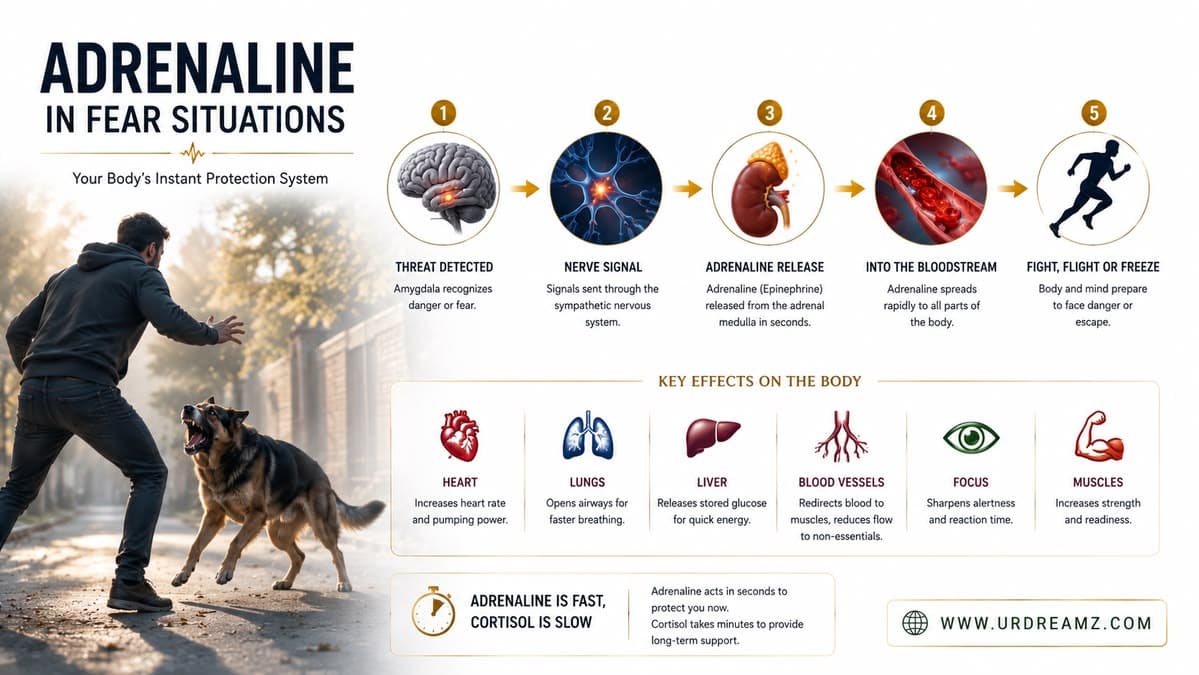
Chronic psychological stress is a significantly underappreciated driver of weight gain and a major obstacle to successful weight loss. When you experience stress, your body releases cortisol — a hormone that, in acute situations, is beneficial (providing energy to respond to threats), but in chronic elevation becomes profoundly disruptive to metabolic health and body composition.
Chronically elevated cortisol increases appetite, specifically for high-calorie, high-sugar, and high-fat comfort foods (the biological basis of "stress eating"). It also promotes fat storage in the visceral abdominal area, suppresses the function of fat-burning hormones, elevates blood sugar and insulin levels, disrupts sleep quality, and reduces motivation to exercise. The cumulative effect of chronic stress — without adequate management strategies — makes losing weight genuinely very difficult even when diet and exercise are relatively good.
Evidence-based stress management strategies that support weight loss include: regular aerobic exercise (one of the most powerful stress relievers known to science); mindfulness meditation and deep breathing practices; yoga (particularly effective at reducing cortisol); adequate social connection and support; spending time in nature; limiting news and social media consumption; therapy or counseling for chronic or clinical stress; and ensuring adequate sleep. Addressing stress is not optional for effective weight loss — it is essential.
47. Mindful Eating for Fat Loss
Mindful eating is the practice of bringing full awareness and intentional attention to the experience of eating — paying attention to taste, texture, smell, hunger signals, satiety cues, and the emotional states associated with eating — without judgment. It is rooted in mindfulness-based cognitive therapy and has compelling evidence as a tool for reducing overeating, binge eating, and emotional eating.
Research shows that mindful eating interventions consistently reduce caloric intake, improve relationship with food, decrease emotional and binge eating episodes, and support weight loss maintenance. The mechanism is primarily through improved recognition of internal hunger and fullness signals that modern life (distracted eating in front of screens, fast eating, processed foods engineered to override satiety signals) tends to override.
Practical mindful eating practices: eat without distractions (no screens, no phone); slow down and chew each bite 20–30 times before swallowing; put your fork down between bites; pause midway through your meal to assess your hunger level on a 1–10 scale; serve yourself a portion and do not eat directly from the bag or pot; notice and appreciate the flavors, textures, and aromas of your food; and eat sitting at a table rather than standing or walking.
48. Emotional Eating: Causes and Solutions
Emotional eating refers to using food as a coping mechanism for negative emotions — stress, boredom, loneliness, anxiety, sadness, or frustration — rather than to satisfy genuine physical hunger. It is extremely common and is one of the most significant behavioral obstacles to sustained weight loss. Studies suggest that 75% of overeating is driven by emotional rather than physical hunger.
Identifying emotional eating requires distinguishing it from physical hunger. Physical hunger develops gradually and can be satisfied by various foods; emotional hunger comes on suddenly, craves specific comfort foods, persists even after eating, and is accompanied by guilt. Keeping a food and mood journal — noting what you eat alongside your emotional state at the time — is one of the most effective tools for identifying emotional eating patterns and triggers.
Evidence-based solutions for emotional eating include: developing alternative coping strategies for difficult emotions (exercise, calling a friend, journaling, meditating, taking a walk); practicing mindful eating to reconnect with physical hunger signals; working with a therapist or counselor to address underlying emotional issues (particularly effective with cognitive behavioral therapy — CBT); creating a structured meal schedule to reduce unplanned eating; and removing tempting comfort foods from your immediate environment while ensuring nutrient-dense alternatives are readily available.
49. Hydration and Weight Loss
Adequate hydration is a frequently overlooked but genuinely impactful component of effective weight loss. Water plays a critical role in virtually every metabolic process in the body, including fat oxidation. Research has shown that even mild dehydration — losing just 1–2% of body water — can significantly impair physical performance, reduce fat burning efficiency, and increase feelings of fatigue and hunger.
Drinking water before meals is one of the most evidence-supported strategies for reducing caloric intake. A study published in the journal Obesity found that drinking 500ml (about 2 cups) of water 30 minutes before each main meal resulted in 44% greater weight loss compared to a diet-only group over 12 weeks. Water helps fill the stomach, promotes the release of satiety hormones, and reduces the likelihood of confusing mild thirst with hunger — a very common phenomenon.
A practical hydration target for most adults is 8–10 glasses (2–2.5 liters) of water per day, increasing by approximately 500ml for every hour of exercise. Carry a reusable water bottle throughout the day. Begin each morning with a large glass of water before eating or drinking anything else. Eating water-rich foods (cucumber, watermelon, spinach, soup, yogurt) also contributes meaningfully to daily hydration.
50. Medical Weight Loss and Obesity Treatment
For individuals with clinical obesity (BMI ≥ 30) or those who have been unable to achieve meaningful weight loss through diet and lifestyle changes alone, medical weight loss interventions may be appropriate and necessary. These are evidence-based clinical approaches supervised by healthcare professionals and may include prescription medications, medically supervised very low calorie diets, behavioral therapy programs, and in some cases, bariatric surgery.
Weight loss medications currently approved by the FDA and other regulatory bodies (as of 2025) include GLP-1 receptor agonists like semaglutide (Ozempic/Wegovy) and tirzepatide (Mounjaro/Zepbound), which have demonstrated remarkably effective results in clinical trials — with average weight loss of 15–22% of body weight when combined with lifestyle changes. These medications work primarily by reducing appetite and food intake and improving blood sugar control.
Bariatric surgery — including gastric bypass, sleeve gastrectomy, and adjustable gastric banding — is typically considered for individuals with BMI ≥ 40 or BMI ≥ 35 with obesity-related health complications who have not achieved adequate results with non-surgical interventions. Surgery produces dramatic, durable weight loss (60–80% of excess weight in many cases) but requires significant lifetime dietary adjustments, carries surgical risks, and requires ongoing medical follow-up.
51. BMI Calculator Guide
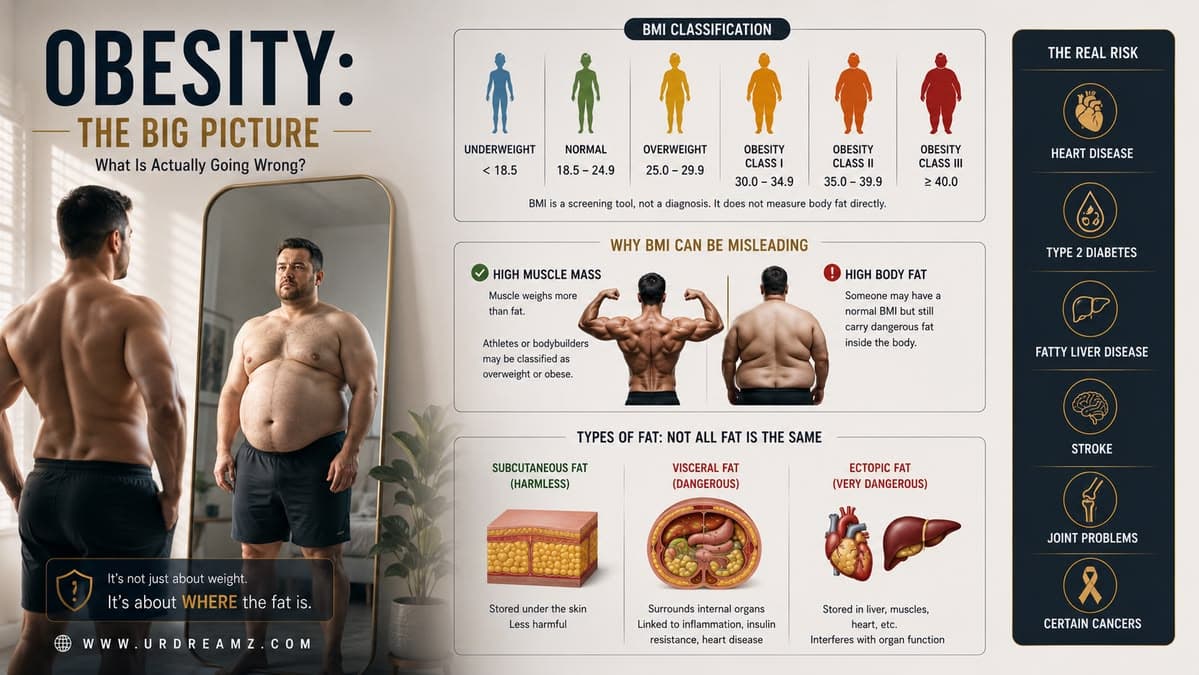
Body Mass Index (BMI) is a widely used screening tool that estimates whether a person's weight is within a healthy range relative to their height. It is calculated by dividing weight in kilograms by height in meters squared (kg/m²). While BMI is useful as a population-level screening tool, it has significant limitations as an individual measure of health — it does not distinguish between fat and muscle mass, does not account for fat distribution, and may over- or under-estimate health risk in athletes, older adults, and certain ethnic groups.
| BMI Range | Classification | Health Risk | Recommended Action |
|---|---|---|---|
| Below 18.5 | Underweight | Increased health risks | Consult a doctor for nutritional support |
| 18.5 – 24.9 | Normal / Healthy Weight | Lowest risk | Maintain through balanced diet and exercise |
| 25.0 – 29.9 | Overweight | Moderate risk | Lifestyle changes: diet + activity improvement |
| 30.0 – 34.9 | Obese Class I | High risk | Structured weight loss program, medical guidance |
| 35.0 – 39.9 | Obese Class II | Very high risk | Medical supervision, consider medication options |
| 40.0 and above | Obese Class III (Severe) | Extremely high risk | Medical supervision, bariatric surgery may be indicated |
Note: For South Asian populations (including those of Indian, Pakistani, and Bangladeshi descent), health risk thresholds are lower — overweight is defined as BMI ≥ 23, and obesity as BMI ≥ 27.5, reflecting higher metabolic risk at lower BMI values in these populations.
52. Common Weight Loss Mistakes to Avoid
Even well-intentioned individuals frequently make predictable mistakes that slow or completely stall their weight loss progress. Understanding and avoiding these common pitfalls can save months of frustration and dramatically accelerate results.
| Mistake | Why It Happens | The Fix |
|---|---|---|
| Drastically cutting calories (crash dieting) | Desire for fast results | Aim for 500 cal/day deficit — no more |
| Not eating enough protein | Focus on cutting carbs/fats only | Include protein at every meal |
| Drinking calories | Not recognizing juice/chai/soda as caloric | Track all liquids; switch to water, black tea/coffee |
| Skipping meals (leading to overeating later) | Belief that fewer meals = fewer calories | Eat 3 balanced meals + planned snacks |
| Exercising but not managing diet | "I exercised, so I can eat whatever I want" | Exercise does not compensate for poor nutrition |
| Relying only on cardio | Cardio burns calories; strength training feels secondary | Add 2–3 strength sessions per week |
| Weighing yourself daily and feeling discouraged | Daily water weight fluctuations taken personally | Weigh weekly, track trends over months not days |
| Eating "healthy" foods in excess | Healthy foods are marketed as unlimited — they are not | Portion control applies to all foods |
| Ignoring sleep and stress | Focus on diet and exercise only | Prioritize 7–9 hrs sleep and stress management |
| Giving up after one bad day | All-or-nothing thinking | One bad meal never caused weight gain; consistency matters |
53. Weight Loss Myths Debunked
The weight loss industry is rife with misinformation, myths, and outright pseudoscience. Believing common myths can cause you to follow ineffective strategies, waste money on useless products, or avoid approaches that would actually work. Here are the most persistent weight loss myths, debunked with evidence:
- Myth: Carbs make you fat. Reality: Excess calories make you fat. Whole food carbohydrates (vegetables, fruits, legumes, whole grains) are associated with healthy weight, not obesity.
- Myth: Fat-free foods are always better for weight loss. Reality: Fat-free versions often replace fat with sugar or artificial additives, and may be more calorie-dense than the original. Healthy fats are filling and beneficial.
- Myth: You must exercise intensely every day to lose weight. Reality: Rest days are essential for recovery. 3–5 moderate to intense sessions per week plus daily light activity (walking) is optimal for most people.
- Myth: Eating at night causes weight gain. Reality: Total daily caloric intake, not meal timing, determines weight gain. Late night eating often correlates with overeating, but the timing itself is not the cause.
- Myth: Weight loss supplements work. Reality: The vast majority of marketed weight loss supplements have no meaningful evidence for efficacy and some carry health risks. No supplement replaces a calorie deficit.
- Myth: You need to detox to lose weight. Reality: Your liver and kidneys are highly efficient detoxification organs. "Detox diets" have no scientific basis and do not meaningfully aid weight loss beyond caloric restriction.
- Myth: Spot reduction works — you can target belly fat with crunches. Reality: Fat loss is systemic, not localized. Ab exercises build core muscle but do not specifically burn belly fat.
- Myth: The scale tells the whole story. Reality: The scale measures total weight including water, food, muscle, and fat. Body composition (fat vs. muscle percentage), waist circumference, and how your clothes fit are far better indicators of fat loss progress.
54. Long-Term Weight Management Strategies
Losing weight is genuinely hard. Keeping weight off long-term is even harder — and statistically, most people who lose significant weight regain it within 1–5 years. Understanding why this happens and proactively addressing it from the beginning of your weight loss journey is essential for achieving lasting results rather than going through repeated cycles of loss and regain.
The primary reason weight regain occurs is metabolic adaptation: as you lose weight, your body reduces its metabolic rate and increases hunger hormones (in what researchers call "adaptive thermogenesis") to conserve energy and restore lost fat stores. This is a powerful evolutionary survival mechanism that works against sustained weight loss. To counteract it, the most important strategy is building and preserving lean muscle mass through consistent strength training — muscle tissue resists metabolic adaptation far better than pure fat loss alone.
Evidence-based long-term weight maintenance strategies include: continuing to track food intake at least loosely even after goal weight is reached; maintaining or increasing exercise frequency (people who keep weight off long-term typically exercise 60+ minutes per day); weighing yourself regularly (weekly) so that small regain is caught early and addressed before it becomes significant; continuing to eat primarily whole, minimally processed foods; maintaining the healthy habits developed during the weight loss phase; and connecting with a support community or accountability partner to maintain motivation over the long term.
55. Weight Loss for Beginners: Step-by-Step Action Plan
If you are just starting your weight loss journey and feel overwhelmed by the volume of information available, this step-by-step action plan distills the most impactful evidence-based strategies into a clear, actionable sequence. Do not try to implement everything at once — build habits progressively, allowing 1–2 weeks to solidify each new behavior before adding the next.
| Week | Focus Area | Action Steps | Expected Outcome |
|---|---|---|---|
| Week 1–2 | Awareness | Track all food and drink in a journal or app for 14 days without changing anything | Identify key calorie sources and eating patterns |
| Week 2–3 | Hydration | Replace all sugary drinks with water; drink 8+ glasses per day; drink a glass before each meal | Reduce 100–400 daily calories; improve energy |
| Week 3–4 | Protein | Add a protein source to every meal; target 1.5–2g protein per kg body weight daily | Reduce hunger, preserve muscle, improve satiety |
| Week 4–5 | Vegetables | Fill half your plate with non-starchy vegetables at every lunch and dinner | Increase fiber, reduce overall caloric density |
| Week 5–6 | Movement | Begin 30 minutes of brisk walking 5 days per week; add 2 bodyweight strength sessions | Increase calorie burn, improve mood and energy |
| Week 6–8 | Sleep and Stress | Set a consistent bedtime; practice 10 minutes of meditation or deep breathing daily | Regulate hunger hormones, reduce cortisol |
| Week 8+ | Fine-Tuning | Calculate TDEE, set formal calorie target, meal prep once per week, increase exercise intensity gradually | Consistent 0.5–1 kg fat loss per week |
Remember: sustainable weight loss is not about the fastest possible results — it is about building the knowledge, habits, and mindset that will keep you healthy and at a comfortable weight for the rest of your life. Be patient with yourself, celebrate non-scale victories (improved energy, better sleep, stronger performance in the gym), and trust the process. Every week of consistency brings you closer to your goal.
Disclaimer: This article is intended for general informational purposes only and does not constitute medical advice. Always consult a qualified healthcare professional or registered dietitian before beginning any weight loss program, particularly if you have underlying health conditions, take medications, or are pregnant or breastfeeding.