Healthy Meatball Recipes: Turkey, Chicken, Beef and Veggie Meatballs for High-Protein Meals
Meatballs are one of the most universally beloved foods on the planet — and when made with the right ingredients and the right technique, they are also one of the most versatile, convenient, protein-rich, and genuinely nutritious meals you can prepare at home. The secret that most people don't realize is that the meatball itself is completely neutral — a blank canvas whose nutritional profile, calorie count, and health impact are determined entirely by the protein you choose, the binders you use, the cooking method you apply, and the sauce or accompaniment you pair it with.
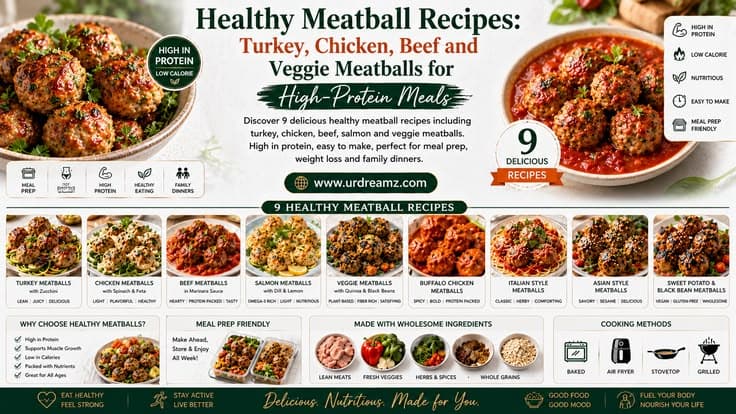
A classic Italian beef meatball deep-fried in seed oil and drowned in sugary marinara can be an unhealthy choice. The same fundamental technique applied to lean ground turkey, bound with oats and grated zucchini, baked instead of fried, and served with roasted vegetables and quinoa becomes one of the most complete, balanced, and satisfying healthy meals in any cook's repertoire. This complete guide covers everything: 9 distinct meatball recipes from Italian and Greek to Asian and Hawaiian, comprehensive nutrition analysis, the best binders and add-ins, perfect cooking techniques (bake vs grill vs air fryer vs stovetop), serving ideas for every lifestyle, meal prep strategies, and honest, evidence-based explanations of why these recipes support your health goals.
Our Complete Healthy Recipes Collection
This healthy meatball recipe guide connects naturally with our broader library of evidence-based healthy recipes. Each article supports a different part of your daily nutrition:
- High Protein Breakfast Recipes — Complete Morning Meal Guide
- Weight Loss Complete Guide — 37 Recipes and 17-Day Meal Plan
- Diabetic Breakfast Recipes — Healthy Low Sugar Morning Meals
- Overnight Oats Recipes — Easy Make-Ahead Breakfast Ideas
- Green Tea Recipe — Health Benefits and Weight Loss Guide
- Green Detox Smoothie — Healthy Ingredients and Weight Loss Guide
- Healthy Vegetable Soup — Weight Loss Benefits and Cooking Guide
- Mediterranean Chickpea Salad — High-Protein Healthy Lunch
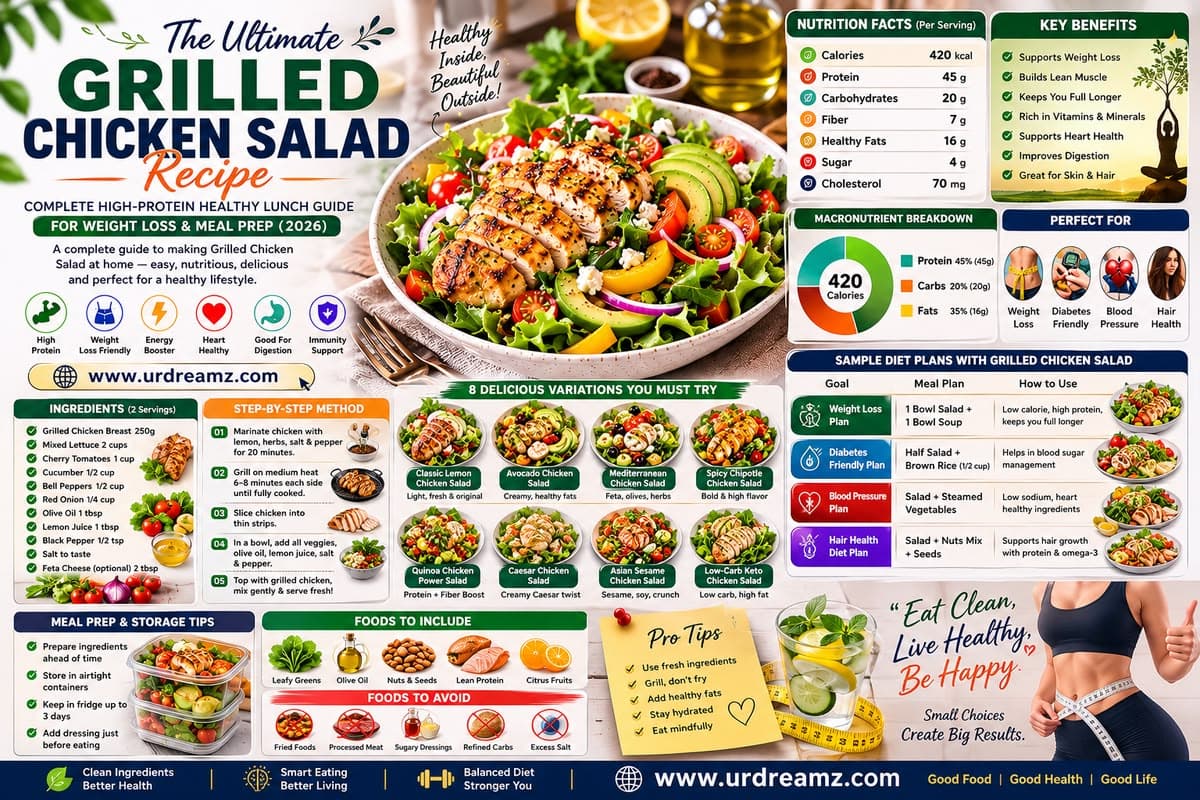
- Grilled Chicken Salad — High-Protein Healthy Lunch Recipe
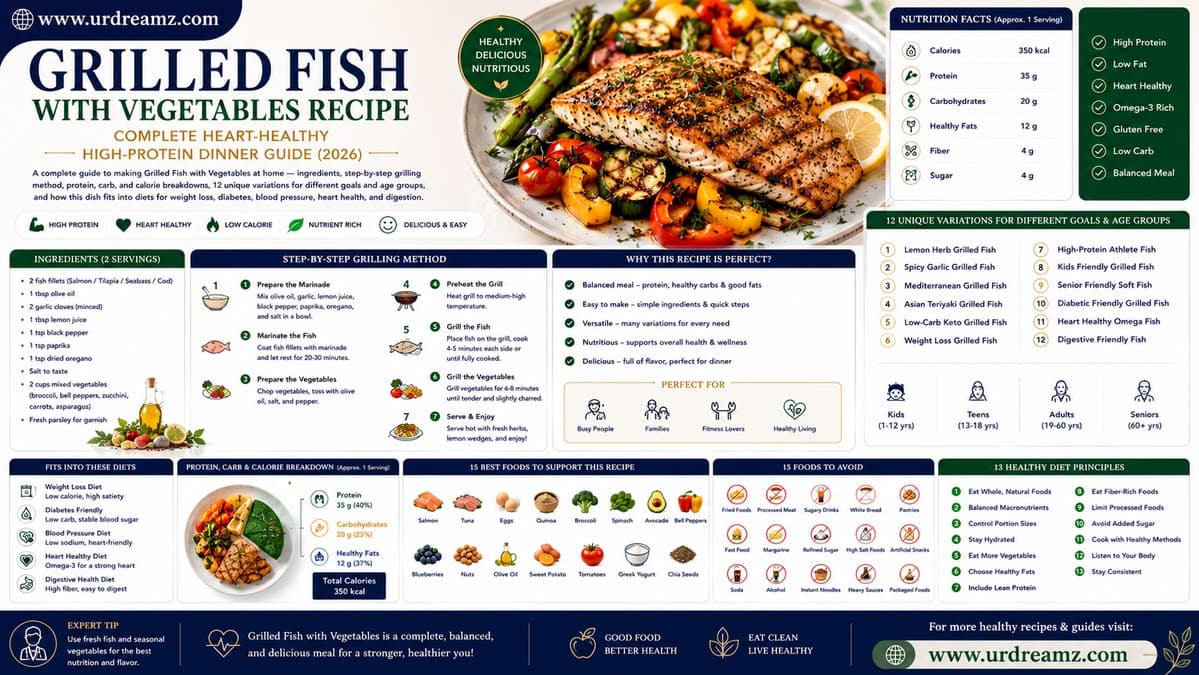
- Grilled Chicken with Roasted Vegetables — Healthy Dinner Guide
What Makes a Meatball Healthy?
The difference between a healthy meatball and an unhealthy one comes down to five key decisions: the protein choice, the binder, the fat content, the cooking method, and the serving context. Understanding each of these variables allows you to consistently produce meatballs that are simultaneously high in protein, low in unnecessary saturated fat and calories, rich in micronutrients, and genuinely satisfying.
Protein Choice
Lean ground turkey and ground chicken deliver the highest protein-to-fat ratios of any meatball protein. Ground turkey breast provides approximately 22–26g of protein per 100g at only 120–140 calories with 2–4g of fat. Ground chicken is similar. Lean ground beef (90% or leaner) provides excellent protein with manageable saturated fat. Salmon provides complete protein alongside the omega-3 fats EPA and DHA that are absent from all other meatball proteins. Lentil and veggie-based meatballs provide plant protein with significant fiber advantages that animal proteins cannot offer.
The Binder
Traditional meatballs use white breadcrumbs — refined carbohydrates with minimal nutritional value that add empty calories and glycemic impact without contributing meaningful nutrition. Healthy meatball recipes replace or supplement these with rolled oats (adds beta-glucan fiber and lower glycemic index), whole wheat breadcrumbs (more fiber and B vitamins than refined), grated vegetables like zucchini or carrots (add moisture, fiber, and vitamins while reducing caloric density), cooked quinoa (adds complete plant protein), or almond flour (for gluten-free, lower-carb versions).
Cooking Method
Frying meatballs in seed oils significantly increases caloric content, adds potentially oxidized fats, and introduces unnecessary sodium from the frying process. Baking meatballs at 200°C eliminates the need for added cooking fat, produces beautifully browned exteriors through dry heat, cooks all meatballs simultaneously without monitoring, and results in measurably lower fat content than any frying method. Air frying produces similar results to baking with even faster cooking time and exceptional surface browning. Pan-searing in a small amount of olive oil is acceptable for smaller batches.
Serving Context
The most nutritious meatball becomes less healthy when served with refined white pasta, sugary marinara sauce, or garlic bread made from white bread with butter. Serving the same meatball over zucchini noodles, whole wheat pasta, cauliflower rice, quinoa, or with a fresh vegetable salad transforms the entire meal's nutritional profile. The meatball is the protein anchor — the surrounding food choices determine whether the overall meal is balanced and health-supporting.
Healthy Meatball Nutrition Comparison
Different meatball proteins produce dramatically different nutritional profiles. Here is a comprehensive comparison to help you choose the right meatball for your specific health goals.
| Meatball Type | Calories | Protein | Fat | Carbs | Fiber | Best For |
|---|---|---|---|---|---|---|
| Turkey Meatballs (Classic) | 220 kcal | 26g | 8g | 10g | 3g | Weight loss, high protein, everyday use |
| Turkey + Zucchini Meatballs | 220 kcal | 26g | 8g | 10g | 3g | Weight loss, added vegetables, lighter |
| Chicken + Spinach Meatballs | 210 kcal | 24g | 7g | 9g | 2g | Lean protein, iron, weight management |
| Beef + Quinoa Meatballs | 250 kcal | 25g | 10g | 12g | 2g | Muscle building, iron, zinc |
| Salmon + Lemon Dill Meatballs | 230 kcal | 24g | 9g | 6g | 1g | Heart health, omega-3, anti-inflammatory |
| Spicy Turkey + Yogurt Sauce | 240 kcal | 26g | 8g | 9g | 1g | Metabolism support, gut health (yogurt) |
| Mediterranean Turkey Meatballs | 180 kcal | 22g | 7g | 5g | 0g | Weight loss, Mediterranean diet, flavor |
| Veggie-Packed Lentil Meatballs | 190 kcal | 11g | 4g | 22g | 5g | Vegan, high fiber, gut health |
| Classic Italian (Lean Beef) | 250–280 kcal | 22–25g | 12–15g | 10g | 1g | Comfort, family meals, traditional flavor |
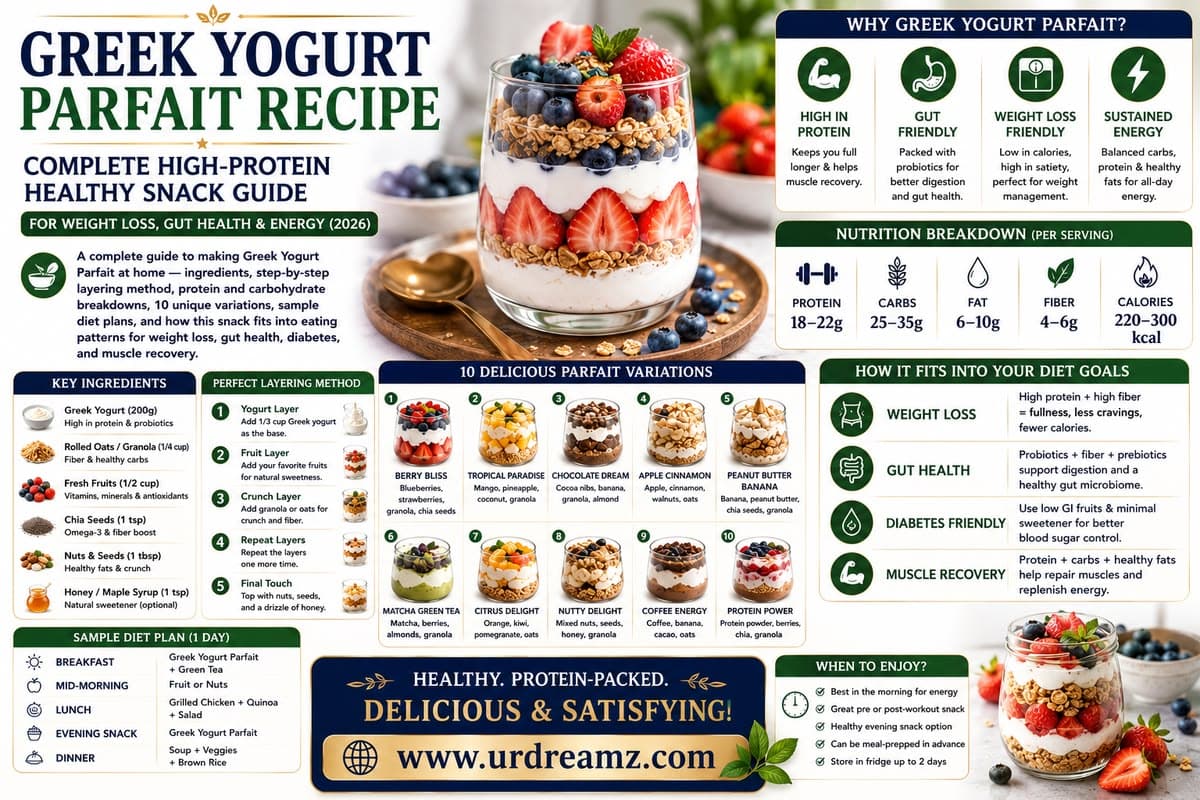
Recipe 1: Turkey Meatballs — The Classic Budget-Friendly Version ($1.49 Per Serving)
Turkey meatballs are the most popular, most practical, and most nutritionally efficient meatball for everyday healthy eating. Ground turkey provides exceptional lean protein at a cost that makes weekly meal prep genuinely budget-friendly — the full recipe costs approximately $5.97 and produces 16 meatballs (4 servings) at just $1.49 per serving. These numbers make this recipe one of the most cost-effective high-protein meal prep options in any healthy kitchen.
Ingredients (serves 4 — 4 meatballs each)
- 450g (1 lb) lean ground turkey
- ½ cup (60g) plain breadcrumbs
- 2 tablespoons grated Parmesan cheese
- 2 teaspoons Italian seasoning
- ¼ teaspoon garlic powder
- ½ teaspoon onion powder
- ¼ teaspoon black pepper
- ½ teaspoon salt
- 1 large egg
Baking Method (Recommended)
- Preheat oven to 200°C (400°F). Line a baking sheet with parchment paper.
- In a large bowl, whisk together breadcrumbs, Parmesan, Italian seasoning, garlic powder, onion powder, salt, and pepper.
- Add ground turkey and egg to the breadcrumb mixture. Mix with clean hands until just combined — do not overmix, as this compresses the proteins and creates tough, dense meatballs.
- Divide the mixture into quarters, then each quarter into 4 equal pieces. Roll each piece gently between palms into a smooth ball approximately 4cm in diameter. Uniformity in size ensures even cooking.
- Place meatballs on the prepared baking sheet with space between each one. Bake for 20 minutes until cooked through and golden-brown on top.
- For extra browning, bake 15 minutes then transfer to a hot skillet with a teaspoon of butter for 5 minutes of sautéing.
Air Fryer Method (Fastest)
Preheat air fryer to 200°C (400°F). Arrange meatballs in a single layer — work in batches to avoid overcrowding. Air fry for 8 minutes, shaking the basket at the halfway point to turn the meatballs and achieve even browning all around. The air fryer produces the most uniformly browned, crispest exterior of any cooking method and is 60% faster than oven baking.
Stovetop Method (Best for Small Batches)
Heat 1 tablespoon of olive oil in a large skillet over medium heat. Add meatballs in batches of 8, with space between each. Cook 2–3 minutes per side, turning to brown all surfaces evenly, until cooked through (approximately 10–12 minutes total). The stovetop method produces the richest, most deeply caramelized surface flavor but requires more active monitoring.
Why Turkey Is the Best Everyday Meatball Protein
Lean ground turkey delivers approximately 22g of protein per 100g at only 120 calories with 2–4g of fat — making it the most protein-dense common meatball protein when considering the protein-to-calorie ratio. Its mild flavor absorbs seasonings exceptionally well, making it the most versatile meatball base across Italian, Mediterranean, Mexican, Asian, and any other flavor profile. It is also significantly lower in saturated fat than regular ground beef, making it a more heart-health-appropriate everyday choice.
Recipe 2: Turkey Meatballs with Zucchini (High Protein, Veggie-Boosted)
Adding grated zucchini to turkey meatballs accomplishes three important things simultaneously: it introduces a full vegetable serving into what appears to be a pure protein food (invisible to picky eaters), it dramatically increases moisture content (preventing the dryness that can affect turkey due to its low fat content), and it adds Vitamin B6, Vitamin C, and dietary fiber without meaningfully changing the flavor or texture of the finished meatball.
Ingredients (serves 5–6 — approximately 18–20 meatballs)
- 450g (1 lb) lean ground turkey
- 1 medium zucchini, grated and moisture squeezed out
- ¼ cup rolled oats (replaces breadcrumbs — adds beta-glucan fiber)
- 1 large egg
- 2 garlic cloves, minced
- 1 tablespoon extra virgin olive oil
- 1 teaspoon Italian seasoning
- Salt and black pepper to taste
Instructions
- Grate zucchini on the large side of a box grater. Place in a clean kitchen towel and squeeze firmly to remove as much moisture as possible. This step is critical — excess moisture from zucchini can prevent meatballs from holding together and creates a steamed rather than browned exterior during cooking.
- Combine all ingredients in a large bowl and mix until just combined. The mixture will be slightly looser than standard meatball mix due to the zucchini moisture — this is normal and correct.
- Form into meatballs (approximately 1.5 tablespoons each) and place on a parchment-lined baking sheet.
- Bake at 200°C for 20–22 minutes until golden and cooked through.
Nutrition per serving (3 meatballs): 220 calories | 26g protein | 8g fat | 10g carbs | 3g fiber
Zucchini's Role: Why It Makes Meatballs Better
The moisture released during baking from the zucchini's water content steams the interior of the meatball from the inside, keeping it juicy throughout. The grated zucchini fibers also distribute throughout the meatball matrix, creating a slightly more tender texture than meat-only versions. For parents trying to increase their children's vegetable intake, grated zucchini in turkey meatballs is one of the most practically effective strategies available — completely invisible in the finished product, genuinely improving texture, and nutritionally meaningful.
Recipe 3: Chicken Meatballs with Spinach
Ground chicken and spinach create a meatball that is particularly well-suited for iron-conscious eaters — spinach contains non-heme iron, and the chicken provides a food matrix that improves its absorption. The combination also delivers Vitamins K, A, and C from the spinach alongside the chicken's B vitamins and selenium, creating a genuinely broad micronutrient profile in a single protein food.
Ingredients (serves 5–6 — approximately 18–20 meatballs)
- 450g (1 lb) lean ground chicken
- 1 cup fresh spinach, finely chopped
- ¼ cup breadcrumbs (or almond flour for gluten-free)
- 1 large egg
- 2 garlic cloves, minced
- 1 tablespoon extra virgin olive oil
- Salt and black pepper to taste
Instructions
- Finely chop the spinach — smaller pieces distribute more evenly through the meatball and are less detectable to texture-sensitive eaters.
- Combine all ingredients in a large bowl and mix gently until just combined. Like turkey meatball mix, ground chicken mixture is softer than beef — handle gently to avoid overworking.
- Roll into meatballs (18–20 pieces) and arrange on a parchment-lined baking sheet.
- Bake at 200°C for 18–20 minutes until golden-brown and cooked through (internal temperature 74°C).
Nutrition per serving (3 meatballs): 210 calories | 24g protein | 7g fat | 9g carbs | 2g fiber
Ground Chicken vs Ground Turkey
Ground chicken and ground turkey are nutritionally very similar and interchangeable in most meatball recipes. Ground chicken has a slightly milder, more neutral flavor; ground turkey has a slightly richer, more distinct taste. Ground chicken is typically slightly lower in fat than ground turkey when both are the lean (breast-only) variety. Both are excellent choices for healthy meatballs — choose based on what is more available, more affordable, or more enjoyable in your household.
Recipe 4: Beef Meatballs with Quinoa
Lean ground beef meatballs with cooked quinoa represent an interesting nutritional hybrid — the beef provides complete animal protein, highly bioavailable iron and zinc, and Vitamin B12, while the quinoa adds complete plant protein (all essential amino acids), additional fiber, and the amino acid lysine in particularly high concentrations. Together, these two proteins create a meatball that is arguably the most complete in terms of amino acid diversity of any recipe in this guide.
Ingredients (serves 4–5 — approximately 16–18 meatballs)
- 450g (1 lb) lean ground beef (90% or leaner)
- ½ cup cooked quinoa (cool completely before adding)
- ¼ cup breadcrumbs
- 1 large egg
- 2 garlic cloves, minced
- 1 tablespoon extra virgin olive oil
- 1 teaspoon smoked paprika
- Salt and black pepper to taste
Instructions
- Ensure quinoa is completely cooled before combining — hot quinoa will begin to cook the egg and create an uneven mixture.
- Combine all ingredients in a bowl and mix until just combined. The quinoa adds subtle texture that makes each meatball slightly more interesting to eat than plain beef versions.
- Form into meatballs (16–18 pieces) and place on a parchment-lined baking sheet.
- Bake at 200°C for 20–22 minutes until fully cooked through.
Nutrition per serving (3 meatballs): 250 calories | 25g protein | 10g fat | 12g carbs | 2g fiber
Why Quinoa Is an Ideal Meatball Binder
Unlike breadcrumbs, which primarily add structure and bulk without meaningful nutrition, cooked quinoa serves as both a binder and a genuine nutritional addition. Its sticky, slightly gelatinous texture when cooled binds the meatball mixture effectively. Its neutral, nutty flavor does not compete with the beef's savory character. And nutritionally, it adds complete plant protein, fiber, iron, magnesium, and Vitamin B2 — significant improvements over refined white breadcrumbs in every measurable way.
Recipe 5: Mediterranean Turkey Meatballs with Feta
Mediterranean turkey meatballs are perhaps the most flavorful healthy meatball recipe in this entire guide — the combination of feta cheese, fresh parsley, red onion, cumin, and oregano with lean ground turkey creates a meatball that tastes simultaneously exotic, fresh, and deeply satisfying. At only 180 calories per serving with 22g of protein, this is also the lowest-calorie high-protein meatball recipe in the collection — making it ideal for weight loss without sacrificing flavor satisfaction.
Ingredients (serves 4)
- 450g (1 lb) lean ground turkey
- ¼ cup plain breadcrumbs
- ¼ cup crumbled feta cheese
- ¼ cup red onion, very finely diced
- 2 tablespoons fresh flat-leaf parsley, finely chopped
- 2 cloves garlic, minced
- 1 teaspoon ground cumin
- 1 teaspoon dried oregano
- ¼ teaspoon sea salt
- ¼ teaspoon black pepper
- 1 tablespoon extra virgin olive oil for cooking
Instructions
- Combine all ingredients in a large mixing bowl. Mix gently with clean hands or a fork until just combined. The feta should distribute throughout in small crumbles rather than being completely incorporated — this creates pockets of salty creaminess in the finished meatball.
- Form into approximately 1-inch meatballs. The smaller size allows more surface area contact with the pan, creating more Maillard reaction browning per meatball.
- Heat olive oil in a medium-large skillet over medium heat. Add meatballs without crowding the pan — work in batches of 8–10 if necessary. Cook for 8–10 minutes, turning every 2–3 minutes to brown all sides evenly, until cooked through.
- Serve with homemade tzatziki sauce, a fresh Greek salad, and warm whole wheat pita bread.
Nutrition per serving: 180 calories | 22g protein | 7g fat | 5g carbs
What Makes These Mediterranean
Three ingredients define the Mediterranean character of these meatballs above all others. Cumin — warm, earthy, and deeply aromatic — is one of the most characteristic spices of Eastern Mediterranean and Middle Eastern cooking. Fresh flat-leaf parsley adds bright, clean freshness and Vitamin K alongside visual appeal. Crumbled feta cheese provides the distinctive salty, tangy richness associated with Greek and Cypriot cuisines. Together, these three elements transform a basic turkey meatball into a genuinely Mediterranean experience that pairs naturally with the dishes from our Mediterranean Chickpea Salad Guide.
Recipe 6: Salmon Meatballs with Lemon and Dill
Salmon meatballs are genuinely surprising — most people have never encountered them, and virtually everyone who tries them becomes an immediate convert. The combination of salmon's rich, complex flavor with bright lemon, fresh dill, and creamy Greek yogurt produces a meatball that is simultaneously more elegant and more nutritionally sophisticated than any other version in this guide. Most importantly, salmon meatballs are the only variety that provides meaningful dietary omega-3 fatty acids (EPA and DHA) — the most important fats for cardiovascular health, brain function, inflammation reduction, and joint protection.
Ingredients (serves 4–5 — approximately 16–18 meatballs)
- 450g (1 lb) fresh salmon, cooked and flaked (or high-quality canned salmon, drained)
- ¼ cup whole wheat breadcrumbs
- 1 large egg
- 2 tablespoons Greek yogurt
- 1 tablespoon fresh dill, finely chopped (or 1 teaspoon dried)
- 1 tablespoon fresh lemon juice
- Zest of ½ lemon
- Salt and black pepper to taste
Instructions
- Preheat oven to 190°C (375°F).
- If using fresh salmon, cook the salmon first (bake, steam, or pan-sear) until just cooked through, then allow to cool completely before flaking. Remove any skin and bones. Flake into small pieces using a fork — do not over-mash, as some texture variation improves the finished meatball.
- Combine flaked salmon, breadcrumbs, egg, Greek yogurt, dill, lemon juice, lemon zest, salt, and pepper in a bowl. Mix gently until just combined. The mixture will be softer than meat-based meatball mixtures — this is normal.
- Refrigerate the mixture for 15 minutes before forming — chilling firms the mixture and makes shaping significantly easier.
- Form into meatballs (16–18 pieces) and place on a parchment-lined baking sheet.
- Bake for 15–18 minutes until lightly golden and set. Salmon meatballs are ready at a lower internal temperature than poultry meatballs — remove when they feel firm but not hard when pressed.
Nutrition per serving (3 meatballs): 230 calories | 24g protein | 9g fat | 6g carbs | 1g fiber
Serving Salmon Meatballs
Salmon meatballs are most elegant when served with a simple lemon-dill yogurt sauce (Greek yogurt, fresh dill, lemon juice, garlic), atop a bed of whole grain couscous or quinoa, alongside a fresh cucumber salad. They also work beautifully as a lighter version of traditional meatball pasta, served over whole wheat spaghetti with a simple olive oil and caper sauce.
Recipe 7: Spicy Turkey Meatballs with Yogurt Sauce
Spicy turkey meatballs deliver metabolism-activating capsaicin from chili flakes alongside the lean protein of turkey, then cool and complement that heat with a creamy, probiotic-rich Greek yogurt dipping sauce. The result is a meatball experience that is far more interesting than the sum of its parts — the interplay between spice and cooling creaminess creates a genuinely complex eating experience at very modest caloric cost.
For the Meatballs
- 450g (1 lb) lean ground turkey
- ¼ cup plain breadcrumbs
- 1 large egg
- 2 garlic cloves, minced
- 1 teaspoon chili flakes (adjust to your heat preference)
- 1 tablespoon extra virgin olive oil
- Salt and black pepper to taste
For the Yogurt Sauce
- ½ cup plain Greek yogurt
- 1 tablespoon fresh lemon juice
- 1 teaspoon fresh dill, chopped (or ½ tsp dried)
- Pinch of salt
- Optional: 1 small garlic clove, minced very finely
Instructions
- Combine all meatball ingredients in a bowl and mix until just combined. Form into meatballs (approximately 18–20 pieces).
- Bake at 200°C for 20–22 minutes until cooked through.
- While meatballs bake, combine all yogurt sauce ingredients in a small bowl and stir until smooth. Refrigerate until serving — the sauce benefits from 15 minutes of rest for the flavors to meld.
- Serve meatballs warm with the cool yogurt sauce alongside for dipping or drizzling.
Nutrition per serving (3 meatballs + sauce): 240 calories | 26g protein | 8g fat | 9g carbs | 1g fiber
Recipe 8: Veggie-Packed Lentil Meatballs (Plant-Based)
Lentil meatballs are the most nutritionally interesting plant-based meatball option — not a compromise or a sacrifice, but a genuinely different and complete food with its own distinct nutritional advantages. The combination of cooked lentils, grated carrots, finely chopped mushrooms, and oats creates a meatball that is simultaneously rich in plant protein, exceptional in fiber content, naturally free of cholesterol and saturated fat, and genuinely satisfying in texture and flavor.
Ingredients (serves 5–6 — approximately 18–20 meatballs)
- 1 cup cooked green or brown lentils (well-drained)
- ½ cup grated carrots
- ½ cup finely chopped mushrooms
- ¼ cup rolled oats
- 1 large egg (or flax egg: 1 tbsp ground flaxseed + 3 tbsp water, rested 5 minutes)
- 1 teaspoon ground cumin
- Salt and black pepper to taste
- Optional additions: 1 tbsp tomato paste, 1 tsp smoked paprika, 2 tbsp nutritional yeast
Instructions
- Finely chop mushrooms and sauté briefly in a dry pan or with a small amount of olive oil for 3–4 minutes until they release and then reabsorb their moisture. This concentrates their umami flavor and eliminates excess moisture that would make the meatball mixture too wet to hold shape.
- Place lentils in a bowl and lightly mash with a fork or potato masher — aim for approximately 70% mashed with 30% intact lentils remaining for texture variation.
- Combine mashed lentils with grated carrots, cooked mushrooms, oats, egg (or flax egg), cumin, salt, and pepper. Mix thoroughly.
- Refrigerate the mixture for 15–20 minutes — chilling allows the oats to absorb moisture from the lentils and vegetables, making the mixture much more handleable and less sticky.
- Preheat oven to 200°C. Form mixture into small meatballs (18–20 pieces) — slightly smaller than meat-based meatballs, as the plant-based mixture is more fragile.
- Place on a parchment-lined baking sheet and bake for 20–22 minutes, flipping carefully halfway through cooking.
Nutrition per serving (3 meatballs): 190 calories | 11g protein | 4g fat | 22g carbs | 5g fiber
Why Mushrooms Are Essential to Plant-Based Meatballs
Mushrooms contain glutamates — the naturally occurring amino acids responsible for the savory umami flavor that makes meat taste so satisfying. Adding sautéed mushrooms to plant-based meatballs is the single most effective strategy for creating the taste satisfaction that makes people choose meat-based foods — without any animal products. The mushrooms also contribute beta-glucan immune-supporting compounds, selenium, B vitamins (including B12 in some varieties), and ergothioneine — a unique cellular antioxidant that is not found in any plant food other than mushrooms.
9 Homemade Meatball Recipes: The Complete Flavor Collection
Beyond the health-focused recipes above, here is the complete collection of 9 distinct meatball styles covering every major global cuisine tradition — from classic Italian to Hawaiian, Asian to Swedish. Each can be made healthier using the principles outlined in this guide (lean meat, baked preparation, whole-food binders).
| # | Style | Base Protein | Signature Ingredients | Sauce or Serving |
|---|---|---|---|---|
| 1 | Classic Italian | Lean ground beef | Breadcrumbs, Parmesan, Italian seasoning, garlic, egg, milk | Homemade marinara, whole wheat pasta |
| 2 | Swedish | Lean ground beef or pork blend | Breadcrumbs, milk, egg, garlic, nutmeg (key spice), flour | Light cream sauce, lingonberry jam, egg noodles |
| 3 | BBQ | Lean ground beef or turkey | Breadcrumbs, egg, garlic, salt, black pepper | Sugar-free BBQ sauce glaze, roasted vegetables |
| 4 | Classic Turkey | Lean ground turkey | Breadcrumbs, Parmesan, Italian seasoning, garlic powder, onion powder, egg | Marinara, zucchini noodles, quinoa |
| 5 | Greek (Keftedes) | Lean ground beef or lamb | Breadcrumbs, feta cheese, egg, garlic, oregano, olive oil | Tzatziki sauce, Greek salad, pita bread |
| 6 | Asian | Lean ground pork or beef | Breadcrumbs, milk, egg, garlic, soy sauce, hoisin sauce, sesame seeds, green onions | Rice, bok choy, sesame drizzle |
| 7 | Buffalo Chicken | Ground chicken | Breadcrumbs, buffalo sauce (for coating), optional blue cheese, egg, garlic | Buffalo sauce glaze, celery sticks, blue cheese dip |
| 8 | Teriyaki | Lean ground beef or turkey | Breadcrumbs, milk, egg, garlic, salt, pepper | Teriyaki glaze, steamed broccoli, brown rice |
| 9 | Hawaiian | Lean ground beef or turkey | Breadcrumbs, milk, egg, garlic, pineapple juice (key ingredient) | Sweet-sour pineapple sauce, brown rice, bell peppers |
Lemon Garlic Chicken Bowl: The Perfect Healthy Dinner
The Lemon Garlic Chicken Bowl represents everything right about modern healthy eating — it is high in lean protein, rich in fiber, light and satisfying simultaneously, ready in 20 minutes, and genuinely delicious rather than merely nutritious. This recipe takes the same grilled chicken principles from our main dinner guides and presents them in bowl format with quinoa, broccoli, and cherry tomatoes for a complete, balanced meal.
Ingredients (1 serving)
- 1 chicken breast, sliced into strips
- 2 garlic cloves, minced
- 1 tablespoon fresh lemon juice
- 1 tablespoon extra virgin olive oil
- ½ cup cooked quinoa
- 1 cup broccoli, steamed until bright green and tender-crisp
- ½ cup cherry tomatoes, halved
- Salt, black pepper, and mixed herbs to taste
- 2 tablespoons tahini or plain Greek yogurt for drizzling
Instructions
- In a bowl, combine sliced chicken strips with minced garlic, lemon juice, olive oil, salt, pepper, and herbs. Toss to coat evenly and marinate for at least 5 minutes (longer if time allows).
- Cook seasoned chicken in a non-stick pan over medium-high heat for 5–6 minutes, stirring occasionally, until golden-brown on all sides and cooked through.
- While chicken cooks, steam broccoli until bright green and just tender (4–5 minutes) and warm the cooked quinoa.
- Assemble the bowl: quinoa as the base, broccoli florets alongside, cherry tomatoes scattered over the top, grilled chicken strips arranged on top. Drizzle with tahini or plain yogurt.
- Serve warm immediately.
Why This Bowl Works Nutritionally
The lemon garlic chicken bowl is a complete macronutrient meal in a single bowl — protein from the chicken (30–35g), complex carbohydrates from quinoa (complete amino acids plus fiber), vitamins and fiber from broccoli (exceptional Vitamins C and K plus sulforaphane), antioxidants from cherry tomatoes (lycopene, Vitamin C), and healthy fats plus calcium from the tahini drizzle. The lemon juice's Vitamin C dramatically increases iron absorption from both the chicken and the broccoli when consumed in the same meal.
Meatball Cooking Methods Compared
The cooking method you choose for meatballs significantly affects their caloric content, texture, surface browning, moisture retention, and overall eating quality. Understanding the trade-offs between different methods allows you to make the best choice for your specific equipment, time constraints, and nutritional goals.
| Method | Added Fat Required | Calorie Impact | Surface Browning | Time | Hands-On Effort | Batch Size |
|---|---|---|---|---|---|---|
| Oven Baking (200°C) | None (on parchment) | Lowest | Good (top and bottom only) | 20–25 minutes | Minimal | Largest (full baking sheet) |
| Air Fryer (200°C) | None required | Lowest | Excellent (all around) | 8–10 minutes | Moderate (shaking at halfway) | Medium (single layer per batch) |
| Pan Searing (olive oil) | 1 tbsp olive oil | Low-moderate | Excellent (all sides when turned) | 10–14 minutes | High (constant turning) | Small (8–10 per batch) |
| Deep Frying (seed oil) | Large amount | Significantly higher | Excellent but from unhealthy fat | 5–7 minutes | Moderate | Medium |
| Bake Then Sear Hybrid | Small amount of butter | Low | Outstanding (baking + sear) | 15 + 5 minutes | Moderate | Large then small batches |
| Stovetop Simmer (in sauce) | None | Lowest | None (no browning) | 15–20 minutes | Moderate | Depends on pot size |
The Recommendation
For meal prep of large batches: oven baking is the clear choice — it handles the most meatballs simultaneously, requires no active monitoring, and produces consistently good results. For the best surface browning and single-serving preparation: air fryer is superior. For the richest, most complex flavor: the hybrid method (bake first, then brief pan sear in butter) produces the most outstanding finished product but requires more time and two cooking vessels. Never deep-fry healthy meatballs — the caloric addition, quality of fat used, and loss of the meatball's lean protein nutritional advantage are all counterproductive to the entire purpose of making healthy meatballs.
Meatball Serving Ideas: 12 Ways to Serve Healthy Meatballs
How you serve meatballs determines as much about the nutritional quality of the meal as how you make them. These 12 serving suggestions range from classic to creative, covering every dietary approach from low-carb to vegan-compatible.
| Serving Idea | Description | Best Meatball Type | Nutrition Focus |
|---|---|---|---|
| Over Zucchini Noodles | Spiralized zucchini with marinara sauce and meatballs | Italian turkey meatballs | Low carb, high protein, pasta-like experience |
| With Whole Grain Pasta | Whole wheat spaghetti, marinara, and meatballs | Italian beef or turkey meatballs | Complex carbs, protein, classic comfort |
| In Lettuce Wraps | Butter lettuce leaves filled with meatballs and fresh herbs | Asian meatballs, turkey meatballs | Very low carb, high volume, fresh |
| With Quinoa | Cooked quinoa bowl with meatballs and roasted vegetables | Mediterranean or Greek meatballs | Complete plant and animal protein |
| In a Salad Bowl | Mixed greens topped with sliced meatballs and vinaigrette | Any variety | Very low calorie, high protein |
| Over Brown Rice | Brown rice base with teriyaki or Asian meatballs and vegetables | Teriyaki, Asian, Hawaiian meatballs | Complex carbs, complete meal |
| With Roasted Vegetables | Sheet pan meatballs and vegetables | Mediterranean or Italian meatballs | Broad spectrum vitamins, fiber |
| In Pita Bread | Whole wheat pita stuffed with meatballs, tzatziki, and salad | Greek or Mediterranean meatballs | Portable, complete meal |
| As Appetizers | Meatballs on toothpicks with dipping sauces | Any variety — smaller balls work best | High protein party food |
| In Soup or Broth | Italian wedding soup or chicken meatball broth | Chicken or turkey meatballs | Maximum hydration plus protein |
| Over Cauliflower Rice | Cauliflower rice with meatballs and sauce | Any variety | Lowest carb option, keto-friendly |
| Meal Prep Bowls | Portioned containers with meatballs, grain, and vegetables | Any variety — choose variety week to week | Complete weekly nutrition planning |
Meatball Meal Prep: Make Once, Eat All Week
Meatballs are perhaps the single most practical meal prep protein food available. They store beautifully, freeze with essentially zero quality loss, reheat in minutes, and are equally delicious hot or cold. A 90-minute Sunday meal prep session producing 80–100 meatballs sets you up for 5 lunches and 5 dinners the following week — each with a different flavor profile and serving style.
The Weekly Meatball Meal Prep System
- Choose 2–3 meatball varieties for the week so that Monday's turkey meatballs, Wednesday's salmon meatballs, and Friday's Mediterranean meatballs are three completely different eating experiences despite sharing the same prep session.
- Make large batches — each recipe in this guide produces 16–20 meatballs. Making 2 full recipes (40 meatballs) provides approximately 10–13 servings across the week.
- Bake all varieties simultaneously using separate baking sheets or labeling sections on the same sheet clearly before baking.
- Cool completely before portioning and storing — never store hot meatballs, as the condensation from cooling inside a sealed container creates excess moisture that causes sogginess.
- Portion into daily containers with appropriate accompaniments (quinoa, vegetables, sauces) for ready-to-eat meals requiring only reheating.
Storage Duration
- Refrigerator: Cooked meatballs keep for 3–4 days in sealed airtight containers. The Mediterranean turkey meatballs actually improve in flavor after 24 hours as the cumin and oregano continue to develop.
- Freezer: Cooked meatballs freeze perfectly for up to 3 months. Freeze in a single layer on a baking sheet first (flash freeze for 2 hours), then transfer to zip-lock bags — this prevents them from sticking together, allowing you to remove individual portions as needed.
- Reheating from refrigerator: Microwave for 1.5–2 minutes covered with a damp paper towel, or reheat in a skillet with a splash of water or sauce for 5 minutes over medium heat.
- Reheating from frozen: Thaw overnight in the refrigerator and reheat as above, or reheat directly from frozen in a covered pan with sauce over low heat for 15–20 minutes.
Classic Turkey Stuffing Recipe: The Perfect Side for Holiday Meatball Meals
Turkey stuffing is the most beloved traditional side dish for turkey-based meals and holiday dinners — and when made with day-old whole grain bread, good quality herbs, and homemade chicken broth instead of processed alternatives, it is a genuinely wholesome accompaniment that pairs beautifully with turkey meatballs for a festive yet healthy meal.
Ingredients
- 6 cups bread cubes from day-old whole grain or sourdough bread
- 3 tablespoons butter (or olive oil for a lighter version)
- 1 medium onion, finely chopped
- 2 celery stalks, finely chopped
- 2 garlic cloves, minced
- 1½ cups low-sodium chicken broth
- 1 teaspoon dried sage (the most important stuffing herb)
- 1 teaspoon dried thyme
- Salt and black pepper to taste
- Optional: ½ cup dried cranberries or cooked turkey sausage
Instructions
- Prep the bread: Cut bread into 2cm cubes and spread on a baking sheet. Toast in a 150°C oven for 20 minutes until slightly dried out and crisp — this prevents the stuffing from becoming soggy when broth is added. Alternatively, leave bread cubes uncovered at room temperature overnight.
- Cook the aromatics: Melt butter in a large skillet over medium heat. Add onion, celery, and garlic and cook for 8–10 minutes until completely softened and starting to develop a little golden color around the edges.
- Combine the base: In a large mixing bowl, combine the toasted bread cubes with the sautéed onion and celery mixture. Toss gently to distribute.
- Add flavor and moisture: Add the sage, thyme, salt, and pepper. Gradually pour in the chicken broth while tossing gently — add enough broth to moisten the bread to your preferred texture. Some people prefer a denser, more compact stuffing (less broth); others prefer a moister, softer texture (more broth). Both are correct.
- Bake: Transfer to a buttered baking dish. Bake at 180°C (350°F) for 25–30 minutes until the top is golden and crispy. The finished stuffing should have a crispy, golden top with a moist, cohesive interior.
- Serve warm alongside turkey meatballs, cranberry sauce, and roasted vegetables for a complete healthy holiday meal.
The Buttery Secret
The reason stuffing made with real butter tastes dramatically better than versions made with butter substitutes or margarine is the short-chain fatty acids and milk proteins in butter that undergo Maillard reactions when heated, creating hundreds of complex flavor compounds that vegetable oils and processed spreads simply cannot replicate. For an everyday healthy version, using olive oil produces a lighter result with comparable flavor depth and significantly better fat quality — the sage and thyme are the true flavor drivers in any case.
Meatball Binders and Add-Ins: Nutritional Comparison Guide
The binder — the ingredient that holds meatball ingredients together and determines moisture, texture, and cohesion — is where most healthy meatball improvements are made. Here is a detailed comparison of every common binder and its nutritional implications.
| Binder | Amount per Recipe | Calories Added | Key Benefit | Best For |
|---|---|---|---|---|
| White breadcrumbs (traditional) | ¼–½ cup | 75–150 kcal | Familiar texture, good binding | Classic recipes, family preference |
| Whole wheat breadcrumbs | ¼–½ cup | 75–150 kcal | More fiber, more B vitamins than white | Healthier everyday meatballs |
| Rolled oats | ¼ cup | 75 kcal | Beta-glucan fiber, lower glycemic, moisture absorption | Turkey/chicken meatballs, gluten-sensitive |
| Cooked quinoa | ½ cup cooked | 111 kcal | Complete plant protein, all amino acids, fiber | Beef meatballs, maximum protein varieties |
| Almond flour | ¼ cup | 160 kcal | Gluten-free, high in Vitamin E, healthy fats | Keto meatballs, gluten-free varieties |
| Grated zucchini (squeezed dry) | 1 medium | 18 kcal | Adds moisture, fiber, Vitamin B6 — almost zero calories | Turkey/chicken, veggie-boosted meatballs |
| Grated carrots | ½ cup | 26 kcal | Natural sweetness, beta-carotene, moisture | Plant-based meatballs, turkey varieties |
| Egg (full) | 1 large egg per recipe | 72 kcal | Best binding agent, adds protein, choline | All meatball types — essential ingredient |
| Flax egg (1 tbsp ground flax + 3 tbsp water) | Per recipe | 37 kcal | Vegan alternative to egg, omega-3 ALA, fiber | Vegan and plant-based meatballs |
Meatballs for Weight Loss: The Science
Well-prepared lean meatballs are one of the most effective weight loss foods available — not despite being a protein-rich, satisfying comfort food, but precisely because of these qualities. The research consistently shows that high-protein meals produce superior weight loss outcomes compared to lower-protein meals at equivalent caloric levels, primarily through two mechanisms: reduced hunger (through hormonal satiety pathways) and increased energy expenditure (through the thermic effect of food).
How Protein in Meatballs Supports Weight Loss
Lean turkey or chicken meatballs (3 meatballs per serving) provide 22–26g of protein in a form that is compact, portable, and genuinely satisfying to eat. This protein quantity is sufficient to meaningfully stimulate the satiety hormones PYY and GLP-1 — the hormones that suppress appetite and reduce subsequent food intake for 3–5 hours after the meal. Research published in the American Journal of Clinical Nutrition consistently finds that increasing protein intake to 25–30% of total calories (achievable with meatballs as your protein anchor) produces greater fat loss, less muscle loss during weight reduction, and better long-term weight maintenance compared to lower-protein approaches.
The thermic effect advantage is also significant: the body burns approximately 25% of protein calories simply during digestion, compared to 5–10% for carbohydrates. A 220-calorie serving of turkey meatballs therefore has an effective caloric impact of approximately 165 calories — a meaningful difference when eating this food daily over months and years.
Best Weight Loss Meatball Strategy
- Use lean ground turkey or chicken as the protein — these have the lowest calorie and fat content while maintaining highest protein yield
- Bake instead of fry — eliminates all added cooking fat calories
- Use grated vegetable binders (zucchini, carrots) instead of breadcrumbs to reduce carbohydrate content and add fiber
- Serve over zucchini noodles or cauliflower rice instead of pasta for maximum volume with minimal caloric addition
- Use homemade tomato sauce instead of store-bought (which typically contains 6–12g of added sugar per half cup)
- Pair with a large green salad to increase volume, fiber, and micronutrient content of the meal without meaningful caloric addition
For a comprehensive weight loss meal plan that includes healthy meatballs as a weekly dinner staple, see our Weight Loss Complete Guide.
Meatballs for Diabetics: Blood Sugar Management
Lean baked meatballs are an excellent choice for people with type 2 diabetes or insulin resistance for three primary reasons: they are essentially carbohydrate-free (the small amount of breadcrumbs contributes minimal glucose load), their high protein content slows gastric emptying and reduces the glycemic impact of any carbohydrates consumed in the same meal, and when served with the right accompaniments (zucchini noodles, cauliflower rice, roasted non-starchy vegetables), the entire meal maintains an extremely low glycemic load.
Diabetic-Friendly Meatball Modifications
- Replace breadcrumbs with almond flour or grated zucchini to eliminate the only meaningful carbohydrate in the basic recipe
- Avoid sweet glazes (honey-garlic, teriyaki, BBQ sauce) or make them sugar-free using monk fruit or stevia sweeteners
- Use plain Greek yogurt sauce instead of sugary dipping sauces — the yogurt adds protein and probiotics while having minimal carbohydrate impact
- Serve over zucchini noodles or fresh greens rather than pasta or rice
- Include olive oil generously — its oleic acid and polyphenols specifically improve insulin sensitivity in peer-reviewed research
For comprehensive diabetic breakfast and overall nutrition guidance, see our Diabetic Breakfast Recipes Guide.
Meatballs for Kids: Family-Friendly Healthy Dinner Ideas
Meatballs are among the most universally accepted foods by children across all ages, cultures, and flavor preferences. Their compact size, familiar round shape, and satisfying texture make them a natural bridge between children's food preferences and genuinely nutritious whole-food eating. The strategies for making healthy meatballs kid-friendly while maintaining their nutritional value are straightforward.
Kid-Friendly Modifications
- Keep seasoning mild: Eliminate or significantly reduce chili flakes, strong cumin, and any assertive spices. Children respond best to garlic, Italian seasoning, and mild herbs.
- Hide vegetables: Finely grate zucchini, carrots, and spinach into the meatball mixture — they are completely invisible in the finished product while adding meaningful nutrition.
- Make them fun: Involve children in the rolling process — children who help make their food are dramatically more likely to eat it enthusiastically.
- Offer dipping sauces: Children universally respond to dipping options — provide small cups of marinara, mild yogurt sauce, or honey mustard (sugar-free) for interactive eating.
- Serve over familiar bases: Whole wheat spaghetti with marinara is the most child-accepted serving style and maintains nutritional quality when whole grain pasta is used.
- Make mini-meatballs: Smaller meatballs (2cm diameter) are easier for small children to manage and cook faster — 12–15 minutes at 200°C instead of 20–22 minutes.
High-Protein Lunch Ideas with Meatballs
Beyond their traditional dinner role, meatballs work beautifully as the protein anchor for high-protein, nutritionally complete lunches. Here are the best high-protein lunch configurations that use meatballs as the central protein component alongside complementary foods.
| Lunch Idea | Protein per Serving | Key Components | Best Meatball Type |
|---|---|---|---|
| Meatball Quinoa Bowl | 32–38g | 3 meatballs, ½ cup quinoa, roasted vegetables, lemon dressing | Mediterranean or Italian turkey meatballs |
| Meatball Lettuce Wrap | 28–32g | 3–4 meatballs, butter lettuce leaves, Asian slaw, sesame drizzle | Asian or teriyaki meatballs |
| Meatball Salad Bowl | 30–35g | 3 meatballs, 3 cups mixed greens, Mediterranean vegetables, olive oil dressing | Greek or Mediterranean meatballs |
| Meatball Pita Pocket | 32–36g | 3 meatballs, whole wheat pita, tzatziki, cucumber, tomato, red onion | Greek meatballs (keftedes) |
| Meatball Zucchini Noodles | 28–32g | 3 meatballs, spiralized zucchini, homemade marinara, fresh basil | Italian turkey or beef meatballs |
| Meatball Brown Rice Bowl | 30–36g | 3 meatballs, ½ cup brown rice, steamed broccoli, teriyaki sauce | Teriyaki or Asian meatballs |
For more high-protein lunch ideas to complement meatballs in a weekly meal plan, see our Grilled Chicken Salad Guide and Mediterranean Chickpea Salad Guide.
37 Easy Healthy Dinner Ideas: Complete Reference List
Healthy dinner planning is most successful when you have a large enough repertoire of proven recipes that menu fatigue never forces a compromise to less nutritious convenience options. Here are 37 easy, nutritious dinner ideas that cover every major dietary preference, protein type, and cooking style — with meatball recipes at the heart of the collection.
| # | Dinner Idea | Primary Protein | Dietary Style |
|---|---|---|---|
| 1 | Turkey Meatballs with Zucchini Noodles | Turkey | Low carb, high protein |
| 2 | Mediterranean Turkey Meatballs with Feta | Turkey | Mediterranean, weight loss |
| 3 | Chicken Meatballs with Spinach and Marinara | Chicken | High protein, family |
| 4 | Salmon Meatballs with Lemon Dill Sauce | Salmon | Omega-3, heart health |
| 5 | Lentil Veggie Meatballs with Tomato Sauce | Lentils | Vegan, high fiber |
| 6 | Grilled Chicken with Roasted Vegetables | Chicken | High protein, low carb |
| 7 | Lemon Garlic Chicken Bowl with Quinoa | Chicken | High protein, complete meal |
| 8 | Baked Salmon with Asparagus | Salmon | Omega-3, heart health |
| 9 | Beef and Broccoli Bowl | Lean beef | Iron, zinc, high protein |
| 10 | Turkey Fajita Bowl | Turkey | High protein, Mexican |
| 11 | Garlic Shrimp Zucchini Noodles | Shrimp | Low carb, high protein |
| 12 | Chicken and Sweet Potato Plate | Chicken | Balanced, family |
| 13 | Tuna and Avocado Bowl | Tuna | No cook, omega-3 |
| 14 | Stuffed Bell Peppers with Quinoa and Turkey | Turkey + quinoa | High protein, colorful |
| 15 | Italian Lentil Soup | Lentils | Plant protein, fiber |
| 16 | Garlic Dijon Chicken with Roasted Vegetables | Chicken | High protein, Mediterranean |
| 17 | Sheet Pan Greek Chicken | Chicken | Mediterranean, family |
| 18 | Pesto Salmon with Breadcrumb Crust | Salmon | Heart health, omega-3 |
| 19 | Chicken and Chickpea Salad | Chicken + chickpeas | High protein, Mediterranean |
| 20 | Baked Greek Fish with Tomatoes | White fish | Low calorie, Mediterranean |
| 21 | Mediterranean Quinoa Salad with Chicken | Chicken + quinoa | Complete protein, colorful |
| 22 | Shakshuka with Eggs and Tomato | Eggs | Vegetarian, easy |
| 23 | Chicken Caesar Salad | Chicken | High protein, classic |
| 24 | Minestrone Soup with White Beans | White beans | Plant protein, fiber |
| 25 | Chickpea Marinara with Mozzarella | Chickpeas | Plant protein, vegetarian |
| 26 | Mediterranean White Bean Soup | White beans + spinach | Plant protein, fiber |
| 27 | Shrimp Fra Diavolo | Shrimp | Spicy, low calorie |
| 28 | One-Pan Baked Halibut with Vegetables | Halibut | White fish, omega-3 |
| 29 | Mediterranean Roasted Vegetables with Barley | Barley (plant protein) | Vegetarian, fiber |
| 30 | Chicken and Asparagus Skillet | Chicken | High protein, quick |
| 31 | Chicken Caprese Salad | Chicken + mozzarella | Mediterranean, fresh |
| 32 | Beef Meatballs with Quinoa and Marinara | Beef + quinoa | High protein, muscle building |
| 33 | BBQ Turkey Meatballs with Roasted Vegetables | Turkey | High protein, summer |
| 34 | Spicy Turkey Meatballs with Yogurt Sauce | Turkey | Metabolism, gut health |
| 35 | Asian Chicken Meatballs with Bok Choy | Chicken | Asian, low carb |
| 36 | Teriyaki Salmon Rice Bowl | Salmon | Omega-3, Asian fusion |
| 37 | Cottage Cheese Taco Bowl | Turkey + cottage cheese | Very high protein, Mexican |
Common Meatball Mistakes and How to Fix Them
Even experienced cooks make these meatball mistakes regularly. Understanding exactly what causes each problem — and the precise correction — produces dramatically better meatballs every time.
Tough, Dense Meatballs
The most common meatball problem. Caused by overmixing the meat mixture — when you overwork ground meat, the muscle proteins cross-link extensively and create a tight, rubbery matrix that contracts during cooking into a dense, chewy ball. The correction is simple: mix meatball ingredients only until just combined — 30 seconds of mixing with hands is sufficient. Stop when you can no longer see streaks of unincorporated ingredients.
Meatballs That Fall Apart During Cooking
Caused by insufficient binder (too little egg or breadcrumbs), too-wet mixture (from over-moist vegetables or insufficient moisture-pressing), or meatballs that are too small (not enough surface tension to hold together). The fix: ensure at least 1 egg per 450g of meat; squeeze all moisture from grated vegetables before adding; refrigerate the formed meatballs for 15–20 minutes before cooking (chilling firms the fat and helps the meatball hold shape); and handle the meatballs gently during the early stages of cooking when they are most fragile.
Dry, Flavorless Turkey Meatballs
Turkey has much less intramuscular fat than beef, making it more prone to dryness if even slightly overcooked. Fix: use ground turkey that is 93% lean rather than 99% (the 7% fat makes a meaningful moisture difference); add grated zucchini or Greek yogurt to the mixture to increase moisture content; bake to exactly 74°C internal temperature and not beyond; and serve with a sauce — even a small amount of marinara or yogurt sauce on the surface dramatically improves the moisture perception of baked turkey meatballs.
Meatballs That Are All the Same Size
Wait — isn't that the goal? No — the problem is when some meatballs are accidentally much larger or smaller than others, causing uneven cooking where small ones are overdone before large ones reach safe temperature. Use a 1.5-tablespoon cookie scoop (available very affordably) to portion every meatball identically. Alternatively, divide the entire meat mixture into quarters, then each quarter into equal pieces — this ensures precise uniform sizing with no special equipment needed.
Pale, Unbrowned Meatballs from the Oven
Oven-baked meatballs can emerge looking pale if the oven temperature is too low, the meatballs are overcrowded on the pan, or the baking sheet is lined with foil that reflects heat rather than absorbing it. Fix: use a true 200–220°C (not a thermometer-uncalibrated oven that is actually running lower); use a dark, heavy baking sheet rather than a light aluminum sheet; and for maximum browning, finish the meatballs under the broiler for 2–3 minutes after baking.
Frequently Asked Questions About Healthy Meatballs
Are baked meatballs healthier than fried?
Yes — significantly. Baking eliminates all added cooking fat, reduces total calories per serving by approximately 50–80 calories compared to pan-frying in seed oil, avoids the introduction of potentially oxidized fats from high-temperature frying, and produces a consistent internal temperature without the need for constant monitoring. For healthy everyday meatballs, baking at 200°C on parchment paper is the preferred method.
Can I make meatballs without breadcrumbs?
Yes — and in many cases they are better without them. Rolled oats, cooked quinoa, almond flour, grated parmesan (used in small amounts), or simply relying on the egg alone as binder all produce excellent meatballs. Grated zucchini pressed dry and almond flour together create an outstanding gluten-free, low-carb meatball with better moisture than breadcrumb versions.
How do I keep turkey meatballs from drying out?
Add grated zucchini (squeezed dry), 1–2 tablespoons of Greek yogurt, or a tablespoon of olive oil to the mixture. Do not overcook — pull at 74°C internal temperature. Rest for 3 minutes after baking. Serve with a sauce — even a light tomato sauce dramatically improves the moisture perception of baked turkey meatballs.
Can I freeze meatballs?
Yes — perfectly. Flash freeze on a baking sheet for 2 hours until solid, then transfer to labeled zip-lock bags. Freeze for up to 3 months. Reheat from frozen in a covered pan with sauce over low heat for 20 minutes, or thaw overnight and microwave for 2 minutes.
How many meatballs per serving?
Standard serving size for a main course is 3–4 meatballs of approximately 4–5cm diameter (using 1.5 tablespoon portions). This provides 22–26g of protein and 180–250 calories depending on the protein and ingredients used. As a starter or in soup, 2–3 smaller meatballs is appropriate.
What is the best meat for healthy meatballs?
For lowest calorie, highest protein ratio: lean ground turkey (93% lean) or lean ground chicken. For best flavor with good nutritional quality: 90% lean ground beef. For the most nutritionally sophisticated option: salmon meatballs (omega-3, heart health). For plant-based: cooked lentils with mushrooms and vegetables. All produce excellent healthy meatballs when prepared with the right technique.
Can I make meatballs ahead of time?
Yes — several ways. Form the uncooked meatballs and refrigerate for up to 24 hours before baking. Or bake fully, cool, and refrigerate for up to 4 days. Or bake, cool, flash freeze, and store in the freezer for up to 3 months. The raw-formed-and-refrigerated approach gives the freshest result; fully baked and frozen is the most convenient for busy weeks.
What goes well with meatballs for a healthy dinner?
Best healthy pairings: zucchini noodles or spaghetti squash (for a pasta experience without the refined carbohydrates), roasted vegetables from our Grilled Chicken with Roasted Vegetables Guide, cooked quinoa (for complete plant protein), or a large green salad for a very light, high-volume accompaniment. The vegetable soup from our Vegetable Soup Guide can serve as a starter alongside meatballs for a particularly satisfying, fiber-rich meal.
Final Thoughts: Build Your Meatball Meal Prep Routine
Healthy meatballs represent one of the most brilliantly practical intersections of convenience, flavor, nutrition, and versatility in the entire world of home cooking. A single Sunday meal prep session producing 50–80 meatballs across 2–3 varieties gives you the protein foundation for a complete week of genuinely nutritious, satisfying meals — each different in flavor and presentation despite being built on the same simple technique.
The key insights to carry forward are these: lean ground turkey or chicken as your everyday protein; whole food binders (oats, quinoa, grated vegetables) that add nutrition rather than empty carbohydrates; baking at 200°C on parchment paper rather than frying; not overmixing; cooling completely before freezing; and serving with the right accompaniments (vegetables, whole grains, legumes) that make the whole plate nutritionally complete rather than relying on the meatball alone.
Start with the classic turkey meatball recipe — it is the most forgiving, most nutritionally efficient, and most universally accepted. Then add the Mediterranean turkey meatballs with feta for flavor variety. Then try the salmon meatballs for the most nutritionally sophisticated option in the collection. Build from there.
Pair your healthy meatball dinner practice with the other evidence-based recipes in our collection for a comprehensive, enjoyable, and sustainable daily nutrition strategy:
- High Protein Breakfast Recipes — start the day with protein before your meatball dinner
- Weight Loss Complete Guide — integrate meatballs into a 17-day fat-loss meal plan
- Overnight Oats Recipes — prep your next morning's breakfast while the meatballs bake
- Green Detox Smoothie — start tomorrow's morning with fresh nutrients
- Healthy Vegetable Soup — serve a bowl of vegetable soup as a starter alongside meatballs for the most satisfying, fiber-rich dinner combination
- Grilled Chicken with Roasted Vegetables — alternate with meatball nights for a varied high-protein dinner rotation
- Mediterranean Chickpea Salad — the ideal vegetarian lunch to serve before a meatball dinner
- Green Tea Guide — pair green tea as an after-dinner digestive and antioxidant ritual
Good ingredients. Great meals. Healthy you. Eat well, feel good, live better. More healthy recipes, meal prep guides, and nutrition resources at www.urdreamz.com.