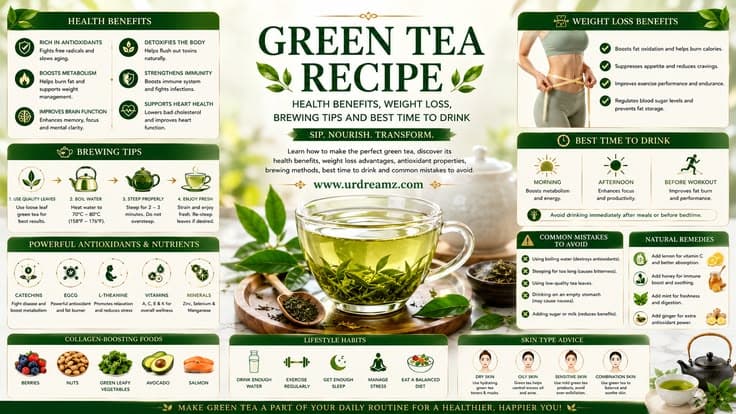
Green Tea Recipe: Health Benefits, Weight Loss, Brewing Tips and Best Time to Drink
Green tea is one of the most consumed beverages on the planet — and for very good reason. For thousands of years, cultures across Asia have relied on green tea not just as a daily drink, but as a powerful natural remedy for energy, digestion, heart health, weight management, and mental clarity. In this complete guide, you will learn how to make the perfect green tea at home, understand its remarkable health benefits backed by modern science, discover the best time to drink it, explore exciting flavor variations, and find out who should exercise caution with this ancient herbal drink.
Whether you are a complete beginner curious about starting a green tea routine, or someone who already drinks it daily and wants to maximize its benefits — this guide covers everything you need to know about healthy green tea from basics to brewing mastery.
Explore More Healthy Recipes
Green tea pairs beautifully with a complete healthy lifestyle. Before we dive into everything about green tea, here are some other evidence-based nutrition guides from our Recipes & Cooking collection that complement a green tea wellness routine perfectly:
What Is Green Tea?
Green tea comes from the leaves of the Camellia sinensis plant — the same plant that produces black tea, white tea, and oolong tea. The key difference between green tea and other tea varieties is the processing method. Green tea leaves are harvested and immediately steamed or pan-fired to prevent oxidation, which preserves their natural green color, fresh grassy flavor, and most importantly, their powerful antioxidant compounds called catechins.
The most potent and well-studied catechin in green tea is Epigallocatechin gallate, better known as EGCG. This compound is responsible for the majority of green tea's documented health benefits — from fat burning and blood sugar regulation to brain protection and anti-cancer properties. Green tea also contains a modest amount of caffeine along with an amino acid called L-theanine, which creates a state of calm, focused alertness that is distinct from the jittery energy associated with coffee.
Green tea originated in China over 4,000 years ago and has since become a cornerstone of Japanese, Korean, and broader Asian wellness culture. Today it is cultivated across the world and consumed in dozens of forms — from simple loose leaf brewing to ceremonial matcha preparation and ready-to-drink bottled varieties.
Types of Green Tea: A Complete Guide
Not all green teas are created equal. The flavor, antioxidant content, caffeine level, and health properties of green tea vary significantly depending on the variety. Understanding the main types of green tea helps you choose the one that best matches your taste preferences and health goals.
| Type | Origin | Flavor Profile | Caffeine Level | Best For |
|---|---|---|---|---|
| Matcha | Japan | Rich, earthy, umami, slightly bitter | High (~70mg per cup) | Energy, concentration, antioxidant boost |
| Sencha | Japan | Grassy, fresh, slightly sweet | Medium (~30–50mg) | Daily drinking, digestion, general wellness |
| Gyokuro | Japan | Sweet, mild, very low bitterness | High (~35–60mg) | Premium daily tea, stress reduction |
| Dragon Well (Longjing) | China (Hangzhou) | Nutty, smooth, chestnut-like | Low–Medium (~20–35mg) | Beginners, weight loss, smooth drinking |
| Jasmine Green Tea | China | Floral, delicate, fragrant | Medium (~25–40mg) | Relaxation, mood lifting, beginners |
| Gunpowder Tea | China | Bold, robust, smoky | Medium (~35–50mg) | Strong flavor lovers, digestion |
| Bancha | Japan | Mild, earthy, low bitterness | Very Low (~10mg) | Evening drinking, children, sensitive stomachs |
| Hojicha | Japan | Toasty, roasted, caramel notes | Very Low (~7–10mg) | Before bed, low-caffeine drinkers |
Loose Leaf Green Tea vs Tea Bags
Loose leaf green tea is generally considered superior to tea bags. Premium loose leaf tea contains whole or large pieces of tea leaves with more intact catechins, essential oils, and aromatic compounds. Tea bags typically contain broken leaf fragments or dust (called fannings) which brew faster but deliver fewer antioxidants and a flatter flavor.
However, tea bags offer convenience that loose leaf cannot match — and a good quality organic green tea bag still delivers meaningful health benefits. For daily wellness use, high-quality tea bags are entirely acceptable. For maximum antioxidant benefit and flavor complexity, invest in loose leaf sencha, gyokuro, or dragon well.
Green Tea Nutrition Facts
One of the most compelling things about green tea is how nutrient-dense it is while containing almost zero calories. This makes it one of the most beneficial beverages you can add to any diet — from weight loss to diabetes management to heart health support.
| Nutrient / Compound | Amount | Health Role |
|---|---|---|
| Calories | 2–5 kcal | Essentially calorie-free |
| Caffeine | 25–50mg | Focus, energy, metabolism |
| L-Theanine | 20–40mg | Calm alertness, stress reduction |
| EGCG (Epigallocatechin gallate) | 50–100mg | Antioxidant, anti-inflammatory, fat oxidation |
| Total Catechins | 100–200mg | Antioxidant protection, cellular health |
| Vitamin C | 5–10mg | Immune support, antioxidant |
| Vitamin B2 (Riboflavin) | 0.06mg | Energy metabolism |
| Potassium | 20–30mg | Heart health, blood pressure |
| Fluoride | 0.1–0.3mg | Dental health, enamel protection |
| Polyphenols (total) | 150–300mg | Anti-aging, disease prevention |
How to Make Perfect Green Tea at Home: Step-by-Step Recipe
Making green tea properly is a simple skill that most people actually get wrong — especially the water temperature. Boiling water is the single most common mistake when brewing green tea, and it results in a bitter, harsh cup that many first-timers associate with all green tea. Correctly brewed green tea should be smooth, slightly grassy, mildly sweet, and completely free of bitterness.
Basic Green Tea Recipe
Ingredients
- 1 teaspoon loose leaf green tea (or 1 green tea bag)
- 200–240ml of fresh, filtered water
- Optional: honey, lemon slice, or fresh mint
Instructions
- Heat your water: Bring fresh filtered water to approximately 75–80°C (167–176°F). Never use boiling water (100°C) for green tea — it destroys delicate catechins and makes the tea bitter. If you do not have a temperature-controlled kettle, boil water and let it cool for 3–4 minutes before using.
- Warm your cup: Pour a small amount of hot water into your cup or teapot, swirl it around, and discard. This preheating step maintains the correct temperature during steeping.
- Add your tea: Place 1 teaspoon of loose leaf green tea into a strainer or infuser, or place your tea bag in the cup.
- Pour water and steep: Pour the heated water over the tea. Steep for exactly 2–3 minutes. Do not over-steep — this is the second most common cause of bitterness.
- Remove the tea: Remove the tea leaves or bag promptly after 2–3 minutes. Do not squeeze the tea bag — this releases bitter tannins into your cup.
- Enhance if desired: Add a small drizzle of honey, a squeeze of fresh lemon, or a sprig of mint according to your taste preference.
- Enjoy: Sip slowly and mindfully. Green tea is meant to be savored, not rushed.
Pro tip: High-quality loose leaf green tea can be steeped 2–3 times. The second steeping often produces a sweeter, less grassy flavor that many tea enthusiasts prefer to the first.
Green Tea Brewing Guide: Temperature, Time and Ratios
Brewing green tea correctly is a science as much as an art. Small differences in water temperature and steeping time produce dramatically different results in flavor and antioxidant content. Here is a complete brewing reference guide for every type of green tea.
| Tea Type | Water Temperature | Amount per Cup | Steep Time | Re-Steepable? |
|---|---|---|---|---|
| Matcha (ceremonial) | 70–75°C (158–167°F) | 1–2 teaspoons powder | Whisked, not steeped | No |
| Sencha | 75–80°C (167–176°F) | 1 tsp per 150–200ml | 1.5–2 minutes | Yes (2–3 times) |
| Gyokuro | 50–60°C (122–140°F) | 1 tsp per 100ml | 2–3 minutes | Yes (2–3 times) |
| Dragon Well (Longjing) | 80–85°C (176–185°F) | 1 tsp per 200ml | 2–3 minutes | Yes (2 times) |
| Jasmine Green Tea | 75–80°C (167–176°F) | 1 tsp per 200ml | 2–3 minutes | Yes (2 times) |
| Green Tea Bags | 75–85°C (167–185°F) | 1 bag per 200–240ml | 2–3 minutes | No (typically) |
Common Green Tea Brewing Mistakes to Avoid
Even experienced tea drinkers make these mistakes repeatedly. Avoiding them transforms your green tea from bitter and unpleasant to smooth and deeply enjoyable.
- Using boiling water: The most common and damaging mistake. Water above 90°C scorches green tea leaves, destroys beneficial catechins, and produces a harsh, bitter drink. Always use water between 70–85°C depending on the variety.
- Over-steeping: Leaving green tea to steep beyond 3 minutes extracts excessive tannins, which cause bitterness. Set a timer and remove the tea promptly.
- Squeezing the tea bag: Squeezing releases bitter compounds trapped in the used tea bag. Simply lift and discard without pressing.
- Using tap water: Chlorinated tap water negatively affects green tea's delicate flavor. Filtered or spring water is strongly recommended for the best taste.
- Using too much tea: More tea does not mean more flavor — it means more bitterness. Stick to 1 teaspoon per 200ml of water.
- Drinking it immediately when too hot: Very hot beverages can be uncomfortable to drink and may reduce the pleasure of subtle flavor notes. Allow your green tea to cool slightly to 60–65°C before drinking.
- Adding milk: Milk proteins bind to catechins and reduce their bioavailability, significantly diminishing green tea's health benefits. Unlike black tea, green tea is best enjoyed plain or with lemon and honey.
20 Health Benefits of Green Tea Backed by Science
Green tea is one of the most extensively studied natural beverages in the world. Thousands of scientific papers have investigated its health effects, and the evidence across multiple areas of human health is compelling. Here is a comprehensive overview of green tea's most well-documented health benefits.
| # | Health Benefit | Key Compound Responsible | Evidence Level |
|---|---|---|---|
| 1 | Rich in antioxidants, reduces oxidative stress | EGCG, catechins, polyphenols | Strong |
| 2 | Boosts metabolism and supports fat burning | EGCG + caffeine combination | Strong |
| 3 | Improves brain function and focus | L-Theanine + caffeine | Strong |
| 4 | Supports heart health and reduces LDL cholesterol | Catechins, polyphenols | Strong |
| 5 | Helps regulate blood sugar and improves insulin sensitivity | EGCG, polyphenols | Strong |
| 6 | Reduces risk of type 2 diabetes | EGCG, catechins | Moderate–Strong |
| 7 | Supports healthy blood pressure | Catechins, L-Theanine | Moderate |
| 8 | Anti-inflammatory properties | EGCG, polyphenols | Strong |
| 9 | Supports liver health and detoxification | Catechins | Moderate |
| 10 | Improves gut health and microbiome diversity | Polyphenols (prebiotic effect) | Moderate |
| 11 | Supports immune function | EGCG, Vitamin C, polyphenols | Moderate |
| 12 | Improves skin health, slows aging | EGCG, antioxidants | Moderate |
| 13 | Protects against neurodegenerative disease | EGCG, L-Theanine | Emerging |
| 14 | Reduces anxiety and supports calm mental state | L-Theanine | Strong |
| 15 | Supports dental health, reduces bad bacteria | Catechins, fluoride | Moderate |
| 16 | May reduce risk of certain cancers | EGCG, antioxidants | Emerging (ongoing research) |
| 17 | Supports bone density | Fluoride, catechins | Moderate |
| 18 | Reduces risk of stroke | Catechins, polyphenols | Moderate |
| 19 | Improves exercise performance and endurance | Caffeine + EGCG | Moderate |
| 20 | Supports longevity and healthy aging | Overall polyphenol profile | Observational (population studies) |
Green Tea for Weight Loss: Does It Really Work?
Green tea is one of the most frequently studied natural compounds for weight management — and the evidence genuinely supports its role as a metabolism-supporting, fat-burning beverage when used as part of a balanced diet and active lifestyle. However, it is important to understand exactly how it works and what it realistically delivers.
How Green Tea Supports Weight Loss
Green tea promotes fat loss through two primary mechanisms. The first is thermogenesis — the process of increasing the body's heat production, which burns additional calories. The EGCG in green tea inhibits an enzyme that breaks down norepinephrine, a hormone that signals fat cells to break down stored fat. This effectively increases fat oxidation, meaning your body burns more fat for fuel.
The second mechanism involves green tea's modest caffeine content, which independently boosts metabolic rate by 3–5% and enhances physical performance. The combination of EGCG and caffeine working together produces a synergistic thermogenic effect that is greater than either compound alone.
Green Tea and Belly Fat
Several studies have specifically examined green tea's effect on visceral fat — the dangerous deep belly fat surrounding internal organs that is strongly linked to metabolic disease. Research suggests that regular consumption of green tea catechins, particularly when combined with regular physical activity, can meaningfully reduce visceral fat over 8–12 weeks. This makes green tea a genuinely useful tool for belly fat reduction when used consistently.
Realistic Expectations
Green tea is a supportive tool for weight loss — not a miracle solution. Studies suggest it may increase calorie burning by approximately 80–100 calories per day, which translates to modest but meaningful weight loss over time when combined with a calorie-appropriate diet and regular movement. Drinking green tea and continuing to eat a caloric surplus will not produce weight loss.
Best Green Tea for Weight Loss
Matcha is the most potent green tea for weight loss because it delivers the entire ground tea leaf rather than a brew — meaning you consume all catechins and chlorophyll from the leaf rather than just what dissolves into the water. Sencha and high-quality loose leaf green teas are excellent everyday alternatives.
Green Tea for Heart Health: What the Research Shows
Heart disease is the leading cause of death worldwide, and green tea has emerged as one of the most studied natural beverages for cardiovascular protection. Large-scale epidemiological studies conducted in Japan — where green tea consumption is among the highest in the world — have found consistent associations between regular green tea drinking and significantly reduced rates of heart disease, stroke, and cardiovascular mortality.
Green tea catechins help protect the heart through several pathways. They reduce LDL cholesterol oxidation (oxidized LDL is what forms arterial plaques), improve the function of endothelial cells lining blood vessels, reduce inflammation throughout the cardiovascular system, and support healthy blood pressure by promoting blood vessel relaxation. The L-Theanine content also contributes by reducing stress-induced blood pressure spikes.
Drinking 3–5 cups of green tea daily has been associated in population studies with a 26–31% lower risk of cardiovascular disease mortality compared to non-drinkers. While these are observational findings rather than controlled trials, the consistency across multiple large studies is compelling evidence for green tea's cardioprotective properties.
Green Tea for Diabetes: Blood Sugar Management
Green tea shows meaningful promise for people managing type 2 diabetes or metabolic syndrome. Multiple studies have demonstrated that regular green tea consumption improves insulin sensitivity — meaning cells respond more effectively to insulin and blood glucose is cleared from the bloodstream more efficiently. This is particularly significant because insulin resistance is the central driver of type 2 diabetes progression.
The EGCG in green tea has been shown to inhibit enzymes that digest carbohydrates in the gut, slowing the release of glucose into the bloodstream after meals. This results in a blunted post-meal blood sugar spike — exactly what people with diabetes or pre-diabetes need from every meal and beverage.
A review of 17 randomized controlled trials found that green tea consumption significantly reduced fasting blood glucose and HbA1c levels (a long-term marker of blood sugar control) in people with type 2 diabetes. For best results with blood sugar management, drink green tea unsweetened and without honey — and never add refined sugar.
Green tea is a complementary support tool, not a diabetes treatment. Always follow your doctor's advice and medication plan. For more diabetes-specific nutrition guidance, see our Diabetic Breakfast Recipes Guide.
Green Tea for Brain Health: Focus, Clarity and Neuroprotection
The combination of caffeine and L-Theanine in green tea creates one of the most effective natural cognitive enhancers available. Unlike coffee, which delivers caffeine in isolation and can cause anxiety, jitteriness, and energy crashes, green tea's L-Theanine modulates the caffeine effect — producing sustained, calm, clear-headed focus without the peaks and crashes.
L-Theanine promotes alpha brain wave activity, which is the mental state associated with relaxed, creative alertness — the same state people try to achieve through meditation. When combined with caffeine, this creates what researchers have called a synergistic improvement in attention, reaction time, working memory, and mental accuracy.
Beyond short-term cognitive enhancement, green tea polyphenols — particularly EGCG — have demonstrated neuroprotective properties in laboratory and epidemiological studies. They may help protect dopaminergic and other neurons from damage associated with Parkinson's disease, and appear to reduce the accumulation of amyloid plaques linked to Alzheimer's disease. Regular green tea drinkers in population studies show lower rates of cognitive decline with aging.
Green Tea for Skin: Glow, Anti-Aging and Protection
Green tea's extraordinary antioxidant content makes it beneficial for skin health when consumed regularly and even when applied topically. Oxidative stress — caused by UV radiation, pollution, stress, and poor diet — is one of the primary drivers of premature skin aging, and green tea catechins are among the most potent natural antioxidants known to science.
Drinking green tea regularly helps neutralize free radicals throughout the body, including in skin cells, reducing the rate of collagen degradation and DNA damage that leads to wrinkles, fine lines, and loss of skin elasticity. EGCG specifically has been shown to reactivate dying skin cells, supporting skin cell renewal and the turnover of fresh, healthy skin.
Green tea also has demonstrated anti-inflammatory properties that benefit inflammatory skin conditions like acne, rosacea, and eczema. The catechins have antimicrobial activity against the bacteria responsible for acne breakouts. Green tea extract is now a common ingredient in premium skincare formulations precisely because of these evidence-backed benefits.
Green Tea for Digestion and Gut Health
Green tea has been used for centuries in traditional medicine as a digestive aid — and modern research is now explaining exactly why this works. The catechins in green tea have demonstrated prebiotic effects, meaning they selectively feed beneficial gut bacteria like Lactobacillus and Bifidobacterium while inhibiting harmful pathogenic bacteria.
Green tea also has a mild antibacterial effect against Helicobacter pylori, the bacterium responsible for stomach ulcers and a significant driver of gastric cancer. Regular consumption may help reduce H. pylori colonization in the stomach, supporting better digestive health and reducing ulcer risk.
The anti-inflammatory compounds in green tea help soothe the gut lining and may reduce symptoms of inflammatory bowel conditions. However, green tea should be consumed after meals rather than on an empty stomach for those with sensitive digestive systems, as the tannins can cause nausea or discomfort when consumed without food.
Green Tea for Liver Health
The liver is the body's primary detoxification organ, and green tea has shown meaningful hepatoprotective (liver-protecting) properties in multiple studies. Catechins help reduce the accumulation of fat in liver cells — a condition known as non-alcoholic fatty liver disease (NAFLD), which is increasingly common in modern populations consuming high-sugar, high-fat diets.
Moderate green tea consumption (2–3 cups daily) has been associated in studies with lower liver enzyme levels, improved liver function markers, and reduced liver fat in people with NAFLD. However, it is critically important to note that very high doses of green tea extract supplements — not brewed tea — have been associated with rare cases of liver toxicity. Always consume green tea as a brewed beverage rather than as concentrated supplement capsules.
Green Tea and Immunity
Green tea supports immune function through multiple complementary mechanisms. The EGCG in green tea has demonstrated antiviral properties against several common pathogens, including influenza viruses. It inhibits viral attachment to host cells and replication, potentially reducing the severity and duration of common respiratory infections.
The polyphenols in green tea also modulate the inflammatory immune response — helping the immune system distinguish between genuine threats and unnecessary inflammatory reactions. This immune-modulating effect is particularly relevant for autoimmune conditions where the immune system attacks the body's own tissues.
Green tea's Vitamin C content, while modest, contributes to immune support alongside the catechins and L-Theanine's stress-reducing effects, which indirectly support immune function by reducing the immunosuppressive effects of chronic stress hormones.
Best Time to Drink Green Tea for Maximum Benefits
Timing your green tea consumption strategically can significantly enhance its benefits and minimize potential drawbacks. Here is a complete guide to the best and worst times to drink green tea throughout the day.
| Timing | Recommended? | Benefits | Cautions |
|---|---|---|---|
| First thing in morning (empty stomach) | Use caution | Activates metabolism, antioxidant boost | Can cause nausea or stomach irritation in sensitive individuals |
| 30 minutes after breakfast | Excellent | Smooth energy boost, digestion support | May slightly reduce iron absorption from breakfast |
| Mid-morning (10–11 AM) | Ideal | Peak focus and energy, best cognitive performance | None significant |
| 30 minutes before exercise | Excellent | Enhanced fat burning during workout, energy boost | Avoid if sensitive to caffeine before exercise |
| 1–2 hours after lunch | Good | Post-meal metabolism boost, afternoon energy | None significant |
| Late afternoon (3–4 PM) | Good | Afternoon energy slump prevention | May disrupt sleep if caffeine-sensitive |
| Evening (after 6 PM) | Limit | Relaxation (if using low-caffeine varieties like Hojicha) | Regular green tea caffeine may disrupt sleep |
| Before bed | Not recommended | Minimal | Caffeine disrupts sleep quality; choose chamomile instead |
Green Tea During Intermittent Fasting
Plain, unsweetened green tea is one of the most fasting-friendly beverages available. It contains essentially zero calories, will not break a fast, and actually enhances many of the metabolic benefits of intermittent fasting — including fat oxidation, autophagy activation, and mental clarity. Green tea during fasting windows is not only permitted but actively beneficial for most people practicing intermittent fasting.
How Many Cups of Green Tea Should You Drink Daily?
The optimal daily green tea intake for health benefits, based on the current body of research, is 3–5 cups per day. This amount provides a meaningful dose of catechins, L-Theanine, and caffeine without reaching levels associated with negative effects.
Population studies from Japan and China — populations with some of the lowest rates of heart disease and certain cancers in the world — consistently show health benefits at this 3–5 cup range. Some studies suggest benefits appear even at just 1–2 cups daily, so any consistent consumption is beneficial.
Beyond 5–6 cups daily, the incremental health benefit decreases while the risk of caffeine-related side effects increases. The total caffeine from 5 cups of green tea (~150–250mg) is still well below the generally safe upper limit of 400mg per day for healthy adults — but sensitive individuals may experience effects at lower doses.
6 Delicious Green Tea Flavor Variations and Recipes
Plain green tea is wonderful — but these flavor additions transform it into a truly exciting and even more nutritious beverage. Each variation adds unique health benefits alongside complementary flavor profiles.
1. Lemon Green Tea — The Classic Fat Loss Combination
Lemon is the most popular green tea addition worldwide, and the combination delivers genuine synergistic benefits. Vitamin C from lemon juice increases the bioavailability of green tea catechins by up to 13 times — meaning your body absorbs far more EGCG when you add lemon compared to drinking green tea plain. The citrus also brightens the flavor and reduces bitterness. Add the juice of half a lemon after brewing (not during, as heat destroys Vitamin C).
2. Honey Green Tea — Natural Sweetness with Added Healing
Raw honey contains its own antioxidants, antimicrobial compounds, and prebiotic fibers that complement green tea's health profile beautifully. Add 1 teaspoon of raw honey to brewed green tea (cooled slightly to below 60°C to preserve honey's beneficial enzymes). This combination is particularly soothing for sore throats and respiratory discomfort, and it makes green tea palatable for those who find it too bitter plain.
3. Ginger Green Tea — Digestion and Anti-Inflammation Power
Fresh ginger is one of the world's most potent anti-inflammatory foods, containing gingerols and shogaols that complement green tea's EGCG for a powerful combined anti-inflammatory effect. Ginger also dramatically enhances digestion, reduces nausea, and warms the body from within. Add 3–4 slices of fresh ginger to your brewing water, allow it to steep with the tea for 3–5 minutes, then remove both. A squeeze of honey completes this deeply healing combination.
4. Mint Green Tea — Cooling, Refreshing and Digestive
Fresh peppermint or spearmint added to green tea creates a cooling, refreshing drink that is particularly wonderful served chilled as iced green tea in summer. Mint contains menthol, which soothes the digestive tract, freshens breath, and provides a mild analgesic effect for headaches. Add 5–6 fresh mint leaves to your brewed green tea and allow them to infuse for 2 minutes before removing.
5. Cinnamon Green Tea — Blood Sugar Balance
Cinnamon is one of the most well-studied natural compounds for blood sugar regulation, making it a particularly powerful addition to green tea for people managing diabetes, pre-diabetes, or insulin resistance. The combination of green tea catechins and cinnamon compounds creates a synergistic blood sugar stabilizing effect. Add ¼ teaspoon of Ceylon cinnamon (not cassia) to your brewing water, steep together with the tea, and strain before drinking.
6. Turmeric Green Tea — The Golden Anti-Inflammatory Blend
Turmeric contains curcumin, one of the most powerful anti-inflammatory and antioxidant compounds found in nature. When combined with green tea's catechins, the result is an extraordinarily potent anti-inflammatory beverage. Add ¼ teaspoon of ground turmeric and a small pinch of black pepper (which increases curcumin absorption by 2,000%) to your brewed green tea. A slice of fresh ginger and a drizzle of honey complete this healing golden green tea.
Iced Green Tea Recipe: Perfect Summer Refreshment
Iced green tea is just as healthy as hot green tea — and considerably more appealing when temperatures rise. Cold brewing actually extracts catechins more slowly and gently, resulting in a sweeter, less bitter flavor profile with slightly fewer catechins per cup but significantly more enjoyable for daily hot-weather drinking.
How to Make Iced Green Tea
Method 1 — Hot Brew and Chill
- Brew green tea double-strength using 2 teaspoons per 200ml at 75–80°C for 2–3 minutes.
- Remove tea leaves and allow to cool for 10 minutes.
- Pour over a glass of ice — the ice dilutes the double-strength brew to the perfect concentration.
- Add lemon, fresh mint, or honey to taste.
Method 2 — Cold Brew (Overnight)
- Add 2 teaspoons of loose leaf green tea to a pitcher of cold filtered water (500ml).
- Refrigerate for 8–12 hours or overnight.
- Strain out leaves and serve over ice.
- Cold-brewed green tea has a naturally sweeter, milder, less bitter flavor and keeps in the refrigerator for up to 3 days.
Matcha Green Tea: The Most Powerful Form of Green Tea
Matcha deserves special attention because it is fundamentally different from all other forms of green tea. While regular green tea involves steeping leaves in water and discarding them, matcha uses the entire ground tea leaf — meaning you consume 100% of the leaf's nutrients rather than just what dissolves into the brewing water.
This makes matcha approximately 10–15 times more potent in catechins and EGCG than standard brewed green tea. One cup of matcha delivers the antioxidant equivalent of roughly 10–15 cups of regular green tea. It is also significantly higher in L-Theanine, which is why matcha produces a distinctly calm, sustained, zen-like energy state that regular green tea cannot fully replicate.
Matcha is made by grinding shade-grown tea leaves (typically gyokuro-grade) into a fine powder. The shading process increases chlorophyll content, giving matcha its signature vivid green color and boosting L-Theanine production. Traditional Japanese matcha preparation involves whisking the powder with hot water using a bamboo chasen (tea whisk) until frothy — a practice that is both a preparation method and a meditative ritual.
| Feature | Matcha | Regular Green Tea |
|---|---|---|
| Consumption form | Whole leaf powder (consumed entirely) | Steeped and leaves discarded |
| EGCG content | ~137mg per cup | ~50–100mg per cup |
| Caffeine | ~70mg per cup | ~25–50mg per cup |
| L-Theanine | Very high (shade-grown) | Moderate |
| Chlorophyll | Very high (vivid green) | Low–moderate |
| Flavor | Rich, umami, creamy | Light, grassy, mild |
| Cost | Higher (premium product) | Lower (accessible) |
| Preparation | Whisked into water | Steeped and strained |
Green Tea vs Black Tea vs Coffee: Which Is Healthiest?
All three beverages have distinct health profiles and the "healthiest" choice depends on your specific health goals and personal sensitivity to caffeine. Here is an honest, evidence-based comparison.
| Feature | Green Tea | Black Tea | Coffee |
|---|---|---|---|
| Caffeine per cup | 25–50mg | 40–70mg | 80–150mg |
| Primary antioxidants | Catechins, EGCG | Theaflavins, Thearubigins | Chlorogenic acids |
| L-Theanine | High | Low (oxidized away) | None |
| Energy type | Calm, sustained focus | Moderate energy | Strong, can cause jitteriness |
| Heart health | Excellent evidence | Good evidence | Good evidence |
| Weight loss support | Strong evidence (EGCG) | Moderate evidence | Moderate evidence |
| Anxiety risk | Low (L-Theanine buffers) | Moderate | Higher at large doses |
| Dental effects | Protective (fluoride, antimicrobial) | Can stain teeth | Can stain teeth |
For most people, green tea represents the best overall balance of meaningful health benefits, low caffeine dose, and the unique L-Theanine advantage that makes its cognitive effects particularly clean and sustainable. Coffee remains excellent for productivity and liver health, and black tea has its own valuable antioxidant profile. Rotating between all three based on your needs and preferences is a perfectly intelligent strategy.
Green Tea Side Effects: Who Should Be Careful
Green tea is safe for the vast majority of healthy adults when consumed in reasonable amounts (up to 5 cups daily). However, there are specific situations and populations who should exercise caution or consult a healthcare provider before regular green tea consumption.
| Concern | Details | Recommendation |
|---|---|---|
| Caffeine sensitivity | Anxiety, insomnia, palpitations at higher doses | Limit to 1–2 cups daily; try decaf green tea |
| Iron absorption | Tannins inhibit non-heme (plant) iron absorption | Drink between meals, not with iron-rich foods; add lemon to help |
| Pregnancy | High caffeine linked to low birth weight; folate interference | Limit to 1 cup daily during pregnancy; consult doctor |
| Liver toxicity risk | High-dose extract supplements (not brewed tea) linked to rare cases | Drink brewed tea only; avoid concentrated supplements |
| Blood thinning medication | Green tea has mild anticoagulant properties | Consult doctor if taking warfarin or similar medications |
| Stimulant medications | Combined caffeine may increase heart rate | Consult doctor if taking ADHD medications or similar |
| Osteoporosis | Very large amounts may increase calcium loss | Moderate consumption (3–5 cups) is fine; avoid excessive intake |
| Empty stomach sensitivity | Nausea in some people when drinking without food | Drink after meals or with a small snack |
Green Tea During Pregnancy: What to Know
Pregnant women can consume green tea in moderate amounts — generally up to 1 cup per day is considered safe by most healthcare guidelines. The primary concern is caffeine content, as high caffeine intake during pregnancy has been associated with lower birth weight and increased miscarriage risk. Since green tea contains 25–50mg of caffeine per cup, staying within the widely recommended pregnancy caffeine limit of under 200mg per day is achievable with 1–2 cups of green tea.
Green tea also contains tannins that can bind to folic acid and reduce its absorption — and folic acid is critically important for fetal neural tube development in the first trimester. For this reason, doctors often advise pregnant women to drink green tea separately from meals or prenatal vitamins to minimize interference. Always consult your obstetrician before making green tea part of your pregnancy diet.
12 Best Summer Herbal Teas for Health and Cooling
Green tea is just one member of a rich family of herbal teas, each with distinct properties and seasonal benefits. These 12 herbal teas are particularly valued in traditional medicine for their cooling, healing, and wellness properties — making them perfect companions to your green tea routine throughout the warmer months.
| # | Tea | Key Herbs | Primary Benefits |
|---|---|---|---|
| 1 | Chrysanthemum Goji Tea | Chrysanthemum flowers, goji berries | Clears heat, improves eyesight, boosts immunity |
| 2 | Mint Cooling Tea | Fresh mint leaves | Cools the body, relieves stress, aids digestion |
| 3 | Rose Herbal Tea | Rose buds, rose petals | Beautifies skin, soothes mood, regulates hormones |
| 4 | Lemon Honey Tea | Fresh lemon, raw honey | Rich in Vitamin C, boosts immunity, digestion aid |
| 5 | Green Bean Lily Tea | Mung beans, lily bulbs | Clears heat, improves skin, relieves fatigue |
| 6 | Mulberry Mint Tea | Mulberries, mint leaves | Antioxidant, detox, promotes restful sleep |
| 7 | Red Bean Tea | Adzuki red beans | Detoxifies, reduces swelling, supports metabolism |
| 8 | Jasmine Tea | Jasmine flowers, green tea | Fresh breath, relaxes mind, beautifies skin |
| 9 | Osmanthus Oolong Tea | Osmanthus flowers, oolong tea | Refreshes, relieves stress, aids digestion |
| 10 | Corn Silk Tea | Dried corn silk | Supports kidney health, relieves heat |
| 11 | Hawthorn Tea | Hawthorn slices | Aids digestion, lowers cholesterol, controls appetite |
| 12 | Lotus Leaf Tea | Dried lotus leaf | Weight loss support, lowers fat absorption, detox |
Herbal Tea Brewing Tips: Use 2–3g of dried herbs per cup. Add 200–250ml of hot water. Steep for 5–10 minutes. Best enjoyed warm in cooler months or chilled over ice in summer. Drink herbal tea in place of sugary drinks to stay hydrated and support your natural wellness routine.
16 Healing Teas and What They Do: Nature's Remedies in Every Cup
Beyond green tea, the world of healing teas is extraordinarily diverse. Traditional medicine systems across Asia, Europe, and the Americas have used these plants therapeutically for centuries — and modern science is increasingly validating their medicinal properties. Here is a guide to 16 of the most powerful healing teas and their specific therapeutic roles.
- Ginger Tea: Reduces inflammation, soothes digestion, and relieves nausea. One of the most well-studied natural remedies for morning sickness, motion sickness, and post-surgical nausea. The gingerols also have potent anti-inflammatory properties comparable to some over-the-counter pain medications in certain studies.
- Dandelion Root Tea: Supports liver detoxification and feeds beneficial gut bacteria as a prebiotic. Rich in vitamins A, C, and K, and acts as a natural gentle diuretic that supports kidney function without depleting potassium.
- Turmeric Tea: Contains curcumin — one of the most powerful anti-inflammatory compounds studied in modern medicine. Particularly beneficial for joint inflammation, chronic pain conditions, and cardiovascular health. Always combine with black pepper to enhance absorption.
- Nettle Leaf Tea: Remarkably rich in vitamins and minerals including iron, calcium, magnesium, and silica. Helps with seasonal allergies by acting as a natural antihistamine, and supports overall mineral intake for bone health.
- Green Tea: Boosts metabolism, provides rich antioxidant protection via EGCG, supports fat burning, and delivers calm, sustained cognitive energy through the caffeine plus L-Theanine combination.
- Holy Basil (Tulsi) Tea: An adaptogenic herb revered in Ayurvedic medicine for its ability to balance stress hormones including cortisol. Regular consumption supports immune resilience, stress adaptation, and blood sugar balance.
- Peppermint Tea: Relaxes the smooth muscle of the digestive tract, relieving IBS symptoms, bloating, gas, and cramping. Also provides natural relief for tension headaches when inhaled as steam or applied topically.
- White Tea: The least processed tea variety — essentially just dried, young tea leaves with minimal processing. Exceptionally rich in antioxidants and anti-aging compounds. Supports skin health, immune function, and dental health.
- Beetroot Juice Tea: Detoxifies the liver, dramatically improves blood flow and stamina due to natural nitrates that dilate blood vessels. Particularly popular among athletes for endurance enhancement.
- Lemon Balm Tea: Reduces cortisol and anxiety, supports calm mental states, and improves mood. Has demonstrated efficacy for reducing mild anxiety and cognitive stress in clinical trials. Also supports restful sleep when taken in the evening.
- Apple Cider Vinegar Tea: Aids digestion, detoxifies by supporting liver enzymes, and balances the body's pH environment. Contains acetic acid that helps slow gastric emptying and reduce post-meal blood sugar spikes.
- Licorice Root Tea: Supports liver health, soothes sore throats and adrenal fatigue, and has potent antimicrobial properties. Contains glycyrrhizin which reduces inflammation in the gut lining. Use with caution as high amounts can raise blood pressure.
- Rooibos Tea: Completely caffeine-free and rich in unique antioxidants (aspalathin and nothofagin) not found in other teas. Supports heart health, liver detox, and is safe for children, pregnant women, and caffeine-sensitive individuals.
- Valerian Root Tea: Clinically studied for improving sleep quality and reducing the time to fall asleep. Contains valerenic acid which interacts with GABA receptors in the brain to promote relaxation and sleep. Best taken 30–60 minutes before bed.
- Lavender Tea: Calms the nervous system, reduces stress and anxiety, and promotes restful, deep sleep. The aromatic compounds in lavender (linalool, linalyl acetate) have demonstrated anxiolytic effects in multiple clinical studies.
- Chamomile Tea: The most widely consumed herbal tea in the world for relaxation and sleep. Contains apigenin, which binds to GABA receptors and produces sedative effects. Also anti-inflammatory, anti-spasmodic, and excellent for digestive comfort.
"Sip your way to better health — heal your body, calm your mind, nourish your soul."
20 Healing Teas Wellness Guide
For a quick-reference overview of the 20 most therapeutically significant herbal teas and their primary wellness roles, here is a comprehensive reference table that covers the full spectrum of herbal tea healing traditions.
| # | Tea | Primary Health Support |
|---|---|---|
| 1 | Chamomile Tea | Supports relaxation and deeper sleep |
| 2 | Peppermint Tea | Supports digestion and reduces bloating |
| 3 | Ginger Tea | Supports digestion and blood circulation |
| 4 | Green Tea | Supports focus, antioxidant intake and metabolism |
| 5 | Turmeric Tea | Supports inflammation balance and recovery |
| 6 | Hibiscus Tea | Supports heart health and healthy blood pressure |
| 7 | Lemon Balm Tea | Supports calmness and stress reduction |
| 8 | Rosehip Tea | Supports skin health with exceptional Vitamin C content |
| 9 | Dandelion Tea | Supports liver function and fluid balance |
| 10 | Nettle Tea | Supports mineral intake and natural hydration |
| 11 | Thyme Tea | Supports respiratory health and immune function |
| 12 | Licorice Root Tea | Supports gut lining health and throat comfort |
| 13 | Fennel Tea | Supports digestion and gut comfort, reduces bloating |
| 14 | Lavender Tea | Supports relaxation and nervous system balance |
| 15 | Holy Basil (Tulsi) Tea | Supports stress response and immune balance |
| 16 | Rooibos Tea | Supports antioxidant intake and overall hydration |
| 17 | Sage Tea | Supports memory, brain function and hormonal balance |
| 18 | Cinnamon Tea | Supports blood sugar balance and metabolic health |
| 19 | Oolong Tea | Supports metabolism and sustained energy balance |
| 20 | Butterfly Pea Flower Tea | Supports antioxidant intake, mood and cognitive relaxation |
Green Tea for a Healthy Lifestyle: Daily Wellness Routine
Integrating green tea into a complete healthy lifestyle amplifies its benefits significantly. Green tea alone is a powerful health tool, but it reaches its full potential when combined with a nutritious diet, regular physical activity, quality sleep, and stress management practices. Here is how to build green tea into a complete daily wellness routine.
Sample Daily Green Tea Wellness Routine
- 7:00 AM — Morning activation: Drink 1 cup of warm lemon green tea 30 minutes after waking to activate metabolism, hydrate after overnight fasting, and provide a gentle antioxidant boost. Pair with a high-protein breakfast from our High Protein Breakfast Guide.
- 10:00 AM — Mid-morning focus: A second cup of plain sencha or matcha at peak morning work hours for cognitive focus and sustained energy without coffee anxiety.
- 12:30 PM — Post-lunch digestion: A cup of ginger green tea or mint green tea 45 minutes after lunch to support digestion, prevent the afternoon energy slump, and maintain blood sugar stability.
- 3:30 PM — Afternoon energy: A cup of iced green tea or honey green tea to refresh energy levels naturally and avoid reaching for sugar or processed snacks.
- Evening — Wind down: Switch to caffeine-free herbal teas such as chamomile, lemon balm, or lavender for relaxation and sleep preparation. Green tea's caffeine makes it unsuitable for most people after 4–5 PM.
This routine delivers 3–4 cups of green tea daily — within the optimal range for health benefits — while using the natural caffeine cycle to match energy needs throughout the day.
Green Tea and Weight Loss: Building a Complete Fat Loss Strategy
Green tea works best for weight loss as part of a comprehensive strategy that includes a calorie-conscious diet, regular movement, and quality sleep. Drinking green tea before exercise is one of the most evidence-supported specific strategies — EGCG and caffeine together meaningfully increase fat oxidation during aerobic exercise, meaning you burn more fat for fuel during your workout.
Replacing sugary beverages — sodas, fruit juices, sweetened coffees — with plain or lightly sweetened green tea can create a significant caloric deficit with zero effort. A person who replaces two 200-calorie sodas daily with plain green tea saves 400 calories per day, which would produce approximately 1 pound of fat loss every 9 days from that change alone.
For weight management nutrition, also see our Weight Loss Breakfast Recipes Guide which pairs beautifully with a daily green tea routine for comprehensive fat loss support.
Green Tea Myths vs Facts
Green tea has attracted both excessive hype and unwarranted skepticism. Here is an honest, evidence-based look at the most common green tea myths and the actual facts behind them.
- Myth: Green tea alone will make you lose weight quickly. Fact: Green tea supports fat loss by modestly boosting metabolism and fat oxidation, but the effect is meaningful only when combined with a calorie-appropriate diet and active lifestyle. It is a tool, not a solution.
- Myth: More green tea means more benefits. Fact: Benefits plateau around 3–5 cups daily. Beyond this, you primarily increase caffeine intake without proportionally increasing health benefits.
- Myth: Green tea must be drunk very hot to work. Fact: Temperature does not affect catechin content — cold-brewed green tea retains its antioxidants and is an equally valid and enjoyable preparation method.
- Myth: Green tea is completely caffeine-free. Fact: Green tea contains meaningful caffeine — typically 25–50mg per cup. Only decaffeinated green tea is truly low in caffeine.
- Myth: All green teas are the same. Fact: The quality, catechin content, flavor, and caffeine level vary enormously between varieties like matcha, sencha, gyokuro, and standard tea bags. Matcha can have 10–15 times more EGCG than a standard green tea bag.
- Myth: Green tea can cure cancer. Fact: Laboratory and observational research shows promising associations between green tea consumption and reduced cancer risk, but there is no clinical proof that green tea treats or cures cancer. It is a preventive support, not a treatment.
Green Tea for Anti-Aging: Longevity and Healthy Aging
One of the most compelling arguments for making green tea a lifelong daily habit is its documented association with longevity. In Japan's Okinawa region — one of the world's famous "Blue Zones" where people routinely live past 100 — green tea is consumed daily as part of a broader lifestyle philosophy centered on whole foods, purposeful living, and community connection.
The oxidative stress and chronic inflammation that drive most age-related diseases are exactly what green tea's catechins and polyphenols combat most effectively. By continuously neutralizing free radicals, reducing inflammatory markers, supporting cardiovascular function, and protecting brain cells from age-related damage, regular green tea consumption effectively addresses several of the primary biological mechanisms of aging simultaneously.
A large-scale study of over 40,000 Japanese adults found that those drinking 5 or more cups of green tea daily had significantly lower all-cause mortality rates over an 11-year follow-up period. While this is observational evidence rather than proof of causation, the consistency of such findings across multiple large studies paints a compelling picture of green tea's role in healthy aging and longevity.
Green Tea Antioxidants: EGCG and Catechins Explained
The health-giving power of green tea ultimately comes down to its extraordinary antioxidant content — particularly the catechin family of polyphenols. Understanding what these compounds are and how they work helps explain why green tea delivers such a diverse range of health benefits across so many different body systems.
Catechins are a type of natural phenol and antioxidant found in abundance in green tea leaves. The four primary catechins in green tea are epicatechin (EC), epicatechin-3-gallate (ECG), epigallocatechin (EGC), and epigallocatechin-3-gallate (EGCG). Of these, EGCG is by far the most potent and most studied — and it constitutes approximately 60–65% of total catechin content in green tea.
EGCG works as an antioxidant by donating electrons to neutralize free radicals — unstable molecules that damage DNA, proteins, and cell membranes throughout the body. Beyond simple antioxidant activity, EGCG modulates numerous cellular signaling pathways involved in inflammation, cell growth, apoptosis (programmed cell death), and fat metabolism — which is why its effects extend across so many different health domains simultaneously.
The total antioxidant capacity of green tea is approximately 8–10 times greater than that of Vitamin C on a gram-for-gram basis, making it one of the most antioxidant-dense naturally occurring foods and beverages available.
Green Tea for Blood Pressure and Cholesterol
Hypertension (high blood pressure) and elevated LDL cholesterol are two of the most significant modifiable risk factors for heart disease, stroke, and kidney disease. Green tea has demonstrated meaningful positive effects on both parameters in multiple well-designed studies.
For blood pressure, the L-Theanine in green tea promotes the release of nitric oxide in blood vessel walls, causing them to relax and dilate — directly reducing blood pressure. The catechins additionally inhibit angiotensin-converting enzyme (ACE), which is the same mechanism targeted by a class of blood pressure medications called ACE inhibitors. A meta-analysis of 25 randomized controlled trials found that green tea consumption produced significant reductions in both systolic and diastolic blood pressure.
For cholesterol, green tea catechins reduce the absorption of dietary cholesterol in the gut and increase the rate at which LDL cholesterol is cleared from the bloodstream. They also reduce the oxidation of LDL particles — which is the critical step that transforms LDL from a relatively benign molecule into an arterial-plaque-forming hazard. Studies show consistent 4–6% reductions in total and LDL cholesterol with regular green tea consumption — meaningful reductions for cardiovascular disease risk.
For comprehensive cardiovascular nutrition guidance, also see our DASH Diet Complete Guide for Blood Pressure Management.
Green Tea and Cancer Research: What the Evidence Actually Says
The relationship between green tea consumption and cancer risk is one of the most researched areas in tea science — and it is also one where measured optimism must be balanced with scientific honesty about the current state of evidence.
Laboratory studies have consistently shown that EGCG can inhibit cancer cell proliferation, induce apoptosis (programmed death) in cancer cells, inhibit tumor blood vessel formation (angiogenesis), and reduce cancer cell invasiveness across multiple cancer types including breast, prostate, colorectal, and lung cancers. These findings in cell culture and animal models are compelling.
Large population studies — particularly from Japan — show consistent associations between high green tea consumption and lower rates of several cancers. A study of over 8,000 Japanese women found significantly lower rates of breast cancer recurrence among those who drank 5 or more cups daily. Prospective studies have linked high green tea consumption to reduced gastric cancer and colorectal cancer risk.
However, no randomized controlled trial has yet proven that green tea definitively prevents or treats cancer in humans. The current scientific position is that green tea may reduce cancer risk as part of a healthy diet and lifestyle — but it is not a cancer treatment or cure. Ongoing research continues to explore its preventive potential.
Green Tea Recipe Without Sugar: Enjoying Natural Flavor
One of the greatest mistakes people make with green tea is adding refined sugar — which negates many of its metabolic benefits, particularly for blood sugar management and weight loss. Learning to enjoy green tea without sugar is entirely possible and often becomes the preference once your palate adjusts.
The key to enjoying sugar-free green tea is proper brewing temperature and time. Bitter green tea is almost always the result of over-hot water or over-steeping — correcting these two variables eliminates bitterness completely and reveals green tea's natural sweetness. Well-brewed green tea at the right temperature has a pleasant, mild, grassy sweetness that requires no added sugar.
If you genuinely need some sweetness during the transition period, use these healthy alternatives in order of preference: raw honey (1 teaspoon maximum), pure maple syrup (½ teaspoon), stevia (zero calories, does not affect blood sugar), or a small amount of monk fruit sweetener. Avoid refined white sugar and artificial sweeteners with unknown long-term profiles.
Herbal Drink Trends: Symbi and the Rise of Herbal Beverage Culture
The global market for herbal drinks is experiencing extraordinary growth as consumers move away from sugary sodas and synthetic energy drinks toward natural, functional beverages with genuine health benefits. Brands like Symbi are pioneering a new category of herbal drinks that combine traditional herbal medicine wisdom with modern beverage design — making therapeutic herbs accessible, delicious, and visually appealing.
This cultural shift reflects a broader wellness movement toward clean, plant-based nutrition that supports the body's natural systems rather than overwhelming them with artificial compounds. Herbal drinks for skin health, stress reduction, sleep support, and energy are among the fastest-growing beverage categories globally — and green tea sits squarely at the center of this movement as the world's most studied and most consumed therapeutic beverage.
Whether you choose to brew your own organic green tea at home or explore quality commercial herbal beverage options, the core principle remains the same: regular, consistent consumption of quality plant-based beverages is one of the most accessible and enjoyable investments you can make in your long-term health.
Best Green Tea Brands: What to Look For
Choosing a high-quality green tea ensures you actually receive the health benefits you are drinking for. Not all green teas are created equal — processing methods, storage, freshness, and sourcing dramatically affect catechin content and flavor.
Key Quality Indicators When Choosing Green Tea
- Organic certification: Green tea leaves are not always washed before processing, so pesticide residues on conventionally grown tea can be significant. Choose certified organic green tea whenever possible.
- Country of origin: Japanese green teas (sencha, gyokuro, matcha) and Chinese green teas (Dragon Well, Gunpowder) from their traditional growing regions tend to be higher quality than mass-produced alternatives.
- Color: High-quality green tea should be vivid green, not brown or yellowish — which indicates oxidation or staleness.
- Aroma: Fresh green tea should smell grassy, fresh, and slightly vegetal. A stale or flat smell indicates old or poorly stored tea.
- Packaging: Look for resealable, airtight, opaque packaging that protects the tea from light, oxygen, and moisture — all of which degrade catechins and flavor.
- Harvest date: Fresh-harvest teas labeled with their picking season (first flush spring harvest is premium) are significantly more flavorful and nutritious than undated teas sitting on shelves for unknown periods.
Green Tea Hydration Guide: Daily Water and Tea Intake
Green tea is not a substitute for water — it is a complement to proper hydration. Despite the mild diuretic effect of caffeine, studies confirm that green tea at normal consumption levels (3–5 cups daily) contributes positively to daily fluid intake and does not cause net dehydration in healthy adults.
The general recommendation for daily hydration is 6–8 cups (1.5–2 liters) of total fluids from all sources. Green tea can comfortably contribute 3–5 of these cups, with plain water making up the remainder. In hot weather or during heavy exercise, increase water intake proportionally and consider hydrating herbal teas like mint tea, hibiscus tea, or cucumber-infused water alongside your green tea routine.
Pairing your green tea routine with adequate water intake ensures you get the digestive, kidney, and skin benefits of proper hydration while simultaneously receiving green tea's antioxidant, metabolic, and cognitive benefits.
Green Tea Before and After Meals: Timing for Maximum Benefit
The relationship between green tea and meal timing matters more than most people realize. Drinking green tea at the wrong time relative to meals can either diminish its benefits or cause unnecessary side effects for sensitive individuals.
Before meals: Drinking green tea 30 minutes before a meal can reduce appetite slightly and prime digestive enzymes, which may help reduce total food intake. However, drinking it on a completely empty stomach can cause nausea in sensitive individuals — particularly in the morning. If you want pre-meal green tea, have a small snack first.
After meals: The most commonly recommended timing is 1–2 hours after meals. This avoids interference with iron absorption from food while still capturing the post-meal blood sugar stabilizing effect of catechins, which help blunt the glucose spike following a carbohydrate-containing meal.
With meals: The main concern with drinking green tea alongside iron-rich meals is that tannins bind to non-heme iron (plant-based iron) and reduce its absorption by up to 64%. If your diet is high in plant-based iron sources (spinach, lentils, beans) and you are at risk of iron deficiency, avoid drinking green tea within 1–2 hours of these foods. Adding lemon juice to your green tea partially counteracts this effect.
Green Tea for Inflammation: A Natural Anti-Inflammatory Strategy
Chronic low-grade inflammation is now recognized as the underlying driver of most major non-communicable diseases — including heart disease, type 2 diabetes, Alzheimer's disease, certain cancers, and many autoimmune conditions. This makes anti-inflammatory lifestyle choices among the most important preventive health investments available.
Green tea's catechins — particularly EGCG — have demonstrated potent anti-inflammatory effects across multiple inflammatory pathways. They inhibit the production of pro-inflammatory cytokines including TNF-alpha, IL-1, and IL-6, and reduce the activity of NF-κB — a central molecular switch that controls inflammatory gene expression throughout the body.
The combination of green tea with other anti-inflammatory dietary components like turmeric, ginger, berries, and omega-3-rich foods creates a comprehensive dietary anti-inflammatory strategy. Our Overnight Oats Recipes Guide explores how anti-inflammatory breakfast choices complement a green tea routine for whole-body wellness.
Green Tea Frequently Asked Questions
What is green tea?
Green tea is a minimally processed tea made from the leaves of the Camellia sinensis plant. Unlike black tea, the leaves are not oxidized — they are steamed or pan-fired immediately after harvest, preserving their green color and high concentration of beneficial catechins, particularly EGCG.
How do you make green tea at home?
Use 1 teaspoon of loose leaf green tea or 1 tea bag per 200ml of water heated to 75–80°C (not boiling). Steep for exactly 2–3 minutes, then remove the tea. Optionally add honey, lemon, or mint. The most important rule is never use boiling water — it destroys catechins and causes bitterness.
Is green tea healthy to drink every day?
Yes. Daily green tea consumption at 3–5 cups per day is well-supported by research as beneficial for heart health, metabolism, brain function, blood sugar regulation, and overall longevity. It is one of the most evidence-backed dietary habits for preventive health.
Does green tea have caffeine?
Yes. A standard cup of brewed green tea contains approximately 25–50mg of caffeine — significantly less than coffee (80–150mg) but enough to provide meaningful energy and focus benefits, especially alongside L-Theanine which modulates the caffeine effect.
Which type of green tea is the most powerful?
Matcha delivers the highest concentration of EGCG and other catechins because you consume the whole leaf rather than just a brew. Ceremonial grade matcha from Japan contains approximately 137mg of EGCG per cup — 10–15 times more than standard brewed green tea.
Can green tea help me lose weight?
Green tea supports weight loss by modestly increasing metabolic rate and fat oxidation, particularly during exercise. It can increase daily calorie burning by 80–100 calories and specifically targets visceral belly fat when combined with a calorie-appropriate diet and regular activity. It is a supportive tool within a complete weight management strategy.
When is the best time to drink green tea for weight loss?
30 minutes before exercise is the most evidence-supported timing for weight loss — this maximizes fat oxidation during your workout. Mid-morning and post-lunch are also excellent times. Avoid drinking it on a completely empty stomach or right before bed.
Can diabetics drink green tea?
Yes — unsweetened green tea is an excellent beverage for people with type 2 diabetes. It improves insulin sensitivity, reduces post-meal blood sugar spikes, and has been shown in multiple studies to lower HbA1c levels. Never add refined sugar. Consult your doctor regarding any interactions with diabetes medications.
Is green tea safe during pregnancy?
In moderate amounts (1 cup daily), green tea is generally considered safe during pregnancy. The main concerns are caffeine content and potential interference with folic acid absorption. Consult your healthcare provider for personalized guidance.
Why is my green tea bitter?
Bitterness in green tea is caused by two things: water that is too hot (above 85°C) or steeping time that is too long (beyond 3 minutes). Correct both and your green tea will transform from bitter to smooth and pleasantly sweet.
Green Tea Wellness Tips: Final Practical Advice
- Always use filtered water for the best flavor — chlorine in tap water noticeably affects green tea's taste
- Store your green tea in an airtight, opaque container away from light, heat, and moisture to preserve catechins
- Add lemon to your green tea — it dramatically increases EGCG bioavailability by protecting catechins from digestive breakdown
- Replace afternoon sugary drinks or sodas with iced green tea — this single substitution delivers both calorie savings and antioxidant benefits simultaneously
- If you are caffeine-sensitive in the evening, switch to hojicha or decaf green tea while still enjoying the ritual and mild benefits of green tea drinking
- Pair your green tea routine with the healthy breakfast strategies from our Weight Loss Breakfast Guide for a comprehensive morning wellness routine
- Drink herbal teas instead of sugary drinks throughout the day — stay hydrated and stay active
- Eat light, fresh, and seasonal foods alongside your green tea practice
- Remember that good sleep is the best complement to any wellness routine — no amount of green tea compensates for chronic sleep deprivation
Green Tea vs Other Herbal Drinks: Building Your Complete Herbal Beverage Routine
Green tea is the cornerstone of a science-backed herbal beverage routine — but it works best as part of a diverse herbal drink ecosystem that covers different needs at different times of day. Here is how to build a complete daily herbal drink routine that maximizes the therapeutic potential of nature's most powerful plant beverages.
Morning: Green tea or matcha for metabolism activation, cognitive clarity, and antioxidant protection. Lemon honey version for Vitamin C and digestion support.
Mid-morning: Plain sencha or ginger green tea for sustained focus and digestive support.
Afternoon: Iced mint green tea or hibiscus tea for cooling, blood pressure support, and afternoon energy refresh.
Evening: Chamomile, lavender, or lemon balm tea for nervous system downregulation, stress relief, and sleep preparation. These caffeine-free options allow the body to wind down naturally without caffeine interference.
This rotating herbal drink routine covers antioxidant protection, metabolic support, digestive health, cardiovascular support, and sleep quality — using only natural, plant-based beverages with zero calories and zero additives.
Related Healthy Recipes and Articles
Green tea works most powerfully as part of a comprehensive healthy eating lifestyle. Here are our most relevant guides that pair perfectly with a daily green tea routine for complete nutritional support:
- High Protein Breakfast Recipes: Complete Morning Meal Guide — Learn how to pair your morning green tea with a protein-rich breakfast that fuels energy and muscle health.
- Weight Loss Breakfast Recipes: Healthy Fat Loss Guide — Combine green tea's fat-burning properties with optimized weight loss breakfast choices for maximum results.
- Diabetic Breakfast Recipes: Low Sugar Morning Meals — Pair green tea's blood sugar benefits with diabetic-friendly breakfast recipes for comprehensive glucose management.
- Overnight Oats Recipes: Easy Make-Ahead Breakfast Ideas — The perfect complement to morning green tea — nutritious, fiber-rich, and completely stress-free to prepare.
- DASH Diet Complete Guide: Low Sodium Recipes for Blood Pressure — Combine green tea's cardiovascular benefits with the DASH Diet's clinically proven blood pressure reduction strategy.
Green Tea for Children and Teenagers: Age-Appropriate Guidance
Green tea is generally not recommended as a regular beverage for children under 12 years of age due to its caffeine content and the effects of caffeine on developing nervous systems. Even relatively low caffeine doses can cause sleep disruption, anxiety, and attention difficulties in children who are more sensitive to caffeine than adults.
For older teenagers (16+), moderate green tea consumption (1 cup daily) is generally considered acceptable and may offer genuine antioxidant and focus benefits during demanding academic periods. However, teenagers should not use green tea as a substitute for adequate sleep or as a weight loss tool without medical supervision.
For children who want a tea experience, truly caffeine-free herbal teas such as chamomile, rooibos, lemon balm, or fruit-infused teas are appropriate and may actually provide genuine health benefits. Rooibos tea in particular is popular with families as it is naturally sweet, caffeine-free, rich in antioxidants, and completely safe for all ages.
Final Thoughts: Make Green Tea Your Daily Wellness Ritual
Green tea is one of the oldest, most studied, most trusted, and most accessible natural health interventions in human history. Its extraordinary combination of EGCG, catechins, L-Theanine, and polyphenols creates a therapeutic beverage that simultaneously supports brain health, heart health, metabolic function, immune strength, digestive health, and longevity — all in a zero-calorie, naturally delicious drink that costs pennies per cup.
The science is clear: regular, consistent green tea consumption as part of a balanced, plant-rich diet and active lifestyle is one of the highest-return health habits available to virtually any person on Earth. It requires minimal preparation, fits into any schedule, suits almost every dietary philosophy, and genuinely delivers measurable health benefits across a lifespan of regular use.
Start with one cup of properly brewed sencha or quality green tea bags tomorrow morning. Master the 75–80°C water temperature and the 2–3 minute steep time. Explore the lemon, ginger, honey, and mint variations. Build toward 3–5 cups daily spread throughout your waking hours. And pair your green tea routine with the broader healthy recipe strategies on this website for a complete, sustainable, enjoyable approach to lifelong health.
Your body — and your future self — will thank you for every cup.
More herbal remedies, healthy recipes, tips and wellness resources at www.urdreamz.com — Better Health, Better You.