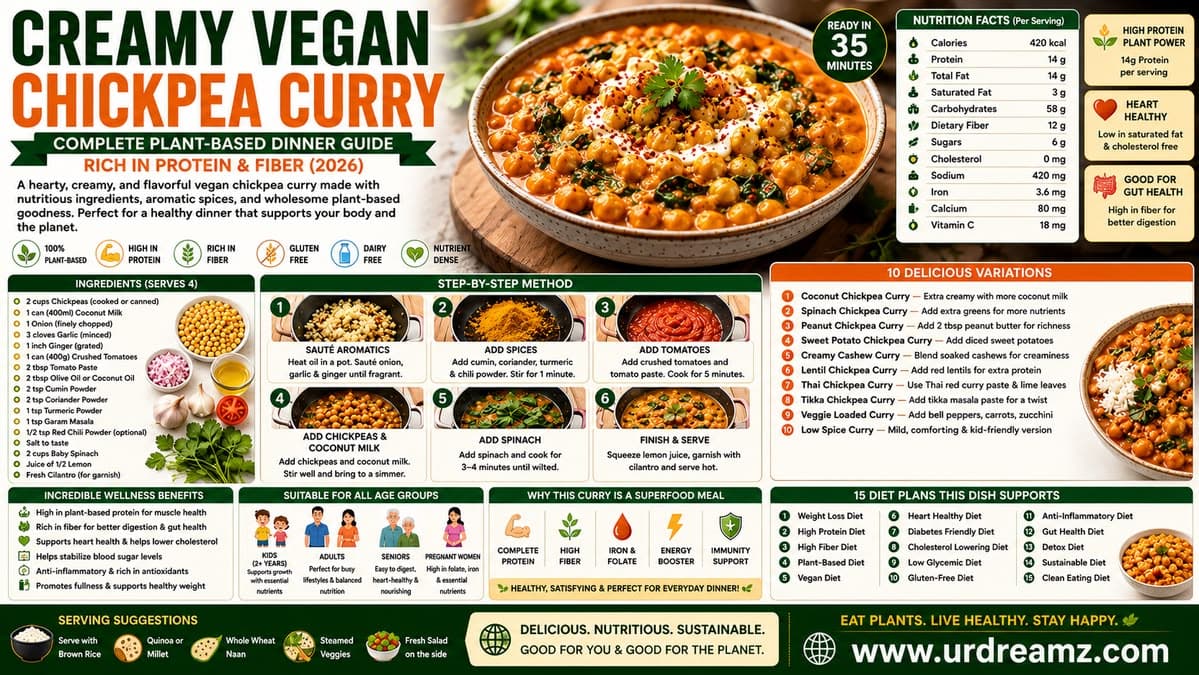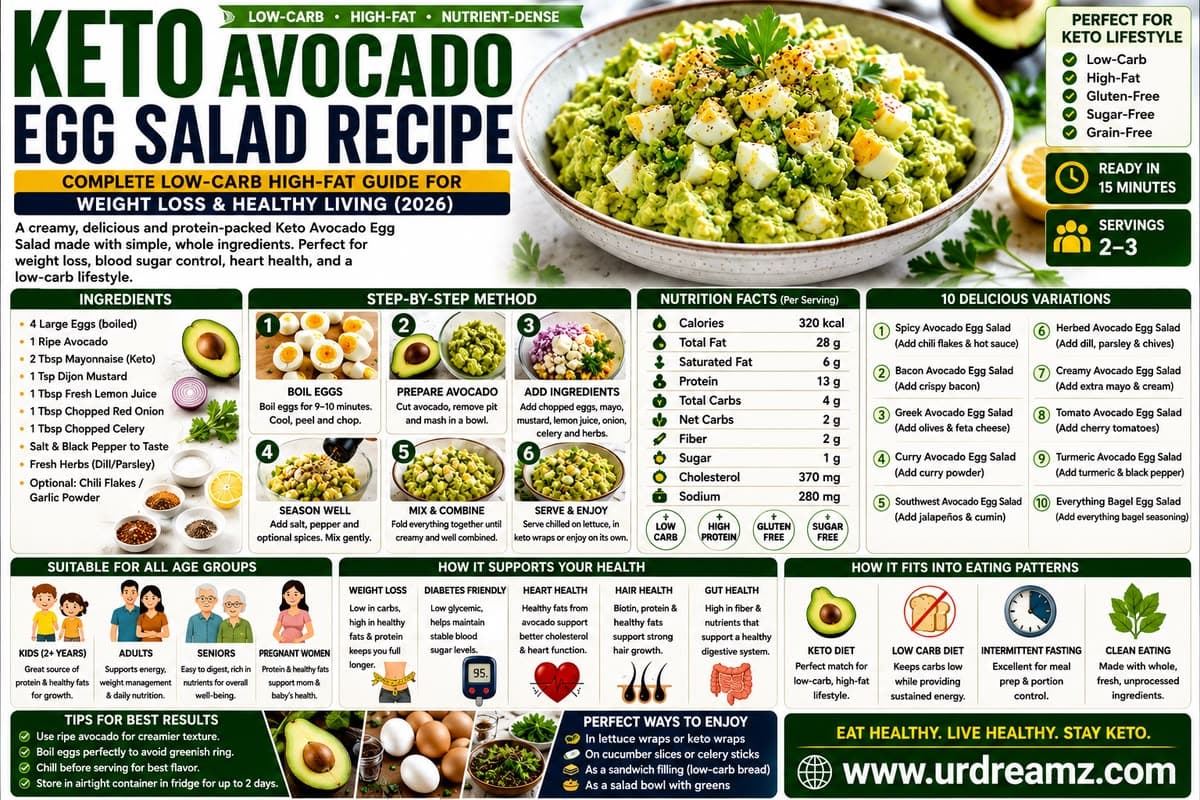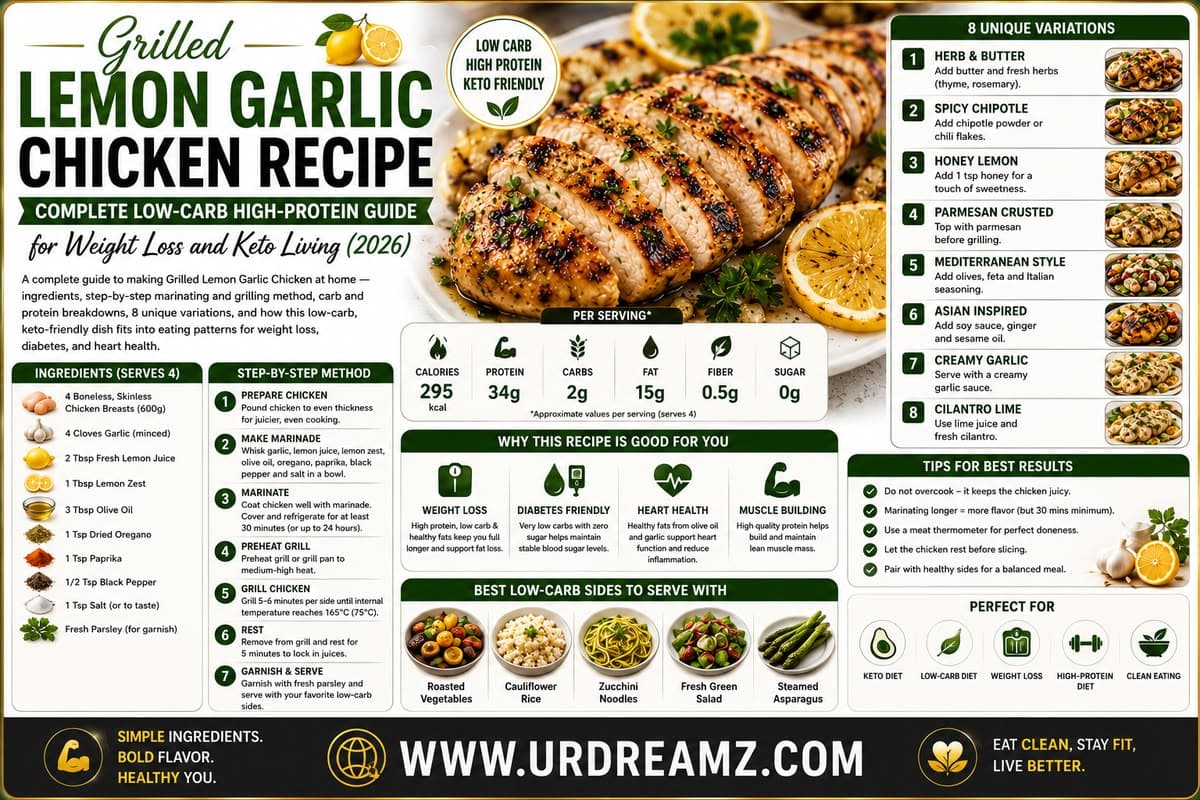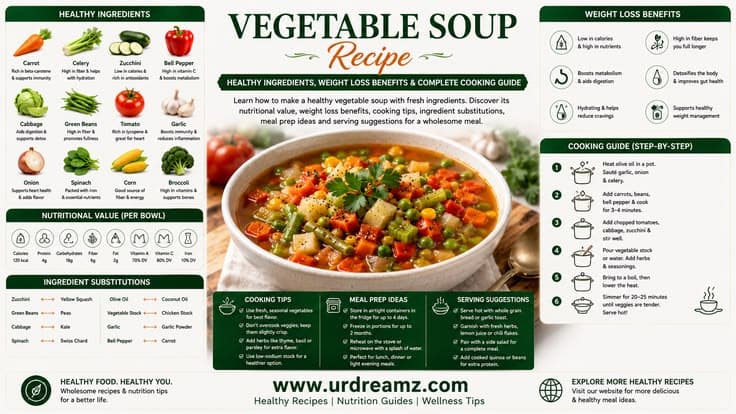
Vegetable Soup Recipe: Healthy Ingredients, Weight Loss Benefits and Complete Cooking Guide
Vegetable soup is one of the oldest, most comforting, and genuinely nutritious meals in human culinary history. Across every culture, climate, and cuisine tradition on Earth, some version of vegetables simmered in a flavorful broth exists — and the reason is simple: it works. A bowl of well-made homemade vegetable soup delivers an extraordinary range of vitamins, minerals, fiber, antioxidants, and hydration in a warm, satisfying, and deeply comforting package that can be adapted to virtually any health goal, dietary restriction, or seasonal ingredient availability.
Whether you are looking to lose weight, improve digestion, support heart health, manage blood sugar, feed a family on a budget, or simply build a weekly meal prep routine around something genuinely wholesome — healthy vegetable soup is one of the most reliable and versatile tools in the whole-food kitchen. This complete guide covers the perfect base recipe, all major variations, the science behind soup's health benefits, a 7-day soup diet plan, essential herb and seasoning guides, common cooking mistakes, and everything else you need to make vegetable soup a confident and enjoyable part of your cooking repertoire.
More Healthy Recipes from Our Collection
This vegetable soup guide is the latest addition to our growing library of evidence-based healthy recipes. Each article connects naturally with the others to form a comprehensive nutrition resource:
- High Protein Breakfast Recipes — Complete Morning Meal Guide
- Weight Loss Complete Guide — 37 Recipes, 17-Day Meal Plan and Fat Burning Foods
- Diabetic Breakfast Recipes — Healthy Low Sugar Morning Meals
- Overnight Oats Recipes — Easy Make-Ahead Breakfast Ideas
- Green Tea Recipe — Health Benefits, Weight Loss and Brewing Guide
- Green Detox Smoothie Recipe — Healthy Ingredients and Weight Loss Guide
Why Vegetable Soup Is One of the Healthiest Meals You Can Make
Vegetable soup occupies a unique position in nutritional science because it combines several powerful health mechanisms into a single, effortless meal. When vegetables are cooked in liquid, their cell walls break down and release their nutrients into the broth — and since you consume the broth alongside the vegetables, you capture virtually every water-soluble vitamin and mineral that would otherwise be lost during steaming or roasting. This makes soup one of the most nutrient-efficient cooking methods available.
The high water content of soup creates extraordinary satiety with very few calories. Research consistently shows that people who eat soup before a main course consume significantly fewer total calories at that meal — and that this reduction is not compensated for later in the day. A large bowl of vegetable soup contains roughly 150–250 calories while filling the stomach with warm liquid and fiber-rich vegetables that signal fullness to the brain quickly and durably.
Additionally, the diversity of vegetables in a good homemade soup exposes the gut microbiome to a wide variety of plant fibers, polyphenols, and phytonutrients — supporting microbial diversity which is increasingly recognized as one of the most important factors in overall health, immunity, mental wellbeing, and disease prevention.
Vegetable Soup Nutrition Facts
The exact nutritional profile of vegetable soup varies significantly based on ingredients, but a well-constructed homemade vegetable soup with a variety of colorful vegetables, legumes, and fresh herbs delivers an impressive range of essential nutrients per serving.
| Nutrient | Amount | Health Role |
|---|---|---|
| Calories | 180–250 kcal | Low calorie, high nutrient density |
| Carbohydrates | 28–38g | Sustained energy from complex carbs and fiber |
| Dietary Fiber | 6–10g | Gut health, cholesterol, blood sugar regulation |
| Protein | 7–12g (with beans/lentils) | Satiety, tissue repair, immune function |
| Total Fat | 4–7g (from olive oil) | Healthy fats for vitamin absorption |
| Vitamin A | 80–150% DV (from carrots, spinach) | Immunity, vision, skin health |
| Vitamin C | 40–80% DV (from tomatoes, peppers) | Immunity, collagen, antioxidant |
| Vitamin K | 60–120% DV (from spinach, kale) | Bone health, blood clotting |
| Potassium | 600–900mg | Blood pressure, muscle function |
| Iron | 3–5mg (from lentils, spinach) | Oxygen transport, energy |
| Calcium | 80–140mg | Bone density, muscle contraction |
| Sodium | 400–600mg (low-sodium broth) | Fluid balance (keep controlled with low-sodium broth) |
The Hearty Vegetable Soup: Complete Recipe
This is the foundation recipe — a warm, nutritious, flavor-packed soup loaded with colorful vegetables, beans, and herbs that works as a complete meal in a bowl. Preparation takes 15 minutes; cooking takes 30 minutes. Serves 6 generously.
Ingredients
- 2 tablespoons olive oil
- 1 medium yellow onion, chopped
- 3 cloves garlic, minced
- 2 carrots, peeled and sliced
- 2 celery stalks, sliced
- 1 red bell pepper, diced
- 1 zucchini, diced
- 1 can (400g) diced tomatoes with juice
- 4 cups low-sodium vegetable broth
- 1 can (400g) kidney beans, rinsed and drained
- 1 can (400g) white beans, rinsed and drained
- 1 cup green beans, trimmed and cut into bite-sized pieces
- 1 teaspoon dried Italian seasoning
- ½ teaspoon dried thyme
- 1 bay leaf
- 2 cups fresh spinach or kale, roughly chopped
- Salt and black pepper to taste
- Fresh parsley for garnish (optional)
- Squeeze of fresh lemon juice to finish (optional but recommended)
Instructions
- Sauté aromatics: Heat olive oil in a large heavy-bottomed pot over medium heat. Add chopped onion and cook for 4–5 minutes, stirring occasionally, until softened and translucent. Add minced garlic and cook for 30 seconds until fragrant — be careful not to burn the garlic.
- Build the vegetable base: Add carrots, celery, red bell pepper, and zucchini to the pot. Sauté for 5 minutes, stirring occasionally, until the vegetables begin to soften and develop a little color around the edges.
- Add tomatoes and broth: Pour in the diced tomatoes with their juice and the vegetable broth. Add the kidney beans, white beans, green beans, Italian seasoning, thyme, and bay leaf. Stir everything together well.
- Simmer: Bring the soup to a full boil, then reduce the heat to low. Cover and simmer for 20–25 minutes, or until all the vegetables are completely tender when pierced with a fork.
- Add greens: Stir in the fresh spinach or kale and cook for 2–3 minutes, just until wilted. Greens should be added at the very end to preserve their color, texture, and nutrients.
- Season and finish: Remove the bay leaf. Season generously with salt and black pepper. Add a squeeze of fresh lemon juice for brightness — this simple addition dramatically elevates the overall flavor.
- Serve: Ladle into bowls and garnish with fresh parsley. Serve immediately with crusty whole grain bread, a simple green salad, or a grilled cheese sandwich.
Serving Tips
This soup tastes even better the following day as the flavors deepen and meld overnight. Feel free to substitute any vegetables you have on hand — this recipe is endlessly adaptable. A dash of red pepper flakes adds pleasant warmth without overwhelming the other flavors.
Best Vegetables for Homemade Soup
Choosing the right combination of vegetables is what separates a memorable, deeply flavorful soup from a flat, watery one. Different vegetables contribute different textures, flavors, cooking times, and nutritional profiles — understanding these roles helps you build better soups consistently.
| Vegetable | Role in Soup | Key Nutrients | When to Add |
|---|---|---|---|
| Onions | Aromatic base, natural sweetness, depth | Quercetin, sulfur compounds, Vitamin C | First — always sautéed before other vegetables |
| Garlic | Flavor foundation, antimicrobial compounds | Allicin, Vitamin B6, manganese | After onions, 30 seconds only |
| Carrots | Natural sweetness, color, body | Beta-carotene (Vitamin A), fiber, potassium | Early — takes longer to soften |
| Celery | Savory depth, aromatic base | Vitamin K, phthalides (blood pressure), hydration | Early — with carrots |
| Tomatoes | Acidity, umami, richness, color | Lycopene, Vitamin C, potassium | After aromatics, before broth |
| Bell Peppers | Sweetness, Vitamin C, color | Vitamin C (highest of any vegetable), antioxidants | Mid-cook — holds shape well |
| Zucchini | Mild flavor, tender texture, bulk | Vitamin B6, Vitamin C, manganese | Mid-cook — can become mushy if overcooked |
| Cabbage | Hearty texture, volume, fat-burning properties | Vitamin K, Vitamin C, glucosinolates | Early to mid — holds up well to long cooking |
| Broccoli / Cauliflower | Substance, cruciferous nutrition | Sulforaphane, Vitamins C and K, fiber | Later — 10–15 minutes before end |
| Spinach / Kale | Color, iron, final nutrition boost | Iron, Vitamin K, folate, magnesium | Very last 2–3 minutes only |
| Potatoes | Heartiness, thickening, comfort | Potassium, Vitamin B6, resistant starch | Early — dices need 20+ minutes to cook through |
| Kidney/White Beans | Protein, fiber, body, creaminess | Plant protein, iron, folate, fiber | Mid-cook (if canned); early if dried and soaked |
21 Low-Fat Soup Recipes: The Complete Collection
These 21 low-fat soup recipes cover the full spectrum of flavors, cuisines, and nutritional profiles — from classic chicken noodle to spicy Thai and elegant butternut squash. Each recipe is naturally low in fat, high in fiber, and designed to satisfy without excess calories.
| # | Soup | Key Ingredients | Primary Health Benefit |
|---|---|---|---|
| 1 | Chicken and Veggie Soup | Chicken breast, carrots, celery, onion, broth, garlic, herbs | High protein, immunity support |
| 2 | Tomato Basil Soup | Tomatoes, onion, garlic, basil, vegetable broth | Lycopene antioxidants, heart health |
| 3 | Minestrone | Kidney beans, zucchini, carrots, vegetable broth, pasta | Fiber-rich, complete plant nutrition |
| 4 | Lentil Soup | Lentils, carrots, celery, onion, garlic, spinach, broth, cumin, turmeric | Plant protein, iron, gut health |
| 5 | Cabbage Soup | Cabbage, carrots, tomatoes, onion, bell pepper | Ultra-low calorie, fat-burning, detoxifying |
| 6 | Classic Vegetable Soup | Mixed vegetables, potatoes, onion, vegetable broth | Broad spectrum micronutrients |
| 7 | Chicken and Brown Rice Soup | Chicken breast, brown rice, carrots, celery, onion | High protein, complex carbs, energy |
| 8 | Broccoli Cheddar Soup | Broccoli, low-fat cheese, onion, skim milk | Calcium, Vitamin C, sulforaphane |
| 9 | Miso Soup | Miso paste, tofu, seaweed, green onions | Probiotics, complete protein, iodine |
| 10 | Zucchini Soup | Zucchini, onion, garlic, vegetable broth | Low calorie, hydrating, anti-inflammatory |
| 11 | Turkey Meatball Soup | Ground turkey, spinach, garlic, broth | Very high protein, low fat, iron-rich |
| 12 | Spicy Black Bean Soup | Black beans, tomatoes, onion, jalapeño, spices | Plant protein, fiber, metabolism boost |
| 13 | Butternut Squash Soup | Butternut squash, onion, garlic, vegetable broth | Beta-carotene, Vitamin A, anti-aging |
| 14 | Spinach and Lentil Soup | Lentils, spinach, onion, tomatoes, vegetable broth | Iron, folate, plant protein, digestive health |
| 15 | Corn and Potato Chowder | Corn, potatoes, onion, skim milk | Complex carbs, Vitamin B6, fiber |
| 16 | Thai Chicken Soup | Chicken, coconut milk, lemongrass, curry paste | Anti-inflammatory, metabolism-boosting |
| 17 | Mushroom Barley Soup | Mushrooms, pearl barley, onion, thyme, broth | Beta-glucan fiber, immune support, umami |
| 18 | Carrot Ginger Soup | Carrots, fresh ginger, onion, coconut milk, broth | Anti-inflammatory, digestive, beta-carotene |
| 19 | Cauliflower Soup | Cauliflower, onion, garlic, broth, olive oil | Low carb, Vitamin C, sulforaphane |
| 20 | Chickpea Soup | Chickpeas, tomatoes, spinach, cumin, garlic | Plant protein, iron, fiber |
| 21 | Red Lentil and Spinach Soup | Red lentils, spinach, carrots, turmeric, cumin | Complete iron and protein meal |
Cabbage Fat-Burning Soup: The Ultimate Weight Loss Soup
The cabbage soup diet has been a staple of the weight loss community for decades — and while the original 7-day diet is quite restrictive, the underlying soup recipe is genuinely nutritious, extraordinarily low in calories, and deeply satisfying when made correctly. A single serving contains approximately 100 calories while providing significant fiber, hydration, and a broad spectrum of vitamins and minerals.
Cabbage Fat-Burn Soup Recipe
Ingredients
- ½ head green cabbage, roughly chopped
- 1 medium onion, diced
- 1 large carrot, sliced into half-moons
- 1 celery stalk, chopped
- 2 garlic cloves, minced
- 1 cup canned diced tomatoes
- 3 cups low-sodium vegetable broth
- 1 teaspoon olive oil
- Salt and black pepper to taste
- Optional additions: ½ zucchini diced, 1 cup spinach, pinch of turmeric, pinch of cayenne pepper
Instructions
- Heat olive oil in a medium pot over medium heat. Add garlic, onion, and celery and sauté for 3 minutes until softened.
- Add cabbage, carrot, and tomatoes. Stir and cook for 2 more minutes to develop flavor.
- Pour in the vegetable broth and season with salt and pepper. If using turmeric and cayenne, add them now.
- Bring to a boil, then reduce heat and simmer for 20–25 minutes until all vegetables are completely tender.
- Add optional zucchini and spinach in the last 5 minutes of cooking.
- Taste, adjust seasoning, and serve hot.
Why Cabbage Soup Supports Fat Loss
Cabbage is a cruciferous vegetable that contains glucosinolates — compounds that support liver detoxification enzymes and help the body process and eliminate stored toxins and excess hormones that can interfere with fat metabolism. Its extraordinarily high water content (approximately 92%) and fiber create significant stomach volume and satiety with minimal calories. The natural sulfur compounds in cabbage also support gut health by feeding beneficial bacteria in the large intestine.
Batch cooking this soup on Sunday and reheating daily makes it one of the most practical and sustainable weight loss strategies for busy people — it genuinely gets better with each reheating as flavors deepen.
Weight-Loss Cabbage Vegetable Soup: Complete Recipe
This refined version of the cabbage soup adds more vegetables, uses low-sodium broth, and includes Italian herbs for a more complex, restaurant-quality flavor that makes it genuinely enjoyable to eat daily rather than feeling like diet food.
Ingredients
- ½ head cabbage, chopped
- 2 carrots, diced
- 2 celery stalks, sliced
- 1 onion, chopped
- 3 garlic cloves, minced
- 1 large tomato, diced
- 6 cups low-sodium vegetable broth
- 1 teaspoon olive oil
- 1 teaspoon dried Italian herbs
- ½ teaspoon red pepper flakes
- Salt and black pepper to taste
Key Benefits of This Recipe
- Low in Calories: Approximately 80–100 calories per generous serving
- High in Fiber: 6–8g of dietary fiber per bowl supports satiety and gut health
- Full of Antioxidants: Lycopene from tomatoes, quercetin from onions, sulforaphane from cabbage
- Naturally Detoxifying: Supports liver and kidney function through multiple phytonutrient pathways
- Helps You Feel Full and Satisfied: High volume, high fiber, high water content creates genuine lasting fullness
- Easy to Batch Cook: Makes 6–8 servings in one pot; stores 5 days refrigerated or 3 months frozen
Fat-Burning Soup: Low-Calorie Detox Winter Recipe
This fat-burning soup combines the most thermogenic, anti-inflammatory, and detoxifying vegetables in a single bowl. Turmeric, cayenne, and black pepper create a gentle metabolic activation effect while cabbage, spinach, and zucchini deliver fiber and micronutrients with almost zero caloric impact.
Ingredients (1 serving)
- ½ cup cabbage, chopped
- ½ onion, diced
- ½ carrot, sliced
- ½ celery stalk, chopped
- 1 garlic clove, minced
- ½ zucchini, chopped
- ½ cup spinach, chopped
- ¼ cup diced tomatoes
- 1 cup low-sodium vegetable broth
- 1 teaspoon olive oil
- Pinch of turmeric powder
- Pinch of black pepper
- Pinch of cayenne pepper (optional)
- Salt to taste
How to Make
- Heat olive oil in a small saucepan over medium heat. Sauté onion, garlic, carrot, and celery for 2–3 minutes.
- Add cabbage, zucchini, spinach, and tomatoes. Stir everything together well.
- Pour in the vegetable broth and season with turmeric, black pepper, cayenne (if using), and salt.
- Simmer for 15–20 minutes until all vegetables are tender.
- Serve hot — this single bowl is a perfect, filling, complete meal under 150 calories.
Save this recipe for your winter weight loss routine — it is especially effective when consumed as the first meal of the day or as a complete dinner on lighter eating days.
7-Day Vegetable Soup Diet for Weight Loss
The 7-day vegetable soup diet is a structured, short-term eating plan built around a core vegetable soup that is consumed at every meal alongside specific additional foods each day. When followed correctly, it can support a loss of 3–5 kg in one week — primarily through water weight reduction, elimination of processed food, and a significant caloric deficit created by the soup's very low calorie density.
Core Soup Recipe for the 7-Day Plan
The soup used throughout the 7-day plan contains cabbage, carrots, tomatoes, green beans, bell peppers, and spinach or kale — simmered in water with black pepper, turmeric, and mixed herbs. No cream, no flour, no butter. The vegetables are:
- Cabbage: High in fiber and detoxifying glucosinolates
- Carrots: Rich in beta-carotene, boosts metabolism
- Tomatoes: Antioxidant-rich lycopene for fat burning support
- Green Beans: Low calorie and genuinely filling
- Bell Peppers: Capsaicin content speeds up fat oxidation
- Spinach / Kale: Loaded with nutrients and iron
| Day | What to Eat Alongside the Soup | What to Avoid | Primary Benefit |
|---|---|---|---|
| Day 1 | Soup + any fresh fruits (except bananas) | Bananas, all starchy foods | Cleansing, hydration, Vitamin C loading |
| Day 2 | Soup + vegetables only (non-starchy, baked or raw) | Fruits, grains, starchy vegetables | Maximum fiber day, gut cleanse |
| Day 3 | Soup + fruits and vegetables combined | Bananas, grains, all starches | Broad micronutrient coverage |
| Day 4 | Soup + bananas (up to 8) + skimmed milk | Other fruits, grains | Potassium replenishment, curb sweet cravings |
| Day 5 | Soup + tomatoes + lean protein (beans or lean meat) | Excess starchy carbs | Protein day, metabolism support |
| Day 6 | Soup + leafy greens + lean protein | Starchy carbs, excess fruit | Iron and protein loading, energy restoration |
| Day 7 | Soup + brown rice + fresh fruit juices (unsweetened) | All refined foods and sugar | Complex carb restoration, digestive cleanse |
Important Notes About the 7-Day Soup Diet
The 7-day soup diet is a short-term intervention, not a long-term eating plan. Most weight lost in the first week is water weight from glycogen depletion and elimination of sodium-heavy processed foods. For sustainable fat loss, transition from the 7-day plan to a balanced diet that includes a daily vegetable soup alongside complete, protein-rich meals. For comprehensive weight loss strategies, see our Weight Loss Complete Guide with 37 Recipes and 17-Day Meal Plan.
Health Benefits of Vegetable Soup
Regular consumption of homemade vegetable soup delivers a broad and well-documented range of health benefits that extend far beyond simple nutrition. Here is a comprehensive overview of what happens to your body when vegetable soup becomes a consistent part of your diet.
Weight Management and Fat Loss
Soup is one of the most powerful weight management tools available for a simple thermodynamic reason: water within food — as opposed to water consumed alongside food — slows gastric emptying and extends the feeling of fullness significantly longer than the same calories consumed in solid form. Research by Dr. Barbara Rolls at Pennsylvania State University demonstrated that eating a vegetable soup before a meal reduced total meal calorie intake by an average of 20% without increasing hunger later. Over time, this consistent calorie reduction produces meaningful, sustainable weight loss without deprivation.
Digestive Health and Gut Microbiome
A vegetable soup made with diverse plant foods exposes the gut microbiome to dozens of different types of dietary fiber and plant polyphenols in a single meal. The concept of eating 30 different plant foods per week — now recommended by leading gastroenterologists for optimal gut microbiome diversity — becomes remarkably achievable when vegetable soup is a weekly staple. Each different vegetable feeds different strains of beneficial bacteria, promoting the microbial diversity associated with better immunity, mood regulation, and metabolic health.
Cardiovascular Protection
The combination of potassium from carrots and celery, lycopene from tomatoes, folate from leafy greens, soluble fiber from beans and vegetables, and anti-inflammatory polyphenols from garlic and onions creates a genuinely cardioprotective meal. Studies consistently link high vegetable consumption with lower rates of heart disease, stroke, and hypertension — and soup is one of the most efficient ways to consume large amounts of heart-healthy vegetables in enjoyable form. For blood pressure management specifically, see our Diabetic Breakfast Recipes Guide for complementary nutritional strategies.
Immune System Support
Hot vegetable soup supports immunity through multiple pathways simultaneously. The warmth itself helps clear nasal passages and soothes respiratory membranes. The high Vitamin C content from bell peppers, tomatoes, and leafy greens supports immune cell production and function. The zinc from legumes, the beta-carotene from carrots and sweet potatoes, and the sulfur compounds from garlic and onions all contribute directly to immune defense. There is a genuine scientific basis for the folk wisdom of soup as medicine during illness — beyond the simple comfort it provides.
Blood Sugar Regulation
A vegetable soup with beans and lentils has an exceptionally low glycemic load — meaning it releases glucose into the bloodstream very slowly and gently, preventing the spikes and crashes associated with refined carbohydrate consumption. The fiber in beans and vegetables slows gastric emptying and carbohydrate digestion, and legumes specifically have been shown in multiple studies to improve insulin sensitivity and lower post-meal blood glucose responses in people with type 2 diabetes. For diabetic-specific guidance, see our Diabetic Breakfast Recipes Guide.
9 Hearty and Delicious Soup Recipes: The Complete Collection
These nine soups represent the most popular and beloved recipes across global cuisine traditions — from classic chicken soup to elegant seafood chowder. Each recipe is written with clear, practical instructions and uses whole-food ingredients for maximum nutritional impact.
1. Classic Chicken Soup
Use 200g chicken breast, 100g each of carrot and celery, 1.5 liters chicken stock, 50g onion, 1 teaspoon garlic, salt, and pepper. Simmer the chicken until completely cooked through (approximately 20 minutes), then remove and shred. Return the shredded chicken to the broth with the vegetables and simmer until the vegetables are completely tender. This is the most deeply nourishing, immunity-supporting soup in the collection — the gelatin from long-simmered chicken stock provides gut-healing collagen, while the vegetables deliver broad-spectrum micronutrients.
2. Tomato Soup
Roast 800g ripe tomatoes with 100g onion and garlic in olive oil until caramelized and collapsed. Blend with 500ml vegetable broth until smooth. Season with salt, pepper, and fresh basil. The roasting step concentrates lycopene — a powerful antioxidant particularly beneficial for prostate health and cardiovascular protection — and creates an extraordinary depth of flavor that simple stovetop tomato soup cannot match. A teaspoon of cream stirred in at the end is optional but transforms the texture.
3. Mushroom Soup
Sauté 300g mixed mushrooms (cremini, portobello, shiitake) in 30g butter with 100g onion until deeply golden and reduced. Add 500ml chicken stock and simmer 15 minutes. Blend half the soup for creaminess while retaining some whole mushroom pieces for texture. Finish with 200ml cream and season. Mushrooms contain beta-glucan, a powerful immune-modulating compound, alongside ergothioneine — a unique antioxidant that specifically protects cells from oxidative damage.
4. Lentil Soup
Sauté 100g each of carrot, onion, and celery with garlic in olive oil. Add 200g red lentils, 1.2 liters vegetable broth, 2 teaspoons cumin, and 1 teaspoon turmeric. Simmer 25–30 minutes until lentils are completely dissolved into the broth. Lentil soup is one of the most complete plant-protein meals available — it provides all essential amino acids when combined with the vegetables, delivers exceptional iron and folate content, and has a very low glycemic index making it ideal for blood sugar management.
5. Seafood Chowder
Cook 150g potato and 100g corn in fish stock until tender. Add 200g mixed seafood (shrimp, scallops, white fish) and 200ml cream. Season and simmer gently for 5 minutes. This is the most protein-dense soup in the collection — seafood provides complete protein, omega-3 fatty acids, iodine, and selenium. The corn provides fiber and natural sweetness that balances the richness of the cream and seafood.
6. Broccoli Cheddar Soup
Make a simple roux with 30g butter and 2 teaspoons flour. Whisk in 500ml milk and 200ml vegetable broth over gentle heat until smooth and thickened. Add 300g broccoli florets and simmer 10 minutes until tender. Stir in 200g shredded cheddar off the heat. Blend partially for a creamy-chunky texture. Broccoli is one of the most nutritionally dense vegetables available, providing exceptional sulforaphane content, Vitamins C and K, and cancer-preventive compounds.
7. Minestrone Soup
This Italian classic combines vegetables, beans, and pasta in a tomato broth seasoned with Italian herbs. Start with the classic sautéed onion, garlic, carrot, and celery base. Add diced tomatoes, kidney beans, zucchini, and vegetable broth. Simmer until vegetables are tender, then add small pasta (ditalini or small shells) and cook 8–10 minutes until al dente. Minestrone is nutritionally remarkable — it contains plant protein from beans, complex carbs from pasta, and a broad spectrum of vegetables in a single bowl.
8. Thai Tom Yum Soup
This fragrant Thai classic combines lemongrass, kaffir lime leaves, galangal, chili, and fish sauce with mushrooms, tomatoes, and shrimp in a clear, intensely aromatic broth. Tom Yum is one of the most anti-inflammatory soups in the world — lemongrass contains citral, galangal provides potent antimicrobial compounds, and the chili delivers capsaicin for metabolism support.
9. Potato Leek Soup
Slowly cook 3 large leeks (white and light green parts) in 30g butter until completely soft and sweet — approximately 15 minutes. Add 3 cups diced potatoes and 4 cups vegetable broth. Simmer until potatoes are completely tender, then blend until velvety smooth. Season and serve with a swirl of cream and chives. Leeks are exceptional prebiotics — their inulin fiber specifically feeds Lactobacillus and Bifidobacterium species for outstanding gut health support.
6 Classic American Soup Recipes
American comfort soups represent some of the most beloved and deeply satisfying recipes in the global soup tradition. These six classics are adapted here with wholesome, whole-food ingredients.
1. Classic Chicken Noodle Soup
Heat 2 tablespoons olive oil and sauté 1 chopped onion, 3 sliced carrots, 3 sliced celery stalks, and 3 minced garlic cloves until softened. Add 8 cups chicken broth, 2 cups shredded cooked chicken, 1 teaspoon dried thyme, and 1 bay leaf. Simmer 15 minutes, then add 2 cups egg noodles and cook 8 more minutes. Season with salt and pepper and garnish with fresh parsley. The ultimate comfort food — deeply nourishing, genuinely healing for colds and flu, and endlessly satisfying.
2. New England Clam Chowder
Cook 4 strips chopped bacon until crispy; use the rendered fat to sauté 1 onion and 2 celery stalks. Add 3 cups diced potatoes and 2 cups clam juice. Simmer until potatoes are tender, then add 2 cans chopped clams with their juice and 2 cups heavy cream. Season and garnish with fresh thyme. Clams are one of the highest natural sources of Vitamin B12 and iron — making this rich, creamy soup genuinely nutritious despite its indulgent character.
3. Creamy Tomato Soup
Sauté 1 chopped onion and 2 minced garlic cloves in 2 tablespoons butter. Add 2 large cans of crushed tomatoes and 2 cups vegetable broth. Simmer 15 minutes, blend completely smooth, return to heat, and stir in ½ cup heavy cream. A small pinch of sugar balances the tomato's natural acidity. Season and garnish with fresh basil leaves. Pairs perfectly with a grilled cheese sandwich for the ultimate American comfort meal.
4. Broccoli Cheddar Soup
The full-sized version uses 4 cups broccoli florets, 1 chopped onion, 2 minced garlic cloves, 4 cups broth, 2 cups shredded sharp cheddar, 1 cup heavy cream, and a roux base of 3 tablespoons each butter and flour. Cook the roux first, whisk in broth and cream, add broccoli, simmer until tender, then blend partially and stir in cheese off the heat. Season generously — this rich, satisfying soup works as a complete meal when served with whole grain bread.
5. Hearty Beef Chili
Brown 1 pound ground beef with 1 chopped onion, 1 green bell pepper, and 2 minced garlic cloves. Drain excess fat. Add 1 can each of kidney beans, diced tomatoes, and tomato sauce. Season with 2 tablespoons chili powder, 1 teaspoon cumin, and salt and pepper. Simmer 30 minutes until thick and deeply flavored. Beef chili is a protein powerhouse — it delivers complete animal protein, iron, zinc, and the fiber and antioxidants of legumes and tomatoes in one deeply satisfying bowl.
6. Creamy Potato Soup
Cook 4 cups diced potatoes, 1 chopped onion, and 3 minced garlic cloves in 4 cups chicken broth until potatoes are completely soft. Blend approximately half the soup for a creamy-chunky texture. Stir in 1 cup heavy cream and 2 tablespoons butter. Season and top with crumbled cooked bacon, shredded cheddar, sour cream, and chopped green onions or chives. Potatoes provide resistant starch when cooled — making cold or reheated potato soup particularly beneficial for gut health.
15 Healthy Instant Pot Soup Recipes
The Instant Pot has transformed healthy soup making — dramatically reducing cooking times while producing deeply developed flavors that would otherwise require hours of simmering. These 15 Instant Pot soups are quick, nutritious one-pot meals that produce restaurant-quality results in a fraction of traditional cooking time.
| # | Soup Name | Key Nutritional Feature | Approx. Cook Time (Pressure) |
|---|---|---|---|
| 1 | Chicken Noodle Soup | High protein, complete meal, comfort | 10 minutes |
| 2 | Creamy Tomato Basil | Lycopene, Vitamin C, heart health | 8 minutes |
| 3 | Lentil and Vegetable Soup | Plant protein, iron, fiber | 15 minutes |
| 4 | Beef Barley Soup | High protein, beta-glucan fiber, iron | 25 minutes |
| 5 | White Bean and Kale Soup | Plant protein, calcium, Vitamins K and C | 12 minutes |
| 6 | Spicy Black Bean Soup | Plant protein, fiber, capsaicin metabolism boost | 20 minutes |
| 7 | Thai Green Curry Soup | Anti-inflammatory, metabolism support | 10 minutes |
| 8 | Moroccan Chickpea Soup | Plant protein, iron, exotic spice blend | 15 minutes |
| 9 | Tuscan Sausage Soup | High protein, Italian herb profile | 12 minutes |
| 10 | Detox Green Soup | Maximum chlorophyll and antioxidants | 6 minutes |
| 11 | Minestrone | Broad-spectrum plant nutrition | 8 minutes |
| 12 | Ginger Chicken Soup | Anti-inflammatory, immune support | 12 minutes |
| 13 | Butternut Squash Soup | Beta-carotene, Vitamin A, anti-aging | 8 minutes |
| 14 | Broccoli Cheddar Soup | Calcium, sulforaphane, Vitamin C | 5 minutes |
| 15 | Mushroom and Rice Soup | Beta-glucan immunity, umami, B vitamins | 10 minutes |
Instant Pot Soup Tips
Always use the sauté function first to build aromatics before pressure cooking — this step is not optional, it creates the flavor foundation that separates good Instant Pot soup from flat, one-dimensional results. Add delicate greens (spinach, kale) only after pressure cooking is complete — they cook in 2–3 minutes on sauté mode and do not need pressure. Pasta and rice can turn mushy under pressure — add them in the last 10 minutes on sauté mode for perfect texture.
Cooking Leaves and Their Uses in Soups
Herbs and cooking leaves are what transform a good soup into an extraordinary one. Beyond flavor, many cooking leaves have documented medicinal properties that add genuine therapeutic value to every bowl.
| Herb / Leaf | Flavor Profile | Best Soups | Key Benefit |
|---|---|---|---|
| Bay Leaf | Fragrant, earthy, slightly floral | All broth-based soups, stews, stocks | Adds aromatic depth; removes before serving |
| Basil | Sweet, aromatic, Mediterranean | Tomato soup, minestrone, vegetable soup | Anti-inflammatory, antimicrobial, Vitamin K |
| Thyme | Earthy, slightly floral, robust | Chicken soup, mushroom soup, vegetable soup | Antifungal, antibacterial, respiratory support |
| Parsley | Fresh, bright, slightly peppery | Garnish for all soups; add to fish and chicken soups | Vitamin K, Vitamin C, iron, natural diuretic |
| Rosemary | Piney, robust, warming | Bean soups, lentil soup, roasted vegetable soup | Antioxidant, antimicrobial, memory support |
| Oregano | Bold, slightly bitter, Italian | Tomato-based soups, minestrone, chicken soup | Powerful antimicrobial, antioxidant |
| Cilantro | Fresh, citrusy, divisive | Mexican soups, Asian broths, spicy lentil soup | Heavy metal binding, digestive support |
| Mint | Refreshing, cool, sweet | Cold soups, lentil soup garnish, Mediterranean soups | Digestive relief, anti-nausea, IBS support |
| Turmeric | Earthy, slightly bitter, golden | Lentil soup, carrot soup, any warming soup | Curcumin — most studied anti-inflammatory compound |
| Ginger | Warm, spicy, zingy | Carrot ginger soup, Thai soups, lentil soup | Nausea relief, digestion, anti-inflammatory |
20 Herbs and Their Complete Culinary Uses
Fresh herbs are among the most nutritionally dense foods available — they deliver extraordinary concentrations of vitamins, minerals, antioxidants, and phytonutrients per gram. Using fresh herbs liberally in soups and cooking is one of the simplest ways to dramatically increase the nutritional quality of any meal.
| # | Herb | Best Used In | Flavor Description |
|---|---|---|---|
| 1 | Basil | Tomatoes, pizza, pasta, salads, soups, chicken, fish, sandwiches | Sweet, aromatic, Mediterranean warmth |
| 2 | Bay Leaf | Stocks, soups, stews, casseroles, sauces, braises | Fragrant, earthy, adds depth without sharp flavor |
| 3 | Chervil | Salads, eggs, soups, fish, vegetables, herb butter | Mild, anise-like, delicate |
| 4 | Chives | Potato dishes, eggs, soups, salads, dips, garnish | Mild onion flavor, fresh and bright |
| 5 | Cilantro | Salsas, soups, Asian cuisines, Indian, Mexican, garnish | Bright, citrusy, divisive but powerful |
| 6 | Coriander (seeds) | Curries, Indian dishes, pickles, fish, baked goods | Warm, earthy, slightly citrusy |
| 7 | Dill | Fish, seafood, salads, soups, pickles, dips, coleslaw | Fresh, grassy, slightly anise-like |
| 8 | Fennel | Salads, pork, fish, sauces, stuffing, breads | Mild licorice, sweet, aromatic |
| 9 | Lemongrass | Thai soups, stir-fries, seafood, chicken, tomato-based dishes | Bright citrus, tropical, fragrant |
| 10 | Mint | Drinks, desserts, sauces, lamb, peas, salads, garnishes | Cool, refreshing, sweet |
| 11 | Oregano | Tomato sauces, pizza, Italian dishes, soups, vegetables | Bold, slightly bitter, aromatic |
| 12 | Parsley | Salads, soups, sauces, omelets, fish, meat, garnish | Fresh, slightly peppery, versatile |
| 13 | Rosemary | Roasted vegetables, lamb, poultry, beef, breads, stews | Piney, robust, woody, warming |
| 14 | Sage | Stuffing, sausages, pork, poultry, casseroles, soups | Earthy, savory, slightly medicinal |
| 15 | Savory | Beans, lentils, soups, stuffing, burgers, vegetables | Peppery, thyme-like, robust |
| 16 | Sorrel | Salads, cold soups, cream sauces, fish, soft cheeses | Bright, lemony, acidic |
| 17 | Sweet Marjoram | Soups, stews, egg dishes, stuffing, salads | Mild, sweet, oregano-like but gentler |
| 18 | Tarragon | Vinaigrettes, cream sauces, chicken, seafood, eggs | Distinctive anise flavor, slightly sweet |
| 19 | Thyme | Soups, stews, stocks, marinades, roasted meats, vegetables | Earthy, slightly floral, robust |
| 20 | Lemon Balm | Cold soups, teas, desserts, fish, garnishes | Light lemon, refreshing, mild |
Proven Herb Combinations for Soup
- Italian classics: Basil + Oregano + Thyme — perfect for minestrone, tomato soup, and any Mediterranean vegetable soup
- Herbs de Provence: Thyme + Rosemary + Savory + Marjoram — outstanding in French-style vegetable soups and chicken soups
- Fresh dip blend: Dill + Parsley + Chives — excellent stirred into cold cucumber soup or any creamy vegetable soup
- Anti-inflammatory blend: Turmeric + Ginger + Black Pepper — add to lentil, carrot, or any warming soup for maximum therapeutic benefit
- Middle Eastern warmth: Cumin + Coriander + Turmeric — transformative in lentil, chickpea, and bean soups
Protein Additions for Vegetable Soup
The primary nutritional limitation of a pure vegetable soup is protein — without a protein source, soup digests quickly and does not provide sufficient amino acids for muscle maintenance, immune function, and satiety. These additions transform vegetable soup from a light starter into a complete, balanced meal.
| Protein Source | Protein per Serving | Best Soup Pairing | Key Benefit |
|---|---|---|---|
| Chicken Breast | ~25–30g | Chicken noodle, chicken and rice, chicken vegetable | Lean, complete protein, collagen from bones |
| Red Lentils | ~9g (per ½ cup dry) | Lentil soup, carrot lentil, spinach lentil | Plant protein, iron, folate, low glycemic |
| Kidney Beans | ~7–8g (per ½ cup) | Minestrone, chili, mixed vegetable soup | Plant protein, fiber, resistant starch |
| Chickpeas | ~7g (per ½ cup) | Moroccan, Mediterranean, tomato soups | Plant protein, iron, zinc, B vitamins |
| Ground Turkey | ~22g (per 100g) | Turkey meatball soup, turkey vegetable | Very high protein, low fat, versatile |
| Tofu (firm) | ~8–10g (per 100g) | Miso soup, Asian broths, vegetable soups | Complete plant protein, calcium, isoflavones |
| Quinoa | ~4g (per ½ cup cooked) | Vegetable soup, minestrone variation | Complete plant protein (all amino acids), gluten-free |
| Egg (beaten in) | ~6g (per egg) | Chinese egg drop soup, Italian stracciatella | Complete protein, choline, Vitamin D |
Vegetable Soup Variations for Every Lifestyle
The beauty of vegetable soup is its extraordinary adaptability. The same fundamental technique produces completely different results depending on the vegetables, protein, broth, and seasoning you choose. Here is a guide to the most important variations.
Vegan Vegetable Soup
Use vegetable broth as the liquid base, load up with legumes (lentils, chickpeas, black beans) for plant protein, use olive oil instead of butter for sautéing, and ensure all seasoning components are free from animal-derived ingredients. A nutritional yeast addition (1–2 tablespoons) adds a rich, savory umami depth that replaces the complexity typically provided by chicken broth. Vegan vegetable soup can be every bit as rich and satisfying as traditional versions.
Gluten-Free Vegetable Soup
Standard vegetable soup is naturally gluten-free as long as you avoid adding pasta, barley, or roux-thickened components. Use rice, quinoa, or diced potatoes for heartiness instead of pasta. Check that your vegetable broth is certified gluten-free — some commercial broths use gluten-containing additives. Thicken the soup by blending a portion rather than using a flour-based roux.
Diabetic-Friendly Vegetable Soup
Focus on non-starchy vegetables (spinach, broccoli, cabbage, zucchini, tomatoes, bell peppers) as the primary bulk of the soup, minimize or eliminate high-glycemic ingredients like potatoes and white pasta, add legumes for plant protein and fiber to stabilize blood sugar response, use low-sodium broth to manage sodium intake, and avoid adding cream or high-fat dairy. The cabbage fat-burning soup recipe in this guide is particularly appropriate for diabetics — very low in carbohydrates and extraordinarily high in fiber.
High-Protein Vegetable Soup
Add 100g cooked chicken, turkey, or ground beef to any vegetable soup to immediately double the protein content. Alternatively, add 1 can of drained lentils or chickpeas for plant-based protein. Including both legumes and lean meat creates a soup with 20–30g of protein per serving — sufficient to qualify as a complete meal that supports muscle maintenance and recovery. See our High Protein Breakfast Guide for complementary high-protein meal strategies.
Creamy Vegetable Soup Without Cream
Achieve a luxuriously creamy texture without any dairy by blending cooked cauliflower, white beans, or soaked cashews into the soup. Blended cauliflower in particular creates an extraordinary silky texture that is indistinguishable from cream-based versions at a fraction of the calorie cost and with significant added fiber and nutrients. Alternatively, blend a portion of the soup itself — typically 30–40% — and stir it back into the pot for a creamy-chunky texture.
Common Vegetable Soup Mistakes to Avoid
Even experienced cooks make these soup mistakes repeatedly. Understanding and avoiding them transforms your soups from mediocre to genuinely exceptional.
- Skipping the aromatics foundation: The most important step in any soup is properly sautéing onions and garlic before adding any liquid. Raw aromatics added directly to broth produce a flat, sharp flavor. Caramelized aromatics produce sweet, deep, complex flavor that forms the backbone of the entire soup.
- Adding all vegetables at the same time: Different vegetables have dramatically different cooking times. Root vegetables (carrots, potatoes) need 20–30 minutes; tender vegetables (zucchini, peppers) need 10–15 minutes; leafy greens (spinach, kale) need 2–3 minutes. Adding everything simultaneously results in some vegetables being overcooked and mushy while others remain undercooked.
- Over-salting early: Salt concentration intensifies as soup reduces during cooking. Season lightly at the beginning and taste and adjust only at the end when the soup has reached its final volume and flavor concentration.
- Using too much liquid: A watery soup is a flavorless soup. Use just enough broth to cover the vegetables by about 2–3 cm. You can always add more water if it reduces too much, but you cannot remove excess liquid without reducing the soup for a long time.
- Not developing the tomato paste: If your recipe calls for tomato paste, cook it directly in the oil for 1–2 minutes before adding liquid. This step caramelizes the tomato sugars and creates a dramatically richer, deeper flavor than simply dissolving tomato paste in broth.
- Boiling instead of simmering: Aggressive boiling breaks down delicate vegetables into mush, clouds the broth, and destroys heat-sensitive vitamins. A gentle, consistent simmer with the pot partially covered is the correct technique for virtually all vegetable soups.
- Forgetting acid at the end: A squeeze of fresh lemon juice or a splash of apple cider vinegar added at the very end of cooking brightens all the flavors, balances richness, and makes the soup taste more complete and complex. This simple step is one of the most transformative finishing techniques in all of soup cookery.
- Not tasting before serving: Season at the end, not just at the beginning. Taste your soup 5 minutes before serving and adjust salt, pepper, acidity, and herbs. This final tasting and adjustment is what separates a home cook from a confident, skilled one.
Soup Meal Prep: How to Cook Once and Eat All Week
Vegetable soup is arguably the single most practical meal prep food available. A large batch cooked on Sunday feeds a family for 4–5 days, improves in flavor with each passing day, stores beautifully in the refrigerator or freezer, and reheats in minutes from either state.
How to Batch Cook Soup for the Week
- Choose one or two soup recipes for the week — a hearty bean and vegetable soup for lunch and a lighter broth-based soup for dinner works well.
- Scale the recipe up — a single recipe typically makes 6 servings; doubling it provides 12 servings across the week.
- Cook in the largest pot you own — a 7–8 liter stock pot is ideal for large batch soup making.
- Cool completely before storing — spread the soup across several shallow containers or place the pot in a cold water bath to cool rapidly before refrigerating or freezing.
- Store in labeled, dated containers — use airtight glass containers for refrigerated portions and heavy-duty freezer bags or containers for frozen portions.
- Reheat portions as needed — in a saucepan over medium heat for 5–8 minutes, or in a microwave for 2–3 minutes, stirring halfway through.
Soup Storage Guide
- Refrigerator: All vegetable soups last 4–5 days in sealed containers. Soups with cream, dairy, or seafood are best consumed within 2–3 days.
- Freezer: Most vegetable soups (without pasta, cream, or potato) freeze beautifully for up to 3 months. Freeze in individual portion-sized containers for easy weeknight meals. Thaw overnight in the refrigerator or reheat directly from frozen over low heat.
- Soups that freeze best: Lentil soup, bean soup, broth-based vegetable soup, tomato soup, carrot ginger soup, chicken soup (without noodles)
- Soups to consume fresh: Creamy soups with dairy (cream separates upon freezing), soups with pasta (becomes mushy), miso soup (freezes but loses probiotic benefit)
Serving Suggestions: What to Eat with Vegetable Soup
A well-made vegetable soup is a complete meal in itself when it contains legumes and diverse vegetables — but the right accompaniment elevates the entire eating experience and can round out the nutritional profile perfectly.
- Whole grain bread: Crusty sourdough, whole wheat bread, or a seeded rye bread provides complex carbohydrates and additional fiber alongside the soup. The bread is perfect for mopping up the last of the flavorful broth — a deeply satisfying culinary ritual.
- Simple green salad: A light arugula or mixed leaf salad with olive oil and lemon juice adds fresh contrast to the warm, cooked flavors of the soup and increases the total vegetable serving of the meal.
- Grilled cheese sandwich: The classic American pairing with tomato soup — use whole grain bread and a good quality cheese for a more nutritious version of this comfort classic.
- Whole grain crackers: A lighter alternative to bread — whole grain crackers provide satisfying crunch and additional fiber without the volume of a full bread slice.
- Herb garnishes: Fresh parsley, cilantro, basil, or chives sprinkled over the finished bowl add brightness, additional phytonutrients, and visual appeal that makes the meal more enjoyable.
- A drizzle of extra virgin olive oil: A small drizzle of good quality extra virgin olive oil over any vegetable soup at serving time adds heart-healthy monounsaturated fats, dramatically enhances flavor, and increases the absorption of fat-soluble vitamins from the vegetables.
Vegetable Soup for Specific Health Goals
Vegetable Soup for Diabetes
Focus on non-starchy vegetables, include legumes for plant protein and slow-release fiber, use low-sodium broth, and avoid thickening agents made from refined flour. The lentil soup and spinach lentil soup variations are particularly beneficial for blood sugar management. Pair with our Diabetic Breakfast Recipes Guide for comprehensive blood sugar nutrition strategies.
Vegetable Soup for Heart Health
Prioritize potassium-rich vegetables (leafy greens, tomatoes, beans), use olive oil rather than butter, keep sodium low with low-sodium or homemade broth, and include soluble fiber from oats, beans, and lentils which specifically reduces LDL cholesterol absorption. The tomato basil soup and lentil soup are particularly cardioprotective.
Vegetable Soup for Sickness and Recovery
Hot broth soups are genuinely therapeutic during illness — warm steam clears nasal passages, the warmth soothes the throat, and easily digestible nutrients from both vegetables and broth can be absorbed even when appetite is poor. Chicken and vegetable soup with garlic, ginger, and turmeric is the most comprehensively healing option — providing immune-supporting zinc from chicken, allicin from garlic, gingerols from ginger, and curcumin from turmeric simultaneously.
Vegetable Soup for Kids
Make vegetable soup kid-friendly by pureeing it completely smooth for young children who object to vegetable texture, adding small pasta shapes (ditalini, alphabet pasta) that children find fun to eat, keeping seasoning mild (no chili or strong spices), and including vegetables with naturally sweet profiles like carrots, sweet potato, and corn. Children who help choose the vegetables for their soup are measurably more likely to eat it without resistance.
Vegetable Soup for Winter and Cold Weather
Winter soups should prioritize warming spices (ginger, turmeric, cinnamon, cumin), hearty root vegetables (parsnip, turnip, sweet potato, butternut squash), and robust legumes (lentils, split peas, cannellini beans) that create the deeply satisfying, body-warming, calorie-sufficient meals needed in cold weather. Adding a small amount of fresh chili increases thermogenesis — the body's heat production — which provides genuine warming effect from the inside out.
Easy Vegetable Beef Soup: A Hearty Classic
For those who enjoy a meat-based vegetable soup, this classic American-style vegetable beef soup delivers extraordinary hearty satisfaction alongside a broad spectrum of vegetables.
Ingredients
- 1 tablespoon olive oil
- 1 small onion, chopped
- 900g stew meat, cut into bite-sized pieces
- Salt and black pepper to taste
- 1 large can (1.3 liters) tomato juice
- 4 cans beef broth (approximately 1.6 liters total)
- 1 can Campbell's Beef Consommé (adds rich umami depth)
- 1 can crushed tomatoes (400g)
- 2–3 cups chopped carrots
- 340g bag frozen corn
- 340g bag frozen green beans
- 1 bay leaf
- ½ teaspoon celery salt
- 1½ cups small pasta (added near the end)
Instructions
- Heat olive oil in a large heavy pot over medium heat. Add onion and stew meat. Season with salt and pepper. Cook, stirring occasionally, until the meat is browned on all sides and the onions are translucent — approximately 8–10 minutes.
- Add all remaining ingredients except the pasta. Stir well and bring to a full boil.
- Add the small pasta. Bring back to a boil, then cover leaving a small gap for steam to escape. Reduce heat to low and simmer for 1 hour, stirring occasionally.
- Remove the bay leaf. Taste and adjust seasoning. Serve immediately with hot, crusty bread for a hearty, deeply satisfying meal.
Vegetable Soup Frequently Asked Questions
How do I make vegetable soup without it tasting bland?
Three steps transform bland vegetable soup: properly sauté your aromatics (onion and garlic) in olive oil before adding liquid; use quality broth rather than water as your liquid base; and always add a squeeze of lemon juice or a splash of vinegar at the very end of cooking to brighten and elevate all the flavors. A generous amount of fresh herbs added at the end also contributes dramatic flavor improvement.
Can vegetable soup help with weight loss?
Yes — vegetable soup is one of the most effective weight loss foods available. Its high water content, high fiber, and low calorie density create lasting satiety with minimal calories. Research shows that eating soup before a meal reduces total calorie intake significantly. Consuming a large bowl of vegetable soup as a meal replacement for lunch or dinner consistently creates the calorie deficit needed for fat loss without hunger or deprivation. For comprehensive weight loss support, see our Weight Loss Complete Guide.
How long does homemade vegetable soup last?
Properly stored in sealed containers in the refrigerator, homemade vegetable soup lasts 4–5 days. In the freezer (without pasta, cream, or dairy), it keeps for up to 3 months without significant quality loss.
Can I freeze vegetable soup?
Yes — most vegetable soups freeze beautifully. The exceptions are soups containing pasta (becomes mushy when thawed), cream or dairy (separates), or high-water content vegetables like zucchini and cucumber (become watery). If planning to freeze, cook the soup without pasta and add freshly cooked pasta only when reheating individual portions.
What vegetables should I avoid putting in soup?
No vegetables are entirely unsuitable for soup, but some require special handling. Delicate leafy greens (spinach, basil) should only be added in the final 2–3 minutes as they overcook almost instantly. Brassicas (broccoli, cauliflower) can create unpleasant sulfurous odors if overcooked — add them 10–15 minutes before the end. Beets will turn the entire soup a deep purple-red. These are all manageable — not vegetables to avoid, just vegetables that require timing awareness.
Is homemade vegetable soup healthier than canned?
Dramatically so in most cases. Homemade vegetable soup typically contains far less sodium than canned versions (which can contain over 900mg per serving), no preservatives or additives, fresher vegetables with higher vitamin content, no thickeners or stabilizers, and you have complete control over every ingredient. The nutritional superiority of homemade soup is one of the clearest arguments for home cooking in all of nutrition.
What is the best broth for vegetable soup?
Low-sodium homemade vegetable broth is the gold standard — you can control the sodium completely and the flavor is unmatched. Quality store-bought low-sodium vegetable broth is an excellent practical alternative. Chicken broth creates a richer, more complex flavor base and is appropriate for non-vegan soups. Bone broth provides additional collagen and amino acids for gut health and joint support.
Related Healthy Recipes and Articles
Vegetable soup works most powerfully as part of a comprehensive healthy eating lifestyle. Pair your soup practice with these complementary guides from our Recipes collection for complete daily nutritional coverage:
- High Protein Breakfast Recipes — Start the day with strength before your soup lunch
- Weight Loss Complete Guide — 37 Recipes and 17-Day Meal Plan for sustainable fat loss
- Diabetic Breakfast Recipes — Pair with diabetic-friendly soup variations for complete blood sugar management
- Overnight Oats Recipes — The ideal make-ahead breakfast to complement a soup-based lunch routine
- Green Tea Recipe — The perfect warm drink to serve alongside or after a light vegetable soup
- Green Detox Smoothie — Combine a morning smoothie with an evening vegetable soup for maximum daily plant nutrition
Final Thoughts: Make Vegetable Soup a Weekly Ritual
Vegetable soup deserves a permanent, prominent place in every healthy kitchen. It is one of the most ancient, universal, and consistently validated dietary practices in human history — eaten across every culture because it works, tastes good, nourishes deeply, and adapts to whatever seasonal ingredients are available.
The investment of 45 minutes in a large batch of homemade vegetable soup returns a week of nutritious, satisfying, completely effortless meals that support weight management, digestive health, cardiovascular protection, immune function, blood sugar regulation, and genuine cooking satisfaction. Few other cooking practices deliver such a comprehensive return on such a modest time investment.
Start with the hearty vegetable soup recipe in this guide. Master the fundamentals — the aromatics foundation, the vegetable timing, the herb combinations, the finishing acid. Then explore the 21 low-fat soup variations, the 7-day weight loss plan, the Instant Pot shortcuts, and the specific health goal variations that match your particular needs. Each soup you make will be better than the last as your intuition and confidence grow.
Good for your body. Great for your soul. Extraordinary for your weekly meal prep routine.
More healthy soup recipes, cooking guides, and wellness resources at www.urdreamz.com — Better Health. Better You.