Weight Loss Complete Guide 2026: 37 Best Recipes, 17-Day Meal Plan, Fat Burning Foods and High Protein Diet for Beginners
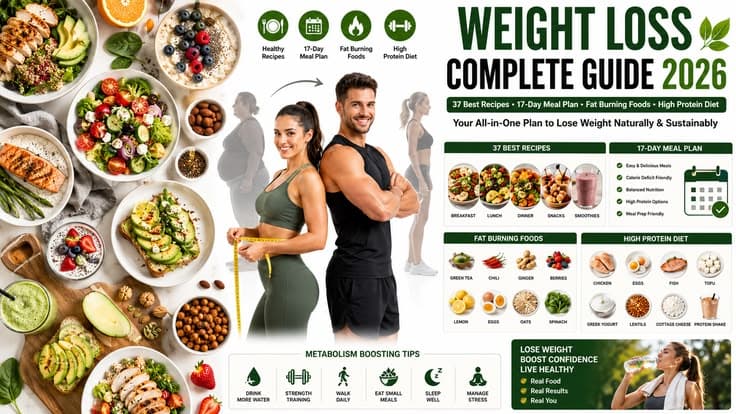
Losing weight does not require starvation, expensive supplements, or extreme diets. What it requires is the right knowledge about food, practical recipes you can actually make, and a realistic daily plan you can follow consistently. This guide brings together 37 original recipes spanning every meal of the day, a science-based 17-day weight loss meal plan, a comprehensive list of fat burning foods, and everything beginners need to understand about protein, fiber, metabolism, and sustainable fat loss.
Understanding Weight Loss — What Actually Works and Why
Before diving into recipes and meal plans, it helps to understand the basic science of weight loss. At its core, weight loss happens when you consistently consume fewer calories than your body burns — a state called a calorie deficit. But the quality of those calories matters enormously for how you feel, how long you can sustain the deficit, and whether you lose fat or muscle.
Why Protein and Fiber Are the Two Most Important Nutrients for Fat Loss
Protein requires more energy to digest than carbohydrates or fat — a phenomenon called the thermic effect of food. This means your body burns roughly 25 to 30 percent of protein calories just in the process of digesting them, compared to only 6 to 8 percent for carbohydrates. Protein also builds and preserves muscle mass, which keeps your metabolism elevated during weight loss. Aim for 1.2 to 2 grams of protein per kilogram of body weight daily.
Fiber slows digestion, stabilizes blood sugar, reduces hunger hormones, and feeds beneficial gut bacteria. Both soluble fiber (found in oats, beans, and apples) and insoluble fiber (found in vegetables and whole grains) contribute to satiety. Studies consistently show that increasing dietary fiber alone, without other changes, promotes meaningful weight loss over time.
The Calorie Deficit — How Much Is Right
A safe and sustainable calorie deficit for most adults is 300 to 500 calories below your total daily energy expenditure. This creates a rate of weight loss of approximately 0.3 to 0.5 kilograms (0.7 to 1 pound) per week. Larger deficits may seem faster but typically cause muscle loss, metabolic slowdown, and extreme hunger that leads to giving up. Slow and steady fat loss, maintained consistently over months, produces far better long-term results than aggressive short-term restrictions.
| Principle | What It Means | Practical Action | Why It Matters |
|---|---|---|---|
| Calorie Deficit | Eat fewer calories than you burn | Reduce daily intake by 300 to 500 calories | Primary driver of fat loss — no deficit, no fat loss |
| High Protein | Eat adequate protein at every meal | Include chicken, eggs, fish, lentils, or dairy | Preserves muscle, increases satiety, boosts metabolism |
| High Fiber | Fill plate with vegetables and whole grains | Half plate vegetables, whole grain carbs | Controls hunger, stabilizes blood sugar |
| Limit Liquid Calories | Avoid sugary drinks | Switch to water, green tea, black coffee | Liquid sugar spikes insulin without creating fullness |
| Consistent Meal Timing | Eat at regular intervals | 3 meals and 1 to 2 snacks at set times daily | Prevents extreme hunger that causes overeating |
| Sleep and Stress | Poor sleep raises hunger hormones | Aim for 7 to 9 hours sleep; manage stress | Sleep deprivation directly increases calorie intake |
26 Fat Burning Foods That Speed Up Weight Loss
Certain foods actively support fat loss either by boosting metabolism, increasing satiety, improving insulin sensitivity, or providing high nutrient density at low calorie cost. Including these foods regularly in your diet accelerates results.
Protein Powerhouses
Eggs are one of the most complete foods available for weight loss — high in protein, rich in vitamins, and deeply satisfying. Studies show people who eat eggs for breakfast consume significantly fewer calories throughout the day compared to those eating carbohydrate-heavy breakfasts. Chicken breast provides approximately 27 grams of protein per 150 gram serving for under 165 calories. Greek yogurt contains twice the protein of regular yogurt, supports gut health through probiotics, and makes an excellent breakfast or snack base. Fish — especially salmon, tuna, and sardines — provide high-quality protein plus omega-3 fatty acids that reduce inflammation and support fat metabolism.
Fiber and Metabolism Boosters
Oatmeal is a triple-action fat loss food — its beta-glucan fiber keeps you full for hours, its warm temperature slows eating pace, and its complex carbohydrates provide steady energy without blood sugar spikes. Green tea contains catechins and caffeine that work together to stimulate fat burning and modestly raise metabolism. Chili peppers contain capsaicin, which temporarily raises metabolic rate and reduces appetite. Legumes — lentils, chickpeas, kidney beans — are among the most filling foods per calorie available, combining fiber, protein, and resistant starch.
Vegetables and Fruits That Help
Leafy greens (spinach, kale, methi) are extremely low in calories but high in nutrients, fiber, and water — they add bulk to meals without adding significant calories. Broccoli contains both fiber and protein, an unusual combination for a vegetable. Berries provide concentrated antioxidants, vitamins, and natural sweetness with far fewer calories and less blood sugar impact than most fruits. Grapefruit and apples have high water content that increases meal volume and satisfaction.
| Food | Key Nutrient | Why It Burns Fat | Best Way to Use It | Approx Calories |
|---|---|---|---|---|
| Eggs | Protein, healthy fats | High satiety, reduces later meal intake | Scrambled, boiled, omelette | 70 per egg |
| Chicken breast | Lean protein | High TEF — burns calories during digestion | Grilled, baked, stir-fried | 165 per 150g |
| Greek yogurt | Protein, probiotics | Satiety, gut health support | Breakfast bowl, snack with fruit | 100 per cup |
| Salmon/tuna | Protein, omega-3s | Reduces inflammation, supports metabolism | Baked, grilled, in salads | 175 per 150g |
| Oats | Beta-glucan fiber | Prolonged fullness, stable blood sugar | Overnight oats, warm porridge | 150 per half cup dry |
| Lentils/chana | Protein, fiber, complex carbs | Extremely filling per calorie | Daal, salads, soups | 230 per cup cooked |
| Spinach/kale | Fiber, vitamins, minerals | Very low calorie, high volume | Salads, stir-fries, smoothies | 7 per cup raw |
| Broccoli | Fiber, vitamin C, protein | High fiber with protein — rare vegetable | Steamed, roasted, stir-fried | 55 per cup |
| Berries | Antioxidants, fiber | Low sugar fruit, high antioxidant protection | Breakfast topping, smoothies, snacks | 60 to 80 per cup |
| Almonds/walnuts | Healthy fats, protein | High satiety, heart-healthy fats | Small handful as snack | 160 per 28g |
| Green tea | Catechins, caffeine | Stimulates fat oxidation and metabolism | 2 to 3 cups daily | 2 per cup |
| Chili peppers | Capsaicin | Temporarily raises metabolic rate | Add to any savory dish | 18 per pepper |
| Sweet potato | Fiber, vitamins A and C | Slow digestion, sustained energy | Baked, boiled, roasted | 103 per medium |
| Avocado | Monounsaturated fats | Reduces belly fat, high satiety | On toast, in salads | 120 per half |
| Quinoa | Complete protein, fiber | Contains all essential amino acids | Replace rice in any dish | 220 per cup cooked |
| Apple cider vinegar | Acetic acid | Improves insulin sensitivity, reduces hunger | 1 tbsp in water before meals | 3 per tablespoon |
| Cottage cheese | Casein protein | Slow-digesting protein, very filling | Breakfast, bedtime snack | 110 per half cup |
| Cucumber | Water, vitamin K | High volume, extremely low calorie | Snacks, salads, infused water | 16 per cup |
| Whole wheat bread/roti | Complex carbs, fiber | Slower digestion than white versions | Breakfast, lunch sandwiches | 70 per slice |
| Brown rice | Complex carbs, fiber, magnesium | More filling than white rice | Side dish at lunch and dinner | 216 per cup cooked |
| Ginger | Gingerols | Anti-inflammatory, digestion support | Tea, cooking, smoothies | 5 per teaspoon |
| Cinnamon | Polyphenols | Stabilizes blood sugar levels | In oatmeal, coffee, yogurt | 6 per teaspoon |
| Black coffee | Caffeine, antioxidants | Boosts metabolism by 3 to 11 percent | Before exercise, morning | 2 per cup (black) |
| Water | Hydration | Reduces calorie intake when drunk before meals | 2 glasses before each meal | 0 |
| Pumpkin seeds | Zinc, protein, healthy fats | Supports hormone balance for fat loss | Salad topping, snack | 151 per 28g |
| Low-fat milk/dahi | Calcium, protein | Calcium supports fat cell metabolism | Breakfast, with meals | 90 per cup |
37 Best Weight Loss Recipes for Beginners — Breakfast, Lunch, Dinner, Snacks and Smoothies
Breakfast Recipes (8 Recipes)
Recipe 1: High Protein Egg and Vegetable Omelette — Beat 3 eggs with salt, pepper, and a pinch of turmeric. Pour into a non-stick pan over medium heat. Add chopped spinach, bell pepper, mushrooms, and one tablespoon low-fat cheese. Fold and serve. Approximately 280 calories, 24g protein, 6g carbs.
Recipe 2: Overnight Oats with Berries and Nuts — Combine half a cup of rolled oats with three-quarter cup low-fat milk or unsweetened almond milk. Add one tablespoon chia seeds, one teaspoon honey, and a quarter teaspoon cinnamon. Refrigerate overnight. Top with half a cup mixed berries and a small handful of almonds in the morning. Approximately 320 calories, 14g protein, 42g carbs, 9g fiber.
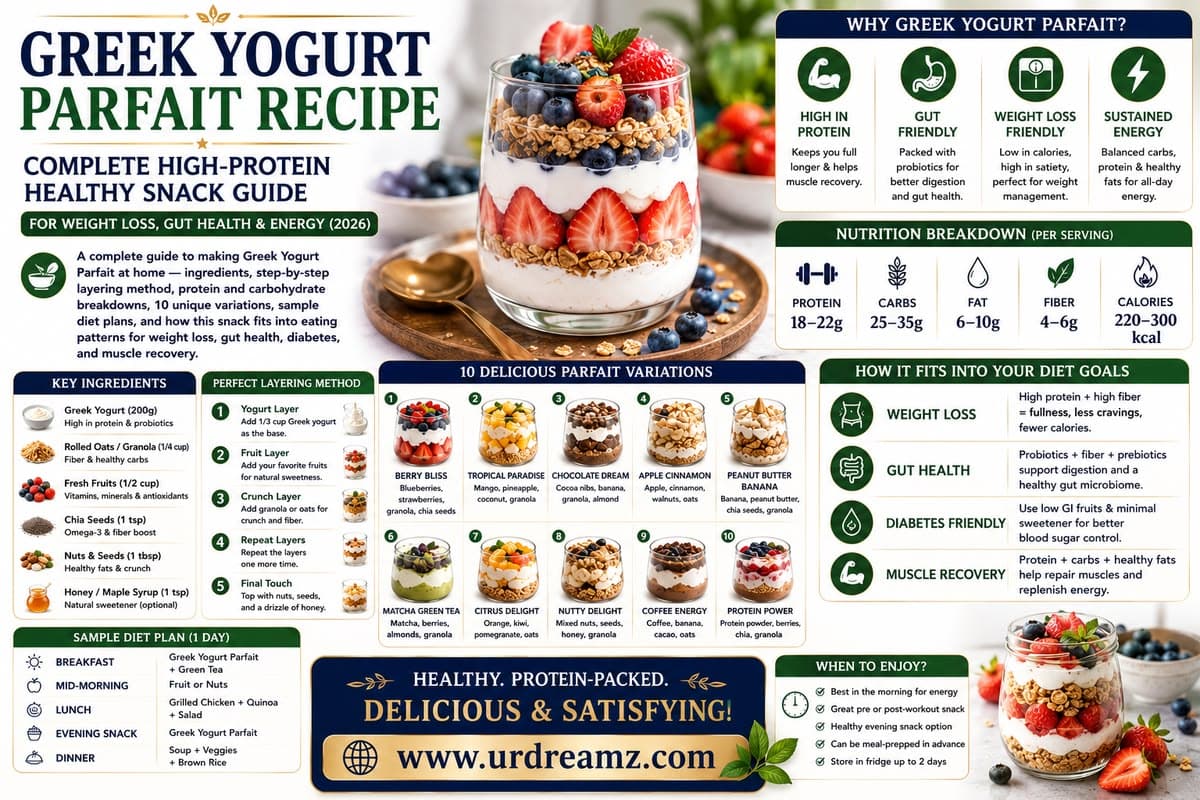
Recipe 3: Greek Yogurt Protein Bowl — Spoon one cup plain low-fat Greek yogurt into a bowl. Top with half a cup of mixed berries, one tablespoon natural peanut butter, one tablespoon ground flaxseed, and a drizzle of honey. Approximately 290 calories, 22g protein, 30g carbs.
Recipe 4: Avocado and Egg Toast — Toast one slice of whole wheat bread. Mash half an avocado with lemon juice and salt. Spread on toast. Top with one poached or fried egg (in minimal oil). Sprinkle red pepper flakes. Approximately 285 calories, 14g protein, 22g carbs, 6g fiber.
Recipe 5: Cinnamon Apple Oatmeal — Cook half a cup of oats in one cup water or low-fat milk. Dice one small apple and cook with the oats. Add one teaspoon cinnamon, a pinch of nutmeg, and one teaspoon honey. Top with a tablespoon of crushed walnuts. Approximately 310 calories, 9g protein, 52g carbs, 7g fiber.
Recipe 6: Cottage Cheese and Fruit Bowl — Combine three-quarter cup low-fat cottage cheese with half a cup of mixed chopped fruit (mango, apple, grapes). Add one tablespoon pumpkin seeds and a squeeze of lemon. Approximately 220 calories, 20g protein, 24g carbs.
Recipe 7: Spinach and Egg White Scramble — Whisk 3 egg whites with one whole egg, salt, and black pepper. Sauté one cup spinach, quarter cup mushrooms, and cherry tomatoes in minimal oil. Add egg mixture and scramble. Serve with one slice whole wheat toast. Approximately 240 calories, 22g protein, 18g carbs.
Recipe 8: Protein Banana Pancakes — Blend one ripe banana with two eggs until smooth. Cook in a non-stick pan over low heat as small pancakes. Serve with Greek yogurt and fresh berries. Approximately 260 calories, 16g protein, 28g carbs.
Lunch Recipes (8 Recipes)
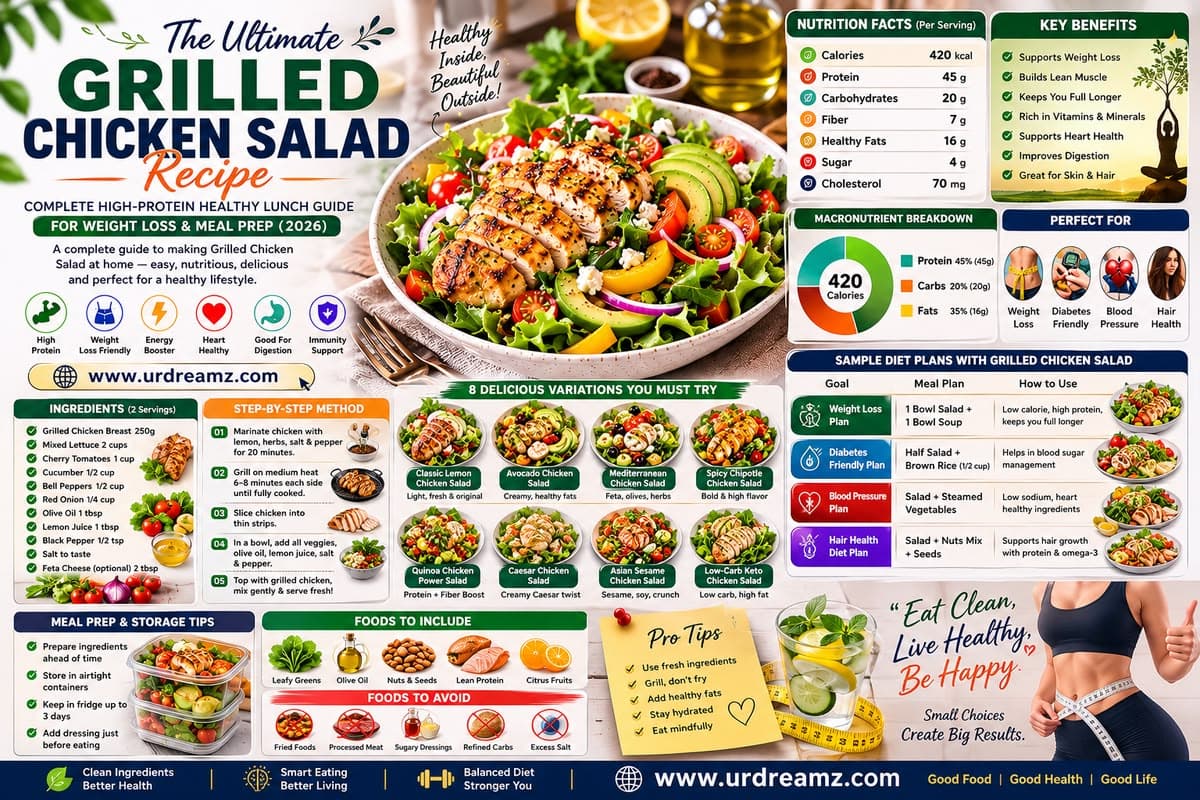
Recipe 9: Grilled Chicken and Quinoa Power Bowl — Cook half a cup quinoa per package directions. Season and grill or bake 120g chicken breast. Combine with quinoa, cucumber, cherry tomatoes, spinach, and half an avocado. Dress with lemon juice and olive oil. Approximately 420 calories, 38g protein, 32g carbs.
Recipe 10: Lentil and Vegetable Soup — Sauté onion, garlic, and ginger in minimal oil. Add half a cup red lentils, diced tomatoes, carrots, spinach, and 4 cups water or broth. Season with cumin, coriander, turmeric, and salt. Simmer 20 minutes. Approximately 280 calories, 18g protein, 42g carbs, 12g fiber per serving.
Recipe 11: Tuna and Avocado Salad Wrap — Mix one can of tuna (in water) with half a mashed avocado, lemon juice, chopped celery, and black pepper. Spread on a whole wheat roti or large lettuce leaves. Add sliced tomato and cucumber. Roll and serve. Approximately 350 calories, 32g protein, 24g carbs.
Recipe 12: Chickpea and Cucumber Salad — Combine one can drained chickpeas with chopped cucumber, cherry tomatoes, red onion, and fresh mint. Dress with olive oil, lemon juice, cumin, and salt. Add crumbled low-fat feta if available. Approximately 310 calories, 14g protein, 38g carbs, 9g fiber.
Recipe 13: Turkey or Chicken Lettuce Wraps — Cook minced chicken or turkey with garlic, ginger, low-sodium soy sauce, and chili. Spoon into large lettuce leaves. Top with shredded carrot, cucumber, and a drizzle of sesame oil. Approximately 290 calories, 28g protein, 12g carbs.
Recipe 14: Sweet Potato and Black Bean Bowl — Roast diced sweet potato at 200°C for 20 minutes. Combine with canned black beans, corn, red onion, and lime juice. Season with cumin and chili powder. Serve over a small portion of brown rice. Approximately 380 calories, 14g protein, 62g carbs, 14g fiber.
Recipe 15: Tomato and Lentil Daal (Low Oil) — Boil half a cup moong or masoor daal until soft. In a separate pan, heat one teaspoon oil and add mustard seeds, onion, garlic, ginger, and tomatoes. Add cooked daal, turmeric, salt, and cumin. Serve with one whole wheat roti. Approximately 300 calories, 16g protein, 44g carbs.
Recipe 16: Egg and Vegetable Fried Rice (Brown Rice) — Cook two eggs scrambled in minimal oil. Add cooked brown rice, mixed vegetables (peas, carrot, beans), low-sodium soy sauce, and pepper. Toss and serve. Approximately 370 calories, 16g protein, 52g carbs.
Dinner Recipes (9 Recipes)
Recipe 17: Baked Lemon Herb Chicken with Roasted Vegetables — Marinate chicken breast in lemon juice, garlic, olive oil, and herbs for 30 minutes. Bake at 200°C for 25 minutes. Roast broccoli, bell peppers, and zucchini alongside. Serve with small portion of brown rice or quinoa. Approximately 390 calories, 40g protein, 28g carbs.
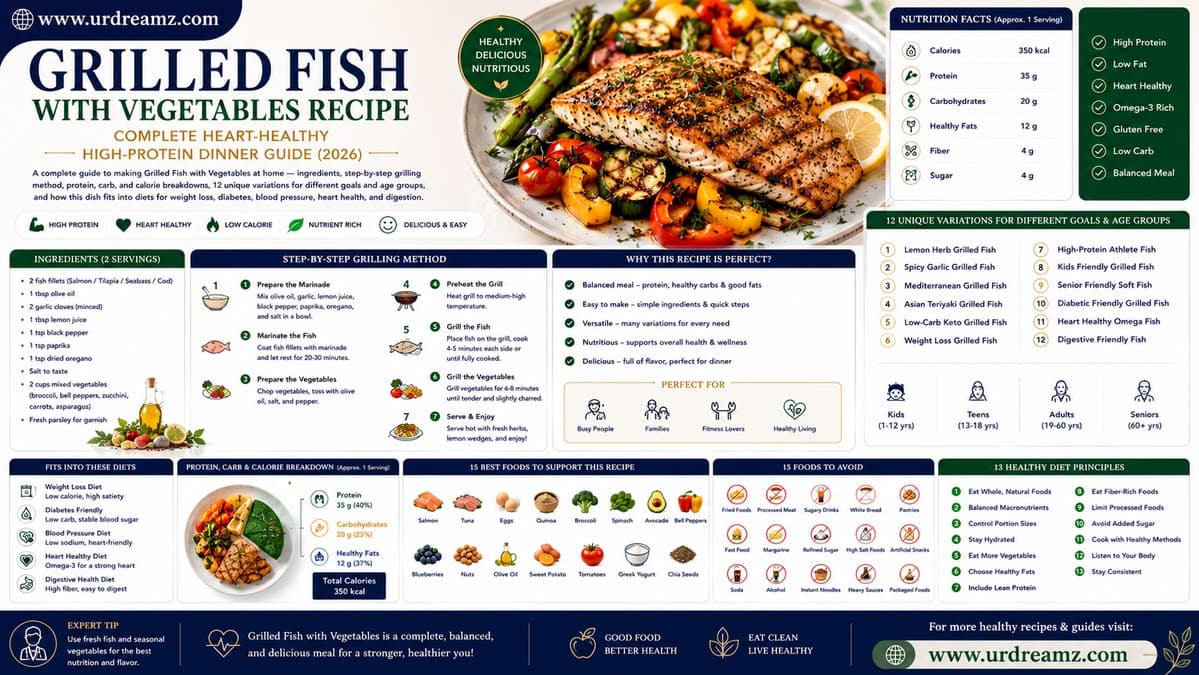
Recipe 18: Grilled Fish with Steamed Vegetables — Season tilapia, pomfret, or any firm fish with turmeric, cumin, salt, and chili. Grill or pan-fry in minimal oil. Serve with steamed broccoli, carrots, and a lemon wedge. Approximately 310 calories, 38g protein, 14g carbs.
Recipe 19: Chicken and Spinach Curry (Low Oil) — Use only one teaspoon oil to sauté onion, garlic, ginger, tomatoes, and spices. Add diced chicken breast and cook through. Add spinach at the end. Serve with one whole wheat roti. Approximately 360 calories, 38g protein, 24g carbs.
Recipe 20: Vegetable and Tofu Stir Fry — Cube firm tofu and pan-fry until golden. Remove and stir-fry broccoli, snap peas, bell peppers, and carrots with garlic, ginger, and low-sodium soy sauce. Add tofu back. Serve over half a cup brown rice. Approximately 320 calories, 22g protein, 32g carbs.
Recipe 21: Stuffed Bell Peppers with Turkey and Quinoa — Mix cooked quinoa with ground turkey or chicken, tomatoes, onion, and spices. Fill hollowed bell peppers with the mixture. Bake at 190°C for 25 minutes. Approximately 380 calories, 32g protein, 30g carbs.
Recipe 22: Salmon with Asparagus and Lemon — Season salmon with olive oil, lemon, garlic, and herbs. Bake at 200°C for 15 minutes. Serve with roasted asparagus and a small side salad. Approximately 400 calories, 38g protein, 8g carbs.
Recipe 23: Moong Daal with Bhindi (Okra) — Prepare moong daal with minimal oil, tomatoes, turmeric, and cumin. Separately stir-fry bhindi with cumin seeds and amchoor (dry mango powder). Serve together with one whole wheat roti. Approximately 290 calories, 16g protein, 42g carbs, 10g fiber.
Recipe 24: Chicken Soup with Vegetables — Simmer chicken pieces with carrots, celery, onion, garlic, and herbs in water for 30 to 40 minutes. Remove chicken, shred the meat, and return to soup. Add spinach or kale at the end. Season with salt and pepper. Approximately 280 calories, 32g protein, 18g carbs.
Recipe 25: Cauliflower Rice with Egg and Vegetables — Grate cauliflower into rice-sized pieces. Stir-fry with garlic, mixed vegetables, two eggs, and low-sodium soy sauce. Season with pepper and sesame oil. Approximately 220 calories, 14g protein, 18g carbs — significantly lower carbs than regular rice.
Snack Recipes (6 Recipes)
Recipe 26: Apple with Almond Butter — Slice one medium apple and pair with one tablespoon natural almond or peanut butter. The fiber from the apple and healthy fat from the nut butter create long-lasting satiety. Approximately 190 calories, 4g protein.
Recipe 27: Hummus with Vegetable Sticks — Serve three to four tablespoons of hummus with carrot sticks, cucumber slices, and celery. If making homemade hummus: blend chickpeas, tahini, lemon, garlic, and olive oil. Approximately 160 calories, 6g protein, 16g carbs.
Recipe 28: Hard Boiled Eggs with Salt and Pepper — Boil two eggs for 10 minutes, cool, peel, and sprinkle with salt, pepper, and a pinch of chili. Simple, portable, and protein-dense. Approximately 140 calories, 12g protein.
Recipe 29: Mixed Nuts and Dried Fruit (Small Portion) — Measure out a 25 to 30 gram portion of mixed unsalted nuts (almonds, walnuts, cashews) with a small amount of dried cranberries or raisins. Approximately 160 calories, 5g protein, 8g healthy fats.
Recipe 30: Cucumber and Cottage Cheese — Slice cucumber and top with low-fat cottage cheese. Season with black pepper and fresh mint. A refreshing, hydrating snack with minimal calories. Approximately 100 calories, 12g protein.
Recipe 31: Roasted Chana (Chickpeas) — Drain and dry canned chickpeas. Toss with olive oil, cumin, coriander, salt, and chili powder. Roast at 200°C for 25 to 30 minutes until crispy. A high-fiber, high-protein crunchy snack. Approximately 180 calories, 8g protein, 22g carbs.
Smoothie Recipes (6 Recipes)
Recipe 32: Green Fat Burning Smoothie — Blend one cup spinach, one medium banana (frozen), half a cup unsweetened almond milk, one tablespoon natural peanut butter, and one teaspoon ground flaxseed. Approximately 240 calories, 8g protein, 30g carbs.
Recipe 33: Berry Protein Smoothie — Blend three-quarter cup mixed frozen berries, one cup low-fat Greek yogurt, half a cup water or milk, one tablespoon chia seeds, and a squeeze of lemon. Approximately 220 calories, 18g protein, 28g carbs.
Recipe 34: Mango and Ginger Detox Smoothie — Blend half a cup frozen mango, half a banana, one cup water, one teaspoon fresh grated ginger, a pinch of turmeric, and lemon juice. Anti-inflammatory and refreshing. Approximately 180 calories, 3g protein, 42g carbs.
Recipe 35: Chocolate Almond Protein Shake — Blend one cup low-fat milk or almond milk, one tablespoon natural peanut butter, one tablespoon unsweetened cocoa powder, half a banana, and a pinch of cinnamon. Approximately 250 calories, 14g protein, 28g carbs.
Recipe 36: Cucumber and Mint Cooler — Blend one cucumber, a handful of mint leaves, lemon juice, a pinch of salt, and two cups cold water. Strain and serve over ice. Extremely low calorie, hydrating, and refreshing. Approximately 30 calories, 1g protein.
Recipe 37: Apple Cinnamon Metabolism Drink — Blend one apple, half a teaspoon cinnamon, one teaspoon apple cider vinegar, one cup cold water, and a few mint leaves. Excellent morning drink to support blood sugar stability and metabolism. Approximately 70 calories, 0.5g protein.
| Recipe No. | Recipe Name | Category | Approx Calories | Protein (g) | Key Benefit |
|---|---|---|---|---|---|
| 1–8 | Breakfast Recipes | Breakfast | 220 to 320 cal each | 9 to 24g each | High protein mornings reduce all-day calorie intake |
| 9–16 | Lunch Recipes | Lunch | 280 to 420 cal each | 14 to 38g each | Filling, nutrient-dense midday meals |
| 17–25 | Dinner Recipes | Dinner | 220 to 400 cal each | 16 to 40g each | Lean protein dinners preserve muscle during fat loss |
| 26–31 | Snack Recipes | Snacks | 100 to 190 cal each | 4 to 12g each | Protein-fat combination prevents hunger between meals |
| 32–37 | Smoothie Recipes | Smoothies | 30 to 250 cal each | 1 to 18g each | Nutrient-dense liquid meals and metabolism support |
17-Day Weight Loss Meal Plan — Complete Daily Guide
This 17-day plan is structured around approximately 1,400 to 1,600 calories daily, with at least 90 to 100 grams of protein and 30 to 35 grams of fiber. It uses the recipes from this guide and can be adjusted up or down based on individual calorie needs. Drink 8 to 10 glasses of water daily throughout the plan.
| Day | Breakfast | Lunch | Snack | Dinner | Approx Cal |
|---|---|---|---|---|---|
| Day 1 | Recipe 1: High Protein Egg Omelette | Recipe 10: Lentil and Vegetable Soup | Recipe 28: Hard Boiled Eggs | Recipe 17: Baked Lemon Herb Chicken + Veg | ~1,320 |
| Day 2 | Recipe 2: Overnight Oats with Berries | Recipe 9: Grilled Chicken Quinoa Bowl | Recipe 26: Apple with Almond Butter | Recipe 23: Moong Daal with Bhindi + Roti | ~1,430 |
| Day 3 | Recipe 3: Greek Yogurt Protein Bowl | Recipe 12: Chickpea Cucumber Salad | Recipe 31: Roasted Chana | Recipe 18: Grilled Fish + Steamed Veg | ~1,380 |
| Day 4 | Recipe 7: Spinach and Egg White Scramble | Recipe 15: Tomato Lentil Daal + Roti | Recipe 30: Cucumber and Cottage Cheese | Recipe 19: Chicken Spinach Curry + Roti | ~1,390 |
| Day 5 | Recipe 5: Cinnamon Apple Oatmeal | Recipe 11: Tuna Avocado Wrap | Recipe 29: Mixed Nuts and Dried Fruit | Recipe 24: Chicken Vegetable Soup | ~1,360 |
| Day 6 | Recipe 4: Avocado and Egg Toast | Recipe 14: Sweet Potato Black Bean Bowl | Recipe 27: Hummus with Veg Sticks | Recipe 22: Salmon with Asparagus | ~1,480 |
| Day 7 (Rest Day) | Recipe 8: Protein Banana Pancakes | Recipe 16: Egg Veg Brown Rice | Recipe 26: Apple with Almond Butter | Recipe 21: Stuffed Bell Peppers | ~1,420 |
| Day 8 | Recipe 6: Cottage Cheese Fruit Bowl | Recipe 13: Chicken Lettuce Wraps | Recipe 28: Hard Boiled Eggs | Recipe 20: Tofu Vegetable Stir Fry | ~1,290 |
| Day 9 | Recipe 1: High Protein Egg Omelette | Recipe 10: Lentil Vegetable Soup | Recipe 31: Roasted Chana | Recipe 25: Cauliflower Rice with Egg + Veg | ~1,260 |
| Day | Breakfast | Lunch | Snack | Dinner | Approx Cal |
|---|---|---|---|---|---|
| Day 10 | Recipe 2: Overnight Oats with Berries | Recipe 9: Grilled Chicken Quinoa Bowl | Recipe 30: Cucumber Cottage Cheese | Recipe 17: Baked Lemon Herb Chicken | ~1,410 |
| Day 11 | Recipe 3: Greek Yogurt Protein Bowl | Recipe 15: Tomato Lentil Daal + Roti | Recipe 27: Hummus with Veg Sticks | Recipe 18: Grilled Fish + Steamed Veg | ~1,360 |
| Day 12 | Recipe 5: Cinnamon Apple Oatmeal | Recipe 12: Chickpea Cucumber Salad | Recipe 26: Apple with Almond Butter | Recipe 19: Chicken Spinach Curry + Roti | ~1,380 |
| Day 13 | Recipe 7: Spinach Egg White Scramble | Recipe 14: Sweet Potato Black Bean Bowl | Recipe 29: Mixed Nuts and Dried Fruit | Recipe 23: Moong Daal with Bhindi | ~1,350 |
| Day 14 (Rest Day) | Recipe 8: Protein Banana Pancakes | Recipe 16: Egg Veg Brown Rice | Recipe 28: Hard Boiled Eggs | Recipe 22: Salmon with Asparagus | ~1,450 |
| Day 15 | Recipe 4: Avocado and Egg Toast | Recipe 11: Tuna Avocado Wrap | Recipe 31: Roasted Chana | Recipe 24: Chicken Vegetable Soup | ~1,305 |
| Day 16 | Recipe 6: Cottage Cheese Fruit Bowl | Recipe 13: Chicken Lettuce Wraps | Recipe 27: Hummus + Veg Sticks | Recipe 21: Stuffed Bell Peppers | ~1,330 |
| Day 17 (Completion) | Recipe 2: Overnight Oats with Berries | Recipe 9: Grilled Chicken Quinoa Bowl | Recipe 26: Apple with Almond Butter | Recipe 17: Baked Lemon Herb Chicken | ~1,410 |
Best Weight Loss Smoothies and Drinks for Daily Use
Smoothies can be powerful weight loss tools when made correctly — combining protein, fiber, and healthy fats in a convenient format. The key mistake people make with smoothies is adding too much fruit and sugar, turning a potentially healthy drink into a high-calorie beverage. The 6 smoothie recipes in this guide (Recipes 32 to 37) are designed to be filling without being calorie-heavy.
For daily drinks that support weight loss without smoothies: water is the single best choice and should be consumed consistently — drinking two glasses before each meal reduces calorie intake at meals. Green tea drunk two to three times daily provides metabolism-supporting catechins. Black coffee before exercise significantly enhances fat burning during the workout. Ginger-lemon water drunk in the morning supports digestion and has anti-inflammatory benefits.
| Drink | Calories | Key Benefit for Weight Loss | Best Time to Drink | How to Prepare |
|---|---|---|---|---|
| Plain water | 0 | Reduces meal calorie intake when drunk before eating | Before every meal; throughout day | Plain or with lemon and cucumber |
| Green tea | 2 | Boosts fat oxidation and metabolic rate | Morning and mid-afternoon | Steep 2 to 3 minutes — do not over-steep |
| Black coffee | 2 | Increases metabolic rate 3 to 11 percent | 30 minutes before exercise | Plain — no sugar or creamer |
| Ginger-lemon water | 15 | Anti-inflammatory, supports digestion | Morning on empty stomach | Boil ginger in water; add lemon and honey |
| Apple cider vinegar water | 5 | Improves insulin sensitivity, reduces hunger | 15 minutes before meals | 1 tbsp ACV in large glass of water |
| Jeera (cumin) water | 10 | Supports digestion, reduces bloating | Morning or before meals | Boil 1 tsp cumin seeds in water; strain and drink |
Meal Prep Tips That Make This Plan Easy to Follow
Consistent meal prep is the single most practical habit that makes sustained weight loss possible. When healthy food is already prepared and ready, the decision to eat well requires no effort — eliminating the moment of temptation when you are hungry and nothing healthy is immediately available.
On Sunday evenings, spend 60 to 90 minutes preparing the week's foundation. Cook a large batch of brown rice or quinoa that can be portioned into meals. Boil six to eight eggs. Grill or bake a batch of chicken breasts that can be stored in the refrigerator and used in salads, wraps, and bowls throughout the week. Prepare overnight oats for Monday and Tuesday mornings. Chop a large container of mixed vegetables — cucumbers, carrots, bell peppers, cherry tomatoes — ready for snacks and salads. Prepare a large pot of lentil soup or daal that serves two to three meals. These simple preparations eliminate most of the daily decision-making and cooking time that makes healthy eating feel difficult.
| Food Item to Prep | Prep Time | Servings Made | Storage | Used In |
|---|---|---|---|---|
| Cooked brown rice or quinoa | 30 minutes | 4 to 6 meals | Refrigerator up to 5 days | Lunch and dinner sides |
| Grilled or baked chicken breast | 25 minutes | 4 to 5 meals | Refrigerator up to 4 days | Salads, wraps, bowls, soups |
| Boiled eggs | 12 minutes | 6 to 8 eggs | Refrigerator up to 7 days (in shell) | Breakfast, snacks, salads |
| Overnight oats (2 jars) | 10 minutes | 2 breakfasts | Refrigerator 2 to 3 days | Ready-made breakfasts |
| Lentil soup or daal | 25 minutes | 3 to 4 portions | Refrigerator 4 days; freezer 3 months | Lunch and dinner |
| Pre-cut vegetable box | 15 minutes | All week | Refrigerator 4 to 5 days | Snacks, salads, stir-fries |
| Greek yogurt portions | 5 minutes | 4 to 5 servings | Refrigerator 5 days | Breakfast, snacks |
Putting It All Together — Your Path to Sustainable Weight Loss
The 37 recipes and 17-day meal plan in this guide provide everything needed to begin losing weight in a healthy, sustainable way. The science is straightforward — a modest calorie deficit, sufficient protein, abundant vegetables, minimal processed food, and consistent daily habits will produce steady fat loss over time.
The most important principle is consistency over perfection. Following this plan 80 percent of the time produces far better results than following it perfectly for one week and abandoning it the next. Build these recipes and habits gradually into your routine. Start with meal prepping once a week. Replace one sugary drink daily with water or green tea. Add one more vegetable to each meal. These small, consistent steps compound into significant results over months.
Combine this nutrition approach with regular physical activity — even 30 minutes of brisk walking daily makes a meaningful difference to both calorie burn and overall health — and adequate sleep, and you have a complete, evidence-based foundation for successful, lasting weight loss.
Disclaimer: This article provides general nutrition and meal planning information for educational purposes. It is not medical advice. Individual calorie needs vary based on age, weight, height, activity level, and health status. Consult a registered dietitian or healthcare professional before making significant dietary changes, particularly if you have any existing medical conditions such as diabetes, heart disease, or kidney disease.