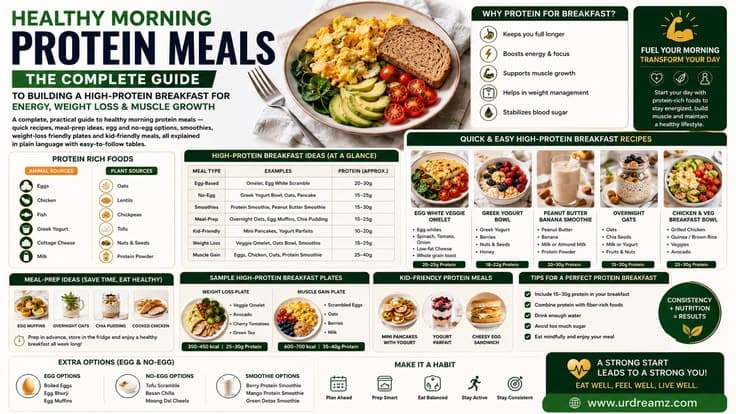
Healthy Morning Protein Meals: The Complete Guide to Building a High-Protein Breakfast for Energy, Weight Loss and Muscle Growth
Breakfast sets the tone for the rest of the day, and the single biggest lever you can pull to make that first meal work harder for you is protein. This guide walks through why protein matters so much in the morning, how to put together a balanced plate in five minutes or less, and dozens of practical meal ideas for every kind of lifestyle — busy professionals, parents packing school lunches, gym-goers chasing muscle gains, and anyone simply trying to eat a little better without overthinking it.
Why Protein Deserves the Spotlight at Breakfast
Most people unconsciously load their mornings with carbohydrates — cereal, toast, pastries, sugary juice — and then wonder why they're hungry again by ten o'clock. Protein behaves differently in the body than carbohydrates or fat. It takes longer to digest, it triggers hormones that signal fullness to the brain, and it requires more energy for your body to break down, which is sometimes called the thermic effect of food. In plain terms: a protein-rich breakfast keeps you satisfied for longer, helps prevent the mid-morning energy crash, and gives your muscles the raw material they need to repair and grow overnight gains from exercise.
There's also a metabolic angle worth understanding. When blood sugar spikes quickly after a carb-heavy breakfast, your body releases a surge of insulin to bring it back down, and that swing is often followed by a dip in energy and a craving for more food. A breakfast anchored in protein — paired with fiber and a modest amount of healthy fat — smooths out that curve considerably, which is why so many dietitians describe protein as the anchor nutrient of a good morning meal.
For people focused on body composition, whether that means shedding fat or building lean muscle, breakfast protein is doubly important. Studies on dietary patterns consistently associate higher protein intake earlier in the day with better appetite control across the rest of the day. For people training regularly, spreading protein intake across three or four meals — starting with breakfast — supports muscle repair more efficiently than concentrating most of it at dinner.
| Common Breakfast Food | Approximate Protein (per typical serving) | Best Used For |
|---|---|---|
| Two large eggs | 12-13 g | Quick cooking, savory plates |
| Plain Greek yogurt (1 cup) | 20-23 g | No-cook bowls, parfaits |
| Cottage cheese (1 cup) | 24-28 g | Savory or sweet bowls |
| Rolled oats (1/2 cup dry) | 5-6 g | Warm porridge, overnight oats |
| Whey or plant protein powder (1 scoop) | 20-25 g | Smoothies, oatmeal boosts |
| Firm tofu (1 cup) | 20 g | Vegan scrambles |
| Smoked salmon (3 oz) | 17 g | Toast toppings, bagels |
| Peanut butter (2 tbsp) | 7-8 g | Toast, oats, smoothies |
| Milk, dairy or fortified plant (1 cup) | 8-9 g | Cereal, smoothies, oats |
| Chickpeas or black beans (1/2 cup) | 7-8 g | Savory bowls, breakfast tacos |
What a Balanced Protein Breakfast Actually Looks Like
A useful rule of thumb that dietitians often repeat is to aim for somewhere between 20 and 35 grams of protein at breakfast, paired with at least 5 grams of fiber and a small portion of healthy fat such as nuts, seeds, avocado or olive oil. This combination is what actually creates the "stays full for hours" effect that people associate with a good breakfast. Hitting that protein number doesn't require weighing food obsessively — once you know which foods carry weight, building a plate becomes intuitive.
It helps to think in terms of building blocks rather than fixed recipes. Pick one protein anchor (eggs, yogurt, cottage cheese, tofu, or a protein shake), one fiber source (oats, whole grain bread, fruit, or vegetables), and one healthy fat (nuts, seeds, avocado, or a drizzle of olive oil). Mix and match those three categories and you'll naturally land on a balanced meal almost every time.
| Building Block | Examples | Role in the Meal |
|---|---|---|
| Protein Anchor | Eggs, Greek yogurt, cottage cheese, tofu, protein powder, smoked fish | Keeps you full, supports muscle repair |
| Fiber Source | Oats, whole grain toast, berries, spinach, banana | Slows digestion, stabilizes blood sugar |
| Healthy Fat | Avocado, walnuts, chia seeds, almond butter, olive oil | Adds satiety, supports hormone balance |
| Flavor Booster | Cinnamon, herbs, hot sauce, citrus zest, honey | Keeps meals interesting without added sugar overload |
Quick High-Protein Breakfasts for Busy Mornings (Under 10 Minutes)
Time is usually the biggest obstacle to eating well in the morning, not knowledge. The good news is that several of the highest-protein breakfasts also happen to be among the fastest to put together, especially if a little prep happens the night before.
- Greek Yogurt and Berry Bowl: Plain Greek yogurt topped with mixed berries, a spoon of chia seeds and a few walnuts. Zero cooking required.
- Two-Minute Scrambled Eggs on Toast: Whisk two eggs, scramble quickly in a hot pan with a pinch of salt, and serve over whole grain toast with sliced tomato.
- Cottage Cheese and Fruit Cup: Cottage cheese with sliced peaches, pineapple or a handful of grapes.
- Protein Smoothie in a Blender Bottle: Protein powder, frozen banana, a spoon of peanut butter and milk of choice, blended for sixty seconds.
- Hard-Boiled Egg and Avocado Toast: Mash avocado on toast, top with a sliced hard-boiled egg made the night before.
- Microwave Egg Mug: Whisk an egg with milk and chopped spinach in a mug, microwave for ninety seconds for an instant scramble.
- Peanut Butter Banana Toast: Whole grain toast, a generous layer of natural peanut butter, and banana slices.
- Overnight Oats Jar: Prepared the night before, ready to grab from the fridge.
- Cheese and Egg Wrap: A pre-cooked egg patty folded into a whole wheat wrap with a slice of cheese.
- Protein Shake with Oats Mixed In: Blend protein powder with milk and a small handful of dry oats for a thicker, more filling shake.
| Quick Recipe | Prep Time | Approx. Protein |
|---|---|---|
| Greek Yogurt and Berry Bowl | 2 minutes | 22 g |
| Scrambled Eggs on Toast | 6 minutes | 18 g |
| Cottage Cheese and Fruit Cup | 2 minutes | 25 g |
| Protein Smoothie | 3 minutes | 28 g |
| Hard-Boiled Egg and Avocado Toast | 5 minutes (egg pre-made) | 14 g |
| Microwave Egg Mug | 3 minutes | 9 g |
| Peanut Butter Banana Toast | 4 minutes | 11 g |
| Overnight Oats Jar | 0 minutes (prepped ahead) | 16 g |
| Cheese and Egg Wrap | 5 minutes (egg pre-made) | 20 g |
| Oat-Boosted Protein Shake | 3 minutes | 30 g |
Egg-Based Protein Meals: The Most Versatile Breakfast Protein
Eggs remain one of the most efficient breakfast proteins because they're inexpensive, cook quickly, and adapt to almost any flavor profile. A single large egg delivers around 6 grams of high-quality protein along with choline, which supports brain function, and a useful dose of vitamin D. Beyond the basic scramble or fried egg, there's a lot of room to get creative.
- Spinach and Feta Omelet: Whisked eggs folded around sautéed spinach and crumbled feta.
- Shakshuka: Eggs gently poached in a simmering tomato and pepper sauce, finished with fresh herbs.
- Vegetable Frittata: A baked egg dish loaded with seasonal vegetables, perfect for slicing and reheating throughout the week.
- Turkish-Style Eggs: Poached eggs served over garlicky yogurt with a drizzle of warm chili-infused oil.
- Egg Muffin Cups: Whisked eggs baked in a muffin tin with diced vegetables and cheese, ideal for batch cooking and freezing.
- Sweet Potato and Egg Hash: Cubed roasted sweet potato topped with a fried or poached egg.
- Baked Eggs in Ramekins: Eggs cracked into small dishes with a splash of cream and herbs, baked until just set.
| Egg Recipe | Style | Approx. Protein per Serving |
|---|---|---|
| Spinach and Feta Omelet | Savory, stovetop | 19 g |
| Shakshuka | Savory, simmered | 15 g |
| Vegetable Frittata | Baked, batch-friendly | 17 g |
| Turkish-Style Eggs | Savory, with yogurt | 16 g |
| Egg Muffin Cups | Baked, portable | 13 g (2 muffins) |
| Sweet Potato and Egg Hash | Savory, roasted | 14 g |
| Baked Eggs in Ramekins | Baked, individual | 12 g |
Dairy and No-Cook Protein Bowls
For mornings when turning on the stove feels like one task too many, dairy-based bowls deliver some of the highest protein-per-minute-of-effort ratios available. Plain Greek yogurt and cottage cheese both pack roughly 20 grams or more of protein per cup, and neither requires any preparation beyond opening a container and adding toppings.
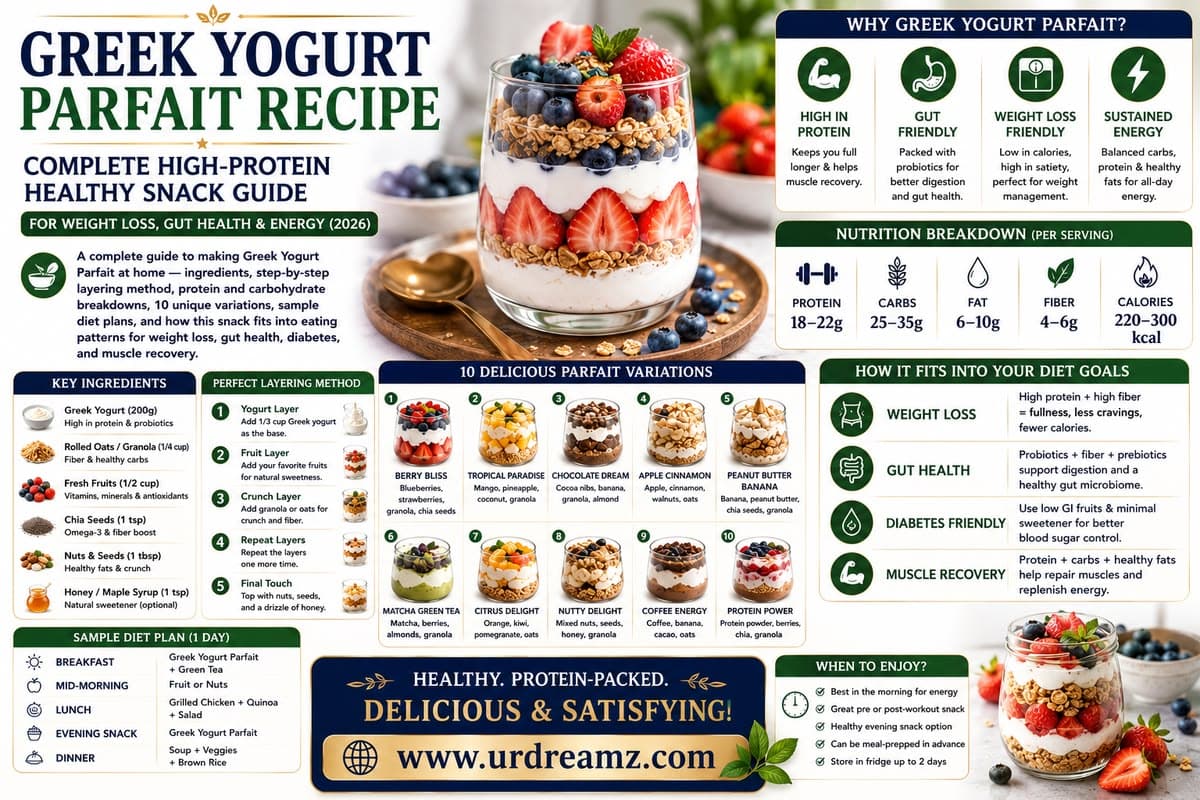
- Classic Greek Yogurt Parfait: Layered yogurt, granola and berries in a jar.
- Savory Cottage Cheese Plate: Cottage cheese with cucumber, tomato, black pepper and olive oil.
- Cottage Cheese Pancake Batter: Blended cottage cheese, eggs and oats poured onto a griddle for fluffy protein pancakes.
- Honey Walnut Yogurt Bowl: Plain yogurt with a drizzle of honey, chopped walnuts and cinnamon.
- Homemade Strained Yogurt: Regular yogurt strained through cheesecloth for an even thicker, more protein-dense result.
| Dairy Bowl | Sweet or Savory | Approx. Protein |
|---|---|---|
| Greek Yogurt Parfait | Sweet | 24 g |
| Savory Cottage Cheese Plate | Savory | 26 g |
| Cottage Cheese Pancakes | Sweet | 28 g |
| Honey Walnut Yogurt Bowl | Sweet | 22 g |
| Homemade Strained Yogurt | Neutral | 18 g |
Protein Smoothies for Mornings on the Move
Smoothies solve two problems at once: they're portable, and they're an easy way to sneak in vegetables, fruit, healthy fats and protein in one glass. The trick to a satisfying smoothie rather than a sugary one is balancing fruit with a real protein source and something with fat or fiber to slow digestion.
- Banana Peanut Butter Protein Shake: Frozen banana, a scoop of protein powder, a spoon of peanut butter, and milk.
- Green Power Smoothie: Spinach, frozen mango, Greek yogurt and almond milk.
- Berry Chia Protein Smoothie: Mixed berries, chia seeds, protein powder and oat milk.
- Chocolate Cherry Recovery Smoothie: Frozen cherries, cocoa powder, chocolate protein powder and milk, popular after morning workouts.
- Tropical Turmeric Smoothie: Pineapple, mango, a pinch of turmeric and coconut milk for an anti-inflammatory twist.
- Oat and Almond Butter Smoothie: Rolled oats, almond butter, banana and milk blended until creamy and thick.
| Smoothie | Main Flavor | Approx. Protein |
|---|---|---|
| Banana Peanut Butter Shake | Sweet, nutty | 27 g |
| Green Power Smoothie | Fresh, fruity | 20 g |
| Berry Chia Smoothie | Sweet, tart | 24 g |
| Chocolate Cherry Smoothie | Rich, dessert-like | 29 g |
| Tropical Turmeric Smoothie | Bright, citrusy | 18 g |
| Oat and Almond Butter Smoothie | Thick, hearty | 22 g |
High-Protein Breakfasts Without Eggs (Vegetarian and Vegan Friendly)
Plenty of people either dislike eggs or avoid them for dietary reasons, but that doesn't mean protein options are limited. Plant-based foods such as tofu, legumes, nuts, seeds and fortified plant milks can easily replace eggs in a protein-focused breakfast, and dairy products like yogurt and cottage cheese remain available to vegetarians.
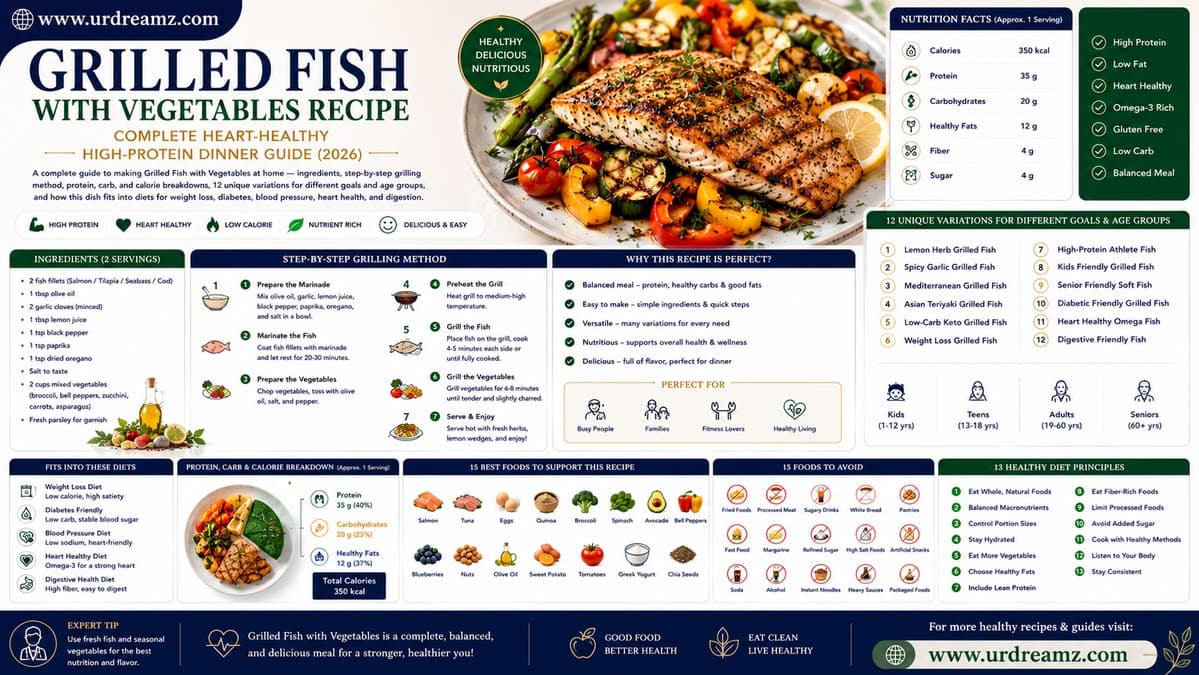
- Turmeric Tofu Scramble: Crumbled firm tofu sautéed with turmeric, black pepper, spinach and mushrooms for an egg-like texture and color.
- Chickpea and Vegetable Hash: Smashed chickpeas sautéed with onions, peppers and cumin.
- Lentil Breakfast Bowl: Cooked lentils tossed with olive oil, lemon and herbs, topped with avocado.
- Edamame and Rice Bowl: Steamed edamame over warm brown rice with sesame seeds and soy sauce.
- Peanut Butter Protein Oats: Rolled oats cooked with plant milk, stirred with peanut butter and a scoop of plant protein powder.
- Hummus and Veggie Toast: A thick layer of hummus on whole grain toast topped with cucumber and sesame seeds.
| No-Egg Recipe | Dietary Style | Approx. Protein |
|---|---|---|
| Turmeric Tofu Scramble | Vegan | 20 g |
| Chickpea and Vegetable Hash | Vegan | 14 g |
| Lentil Breakfast Bowl | Vegan | 18 g |
| Edamame and Rice Bowl | Vegan | 17 g |
| Peanut Butter Protein Oats | Vegan | 25 g |
| Hummus and Veggie Toast | Vegetarian/Vegan | 10 g |
Oats and Grain-Based Protein Boosts
Plain oats aren't especially high in protein on their own, but they're an excellent base to build around because they absorb flavor well and pair naturally with dairy, nuts, seeds and protein powder. A bowl of oats prepared with milk instead of water, plus a spoon of nut butter and some seeds, can easily reach 15 to 20 grams of protein without tasting any different from a standard bowl of porridge.
- Overnight Oats with Greek Yogurt: Oats soaked overnight in milk with a generous spoon of Greek yogurt stirred in for extra protein.
- Savory Oatmeal with a Fried Egg: Oats cooked in broth, topped with a fried egg, chili flakes and herbs.
- Protein Baked Oatmeal: A large tray of oats, eggs, milk and mashed banana baked together and sliced for the week.
- Quinoa Breakfast Bowl: Cooked quinoa, which carries more protein than oats, topped with almond milk, cinnamon and fruit.
- Buckwheat Porridge: A naturally gluten-free grain cooked into a hearty, slightly nutty porridge.
| Grain Recipe | Texture | Approx. Protein |
|---|---|---|
| Overnight Oats with Greek Yogurt | Cold, creamy | 19 g |
| Savory Oatmeal with Fried Egg | Warm, savory | 16 g |
| Protein Baked Oatmeal | Warm, cake-like | 14 g |
| Quinoa Breakfast Bowl | Warm, fluffy | 12 g |
| Buckwheat Porridge | Warm, hearty | 10 g |
Meal Prep: Building a Week of Protein Breakfasts in One Sitting
The single biggest reason people fall back on low-protein, high-sugar breakfasts is simply lack of time on any given morning. Meal prepping breakfast once or twice a week removes that obstacle almost entirely. Most of the recipes above can be doubled or tripled and stored safely for several days in the refrigerator, or up to a few months in the freezer.
- Cook a batch of hard-boiled eggs at the start of the week and keep them in the fridge for instant protein on toast or salads.
- Prepare three or four jars of overnight oats on a Sunday evening, varying the toppings so the week doesn't feel repetitive.
- Bake a tray of egg muffin cups and freeze individually, reheating one or two each morning in the microwave.
- Portion smoothie ingredients into freezer bags so all that's left to do each morning is dump the bag into a blender with liquid.
- Make a large frittata on the weekend and slice it into individual portions for grab-and-go mornings.
- Pre-cook breakfast burritos with eggs, beans and cheese, wrap individually in foil, and freeze for quick reheating.
| Prepped Item | Fridge Life | Freezer Life |
|---|---|---|
| Hard-boiled eggs | 5-7 days | Not recommended |
| Overnight oats jars | 4-5 days | Not recommended |
| Egg muffin cups | 4 days | 2-3 months |
| Smoothie freezer packs | N/A | 1-2 months |
| Sliced frittata | 4 days | 2 months |
| Breakfast burritos | 3 days | 2-3 months |
Protein Breakfasts for Weight Loss
When the goal is fat loss, the formula stays largely the same as a standard healthy breakfast, but with a little more attention to total calories and a slightly higher emphasis on volume from vegetables and fiber. Protein remains the central player because it's the nutrient most strongly linked to appetite control, but pairing it with high-water, high-fiber foods like leafy greens, berries and cucumber helps keep total calories in check while keeping the plate visually generous.
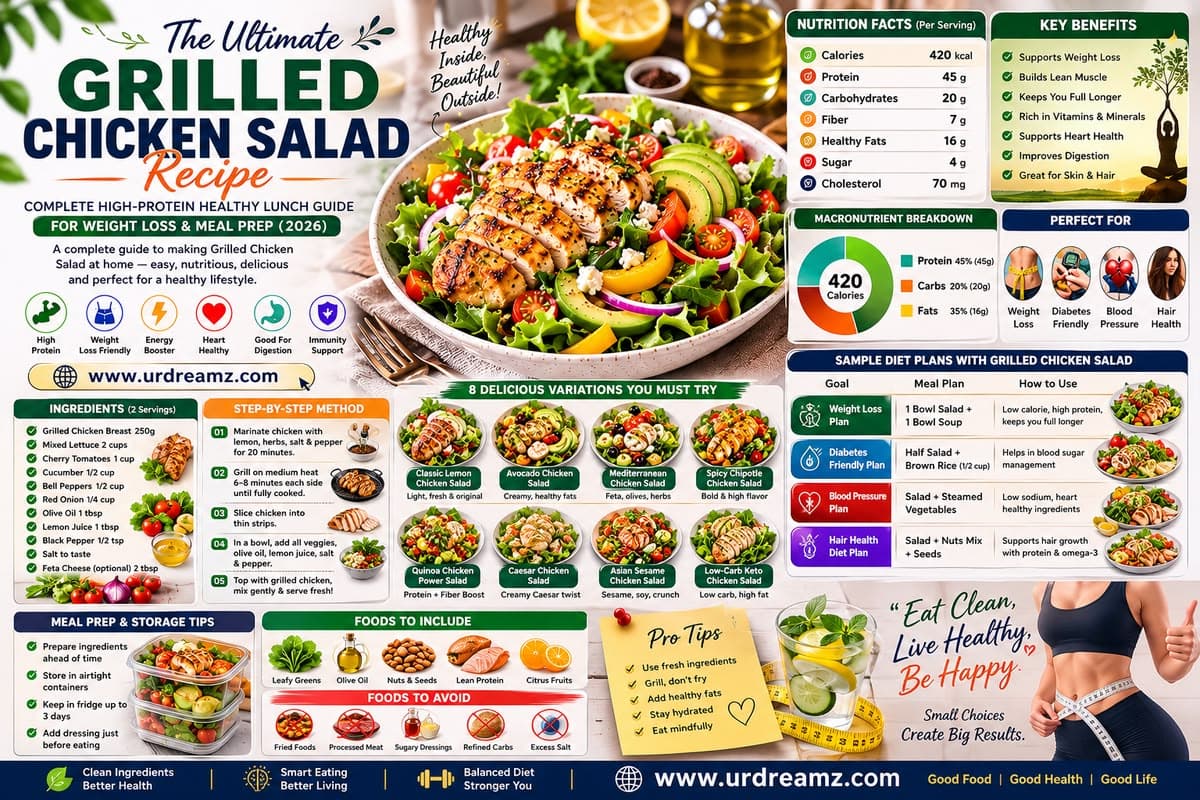
- Egg White and Vegetable Scramble: Mostly egg whites with one whole egg, loaded with spinach, mushrooms and peppers, for a high-protein, lower-calorie scramble.
- Cottage Cheese and Cucumber Plate: A filling, low-calorie savory plate with very little prep.
- Berry and Protein Yogurt Bowl: Non-fat Greek yogurt with a generous portion of berries instead of granola to keep added sugar down.
- Protein Smoothie with Greens: A smoothie built around spinach or kale rather than mostly fruit, sweetened lightly with a small banana.
| Weight-Loss Friendly Breakfast | Approx. Calories | Approx. Protein |
|---|---|---|
| Egg White and Vegetable Scramble | 220 | 22 g |
| Cottage Cheese and Cucumber Plate | 180 | 24 g |
| Berry and Protein Yogurt Bowl | 230 | 23 g |
| Protein Smoothie with Greens | 250 | 25 g |
Protein Breakfasts for Muscle Growth and Active Lifestyles
For people training regularly, breakfast protein needs typically run a bit higher, often in the 30 to 40 gram range, especially on training days. Combining a fast-digesting protein like a shake with a slower-digesting one like eggs or yogurt can help cover both immediate recovery needs and sustained amino acid availability through the morning.
- Three-Egg Omelet with Cheese and Turkey: A dense protein plate ideal before or after a morning workout.
- Double-Scoop Protein Oats: Oats cooked with milk, stirred with two scoops of protein powder and topped with banana.
- Steak and Eggs: A traditional strength-training breakfast pairing lean steak with eggs for a complete amino acid profile.
- Cottage Cheese Protein Pancakes: Blended cottage cheese, eggs and oats cooked into thick, protein-dense pancakes.
| Muscle-Focused Breakfast | Approx. Protein | Best Timing |
|---|---|---|
| Three-Egg Omelet with Turkey and Cheese | 35 g | Pre or post workout |
| Double-Scoop Protein Oats | 40 g | Post workout |
| Steak and Eggs | 38 g | Pre workout |
| Cottage Cheese Protein Pancakes | 32 g | Anytime |
Protein Breakfasts Kids Will Actually Eat
Getting children to eat a protein-forward breakfast usually comes down to presentation as much as ingredients. Familiar shapes, mild flavors and a touch of natural sweetness go a long way, and several of the recipes above can be adapted for younger eaters without much extra effort.
- Mini Egg Muffins: Bite-sized egg cups with shredded cheese and finely diced vegetables.
- Yogurt and Fruit Skewers: Cubes of fruit dipped in yogurt and frozen briefly for a fun, protein-rich snack-style breakfast.
- Peanut Butter Banana Roll-Ups: A whole wheat tortilla spread with peanut butter, rolled around a banana and sliced into rounds.
- Cheesy Scrambled Eggs: Classic scrambled eggs with a handful of mild cheese stirred in.
- Smoothie Pops: Protein smoothie mixture frozen into popsicle molds for a breakfast that feels like a treat.
| Kid-Friendly Recipe | Why Kids Like It | Approx. Protein |
|---|---|---|
| Mini Egg Muffins | Bite-sized, easy to hold | 8 g (2 muffins) |
| Yogurt and Fruit Skewers | Fun, snack-like | 10 g |
| Peanut Butter Banana Roll-Ups | Sweet, familiar flavors | 9 g |
| Cheesy Scrambled Eggs | Soft texture, mild flavor | 14 g |
| Smoothie Pops | Feels like a treat | 12 g |
The Science Behind Why Protein Keeps You Full Longer
Understanding the mechanism behind protein's filling power can make the habit easier to stick with, because it stops feeling like a vague piece of advice and starts feeling like something with a clear, logical payoff. When protein reaches the stomach and small intestine, it triggers the release of several hormones, including cholecystokinin and peptide YY, both of which send "I'm satisfied" signals to the brain. At the same time, protein intake tends to suppress ghrelin, often nicknamed the hunger hormone, more effectively than an equivalent amount of carbohydrate or fat would.
There's also a structural reason protein takes longer to clear the stomach. Proteins are made of long chains of amino acids that have to be broken down step by step by digestive enzymes, a process that simply takes more time than breaking down simple sugars. That slower digestion translates directly into a longer stretch of feeling comfortably full, rather than the quick rise and fall you get after a sugary cereal or a plain bagel.
Finally, there's the thermic effect of food mentioned earlier. Digesting protein burns noticeably more calories than digesting fat, and somewhat more than digesting carbohydrates. While this effect is too small to be a weight-loss strategy on its own, it does mean a protein-centered breakfast is working slightly harder for you in the background compared to a low-protein alternative with the same calorie count.
Protein Breakfast Traditions From Around the World
Looking beyond the typical eggs-and-toast template can open up a lot of variety while still hitting solid protein numbers. Many cultures have built entire breakfast traditions around protein-dense staples long before "high-protein breakfast" became a popular phrase.
- Mediterranean-Style Plate: A small dish of strained yogurt (labneh), a boiled egg, olives, and a piece of flatbread, often finished with a drizzle of olive oil and za'atar.
- South Asian Style: Moong dal pancakes (chilla) or sprouted lentil salads paired with a cup of plain yogurt or a glass of milk-based drink such as lassi.
- East Asian Style: A bowl of warm soy milk or congee topped with shredded egg, paired with pickled vegetables and sometimes a small portion of fish.
- Latin American Style: Refried black beans with a fried egg and a sprinkle of cheese, often wrapped in a warm tortilla.
- Northern European Style: Cured or smoked fish on dense rye bread with a soft-boiled egg on the side.
Borrowing from these traditions is a simple way to keep a protein breakfast routine from feeling repetitive, since the underlying nutrition principle — protein, fiber, healthy fat — stays the same no matter which cuisine it's borrowed from.
| Regional Style | Signature Protein Source | Approx. Protein per Serving |
|---|---|---|
| Mediterranean Plate | Labneh and boiled egg | 20 g |
| South Asian Moong Dal Chilla | Sprouted lentils | 16 g |
| East Asian Egg Congee | Egg and rice porridge | 12 g |
| Latin American Beans and Egg | Black beans and egg | 18 g |
| Northern European Smoked Fish Plate | Smoked fish and egg | 22 g |
Budget-Friendly Protein Breakfast Ideas
One common misconception is that a high-protein lifestyle has to be expensive. In reality, some of the cheapest grocery items per gram of protein happen to be breakfast staples: eggs, dried beans, oats, and large containers of plain yogurt or cottage cheese are almost always priced well below specialty protein bars or pre-made shakes.
- Buy eggs and oats in bulk — both store well and form the backbone of dozens of recipes throughout this guide.
- Choose a large tub of plain yogurt over individual flavored cups, both for cost savings and to control added sugar.
- Dried lentils and beans cooked in batches on the weekend cost a fraction of canned versions and freeze well in portioned bags.
- Powdered milk or store-brand plant milk can stretch a grocery budget further than premium brands without sacrificing much in nutrition.
- Frozen fruit is typically cheaper than fresh out of season and works just as well in smoothies and oatmeal toppings.
| Budget Protein Source | Approx. Cost Per Serving | Approx. Protein |
|---|---|---|
| Two eggs | Low | 12-13 g |
| Plain yogurt (1 cup, large tub) | Low | 15-20 g |
| Dried lentils (1/2 cup cooked) | Very low | 9 g |
| Rolled oats with milk | Very low | 11 g |
| Canned tuna (small can) | Low | 20 g |
| Peanut butter (2 tbsp) | Very low | 7-8 g |
Protein Breakfasts for Blood Sugar Awareness
For anyone watching blood sugar closely, whether due to diabetes, prediabetes, or simply wanting steadier energy, protein plays a stabilizing role by slowing the rate at which carbohydrates are absorbed into the bloodstream. Pairing a protein source with a lower-glycemic carbohydrate, rather than eating sugary cereals or pastries alone, blunts the speed and height of the blood sugar rise that follows a meal.
- Savory Egg and Vegetable Plate: Eggs with non-starchy vegetables like spinach, mushrooms and peppers, free of added sugar.
- Cinnamon Greek Yogurt with Nuts: Plain yogurt, a sprinkle of cinnamon, and a small handful of almonds rather than sweetened granola.
- Chia Pudding with Berries: Chia seeds soaked in unsweetened milk, topped with a small portion of low-glycemic berries.
- Cottage Cheese with Seeds: Plain cottage cheese with flax or pumpkin seeds for added fiber and healthy fat.
It's worth noting that individual blood sugar responses vary, so anyone managing diabetes specifically should work with a healthcare provider or dietitian to fine-tune portions and food combinations rather than relying solely on general guidance.
A Simple Seven-Day Protein Breakfast Rotation
Variety helps a habit last. Below is one example of how a full week could rotate through several categories covered in this guide without repeating the same meal twice — feel free to swap days around based on your schedule and what ingredients you already have on hand.
| Day | Breakfast | Approx. Protein |
|---|---|---|
| Monday | Greek Yogurt and Berry Bowl | 22 g |
| Tuesday | Spinach and Feta Omelet | 19 g |
| Wednesday | Overnight Oats with Greek Yogurt | 19 g |
| Thursday | Turmeric Tofu Scramble | 20 g |
| Friday | Banana Peanut Butter Protein Shake | 27 g |
| Saturday | Vegetable Frittata Slice | 17 g |
| Sunday | Cottage Cheese Protein Pancakes | 32 g |
Easy Ingredient Swaps to Raise Protein Without Changing the Recipe
Sometimes the easiest path to a higher-protein breakfast isn't a brand-new recipe but a small substitution inside a meal you already make. The table below lists some of the most painless swaps.
| Instead Of | Try | Protein Gain |
|---|---|---|
| Water in oatmeal | Milk or fortified soy milk | +8 g |
| Regular yogurt | Greek or strained yogurt | +8-10 g |
| Butter on toast | Peanut or almond butter | +7 g |
| Fruit juice | Protein smoothie | +20 g |
| White bread | Whole grain or sprouted bread | +2-3 g |
| Plain pancake batter | Cottage cheese blended into batter | +10 g |
| Sugary granola bar | Homemade nut and seed energy bite | +5 g |
Troubleshooting a Protein Breakfast Routine
Even with good intentions, a new habit can stall out for predictable reasons. The table below pairs common obstacles with practical fixes drawn from the ideas already covered in this guide.
| Obstacle | Practical Fix |
|---|---|
| No time in the morning | Shift prep to the night before with overnight oats or pre-made smoothie packs |
| Get bored of the same meal | Rotate through the weekly plan above instead of repeating one recipe daily |
| Not hungry early in the day | Start with something light like a small yogurt cup and build up gradually |
| Traveling or eating out often | Look for egg-based dishes, plain yogurt, or ask for extra protein at cafés |
| Tight grocery budget | Lean on eggs, oats, dried beans and large-format plain yogurt |
| Cooking for picky kids | Use the kid-friendly recipes section for familiar shapes and mild flavors |
Common Mistakes That Quietly Sabotage a Protein Breakfast
- Relying on flavored yogurt: Many flavored yogurts contain as much added sugar as a candy bar, which cancels out the protein benefit. Plain yogurt with your own fruit is almost always the better choice.
- Skipping fiber: A breakfast that's all protein and no fiber digests quickly and can leave you hungry sooner than expected. Adding fruit, vegetables or whole grains rounds out the meal.
- Underestimating portion size: One egg or a small splash of milk in coffee doesn't come close to a meaningful protein dose. Building toward 20-plus grams usually means combining two or more protein sources.
- Treating granola as a health food: Many store-bought granolas are calorie-dense and sugar-heavy. A small, measured portion paired with plain yogurt works better than free-pouring straight from the bag.
- Forgetting about hydration: Starting the morning with water or herbal tea alongside breakfast supports digestion and energy just as much as the food choices themselves.
Frequently Asked Questions
How much protein should I actually eat at breakfast?
Most nutrition guidance points toward 20 to 35 grams as a sweet spot for adults, with active individuals or those focused on muscle gain often aiming toward the higher end of that range.
Can I get enough protein at breakfast without eggs or dairy?
Yes. Tofu, legumes, plant-based protein powders, nuts, seeds and fortified plant milks can all contribute meaningful amounts of protein to a fully plant-based breakfast.
Is a protein smoothie as filling as a solid meal?
It can be, provided the smoothie includes enough fiber and fat alongside the protein. Adding oats, chia seeds, nut butter or a vegetable like spinach helps a smoothie feel more like a real meal rather than just a drink.
What's the easiest way to start if I currently skip breakfast?
Start small with something that requires zero cooking, such as a yogurt bowl or a pre-portioned smoothie pack, and build from there once the habit feels natural.
Does eating protein at breakfast really help with weight loss?
It supports weight loss indirectly by improving fullness and reducing the likelihood of overeating later in the day, rather than burning fat on its own.
Is it bad to skip breakfast entirely and just eat protein later?
Total daily protein intake matters more than the exact timing for most people, so skipping breakfast isn't inherently harmful as long as protein needs are met across the rest of the day. That said, many people find it easier to hit their daily protein target and manage hunger when breakfast is part of the routine, rather than trying to make up the difference in fewer, larger meals later on.
Can too much protein at breakfast cause digestive discomfort?
Some people notice bloating or discomfort if they suddenly jump from a low-protein breakfast to a very large one. Increasing portions gradually over a week or two, and pairing protein with enough fluids and fiber, usually resolves this adjustment period.
Are protein powders necessary, or can whole foods cover everything?
Whole foods such as eggs, yogurt, cottage cheese, legumes and nuts can absolutely meet breakfast protein goals without any powder. Protein powder is simply a convenient, fast-digesting option for smoothies or oats on especially busy mornings, not a requirement.
What's a realistic protein target for someone just starting out?
Rather than chasing a specific number on day one, a reasonable first step is simply adding one more protein-rich item to whatever breakfast already looks like — an egg alongside cereal, or a spoon of Greek yogurt next to fruit — and building from there once it feels normal.
Myths About Protein Breakfasts Worth Clearing Up
A handful of misunderstandings tend to circulate around high-protein eating, and clearing them up can make the whole approach feel less intimidating.
- Myth: You need a protein shake every single morning to see benefits. Whole food sources like eggs, yogurt and legumes work just as well, and many people find them more satisfying than a liquid meal.
- Myth: High-protein breakfasts are automatically low-carb. Protein and carbohydrate are independent variables — oats, fruit and whole grains can sit comfortably alongside a high-protein plate without conflicting with the goal.
- Myth: Plant-based breakfasts can't deliver enough protein. Combinations of tofu, legumes, seeds and fortified plant milks can reach the same 20-to-35-gram range as an egg-and-dairy breakfast with a little planning.
- Myth: Eating protein first thing in the morning is uncomfortable for everyone. Appetite for savory or protein-forward food in the morning varies by person, but starting with something lighter, like yogurt, and slowly increasing portion size usually resolves the discomfort some people associate with eating right after waking up.
- Myth: More protein is always better, no matter how much. There's a point of diminishing returns once daily needs are met; the goal at breakfast is to hit a useful threshold, not to maximize protein at every meal regardless of overall diet.
A Quick Note on Reading Nutrition Labels for Protein
When shopping for packaged items meant to support a protein breakfast — bread, plant milk, yogurt, protein powder — a little label literacy goes a long way. Protein is listed in grams per serving on every nutrition label, but the serving size itself can be misleading if it's smaller than what you'd actually eat. It helps to check the serving size first, then look at protein grams relative to that amount, and finally scan the ingredient list for added sugars, which are sometimes hidden under names like cane syrup, dextrose, or fruit concentrate even in products marketed as "healthy" or "protein-rich."
For yogurt specifically, comparing grams of protein to grams of sugar on the same label is a fast way to judge whether a product is closer to a dessert or closer to an actual protein source. For bread, checking that whole grain flour is listed as the first ingredient, rather than enriched or refined flour, ensures the fiber benefit discussed earlier in this guide is actually present.
| Label Detail | What to Check | Why It Matters |
|---|---|---|
| Serving size | Compare to how much you'll actually eat | Prevents underestimating total protein or sugar |
| Protein per serving | Aim for items contributing meaningfully to your 20-35g target | Keeps the meal on track nutritionally |
| Added sugar | Look for hidden names like syrup or concentrate | Avoids canceling out protein benefits with sugar spikes |
| First ingredient on bread | Should be a whole grain, not refined flour | Ensures fiber content supports satiety |
| Protein powder ingredient list | Shorter lists with recognizable ingredients are generally preferable | Reduces unnecessary additives |
Adjusting Protein Breakfasts for the Season
The same nutritional principles apply year-round, but the format of a protein breakfast often shifts naturally with the weather, and leaning into that shift can make the habit feel less forced. In warmer months, cold and no-cook options tend to feel far more appealing — think smoothies, yogurt bowls, and chilled overnight oats made with fresh berries. These options also tend to use more fresh produce, which lines up conveniently with what's typically in season and at its cheapest during summer.
In colder months, warm, savory dishes such as shakshuka, baked frittatas, savory oatmeal and hearty egg hashes tend to feel more satisfying, both physically and psychologically. There's nothing wrong with leaning heavily into one format for several months and then swapping toward the other as the seasons change; the protein target stays the same, only the delivery method shifts.
- Warm Weather Favorites: Greek yogurt parfaits, protein smoothies, chilled overnight oats, cottage cheese with fresh fruit.
- Cold Weather Favorites: Shakshuka, baked frittata, savory oatmeal with a fried egg, warm protein-boosted porridge.
| Season | Preferred Format | Example Recipe |
|---|---|---|
| Summer | Cold, no-cook | Greek Yogurt and Berry Bowl |
| Autumn | Transitional, lightly warm | Overnight Oats with Greek Yogurt |
| Winter | Warm, savory | Shakshuka |
| Spring | Fresh, lighter dishes | Spinach and Feta Omelet |
How Sleep, Stress and Breakfast Timing Work Together
Diet doesn't operate in isolation from the rest of daily life, and breakfast habits often interact closely with sleep quality and stress levels. Poor sleep tends to disrupt hunger hormones the following day, frequently increasing cravings for quick, sugary foods rather than slower-digesting, protein-rich options. In that sense, a consistent protein breakfast can act as a small buffer against the kind of impulsive, low-nutrient eating that often follows a rough night of sleep.
Chronic stress works in a similar direction, often nudging people toward convenience foods that are heavy on refined carbohydrates and light on protein, simply because those options require less planning. Building a small repertoire of fast, low-effort, high-protein options — the kind covered earlier in the "Quick High-Protein Breakfasts" section — removes some of that friction, making the better choice the easier choice even on a stressful or under-slept morning.
Breakfast timing itself is more flexible than many people assume. Some research suggests modest benefits to eating within a couple of hours of waking, largely because it helps regulate appetite and energy levels through the rest of the day, but the exact hour matters far less than simply having a protein-anchored option ready when hunger does show up, whether that's thirty minutes after waking or closer to mid-morning.
- Keep at least one no-cook, high-protein option always stocked for low-energy mornings.
- Treat consistent sleep as part of the same system as a consistent breakfast routine, since the two reinforce each other.
- Avoid judging a single off day too harshly — the cumulative pattern over weeks matters far more than any individual morning.
Matching a Protein Breakfast to Your Personal Goal
Not everyone reading about protein breakfasts is working toward the same outcome, and the ideal plate shifts slightly depending on what you're actually trying to achieve. Someone training for strength gains has different priorities than someone managing a desk job and trying to avoid the 3 p.m. slump, even though both can technically eat the same recipe. Thinking through your specific goal first makes it much easier to choose intelligently from everything covered in this guide rather than picking recipes at random.
For general health and steady energy, the priority is usually balance: a moderate protein portion, a meaningful amount of fiber, and enough healthy fat to keep the meal satisfying without being heavy. This is the audience most of the quick recipes and dairy bowls in this guide are aimed at, since they require minimal effort while still covering the fundamentals well.
For weight management specifically, the priority shifts toward maximizing fullness per calorie. That usually means leaning harder on lean proteins like egg whites, non-fat yogurt and cottage cheese, while bulking up the plate with low-calorie vegetables rather than calorie-dense additions like large amounts of nut butter or granola. The weight-loss section earlier in this guide focuses specifically on that balance.
For muscle building or general athletic performance, total protein quantity becomes more important than squeezing out every possible calorie saving. Combining two protein sources — for instance eggs plus a side of Greek yogurt, or oats cooked with milk plus a scoop of protein powder — tends to be the most efficient way to reach the higher protein targets that active training schedules call for.
For families feeding children, the priority often becomes practicality and acceptance: a recipe that delivers protein but also gets eaten without a fight is more valuable in practice than a theoretically perfect macro breakdown that gets pushed around the plate untouched. The kid-friendly section of this guide leans into that reality by favoring familiar shapes and milder flavors over strict nutritional optimization.
| Goal | Primary Focus | Recommended Section |
|---|---|---|
| General health and energy | Balance of protein, fiber and fat | Quick Breakfasts, Dairy Bowls |
| Weight management | High fullness per calorie | Weight Loss Breakfasts |
| Muscle building | Higher total protein quantity | Muscle Growth Breakfasts |
| Blood sugar awareness | Slower carbohydrate absorption | Blood Sugar Awareness Breakfasts |
| Feeding children | Acceptance and practicality | Kid-Friendly Breakfasts |
| Plant-based eating | Combining varied plant protein sources | No-Egg and Vegan Breakfasts |
Ultimately, all of these goals share the same underlying toolkit described throughout this guide — a protein anchor, a fiber source, and a healthy fat, adjusted in proportion and preparation style depending on what you're aiming for that particular season of life. Revisiting this table occasionally as goals shift is often enough to keep a breakfast routine feeling relevant rather than stale.
Once the recipes in this guide start to feel familiar, shopping for them becomes routine rather than something to plan from scratch every week. Below is a broad list covering most of the ingredients referenced throughout this guide, organized by category, so a single grocery trip can stock several weeks' worth of breakfast options at once.
- Proteins: Eggs, plain Greek yogurt, cottage cheese, firm tofu, canned tuna or salmon, smoked salmon, protein powder, dried lentils and beans.
- Grains and Starches: Rolled oats, whole grain bread, whole wheat tortillas, quinoa, buckwheat.
- Produce: Spinach, mushrooms, bell peppers, tomatoes, bananas, berries, avocado, sweet potatoes, citrus fruit.
- Healthy Fats and Extras: Peanut butter, almond butter, chia seeds, flaxseeds, walnuts, almonds, olive oil.
- Dairy and Milk Alternatives: Whole or low-fat milk, unsweetened almond or oat milk, shredded cheese, feta.
- Pantry Staples: Cinnamon, honey, hot sauce, canned tomatoes, herbs and spices for flavor variety.
Shopping this way once every week or two, rather than improvising daily, tends to be the single most reliable way to keep a protein breakfast habit running smoothly, since the ingredients are simply there waiting whenever a recipe from this guide sounds appealing.
Turning Any of These Ideas Into a Lasting Habit
Reading through dozens of recipe ideas can feel inspiring in the moment but overwhelming when it comes time to actually act on them. The most reliable path from "interesting idea" to "daily habit" tends to follow a fairly predictable pattern, and it's worth spelling out explicitly rather than leaving it implied.
Start by picking no more than two or three recipes from this entire guide — not ten — and committing to those for a full week before adding variety. Trying to rotate through everything at once usually leads to extra grocery trips, more decision fatigue, and a higher chance of giving up after a few days. Once those two or three recipes feel automatic, layering in a fourth or fifth option becomes much easier because the foundational habit, the act of eating something protein-forward each morning, is already in place.
It also helps to separate "ideal" from "good enough." A rushed bowl of plain yogurt with a banana on a chaotic morning is still a meaningfully better choice than skipping breakfast or grabbing a pastry, even though it's far less elaborate than the frittatas and shakshukas described earlier. Consistency at a "good enough" level beats perfection attempted only occasionally.
Finally, treat setbacks as data rather than failure. If a particular recipe never gets made because it requires an ingredient you don't usually have on hand, that's useful information — swap it for something simpler rather than forcing it. Over a few months of small adjustments like this, most people land on a small, personalized rotation of four or five protein breakfasts that fit their actual life, which is ultimately the entire point of a guide like this one.
Final Thoughts
There's no single "correct" protein breakfast — the right choice depends on how much time you have, what equipment is available, and whether your goals lean toward weight management, athletic performance, or simply feeling more energized through the morning. What matters most is consistency: choosing a protein anchor, pairing it with fiber and a little healthy fat, and repeating that pattern most mornings of the week. Over time, that simple habit does more for energy, appetite control and overall wellbeing than almost any other single change to a daily routine.
It's also worth remembering that breakfast is only one meal among several each day, and it doesn't need to carry the entire weight of a healthy diet on its own. A strong protein breakfast simply makes the rest of the day easier to manage — fewer impulsive snack decisions, steadier focus through the late morning, and a smaller chance of arriving at lunch so hungry that portion control goes out the window. Viewed that way, the effort spent improving this one meal tends to pay dividends well beyond the breakfast table itself.
Whichever recipes from this guide end up becoming regular fixtures in your kitchen, the underlying framework will keep working long after any individual recipe goes out of rotation: protein as the anchor, fiber and healthy fat to round things out, and just enough variety to keep mornings interesting rather than monotonous. Treat this guide less like a rulebook and more like a reference shelf — something to return to whenever a particular week calls for a quick no-cook bowl, a batch-cooked freezer stash, or a savory plate worth lingering over on a slower weekend morning.