Creamy Vegan Chickpea Curry Recipe: Complete Plant-Based Dinner Guide
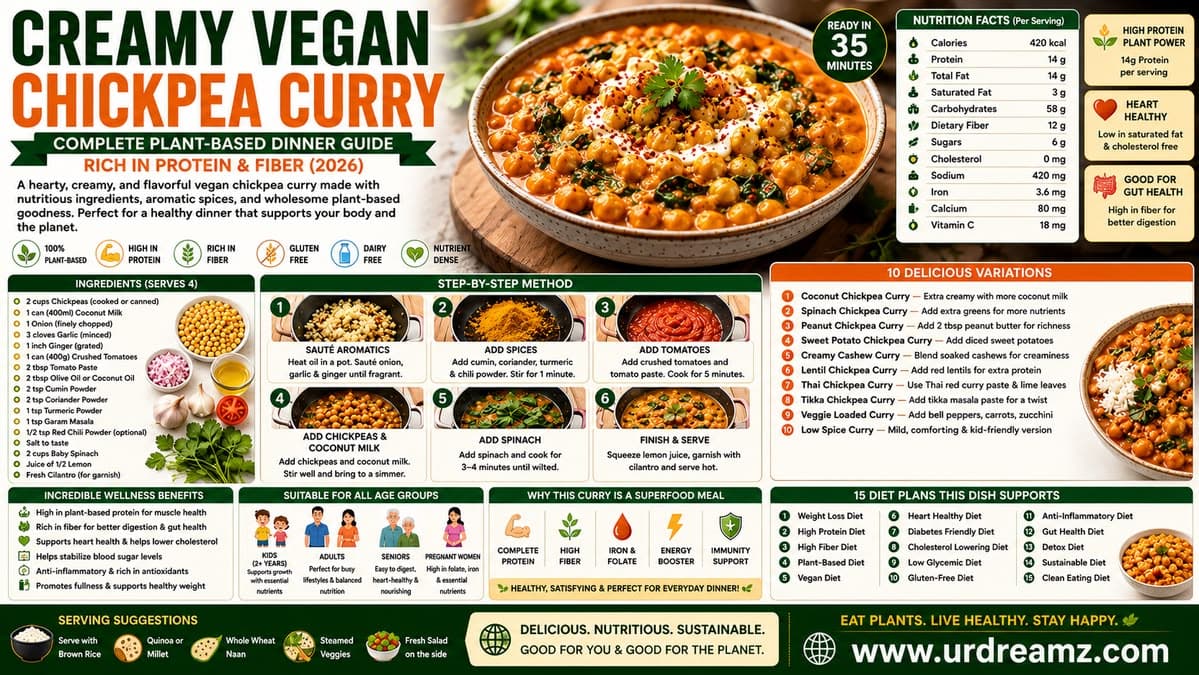
Everything you need to know about making Creamy Vegan Chickpea Curry at home — ingredients, step-by-step method, full nutrition breakdown, wellness benefits, age-group suitability, 10 variations, and 15 diet plans this dish supports.
Introduction: The One-Pot Curry That Converts Skeptics
Creamy Vegan Chickpea Curry is one of those dishes that quietly changes minds about plant-based eating. It doesn't try to imitate meat, and it doesn't need to — a base of chickpeas, coconut milk, tomatoes, and warming spices creates a dish that's rich, comforting, and deeply satisfying entirely on its own terms. It comes together in one pot, uses pantry staples that keep well on the shelf, and delivers a genuinely filling combination of plant protein and fiber that holds up as a full meal rather than a side dish.
This guide goes well beyond a basic recipe card. We cover the complete nutritional picture — protein, fiber, carbohydrates, vitamins, and minerals — how this dish supports wellness goals from heart health to weight loss to blood sugar management, which situations call for a bit more nutritional care on a vegan diet, how this recipe fits across every age group from toddlers to older adults, ten distinct variations to keep it interesting, and fifteen different diet plans this curry naturally slots into.
What Is Vegan Chickpea Curry?
Vegan Chickpea Curry is a plant-based stew built around cooked chickpeas simmered in a spiced tomato and coconut milk base, typically seasoned with onion, garlic, ginger, turmeric, cumin, and curry powder or garam masala. The "creamy" texture comes from coconut milk rather than any dairy, which is what makes the dish naturally suited to vegan, dairy-free, and often gluten-free eating patterns.
Variations of this dish appear across Indian, East African, and Caribbean cooking traditions, each leaning on a slightly different spice blend, but the underlying structure — legumes, aromatics, and a rich, spiced sauce — stays consistent throughout.
A Quick Primer on the Vegan Diet
A vegan diet excludes all animal-derived products, including meat, dairy, eggs, and honey, relying instead on vegetables, fruits, whole grains, legumes, nuts, and seeds for nutrition. When built around whole foods rather than heavily processed vegan substitutes, this eating pattern tends to be naturally high in fiber and lower in saturated fat, which is part of why dishes like this curry are so frequently featured in vegan meal plans.
Why This Dish Is a Plant-Based Favorite
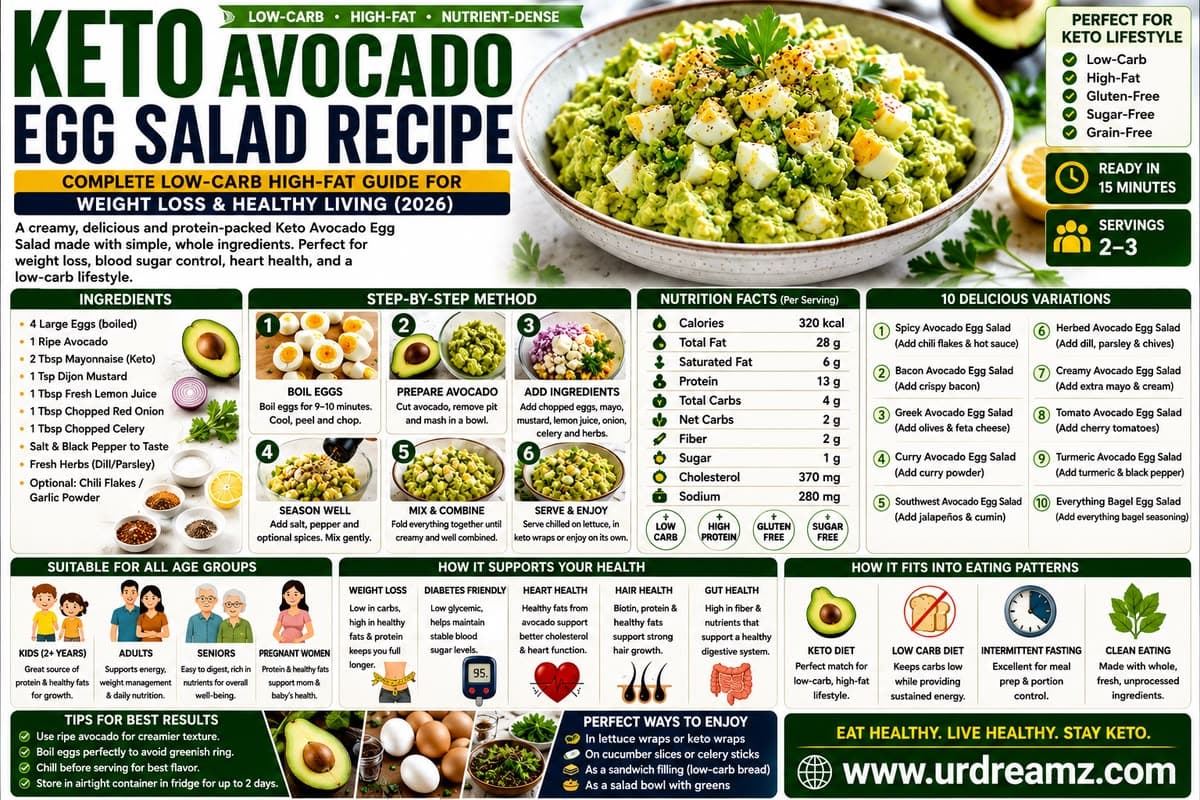
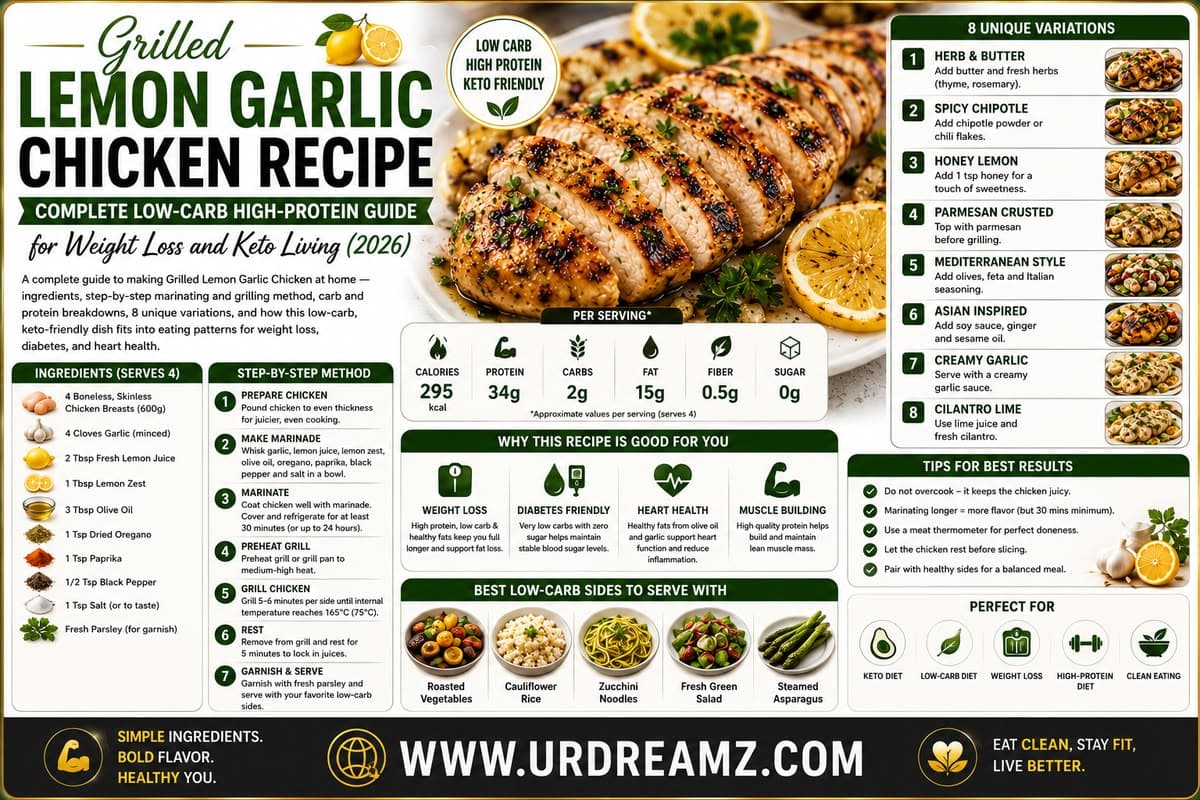
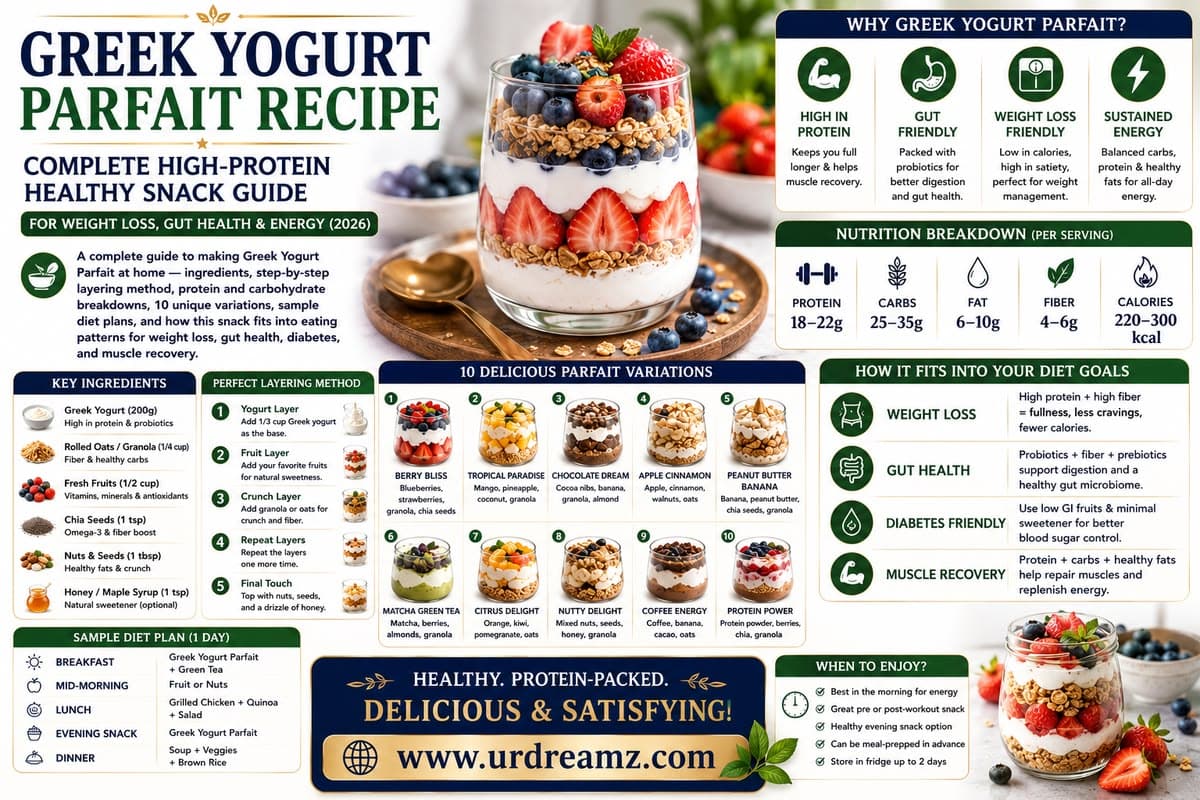
This curry checks nearly every box that matters for a satisfying vegan dinner: it's high in plant protein, rich in fiber, naturally dairy-free, generally gluten-free, and easy to make in a single pot with minimal cleanup. It also reheats and freezes well, which makes it a genuine meal-prep workhorse rather than a dish best eaten only fresh.
Who This Recipe Is Best For
Creamy Vegan Chickpea Curry suits anyone following a vegan, vegetarian, or plant-forward diet, people looking to increase their fiber and plant protein intake, families wanting a budget-friendly dinner that stretches well, and beginners looking for an approachable entry point into vegan cooking. Its mild, adaptable spice level also makes it reasonably kid-friendly with small adjustments.
This guide includes general nutrition information related to wellness goals and common health conditions such as heart health, diabetes, and digestive health, along with age-group guidance. This information is educational and not a substitute for personalized medical advice — always consult your doctor or a registered dietitian before making significant dietary changes, especially for children, during pregnancy, or if you are managing a diagnosed health condition.
Kitchen Equipment You Will Need
A large pot or deep skillet, a wooden spoon for stirring, a can opener if using canned chickpeas, and a cutting board and knife for the aromatics and vegetables are all you need. This is a genuinely simple, one-pot recipe suited to any home kitchen.
Main Ingredients Overview
The base recipe needs just a handful of ingredient categories: chickpeas, coconut milk, tomatoes, onion, garlic, ginger, and a blend of warming spices like turmeric, cumin, and curry powder. Everything else — spinach, sweet potato, mushrooms — is where the ten variations covered later in this guide diverge.
Table: Full Ingredient List and Substitutes
| Ingredient | Purpose | Possible Substitute |
|---|---|---|
| Chickpeas (canned or cooked) | Plant protein, fiber | Kidney beans or chickpea + lentil mix |
| Coconut milk | Creamy base | Cashew cream or oat cream |
| Diced tomatoes | Acidity, body | Tomato puree |
| Onion | Aromatic base | Shallot |
| Garlic | Core aromatic | Garlic powder |
| Ginger | Warmth, digestion-friendly aroma | Ground ginger |
| Turmeric | Color, mild earthiness | Curry powder blend |
| Cumin | Warm, earthy spice note | Ground coriander |
| Curry powder or garam masala | Core spice blend | Homemade spice mix |
| Olive oil | Cooking fat | Water or broth (oil-free option) |
| Fresh cilantro | Garnish, freshness | Fresh parsley |
The Role of Chickpeas in This Recipe
Chickpeas provide the bulk of this dish's plant protein and fiber, along with iron, folate, and magnesium. Their firm texture holds up well during simmering, which is why they remain a popular legume choice for curries compared to softer beans that can break down too much over long cook times.
Can I Use Canned Chickpeas?
Yes, and most home cooks do. Canned chickpeas are already fully cooked, which means they only need to be rinsed, drained, and simmered briefly in the sauce to absorb flavor, making this recipe considerably faster than starting with dried chickpeas that need to be soaked and cooked from scratch.
The Role of Coconut Milk
Coconut milk is what gives this curry its signature creamy texture without any dairy at all. Full-fat coconut milk produces the richest result, while a lighter coconut milk reduces calories and fat somewhat at the cost of a slightly thinner sauce.
Can I Make It Without Coconut Milk?
Yes. Cashew cream, blended silken tofu, or a plant-based cream alternative can all replace coconut milk while keeping the dish creamy and fully vegan. Skipping a creamy element altogether and relying on the tomato base alone also works, though the texture will be noticeably less rich.
Best Spices for Chickpea Curry
Turmeric, cumin, coriander, curry powder, and garam masala form the backbone of most chickpea curry recipes, while chili powder or fresh chili adds heat and fresh ginger and garlic build the aromatic foundation. Fresh cilantro at the end brightens the entire dish.
Table: Spice Guide
| Spice | Flavor Note | Best Used |
|---|---|---|
| Turmeric | Earthy, slightly bitter, golden color | Added early in cooking |
| Cumin | Warm, nutty | Bloomed in oil at the start |
| Coriander | Citrusy, mild | Added with other dry spices |
| Garam masala | Warm, complex blend | Added near the end for aroma |
| Chili powder | Heat | Adjusted to taste |
| Fresh cilantro | Bright, fresh | As a finishing garnish |
Table: Recipe At a Glance
| Detail | Information |
|---|---|
| Prep Time | 10 minutes |
| Cook Time | 25–30 minutes |
| Total Time | ~35–40 minutes |
| Servings | 4 |
| Skill Level | Beginner-friendly |
| Best For | Lunch, dinner, or meal prep |
| Calories (approx.) | 320–380 kcal per serving |
Step 1: Sauté the Aromatics
Heat olive oil in a large pot over medium heat, then add diced onion and cook until softened and lightly golden, about five minutes. Add minced garlic and grated ginger and cook for another minute until fragrant.
Step 2: Bloom the Spices
Add turmeric, cumin, coriander, and curry powder directly to the pot with the aromatics, stirring for about thirty seconds to a minute. This brief toasting step, sometimes called "blooming," intensifies the flavor of the dry spices before any liquid is added.
Step 3: Add Tomatoes and Chickpeas
Stir in diced tomatoes and drained, rinsed chickpeas, mixing everything together so the chickpeas are well coated in the spiced tomato base. Let this simmer for a few minutes to let the flavors start combining.
Step 4: Add Coconut Milk and Simmer
Pour in the coconut milk, stir well, and bring the curry to a gentle simmer. Let it cook uncovered for fifteen to twenty minutes, stirring occasionally, until the sauce thickens slightly and the flavors deepen.
Step 5: Add Greens
If using spinach or another leafy green, stir it in during the final few minutes of cooking, just long enough for it to wilt without turning mushy or losing its bright color.
Step 6: Adjust and Serve
Taste and adjust salt, spice level, and acidity as needed, then finish with a generous handful of fresh cilantro before serving over rice, quinoa, or with warm naan.
How Spicy Should This Curry Be?
The base recipe is intentionally mild to moderate, allowing the warmth of the spices to come through without overwhelming heat. Adjusting the amount of chili powder or fresh chili is the simplest way to scale the heat up or down to suit your own preference or the tolerance of anyone you're cooking for.
Can I Make It Without Oil?
Yes. Sautéing the onion, garlic, and ginger in a splash of vegetable broth or water instead of oil works well for anyone following an oil-free or whole-food plant-based approach, though the dish will be slightly less rich without the added fat.
Is This Recipe Gluten-Free?
Yes, as long as the curry powder or garam masala blend used doesn't contain any hidden gluten-based fillers, which is uncommon but worth checking on the label if you're cooking for someone with celiac disease or a gluten sensitivity.
Nutrition Facts Overview
A single serving of Creamy Vegan Chickpea Curry typically lands between 320 and 380 calories, delivering a solid combination of plant protein, fiber, and healthy fats from the coconut milk, along with a meaningful spread of vitamins and minerals from the tomatoes, spices, and any added vegetables.
Table: Nutrition Facts Per Serving (Approximate)
| Nutrient | Amount | Benefit |
|---|---|---|
| Calories | 320–380 kcal | Provides energy |
| Protein | 12–16 g | Supports muscles and satiety |
| Carbohydrates | 28–35 g | Main energy source |
| Fiber | 8–12 g | Supports digestion and gut health |
| Healthy Fats | 14–20 g | Supports vitamin absorption and heart health |
| Saturated Fat | 5–8 g | Mainly from coconut milk |
| Natural Sugars | 4–7 g | Naturally occurring from vegetables |
| Sodium | 250–500 mg | Depends on added salt and canned goods |
Note: Values are estimates and vary by exact ingredient brands and portion sizes.
Protein Content Explained
A single serving of this curry, built around a cup or so of chickpeas, provides roughly 12 to 16 grams of protein. Adding lentils or a scoop of tofu, as covered in some of the variations later in this guide, boosts that number further for anyone with higher protein needs.
Table: Protein Content by Ingredient (Approximate)
| Ingredient | Approx. Protein |
|---|---|
| 1 cup chickpeas | ~15 g |
| 1/2 cup red lentils (cooked) | ~9 g |
| 1/2 cup cubed tofu | ~10 g |
| 1/2 cup coconut milk | ~2 g |
| 1 cup spinach | ~1 g |
Carbohydrate and Fiber Content Explained
Most of the carbohydrate content in this dish comes from the chickpeas themselves and any added starchy vegetables like sweet potato. Because chickpeas are also high in fiber, the effective impact on blood sugar tends to be gentler than an equivalent amount of carbohydrate from a refined source.
Table: Carbohydrate and Fiber Breakdown (Per Serving, Approximate)
| Component | Carbohydrates | Fiber |
|---|---|---|
| 1 cup chickpeas | ~27 g | ~8 g |
| 1/2 cup diced tomatoes | ~4 g | ~1 g |
| 1/2 cup coconut milk | ~3 g | ~0 g |
| 1 cup spinach (optional) | ~1 g | ~1 g |
Macronutrient Breakdown
This curry lands in a fairly balanced macronutrient range, with a meaningful contribution from all three macronutrients rather than being dominated by any single one, which is part of why it works as a complete, standalone meal rather than needing to be paired with a heavy side to feel satisfying.
Table: Macronutrient Percentages (Approximate)
| Macronutrient | Approx. % of Calories |
|---|---|
| Protein | ~15% |
| Carbohydrates | ~40% |
| Healthy Fats | ~45% |
These percentages vary depending on ingredient quantities, especially coconut milk and oil.
Vitamins and Minerals in This Recipe
This dish delivers a genuinely wide nutrient spread: iron, folate, and magnesium from chickpeas, vitamin C and lycopene from tomatoes, iron and calcium from any added spinach, and small amounts of manganese from the coconut milk. Turmeric contributes curcumin, a plant compound studied for its antioxidant properties, while ginger contributes gingerols, compounds associated with anti-inflammatory eating patterns.
Table: Key Vitamins and Minerals (Approximate, Per Serving)
| Nutrient | Amount |
|---|---|
| Iron | 3–5 mg |
| Calcium | 80–150 mg |
| Potassium | 500–700 mg |
| Magnesium | 60–90 mg |
| Folate | High |
| Vitamin C | Moderate |
| Vitamin A | Moderate |
| Vitamin K | Moderate |
What Vegan Diets Are Typically Lower In
Like most fully plant-based dishes, this curry is not naturally rich in vitamin B12, vitamin D, iodine, or the long-chain omega-3 fats (EPA and DHA) typically found in fish. Anyone following a fully vegan diet long-term should ensure these nutrients are covered elsewhere in their diet, often through fortified foods or a supplement recommended by a doctor or dietitian.
Best Pairings to Improve Nutrition
Serving this curry with brown rice or quinoa turns it into a more complete meal, a side salad adds extra vitamins and fiber, a squeeze of fresh lemon juice improves the absorption of the plant-based iron in the chickpeas, and a sprinkle of pumpkin or sesame seeds adds extra zinc and healthy fats.
Table: Best Nutrition-Boosting Pairings
| Pairing | Why It Helps |
|---|---|
| Brown rice or quinoa | Makes the meal more complete |
| Mixed salad | Extra vitamins and fiber |
| Lemon juice | Improves iron absorption |
| Pumpkin or sesame seeds | Extra zinc and healthy fats |
| Steamed broccoli | More calcium and vitamin C |
Top Wellness Conditions Where This Recipe Helps: An Overview
Because this curry is built from fiber-rich legumes, vegetables, and unsaturated fats, it aligns naturally with several well-known wellness goals. Below, we walk through ten specific areas where this style of eating is commonly considered beneficial. As with all health information in this guide, this is general and educational — it supports health, but it is not a replacement for medical treatment, and individual nutritional needs vary.
Heart Health
This curry is rich in fiber and unsaturated fats, and it's typically lower in saturated fat than meat-based curries, a combination that can support healthy cholesterol levels and overall cardiovascular health as part of a broader heart-conscious diet.
Weight Loss
Whole-food vegan meals like this one are often naturally filling because of their fiber content, which can help some people manage overall calorie intake more comfortably than lower-fiber alternatives.
High Cholesterol
Diets that emphasize legumes, whole grains, fruits, and vegetables — exactly the foundation of this curry — may help support healthy LDL ("bad") cholesterol levels over time as part of an overall dietary pattern.
High Blood Pressure (Hypertension)
Plant-based meals like this curry are often naturally high in potassium and lower in saturated fat, both of which are commonly associated with supporting healthy blood pressure. Using a low-sodium tomato product and being mindful of added salt further supports this goal.
Type 2 Diabetes Management
The high fiber content of chickpeas can support more stable blood sugar levels when meals are balanced and portion sizes are kept reasonable. This dish does not treat or cure diabetes, and anyone managing the condition with medication should discuss significant dietary changes with their doctor or dietitian.
Digestive Health
The fiber in chickpeas, tomatoes, and any added vegetables supports healthy digestion and feeds beneficial gut bacteria, which is part of why fiber-rich, whole-food vegan meals are frequently recommended for overall digestive wellness.
Constipation
Whole grains, legumes, and vegetables — the core building blocks of this curry — can help promote regular bowel movements when combined with adequate hydration throughout the day.
Inflammation Support
Turmeric, ginger, garlic, and tomatoes are all commonly associated with anti-inflammatory eating patterns, making this curry a reasonable choice for anyone specifically trying to increase their intake of these ingredients as part of a broader lifestyle approach.
Healthy Aging
The wide range of vitamins, minerals, antioxidants, and plant compounds in this dish supports overall wellness as people age, though protein intake and specific nutrients like B12 and calcium become increasingly important to monitor carefully in older age.
Kidney Health (Selected Cases)
For some people, a carefully planned plant-based diet may offer benefits for kidney health. However, those with chronic kidney disease often need individualized guidance on potassium, phosphorus, and protein intake, since both chickpeas and coconut milk contain meaningful amounts of potassium that may need to be monitored depending on the stage of kidney disease.
Table: Wellness Benefits Summary
| Wellness Goal | Why This Recipe Helps |
|---|---|
| Heart Health | High fiber, unsaturated fats, lower saturated fat |
| Weight Loss | Fiber supports fullness and calorie management |
| High Cholesterol | Legumes and vegetables may help lower LDL |
| High Blood Pressure | High potassium, low saturated fat |
| Type 2 Diabetes | High fiber supports blood sugar management |
| Digestive Health | Fiber supports healthy gut bacteria |
| Constipation | Whole grains and legumes support regularity |
| Inflammation Support | Turmeric, ginger, garlic are anti-inflammatory foods |
| Healthy Aging | Rich in antioxidants, vitamins, and minerals |
| Kidney Health | Beneficial for some; requires individualized guidance |
Situations Where Extra Caution Is Needed: An Overview
While a well-planned vegan diet can be healthy for many people, certain situations call for extra planning or professional guidance before relying heavily on plant-based meals like this curry. Below are ten such situations worth being aware of.
Table: 10 Situations Requiring Extra Care
| Situation | Why Extra Care Is Needed |
|---|---|
| Vitamin B12 deficiency | Vegan diets naturally contain very little B12; fortified foods or supplements are usually needed |
| Iron-deficiency anemia | Plant-based iron is less easily absorbed; meal planning and vitamin C intake matter |
| Protein malnutrition risk | Poorly planned meals lacking legumes, tofu, or nuts may fall short on protein |
| Severe underweight | Some vegan meals are lower in calories; higher-calorie, nutrient-dense options may be needed |
| Advanced chronic kidney disease | Potassium and phosphorus in legumes and coconut milk may need adjustment |
| Food allergies (soy, nuts, sesame) | Common vegan ingredients may need substitution |
| Eating disorders or very restrictive diets | Highly restrictive eating patterns can make meeting nutritional needs harder |
| Infants under 1 year | Should not rely on homemade vegan diets; need pediatric guidance |
| Pregnancy and breastfeeding without planning | Nutrients like B12, iron, iodine, DHA, calcium, and vitamin D need attention |
| Frail older adults with poor appetite | May need more protein- and calorie-dense foods, requiring careful planning |
This table is general educational information, not a diagnosis or personalized medical recommendation.
Vegan Recipes by Age Group: An Overview
A well-planned vegan diet can be healthy at nearly every life stage, but nutritional needs and priorities shift with age. Below, we walk through how this curry and vegan eating generally fit toddlers, children, teenagers, adults, and older adults.
Toddlers (1–3 Years)
With careful planning, vegan meals can support healthy growth in toddlers when meals are energy-dense and varied. A softened, mild version of this curry (with less spice and chickpeas mashed for easier eating) can work well, alongside foods like mashed chickpeas, lentil soup, soft tofu, oatmeal, avocado, and sweet potato. Extra attention should go toward vitamin B12, vitamin D, calcium, iron, healthy fats, and adequate total calories.
Children (4–12 Years)
This curry is a genuinely good fit for children in this age range, supporting growth, digestive health, and a healthy body weight, while also being naturally rich in antioxidants. Key nutrients to watch for children following a vegan diet include protein, iron, calcium, zinc, vitamin B12, and iodine.
Teenagers (13–19 Years)
For active teenagers, this dish supports rapid growth, energy for sports and daily activities, and healthy skin and heart function. Pairing it with brown rice adds extra energy for growing, active bodies. Important nutrients to monitor include protein, iron (especially for teenage girls), calcium, vitamin D, vitamin B12, and omega-3 fats.
Adults (20–59 Years)
For most healthy adults, this curry supports heart health, may help improve cholesterol levels, supports blood sugar management, and is high in fiber for digestive health, all while supporting general weight management goals. This age group generally handles the recipe well without major restrictions, though B12, omega-3 fats, iodine, and vitamin D remain worth monitoring on a fully vegan diet.
Older Adults (60+ Years)
This dish can support heart health and digestion in older adults, and its antioxidant content supports healthy aging generally. Protein and key nutrients including vitamin B12, calcium, vitamin D, zinc, and omega-3 fats become increasingly important to monitor carefully in this age group, and a softer, less spiced version may be more comfortable for anyone with chewing or digestive sensitivity.
Table: Age Group Suitability Summary
| Age Group | Suitability | Key Nutrients to Watch |
|---|---|---|
| Toddlers (1–3) | Yes, with careful planning | Protein, B12, calcium, vitamin D, iron |
| Children (4–12) | Yes | Protein, iron, calcium, zinc, B12, iodine |
| Teenagers (13–19) | Excellent | Protein, iron, calcium, vitamin D, B12 |
| Adults (20–59) | Excellent | B12, omega-3 fats, iodine, vitamin D |
| Older Adults (60+) | Good, with planning | Protein, B12, calcium, vitamin D, zinc, omega-3 |
10 Ways to Make Chickpea Curry
Once you're comfortable with the base recipe, the fun part is exploring variation. Below are ten distinct takes on this curry, each built around a different vegetable, protein boost, or flavor direction.
1. Creamy Coconut Chickpea Curry
Main ingredients: Chickpeas, coconut milk, onion, garlic, ginger, tomatoes, curry powder, turmeric, olive oil, cilantro. Best for: Creamy texture, family dinner, and meal prep. This is the classic base version and the best starting point for beginners.
2. Spicy Indian Chickpea Curry
Main ingredients: Chickpeas, onion, garlic, ginger, tomatoes, garam masala, red chili powder, cumin, coriander, fresh cilantro. Best for: Indian food lovers and anyone who prefers a bolder, spicier flavor profile.
3. Spinach Chickpea Curry
Main ingredients: Chickpeas, fresh spinach, tomatoes, onion, garlic, coconut milk, turmeric, cumin, olive oil. Best for: Iron-rich meals and a healthy, everyday dinner with extra greens.
4. Mushroom Chickpea Curry
Main ingredients: Chickpeas, mushrooms, onion, garlic, coconut milk, tomatoes, paprika, curry powder. Best for: Extra texture and high-fiber meals, since mushrooms add a meaty, savory bite.
5. Mixed Vegetable Chickpea Curry
Main ingredients: Chickpeas, carrots, peas, bell peppers, broccoli, tomatoes, coconut milk, curry spices. Best for: Family meals and a kid-friendly recipe loaded with colorful vegetables.
6. Sweet Potato Chickpea Curry
Main ingredients: Chickpeas, sweet potatoes, coconut milk, onion, garlic, ginger, curry powder. Best for: Weight management and a filling, hearty dinner, since sweet potato adds natural sweetness and extra fiber.
7. Lentil and Chickpea Curry
Main ingredients: Chickpeas, red lentils, tomatoes, onion, garlic, turmeric, cumin, coconut milk. Best for: Higher protein and higher fiber needs, since the two legumes combine for an especially filling, nutrient-dense bowl.
8. Broccoli Chickpea Curry
Main ingredients: Chickpeas, broccoli, onion, garlic, coconut milk, curry powder, black pepper. Best for: Lower-calorie meals and a healthy lunch option that still feels substantial.
9. Lemon Herb Chickpea Curry
Main ingredients: Chickpeas, lemon juice, garlic, parsley, cilantro, olive oil, black pepper. Best for: Light summer meals and a fresher, brighter flavor profile than the richer coconut-based versions.
10. Tomato Basil Chickpea Curry
Main ingredients: Chickpeas, fresh tomatoes, tomato puree, basil, garlic, onion, olive oil, Italian herbs. Best for: A Mediterranean-style vegan dinner and quick weeknight meals with a distinctly Italian flavor twist.
Table: Comparing All 10 Variations
| Variation | Key Feature | Best Suited For |
|---|---|---|
| Creamy Coconut | Classic, rich texture | Family dinner, meal prep |
| Spicy Indian | Bold garam masala, chili | Spice lovers |
| Spinach | Extra iron and greens | Healthy everyday dinner |
| Mushroom | Meaty texture | High-fiber meals |
| Mixed Vegetable | Colorful, varied veg | Family and kids |
| Sweet Potato | Natural sweetness, fiber | Weight management |
| Lentil and Chickpea | Double legume protein | High-protein needs |
| Broccoli | Lower calorie | Healthy lunch |
| Lemon Herb | Bright, fresh flavor | Light summer meals |
| Tomato Basil | Mediterranean-style | Quick weeknight dinners |
15 Diet Plans That Work Well With This Recipe
This curry, along with other vegan staples like Buddha bowls, lentil soup, and tofu stir fry, fits naturally into a wide range of structured eating plans. Below is a full rundown of fifteen diet plans where this recipe genuinely earns its place.
Table: 15 Diet Plans Overview
| # | Diet Plan | Why This Recipe Fits |
|---|---|---|
| 1 | Whole Food Plant-Based Diet | Centers on whole grains, beans, fruits, and vegetables |
| 2 | Heart-Healthy Diet | Low saturated fat, high fiber |
| 3 | Weight Loss Diet | High-fiber meals support satiety |
| 4 | Cholesterol-Lowering Diet | Naturally cholesterol-free, may help lower LDL |
| 5 | Diabetic-Friendly Diet | Low-GI legumes and vegetables support blood sugar |
| 6 | High-Fiber Diet | Chickpeas are an excellent fiber source |
| 7 | Anti-Inflammatory Diet | Turmeric, ginger, garlic are key ingredients |
| 8 | Mediterranean-Inspired Vegan Diet | Olive oil, beans, vegetables, herbs |
| 9 | High-Protein Vegan Diet | Chickpeas plus optional lentils or tofu |
| 10 | Clean Eating Diet | Whole, minimally processed ingredients |
| 11 | DASH-Inspired Vegan Diet | Vegetables and low-sodium adjustments support blood pressure |
| 12 | Meal Prep Diet | Batch-cooks and reheats extremely well |
| 13 | Brain-Healthy Diet | Pairs well with walnuts, flaxseed, leafy greens |
| 14 | Sustainable Diet | Environmentally friendlier than meat-based meals |
| 15 | Beginner Vegan Transition Diet | Easy, practical entry point for new vegans |
Table: Best Diet Plan Pairings
| Diet Goal | Best Pairing With This Curry |
|---|---|
| Weight Loss | Chickpea Curry + Cauliflower Rice |
| Diabetes | Lentil Version + Mixed Vegetables |
| High Cholesterol | Curry + Bean Salad + Oatmeal (other meals) |
| Heart Health | Mediterranean-Style Vegan Bowl |
| High Fiber | Chickpeas + Lentils + Whole Grains |
| High Protein | Lentil and Chickpea Version + Quinoa |
| Gut Health | Curry + Fermented Side (e.g., pickles) |
| Blood Pressure | Low-Sodium Version + Vegetable Bowl |
| Beginner Vegan | Simple Curry + Brown Rice + Salad |
Meal Prep Guide
This curry is one of the easier dishes to batch cook, since it holds its flavor well over several days and often tastes even better the next day once the spices have had time to meld. Cooking a double batch on the weekend and portioning it into containers with a grain makes for an easy grab-and-reheat lunch or dinner all week.
Storage Tips
Store cooled curry in an airtight container in the refrigerator for up to four to five days. If meal-prepping with rice or quinoa, storing the grain separately helps keep its texture from becoming overly soft.
Freezing Instructions
This curry freezes well for up to three months, making it an excellent make-ahead option. Freeze in individual portions for easy grab-and-reheat meals, and thaw in the refrigerator overnight before reheating gently on the stovetop.
Table: Storage and Shelf Life
| Storage Method | Shelf Life |
|---|---|
| Refrigerator (airtight container) | 4–5 days |
| Freezer (airtight, freezer-safe) | Up to 3 months |
| Room temperature | Not recommended beyond 2 hours |
Common Mistakes to Avoid
Under-seasoning the spices, skipping the step of blooming spices in oil, using canned chickpeas without draining and rinsing them first, letting the curry simmer too long and turning the greens mushy, and not tasting and adjusting salt and acidity at the end are the most common mistakes home cooks make with this recipe.
Table: Mistakes and Quick Fixes
| Mistake | Quick Fix |
|---|---|
| Bland curry | Bloom spices in oil before adding liquid |
| Watery sauce | Simmer uncovered longer to reduce and thicken |
| Mushy greens | Add spinach only in the final few minutes |
| Too salty from canned chickpeas | Rinse and drain chickpeas thoroughly first |
| Overly thick, gluey curry | Thin with a splash of water or broth |
Serving Ideas
This curry pairs well with steamed basmati or brown rice, quinoa, warm naan or whole wheat bread, cauliflower rice for a lower-carb option, or a simple side salad. It can also be served over a bed of fresh spinach for extra greens right at the table.
Table: Serving Ideas
| Serving Style | Why It Works |
|---|---|
| Basmati rice | Classic pairing, absorbs the sauce well |
| Quinoa | Adds extra plant protein |
| Naan or whole wheat bread | Great for scooping |
| Cauliflower rice | Lower-carb option |
| Side salad | Fresh, light contrast |
Pro Tips for the Best Flavor
Toast whole spices briefly before grinding them if you have the time, use full-fat coconut milk for the richest texture, and let the curry rest for a few minutes off the heat before serving so the flavors have a moment to settle and deepen.
Budget and Meal Planning Tips
Canned chickpeas, canned tomatoes, and coconut milk are all inexpensive pantry staples, making this one of the more budget-friendly dinners you can keep in regular rotation. Buying dried chickpeas in bulk and cooking a large batch to freeze in portions can lower the cost even further for frequent cooks.
How We Put This Guide Together
This guide combines tested one-pot cooking technique with practical, general nutrition information, written to answer the real questions people search for when looking into Vegan Chickpea Curry. Rather than repeating any single source, we brought together common preparation methods, nutrition data, wellness considerations, and age-group guidance into one comprehensive reference, explained in plain, straightforward language for cooks at any experience level.
Frequently Asked Questions
How do you make creamy vegan chickpea curry?
Sauté onion, garlic, and ginger, bloom the spices, add tomatoes and chickpeas, stir in coconut milk, simmer until thickened, then finish with fresh herbs.
Can I use canned chickpeas for curry?
Yes, canned chickpeas just need to be drained and rinsed before adding them to the pot, which saves significant time compared to cooking dried chickpeas from scratch.
Is chickpea curry healthy?
Yes, especially when made with whole ingredients like chickpeas, tomatoes, and spices, offering a good balance of plant protein, fiber, and healthy fats.
Is vegan chickpea curry high in protein?
Yes, relative to many vegetable-only dishes, delivering roughly 12 to 16 grams of protein per serving, with even more when lentils or tofu are added.
Can I make chickpea curry without coconut milk?
Yes, cashew cream, blended silken tofu, or a plant-based cream alternative can replace it while keeping the dish creamy and vegan.
Is chickpea curry gluten-free?
Generally yes, as long as the spice blend used doesn't contain hidden gluten-based fillers.
Can vegan chickpea curry be frozen?
Yes, it freezes well for up to three months, making it a strong make-ahead option.
Is chickpea curry good for weight loss?
Yes, its high fiber and plant protein content support satiety, which can help with overall calorie management.
Is vegan chickpea curry diabetic-friendly?
Often yes, thanks to its high fiber content, though portion size and any added starchy sides should still be considered, and anyone on diabetes medication should consult their doctor about significant dietary changes.
Can I meal prep chickpea curry?
Yes, it holds up very well over several days in the refrigerator and reheats easily.
Can children eat chickpea curry?
Yes, with a milder spice level, this dish is generally well suited for children as part of a balanced diet.
Is chickpea curry good for heart health?
Yes, its combination of fiber, unsaturated fats, and low saturated fat content aligns well with heart-healthy eating patterns.
Table: Quick-Answer FAQ Summary
| Question | Short Answer |
|---|---|
| Healthy? | Yes, whole-food based |
| High protein? | Yes, ~12-16g per serving |
| Gluten-free? | Generally yes |
| Freezer-friendly? | Yes, up to 3 months |
| Good for diabetics? | Often yes, with medical guidance |
| Good for meal prep? | Yes, holds up very well |
Conclusion
Creamy Vegan Chickpea Curry earns its popularity honestly — it's affordable, endlessly adaptable, genuinely filling, and rich in exactly the nutrients that make a plant-based meal feel complete rather than restrictive. Whether you stick with the classic coconut version, lean into a spicier Indian-style take, or build a heartier lentil and chickpea combination, the underlying one-pot technique stays simple enough to repeat weekly without ever feeling repetitive.
A well-planned vegan diet can be healthy for many people, but it is not automatically healthier than every other eating pattern — the benefits depend heavily on the quality of the foods chosen, and diets built around whole plant foods like this curry tend to deliver more nutritional value than those relying on ultra-processed vegan substitutes. For people with medical conditions or specific nutritional needs, including pregnancy, kidney disease, or a diagnosed deficiency, personalized advice from a healthcare professional or registered dietitian is always the better guide than any single recipe or general article.