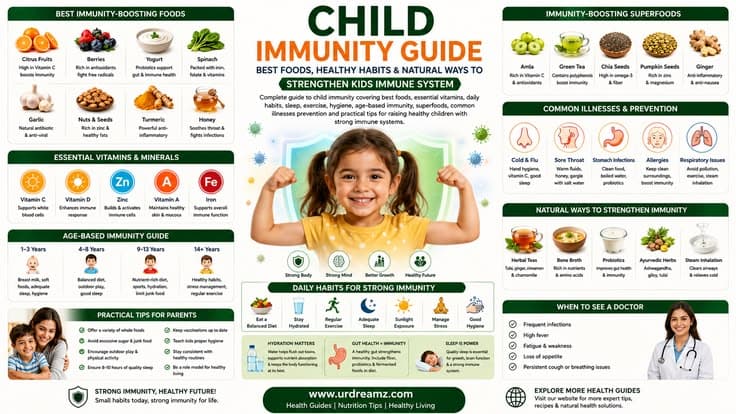
Child Immunity Guide: Best Foods, Healthy Habits and Natural Ways to Strengthen Kids Immune System
Every parent knows the feeling of watching their child come home from school with a runny nose for the third time in a month, and wondering whether there is something more they could be doing to keep them healthy. Children, especially those in daycare and school settings, are exposed to an enormous number of pathogens as their immune systems learn to recognize and respond to the microbial world. This is normal and even necessary for healthy immune development. However, the resilience and effectiveness of that immune response is profoundly shaped by daily choices: what children eat, how much they sleep, how active they are, how well they practice hygiene, and the overall lifestyle environment their family creates. This comprehensive guide gives you a deep understanding of how children's immune systems work, what supports and undermines them, the best foods and habits for strong immunity at every age, and practical strategies for keeping your children as healthy as possible year-round.
1. How the Child Immune System Works
The immune system is the body's extraordinarily sophisticated defense network, a complex collection of cells, tissues, proteins, and organs that work together to identify and neutralize threats including bacteria, viruses, fungi, parasites, and abnormal cells that could cause disease. Understanding how it works helps parents appreciate why certain habits and foods matter, and why the goal is to support this system rather than simply trying to eliminate all pathogen exposure.
The immune system operates through two main branches. The innate immune system is the body's immediate, non-specific first line of defense. It includes physical barriers like skin and mucous membranes, and cellular defenders like neutrophils and natural killer cells that respond rapidly to any detected threat. The adaptive immune system is the more sophisticated second line of defense. It takes longer to respond but develops highly specific targeted responses to particular pathogens and retains memory of them, which is why children who have had a specific infection, or who have been vaccinated against it, are protected when exposed again.
Children's immune systems are not simply smaller versions of adult immune systems. They are genuinely less experienced. A child is born with innate immune mechanisms but the adaptive immune system's library of pathogen-specific responses must be built through exposure over time. This is why young children, particularly those in group care settings, tend to get sick more frequently than older children and adults. Each illness that resolves is literally teaching the immune system, adding to the library of responses that will protect the child more efficiently in the future.
| Component | What It Does | How to Support It |
|---|---|---|
| Skin and Mucous Membranes | Physical barriers that prevent pathogens from entering the body. Mucous traps pathogens in the respiratory tract. Stomach acid destroys ingested pathogens | Good hygiene and handwashing. Adequate hydration to maintain mucous membranes. Vitamin A for healthy epithelial tissue |
| White Blood Cells (Lymphocytes, Neutrophils, Natural Killer Cells) | The cellular soldiers of the immune system. Identify, attack, and neutralize pathogens and abnormal cells | Adequate protein for cell production. Zinc, vitamin C, and vitamin D support white blood cell production and function |
| Gut-Associated Lymphoid Tissue (GALT) | Approximately 70 percent of the entire immune system resides in and around the digestive tract. The gut microbiome profoundly influences immune function and regulation | Probiotic-rich foods like yogurt and fermented foods. Prebiotic fiber from fruits, vegetables, and whole grains. Limiting antibiotics to genuine medical need |
| Thymus | Organ where T-lymphocytes mature and are educated to distinguish self from non-self. Particularly active during childhood and adolescence | Adequate zinc and protein nutrition support thymus function. The thymus is most active when children are young |
| Lymph Nodes | Filter the lymph fluid and house immune cells that fight infection. The swollen lymph nodes parents feel during a child's infection are lymph nodes working hard to fight the threat | Adequate hydration supports lymphatic flow. Regular physical activity promotes lymphatic circulation |
2. How Immunity Develops by Age
| Age Stage | Immune System Status | Why They Get Sick More or Less | How to Support |
|---|---|---|---|
| Newborns 0 to 3 months | Protected primarily by maternal antibodies received through the placenta and, if breastfed, through breast milk. Own immune system is immature | Highly vulnerable to infections. Even mild infections can be serious. Maternal antibodies provide temporary protection | Breastfeeding if possible provides ongoing antibody protection. Minimize exposure to illness. Ensure all caregivers are up to date on vaccinations |
| Infants 3 to 12 months | Maternal antibodies gradually wane. Own immune system begins developing. Vaccination program begins providing active immunity | Increasing vulnerability as maternal antibodies decline. Beginning to encounter pathogens and build immune memory | Continue breastfeeding if possible. Follow vaccination schedule. Good hygiene. Introduce diverse foods as appropriate for age to support gut microbiome |
| Toddlers 1 to 3 years | Active immune development through frequent exposure to new pathogens. Many minor illnesses in this period are the immune system learning | May get sick 8 to 12 times per year, which is entirely normal for this age especially in group care. Each illness builds immune memory | Nutritious diet with variety. Good sleep. Outdoor play. Good hygiene. Continue vaccination schedule. Avoid over-use of antibiotics |
| Preschoolers 3 to 5 years | Building immune experience rapidly. Vaccination series largely complete. Own antibody production improving | Still frequent illnesses though often less severe than toddler years. Immune library expanding | Continued good nutrition especially vitamin C, D, zinc, and iron. Outdoor play. Adequate sleep. Hand washing education |
| School Age 6 to 12 years | Increasingly experienced immune system. Better able to respond efficiently to previously encountered pathogens. Fewer illnesses but still vulnerable to new strains | Fewer colds per year than toddlers. School exposure to many new pathogens continues immune education | Balanced nutrition. Adequate sleep. Regular physical activity. Good hygiene habits. Healthy weight management |
| Teenagers 13 to 18 years | Approaching adult immune function. Puberty involves significant immune system changes. Lifestyle factors become increasingly important | Generally better immunity than younger children. However, sleep deprivation and poor nutrition common in teens compromise immunity | Good nutrition especially calcium and iron. Adequate sleep (often neglected in teens). Stress management. Maintaining healthy lifestyle habits |
3. Signs of a Healthy vs Weakened Immune System
| Sign | Healthy Immune System | Potentially Weakened Immunity |
|---|---|---|
| Frequency of illness | 6 to 8 colds per year is normal for toddlers. 4 to 6 for school-age children. Most illnesses resolve within 7 to 10 days | More than 8 to 10 infections per year in older children. Infections lasting longer than expected. Same type of infection recurring repeatedly |
| Recovery time | Recovers from common illnesses within the typical timeframe for that illness | Takes significantly longer than usual to recover. Seems not to fully recover before the next illness begins |
| Severity of illness | Common illnesses run a typical course without unusual complications | Common illnesses lead to serious complications or require hospitalization. Infections that most children handle easily cause serious problems |
| Energy levels | Good energy and activity levels when not acutely ill. Recovers energy promptly after illness | Persistently low energy even when not obviously ill. Fatigue that does not improve with rest |
| Growth and development | Growing along their own percentile curve. Meeting developmental milestones | Poor growth. Failure to thrive. Missing developmental milestones. Persistently low weight for age |
| Skin, hair, and nails | Good skin color and tone. Hair with reasonable growth and quality. Healthy nails | Frequent skin infections, unusual pallor, poor wound healing. Brittle nails. Excessive hair loss in older children |
4. The Role of Nutrition in Child Immunity
Nutrition is one of the most powerful modifiable factors influencing child immune function. The immune system requires specific nutrients to develop, maintain, and effectively deploy its defenses. A child who is deficient in key immune nutrients may have literally fewer white blood cells, reduced antibody production, impaired barrier function, and compromised inflammatory regulation, all of which translate into more frequent and more severe infections.
The relationship between nutrition and immunity operates through multiple pathways simultaneously. Specific micronutrients including vitamins C, D, A, E, and B vitamins, and minerals including zinc, iron, selenium, and copper are required as cofactors for immune cell production, antibody synthesis, and the proper regulation of inflammatory responses. Adequate macronutrients, particularly protein, provide the raw material for building the immune proteins and cells themselves. Dietary fiber from plant foods nourishes the gut microbiome which, as noted, houses approximately 70 percent of the immune system and profoundly influences its function. Healthy fats from fish and plant sources regulate the inflammatory signaling that determines how the immune system responds to threats.
The goal is not to identify a single magic food or supplement but to create an overall dietary pattern that consistently provides all the nutrients the immune system requires. No single food, regardless of how nutrient-dense, can compensate for an overall poor dietary pattern. The Mediterranean-style dietary approach, rich in fruits, vegetables, whole grains, legumes, fish, and healthy fats with limited processed foods and added sugars, provides the comprehensive nutritional support that consistently correlates with better immune outcomes in research.
5. Best Foods to Support Child Immunity
| Food Category | Best Examples | Key Immune Nutrients | How to Include Daily |
|---|---|---|---|
| Citrus and High-Vitamin C Fruits | Oranges, kiwi, guava, strawberries, lemon, grapefruit, papaya, mango | Vitamin C, flavonoids, antioxidants | Fresh fruit at breakfast or as snack. Kiwi or orange with lunch. Fresh-squeezed juice occasionally |
| Colorful Vegetables | Spinach, broccoli, bell peppers, carrots, sweet potato, tomatoes | Beta-carotene (vitamin A), vitamin C, vitamin K, folate, antioxidants | Vegetable with every dinner. Hidden in pasta sauces, soups, and egg dishes. Raw with dips as snack |
| Fermented Foods with Probiotics | Plain yogurt with live cultures, kefir, homemade fermented vegetables | Lactobacillus and Bifidobacterium probiotics, protein, calcium | Plain yogurt daily at breakfast or as snack. Avoid heavily sweetened versions |
| Fatty Fish | Salmon, sardines, mackerel, trout | Omega-3 EPA and DHA, vitamin D, complete protein, selenium | Twice weekly at minimum. Baked, grilled, in pasta, or as fish cakes |
| Eggs | Whole eggs from pasture-raised or omega-3 enriched hens | Complete protein, vitamin D, choline, selenium, zinc | Daily or most days. Scrambled, boiled, in omelets with vegetables |
| Nuts and Seeds | Almonds, walnuts, sunflower seeds, pumpkin seeds, chia seeds | Vitamin E, zinc, selenium, omega-3, healthy fats, protein | Small handful as daily snack for older children. Ground or as butter for younger children. Mixed into oatmeal |
| Legumes | Lentils, chickpeas, kidney beans, black beans | Plant protein, iron, zinc, fiber, folate | In soups, daal, curries, hummus, or mixed into rice dishes |
| Whole Grains | Oats, whole wheat, brown rice, quinoa, barley | B vitamins, fiber (prebiotic), minerals | Oatmeal for breakfast. Whole grain bread for sandwiches. Brown rice or quinoa with dinner |
| Garlic and Onions | Fresh garlic, onions, leeks, shallots | Allicin (garlic), quercetin (onions), sulfur compounds, prebiotic inulin | Used as cooking base in most savory dishes. No special preparation needed beyond normal cooking |
| Berries | Blueberries, strawberries, raspberries, blackberries, cranberries | Anthocyanins, vitamin C, flavonoids, antioxidants | Daily on yogurt, in oatmeal, as snack, in smoothies. Fresh or frozen both provide benefit |
6. Ten Superfoods for Child Immunity
| # | Superfood | Key Active Compounds | Immune Benefit | Child-Friendly Uses |
|---|---|---|---|---|
| 1 | Garlic | Allicin, diallyl sulfide, organosulfur compounds | Allicin demonstrates direct antimicrobial activity against bacteria and viruses. Stimulates the activity of natural killer cells and macrophages. Anti-inflammatory effects support immune regulation | Added to cooking in almost every savory dish. Garlic bread. Roasted garlic is milder and sweeter for children who dislike raw flavor |
| 2 | Mushrooms | Beta-glucans, ergothioneine, selenium, B vitamins, dietary nucleotides | Beta-glucans in mushrooms stimulate the activity and production of white blood cells. Dietary nucleotides in mushrooms serve as building blocks for DNA and RNA synthesis in rapidly dividing immune cells | In soups, pasta sauces, stir fries, or omelets. Button mushrooms are mildest and most widely accepted |
| 3 | Broccoli | Sulforaphane, vitamins A, C, and E, glutathione, calcium | Sulforaphane activates protective genes in immune cells. The combination of multiple antioxidants and vitamins provides comprehensive protection to immune cells from oxidative damage during infection | Roasted (enhances sweetness), steamed as trees for dipping, in pasta, hidden in sauces, in cheese bakes |
| 4 | Yogurt | Lactobacillus acidophilus and Bifidobacterium probiotics, protein, calcium, vitamins B2 and B12 | Probiotics in yogurt colonize the gut, competing with pathogenic bacteria and training immune cells in the gut-associated lymphoid tissue. Regular yogurt consumption consistently reduces the duration and severity of common colds in children in research studies | Plain yogurt with fruit for breakfast, as snack, as dip, in smoothies, as raita with dinner |
| 5 | Leafy Greens (Spinach, Kale) | Beta-carotene, vitamins C and K, folate, iron, lutein, antioxidants | Beta-carotene converts to vitamin A which is critical for maintaining healthy mucous membranes, the first line of defense against respiratory infections. Folate supports rapid immune cell division during infection response | Hidden in smoothies (spinach turns smoothies green but adds little flavor). In pasta, soups, curries. Wilted in eggs |
| 6 | Ginger | Gingerols, shogaols, paradols, zingerone | Anti-inflammatory compounds reduce the chronic low-level inflammation that undermines immune function. Antimicrobial properties. Ginger has been shown to inhibit the growth of some bacteria and viruses directly. Also soothes nausea which helps maintain nutrition during illness | In warm water with honey for older children. In cooking. In smoothies. Ginger biscuits in small amounts |
| 7 | Turmeric | Curcumin, turmerones, zingerone | Curcumin modulates immune function by both activating immune responses to threats and reducing excessive inflammation. Antioxidant activity protects immune cells from oxidative damage. Traditional golden milk (turmeric with milk) is a time-tested immune support remedy | Turmeric milk or golden milk for children over 1 year. Added to rice, curries, soups, scrambled eggs. A pinch enhances many dishes |
| 8 | Citrus Fruits | Vitamin C, hesperidin, naringenin, flavonoids | Vitamin C stimulates the production and function of white blood cells. It supports the production of interferon, a protein that blocks virus replication. Hesperidin and other flavonoids have direct antiviral properties beyond vitamin C's effects | Fresh orange segments, kiwi sliced, grapefruit, fresh lemon in warm water. Small glass of freshly squeezed juice occasionally |
| 9 | Fatty Fish (Salmon, Sardines) | Omega-3 EPA and DHA, vitamin D, selenium, complete protein | Omega-3 fatty acids reduce systemic inflammation that impairs immune function when excessive. Vitamin D directly regulates immune cell activity and is critical for activating T-cell immune responses. Selenium is an essential cofactor for multiple immune enzyme systems | Baked salmon with simple seasoning. Sardines on toast. In pasta sauces. As fish cakes with vegetables |
| 10 | Cranberries | A-type proanthocyanidins, vitamin C, quercetin, flavonoids | A-type proanthocyanidins are unique structural compounds that prevent certain bacteria from adhering to urinary tract and potentially respiratory tract surfaces, reducing infection establishment. Quercetin has direct antiviral properties demonstrated against influenza and other viruses | Unsweetened cranberry juice diluted in water. Dried cranberries in small amounts in oatmeal or salads. Fresh cranberries in sauces |
7. Twelve Additional Immunity-Supporting Foods
| # | Food | Key Immune Benefit | How to Use |
|---|---|---|---|
| 1 | Bell Peppers (especially red) | Contain three times more vitamin C than oranges by weight. Also provide significant beta-carotene and vitamin B6. All with very low potassium compared to many high-vitamin C sources | Raw in lunch boxes with hummus, in stir fries, roasted as side dish, in omelets |
| 2 | Almonds | Excellent source of vitamin E, a fat-soluble antioxidant that protects immune cell membranes. Also provide zinc, magnesium, and protein | Small handful as daily snack for school-age children. Almond butter on whole grain toast. Ground almonds in baking |
| 3 | Sunflower Seeds | Very high in vitamin E, selenium, and phosphorus. Selenium is an essential cofactor for glutathione peroxidase, a critical antioxidant enzyme in immune cells | Sprinkled on salads or yogurt. In trail mix. Sunflower seed butter as peanut butter alternative |
| 4 | Green Tea | Rich in catechins, particularly EGCG (epigallocatechin gallate), which has demonstrated antiviral properties against multiple respiratory viruses. Also provides L-theanine which supports immune function | Weak green tea lightly sweetened with honey for children over 5. Green tea ice cubes in water |
| 5 | Mustard Seeds | Rich in magnesium which supports hundreds of enzymatic reactions including those involved in immune cell function. Also provide selenium and manganese | Used in cooking particularly in South Asian dishes. Mustard dressing. Whole grain mustard on sandwiches for older children |
| 6 | Shellfish (Oysters, Shrimp) | Among the richest dietary sources of zinc, which is critical for the development and function of immune cells including T-cells, B-cells, and natural killer cells. Also provide selenium and complete protein | Shrimp in pasta, rice dishes, or stir fries. Introduce through family meals for older children |
| 7 | Sweet Potato | Exceptionally rich in beta-carotene which converts to vitamin A. Vitamin A maintains the integrity of mucous membranes that line the respiratory and digestive tracts, the first line of defense against infections | Baked wedges, mashed, in soups, as puree for younger children, in pancakes |
| 8 | Kiwi | One of the most vitamin C-dense fruits available with about 93mg per 100g. Also contains vitamin K, folate, and the enzyme actinidin which may improve protein digestion supporting immune protein production | Halved and scooped, sliced in fruit salads, in smoothies. Often accepted by children who resist other green foods due to sweet flavor |
| 9 | Pomegranate | Punicalagins and punicic acid are unique compounds with powerful antioxidant activity. Studies show pomegranate extracts have antiviral activity against multiple viral strains | Pomegranate seeds (arils) in yogurt, salads, or as snack. Pomegranate juice diluted with water |
| 10 | Lentils and Legumes | Provide protein for immune cell production, iron which is critical for immune response, zinc, folate, and prebiotic fiber that feeds beneficial gut bacteria supporting the gut immune system | In soups, daal, curries, hummus, mixed into rice, in vegetarian burgers |
| 11 | Oats | Contain beta-glucan fiber that has demonstrated immune-modulating effects, stimulating the activity of macrophages and natural killer cells. Also provide iron, zinc, and B vitamins | Porridge for breakfast with fruit and nuts. In smoothies. In healthy baked goods. Overnight oats for school mornings |
| 12 | Honey (For Children Over One Year Only) | Contains hydrogen peroxide, methylglyoxal, and bee defensin-1 with antimicrobial properties. Particularly effective for soothing coughs and throat irritation. Prebiotic compounds support gut flora | One teaspoon in warm water or milk for cough. Drizzled on yogurt or oatmeal. As a sweetener instead of refined sugar. Never give to infants under 12 months due to botulism risk |
8. Best Fruits for Children's Immune System
| Fruit | Vitamin C Content | Other Immune Nutrients | Immune Benefit |
|---|---|---|---|
| Guava | 228mg per 100g (highest of any common fruit) | Vitamin A, lycopene, folate, fiber | Exceptional vitamin C source. Regular consumption provides comprehensive antioxidant protection to immune cells |
| Kiwi | 93mg per 100g | Vitamin K, folate, potassium, actinidin | High vitamin C with good bioavailability. Studies show kiwi consumption reduces duration and severity of colds |
| Papaya | 62mg per 100g | Vitamin A (very high), folate, papain enzyme, lycopene | Combination of vitamins A and C makes papaya particularly valuable for respiratory and barrier immunity |
| Strawberries | 59mg per 100g | Manganese, folate, anthocyanins, ellagic acid | High antioxidant protection. Ellagic acid has direct antiviral properties |
| Orange | 53mg per 100g | Hesperidin, folate, potassium, flavonoids | Well-studied immune benefits. Hesperidin has antiviral properties. Widely accepted by children |
| Mango | 36mg per 100g | Vitamin A (very high), vitamin B6, folate, quercetin | Exceptional source of vitamin A crucial for mucous membrane integrity and respiratory immunity |
| Pineapple | 48mg per 100g | Bromelain enzyme, manganese, thiamine | Bromelain has anti-inflammatory and mucolytic (mucus-thinning) properties that help clear respiratory infections |
| Blueberries | 10mg per 100g (lower C but exceptional overall) | Anthocyanins (very high), vitamins C and K, manganese, pterostilbene | Highest antioxidant content of commonly available fruits. Pterostilbene has direct antiviral properties |
9. Best Vegetables for Child Immunity
| Vegetable | Key Immune Nutrients | Specific Immune Benefit | Child-Friendly Preparation |
|---|---|---|---|
| Red Bell Pepper | Vitamin C (190mg per 100g), vitamin A, B6, folate | More vitamin C than any other common vegetable. Excellent antioxidant protection. Low potassium makes it suitable for almost all children | Raw strips with hummus, roasted, in stir fries, stuffed and baked |
| Broccoli | Vitamins A, C, E, sulforaphane, calcium, folate | Sulforaphane activates protective NRF2 pathway in immune cells. Multiple vitamins provide comprehensive immune support | Roasted (becomes sweeter), steamed as trees, hidden in pasta sauce, in cheesy bakes |
| Spinach | Beta-carotene, vitamins C and K, folate, iron, magnesium | Beta-carotene supports epithelial barrier function. Folate essential for immune cell division during infection response. Iron for oxygen delivery to immune cells | Hidden in smoothies, wilted in pasta, in soups, in daal |
| Sweet Potato | Beta-carotene (very high), vitamin C, B6, potassium | Exceptional vitamin A source for mucous membrane integrity. Orange color indicates high beta-carotene | Roasted wedges, mashed, in soups, baked as snack with a little butter |
| Garlic | Allicin, sulfur compounds, manganese, vitamin B6, selenium | Allicin has direct antimicrobial activity. Stimulates macrophage and natural killer cell activity | Added to cooking as standard ingredient in savory dishes |
| Carrots | Beta-carotene (very high), vitamin K, potassium, fiber | Excellent vitamin A precursor for respiratory tract immune barriers. Natural sweetness makes them widely accepted by children | Raw sticks with hummus, roasted, in soups, grated into muffins |
| Tomatoes | Lycopene, vitamins C and A, potassium, quercetin | Lycopene (absorbed better from cooked tomatoes) is a powerful antioxidant. Quercetin has antiviral properties | In pasta sauces, soups, on sandwiches, as roasted tomatoes |
| Peas | Vitamins C and K, plant protein, iron, zinc, fiber | One of the few vegetables providing meaningful zinc, which is critical for immune cell production and function | Mixed into rice, in pasta, in soups, as side dish |
10. Essential Vitamins and Minerals for Child Immunity
| Nutrient | Immune Role | Signs of Deficiency | Best Food Sources | Daily Need |
|---|---|---|---|---|
| Vitamin C | Stimulates white blood cell production and function. Supports interferon production that blocks viral replication. Powerful antioxidant protecting immune cells | Frequent infections. Slow wound healing. Fatigue. Gum inflammation | Citrus fruits, kiwi, guava, bell peppers, strawberries, broccoli | 25mg for ages 1-3, 45mg for ages 4-8, 75mg for ages 9-13 |
| Vitamin D | Directly regulates immune cell activity. Activates T-cells to fight infection. Deficiency is associated with increased respiratory infections. Anti-inflammatory regulation | Frequent respiratory infections. Fatigue. Bone pain. Mood disturbances. Low sun exposure is a major risk factor | Sunlight exposure, fatty fish, egg yolks, fortified dairy and plant milks | 600 IU daily for ages 1 to 18. Many children need supplementation especially in low-sun regions |
| Vitamin A | Maintains the integrity of mucous membranes lining the respiratory and digestive tracts, the first physical barrier against infection. Supports white blood cell production | Frequent respiratory infections. Night blindness. Dry skin and eyes | Liver, egg yolks, dairy, fatty fish (preformed). Sweet potato, carrots, mango, leafy greens (beta-carotene) | Adequate intake through varied diet including orange and dark green vegetables daily |
| Vitamin E | Fat-soluble antioxidant protecting immune cell membranes from oxidative damage during infection response. Enhances natural killer cell activity | Nerve and muscle damage in severe deficiency. Poor immune response | Almonds, sunflower seeds, wheat germ, avocado, peanut butter | 6mg for ages 1-3, 7mg for ages 4-8, 11mg for ages 9-13 |
| Zinc | Required for development of all immune cells. Critical for T-cell and B-cell function. Anti-inflammatory. Zinc deficiency significantly impairs immunity and increases infection susceptibility | Frequent infections. Poor wound healing. Loss of appetite and taste. Slow growth | Meat, shellfish, legumes, nuts, seeds, whole grains, dairy | 3mg for ages 1-3, 5mg for ages 4-8, 8mg for ages 9-13 |
| Iron | Essential for oxygen delivery to immune cells and tissues. Required for immune cell proliferation during infection. Iron deficiency significantly impairs all aspects of immunity | Frequent infections. Fatigue. Pale skin. Poor concentration. Slow growth | Red meat, chicken, fish (heme iron). Lentils, beans, fortified cereals, dark leafy greens (non-heme iron, needs vitamin C) | 7mg for ages 1-3, 10mg for ages 4-8, 8-15mg for ages 9-18 |
| Selenium | Essential cofactor for glutathione peroxidase and other antioxidant enzymes critical for immune cell protection. Supports thyroid function which regulates immunity | Increased infection susceptibility. Fatigue. Muscle weakness | Brazil nuts (very high), tuna, halibut, sardines, turkey, eggs, sunflower seeds | One Brazil nut daily provides more than the daily requirement for most children |
11. Vitamin C: The Immunity Cornerstone
Vitamin C is the nutrient most consistently associated with immune function in the public mind, and the research largely supports this association though with important nuances. Vitamin C does not prevent colds in people with adequate intake, but it consistently reduces the duration and severity of colds, and in people under significant physical stress (which includes active children in school settings), regular vitamin C intake does appear to reduce the frequency of respiratory infections.
The mechanisms are well established. Vitamin C is required for the synthesis and function of white blood cells including neutrophils, lymphocytes, and phagocytes. It accumulates to very high concentrations within immune cells during infection, suggesting it plays active roles in the immune response. It also stimulates the production of interferon, a signaling protein that activates immune responses and directly inhibits viral replication within cells.
Human bodies cannot produce vitamin C and have limited storage capacity, so regular daily intake from food sources is essential. The best food sources for children are citrus fruits (oranges, grapefruit, lemons), kiwi fruit, guava, strawberries, bell peppers (especially red, which contain three times more vitamin C than oranges), papaya, pineapple, and broccoli. Most healthy children eating a reasonably varied diet with daily fruit and vegetable intake will obtain adequate vitamin C without supplementation.
12. Vitamin D and Child Immune Health
Vitamin D is arguably the most critically underappreciated nutrient for child immune function, and deficiency is remarkably common even in wealthy countries. Estimates suggest 40 to 50 percent of children worldwide have insufficient vitamin D levels, with significant consequences for immune function, bone health, mood, and long-term disease risk.
Vitamin D is not merely a vitamin but functions as a hormone that directly regulates gene expression in immune cells. When T-cells encounter a pathogen, they must first activate vitamin D receptors to begin their defensive response. A child with inadequate vitamin D literally has impaired T-cell activation, meaning their adaptive immune response to pathogens is compromised before it even begins. Research consistently shows that vitamin D deficiency is associated with increased risk and severity of respiratory infections, influenza, and other common childhood illnesses.
The primary source of vitamin D is synthesis in the skin through ultraviolet B sun exposure, but this requires adequate direct sunlight without sunscreen on a significant skin area, which is not always achievable depending on location, season, skin pigmentation, and lifestyle. Food sources of vitamin D are limited: fatty fish (salmon, sardines, mackerel), egg yolks, liver, and fortified foods including dairy and plant milks. For most children in temperate climates, especially those with darker skin pigmentation, vitamin D supplementation during autumn and winter is recommended by most pediatric health authorities.
13. Zinc, Iron and Other Immunity Minerals
| Mineral | Why It Is Critical for Immunity | Best Sources for Children | Deficiency Risk Factors |
|---|---|---|---|
| Zinc | Required for development of every type of immune cell. T-cells, B-cells, and natural killer cells all depend on zinc. Even mild zinc deficiency causes significant immune impairment with increased infection susceptibility | Meat, shellfish (particularly oysters which are very high), chickpeas, lentils, pumpkin seeds, cashews, yogurt | Vegetarian and vegan diets (plant zinc is less bioavailable). Picky eaters. Children with poor appetite |
| Iron | Immune cells require iron to proliferate rapidly during infection response. Iron is also required for the production of reactive oxygen species that immune cells use to destroy pathogens | Red meat, chicken, dark-meat fish. Lentils, beans, fortified cereals, spinach (always with vitamin C to enhance absorption) | Children who eat little meat. Girls after menstruation begins. Toddlers transitioning from milk which is iron-poor |
| Selenium | Selenium is essential for the production of glutathione peroxidase, one of the body's most powerful antioxidant systems that protects immune cells from the oxidative stress generated during active infection response | Brazil nuts (one or two provides the daily requirement), tuna, sardines, turkey, eggs, sunflower seeds | Areas with selenium-poor soil (common in parts of Europe and Asia). Restricted diets |
| Magnesium | Required as cofactor for over 300 enzymatic reactions including many involved in immune cell signaling and inflammatory regulation. Magnesium deficiency impairs immune cell activity | Dark chocolate, almonds, spinach, pumpkin seeds, cashews, whole grains, legumes, avocado | Diets high in processed foods and low in whole plant foods. Excessive sugar consumption depletes magnesium |
14. Probiotics and Gut Health for Immunity
The gut microbiome is now recognized as one of the most important determinants of immune system function and regulation. Approximately 70 percent of the body's immune cells are housed in and around the digestive tract in structures called gut-associated lymphoid tissue. The trillions of bacteria inhabiting the gut are not passive residents. They actively communicate with immune cells, train them to distinguish harmless substances from genuine threats, regulate inflammatory responses, and compete directly with pathogenic bacteria for space and resources.
Children develop their gut microbiome primarily in the first three years of life through exposure to the birth canal, breast milk, diverse solid foods, environmental microbes, and physical contact with people and soil. The diversity of the early microbiome is strongly associated with immune regulation. Children with less diverse gut microbiomes have higher rates of allergies, asthma, eczema, and autoimmune conditions, all of which reflect immune dysregulation.
Probiotics, the beneficial bacteria found in fermented foods like yogurt, kefir, and fermented vegetables, add directly to the gut's bacterial community when consumed regularly. Multiple high-quality studies show that probiotic-containing foods, particularly yogurt with Lactobacillus and Bifidobacterium strains, significantly reduce the duration of respiratory infections in children and the risk of antibiotic-associated diarrhea. Prebiotic fiber from fruits, vegetables, legumes, and whole grains feeds these beneficial bacteria and is equally important to the probiotics themselves.
| Type | Best Sources | How to Include |
|---|---|---|
| Probiotic Foods (add beneficial bacteria) | Plain yogurt with live cultures (look for Lactobacillus and Bifidobacterium on the label), kefir (fermented milk drink), lassi made with plain yogurt | Plain yogurt daily at breakfast or as snack. As raita with dinner. In smoothies. Choose plain and add your own fruit rather than buying pre-sweetened |
| Prebiotic Foods (feed beneficial bacteria) | Garlic, onions, leeks, asparagus, bananas (slightly underripe), oats, apples, barley, chickpeas, lentils | These are normal everyday foods. Ensure variety of vegetables, fruits, and whole grains daily which automatically provides prebiotic support |
15. Omega-3 Fatty Acids and Child Immunity
Omega-3 fatty acids, particularly EPA (eicosapentaenoic acid) and DHA (docosahexaenoic acid) from fatty fish and fish oil, play a significant and multifaceted role in immune regulation. They are incorporated into immune cell membranes where they influence how those cells respond to signals and interact with pathogens. They are also precursors to resolvins and protectins, specialized molecules that actively resolve inflammation once an immune response has done its work, preventing the chronic low-grade inflammation that undermines long-term health.
Children who consume adequate omega-3s from fatty fish have measurably different immune cell profiles and inflammatory markers compared to those with low intake. Research shows that omega-3 supplementation in children reduces the severity of respiratory infections, reduces asthma exacerbations, and supports better regulation of allergic immune responses. The recommended approach is fatty fish (salmon, sardines, mackerel, trout) at least twice weekly. Children who do not eat fish can obtain some plant-based omega-3 (ALA) from walnuts, flaxseeds, and chia seeds, though conversion to the more active EPA and DHA forms is limited.
16. Ten Powerful Immunity-Supporting Habits for Children
| # | Habit | How It Supports Immunity | How to Build the Habit |
|---|---|---|---|
| 1 | Turmeric Milk (Golden Milk) | Curcumin in turmeric modulates immune function and reduces inflammatory signaling. Traditional remedy with genuinely active compounds. For children over 1 year only | Warm milk with half teaspoon turmeric and a small amount of honey. Can add ginger and cinnamon. Especially useful during cold and flu season |
| 2 | Daily Citrus or High-Vitamin C Food | Consistent vitamin C intake maintains white blood cell levels and function. Regular intake is more effective than occasional high doses | Fresh orange, kiwi, or strawberries at breakfast. Bell pepper strips in the lunch box. Makes vitamin C a reliable daily nutrient rather than occasional |
| 3 | Daily Serving of Colorful Vegetables | The diversity of antioxidants and vitamins from varied vegetables provides comprehensive support to immune cells that no single supplement can replicate | Different vegetable every day. Try the rainbow approach aiming for as many colors per week as possible |
| 4 | Consistent Adequate Hydration | Mucous membranes lining the respiratory and digestive tracts, primary barriers against infection, require adequate hydration to function properly. Dehydration thickens mucus and impairs ciliary function in the respiratory tract | Water with every meal. Water bottle always available. Gentle reminders throughout the day |
| 5 | Consistent Sleep at the Right Duration | During sleep, the body produces cytokines, immune signaling molecules that fight infection and inflammation. Adequate sleep is essential for maintaining immune memory and producing infection-fighting antibodies | Consistent bedtime every night. Screen-free bedroom. Bedtime routine that signals sleep. Protect sleep as a non-negotiable daily priority |
| 6 | Daily Sunlight Exposure for Vitamin D | Sunlight on skin triggers vitamin D synthesis. Vitamin D directly regulates T-cell immune responses and deficiency is extremely common in children with indoor lifestyles | 20 to 30 minutes of outdoor time in natural light daily. Morning or late afternoon is safest. Avoid peak UV hours |
| 7 | Regular Thorough Hand Washing | The single most evidence-supported intervention for reducing infectious disease transmission. Removes pathogens before they can enter the body through mouth, eyes, or nose touching | Before eating, after bathroom, after being in public spaces, after blowing nose. Minimum 20 seconds with soap. Sing a song while washing to ensure duration |
| 8 | Active Play Every Day | Moderate regular physical activity increases production of immune cells, improves circulation of immune components throughout the body, and reduces the stress hormones that suppress immune function | 60 minutes of active play daily. Outdoor play is ideal for fresh air and vitamin D exposure simultaneously |
| 9 | Daily Plain Yogurt | Regular probiotic consumption supports gut microbiome diversity and gut immune system training. Studies consistently show reduced duration of respiratory infections in children who consume yogurt regularly | Plain yogurt at breakfast or as snack. Add fruit and a drizzle of honey. Choose versions with live and active culture labeling |
| 10 | Avoiding Junk Food and Excess Sugar | Refined sugar suppresses neutrophil (immune cell) function for several hours after consumption. High sugar intake also promotes inflammatory microbiome changes and reduces the diversity of beneficial gut bacteria | Keep highly processed and high-sugar foods as occasional treats rather than daily staples. Replace sugary snacks with fruit, yogurt, nuts, and whole grain options |
17. Sleep and Child Immune Health
The relationship between sleep and immune function is one of the most robustly established findings in immunology. During sleep, the body performs essential immune maintenance including producing cytokines (immune signaling proteins) that fight infection and inflammation, consolidating immunological memory of previously encountered pathogens, repairing immune cells damaged during daytime immune activity, and regulating the stress response that suppresses immune function when activated chronically.
Sleep-deprived children not only get sick more often but also respond more poorly to vaccination. Studies show that children who sleep less than the recommended amount for their age produce significantly fewer antibodies in response to vaccines compared to children with adequate sleep. This makes the vaccination protection substantially less effective.
| Age | Recommended Sleep Duration | Signs of Sleep Insufficiency | How to Support |
|---|---|---|---|
| Toddlers 1 to 3 years | 11 to 14 hours including nap | Frequent tantrums, clingy behavior, falling asleep at unexpected times, frequent illness | Consistent bedtime routine. Same time every night. Nap when needed. Dark, cool, quiet bedroom |
| Preschoolers 3 to 5 years | 10 to 13 hours | Behavioral difficulties, reduced attention, hyperactivity, frequent illness | Wind-down routine 30 minutes before bed. No screens after dinner. Bedtime story |
| School Age 6 to 12 years | 9 to 11 hours | Difficulty waking, mood disturbances, poor academic performance, frequent colds | Screen-free bedroom. Homework done well before bedtime. Consistent bedtime even on school nights |
| Teenagers 13 to 18 years | 8 to 10 hours | Excessive daytime sleepiness, mood disorders, impaired judgment, increased infection susceptibility | No screens in bedroom. Discuss the importance of sleep. Healthy sleep environment. Protect weekend sleep as well |
18. Exercise and Outdoor Play for Immunity
Regular moderate physical activity is one of the most powerful lifestyle habits for supporting children's immune function. Exercise increases the circulation of immune cells throughout the body, promotes the movement of natural killer cells and antibodies from lymphoid organs into the bloodstream where they can access and fight pathogens, reduces stress hormones that suppress immune function, and supports healthy sleep which as noted above is essential for immune maintenance.
The key word is moderate. Research consistently shows that moderate regular exercise enhances immune function, while extremely intense exercise without adequate recovery can temporarily suppress immunity (a phenomenon well documented in elite athletes). For children, the goal of 60 minutes of moderate to vigorous active play daily is the appropriate target. This can include any combination of outdoor play, sports, dancing, swimming, cycling, running, or any other activity they enjoy.
Outdoor play deserves particular emphasis because it combines physical activity with sun exposure for vitamin D synthesis, exposure to environmental microbes that contribute to microbiome development, exposure to phytoncides (antimicrobial compounds produced by trees and plants) that have been shown to increase natural killer cell activity, and reduction of stress hormones through the calming effects of natural environments. Even in colder seasons, appropriate outdoor time has clear immune benefits.
19. Hydration and Child Immune Function
| Age | Daily Fluid Recommendation | Best Hydration Sources | Signs of Dehydration |
|---|---|---|---|
| Toddlers 1 to 3 years | 4 cups (approximately 1 liter) | Water as primary. Milk with meals. Avoid all sugary drinks | Dry lips, decreased urine, no tears when crying, irritability, sunken eyes |
| Preschoolers 3 to 5 years | 5 cups (approximately 1.25 liters) | Water with meals and snacks. Milk at meals. Avoid juice and sugary drinks | Dark yellow urine, dry mouth, fatigue, headache |
| School Age 6 to 12 years | 6 to 8 cups (1.5 to 2 liters) | Water as primary. Milk with meals. Small amount of diluted juice occasionally | Headache, difficulty concentrating, dark urine, fatigue, reduced physical performance |
| Teenagers 13 to 18 years | 8 to 10 cups (2 to 2.5 liters) | Water primarily. Milk. Herbal teas. Avoid energy drinks, excess caffeine, and sugary drinks | Headache, fatigue, poor concentration, muscle cramps, dark urine |
Water is critical for immune function through several mechanisms. Adequate hydration maintains the moisture of mucous membranes lining the respiratory tract, enabling the mucus to trap and remove inhaled pathogens effectively. Hydration supports lymphatic circulation which carries immune cells to sites of infection. It supports kidney function which clears waste products including those generated during immune responses. And it helps regulate body temperature during fever, which is an important immune response that helps the body fight infection more effectively.
20. Hygiene Practices That Prevent Infections
| Practice | Why It Matters for Immunity | How to Teach Children |
|---|---|---|
| Hand Washing with Soap and Water | Physical removal of pathogens from hands before they can enter the body through mouth, eyes, or nose contact. The World Health Organization identifies handwashing as the single most effective infection prevention intervention available. Soap physically disrupts viral and bacterial membranes | Teach the song method: wash for as long as it takes to sing Happy Birthday twice (approximately 20 seconds). Always wash before eating, after bathroom, after school, and after contact with ill people |
| Cough and Sneeze Etiquette | Respiratory droplets from coughs and sneezes can contain viral particles that remain infectious when they land on surfaces or other people | Cough and sneeze into the elbow (not hands) or into a tissue that is immediately discarded. Never directly into the air or onto hands |
| Avoid Touching Face | The average person touches their face 23 times per hour without realizing it. Eyes, nose, and mouth are the primary entry points for respiratory pathogens. Hands contaminated by touching shared surfaces are a primary transmission route | Gently remind younger children. Older children can learn the reason and self-monitor more effectively |
| Oral Hygiene | Oral bacteria can contribute to systemic inflammation that impairs immune function. Poor oral health is also associated with increased respiratory infection risk as oral bacteria can be aspirated into the lungs | Twice daily brushing. Flossing from when teeth are touching. Regular dental checkups every 6 months |
| Regular Bathing and Skin Hygiene | Skin is a primary physical barrier against infection. Clean skin in good condition provides better protection. Also reduces carriage of pathogens on skin surface | Daily bathing routine as appropriate for age. Moisturize skin in dry conditions to prevent cracking that creates entry points for pathogens |
| Clean Food and Water Practices | Foodborne and waterborne pathogens are significant causes of illness in children. Safe food handling prevents gastrointestinal infections that weaken overall health and immunity | Wash all fruits and vegetables before eating. Proper food storage. Clean preparation surfaces. Teach children about food safety as part of kitchen participation |
21. Vaccination and Child Immunity
Vaccination is the most powerful immune-supporting intervention available for children and one of the greatest public health achievements in human history. Vaccines work by safely introducing the immune system to a pathogen (or a piece of one) in a way that triggers the adaptive immune response and creates immunological memory without causing disease. When the child later encounters the actual pathogen, their immune system responds immediately and powerfully, preventing illness or dramatically reducing its severity.
Childhood vaccination schedules are designed based on extensive safety and efficacy research to provide protection at the ages when children are most vulnerable to specific pathogens and when immune responses to vaccination are most effective. The schedule is not arbitrary. Each vaccine is given at the specific age when it is needed most and when it will be most effective. Delaying or skipping vaccines leaves children unprotected during windows of vulnerability that the schedule is specifically designed to close.
Annual influenza vaccination deserves special mention in the context of child immunity. Influenza is one of the most significant causes of severe illness, hospitalization, and in rare cases death in children. Annual vaccination substantially reduces these risks and also protects community members who cannot be vaccinated themselves due to age or medical conditions. Vaccination and healthy lifestyle habits are complementary, not alternative, approaches to supporting child immune health.
22. Common Childhood Illnesses and Prevention
| Illness | Common Cause | Prevention | When to See a Doctor |
|---|---|---|---|
| Common Cold | Over 200 different rhinoviruses and other respiratory viruses. Children average 6 to 10 per year | Hand washing. Avoiding face touching. Adequate sleep and nutrition. Cannot be fully prevented as exposure in group settings is inevitable | High fever above 39°C (102.2°F). Symptoms lasting more than 10 days. Difficulty breathing. Severe ear pain. Suspected secondary bacterial infection |
| Influenza | Influenza A and B viruses. More severe than common cold | Annual flu vaccination (most effective). Hand washing. Good general immune health through sleep, nutrition, and exercise | High fever. Difficulty breathing. Severe muscle aches. Confusion. Child seems very unwell. Any concerning symptoms in children under 2 or with chronic health conditions |
| Ear Infections | Often secondary to viral upper respiratory infections. Bacteria enter the middle ear through the Eustachian tube | Breastfeeding reduces ear infection risk in infants. Avoid secondhand smoke. Vaccinate against pneumococcal bacteria. Avoid propped bottles | Significant ear pain. Fever. Pulling at ears combined with fever and irritability in young children. Discharge from ear |
| Gastroenteritis | Norovirus, rotavirus, bacterial pathogens. Spreads through contaminated food, water, and surfaces | Hand washing especially after bathroom and before food preparation. Rotavirus vaccination in infancy. Safe food handling and storage | Signs of dehydration (no tears, dry mouth, no wet diaper for more than 8 hours). Blood in stool. High fever. Symptoms lasting more than 5 to 7 days |
| Strep Throat | Group A Streptococcus bacteria. Spreads through respiratory droplets and direct contact | Hand washing. Avoiding sharing utensils, cups, and food with someone who is ill. Cannot be fully prevented | Sore throat with fever and no cough (classic strep pattern). White patches on tonsils. Very swollen lymph nodes. Suspected strep requires testing and antibiotic treatment |
23. Foods and Habits That Weaken Child Immunity
| Habit or Food | How It Weakens Immunity | Better Alternative |
|---|---|---|
| Excess refined sugar and sugary drinks | High sugar intake suppresses neutrophil activity for up to 5 hours after consumption. Promotes inflammatory changes in the gut microbiome. Displaces nutritious foods. Associated with increased infection frequency in multiple studies | Fresh fruit for sweetness. Water as primary drink. Plain yogurt with fruit instead of sweetened varieties |
| Junk food and ultra-processed food | High in salt, unhealthy fats, and additives that promote inflammation. Very low in the vitamins and minerals the immune system requires. Displaces nutritious foods from the diet | Whole food snacks: fruit, yogurt, nuts, vegetables with hummus, whole grain crackers with cheese |
| Insufficient sleep | Sleep deprivation significantly reduces cytokine production, natural killer cell activity, and antibody production. Even one night of poor sleep measurably impairs immune function | Consistent bedtime routine. Screen-free bedroom. Protecting sleep duration even when schedules are busy |
| Physical inactivity and excessive screen time | Sedentary behavior is associated with poor immune function independently of diet. Excessive screen time displaces sleep, physical activity, and outdoor exposure | Daily outdoor active play. 60 minutes minimum physical activity. Screen time within age-appropriate limits |
| Dehydration | Dehydration compromises mucous membrane function, lymphatic circulation, and body temperature regulation during illness, all of which impair immune effectiveness | Water always available. Water with every meal and snack. Regular fluid reminders throughout the day |
| Chronic stress | Stress hormones including cortisol suppress immune cell activity when chronically elevated. Children experiencing chronic stress (bullying, family conflict, academic pressure) are measurably more susceptible to infections | Emotional safety at home. Open communication. Physical activity for stress reduction. Adequate family connection time |
| Skipping meals especially breakfast | Fasting creates physiological stress that suppresses immune function. Inadequate calories impair immune cell energy supply. Missing breakfast impairs morning cognitive and immune performance | Three nutritious meals daily. Nutritious breakfast before school every day |
| Unnecessary antibiotic use | Antibiotics disrupt the gut microbiome which houses 70 percent of the immune system. Each antibiotic course reduces microbiome diversity that may take months to rebuild | Use antibiotics only when genuinely necessary for confirmed bacterial infections. Never demand them for viral illnesses |
24. Immunity-Supporting Weekly Meal Plan for Children
| Day | Breakfast | Lunch | Snack | Dinner |
|---|---|---|---|---|
| Monday | Oatmeal with blueberries, chopped almonds, and a drizzle of honey. Glass of milk | Whole wheat sandwich with chicken, spinach, and tomato. Orange segments. Water | Plain yogurt with kiwi slices | Salmon baked with lemon, roasted sweet potato wedges, steamed broccoli |
| Tuesday | Scrambled eggs with spinach and bell pepper. Whole grain toast. Glass of freshly squeezed orange juice | Lentil soup with whole grain bread. Apple. Water | Carrot sticks and hummus | Chicken and vegetable stir fry with garlic, ginger, and turmeric over brown rice |
| Wednesday | Greek yogurt parfait with strawberries, granola, and a drizzle of honey | Whole grain wrap with tuna, cucumber, and tomato. Grapes. Water | Apple slices with almond butter | Lentil daal with spinach, brown rice, and cucumber raita |
| Thursday | Whole grain oat pancakes with banana slices and a small amount of honey. Milk | Chickpea and vegetable soup. Whole grain crackers. Kiwi. Water | Handful of mixed nuts and dried cranberries | Baked sardines or mackerel with roasted tomatoes, garlic bread, and green salad |
| Friday | Smoothie with milk, banana, spinach, blueberries, and a tablespoon of ground flaxseed | Brown rice with black beans, corn, tomato, and a squeeze of lemon. Water | Plain yogurt with mango pieces | Chicken curry with turmeric and garlic, roasted sweet potato, and peas |
| Weekend | Full family breakfast with eggs, whole grain toast, baked tomatoes, and fresh fruit | Family lunch featuring a variety of colorful vegetables, protein, and whole grains | Fresh fruit platter | Family dinner with oily fish, diverse vegetables, and whole grain |
25. Immunity-Boosting Breakfast Ideas
| Breakfast | Key Immunity Nutrients | Preparation Time |
|---|---|---|
| Berry and yogurt parfait with granola | Probiotics, vitamin C, antioxidants, protein, calcium, fiber | 3 minutes |
| Scrambled eggs with spinach and red bell pepper on whole grain toast | Complete protein, vitamins A and C, iron, zinc, complex carbohydrates | 8 minutes |
| Oatmeal with blueberries, chopped walnuts, and a drizzle of honey | Beta-glucan, omega-3, antioxidants, vitamin E, zinc, prebiotic fiber | 5 minutes |
| Smoothie with milk, banana, spinach, and frozen mango | Protein, calcium, potassium, vitamin C, vitamins A and K, iron | 3 minutes |
| Golden milk oatmeal with turmeric, ginger, banana, and almonds | Curcumin, anti-inflammatory gingerols, vitamin E, potassium, prebiotic fiber | 7 minutes |
| Whole grain toast with avocado, sliced tomato, and a poached egg | Healthy fats, lycopene, complete protein, complex carbohydrates, vitamins C and K | 8 minutes |
| Chia pudding made overnight with milk, topped with kiwi and strawberries | Omega-3, calcium, vitamin C, protein, fiber | 5 minutes prep the night before |
26. Healthy Lunch Box Ideas for School
| Component | Immunity-Supporting Options | Key Nutrients Provided |
|---|---|---|
| Main Item | Whole grain sandwich with chicken or tuna and spinach. Brown rice with lentils and vegetables. Whole wheat pasta salad with chickpeas. Whole grain wrap with hummus and roasted vegetables | Complex carbohydrates for sustained energy, protein for immune cell production, fiber for gut microbiome |
| Protein Addition | Hard-boiled egg, small container of plain yogurt, cheese cubes, hummus for dipping | Complete protein, calcium, probiotics for immune support |
| Vegetable Component | Carrot sticks, cucumber slices, cherry tomatoes, red bell pepper strips, sugar snap peas with hummus dip | Vitamins A and C, antioxidants, fiber, folate |
| Fruit Component | Orange segments, kiwi slices, mixed berries, apple slices, grapes, strawberries | Vitamin C, antioxidants, natural sugars for quick energy |
| Drink | Water (always primary), small amount of diluted 100 percent fruit juice occasionally, small carton of milk | Hydration for mucous membrane function, calcium |
27. Age-Based Immunity Guide
| Age Group | Immune System Status | Top Nutritional Priorities | Key Habits to Build |
|---|---|---|---|
| Newborns 0 to 6 months | Protected by maternal antibodies. Own immune system immature. Extremely vulnerable to serious infection | Breast milk provides antibodies, immune cells, and prebiotic oligosaccharides. If formula feeding, use iron-fortified formula | Breastfeed if possible. Protect from exposure to illness. Vaccination at the recommended ages starting from birth |
| Infants 6 to 12 months | Maternal antibodies waning. Own immune responses developing. Diverse food introduction begins | Iron becomes critical as maternal stores deplete. Continue breast milk or formula. Begin introducing diverse solid foods which supports microbiome development | Introduce diverse foods including allergenic foods as per current guidelines. Continue breastfeeding alongside solids if possible. Vaccination schedule |
| Toddlers 1 to 3 years | Active immune learning through frequent pathogen exposure. Gut microbiome establishing. 8 to 12 illnesses per year is entirely normal | Iron for brain development and immunity. Vitamin D. Zinc. Calcium. Diverse plant foods for microbiome development | Good hygiene. Adequate sleep. Outdoor play. Nutritious varied diet. Plain yogurt daily. Continue vaccination schedule |
| Preschoolers 3 to 5 years | Building immune experience. Vaccinations largely complete. Own antibody production improving | Vitamin D especially in winter. Vitamin C daily. Zinc-rich foods. Prebiotic fiber from varied plant foods | Teach hand washing. Outdoor play daily. Adequate sleep. Varied diet. Establish healthy eating patterns that will persist |
| School Age 6 to 12 years | Increasingly experienced immune system. Lifestyle factors increasingly important | Calcium and vitamin D for bone and immune health. Iron especially as girls approach menstruation. B vitamins for energy and immune function | Consistent sleep. Daily physical activity. Good hygiene reinforced for school setting. Healthy breakfast every day before school |
| Teenagers 13 to 18 years | Approaching adult immune function. Sleep deprivation and poor diet common and significantly compromise immunity | Iron critical especially for girls who menstruate. Zinc for immune and reproductive health. Adequate calories for immune energy demands | Protect adequate sleep (most impactful immunity habit for teenagers). Regular physical activity. Avoid excessive alcohol. Annual flu vaccine |
28. Natural Immunity Support Through Lifestyle
| Approach | Evidence Level | How to Implement |
|---|---|---|
| Diverse whole food diet rich in fruits, vegetables, whole grains, and lean protein | Very High. The most consistently evidence-supported immune lifestyle intervention available | Half the plate fruits and vegetables at meals. Whole grains instead of refined. Protein at every meal. Minimal processed food |
| Regular moderate physical activity outdoors | High. Well established that moderate exercise enhances immune surveillance and reduces infection risk | 60 minutes daily. Outdoor is ideal. Family walks, sports, free play. Make it enjoyable rather than prescribed |
| Consistent adequate sleep | Very High. Sleep deprivation is one of the most reliably documented immune suppressants | Protect age-appropriate sleep duration. Consistent bedtime. Screen-free environment. Non-negotiable family priority |
| Daily sunlight exposure for vitamin D | High. Vitamin D deficiency is extremely common and directly impairs T-cell immune responses | 20 to 30 minutes outdoor time daily. Morning or late afternoon. Supplement in winter months for most children in temperate climates |
| Regular probiotic-rich food consumption | Moderate to High. Multiple studies show reduced infection frequency and severity with regular yogurt and fermented food consumption | Plain yogurt daily. Kefir if accepted. Diverse fiber sources to feed beneficial bacteria |
| Stress reduction and emotional wellbeing | Moderate. Chronic stress is associated with measurably impaired immune function in children | Emotional security at home. Open communication. Physical activity. Adequate family connection time. Addressing bullying and school stress promptly |
| Breastfeeding in infancy | Very High for infants specifically. One of the most powerful immune interventions available in the first year of life | If possible, continue breastfeeding through at least 6 months and ideally through the first year. Breast milk contains antibodies, immune cells, and prebiotic oligosaccharides that support the developing microbiome |
29. Common Mistakes That Undermine Child Immunity
| Mistake | Why It Harms Immunity | What to Do Instead |
|---|---|---|
| Giving antibiotics for every illness | Most childhood illnesses are viral and antibiotics have no effect on viruses. However, each antibiotic course disrupts the gut microbiome for months, compromising the gut immune system. Overuse also promotes antibiotic resistance | Understand that most colds and mild respiratory illnesses are viral and self-limiting. Support comfort and recovery with rest, hydration, and nutrition. Use antibiotics only when a doctor confirms a bacterial infection |
| Keeping children away from all dirt and microbes | Excessive sanitation in early childhood prevents the microbial exposures that educate the developing immune system. The hygiene hypothesis explains how under-exposure to environmental microbes increases allergy and autoimmune disease risk | Encourage outdoor play in natural environments. Allow children to play in dirt. Wash hands when appropriate but do not sanitize every surface and experience |
| Ignoring vitamin D status | Vitamin D deficiency is extremely common and directly impairs the T-cell arm of the adaptive immune response. Many parents are unaware of their child's vitamin D status | Ensure adequate outdoor sunlight exposure. Include vitamin D-rich foods. Ask your pediatrician about vitamin D levels, especially if your child has limited sun exposure |
| Allowing excessive sugar consumption | High sugar intake measurably suppresses immune cell function for hours after consumption. Daily high-sugar diets maintain a chronically suppressed immune state | Limit added sugar. Replace sugary snacks and drinks with whole food alternatives. Read labels as sugar is hidden in many seemingly healthy products |
| Prioritizing everything over sleep | Inadequate sleep is one of the most reliable and rapid ways to impair immune function. Many parents sacrifice children's sleep for activities, homework, or screens without understanding the immune consequences | Treat sleep as a non-negotiable health necessity rather than a flexible variable. Establish and protect bedtimes. Screen-free bedrooms |
| Dietary supplements instead of dietary improvement | Supplements can address specific deficiencies but cannot replicate the complex synergistic effects of whole food nutrition. Parents sometimes over-rely on supplements while maintaining poor dietary patterns | Prioritize dietary improvement as the foundation. Use supplements to address identified deficiencies (particularly vitamin D and iron) or fill specific gaps, not as a replacement for varied nutrition |
30. When to See a Pediatrician
While frequent mild illnesses in young children are normal and expected, certain patterns and symptoms indicate the need for professional medical evaluation. Knowing when to seek advice promptly ensures that genuinely concerning immune issues are identified early and that children receive appropriate medical support.
| Concern | When to Seek Evaluation |
|---|---|
| Frequency of illness | More than 8 to 10 infections per year in children over 2. Four or more ear infections per year. Two or more pneumonias per year. Significant sinusitis more than twice per year |
| Severity of illness | Common infections leading to hospitalization or very severe illness. Requiring intravenous antibiotics for infections that usually respond to oral treatment |
| Recovery time | Taking significantly longer than expected to recover from common illnesses. Appearing not to fully recover before the next illness begins |
| Growth concerns | Poor weight gain or growth. Falling significantly off their growth percentile curve. Failing to thrive |
| Unusual infections | Infections with organisms that typically do not cause disease in healthy children. Recurrent infections in unusual locations |
| Family history of immune disorders | If a close family member has a primary immunodeficiency, discuss screening for your child with a pediatrician or pediatric immunologist |
| Vitamin D concerns | If your child has limited sun exposure, darker skin pigmentation in a low-sun region, or a diet with no fatty fish or fortified dairy, ask about vitamin D testing and supplementation recommendations |
| Suspected nutritional deficiency | Signs of potential iron deficiency (fatigue, pale skin, poor concentration), zinc deficiency (poor appetite, frequent infections, slow growth), or other nutritional concerns |
A strong immune system is not built through any single food, supplement, or habit. It is the cumulative result of consistent daily choices: a diet abundant in diverse whole foods, adequate sleep every night, regular physical activity including outdoor play, proper hygiene, vaccination, and an emotionally secure home environment. Every small improvement in these areas makes a genuine contribution to your child's resilience against illness. Start with whatever feels most achievable and build from there. Your consistent effort over time is the most powerful immune support you can provide.
Internal links for further reading:
- Newborn Baby Care Guide for First Time Parents
- Breastfeeding Guide for First Time Mothers
- Healthy Nutrition for Children: Essential Foods, Vitamins and Balanced Diet Guide
- Positive Parenting Guide: Effective Discipline, Communication and Building Strong Family Relationships
- Child Development Guide: Physical, Cognitive, Emotional and Social Growth Milestones
Medical Disclaimer: This article provides general educational information about child immunity and health and does not constitute medical advice. Individual children have unique health needs, and specific recommendations including supplementation should be discussed with a qualified pediatrician. If you have concerns about your child's immune health or if your child appears to have an unusual pattern of illness, consult a healthcare professional promptly. Vaccination decisions should always be made in consultation with your child's doctor.