DASH Diet Complete Guide 2026: Low Sodium Recipes, 7-Day Meal Plan & Foods That Lower Blood Pressure Naturally
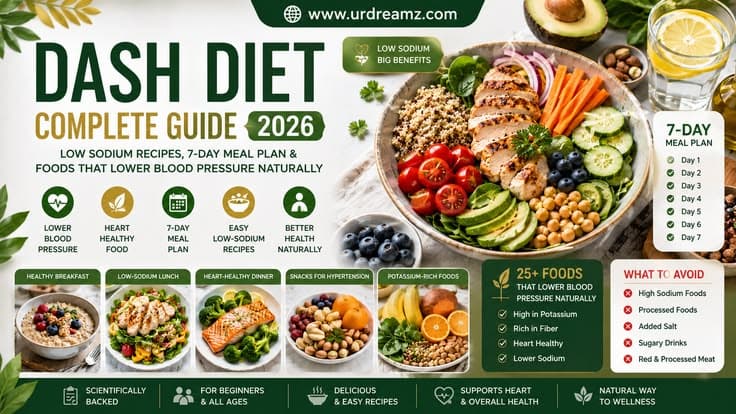
The DASH diet (Dietary Approaches to Stop Hypertension) is a proven, clinically-backed eating plan designed to lower blood pressure naturally and protect your heart. This complete guide covers everything — from what to eat and avoid, to a full 7-day meal plan, easy low-sodium recipes, potassium-rich foods, heart-healthy snacks, and special Pakistani diet tips for hypertension patients.
What Is the DASH Diet?
The DASH diet was created after researchers noticed that high blood pressure was much less common in people who followed a plant-based diet, such as vegans and vegetarians. It emphasizes fruits, vegetables, whole grains, and lean proteins while strictly limiting sodium, added sugars, saturated fats, and red meat.
High blood pressure (hypertension) affects nearly half of the world's population and more than 60% of people over age 60. The DASH diet was specifically designed to combat this growing health crisis through targeted nutrition changes — without requiring special foods or complicated recipes.
The diet is officially recommended by the National Heart, Lung, and Blood Institute (NHLBI), the American Heart Association, the Mayo Clinic, and the Cleveland Clinic as one of the most effective dietary strategies for managing hypertension.
What Does DASH Stand For?
DASH stands for Dietary Approaches to Stop Hypertension. It is not a fad diet — it is a lifelong, flexible, and balanced eating plan that focuses on nutrient-dense whole foods rich in potassium, calcium, magnesium, and fiber.
| Feature | Details |
|---|---|
| Full Name | Dietary Approaches to Stop Hypertension |
| Primary Goal | Lower high blood pressure naturally |
| Secondary Benefits | Weight loss, lower cholesterol, reduced diabetes risk, cancer prevention |
| Daily Sodium Limit (Standard) | 2,300 mg per day |
| Daily Sodium Limit (Aggressive) | 1,500 mg per day |
| Recommended By | NHLBI, AHA, Mayo Clinic, Cleveland Clinic, WHO |
| Type of Diet | Plant-forward, whole food, balanced nutrition |
| Special Foods Required? | No — uses everyday ingredients |
DASH Diet Benefits: Why It Works
The DASH diet works through a synergistic combination of specific dietary habits. By shifting your nutrition profile toward whole foods and slashing salt intake, you can experience a significant drop in both systolic and diastolic blood pressure — sometimes in as little as two weeks.
- Lowers Blood Pressure: Clinically proven to reduce systolic BP by 5.2 mmHg and diastolic BP by 2.6 mmHg on average.
- Reduces LDL Cholesterol: Replacing saturated fats with plant oils and lean proteins decreases harmful cholesterol levels.
- Supports Weight Loss: Research shows DASH helps reduce body fat, especially belly fat, particularly in older adults.
- Lowers Cancer Risk: Studies show reduced risk of breast, lung, endometrial, and colorectal cancers.
- Reduces Metabolic Syndrome Risk: The diet cuts metabolic syndrome risk by nearly 50%.
- Improves Insulin Resistance: Linked to lower risk of type 2 diabetes and improved blood sugar control.
- Cardiovascular Protection: Consistent adherence is linked to roughly a 20% reduction in overall cardiovascular disease risk.
DASH Diet Food Groups: Daily and Weekly Servings
The DASH eating plan requires no special foods. Instead, it provides daily and weekly nutritional goals based on a standard 2,000-calorie diet. The number of servings can be adjusted based on your individual calorie needs.
| Food Group | Daily Servings | Examples of One Serving | Key Nutrients |
|---|---|---|---|
| Whole Grains | 6–8 per day | 1 slice whole-grain bread, 1/2 cup cooked rice or oatmeal | Fiber, B vitamins, magnesium |
| Vegetables | 4–5 per day | 1 cup raw leafy greens, 1/2 cup cooked vegetables | Potassium, magnesium, fiber, vitamins |
| Fruits | 4–5 per day | 1 medium apple, 1/2 cup fresh/frozen fruit | Potassium, magnesium, fiber, antioxidants |
| Low-Fat or Fat-Free Dairy | 2–3 per day | 1 cup skim milk, 1 cup low-fat yogurt, 1.5 oz low-fat cheese | Calcium, vitamin D, protein |
| Lean Meats, Poultry & Fish | 6 or fewer per day | 1 oz cooked meat, chicken, or fish; 1 egg | Protein, B vitamins, iron, zinc |
| Nuts, Seeds & Legumes | 4–5 per week | 1/3 cup nuts, 2 tbsp nut butter, 1/2 cup cooked legumes | Magnesium, protein, fiber, healthy fats |
| Fats & Oils | 2–3 per day | 1 tsp vegetable oil, 1 tsp soft margarine, 2 tsp light salad dressing | Unsaturated fats, vitamin E |
| Sweets & Added Sugars | 5 or fewer per week | 1 tbsp sugar, 1 tbsp jam, 1 cup lemonade | Limit — minimal nutritional value |
Foods to Limit and Avoid on DASH Diet
To manage high blood pressure effectively, the DASH diet strictly limits certain foods that raise sodium, add unhealthy fats, or spike blood sugar. Avoiding or severely limiting these foods can make a huge difference in keeping your heart healthy.
| Category | Foods to Avoid/Limit | Why It's Harmful |
|---|---|---|
| High-Sodium Foods | Canned soups, frozen meals, deli meats, pickles, chips, pretzels | Causes fluid retention, raises blood volume and blood pressure |
| Processed & Cured Meats | Bacon, sausages, hot dogs, jerky, salami | High in sodium and saturated fats that damage arteries |
| Sugary Drinks | Sodas, energy drinks, sweetened juices, flavored milk | Triggers blood sugar spikes, contributes to weight gain and fluid retention |
| Unhealthy Fats & Fried Foods | Fast food burgers, french fries, fried chicken, baked goods | Saturated and trans fats cause inflammation and insulin resistance |
| Tropical Oils | Coconut oil, palm oil | High in saturated fat — raises LDL (bad) cholesterol |
| High-Sodium Condiments | Soy sauce, BBQ sauce, ketchup, store-bought salad dressings | Hidden sodium sources that quickly exceed daily limits |
| Full-Fat Dairy | Butter, full-fat cheese, cream, whole milk | High in saturated fat that raises blood pressure and cholesterol |
| Excess Alcohol | More than 1 drink per day | Alcohol spikes blood pressure and interacts with BP medications |
| Grapefruit (if on BP meds) | Grapefruit and grapefruit juice | Interferes with how the body metabolizes certain blood pressure drugs |
Hidden Culprits to Watch Out For: Even seemingly healthy packaged foods like bread, cereals, and wraps often contain surprisingly high amounts of added salt and sugar. Always read the Nutrition Facts label and aim for less than 200 mg of sodium per serving in main dishes.
25 Foods That Lower Blood Pressure Naturally
Incorporating a variety of nutrient-dense foods rich in potassium, magnesium, and calcium naturally helps relax blood vessels and manage sodium levels. These 25 foods are excellent additions to any blood pressure-lowering diet.
Leafy Greens and Vegetables
- Spinach and Swiss Chard: High in magnesium and potassium, which actively reduce vascular tension.
- Beets and Beetroot Juice: Rich in nitrates that the body converts into nitric oxide to dilate blood vessels.
- Broccoli: Contains potent antioxidants, calcium, and potassium.
- Celery: Contains phthalides — compounds that relax muscles around blood vessels and aid sodium excretion.
- Carrots: Packed with phenolic compounds that help relax blood vessels and reduce inflammation.
Fruits and Berries
- Berries (Blueberries, Strawberries, Raspberries): Loaded with anthocyanins linked to lower blood pressure.
- Bananas: A classic potassium source that counteracts the effects of sodium.
- Kiwifruit: Studies suggest eating three kiwis a day can significantly lower both systolic and diastolic blood pressure.
- Citrus Fruits (Oranges, Grapefruits, Lemons): Packed with vitamins and flavonoids that support heart health.
- Watermelon: Contains L-citrulline, which converts to nitric oxide to help widen blood vessels.
- Pomegranate: Known to lower both systolic and diastolic blood pressure with powerful antioxidants.
- Apples and Pears: High in fiber and antioxidants that improve cardiovascular health.
Proteins and Dairy
- Fatty Fish (Salmon, Mackerel, Sardines): Contain omega-3 fatty acids that reduce inflammation and lower blood pressure.
- Greek Yogurt: A great source of calcium, potassium, and magnesium.
- Beans and Lentils: Excellent plant-based proteins packed with magnesium and soluble fiber.
- Eggs: High-quality protein source with studies indicating modest support for long-term blood pressure management.
Whole Grains and Plant Fats
- Oatmeal: High in fiber and magnesium; helps bind cholesterol and supports arterial health.
- Quinoa: A magnesium-rich "supergrain" providing plant-based protein and fiber.
- Amaranth: A nutritious whole grain containing potassium and magnesium.
- Extra Virgin Olive Oil: Features healthy monounsaturated fats and antioxidants highly beneficial for heart health.
Nuts, Seeds, and Spices
- Pistachios: One of the best nuts for regulating blood pressure.
- Pumpkin Seeds: A concentrated source of magnesium, zinc, and arginine that help relax blood vessels.
- Garlic: Contains allicin, which promotes blood vessel dilation and mimics the effects of ACE inhibitors.
- Cinnamon: Shown in some trials to temporarily help lower blood pressure.
- Dark Chocolate (70–85% Cacao): Contains flavonoids that promote healthy blood vessel dilation — consume in moderation.
| Food | Potassium Content | Best Way to Eat |
|---|---|---|
| Swiss Chard (cooked, 1 cup) | 960–1,300 mg | Sautéed with garlic and olive oil |
| Baked Potato (with skin) | ~950 mg | Topped with plain Greek yogurt and chives |
| Avocado (1 medium) | ~900 mg | On whole-grain toast or in salads |
| Dried Apricots (1/2 cup) | ~750 mg | As a snack or mixed into oatmeal |
| White Beans (1/2 cup cooked) | ~500 mg | In soups, salads, or as a side dish |
| Salmon (3 oz cooked) | ~500 mg | Baked, grilled, or pan-seared |
| Plain Yogurt (1 cup) | ~570 mg | As a parfait with berries and seeds |
| Banana (1 medium) | ~420–450 mg | As a snack or in smoothies |
| Prunes (1/2 cup) | ~370 mg | As a snack or in baked recipes |
| Cantaloupe (1 cup) | ~430 mg | Fresh as a snack or in fruit salad |
7-Day DASH Diet Meal Plan
This 7-day DASH diet meal plan provides a heart-healthy framework designed to lower blood pressure. It focuses on whole grains, lean proteins, healthy fats, and plenty of fruits and vegetables, while keeping sodium under 2,300 mg daily.
| Day | Breakfast | Lunch | Dinner | Snack |
|---|---|---|---|---|
| Day 1 | Rolled oats with raisins, sliced banana, and fat-free milk | Hummus plate with red bell pepper, cucumber, and whole-grain pita | 4 oz roasted salmon, wild rice blend, green beans | Low-fat yogurt and one peach |
| Day 2 | Whole-wheat English muffin with egg whites, tomato, reduced-fat cheese | Quinoa salad with roasted vegetables and citrus vinaigrette | 4 oz baked chicken breast, roasted sweet potato, steamed broccoli | Sliced apple with 2 tbsp almond butter |
| Day 3 | Plain Greek yogurt with sliced almonds and banana | Turkey breast sandwich on whole-wheat bread with steamed broccoli and orange | Baked trout with wild rice and green beans | One pear or whole-wheat crackers with low-sodium cheese |
| Day 4 | Smoothie with spinach, banana, and unsweetened soy milk | Snow pea and orzo salad with 3 oz roasted pork loin | Whole-wheat pasta with no-salt-added marinara, lean turkey meatball, side salad | 1/2 cup grapes |
| Day 5 | 2 pumpkin pancakes topped with walnuts and sliced banana | Quinoa bowl with roasted broccoli and flaked salmon | Black bean tacos on corn tortillas with fresh salsa and low-fat sour cream | Blueberry parfait (low-fat yogurt, berries, granola) |
| Day 6 | Scrambled eggs with spinach, mushrooms, peppers, and whole-grain toast | Black bean and corn salad over 1/2 cup brown rice | Baked cod with asparagus and quinoa | 1/4 cup unsalted dry-roasted almonds |
| Day 7 | 1 cup cooked oatmeal and 1 medium banana | Vegetable stir-fry with tofu and brown rice (low-sodium soy sauce) | Grilled turkey burgers with a side of apple slices | Tzatziki with cucumber slices |
Best Breakfasts for High Blood Pressure
The best breakfast for high blood pressure is one that is low in sodium, naturally low in sugar, and rich in potassium, calcium, and soluble fiber. Here are the top evidence-based breakfast choices.
1. Oatmeal with Berries and Seeds
Old-fashioned or steel-cut oats contain beta-glucan, a soluble fiber proven to significantly reduce both systolic and diastolic blood pressure. Cook oats with water or low-fat milk. Top with potassium-rich bananas, antioxidant-heavy blueberries, and a sprinkle of chia, flax, or walnuts for omega-3s.
2. Avocado Toast on Sprouted-Grain Bread
Avocados are loaded with heart-healthy monounsaturated fats and potassium, which actively counter the blood pressure-raising effects of sodium. Use 100% whole-grain or sprouted-grain sourdough, smear half an avocado, and top with pumpkin seeds and sliced tomatoes (rich in lycopene).
3. Veggie-Forward Egg Scramble
Eggs provide high-quality protein without adding sodium, provided you don't use a heavy hand with the salt shaker. Scramble 1–2 whole eggs or egg whites with spinach, kale, and mushrooms. Pair with an apple or half an orange for natural potassium.
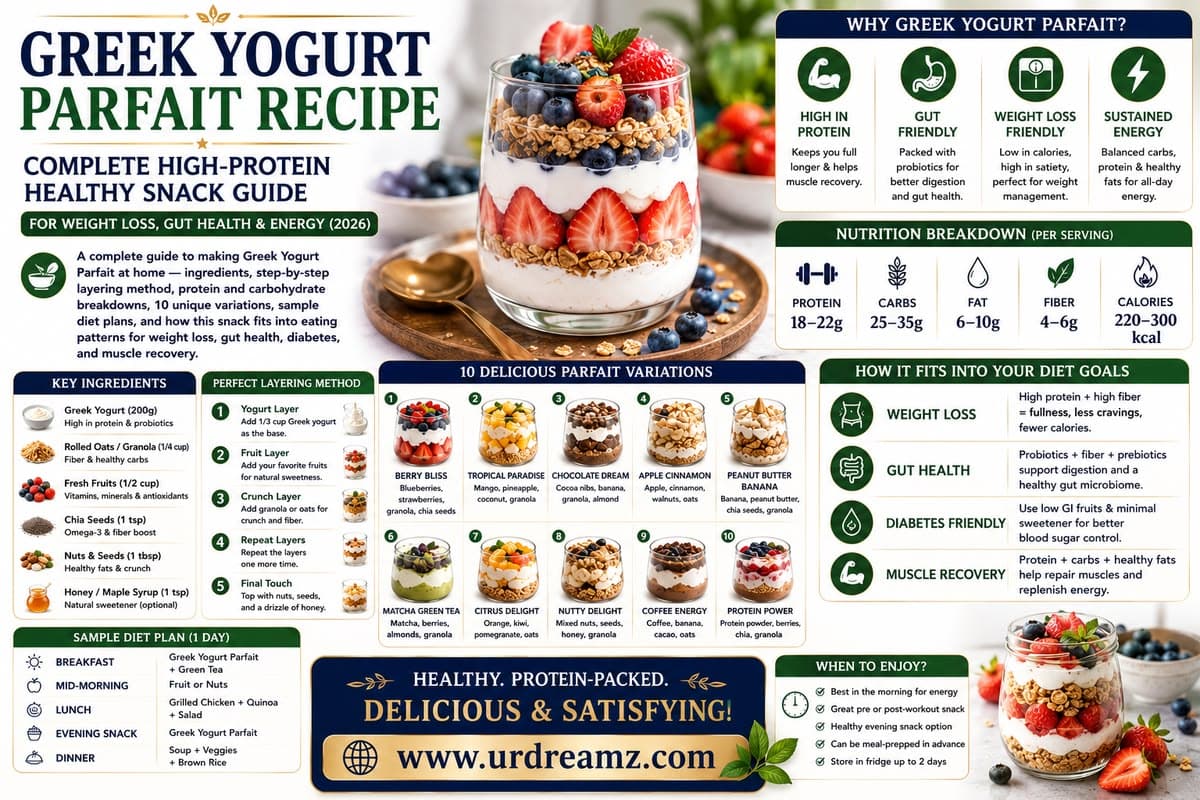
4. Greek Yogurt Parfait
Plain, low-fat Greek yogurt is a great source of calcium and probiotics associated with a lower risk of developing hypertension. Avoid flavored yogurts, which are packed with added sugar. Use plain Greek yogurt and sweeten naturally with berries, sliced almonds, and a dash of cinnamon.
5. Hibiscus Tea (Breakfast Drink)
Clinical trials show hibiscus naturally acts as a mild ACE inhibitor, safely relaxing arteries. Skip the standard cup of sugary coffee or store-bought orange juice and consider an unsweetened hibiscus tea or a Greek yogurt and fruit smoothie instead.
Heart-Healthy Dinner Recipes
Heart-healthy dinners prioritize lean proteins, fiber-rich whole grains, and plenty of vegetables while limiting saturated fats and sodium. Here are four excellent dinner options you can prepare at home.
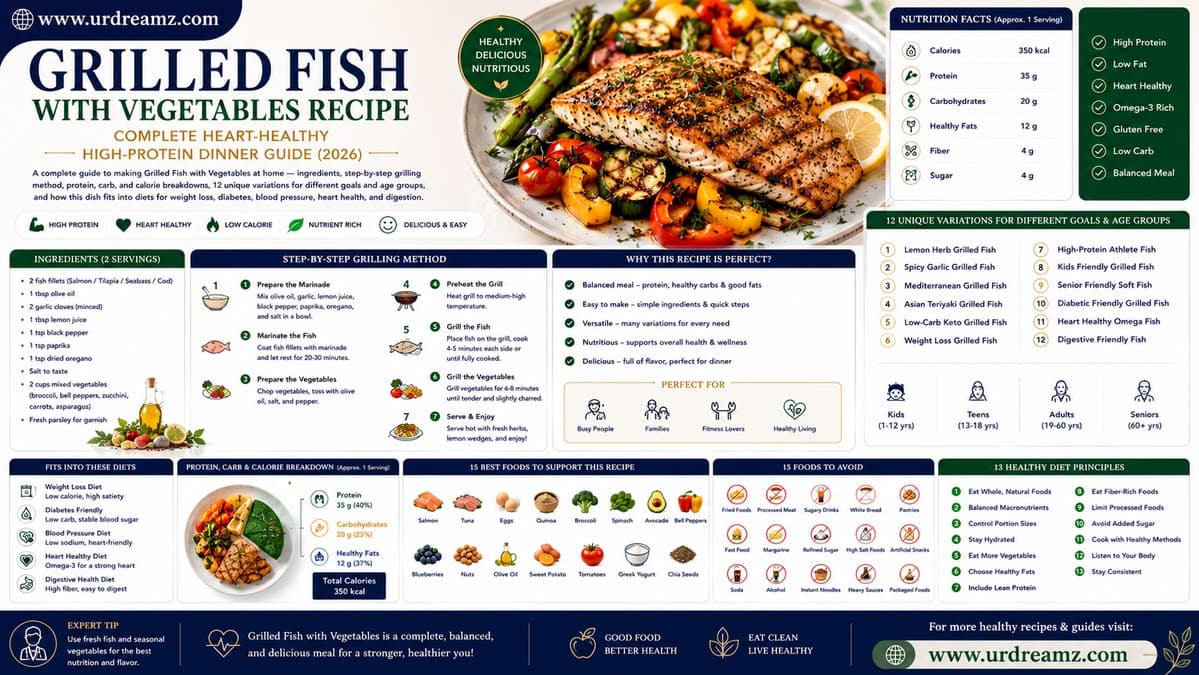
1. Sheet-Pan Balsamic Salmon and Asparagus
This meal delivers rich omega-3 fatty acids and is incredibly easy to prepare. Toss asparagus and red onion in olive oil, balsamic vinegar, garlic, and Dijon mustard. Place on a baking sheet, lay salmon fillets on top, and bake at 400°F (200°C) for 12–15 minutes.
2. Spiced Okra (Bhindi) — DASH-Friendly Desi Option
A great option for South Asian households to cut down on salt, sugar, and saturated fat while enjoying traditional flavors. Sauté fresh okra with cumin, turmeric, coriander, and tomatoes in minimal oil. Finish with fresh coriander and a squeeze of lemon. Serve with whole-wheat roti.
3. Spinach and Feta Lentil Bowls
Lentils are an excellent source of plant-based protein and soluble fiber, which actively help lower cholesterol. Mix warm cooked lentils with fresh spinach so it wilts slightly. Top with cherry tomatoes and a light dusting of feta cheese and olive oil dressing.
4. Veggie-Packed Chicken or Tofu Stir-Fry
Sauté sliced chicken breast or tofu in a little oil with minced garlic and ginger. Add broccoli, bell peppers, carrots, and snap peas. Toss with low-sodium soy sauce and serve over brown rice for a quick, vitamin-packed weeknight dinner.
| Recipe | Prep Time | Key Nutrients | Sodium Level | Best For |
|---|---|---|---|---|
| Balsamic Salmon & Asparagus | 20 min | Omega-3, potassium, vitamin K | Very Low | Quick weeknight dinner |
| Spiced Okra (Bhindi) | 15 min | Fiber, vitamin C, folate | Very Low | Traditional desi meal |
| Spinach Lentil Bowls | 25 min | Protein, iron, calcium, fiber | Low | Vegetarian/Vegan option |
| Chicken or Tofu Stir-Fry | 20 min | Protein, vitamins A and C | Low (use low-sodium soy sauce) | Family dinner |
| Almond-Crusted Trout | 25 min | Omega-3, protein, magnesium | 202 mg per serving | Special occasion meal |
| Turkey Taco Bowl | 20 min | Protein, fiber, vitamin C | Very Low (no added salt) | Meal prep or lunch |
Easy Low-Sodium Recipes for Hypertension Patients
Low-sodium recipes elevate flavors using fresh herbs, citrus, and spices rather than salt. By centering meals on whole ingredients like lean proteins, beans, and vegetables, you can craft vibrant, heart-healthy dishes that naturally stay within dietary goals.
Flavor Boosters to Replace Salt
- Citrus: Lemon, lime, or orange juice/zest brighten dull dishes instantly.
- Alliums: Fresh garlic, onions, and scallions add deep savory notes.
- Fresh Herbs: Cilantro, dill, basil, and parsley bring fresh, aromatic layers.
- Acid: Balsamic, rice, or apple cider vinegar add complexity without sodium.
- Umami: Mushrooms, nutritional yeast, or toasted sesame oil boost richness naturally.
- Spices: Cumin, coriander, smoked paprika, turmeric, and garam masala build complex flavors without salt.
Practical Low-Sodium Cooking Tips
- Rinse Canned Goods: Rinse canned beans and vegetables under water to remove up to 40% of added sodium.
- Swap Soy Sauce: Use coconut aminos instead of standard soy sauce for a naturally sweeter, low-salt umami alternative.
- Choose Salt-Free Blends: Use pre-made salt-free seasoning blends for quick, effortless weeknight meals.
- Never Salt Boiling Water: Do not add salt when boiling pasta, rice, or other grains.
- Marinate with Herbs: Marinate meats, poultry, and fish ahead of time with herb blends to let flavors penetrate the food.
- High-Heat Cooking: Roast, grill, or char vegetables to bring out their natural sugars and enhance flavor.
Low-Sodium Recipe Ideas
1. Zesty Cumin-Crusted Salmon with Carrots
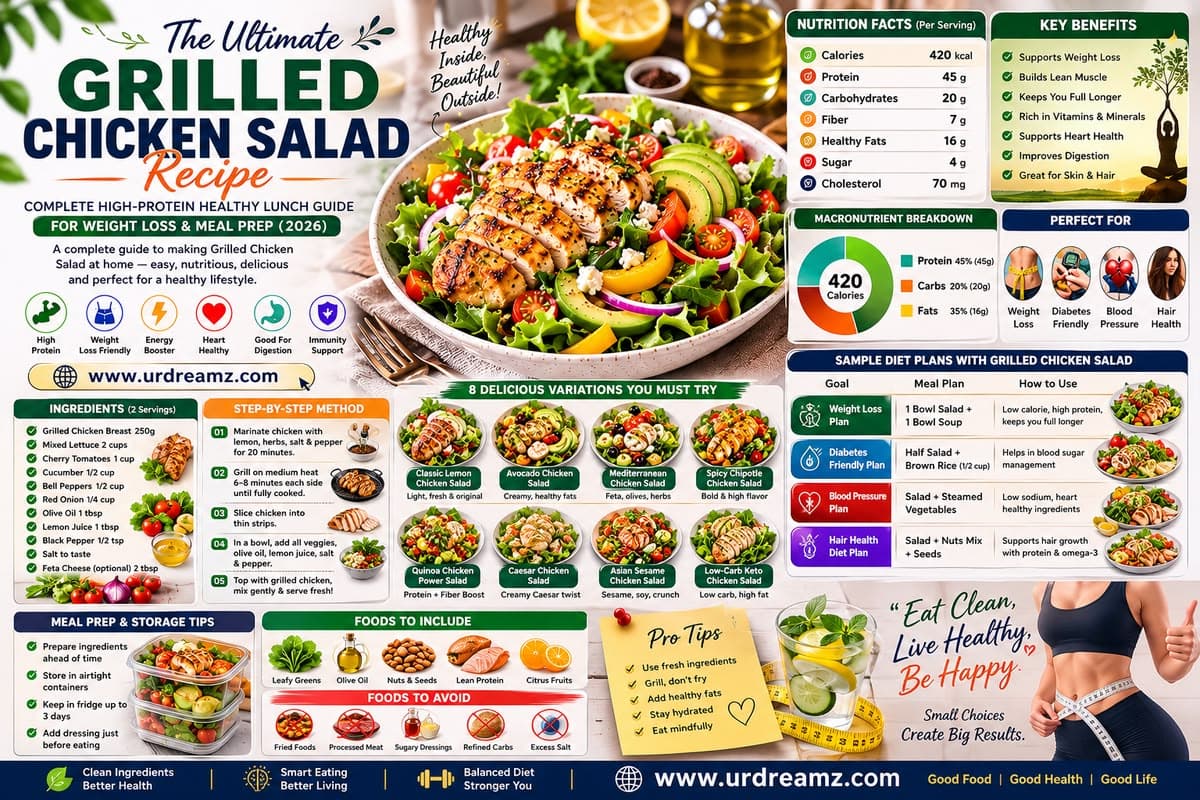
Lemon zest, garlic, and cumin create a powerful spice crust that makes salt unnecessary. Roast salmon and carrots on a sheet pan for 15–20 minutes until tender. Serve over unsalted brown rice.
2. Sheet-Pan Greek Chicken and Veggies
Relies on oregano, lemon, and garlic for a classic Mediterranean punch. Toss cubed chicken breasts, bell peppers, and red onions with olive oil and lemon juice. Add baby tomatoes later in cooking to keep them juicy.
3. Sweet Potato Chana Masala
Spices like cumin, coriander, and garam masala build rich, complex flavors without relying on salt. A vegetarian chickpea curry featuring sweet potatoes, onions, and crushed tomatoes — a DASH-friendly Pakistani-style dish.
4. Turkey Taco Bowl with Brown Rice
Replace heavy, high-sodium cheese and pre-packaged seasoning blends with fresh, whole ingredients. Cook ground turkey with garlic powder, cumin, and chili powder. Serve over brown rice and top with fresh cherry tomatoes, jalapeños, corn, and a squeeze of lime juice.
5. Overnight Oats with Peanut Butter and Blueberries
Oats contain beta-glucan, a fiber shown to significantly reduce blood pressure over time. Mix rolled oats, unsweetened almond or soy milk, and peanut butter in a mason jar. Top with fresh blueberries and refrigerate overnight.
Healthy Snacks for People with Hypertension
Healthy snacks for hypertension should be low in sodium and rich in potassium, magnesium, and fiber to help relax blood vessels. Excellent options include unsalted nuts, fresh fruit, low-fat Greek yogurt, and raw veggies with hummus.
| Snack | Key Nutrients | Blood Pressure Benefit | Prep Time |
|---|---|---|---|
| Raw veggie sticks with hummus | Magnesium, fiber, protein | Lowers BP, supports vascular health | 5 min |
| Greek yogurt parfait with berries | Calcium, probiotics, antioxidants | Lowers BP and LDL cholesterol | 3 min |
| Apple slices with almond butter | Fiber, healthy fats, potassium | Regulates blood sugar and BP | 2 min |
| Unsalted pistachios or walnuts | Magnesium, healthy fats, fiber | One of the best nuts for regulating BP | 0 min (grab and go) |
| Air-popped popcorn with herbs | Fiber, low calories | High-fiber, heart-healthy snack | 5 min |
| Avocado toast on whole-grain bread | Potassium, monounsaturated fats | Counteracts sodium, relaxes blood vessels | 5 min |
| Kiwifruit (2–3 pieces) | Vitamin C, potassium, magnesium | Studies show significant BP reduction | 0 min |
| Edamame (steamed) | Protein, potassium, fiber | Plant protein with BP-lowering minerals | 5 min |
| Banana with nut butter | Potassium, magnesium, healthy fats | Counters sodium and relaxes blood vessels | 2 min |
| Caprese skewers (cherry tomatoes + low-sodium mozzarella) | Lycopene, calcium, vitamin C | Anti-inflammatory, heart-protective | 5 min |
Important Tip: Always check food labels to ensure you choose low-sodium or zero-added-sodium options when buying pre-packaged snacks.
Low Sodium Pakistani Recipes for Hypertension
For people in Pakistan and South Asian communities, adapting traditional desi cooking to the DASH diet is very achievable. Many traditional Pakistani spices and cooking techniques are naturally aligned with heart-healthy principles — the key is reducing salt and switching cooking oils.
DASH-Friendly Swaps for Pakistani Cooking
- Replace ghee with olive or canola oil for cooking curries and sautéed dishes.
- Use whole-wheat atta instead of maida for rotis and parathas.
- Reduce salt by half and replace with extra cumin, coriander, turmeric, and lemon juice.
- Choose toned or low-fat dahi (yogurt) instead of full-fat cream in gravies.
- Add more vegetables to traditional dishes like daal, karahi, and pulao.
- Use brown rice instead of white rice in biryani and pulao.
- Prefer grilled or baked tikka instead of deep-fried options.
Heart-Healthy Pakistani Meal Ideas
- Masoor Daal with Whole-Wheat Roti: Rich in plant protein, iron, and fiber — naturally low in sodium if salt is limited.
- Chicken Karahi (Low-Oil Version): Use minimal oil, fresh tomatoes, ginger, garlic, and whole spices — skip the salt and use lemon juice instead.
- Palak Gosht (Spinach with Lean Mutton): Spinach is one of the best potassium and magnesium sources. Use lean cuts and reduce oil.
- Chana Masala: Chickpeas are excellent for heart health — high in fiber and plant protein.
- Raita with Low-Fat Dahi: Use low-fat yogurt with cucumber, mint, and cumin — a healthy, low-sodium condiment.
- Saag (Mustard Greens): Naturally rich in potassium and antioxidants — limit added butter/ghee.
Fruits and Vegetables Best for Heart Health
Fruits and vegetables protect the heart by lowering blood pressure, reducing cholesterol, and fighting inflammation. Cardiologists recommend eating a "rainbow" of produce to ensure diverse nutrient intake.
| Food | Key Active Compound | Heart Health Benefit | Best Way to Consume |
|---|---|---|---|
| Blueberries | Anthocyanins | Lowers BP, reduces oxidative stress | Fresh in yogurt or smoothies |
| Spinach | Potassium, nitrates | Relaxes blood vessels, lowers BP | Raw in salads or cooked with garlic |
| Oranges and Grapefruits | Flavonoids, vitamin C | Maintains healthy blood vessels | Fresh juice or whole fruit |
| Avocados | Monounsaturated fats, potassium | Lowers LDL cholesterol and BP | On toast, in salads, or as guacamole |
| Tomatoes | Lycopene | Anti-inflammatory, protects arteries | Cooked (increases lycopene absorption) |
| Garlic | Allicin | Dilates blood vessels, lowers cholesterol | Raw or cooked in all dishes |
| Beets | Dietary nitrates | Converts to nitric oxide, dilates vessels | Roasted, juiced, or in salads |
| Bananas | Potassium | Counters sodium effects on BP | Raw, in oatmeal, or smoothies |
| Kiwifruit | Vitamin C, potassium | Significant BP reduction in studies | Fresh, 2–3 per day |
| Broccoli | Calcium, potassium, antioxidants | Supports blood vessel flexibility | Steamed or roasted |
DASH Diet vs. Other Diets: How Does It Compare?
The DASH diet is often compared to other popular healthy eating patterns. Understanding the differences helps you make the best choice for your specific health goals.
| Feature | DASH Diet | Mediterranean Diet | Low-Carb Diet |
|---|---|---|---|
| Primary Goal | Lower blood pressure | Reduce heart disease risk | Weight loss, blood sugar control |
| Sodium Restriction | Strong (1,500–2,300 mg/day) | Moderate | Not a primary focus |
| Whole Grains | 6–8 servings/day | Moderate amounts | Severely restricted |
| Fruits | 4–5 servings/day | Abundant | Limited (high sugar fruits avoided) |
| Dairy | Low-fat dairy encouraged | Moderate (cheese and yogurt) | Full-fat dairy allowed |
| Red Wine | Alcohol limited | Moderate red wine allowed | Depends on plan |
| Lean Proteins | Emphasized | Emphasized (especially fish) | High protein, all types |
| Olive Oil | Included (limited servings) | Primary fat source | Included |
| Clinical Evidence for BP | Very Strong | Strong | Moderate |
| Ease of Following | Moderate | Easy to flexible | Difficult long-term |
DASH Diet Shopping List for Beginners
The DASH eating plan requires no special foods. Here is a complete beginner-friendly grocery guide organized by food group. Aim for fresh, whole, and minimally processed options whenever possible.
| Category | Items to Buy | Items to Avoid |
|---|---|---|
| Grains | Whole-wheat bread, brown rice, rolled oats, quinoa, whole-wheat pasta, whole-grain tortillas | White bread, white rice, refined pasta, sugary cereals |
| Vegetables | Spinach, kale, broccoli, sweet potatoes, carrots, tomatoes, bell peppers, okra, zucchini, cauliflower | Canned vegetables with added salt (or rinse them) |
| Fruits | Bananas, berries, apples, oranges, kiwifruit, avocados, pomegranates, watermelon, dried apricots (unsweetened) | Canned fruit in syrup, fruit juices with added sugar |
| Proteins | Salmon, mackerel, sardines, skinless chicken breast, turkey, eggs, lentils, chickpeas, kidney beans, tofu | Bacon, sausages, hot dogs, deli meats, canned meat with high sodium |
| Dairy | Skim milk, low-fat toned milk, plain low-fat yogurt (dahi), low-fat cheese | Full-fat cream, butter, full-fat yogurt, flavored sweetened yogurts |
| Nuts and Seeds | Unsalted almonds, walnuts, pistachios, pumpkin seeds, chia seeds, flaxseeds, natural peanut butter | Salted or flavored nuts, peanut butter with added sugar and salt |
| Oils and Fats | Olive oil, canola oil, mustard oil (in moderation), avocado oil | Coconut oil, palm oil, lard, ghee (in large amounts), butter |
| Condiments and Flavors | Fresh garlic, ginger, lemon, lime, fresh herbs, salt-free spice blends, coconut aminos, low-sodium soy sauce | Table salt, garlic salt, onion salt, regular soy sauce, BBQ sauce, ketchup |
How to Follow the DASH Diet Successfully: Tips for Beginners
Starting the DASH diet does not have to be overwhelming. The key is gradual change rather than an overnight overhaul. Here are proven strategies to help you succeed long-term.
- Start Gradually: Begin by adding one serving of fruit or vegetables to your daily meals each week before making bigger changes.
- Read Labels: Always check the Nutrition Facts panel on packaged foods to monitor sodium, saturated fat, and added sugar content.
- Swap Ingredients: Replace white bread with whole wheat, and flavor food with herbs and spices instead of salt.
- Use the Plate Method: Fill half your plate with fruits and vegetables, one-quarter with lean protein, and one-quarter with whole grains.
- Cook at Home: Take control of your ingredients. If eating out, opt for grilled, baked, or steamed dishes instead of fried or creamed ones.
- Plan Meals Weekly: Prepare a weekly menu and grocery list to avoid impulsive, unhealthy choices.
- Drink Water: Replace sugary drinks, sodas, and sweetened juices with water, herbal teas, or unsweetened beverages.
- Ask Restaurant Chefs: When eating out, always request that your meal be prepared with no added salt.
Common DASH Diet Mistakes to Avoid
- Skipping dairy — it is an important source of calcium and blood pressure-regulating minerals.
- Adding too much fruit juice — whole fruits are better than juice because they retain fiber.
- Using seasoning salts (garlic salt, onion salt) — choose pure herbs and spices instead.
- Assuming "healthy" packaged snacks are low in sodium — always read the label.
- Eating too little total food — the DASH diet is not a starvation plan; it focuses on nutrient quality, not severe calorie restriction.
- Giving up too quickly — blood pressure benefits can be seen within 2 weeks of starting the diet, but lasting change takes consistent effort.
Frequently Asked Questions About the DASH Diet
Can I eat eggs on the DASH diet?
Yes, eggs are allowed on the DASH diet. An example breakfast: 2 boiled eggs, 2 slices of turkey bacon, 1/2 cup cherry tomatoes, 1/2 cup baked beans, 2 slices of whole-wheat toast, and 1/2 cup fresh orange juice.
Are potatoes ok on the DASH diet?
Yes, potatoes can be included — especially baked or boiled with the skin on, since the skin is rich in potassium. Top with plain Greek yogurt and chives instead of butter and sour cream.
Is peanut butter allowed on DASH?
Yes, peanut butter is a good source of protein and can be included. Choose natural peanut butter without added salt or sugar. Two tablespoons counts as one serving from the nuts and seeds group.
How quickly can the DASH diet lower blood pressure?
Studies show that the DASH diet can begin to lower blood pressure in as little as 2 weeks of consistent following. The effect is greater with the lower sodium (1,500 mg/day) version of the plan.
Is the DASH diet suitable for people with diabetes?
Yes. The DASH diet has been linked to improved insulin resistance and lower risk of type 2 diabetes, making it an excellent choice for people managing both diabetes and high blood pressure.
Can I follow the DASH diet as a vegetarian or vegan?
Absolutely. The DASH diet is naturally plant-forward. Vegetarians and vegans can get all necessary nutrients from legumes, nuts, seeds, whole grains, fruits, vegetables, and plant-based dairy alternatives.
Final Thoughts: Your DASH Diet Action Plan
The DASH diet is not a temporary fix — it is a sustainable, flexible, and scientifically proven approach to eating for better heart health. Whether you are managing high blood pressure, trying to reduce your risk of heart disease, or simply want to eat healthier, the DASH diet offers a clear and practical roadmap.
Start with small swaps — choose whole-grain roti over naan, add a side salad to every dinner, snack on unsalted nuts instead of chips, and reach for a banana or kiwi instead of a cookie. These small changes compound over time into dramatic improvements in your blood pressure, cholesterol, and overall cardiovascular health.
Always consult your healthcare provider or a registered dietitian before making significant dietary changes, especially if you are currently taking blood pressure medications.
Resources:
- NHLBI DASH Eating Plan: nhlbi.nih.gov/health/dash-eating-plan
- Mayo Clinic DASH Sample Menus: mayoclinic.org
- American Heart Association: heart.org
- British Heart Foundation: bhf.org.uk