Heart Health Explained: Causes of Heart Disease, Warning Signs and Prevention Guide
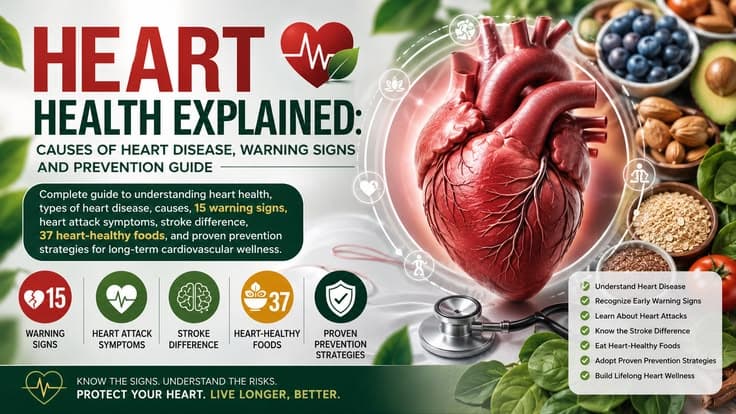
Your heart beats roughly 100,000 times every day, pumping about 2,000 gallons of blood through nearly 60,000 miles of blood vessels. It works continuously from before birth until the final moment of life, never taking a break. Yet cardiovascular disease remains the leading cause of death worldwide, claiming approximately 17.9 million lives annually according to the World Health Organization. The good news is that up to 80 percent of premature cardiovascular deaths are preventable through lifestyle changes and early awareness. This guide covers everything you need to know about heart health, from how your heart works and what damages it, to the warning signs you should never ignore and the foods and habits that protect it.
1. What Is Heart Health and Why Does It Matter
Heart health refers to the overall condition and functional efficiency of your cardiovascular system, which includes the heart muscle, the coronary arteries, the valves, and the vast network of blood vessels that carry oxygen and nutrients to every tissue in your body. A healthy heart pumps blood efficiently without excessive effort, maintains normal electrical rhythm, and operates within healthy blood pressure and cholesterol ranges.
Cardiovascular health matters because the heart is involved in every biological process in your body. Every organ, including the brain, kidneys, liver, and lungs, depends entirely on the heart's ability to deliver blood. When the heart or its supporting vessels are damaged or diseased, the consequences ripple across every system of the body, ranging from fatigue and breathlessness in mild cases to stroke, kidney failure, and sudden death in severe ones.
| Health Metric | Optimal Range | At Risk Range | Why It Matters |
|---|---|---|---|
| Blood Pressure | Below 120/80 mmHg | 130/80 mmHg and above | High BP damages artery walls and strains the heart muscle |
| LDL (Bad) Cholesterol | Below 100 mg/dL | 160 mg/dL and above | Excess LDL builds plaque in arteries causing blockages |
| HDL (Good) Cholesterol | 60 mg/dL or higher | Below 40 mg/dL in men or 50 mg/dL in women | HDL removes excess cholesterol and protects arteries |
| Fasting Blood Sugar | Under 100 mg/dL | 126 mg/dL and above (diabetic) | High blood sugar damages blood vessel walls over time |
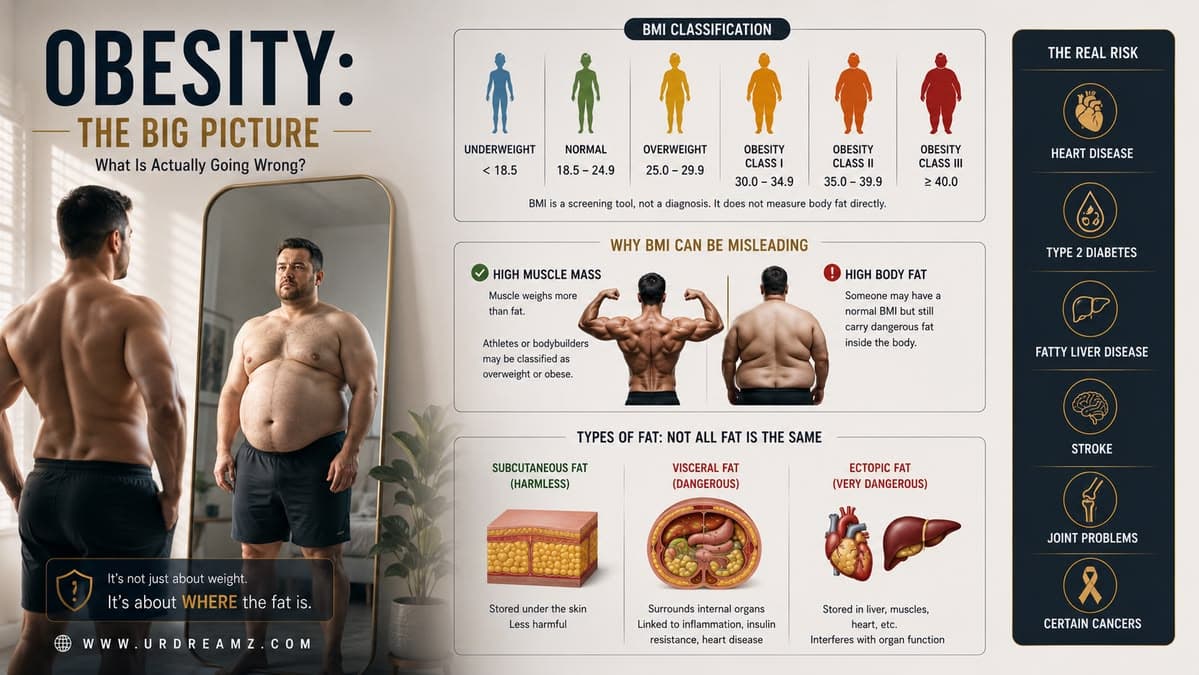
| Body Mass Index | 18.5 to 24.9 | 30 and above (obese) | Excess weight increases cardiac workload and risk factors |
| Resting Heart Rate | 60 to 100 beats per minute | Above 100 or below 50 without athletic conditioning | Abnormal rate signals rhythm or pump problems |
The American Heart Association's Life's Essential 8 framework identifies the eight core metrics for cardiovascular health: eating better, being more active, quitting tobacco, getting healthy sleep, managing weight, controlling cholesterol, managing blood sugar, and managing blood pressure. Achieving optimal scores in all eight areas dramatically reduces lifetime cardiovascular disease risk.
2. Eight Types of Heart Disease Explained
Heart disease is not a single condition. It is a broad category covering many different disorders affecting the heart's structure, electrical system, muscle function, valves, and blood supply. Each type has distinct causes, symptoms, and treatment approaches. Understanding the differences helps you recognize warning signs specific to each condition and seek appropriate care.
| Type | What It Is | Primary Cause | Key Symptoms | Primary Risk |
|---|---|---|---|---|
| 1. Coronary Artery Disease (CAD) | The most common type, where the arteries supplying blood to the heart muscle narrow due to plaque buildup inside the artery walls | Atherosclerosis from high cholesterol, high BP, smoking, and diabetes | Chest tightness or pain (angina), shortness of breath during activity | Heart attack and sudden cardiac arrest |
| 2. Heart Failure | A chronic condition where the heart muscle becomes too weak or too stiff to pump blood efficiently enough to meet the body's needs | Prior heart attack, long-term hypertension, cardiomyopathy | Persistent breathlessness, swollen ankles and legs, extreme fatigue, rapid weight gain from fluid | Progressive organ damage, hospitalization, reduced life expectancy |
| 3. Cardiac Arrhythmia | Disruptions in the heart's electrical signaling system that cause the heart to beat too fast, too slow, or in an irregular pattern | Electrolyte imbalances, CAD, prior heart attack, stress, caffeine, genetics | Palpitations, racing heart, dizziness, fainting, shortness of breath | Stroke (particularly from atrial fibrillation), sudden cardiac death |
| 4. Heart Valve Disease | Damage or malfunction of one or more of the heart's four valves, preventing them from opening fully (stenosis) or closing tightly (regurgitation) | Congenital defects, rheumatic fever, calcification from aging, infection | Heart murmur, chest pain, fatigue, shortness of breath, swollen feet | Heart failure, stroke, bacterial endocarditis |
| 5. Cardiomyopathy | Disease of the heart muscle itself, where the walls of the heart enlarge, thicken, or become stiff, reducing the heart's ability to pump effectively | Genetic inheritance, chronic alcohol use, viral infections, uncontrolled diabetes | Breathlessness even at rest, chest pain, heart palpitations, swelling in legs | Heart failure, dangerous arrhythmias, sudden cardiac death |
| 6. Congenital Heart Disease | Structural abnormalities present from birth that affect how the heart's walls, valves, chambers, or connecting blood vessels are formed | Genetic mutations, chromosomal disorders, certain maternal medications or infections during pregnancy | Bluish skin at birth, poor feeding in infants, breathlessness during activity in children and adults | Increased long-term risk of arrhythmias, heart failure, and endocarditis |
| 7. Pericardial Disease | Inflammation, fluid buildup, or thickening of the pericardium, the thin protective sac that surrounds and cushions the heart | Viral infections, autoimmune conditions, kidney failure, heart surgery, radiation therapy | Sharp stabbing chest pain that worsens when lying down or inhaling deeply, fever, fatigue | Cardiac tamponade (dangerous fluid compression of the heart), constrictive pericarditis |
| 8. Microvascular Disease | Disease affecting the walls and inner lining of the tiny coronary blood vessel branches that supply the heart, rather than the large coronary arteries | High blood pressure, diabetes, estrogen deficiency in women after menopause | Chest pain during everyday activities, persistent fatigue, shortness of breath, often misdiagnosed | More common and often underdiagnosed in women, increases heart attack and heart failure risk |
The CDC reports that coronary heart disease killed 371,506 people in 2022 in the United States alone, making it the deadliest single type. About 1 in 20 adults over age 20 have diagnosed CAD. Heart failure affects over 6 million Americans and is the leading cause of hospitalization in people over 65. Understanding which type of heart disease runs in your family is an important step in determining your personal risk level.
3. Seventeen Causes of Heart Disease
Heart disease rarely develops overnight. It builds over years and decades through a combination of modifiable lifestyle factors and non-modifiable biological realities. Most cardiovascular disease is driven by the progressive narrowing and stiffening of arteries through a process called atherosclerosis, where fatty deposits, cholesterol, calcium, and cellular waste accumulate inside artery walls. Understanding the specific causes helps you target the most impactful prevention strategies.
| # | Cause or Risk Factor | Type | How It Damages the Heart | Degree of Risk Increase |
|---|---|---|---|---|
| 1 | High Blood Pressure (Hypertension) | Modifiable | Constantly elevated pressure damages artery walls, causing scarring that accelerates plaque buildup and forces the heart to work harder than normal | Doubles or triples heart disease risk |
| 2 | High LDL Cholesterol | Modifiable | Excess bad cholesterol penetrates damaged artery walls and oxidizes, forming the core of plaques that progressively narrow arteries and restrict blood flow | Major independent risk factor |
| 3 | Cigarette Smoking and Tobacco Use | Modifiable | Nicotine and carbon monoxide damage artery linings, reduce oxygen in blood, promote clot formation, and raise blood pressure simultaneously | 2 to 4 times higher risk |
| 4 | Type 2 Diabetes | Modifiable | Chronically elevated blood sugar glycates (chemically damages) artery walls, accelerates atherosclerosis, and impairs the healing of vascular damage | 2 to 3 times higher risk |
| 5 | Obesity and Excess Body Weight | Modifiable | Excess fat tissue increases cardiac workload, produces inflammatory compounds, and drives hypertension, diabetes, and high cholesterol simultaneously | Significant independent risk factor |
| 6 | Physical Inactivity | Modifiable | Lack of regular exercise allows arteries to stiffen, heart muscle to weaken, and metabolic risk factors including blood pressure, cholesterol, and blood sugar to worsen progressively | Doubles risk of heart disease |
| 7 | Unhealthy Diet | Modifiable | Diets high in saturated fats, trans fats, sodium, and added sugars raise cholesterol, increase blood pressure, promote inflammation, and drive weight gain | Foundational driver of most risk factors |
| 8 | Chronic Stress | Modifiable | Persistent high cortisol levels raise blood pressure, promote arterial inflammation, encourage blood clotting, and trigger unhealthy coping behaviors including smoking and overeating | Moderate independent risk |
| 9 | Excessive Alcohol Consumption | Modifiable | Heavy drinking raises blood pressure, causes cardiomyopathy (toxic heart muscle damage), triggers dangerous arrhythmias including atrial fibrillation, and adds excess calories | Moderate to high risk with heavy use |
| 10 | Sleep Apnea and Poor Sleep | Modifiable | Repeated oxygen deprivation during sleep apnea spikes blood pressure repeatedly throughout the night, while chronic sleep deprivation elevates stress hormones and promotes arterial inflammation | Significantly elevates hypertension and arrhythmia risk |
| 11 | Air Pollution and Environmental Toxins | Partially Modifiable | Fine particulate matter from polluted air enters the bloodstream and triggers arterial inflammation, promotes plaque formation, and impairs heart electrical function | WHO identifies as a major contributor |
| 12 | Age | Non-Modifiable | Arteries naturally stiffen and accumulate damage over decades, heart muscle becomes slightly less efficient, and the electrical system becomes more prone to arrhythmias | Risk increases significantly after 45 for men and 55 for women |
| 13 | Male Sex | Non-Modifiable | Men develop heart disease approximately 10 years earlier than women on average, partly due to the lack of estrogen's protective vascular effects before menopause in women | Men have higher risk before age 55 |
| 14 | Family History and Genetics | Non-Modifiable | Inherited genetic variants can cause familial hypercholesterolemia, inherited cardiomyopathies, or predispositions to hypertension and diabetes that dramatically raise lifetime risk | First-degree relative with early heart disease doubles risk |
| 15 | Chronic Kidney Disease | Partially Modifiable | Damaged kidneys impair blood pressure regulation and fluid balance, allow harmful toxins to accumulate, and accelerate both hypertension and atherosclerosis | Strong bidirectional relationship with heart disease |
| 16 | Autoimmune and Inflammatory Conditions | Partially Modifiable | Conditions like rheumatoid arthritis, lupus, and psoriasis cause systemic inflammation that attacks arterial walls and dramatically accelerates cardiovascular disease development | 30 to 50 percent increased risk with rheumatoid arthritis |
| 17 | Depression and Mental Health Disorders | Partially Modifiable | Depression activates the stress response chronically, promotes inflammatory cytokines, impairs medication adherence, and reduces physical activity, collectively worsening cardiovascular risk | 80 percent higher risk of heart disease in people with depression |
The World Health Organization identifies high blood pressure, high cholesterol, smoking, unhealthy diet, physical inactivity, diabetes, and obesity as the seven most impactful modifiable risk factors for heart disease globally. Addressing even three of these seven factors dramatically reduces an individual's lifetime cardiovascular disease risk.
4. Fifteen Warning Signs of Heart Disease You Should Never Ignore
Heart disease rarely announces itself with dramatic symptoms from the very beginning. Instead, it sends subtle, persistent signals that are easy to dismiss as stress, indigestion, aging, or general fatigue. Recognizing these early warning signs and discussing them promptly with a healthcare provider can be the difference between catching a correctable risk factor early and experiencing a life-threatening cardiac event.
| # | Warning Sign | What It Feels Like | Why It Signals Heart Disease | What to Do |
|---|---|---|---|---|
| 1 | Chest Discomfort or Pressure | Heaviness, squeezing, tightness, burning, or aching in the center of the chest, lasting minutes or coming and going | The most common and recognizable sign of reduced blood flow to the heart muscle (angina) or an evolving heart attack | Stop activity immediately, rest, and seek emergency care if it lasts more than 5 minutes |
| 2 | Radiating Pain to Arm, Jaw, or Back | Discomfort that travels from the chest down the left arm, up to the jaw, neck, teeth, or across the upper back and shoulders | The vagus nerve shares pathways with cardiac nerves, so heart pain radiates to adjacent body areas through referred pain mechanisms | Treat as a potential heart emergency and call for help immediately |
| 3 | Unexplained Shortness of Breath | Difficulty catching your breath during mild activity or even at rest, waking up gasping at night, needing to sit upright to breathe | A failing or struggling heart cannot maintain adequate blood flow, causing fluid to back up into the lungs | Consult a doctor promptly, especially if it occurs at rest or without obvious physical cause |
| 4 | Unusual or Persistent Fatigue | Overwhelming tiredness even after adequate sleep, inability to complete simple tasks that were previously easy | When the heart pumps inefficiently, muscles and organs receive less oxygen, producing profound fatigue that is disproportionate to activity level | Track when fatigue occurs and seek evaluation if it persists beyond two weeks |
| 5 | Swelling in the Legs, Ankles, or Feet | Puffiness, bloating, or visible fluid accumulation around the ankles and lower legs, particularly in the evenings | A weakened heart cannot push blood effectively through the venous return system, causing fluid to pool in the body's lowest points due to gravity | Elevate legs and consult a doctor, especially if new, sudden, or accompanied by breathlessness |
| 6 | Heart Palpitations | Sensation of fluttering, racing, skipping beats, or an excessively strong pounding heartbeat in your chest or throat | Electrical disruptions in the heart's conduction system cause irregular rhythms ranging from harmless premature beats to serious arrhythmias like atrial fibrillation | Seek evaluation if palpitations are frequent, prolonged, or accompanied by dizziness |
| 7 | Dizziness or Lightheadedness | Feeling unsteady, spinning, or about to faint, particularly when standing up quickly or during physical activity | Poor cardiac output or arrhythmias reduce brain blood flow, triggering dizziness or near-fainting episodes | Sit or lie down immediately and seek medical evaluation, especially with any chest discomfort |
| 8 | Persistent Cough or Wheezing | A dry or productive cough, especially one that produces frothy pink or white mucus, that does not resolve with standard treatment | Fluid accumulation in the lungs from heart failure causes a wet, persistent cough as the body attempts to clear the excess fluid | Seek evaluation if cough is unexplained or accompanied by breathlessness when lying flat |
| 9 | Nausea, Indigestion, or Stomach Pain | Heartburn, queasiness, vomiting, or a tight uncomfortable feeling just below the sternum or in the upper abdomen | The lower heart and diaphragm share nerve pathways, so cardiac events can manifest as what feels like gastrointestinal distress rather than chest pain | Seek urgent evaluation if digestive symptoms appear alongside any other cardiac warning signs |
| 10 | Cold Sweats Without Heat or Exercise | Breaking into a sudden, clammy, cold sweat without physical exertion, heat exposure, or fever | The body's stress response to reduced cardiac output or a developing heart attack activates the sympathetic nervous system, triggering inappropriate sweating | Treat as a potential cardiac emergency if accompanied by chest discomfort or breathlessness |
| 11 | Trouble Sleeping Flat or Waking Gasping | Needing to sleep propped up on multiple pillows, waking suddenly unable to breathe, feeling more comfortable sitting upright | When lying flat, gravity redistributes fluid from the legs to the lungs, making breathing more difficult in people with early heart failure | Discuss this specific sleeping pattern change with your doctor immediately |
| 12 | Reduced Physical Stamina | Activities that were previously manageable, such as climbing stairs or carrying groceries, now cause disproportionate breathlessness or exhaustion | Progressive narrowing of coronary arteries reduces the heart's ability to meet increased oxygen demands during physical activity | Note which activities trigger the limitation and discuss with a cardiologist for stress testing |
| 13 | Skin and Nail Color Changes | Bluish or grayish tint around the lips, fingertips, or nails, or yellowish fatty deposits appearing under the skin near the eyes or elbows | Cyanosis indicates poor blood oxygenation from heart or lung dysfunction. Xanthelasma (yellow skin deposits) indicates very high cholesterol levels damaging arteries | Either finding requires immediate medical evaluation |
| 14 | Severe Unexplained Headaches | Sudden intense headaches, particularly at the back of the head, often combined with visual changes or confusion | Very high blood pressure can cause dangerous pressure changes in blood vessels supplying the brain, producing headaches as a warning sign of hypertensive crisis | Measure blood pressure immediately and seek emergency care if it is above 180/120 mmHg |
| 15 | Upper Abdominal Tightness or Fullness | A persistent pressure, fullness, or squeezing feeling just below the chest that is not clearly related to eating or digestive issues | The inferior wall of the heart sits near the upper abdomen, so lower heart attacks and heart failure can produce symptoms felt primarily in the upper stomach area | Never dismiss this as merely digestive if it is new, unexplained, or recurrent |
Women, older adults, and people with diabetes are most likely to experience atypical heart disease symptoms that differ from the classic crushing chest pain. Women in particular are more likely to present with extreme fatigue, jaw pain, nausea, and back pain without prominent chest pressure. This difference in presentation contributes to delayed diagnosis and worse outcomes in women compared to men with equivalent disease severity.
5. Nine Unique Types of Heart Attack Warning Signs
Heart attacks do not always strike with the sudden dramatic chest-crushing pain depicted in movies. The body often sends warning signals hours, days, or even weeks before a major cardiac event. These prodromal symptoms are the body's attempt to signal that blood flow to the heart is being progressively compromised. Recognizing all nine unique patterns of heart attack warning can save your life or the life of someone near you.
| # | Warning Sign Type | How It Presents | Who Is Most Affected | Time Frame Before Event |
|---|---|---|---|---|
| 1 | Classic Chest Pressure Warning | Recurring bouts of squeezing, tightness, or pressure in the center of the chest that appear during exertion and disappear with rest, a pattern known as stable angina that can escalate into unstable angina before a heart attack | Men over 45, people with known CAD | Weeks to months of progressive worsening before event |
| 2 | Profound Unexplained Fatigue | Overwhelming, unusual tiredness that appears suddenly and is disproportionate to physical activity, often affecting daily tasks that were previously effortless | Women (most commonly), the elderly, diabetics | Days to weeks before the heart attack |
| 3 | New Shortness of Breath at Rest | Becoming breathless without physical exertion, or breathlessness during activities that previously caused no symptoms, often appearing before chest pain develops | Both men and women, especially those with existing hypertension | Days to weeks before the event |
| 4 | Recurring Indigestion or Nausea | Persistent episodes of what seems like heartburn, acid reflux, stomach upset, or nausea that do not respond to antacids and are not clearly food-related | Women, older adults, diabetics who may not feel typical chest pain | Days to weeks before the heart attack |
| 5 | New Sleep Disturbances and Anxiety | Sudden onset of insomnia, waking repeatedly during the night, or an inexplicable sense of anxiety, unease, or impending doom without an identifiable emotional trigger | Women particularly report this prodromal anxiety pattern | Days to weeks before the event |
| 6 | Heart Palpitations and Irregular Rhythm | New episodes of noticeably fast, fluttering, or irregular heartbeat that were not previously experienced, sometimes accompanied by brief lightheadedness | People with atrial fibrillation at increased risk of heart attack from clots | Hours to days before or during the event |
| 7 | Jaw, Neck, or Shoulder Pain | Pain or discomfort that starts in the chest and radiates upward to the jaw, teeth, or ear, or moves across the shoulders or down the arms, particularly the left arm | Men more commonly than women, though women may experience jaw and throat pain more often | During or immediately before the event |
| 8 | Cold Sweat and Sudden Lightheadedness | Breaking out in a cold, clammy sweat suddenly without heat or physical cause, combined with feeling dizzy or faint, a combination that strongly suggests acute cardiac stress | Both sexes during the heart attack itself | During the acute event |
| 9 | Silent Heart Attack with No Symptoms | A heart attack that causes either no noticeable symptoms at all or symptoms so mild they are mistaken for flu, muscle strain, or fatigue, leaving permanent heart muscle damage that is discovered only later on an ECG or imaging test | Diabetics who have neuropathy reducing pain perception, the elderly, and women | Discovered days, months, or years after it actually occurred |
Silent heart attacks account for approximately 20 to 50 percent of all myocardial infarctions. They are particularly dangerous because the patient never seeks treatment, meaning the heart muscle damage goes unaddressed and untreated. People with diabetes are especially prone to silent heart attacks because nerve damage from the disease reduces their ability to perceive pain. If you have known risk factors for heart disease, regular ECG screenings can detect silent damage that would otherwise go unrecognized.
6. Heart Attack vs Stroke: Key Differences Explained
Heart attacks and strokes are both life-threatening cardiovascular emergencies caused by a sudden disruption in blood flow, but they affect different organs and present with distinctly different symptoms. Knowing the difference between them and how to recognize each can determine whether you take the right emergency action in the critical minutes that decide outcomes.
| Feature | Heart Attack | Stroke |
|---|---|---|
| Organ Affected | Heart (myocardium) | Brain (cerebral tissue) |
| Root Cause | Blocked coronary artery stopping blood flow to heart muscle | Blocked brain artery (ischemic) or ruptured brain vessel (hemorrhagic) |
| Primary Sensation | Crushing chest pressure, heaviness, or squeezing pain | Sudden numbness, confusion, facial drooping, or weakness on one side |
| Key Symptoms | Chest pain, arm or jaw pain, shortness of breath, cold sweats, nausea | Face drooping, arm weakness, speech difficulty, sudden severe headache, vision changes |
| Memory Aid | Think of it as a plumbing problem in the heart | Use B.E. F.A.S.T. acronym: Balance, Eyes, Face, Arms, Speech, Time |
| Most Common Cause | Blood clot in coronary artery over atherosclerotic plaque | Blood clot from atrial fibrillation or atherosclerosis (85% of strokes) |
| Emergency Response | Angioplasty, stenting, or clot-busting medication to restore blood flow | tPA (clot buster) for ischemic stroke or surgery for hemorrhagic stroke |
| Time Sensitivity | Every 30 minutes of delay doubles the chance of significant heart muscle death | Time is brain: every minute of stroke causes roughly 1.9 million neurons to die |
| Shared Risk Factors | High blood pressure, high cholesterol, diabetes, smoking, obesity, atrial fibrillation, physical inactivity | |
The B.E. F.A.S.T. stroke recognition method extends beyond the original F.A.S.T. acronym by adding Balance loss and Eye changes as the first two indicators. Balance refers to sudden unexplained loss of coordination or dizziness. Eyes refers to sudden vision changes including blurred, double, or lost vision. Face means one side of the face droops when the person smiles. Arms means one arm drifts downward when both are raised. Speech means slurred, garbled, or impossible speech. Time means call emergency services immediately and note the exact time symptoms began, as this information is critical for determining whether thrombolytic therapy can be safely administered.
7. Nineteen Types of Stroke Causes and Risk Factors
A stroke occurs when blood flow to a portion of the brain is suddenly interrupted, depriving brain cells of the oxygen and glucose they need to function. Within minutes, brain cells in the affected area begin to die. Approximately 85 percent of strokes are ischemic (caused by blockage) and 15 percent are hemorrhagic (caused by bleeding). Understanding the specific causes helps in targeted prevention.
| # | Cause or Risk Factor | Type of Stroke Risk | How It Causes Stroke |
|---|---|---|---|
| 1 | High Blood Pressure (Hypertension) | Both ischemic and hemorrhagic | The single biggest stroke cause. Sustained high pressure weakens arterial walls for rupture and accelerates plaque buildup for blockage |
| 2 | Atrial Fibrillation (AFib) | Ischemic | Irregular heartbeat allows blood to pool and clot in the heart's upper chambers. These clots can travel to the brain and cause massive strokes |
| 3 | Atherosclerosis (Artery Hardening) | Ischemic | Fatty plaque buildup in carotid neck arteries or brain arteries can rupture, triggering clots that block brain blood flow |
| 4 | High LDL Cholesterol | Ischemic | Excess bad cholesterol deposits in artery walls, building plaques that narrow brain arteries and serve as sites for clot formation |
| 5 | Diabetes | Both types | High blood sugar damages blood vessel walls throughout the body including the brain, accelerates atherosclerosis, and impairs clot regulation |
| 6 | Smoking and Tobacco | Both types | Tobacco compounds damage artery linings, reduce blood oxygen levels, increase clotting tendency, and raise blood pressure simultaneously |
| 7 | Obesity | Both types | Excess weight drives hypertension, diabetes, and high cholesterol which are the three most direct stroke risk factors |
| 8 | Physical Inactivity | Both types | Sedentary lifestyle promotes all major metabolic stroke risk factors and reduces the body's natural ability to regulate blood pressure |
| 9 | Excessive Alcohol Consumption | Primarily hemorrhagic | Heavy drinking dramatically spikes blood pressure and weakens blood vessel walls, specifically increasing the risk of hemorrhagic stroke from vessel rupture |
| 10 | Unhealthy Diet High in Sodium and Fat | Both types | High sodium raises blood pressure directly, while saturated and trans fats accelerate atherosclerosis in both heart and brain arteries |
| 11 | Sleep Apnea | Both types | Repeated nighttime oxygen drops stress blood vessel walls and cause repeated blood pressure surges that damage cerebral arteries over time |
| 12 | Coronary Artery Disease | Ischemic | Heart disease produces clots and emboli that can travel through the bloodstream from the heart to the brain, causing cardioembolic strokes |
| 13 | Heart Valve Disease | Ischemic | Damaged or artificial heart valves create turbulent blood flow conditions that promote clot formation, with clots then traveling to the brain |
| 14 | Patent Foramen Ovale (PFO) | Ischemic | A congenital hole between the heart's two upper chambers allows clots from the venous system to bypass the lungs and reach the brain directly |
| 15 | Blood Clotting Disorders | Ischemic | Inherited or acquired conditions that cause excessive blood clotting increase stroke risk by producing clots in arteries supplying the brain |
| 16 | Brain Aneurysm | Hemorrhagic | A weak, balloon-like bulge in a brain artery wall that ruptures, releasing blood directly into the brain tissue or surrounding space |
| 17 | Advancing Age | Both types | Stroke risk doubles every decade after age 55 as arteries accumulate damage, stiffen, and become less able to maintain stable blood flow |
| 18 | Family History and Genetics | Both types | Inherited conditions including specific genetic variants for clotting disorders, hypertension, and arterial wall weakness elevate lifetime stroke risk |
| 19 | Prior Stroke or TIA (Mini Stroke) | Both types | A previous stroke or transient ischemic attack is the single strongest predictor of a future stroke, with highest risk in the days and weeks immediately following |
A transient ischemic attack (TIA) is a temporary stroke-like episode where blood flow to the brain is briefly interrupted and then restored, causing symptoms that resolve within 24 hours. TIAs are critical warning events that must be treated as emergencies. Approximately 10 to 15 percent of people who experience a TIA will have a full stroke within 90 days, with the highest risk concentrated in the first two days. Anyone experiencing TIA symptoms should seek immediate emergency evaluation.
8. Heart Attack vs Heart Failure: Complete Comparison
Two of the most commonly confused cardiovascular terms are heart attack and heart failure. They are distinct conditions with different causes, timelines, and treatment approaches, though one frequently leads to the other. A heart attack is an acute circulation emergency. Heart failure is a chronic condition involving the heart's pumping capacity. Understanding this difference helps clarify why management approaches for each are so different.
| Feature | Heart Attack (Myocardial Infarction) | Heart Failure (Congestive Heart Failure) |
|---|---|---|
| Core Problem | A plumbing problem where a coronary artery is suddenly blocked, stopping blood delivery to part of the heart muscle | A pumping problem where the heart muscle is chronically too weak or too stiff to circulate blood effectively throughout the body |
| Onset and Duration | Sudden acute emergency that develops over minutes to hours | Chronic condition that develops and worsens gradually over months or years |
| Primary Cause | Blood clot forming over a ruptured atherosclerotic plaque in a coronary artery | Prior heart attacks that scarred heart muscle, long-term hypertension, cardiomyopathy, or valve disease |
| Key Symptoms | Severe chest pain, arm or jaw pain, cold sweats, breathlessness, nausea, sudden collapse | Chronic shortness of breath especially when lying flat, swollen legs and abdomen, extreme fatigue, rapid unexplained weight gain from fluid retention |
| Emergency Status | Immediate life-threatening emergency requiring emergency services within minutes | Serious chronic condition with acute flares requiring hospitalization, but not usually a sudden single emergency |
| Diagnosis | ECG showing ST-elevation or other changes plus troponin blood markers indicating heart muscle damage | Echocardiogram showing reduced ejection fraction plus symptoms of fluid overload |
| Primary Treatment | Angioplasty with stent placement or coronary bypass surgery to immediately restore blood flow | Long-term medication regimen including ACE inhibitors, beta-blockers, and diuretics plus lifestyle changes |
| Reversibility | Damaged heart muscle does not regenerate, making prompt treatment to minimize damage critical | Some forms of heart failure are partially reversible with treatment, especially those caused by correctable factors like valve disease or thyroid disease |
| Relationship Between Them | A heart attack is the leading cause of heart failure. When a heart attack damages enough muscle, the remaining healthy heart tissue cannot compensate adequately, progressively developing into heart failure over months or years | |
Heart failure is a more common and ultimately more burdensome chronic condition than many people realize. Over 6 million Americans live with heart failure, making it the leading cause of hospitalization in adults over 65. The five-year survival rate after diagnosis of advanced heart failure is lower than many cancers. However, early diagnosis combined with evidence-based medication regimens and lifestyle modifications can dramatically extend survival and quality of life for many patients.
9. Twenty-Seven Rules for a Healthy Heart
A truly heart-healthy lifestyle is built on a framework of consistent daily choices that collectively protect your cardiovascular system over decades. These 27 rules synthesize guidance from the American Heart Association, Mayo Clinic, Harvard Medical School, and the National Heart, Lung, and Blood Institute into actionable principles anyone can begin implementing immediately.
| # | Rule | Category | Why This Rule Protects Your Heart |
|---|---|---|---|
| 1 | Eat a predominantly whole-food diet centered on plants | Nutrition | Whole plant foods provide fiber, potassium, antioxidants, and healthy fats that directly reduce blood pressure, cholesterol, and inflammation |
| 2 | Manage your portion sizes at every meal | Nutrition | Caloric excess drives weight gain, which raises blood pressure, cholesterol, and diabetes risk simultaneously |
| 3 | Limit sodium to under 2,300 mg daily | Nutrition | Sodium retention raises blood volume and blood pressure, straining artery walls and the heart muscle |
| 4 | Eliminate all trans fats from your diet | Nutrition | Trans fats simultaneously raise bad LDL cholesterol and lower protective HDL cholesterol, a uniquely damaging combination |
| 5 | Replace saturated fats with unsaturated fats | Nutrition | Swapping butter and fatty meat for olive oil and nuts reduces LDL cholesterol without reducing HDL |
| 6 | Strictly limit added sugars and sugary beverages | Nutrition | Added sugar drives triglyceride elevation, weight gain, insulin resistance, and arterial inflammation |
| 7 | Eat fatty fish at least twice weekly | Nutrition | Omega-3 fatty acids from fish reduce triglycerides, lower blood pressure, and reduce the risk of fatal arrhythmias |
| 8 | Include legumes and beans several times weekly | Nutrition | Soluble fiber from beans actively reduces LDL cholesterol and improves blood sugar regulation |
| 9 | Get at least 150 minutes of moderate aerobic exercise weekly | Exercise | Regular cardio strengthens the heart muscle, lowers resting blood pressure, improves cholesterol, and maintains healthy weight |
| 10 | Include strength training two or more days per week | Exercise | Resistance training improves insulin sensitivity, reduces arterial stiffness, and supports healthy metabolic function |
| 11 | Avoid sitting for prolonged periods without movement | Exercise | Sedentary time impairs circulation, promotes blood clotting, and raises blood pressure independent of exercise habits |
| 12 | Achieve and maintain a healthy body weight | Weight | Every 10 pounds of excess weight adds significant cardiac workload and drives multiple cardiovascular risk factors |
| 13 | Never smoke or use tobacco in any form | Lifestyle | Tobacco is the leading preventable cardiovascular risk factor, damaging artery walls with every exposure |
| 14 | Limit alcohol to no more than one drink daily for women and two for men | Lifestyle | Heavy alcohol directly damages heart muscle, triggers arrhythmias, raises blood pressure, and impairs sleep |
| 15 | Prioritize 7 to 9 hours of quality sleep every night | Sleep | Poor sleep elevates cortisol, impairs blood pressure regulation, and promotes inflammation that damages arteries |
| 16 | Keep a consistent sleep and wake schedule | Sleep | Irregular sleep timing disrupts circadian rhythms that regulate blood pressure, metabolism, and heart rhythm |
| 17 | Practice daily stress management techniques | Mental Health | Chronic stress maintains cortisol elevation that raises blood pressure, promotes arterial inflammation, and drives unhealthy coping behaviors |
| 18 | Know and regularly monitor your blood pressure | Monitoring | Hypertension is a silent killer because it has no symptoms, making regular monitoring the only way to detect it early |
| 19 | Know your cholesterol numbers and track them | Monitoring | Elevated LDL cholesterol is the core driver of atherosclerosis and heart attack risk, but it has no symptoms |
| 20 | Monitor and control blood sugar if at risk for diabetes | Monitoring | Prediabetes and diabetes dramatically accelerate cardiovascular disease through vascular damage mechanisms |
| 21 | Schedule annual comprehensive medical checkups | Medical Care | Many cardiovascular risk factors including high blood pressure, high cholesterol, and prediabetes have no symptoms and are detected only through testing |
| 22 | Take all prescribed cardiovascular medications as directed | Medical Care | Skipping or stopping blood pressure or cholesterol medications allows risk factors to spike and damages arteries cumulatively |
| 23 | Build and maintain strong social connections | Mental Health | Social isolation increases cardiovascular disease risk by a magnitude comparable to smoking, while strong relationships buffer stress hormones |
| 24 | Address and treat depression and anxiety proactively | Mental Health | Untreated depression significantly raises cardiovascular disease risk through hormonal, inflammatory, and behavioral mechanisms |
| 25 | Avoid all secondhand smoke environments | Lifestyle | Secondhand smoke causes the same vascular damage as direct smoking, increasing non-smokers' heart disease risk by 25 to 30 percent |
| 26 | Learn to recognize cardiac warning signs in yourself and others | Emergency Awareness | Faster recognition of heart attack and stroke symptoms leads to faster treatment, which directly determines how much organ damage occurs |
| 27 | Make heart health a lifelong commitment rather than a temporary program | Mindset | Cardiovascular health is determined by cumulative lifetime exposures. The benefits of healthy habits compound over decades, and their absence does too |
10. Seven Foods Cardiologists Say to Avoid
While many foods support heart health, certain categories of food actively damage the cardiovascular system by raising blood pressure, increasing harmful cholesterol, promoting arterial inflammation, or driving weight gain. Cardiologists consistently identify the following seven food categories as the most harmful to heart health and recommend limiting or eliminating them from your regular diet.
| # | Food Category | Examples | How It Harms the Heart | Healthier Alternative |
|---|---|---|---|---|
| 1 | Processed and Cured Meats | Bacon, sausage, hot dogs, deli cold cuts, salami | Extremely high in sodium and saturated fat, which raise blood pressure and LDL cholesterol. Also contain nitrates linked to arterial damage | Skinless chicken, turkey breast, canned salmon, lentils |
| 2 | Sugary Beverages | Sodas, sweetened juices, energy drinks, sweetened coffee drinks | Provide excess fructose that the liver converts to triglycerides, driving weight gain, insulin resistance, and arterial inflammation without providing any nutritional value | Water, unsweetened tea, black coffee, sparkling water with lemon |
| 3 | Deep Fried Foods | French fries, fried chicken, samosas, pakoras, donuts | Absorb large amounts of unhealthy fats during frying that raise LDL while lowering protective HDL cholesterol, directly promoting atherosclerosis | Baked, grilled, steamed, or air-fried alternatives |
| 4 | Ultra-Processed Packaged Snacks | Chips, crackers, commercial cookies, pastries, microwave meals | Typically contain trans fats, refined carbohydrates, excessive sodium, and artificial additives that collectively damage arteries and promote inflammation | Nuts, seeds, fresh fruit, plain popcorn, hummus with vegetables |
| 5 | High-Sodium Canned and Packaged Foods | Canned soups, instant noodles, packaged sauces, fast food items | A single serving often exceeds daily sodium recommendations, directly raising blood pressure and increasing fluid retention that strains the heart | Low-sodium versions, home-cooked meals with herbs and spices |
| 6 | Full-Fat Dairy Products in Excess | Butter, full-fat cheese, full-cream milk, cream, ice cream | High saturated fat content raises LDL cholesterol when consumed in large amounts, though moderate consumption of fermented dairy like yogurt may be neutral or beneficial | Low-fat dairy, plant-based alternatives, moderate full-fat fermented yogurt |
| 7 | Refined Carbohydrates and White Starch | White bread, white rice, regular pasta, pastries, white flour products | Rapidly digested into glucose, spiking blood sugar and insulin, promoting weight gain and triglyceride elevation, and providing little fiber that would otherwise slow digestion | Whole grain bread, brown rice, whole wheat pasta, oats, quinoa |
11. Thirty-Seven Heart Healthy Foods for Stronger Cardiovascular Health
A heart-healthy diet is built on foods that actively lower blood pressure, reduce harmful cholesterol, fight arterial inflammation, support healthy blood sugar, and provide the antioxidants that protect blood vessel walls from oxidative damage. The following 37 foods, organized by category, form the nutritional foundation of a cardiovascular-protective eating pattern.
| Food | Key Nutrients | Primary Heart Benefit |
|---|---|---|
| Fatty Fish and Seafood | ||
| Salmon | Omega-3 fatty acids, Vitamin D, protein | Reduces triglycerides, lowers blood pressure, decreases risk of fatal arrhythmias |
| Mackerel | Omega-3 fatty acids, selenium, Vitamin B12 | One of the highest omega-3 sources available, strongly anti-inflammatory |
| Sardines | Omega-3s, calcium, Vitamin D, protein | Provides heart-protective omega-3s with additional bone-strengthening calcium |
| Albacore Tuna | Omega-3 fatty acids, lean protein, Vitamin D | Affordable omega-3 source that reduces cardiovascular event risk |
| Herring | Omega-3s, Vitamin D, selenium | Exceptional omega-3 content with anti-inflammatory and arrhythmia-protective properties |
| Leafy Greens and Vegetables | ||
| Spinach | Dietary nitrates, Vitamin K, potassium, folate | Nitrates convert to nitric oxide which dilates blood vessels and lowers blood pressure |
| Kale | Vitamin K, antioxidants, fiber, omega-3 ALA | Antioxidants protect artery walls from oxidative damage and reduce inflammation |
| Swiss Chard | Magnesium, potassium, fiber, antioxidants | Magnesium relaxes blood vessel smooth muscle and supports healthy blood pressure |
| Broccoli | Sulforaphane, fiber, Vitamin C, folate | Sulforaphane activates the body's own antioxidant defenses protecting arteries |
| Brussels Sprouts | Fiber, Vitamin K, antioxidants, folate | Reduces oxidative stress and supports arterial flexibility |
| Asparagus | Folate, Vitamin K, nitrates, antioxidants | Folate reduces homocysteine levels, a cardiovascular damage marker |
| Fruits and Berries | ||
| Blueberries | Anthocyanins, Vitamin C, fiber | Anthocyanins reduce oxidative stress, lower blood pressure, and improve artery flexibility |
| Strawberries | Vitamin C, anthocyanins, fiber, potassium | Improves HDL cholesterol levels and reduces LDL oxidation |
| Avocado | Monounsaturated fats, potassium, Vitamin E, fiber | Reduces bad cholesterol while maintaining good cholesterol and naturally lowering blood pressure |
| Oranges | Vitamin C, pectin fiber, potassium, folate | Pectin actively sweeps cholesterol from the digestive tract before absorption |
| Red Grapes | Resveratrol, quercetin, Vitamin C | Resveratrol protects against arterial inflammation and reduces platelet stickiness |
| Pomegranate | Punicalagins, Vitamin C, potassium, folate | Uniquely powerful antioxidant that reduces arterial plaque and improves blood flow |
| Tomatoes | Lycopene, Vitamin C, potassium, folate | Lycopene reduces LDL oxidation and lowers the risk of arterial plaque formation |
| Whole Grains | ||
| Oats and Oatmeal | Beta-glucan soluble fiber, magnesium, zinc | Beta-glucan actively binds cholesterol in the gut and prevents its absorption |
| Brown Rice | Fiber, B vitamins, magnesium, selenium | Provides cholesterol-lowering fiber and nutrients absent from refined white rice |
| Quinoa | Complete protein, fiber, magnesium, iron | Unique complete plant protein that provides all essential amino acids with heart-protective fiber |
| Barley | Beta-glucan fiber, selenium, copper, manganese | Contains the highest fiber density of any whole grain, powerfully reducing LDL cholesterol |
| Legumes and Beans | ||
| Black Beans | Fiber, folate, antioxidants, magnesium, iron | Rich in quercetin and other antioxidants that protect arterial walls |
| Lentils | Plant protein, fiber, potassium, folate, iron | Soluble fiber reduces cholesterol and blood sugar while providing protein that replaces saturated-fat-rich meat |
| Chickpeas | Fiber, plant protein, potassium, magnesium | Versatile legume with cholesterol-lowering soluble fiber and blood-pressure-reducing potassium |
| Edamame | Soy protein, fiber, Vitamin K, folate, omega-3 | Soy protein reduces LDL cholesterol and provides plant-based omega-3 fatty acids |
| Kidney Beans | Fiber, protein, folate, potassium, iron | High fiber content reduces cholesterol absorption and supports blood sugar stability |
| Nuts and Seeds | ||
| Walnuts | Plant omega-3 ALA, fiber, Vitamin E, copper | The only nut with significant plant omega-3 content, powerfully anti-inflammatory |
| Almonds | Monounsaturated fats, Vitamin E, magnesium, fiber | Phytosterols and healthy fats actively block cholesterol absorption in the intestine |
| Chia Seeds | Omega-3 ALA, fiber, calcium, magnesium, protein | Gel-forming fiber slows digestion, reduces cholesterol absorption, and stabilizes blood sugar |
| Flaxseeds | Omega-3 ALA, lignans, fiber, magnesium | Lignans have estrogen-like effects that protect blood vessel walls and reduce cardiovascular risk |
| Pumpkin Seeds | Magnesium, zinc, healthy fats, iron | Exceptionally rich in magnesium which relaxes arterial smooth muscle and lowers blood pressure |
| Oils and Beverages | ||
| Extra Virgin Olive Oil | Oleocanthal, oleic acid, Vitamin E, polyphenols | The foundation of the Mediterranean diet, reducing LDL oxidation and cardiovascular event rates |
| Green Tea | EGCG catechins, L-theanine, antioxidants | Catechins improve blood flow, reduce LDL cholesterol, and lower blood pressure over time |
| Dark Chocolate (70% plus cocoa) | Flavanols, magnesium, iron, fiber | Cocoa flavanols improve endothelial function and cause modest blood pressure reduction |
| Herbs and Spices | ||
| Garlic | Allicin, selenium, manganese, Vitamin B6 | Allicin reduces blood pressure by relaxing vascular smooth muscle and inhibiting platelet aggregation |
| Turmeric | Curcumin, manganese, iron, potassium | Curcumin reduces arterial inflammation and prevents oxidative damage to LDL particles |
12. Thirty-Three Heart Healthy Warming Foods
During colder seasons, blood vessels naturally constrict slightly in response to temperature drops, which can raise blood pressure temporarily. Choosing warming, nutrient-dense foods during winter specifically supports cardiovascular health by providing heat-generating metabolic fuel alongside the fiber, omega-3s, and antioxidants that protect arteries year-round.
| Category | Food | Heart Health Benefit |
|---|---|---|
| Whole Grains | Oatmeal | Beta-glucan fiber reduces LDL cholesterol and provides sustained energy |
| Whole Grains | Barley Soup | Highest fiber density whole grain, powerfully cholesterol-lowering when eaten as warming porridge or soup |
| Whole Grains | Brown Rice | More fiber and minerals than white rice, supports blood sugar stability |
| Whole Grains | Quinoa | Complete plant protein with magnesium for arterial relaxation |
| Whole Grains | Bulgur Wheat | High fiber, easy to digest, perfect for warming pilafs and stews |
| Legumes | Red Lentil Soup | Protein, iron, and fiber in one warming bowl that reduces cholesterol |
| Legumes | Black Bean Chili | Antioxidant-rich beans with blood pressure lowering potassium |
| Legumes | Chickpea Curry | Soluble fiber and protein support healthy cholesterol and blood sugar |
| Legumes | Kidney Bean Stew | High folate reduces homocysteine and protects artery walls |
| Legumes | Edamame | Soy protein reduces LDL cholesterol with warming steamed preparation |
| Root Vegetables | Sweet Potato | Potassium and fiber regulate blood pressure and support healthy arteries |
| Root Vegetables | Beet | Dietary nitrates directly expand blood vessels and lower blood pressure |
| Root Vegetables | Carrot | Beta-carotene antioxidant reduces plaque formation in arteries |
| Root Vegetables | Parsnip | High fiber and potassium support blood pressure and cholesterol control |
| Root Vegetables | Turnip | Low calorie, high fiber vegetable that supports healthy metabolic function |
| Leafy Greens | Kale in Soups | Vitamin K and antioxidants protect arterial walls when cooked into warming broths |
| Leafy Greens | Spinach in Stews | Nitrates and folate lower blood pressure and homocysteine levels |
| Leafy Greens | Swiss Chard | Magnesium content relaxes vascular smooth muscle |
| Fish | Baked Salmon | Omega-3 fatty acids reduce triglycerides and cardiac arrhythmia risk |
| Fish | Sardine Toast | Affordable high omega-3 option that reduces systemic cardiovascular inflammation |
| Fish | Tuna Casserole | Lean protein with heart-protective omega-3 fatty acids |
| Nuts | Walnuts | Plant omega-3s make walnuts the most cardiovascular protective nut |
| Nuts | Almonds | Phytosterols reduce cholesterol absorption in the intestinal tract |
| Nuts | Warm Almond Milk | Fortified calcium and Vitamin D with no cholesterol or saturated fat |
| Fruits | Stewed Oranges | Pectin fiber and Vitamin C support arterial health and immunity |
| Fruits | Baked Apples | Quercetin and soluble fiber reduce cholesterol and blood pressure |
| Fruits | Warm Berry Compote | Anthocyanins from warmed berries retain their artery-protecting antioxidant properties |
| Herbs and Spices | Ginger Tea | Anti-inflammatory gingerols reduce arterial inflammation and stimulate healthy circulation |
| Herbs and Spices | Turmeric Golden Milk | Curcumin reduces cardiovascular inflammation when combined with black pepper for absorption |
| Herbs and Spices | Cinnamon in Oatmeal | Reduces fasting blood sugar and cholesterol levels in people with metabolic risk factors |
| Herbs and Spices | Garlic in Cooking | Allicin compounds lower blood pressure and reduce platelet aggregation |
| Beverages | Green Tea | EGCG catechins improve endothelial function and reduce LDL oxidation |
| Beverages | Warm Pomegranate Juice | Punicalagins are uniquely powerful antioxidants that reduce arterial plaque formation |
13. Twenty-Five Vegetarian Heart Healthy Foods
A well-planned vegetarian diet is one of the most heart-protective eating patterns available. Studies consistently show that vegetarians have lower rates of heart disease, lower blood pressure, lower cholesterol, and lower rates of cardiovascular mortality than omnivores. The key is building the diet around whole plant foods rich in fiber, potassium, antioxidants, and healthy fats rather than relying on processed vegetarian convenience foods.
| Food | Category | Heart Health Benefit |
|---|---|---|
| Spinach | Leafy Greens | Dietary nitrates lower blood pressure. Vitamin K protects artery walls from calcification |
| Kale | Leafy Greens | High antioxidant content reduces oxidative damage to arterial linings |
| Broccoli | Cruciferous Vegetables | Sulforaphane activates protective enzymes that guard blood vessels |
| Carrots | Root Vegetables | Alpha and beta-carotene antioxidants reduce arterial plaque accumulation |
| Asparagus | Vegetables | Folate reduces homocysteine, a damaging compound linked to cardiovascular disease |
| Brussels Sprouts | Cruciferous Vegetables | Reduces arterial inflammation and supports healthy cholesterol metabolism |
| Sweet Potatoes | Root Vegetables | Potassium and fiber actively regulate blood pressure and cholesterol |
| Blueberries | Berries | Anthocyanins reduce blood pressure and improve artery flexibility |
| Strawberries | Berries | Vitamin C and fiber improve cholesterol profile and reduce oxidative stress |
| Avocado | Fruits | Monounsaturated fats and potassium lower bad cholesterol while raising good cholesterol |
| Oranges | Citrus Fruits | Pectin fiber and potassium together reduce cholesterol and blood pressure |
| Red Grapes | Fruits | Resveratrol reduces platelet stickiness and arterial inflammation |
| Papaya | Tropical Fruits | Vitamins A, C, and E protect against LDL cholesterol oxidation |
| Black Beans | Legumes | Quercetin and magnesium protect arteries from oxidative and inflammatory damage |
| Chickpeas | Legumes | Soluble fiber reduces cholesterol while potassium lowers blood pressure |
| Lentils | Legumes | Plant protein and potassium combination replaces artery-damaging processed meat |
| Edamame | Legumes and Soy | Isoflavones from soy actively reduce LDL cholesterol levels |
| Oats | Whole Grains | Beta-glucan is clinically proven to lower LDL cholesterol by 5 to 10 percent |
| Brown Rice | Whole Grains | Fiber and magnesium support blood pressure and insulin sensitivity |
| Quinoa | Whole Grains | Complete plant protein with heart-healthy magnesium and fiber |
| Walnuts | Nuts | Unique plant-based omega-3 source that reduces inflammation in arteries |
| Almonds | Nuts | Phytosterols block cholesterol absorption from the digestive tract |
| Chia Seeds | Seeds | Omega-3 ALA, fiber, and calcium in a tiny seed with major arterial benefits |
| Flaxseeds | Seeds | Lignans and omega-3s together protect blood vessel walls from damage |
| Extra Virgin Olive Oil | Healthy Oils | The most extensively studied heart-protective fat in the Mediterranean diet |
14. How Stress Affects Your Heart Health
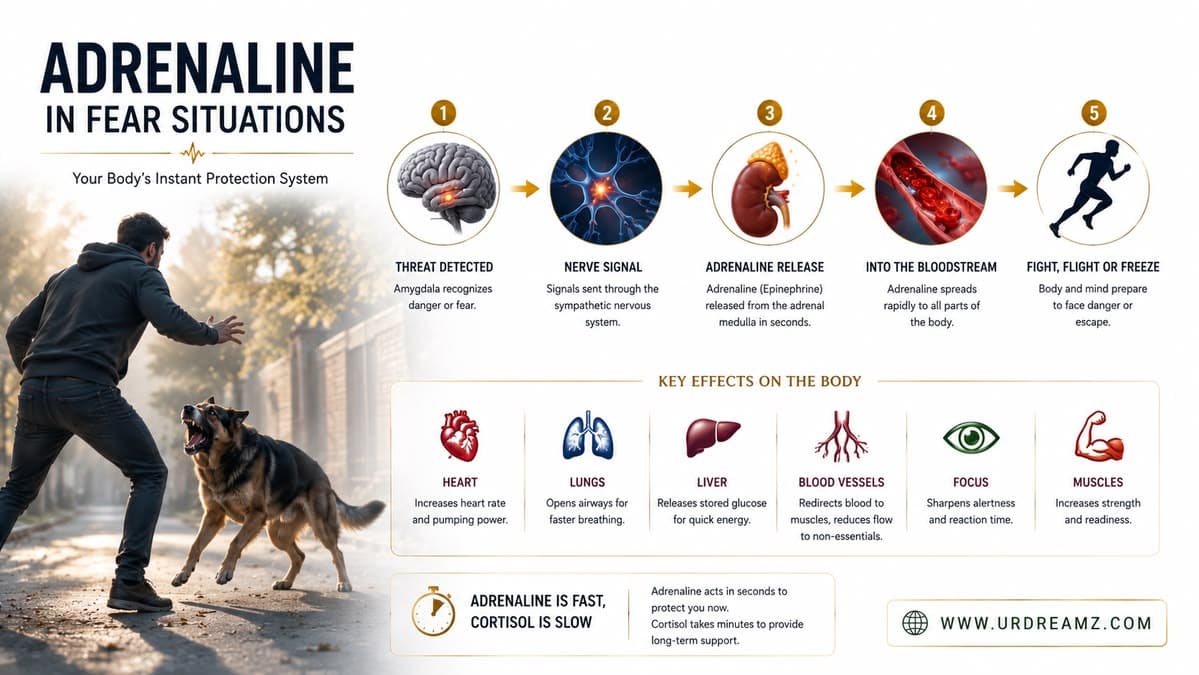
Stress is one of the most underestimated threats to cardiovascular health. When the brain perceives a threat, it activates the hypothalamic-pituitary-adrenal axis, releasing cortisol, adrenaline, and norepinephrine. These hormones produce a rapid physiological response designed for short-term survival. In the modern world, however, chronic psychological stress keeps this system activated continuously, producing sustained cardiovascular damage.
| Mechanism | What Happens in the Body | Cardiovascular Consequence |
|---|---|---|
| Hormone Overload | Sustained high levels of cortisol and adrenaline flood the bloodstream around the clock | Chronically elevated heart rate, blood pressure, and arterial vasoconstriction that strain the heart |
| Arterial Inflammation | Stress hormones trigger the release of pro-inflammatory cytokines that attack artery wall cells | Accelerated atherosclerotic plaque formation and increased vulnerability to plaque rupture |
| Increased Blood Clotting | Cortisol activates platelets and clotting factors as part of the fight-or-flight preparation | Higher risk of blood clots that can block coronary or cerebral arteries causing heart attack or stroke |
| Takotsubo Cardiomyopathy | Sudden intense emotional shock floods the heart with adrenaline, temporarily stunning the left ventricle | A reversible heart attack-like syndrome sometimes called broken heart syndrome, caused by acute severe stress |
| Poor Lifestyle Coping | Stressed individuals are more likely to smoke, drink alcohol, overeat high-calorie food, and skip exercise | Compounding of every other cardiovascular risk factor simultaneously through behavioral mechanisms |
| Sleep Disruption | Chronic worry and cortisol elevation impair sleep onset and quality, reducing restorative sleep | Poor sleep independently elevates blood pressure and inflammation, adding to the cardiac burden |
The American Psychological Association notes that people with high levels of job stress are at approximately 40 percent higher risk of cardiovascular disease compared to those with low job stress. The most effective interventions for stress-driven heart disease risk include daily aerobic exercise, which burns circulating stress hormones and builds resilience, along with mindfulness-based stress reduction, which measurably lowers cortisol and blood pressure over 8-week programs.
15. Heart Disease Prevention for Beginners
If you are new to heart health management, starting with simple, sustainable changes produces better long-term outcomes than attempting dramatic simultaneous overhauls. The key insight is that most heart disease develops over decades and is primarily driven by habits accumulated over years. Changing those habits at any age reduces risk meaningfully, even if disease has already begun to develop.
| Starting Priority | What to Do | How to Start Small | Expected Timeline for Benefit |
|---|---|---|---|
| 1 - Know Your Numbers | Get blood pressure, cholesterol, and blood sugar tested | Schedule a medical checkup and ask for a cardiovascular risk panel | Immediate awareness, allows targeted action |
| 2 - Move More Daily | Add 10 minutes of brisk walking to your routine | Start with three 10-minute walks daily if 30 continuous minutes feels difficult | Blood pressure benefits within 2 to 4 weeks |
| 3 - Reduce Sodium Intake | Cut out one high-sodium food category per week | Start by swapping one processed snack for a fresh fruit or vegetable daily | Blood pressure reduction within 1 to 2 weeks |
| 4 - Improve Sleep | Set a consistent bedtime and remove screens from the bedroom | Choose a bedtime 30 minutes earlier than current and stick to it for two weeks | Cortisol reduction and improved blood pressure within 4 weeks |
| 5 - Stop Smoking | Begin a cessation plan with your doctor | Set a quit date and ask your doctor about nicotine replacement therapy or medications | Cardiovascular risk begins falling within 24 hours of quitting |
| 6 - Manage Stress | Add one daily stress reduction practice | Five minutes of deep breathing immediately after waking is an accessible starting point | Cortisol reduction noticeable within 4 to 8 weeks of daily practice |
The most important principle for beginners is consistency over perfection. A moderate improvement in diet that you maintain for a decade produces far greater cardiovascular benefit than a dramatic short-term dietary change you abandon after three weeks. The American Heart Association's Life's Essential 8 framework provides a structured self-assessment tool that beginners can use to identify which of the eight core cardiovascular health metrics needs the most attention in their personal situation.
16. Healthy Habits for Long-Term Heart Wellness
Long-term heart wellness is not a destination but an ongoing daily practice. The arteries of a 70-year-old reflect the cumulative impact of five decades of dietary choices, physical activity levels, sleep quality, stress management, and environmental exposures. Building sustainable healthy habits now means investing in cardiovascular health that pays compounding returns over decades.
| Habit Area | Daily Practice | Long-Term Cardiovascular Benefit |
|---|---|---|
| Morning Nutrition | Begin every day with a fiber-rich breakfast including whole grains, fruit, and a protein source | Prevents post-breakfast blood sugar spikes, reduces LDL cholesterol accumulation over years |
| Daily Movement | Build 30 minutes of moderate aerobic activity into your daily schedule as a fixed appointment | Reduces resting blood pressure by 5 to 8 mmHg and cardiovascular mortality by up to 35 percent over time |
| Hydration | Drink at least 8 glasses of water daily and choose water over sugary beverages consistently | Prevents blood thickening that strains the heart and reduces sugar-driven triglyceride elevation |
| Stress Decompression | Dedicate a specific time each day to a personally restorative activity that breaks the stress cycle | Reduces chronic cortisol elevation that drives arterial inflammation and blood pressure elevation |
| Sleep Hygiene | Maintain the same bedtime and wake time seven days per week without exception | Enables consistent nocturnal blood pressure dipping that gives the heart a daily period of reduced workload |
| Social Connection | Maintain at least one meaningful social interaction daily through in-person contact, calls, or shared activities | Social isolation raises cardiovascular mortality risk by a magnitude comparable to heavy smoking |
| Medical Monitoring | Check blood pressure weekly at home and maintain annual medical appointments | Enables early detection of rising risk factors before they cause irreversible vascular damage |
The American Heart Association tracks cardiovascular health using its Life's Essential 8 framework, which measures diet quality, physical activity, nicotine exposure, sleep duration, body weight, blood cholesterol, blood sugar, and blood pressure. Research shows that people who achieve high scores across all eight metrics have a 20-year younger biological heart age compared to those with poor scores. Every positive habit built today is an investment in the cardiovascular health of your future self.
Internal links for further reading:
- High Blood Pressure Explained: Symptoms, Causes, Risks and Complete Treatment Guide
- How High Blood Pressure Affects Skin, Hair, Aging and Overall Appearance
- Blood Pressure Lifestyle Management: Stress Reduction, Sleep, Daily Habits and Long-Term Heart Health
- Best Low-Sodium Recipes and DASH Diet Meal Plan for Blood Pressure Control
| Topic | Key Takeaway |
|---|---|
| Types of Heart Disease | Eight distinct types exist ranging from coronary artery disease to pericardial disease. CAD is the most common and dangerous. |
| Causes | Seventeen causes identified, with high blood pressure, high cholesterol, smoking, diabetes, obesity, and inactivity being the most modifiable. |
| Warning Signs | Fifteen warning signs, many of which are subtle. Women, diabetics, and the elderly often present with atypical symptoms. |
| Heart Attack vs Stroke | Heart attacks affect the heart, strokes affect the brain. Both require immediate emergency care using different interventions. |
| Heart Attack vs Failure | Heart attack is an acute emergency. Heart failure is a chronic condition. Heart attacks are the leading cause of heart failure. |
| Best Foods | 37 heart-healthy foods across categories including fatty fish, leafy greens, berries, whole grains, legumes, and healthy fats and oils. |
| Prevention | 80 percent of premature cardiovascular deaths are preventable through lifestyle changes that can be started at any age. |
Medical Disclaimer: This article provides general cardiovascular health education and is intended for informational purposes only. It does not constitute medical advice, diagnosis, or treatment. Always consult a qualified healthcare provider before making any changes to your diet, exercise routine, or medication. If you experience chest pain, shortness of breath, or symptoms of a heart attack or stroke, call emergency services immediately.