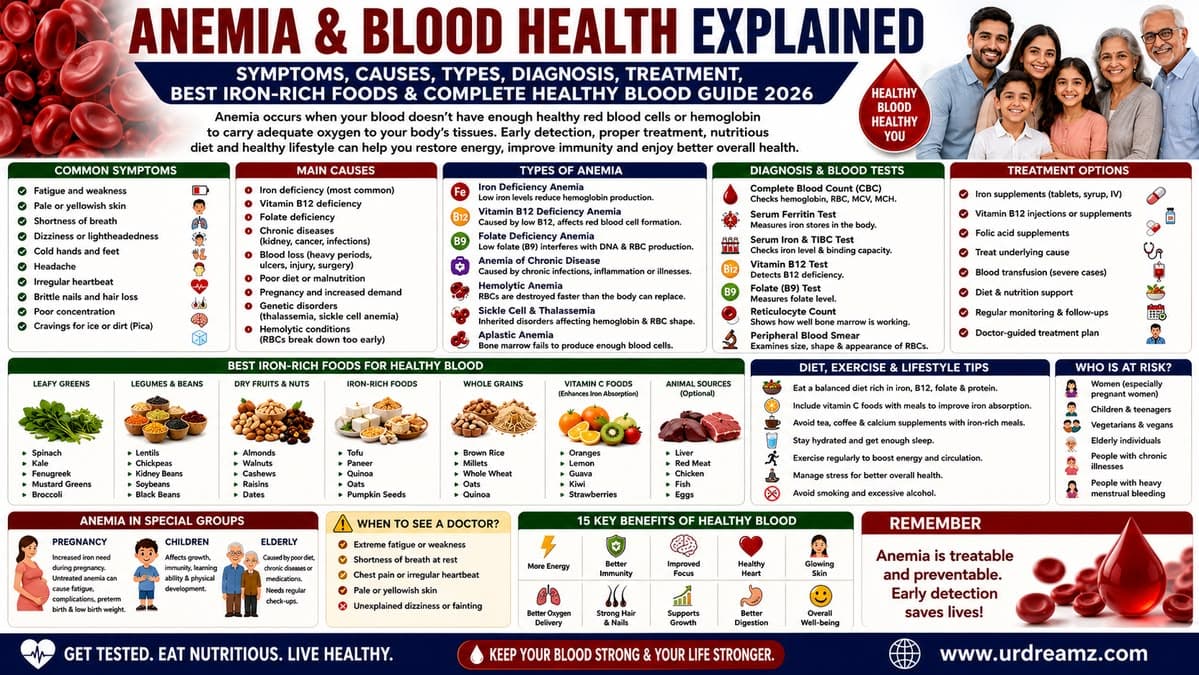
Anemia & Blood Health Explained: Symptoms, Causes, Types, Diagnosis, Treatment, Best Iron-Rich Foods & Complete Healthy Blood Guide 2026
Anemia is one of the most common blood conditions in the world, yet it is often dismissed as ordinary tiredness until it has progressed far enough to affect daily life. It touches nearly every part of the body, since red blood cells are the delivery system that carries oxygen to every tissue and organ, from the brain to the muscles to the skin. This guide brings together everything worth knowing about anemia and blood health in one place: how blood actually carries oxygen, every major type of anemia broken into symptoms, causes, diagnosis, and treatment, how doctors interpret blood tests, and the everyday habits — diet, hydration, and lifestyle — that quietly determine how resilient your blood health is over time.
Whether you were recently told your hemoglobin is low, you suspect you might be anemic based on ongoing fatigue, or you simply want to understand blood health better before it becomes a problem, this guide is designed as a complete, practical reference. It is not a substitute for medical care — anemia always deserves a proper diagnosis from a healthcare provider — but it will help you understand what your provider is looking at, why certain tests matter, and how nutrition and daily habits fit into the bigger picture.
1. What Is Anemia?
Anemia is a condition in which the blood does not have enough healthy red blood cells, or enough hemoglobin within those cells, to carry adequate oxygen to the body's tissues. Because oxygen powers nearly every cell in the body, even a modest drop in hemoglobin can leave someone feeling persistently tired, weak, or short of breath, while more severe anemia can affect the heart, brain, and overall organ function. Anemia itself is not a single disease but a symptom or sign that can result from dozens of different underlying causes, ranging from a simple dietary gap to a chronic illness or an inherited blood disorder.
2. How Blood Carries Oxygen: The Basics
Oxygen enters the bloodstream through the lungs and is picked up by hemoglobin, a protein packed inside red blood cells that gives blood its red color. As blood circulates, hemoglobin releases oxygen to tissues that need it and picks up carbon dioxide to carry back to the lungs for exhalation. When hemoglobin levels fall, as they do in anemia, this delivery system becomes less efficient, and the body compensates by making the heart pump faster and harder, which is why rapid heartbeat and breathlessness are such common anemia symptoms.
3. Red Blood Cells, Hemoglobin, and Bone Marrow
| Component | Role | Relevance to Anemia |
|---|---|---|
| Bone Marrow | The soft tissue inside bones where blood cells are produced | Marrow disorders or suppression can directly cause anemia |
| Red Blood Cells (RBCs) | Carry hemoglobin and transport oxygen throughout the body | Too few RBCs, or RBCs that are too small or misshapen, cause anemia |
| Hemoglobin | Iron-containing protein inside RBCs that binds and releases oxygen | Low hemoglobin is the defining lab marker of anemia |
| Erythropoietin (EPO) | A hormone made mainly by the kidneys that signals marrow to produce more RBCs | Low EPO, often from kidney disease, reduces RBC production |
4. Normal Blood Cell Lifespan and Turnover
A typical red blood cell lives for about three to four months before being broken down and replaced, with the bone marrow continuously producing new cells to keep pace. Anemia can develop whenever this balance is disrupted — either because the marrow is not producing enough new cells, the body is losing blood faster than it can replace it, or existing red blood cells are being destroyed prematurely.
5. Overview of Anemia Types
| Category | What Goes Wrong | Common Examples |
|---|---|---|
| Nutritional Deficiency | Not enough of a key nutrient needed to build red blood cells | Iron deficiency, vitamin B12 deficiency, folate deficiency |
| Blood Loss | Red blood cells are lost faster than the body can replace them | Heavy periods, gastrointestinal bleeding, injury |
| Underproduction | The bone marrow does not make enough new red blood cells | Aplastic anemia, anemia of chronic disease, chronic kidney disease |
| Increased Destruction | Red blood cells are broken down faster than normal | Hemolytic anemia, sickle cell anemia |
| Inherited Structural Disorders | Genetically abnormal hemoglobin or red blood cell shape | Sickle cell anemia, thalassemia |
6. Iron Deficiency Anemia: Symptoms
Iron deficiency anemia, the most common form worldwide, typically develops gradually and may cause persistent fatigue, pale skin and inner eyelids, cold hands and feet, brittle nails, headaches, and reduced concentration. Some people also notice unusual cravings for non-food items like ice or dirt, a condition known as pica, along with a smooth, sore tongue or restless leg sensations, particularly in more advanced cases.
7. Iron Deficiency Anemia: Causes
Iron deficiency most often results from ongoing blood loss, such as heavy menstrual periods or slow bleeding from the stomach or intestines, combined with inadequate dietary iron intake or poor absorption. Pregnancy, rapid growth during childhood and adolescence, frequent blood donation, and digestive conditions like celiac disease that interfere with nutrient absorption can all increase the risk.
8. Iron Deficiency Anemia: Diagnosis
Diagnosis typically starts with a complete blood count showing low hemoglobin and small, pale red blood cells, followed by iron studies including ferritin and total iron-binding capacity to confirm depleted iron stores. Because unexplained iron deficiency in adults can sometimes point to internal bleeding, a doctor may also investigate the digestive tract to rule out an underlying source of blood loss.
9. Iron Deficiency Anemia: Treatment
Treatment usually involves oral iron supplements taken over several months to rebuild the body's iron stores, alongside dietary changes to increase iron intake. In cases where oral iron is poorly tolerated or absorption is impaired, intravenous iron may be used instead, and addressing the underlying source of blood loss, if one is found, is essential to prevent the deficiency from returning.
10. Vitamin B12 Deficiency Anemia
Vitamin B12 is essential for producing healthy, normally shaped red blood cells, and a deficiency can lead to fatigue along with distinctive neurological symptoms such as tingling in the hands and feet, balance problems, and memory or mood changes. Causes include a diet lacking animal products, certain digestive surgeries, and pernicious anemia, an autoimmune condition in which the stomach cannot properly absorb B12. Treatment typically involves B12 supplementation, either as oral tablets or injections depending on the underlying cause and severity.
11. Folate Deficiency Anemia
Folate, another B vitamin required for red blood cell production, can become deficient due to a poor diet, alcohol use, certain medications, or increased demand during pregnancy. Symptoms overlap closely with other nutritional anemias, primarily fatigue and weakness, and treatment generally involves folic acid supplementation along with increasing folate-rich foods in the diet.
12. Anemia of Chronic Disease and Inflammation
Long-term inflammatory or chronic conditions — including autoimmune diseases, cancer, and infections — can interfere with how the body uses stored iron and how efficiently the bone marrow produces red blood cells, resulting in anemia even when iron intake is adequate. This type of anemia often improves as the underlying condition is managed, and iron supplementation alone is usually not effective unless a true iron deficiency is also present.
13. Aplastic Anemia
Aplastic anemia is a rare and potentially serious condition in which the bone marrow fails to produce enough red blood cells, white blood cells, and platelets. It can result from autoimmune attacks on marrow stem cells, exposure to certain toxins or medications, viral infections, or inherited conditions. Because it affects all blood cell types, treatment often requires specialist care and may involve medications, blood transfusions, or in severe cases, a bone marrow transplant.
14. Hemolytic Anemia
Hemolytic anemia occurs when red blood cells are destroyed faster than the bone marrow can replace them, which can be inherited or acquired later in life through autoimmune conditions, infections, certain medications, or mechanical damage from a faulty heart valve. Along with typical anemia symptoms, hemolytic anemia often causes jaundice, dark urine, and an enlarged spleen, and diagnosis relies on tests including reticulocyte count, bilirubin, and a Coombs test to check for autoimmune involvement.
15. Sickle Cell Anemia
Sickle cell anemia is an inherited disorder in which abnormal hemoglobin causes red blood cells to form a rigid, crescent shape rather than their normal flexible disc shape. These misshapen cells can block small blood vessels, causing pain episodes, organ damage, and a chronically shortened red blood cell lifespan. Management focuses on preventing complications, managing pain episodes, and in some cases disease-modifying medications or blood transfusions, under the ongoing care of a hematologist.
16. Thalassemia
Thalassemia is an inherited blood disorder in which the body produces less hemoglobin than normal due to a genetic defect in globin chain production. Severity ranges widely, from mild forms that cause few symptoms to severe forms requiring regular blood transfusions from early childhood. Genetic counseling is often recommended for individuals with a family history, particularly when planning a pregnancy.
17. Sideroblastic Anemia
Sideroblastic anemia is a less common condition in which the bone marrow produces enough iron but is unable to incorporate it properly into hemoglobin, leading to abnormal ring-shaped iron deposits in developing red blood cells. It can be inherited or acquired, and unlike iron deficiency anemia, iron levels in the blood are typically normal or high rather than low, which is an important distinction when interpreting lab results.
18. Anemia and Chronic Kidney Disease
The kidneys produce erythropoietin, the hormone that signals bone marrow to make red blood cells, so chronic kidney disease often leads to anemia as kidney function declines. This type of anemia is typically managed alongside overall kidney disease treatment and may involve erythropoietin-stimulating medications along with iron supplementation, monitored closely by a nephrologist.
19. Anemia and Heart Health
Because anemia forces the heart to work harder to compensate for reduced oxygen delivery, untreated or severe anemia can contribute to a rapid or irregular heartbeat, and over time, an enlarged heart or heart failure. People with existing heart conditions are generally at higher risk of complications from anemia, which is one reason healthcare providers pay close attention to hemoglobin levels in anyone with known cardiovascular disease.
20. Anemia in Pregnancy
Pregnancy naturally increases the body's demand for iron and folate to support the growing fetus and increased blood volume, making pregnant individuals particularly susceptible to nutritional anemia. Untreated anemia during pregnancy has been associated with a higher risk of premature birth and low birth weight, which is why prenatal vitamins containing iron and folic acid are routinely recommended, along with regular blood count monitoring throughout pregnancy.
21. Postpartum Anemia
Blood loss during childbirth, combined with the nutritional demands of pregnancy and breastfeeding, can leave many new parents anemic in the weeks following delivery. Symptoms like fatigue can be easily mistaken for normal postpartum exhaustion, which is why a follow-up blood count and continued iron supplementation, when recommended, are important parts of postpartum recovery care.
22. Anemia in Children and Teenagers
Children and teenagers can develop anemia due to rapid growth, picky or restrictive eating, heavy menstrual periods in teenage girls, or in some cases, inherited blood disorders. Because anemia during childhood can affect concentration, behavior, and development, growth and dietary patterns are typically reviewed alongside blood tests when a child shows signs of persistent fatigue or paleness.
23. Anemia in Older Adults
Anemia becomes more common with age, often reflecting a combination of chronic disease, reduced dietary intake, medication effects, and age-related changes in bone marrow function. Because fatigue and reduced activity are sometimes wrongly attributed to "normal aging," anemia in older adults can go undiagnosed longer than in younger people, even though it can meaningfully affect strength, cognition, and overall quality of life.
24. General Symptoms of Anemia
| Symptom | Why It Happens |
|---|---|
| Fatigue and weakness | Tissues receive less oxygen than they need |
| Shortness of breath | The body compensates for lower oxygen-carrying capacity |
| Pale skin and inner eyelids | Reduced hemoglobin lightens the color of blood-rich tissue |
| Rapid or irregular heartbeat | The heart pumps faster to move more blood per minute |
| Dizziness or lightheadedness | Reduced oxygen delivery to the brain |
| Cold hands and feet | Blood flow is prioritized toward vital organs |
| Headaches | Reduced oxygen supply to brain tissue |
| Brittle nails and hair changes | Reduced oxygen and nutrient delivery to non-essential tissues |
25. Warning Signs That Need Urgent Care
Chest pain, severe shortness of breath, fainting, a very rapid or irregular heartbeat, or confusion alongside anemia symptoms should be treated as urgent and evaluated immediately, since these can signal that the heart or brain is not receiving enough oxygen. Anemia can also increase the risk of a heart attack in vulnerable individuals, so new or worsening chest discomfort should never be dismissed as routine fatigue.
26. How Anemia Is Diagnosed: Overview
Diagnosis generally begins with a complete blood count to confirm low hemoglobin and hematocrit, followed by additional tests chosen based on the suspected cause, such as iron studies, vitamin B12 and folate levels, kidney function tests, or a peripheral blood smear to examine the shape and size of red blood cells under a microscope. In some cases, a bone marrow biopsy may be needed to investigate suspected marrow disorders.
27. CBC Test Explained
| Measurement | What It Shows |
|---|---|
| Hemoglobin (Hb) | The main marker used to define and grade anemia severity |
| Hematocrit (Hct) | The proportion of blood volume made up of red blood cells |
| Red Blood Cell Count | The total number of red blood cells in a given blood volume |
| MCV | Average size of red blood cells, used to classify anemia type |
| RDW | How much red blood cell size varies, useful for narrowing down causes |
| White Blood Cells and Platelets | Help distinguish isolated anemia from broader marrow disorders |
28. Ferritin and Iron Studies Explained
Ferritin reflects the body's stored iron and is typically the most sensitive early marker of iron deficiency, often dropping before hemoglobin does. A full iron studies panel usually also includes serum iron, total iron-binding capacity (TIBC), and transferrin saturation, together painting a clearer picture of whether an anemia is truly iron-deficient or reflects a different underlying pattern, such as anemia of chronic disease, where ferritin can be normal or even elevated despite functional iron deficiency.
29. Reticulocyte Count Explained
Reticulocytes are young, immature red blood cells recently released from the bone marrow, and counting them helps determine whether the marrow is responding appropriately to anemia. A high reticulocyte count generally suggests the marrow is working hard, often due to blood loss or hemolysis, while a low reticulocyte count points toward an underproduction problem, such as a nutrient deficiency or marrow disorder.
30. Classifying Anemia by Cell Size (MCV)
| Classification | MCV Range | Common Causes |
|---|---|---|
| Microcytic (small cells) | Below 80 fL | Iron deficiency, thalassemia, anemia of chronic disease |
| Normocytic (normal-sized cells) | 80–100 fL | Acute blood loss, chronic kidney disease, early nutritional deficiency, some chronic disease anemia |
| Macrocytic (large cells) | Above 100 fL | Vitamin B12 deficiency, folate deficiency, certain liver or marrow conditions |
Classifying anemia by cell size is often the first step doctors use to narrow down the likely cause before ordering more specific confirmatory tests.
31. RDW and What It Tells You
Red cell distribution width (RDW) measures how much variation exists in red blood cell size within a single sample. An elevated RDW often points toward iron deficiency or a mixed nutritional deficiency, since new, smaller cells form alongside older, larger ones as iron stores decline, while a normal RDW alongside small cells is more typical of thalassemia, where cell size tends to be uniformly small.
32. Treatment Options Overview
| Treatment | Typically Used For |
|---|---|
| Oral Iron Supplements | Iron deficiency anemia |
| IV Iron Therapy | Severe iron deficiency or poor oral absorption |
| Vitamin B12 / Folate Supplements | Nutritional deficiency anemias |
| Erythropoietin-Stimulating Agents | Anemia related to chronic kidney disease |
| Corticosteroids / Immunosuppressants | Autoimmune hemolytic anemia |
| Blood Transfusion | Severe or symptomatic anemia requiring rapid correction |
| Bone Marrow Transplant | Severe aplastic anemia or certain marrow disorders |
33. Oral Iron Supplements
Oral iron is the standard first-line treatment for confirmed iron deficiency anemia, usually taken for several months to fully replenish the body's iron stores rather than just correcting hemoglobin levels. Common side effects include stomach upset and constipation, and absorption is generally better on an empty stomach alongside a source of vitamin C, though this should be balanced against tolerability under a doctor's guidance.
34. IV Iron Therapy
Intravenous iron delivers iron directly into the bloodstream, bypassing the digestive tract, and is typically reserved for people who cannot tolerate oral iron, have impaired absorption due to a digestive condition, or need iron stores replenished more quickly than oral supplementation allows. It is administered under medical supervision, usually in a clinic or infusion center.
35. Vitamin B12 and Folate Supplementation
Vitamin B12 deficiency may be treated with oral tablets, high-dose sublingual forms, or injections, with the method chosen based on the underlying cause and how severe the deficiency is — injections are often used when absorption in the gut is impaired. Folate deficiency is generally corrected with oral folic acid supplements, alongside efforts to improve dietary intake of folate-rich foods.
36. Blood Transfusion Explained
A blood transfusion delivers donor red blood cells directly into the bloodstream and is typically reserved for severe anemia, active significant blood loss, or situations where symptoms are affecting the heart or brain and need to be corrected quickly. It is not a long-term treatment on its own and is usually paired with addressing the underlying cause of the anemia.
37. Treating the Underlying Cause
Because anemia is a symptom rather than a standalone disease in most cases, lasting treatment nearly always involves identifying and addressing the root cause — whether that means treating heavy menstrual bleeding, investigating a source of gastrointestinal blood loss, managing an autoimmune condition, or adjusting medications that may be interfering with red blood cell production. Supplementing a nutrient without addressing why the deficiency occurred in the first place often leads to the anemia returning.
38. 20 Best Iron-Rich Foods
Diet plays a central role in preventing and supporting recovery from nutritional anemias. The table below lists well-recognized iron sources spanning both animal and plant-based options, useful as a starting reference rather than a substitute for personalized advice from a healthcare provider or dietitian.
| # | Food | Notes |
|---|---|---|
| 1 | Red meat (beef, lamb) | Rich source of easily absorbed heme iron |
| 2 | Liver and organ meats | Among the most concentrated iron sources |
| 3 | Poultry | Moderate heme iron source |
| 4 | Fish and shellfish | Includes heme iron, especially oysters and sardines |
| 5 | Lentils | Strong plant-based iron source |
| 6 | Chickpeas | Iron plus plant protein |
| 7 | Kidney beans | Versatile plant-based iron source |
| 8 | Tofu | Iron-rich plant protein option |
| 9 | Spinach | Non-heme iron, best paired with vitamin C |
| 10 | Kale | Dark leafy green with iron and vitamin C |
| 11 | Pumpkin seeds | Convenient iron-rich snack |
| 12 | Quinoa | Iron-containing whole grain |
| 13 | Fortified breakfast cereals | Often fortified specifically with iron and B vitamins |
| 14 | Dried apricots | Iron-rich dried fruit |
| 15 | Raisins | Convenient iron-containing snack |
| 16 | Dark chocolate (high cocoa content) | Contains iron along with antioxidants |
| 17 | Eggs | Moderate iron plus protein |
| 18 | Broccoli | Iron plus vitamin C in the same food |
| 19 | Whole grain bread | Contributes iron as part of a balanced diet |
| 20 | Blackstrap molasses | Concentrated source of non-heme iron |
39. 15 Foods and Habits That Improve Iron Absorption
| # | Food or Habit | Why It Helps |
|---|---|---|
| 1 | Oranges and citrus fruit | Vitamin C significantly boosts non-heme iron absorption |
| 2 | Bell peppers | High in vitamin C |
| 3 | Strawberries | Vitamin C source alongside iron-rich meals |
| 4 | Tomatoes | Contain vitamin C to pair with iron-rich foods |
| 5 | Kiwi | High vitamin C fruit |
| 6 | Broccoli | Vitamin C alongside its own iron content |
| 7 | Pairing meat with plant iron sources | Heme iron in meat can enhance absorption of non-heme iron eaten alongside it |
| 8 | Cooking in cast iron cookware | Can modestly increase the iron content of food |
| 9 | Soaking or sprouting legumes | Reduces compounds that inhibit iron absorption |
| 10 | Fermented foods | Fermentation can reduce absorption-blocking compounds in grains |
| 11 | Spacing out tea and coffee from meals | Reduces the absorption-blocking effect of tannins |
| 12 | Taking iron supplements as advised | Timing and pairing with vitamin C can improve effectiveness |
| 13 | Cooking leafy greens lightly | Can improve mineral availability compared to eating raw in large amounts |
| 14 | Eating vitamin C-rich food in the same meal as iron | Maximizes non-heme iron absorption |
| 15 | Treating underlying digestive conditions | Conditions like celiac disease can otherwise block iron absorption regardless of diet |
40. 15 Foods and Habits That Block Iron Absorption
| # | Food or Habit | Why It Interferes |
|---|---|---|
| 1 | Tea consumed with meals | Tannins bind to iron and reduce absorption |
| 2 | Coffee consumed with meals | Similar tannin-related effect as tea |
| 3 | Calcium supplements taken with iron | Calcium competes with iron for absorption |
| 4 | High-dairy meals alongside iron-rich food | Calcium in dairy can reduce iron uptake |
| 5 | Unprocessed bran in large amounts | Contains phytates that bind iron |
| 6 | Whole grains eaten in very large quantities without preparation | Phytic acid can reduce non-heme iron absorption |
| 7 | Excess alcohol intake | Can impair nutrient absorption and liver function over time |
| 8 | Antacid overuse | Reduced stomach acid can impair iron absorption |
| 9 | Untreated celiac disease | Damages the intestinal lining responsible for nutrient absorption |
| 10 | Certain long-term acid-reducing medications | Lower stomach acid can reduce iron uptake over time |
| 11 | Very high-fiber meals taken with iron supplements | Can reduce the amount of iron absorbed in a single sitting |
| 12 | Red wine with iron-rich meals | Contains tannins similar to tea |
| 13 | Egg whites in very large amounts | Contain a protein that can bind iron |
| 14 | Chronic gastrointestinal inflammation | Impairs the gut's ability to absorb nutrients generally |
| 15 | Smoking | Linked to broader nutrient and circulation issues affecting overall health |
41. Iron-Rich Foods for Vegetarians and Vegans
Plant-based diets can absolutely support healthy iron levels, though non-heme iron from plants is generally absorbed less efficiently than heme iron from animal sources, making it worth paying closer attention to food pairing. Lentils, chickpeas, tofu, fortified cereals, pumpkin seeds, and dark leafy greens are strong plant-based iron sources, and consistently pairing them with vitamin C-rich foods, while spacing tea and coffee away from meals, can meaningfully improve how much iron the body actually absorbs.
42. Sample Weekly Diet Plan for Healthy Blood
| Day | Focus |
|---|---|
| Day 1 | Iron-rich protein (meat, lentils, or tofu) with a vitamin C side |
| Day 2 | Leafy greens paired with citrus or bell pepper |
| Day 3 | Fortified whole grains with fruit |
| Day 4 | Legume-based meal with tomato-based sauce |
| Day 5 | Fish or poultry with a vitamin C-rich vegetable |
| Day 6 | Egg-based meal with fresh fruit |
| Day 7 | Balanced plate combining a plant and animal iron source |
This is a general framework, not a medical meal plan; anyone diagnosed with anemia should follow guidance tailored to them by a doctor or registered dietitian.
43. 17 Exercises That Support Healthy Blood Circulation
Regular movement supports cardiovascular efficiency and circulation, which can help the body deliver oxygen more effectively, though anyone with diagnosed anemia should check with a healthcare provider before starting or intensifying an exercise routine, since fatigue and breathlessness may limit safe activity levels until anemia is treated.
| # | Exercise | Benefit |
|---|---|---|
| 1 | Walking | Low-impact way to support circulation |
| 2 | Light jogging | Builds cardiovascular capacity gradually |
| 3 | Swimming | Full-body, joint-friendly cardio |
| 4 | Cycling | Supports heart and circulatory health |
| 5 | Yoga | Combines gentle movement with stress reduction |
| 6 | Stretching | Supports circulation without exertion |
| 7 | Deep breathing exercises | Supports efficient oxygen exchange |
| 8 | Light strength training | Supports overall metabolic and circulatory health |
| 9 | Pilates | Low-impact, controlled movement |
| 10 | Tai chi | Gentle, low-exertion movement suitable during recovery |
| 11 | Stair climbing (as tolerated) | Simple cardio, adjusted to energy levels |
| 12 | Dancing | Enjoyable way to add light cardio activity |
| 13 | Gardening | Light activity that keeps the body moving |
| 14 | Water aerobics | Low-impact cardio suitable for many fitness levels |
| 15 | Gentle hiking | Combines light cardio with time outdoors |
| 16 | Balance exercises | Helps offset dizziness some people experience with anemia |
| 17 | Rest and pacing between activity | Prevents overexertion while the body recovers |
44. Sleep, Hydration and Stress for Blood Health
Good sleep supports the body's overall repair processes, while adequate hydration keeps blood volume and circulation functioning smoothly. Chronic stress can influence appetite, digestion, and nutrient absorption indirectly, all of which can affect how well the body maintains healthy iron and vitamin levels over time, making stress management a reasonable part of a broader blood-health routine rather than an unrelated afterthought.
45. Vitamins and Supplements for Blood Health
| Nutrient | Role in Blood Health |
|---|---|
| Iron | Essential building block of hemoglobin |
| Vitamin B12 | Needed for normal red blood cell formation |
| Folate / Folic Acid | Supports DNA synthesis in developing red blood cells |
| Vitamin C | Enhances non-heme iron absorption |
| Copper | Supports iron metabolism and red blood cell formation |
| Vitamin A | Supports mobilization of stored iron |
Supplements are most useful when they correct a confirmed deficiency identified through blood testing, rather than taken speculatively, since excess iron in particular can be harmful and should never be supplemented long-term without medical guidance.
46. Anemia Prevention
Many cases of nutritional anemia are genuinely preventable through a varied, iron- and vitamin-rich diet, appropriate prenatal care during pregnancy, and prompt attention to heavy menstrual bleeding or digestive symptoms. Inherited forms of anemia, such as sickle cell anemia and thalassemia, cannot be prevented through lifestyle alone, but genetic counseling can help individuals and families understand and plan around inherited risk.
47. Living With Anemia Day to Day
For those managing an ongoing or chronic form of anemia, pacing daily activity, prioritizing a nutrient-dense diet, staying consistent with prescribed supplements or treatment, and keeping regular follow-up appointments all support better long-term outcomes. Because fatigue can fluctuate, learning to recognize your own early warning signs — and knowing which symptoms warrant an urgent call to your provider — is one of the most practical tools for living well with a chronic anemia.
48. When to See a Doctor
| Sign | Why It's Worth Checking |
|---|---|
| Persistent, unexplained fatigue lasting more than two weeks | Could indicate anemia or another underlying condition |
| Noticeable pale skin or inner eyelids | A visible sign worth confirming with a blood test |
| Shortness of breath with everyday activity | May indicate the body is compensating for low oxygen-carrying capacity |
| Heavy or prolonged menstrual bleeding | A common, treatable cause of iron deficiency |
| Family history of inherited blood disorders | Worth discussing before starting a family or if symptoms appear |
49. Quick Glossary of Blood Health Terms
| Term | Meaning |
|---|---|
| Hemoglobin | The oxygen-carrying protein inside red blood cells |
| Hematocrit | The percentage of blood volume made up of red blood cells |
| Ferritin | A protein that reflects the body's stored iron levels |
| MCV | Mean corpuscular volume, the average size of red blood cells |
| Reticulocyte | An immature red blood cell recently released from the bone marrow |
| Hemolysis | The premature destruction of red blood cells |
| Erythropoietin | A hormone, mainly from the kidneys, that stimulates red blood cell production |
50. Anemia Myths vs Facts
| Myth | Fact |
|---|---|
| Anemia always means low iron | Anemia has many causes, and iron supplements will not help forms caused by B12, folate, chronic disease, or inherited disorders |
| Only women get anemia | Anemia affects people of all ages and sexes, though certain types are more common in women due to menstrual blood loss |
| Eating spinach alone will cure anemia | Diet helps prevent and support recovery from nutritional anemia, but treatment and diagnosis of the cause still matter |
| Anemia is always mild and not serious | Severe or untreated anemia can affect the heart and, in some forms, become life-threatening |
| You can tell you're anemic just by feeling tired | A blood test is needed to confirm anemia, since fatigue has many possible causes |
51. Frequently Asked Questions
What is anemia?
Anemia is a condition in which the body lacks enough healthy red blood cells or hemoglobin to carry adequate oxygen to its tissues, most often causing fatigue, weakness, and shortness of breath.
What are the first signs of anemia?
Early signs often include ongoing tiredness, paler than usual skin, mild shortness of breath during activity, and occasional dizziness, though symptoms can be subtle enough to go unnoticed at first.
How is anemia diagnosed?
A complete blood count is the starting point, checking hemoglobin and red blood cell size, followed by targeted tests such as iron studies or vitamin levels depending on the suspected cause.
Can anemia be cured?
Many forms, especially nutritional deficiency anemias, can be fully corrected with supplementation and dietary changes, while inherited forms are managed long-term rather than cured outright.
What foods help treat anemia?
Iron-rich foods like red meat, lentils, and leafy greens, paired with vitamin C sources to improve absorption, are commonly recommended alongside any treatment a doctor prescribes.
Can vitamin B12 deficiency cause anemia?
Yes, vitamin B12 is essential for producing healthy red blood cells, and a deficiency can cause a type of anemia along with distinct neurological symptoms.
Is anemia dangerous?
Mild anemia is often manageable, but moderate to severe or untreated anemia can strain the heart and, in some inherited or acute forms, become serious or life-threatening.
How long does it take to recover from anemia?
Nutritional anemias often begin improving within days to weeks of starting treatment, though fully rebuilding the body's iron stores can take several months of consistent supplementation.
Can anemia cause hair loss or brittle nails?
Yes, because non-essential tissues like hair follicles and nails receive lower priority for oxygen and nutrients when the body is anemic, some people notice hair thinning or brittle nails.
Is anemia common during pregnancy?
Yes, pregnancy significantly increases iron and folate needs, making nutritional anemia relatively common, which is why prenatal vitamins and regular blood testing are routinely recommended.
Does anemia affect the heart?
Anemia forces the heart to pump more blood to compensate for lower oxygen-carrying capacity, and over time, untreated anemia can contribute to an enlarged heart or heart failure.
Can children develop anemia?
Yes, anemia in children is often linked to diet, rapid growth, or in some cases inherited blood disorders, and can affect concentration and development if left untreated.
What is the difference between anemia and iron deficiency?
Iron deficiency is one specific and common cause of anemia, but anemia itself is a broader term that can result from many other causes, including vitamin deficiencies, chronic disease, or inherited conditions.
Can stress make anemia worse?
Stress does not directly destroy red blood cells, but it can affect appetite, digestion, and sleep in ways that indirectly make it harder for the body to maintain healthy nutrient levels.
52. Conclusion
Anemia is best understood not as a single condition but as a signal — a sign that somewhere in the body's oxygen-delivery system, something needs attention, whether that is a dietary gap, ongoing blood loss, a chronic illness, or an inherited disorder. Recognizing the difference between straightforward nutritional anemia and something that points to a deeper underlying issue is the first step toward genuinely effective treatment, rather than temporary symptom relief.
What ties good blood health together, much like any other area of long-term wellness, is consistency: a varied, nutrient-rich diet, attentive follow-through on any prescribed treatment, and enough awareness of your own body to notice when fatigue is more than just a busy week. Diet and lifestyle habits meaningfully support healthy blood, but they work best alongside proper diagnosis and medical guidance, not as a replacement for it.
If you suspect you may be anemic, or you already have a diagnosis and want to support your treatment more effectively, the most useful next step is almost always the same one: talk to a healthcare provider, get the right blood tests, and build a plan around your specific type and cause of anemia rather than a generic one-size-fits-all approach.