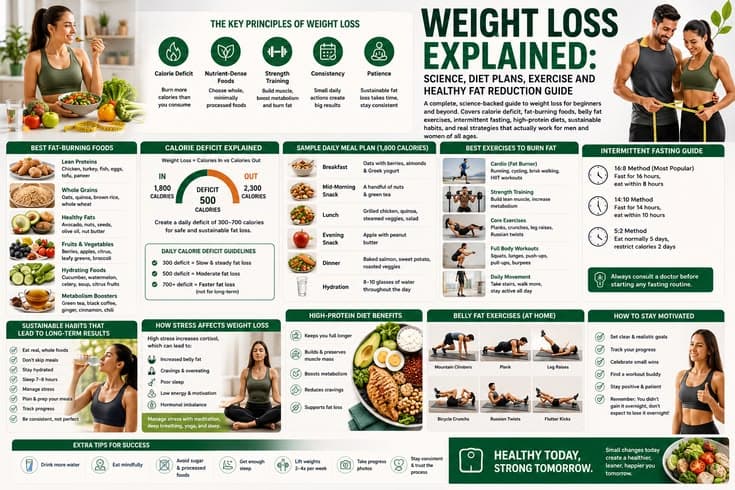
Weight Loss Explained: Science, Diet Plans, Exercise and Healthy Fat Reduction Guide
Weight loss is not about perfection — it is about consistency. Understanding the science behind fat loss, building sustainable habits, and making the right food and exercise choices will help you reach your goals and stay there for life.
Introduction: Why Weight Loss Feels So Hard
Millions of people around the world try to lose weight every year. Some succeed for a few weeks, then fall back into old patterns. Others try every diet available — keto, intermittent fasting, the GM diet, low-fat diets — and still struggle to see lasting results. If this sounds familiar, you are not alone, and more importantly, it is not entirely your fault.
The truth is that weight loss is a complex biological process involving your hormones, metabolism, brain chemistry, sleep, stress levels, and daily habits. Simply eating less and moving more is the foundation, but understanding why your body resists fat loss is what separates people who succeed long-term from those who yo-yo between weight gain and loss.
This complete guide covers everything you need to know about healthy weight loss — from the science of how fat leaves your body, to the best foods, exercises, diet plans, and lifestyle habits backed by research. Whether you are a complete beginner, someone trying to lose belly fat, a person over 40 dealing with hormonal changes, or someone who has tried everything and hit a plateau, this guide is for you.
For those seeking additional natural support on their weight loss journey, herbal and natural medicine options are available. You can reach a wellness advisor directly on WhatsApp at +923471936923 for personalized guidance on herbal weight loss support.
The Science of Weight Loss: How Fat Actually Leaves Your Body
Before diving into diets and workouts, it is important to understand exactly what happens inside your body when you lose weight. This knowledge will help you make smarter decisions and stay motivated when progress feels slow.
The Energy Balance Equation
At its most basic level, weight loss comes down to energy balance. Your body needs a certain number of calories each day just to keep you alive — breathing, pumping blood, digesting food, regulating temperature, and maintaining organ function. This is called your Basal Metabolic Rate, or BMR. On top of that, you burn additional calories through physical activity and through the energy your body uses to digest and process the food you eat, known as the Thermic Effect of Food.
When you consistently consume fewer calories than your body burns — a state called a calorie deficit — your body is forced to turn to stored energy reserves, primarily body fat, to make up the difference. This is how fat loss happens. When you consume more calories than you burn, the excess is stored as body fat, leading to weight gain. The entire weight loss process revolves around this fundamental principle of energy balance.
Where Does Fat Actually Go?
One of the most fascinating and commonly misunderstood aspects of fat loss is where the fat actually goes. Many people assume it is burned as heat, converted to muscle, or simply sweated out. None of these are accurate. When your body breaks down stored fat through a process called lipolysis, the fat molecules are converted into two primary byproducts through oxidation. Approximately 84 percent of the fat you lose is exhaled from your lungs as carbon dioxide. The remaining 16 percent is excreted as water through urine, sweat, and breath. Quite literally, you breathe out the fat you lose.
Why Your Body Fights Back Against Weight Loss
Here is the part that most diet programs do not tell you. Your body is wired for survival, and from an evolutionary perspective, body fat is a precious energy reserve. When you start losing weight, your biology actively works against you in several ways.
As your fat cells shrink, they produce less leptin — the hormone that signals to your brain that you are full and satisfied. At the same time, your gut produces more ghrelin, the hunger hormone that drives appetite and food cravings. This hormonal shift makes you feel hungrier even when you are eating adequate amounts of food. Additionally, your body undergoes metabolic adaptation, becoming more efficient at using fewer calories to perform the same tasks. This means the same calorie intake that once created a deficit may no longer do so after several weeks of dieting. Your brain also increases the appeal of high-calorie foods through changes in reward pathways, making resisting unhealthy options progressively more difficult. Understanding these biological mechanisms is not meant to discourage you — it is meant to help you build strategies that account for them rather than fighting against your own nature blindly.
The Role of Insulin and Hormones in Weight Gain
Insulin is a hormone produced by your pancreas that regulates blood sugar. When you eat carbohydrates, especially refined and processed ones, blood sugar rises quickly and insulin is released to drive that sugar into your cells for energy. Any excess sugar that cannot be immediately used is converted into fat and stored. Chronically high insulin levels, often caused by diets high in sugar and refined carbs, promote fat storage — particularly around the abdomen — and make it harder for the body to access stored fat for energy. This is why the quality of the calories you eat matters enormously, not just the quantity. Diets that help stabilize blood sugar and insulin levels, such as high-protein diets, low-glycemic diets, and intermittent fasting, often produce faster and more sustainable fat loss results.
Body Fat Percentage vs. Body Weight
Your body weight includes fat mass, muscle mass, bone density, organ weight, and water. When the scale does not move, it does not necessarily mean you are not making progress. You may be gaining lean muscle while losing fat — a process called body recomposition — which results in a smaller, firmer body without a dramatic change in scale weight. Tracking your waist circumference, body fat percentage, progress photos, and how your clothes fit gives a far more accurate picture of your progress than relying solely on the scale.
Calorie Deficit Explained for Beginners
A calorie deficit is the cornerstone of every successful weight loss program. Without it, no amount of superfoods, detox teas, or fat-burning supplements will produce meaningful results. Here is exactly how to create and maintain one safely.
Step 1 — Calculate Your Maintenance Calories
Your Total Daily Energy Expenditure (TDEE) is the number of calories your body burns in a typical day, accounting for your age, sex, height, current weight, and activity level. This is your maintenance number — the amount of calories at which you would neither gain nor lose weight. You can estimate this using the Mifflin-St Jeor formula or any reputable online TDEE calculator. As a rough example, an average adult woman with a moderate activity level might burn around 1,800 to 2,200 calories per day, while an average adult man might burn 2,200 to 2,700 calories per day. Your individual number will vary.
Step 2 — Create Your Deficit
Once you know your maintenance calories, the goal is to eat slightly less than that number. A deficit of 300 to 500 calories per day is widely considered the sweet spot for sustainable fat loss. At 500 calories below maintenance, most people lose approximately 0.5 kg of fat per week, as roughly 3,500 calories worth of deficit is required to burn one pound of pure fat. Larger deficits can accelerate initial weight loss but significantly increase the risk of muscle loss, nutrient deficiencies, metabolic slowdown, fatigue, and hormonal disruption. Never reduce your calories below 1,200 per day for women or 1,500 per day for men without medical supervision.
Step 3 — Track and Adjust
Calorie tracking using a reliable food diary app helps most beginners identify hidden calories they were previously unaware of. Common calorie traps include cooking oils and butters added to food, salad dressings, sauces and condiments, sugary beverages, and portion sizes that are larger than they appear. After two to four weeks, reassess your progress. If you are losing weight at a healthy rate of 0.5 to 1 kg per week, maintain your current approach. If progress has stalled, consider reducing your intake slightly or increasing your physical activity.
The Role of Protein in Calorie Management
Not all calories are equal in their effect on hunger, metabolism, and body composition. Protein has a higher thermic effect than carbohydrates or fats, meaning your body burns more calories digesting and processing it. Protein also strongly suppresses ghrelin and promotes the release of satiety hormones, keeping you fuller for longer on fewer calories. For anyone in a calorie deficit, prioritizing protein helps ensure that the weight you lose comes from fat rather than valuable muscle tissue. A target of 1.5 to 2.2 grams of protein per kilogram of body weight per day is appropriate for most people focused on fat loss.
25 Best Foods for Healthy Weight Loss
The right foods make fat loss significantly easier by keeping you full, stabilizing blood sugar, supporting metabolism, and providing the nutrients your body needs. These are the top foods backed by science for supporting healthy weight management.
Lean Proteins
Eggs are among the most nutrient-dense and satiating foods available. Studies show that eating eggs for breakfast keeps people full for significantly longer than carbohydrate-based breakfasts, reducing overall calorie intake throughout the day. Skinless chicken breast is one of the leanest, most protein-dense meats you can eat, making it a cornerstone of virtually every evidence-based fat loss diet. Salmon and other fatty fish provide high-quality protein alongside omega-3 fatty acids, which support fat metabolism and reduce inflammation. Tuna, whether fresh or canned in water, is an affordable, convenient, and extremely high-protein option. Cottage cheese is low in calories and high in casein protein, which digests slowly and promotes overnight satiety. Greek yogurt contains roughly double the protein of regular yogurt and provides probiotics that support gut health and digestion.
Vegetables and Fruits
Leafy greens including spinach, kale, arugula, and Swiss chard are extremely low in calories while being high in volume, fiber, vitamins, and minerals. Cruciferous vegetables such as broccoli, cauliflower, Brussels sprouts, and cabbage are some of the most filling foods per calorie available, making them ideal for weight loss meals. Boiled potatoes score the highest of any food tested on the Satiety Index, meaning they keep you fuller per calorie than almost anything else. Sweet potatoes provide fiber, vitamins, and complex carbohydrates that satisfy hunger without spiking blood sugar aggressively. Berries including blueberries, strawberries, and raspberries satisfy sweet cravings while providing antioxidants, fiber, and very few calories. Apples and pears are high in water content and pectin fiber, which slows digestion and promotes fullness. Grapefruit has long been associated with fat loss benefits, likely due to its fiber content and its effect on blood sugar stability. Avocados, though calorie-dense, provide healthy monounsaturated fats and a combination of fiber and water that makes them remarkably filling when eaten in appropriate portions.
Whole Grains and Legumes
Oats contain beta-glucan, a powerful soluble fiber that slows digestion, stabilizes blood sugar, and significantly increases feelings of fullness after meals. Quinoa is a complete protein, meaning it contains all essential amino acids, making it one of the most valuable plant-based foods for anyone following a high-protein fat loss diet. Beans and lentils are nutritional powerhouses, providing protein, resistant starch, and soluble fiber in a low-calorie, affordable package. Whole grain crackers and breads provide more fiber and nutrients than their refined counterparts and cause a slower, more stable rise in blood sugar.
Metabolism-Boosting Foods
Green tea contains a combination of catechins and caffeine that has been shown in multiple studies to modestly increase metabolic rate and enhance fat oxidation, particularly around the abdomen. Hot peppers and chili contain capsaicin, a compound that temporarily boosts metabolism and reduces appetite. Cinnamon helps stabilize blood sugar by improving insulin sensitivity, reducing the energy spikes and crashes that drive overeating. Coffee, consumed without excessive cream and sugar, provides caffeine that can briefly increase metabolic rate and improve exercise performance. Nuts, including almonds and walnuts, provide protein, fiber, and healthy fats that reduce hunger between meals, and research shows that regular nut consumers tend to be leaner than those who avoid them despite nuts being calorie-dense.
Soups and Broth-Based Meals
Broth-based soups and vegetable-heavy soups are extraordinarily effective weight loss foods. They are high in water content, require slower eating, take longer to consume, and when consumed before a main meal, significantly reduce the total number of calories eaten at that meal. The high water content of soup signals fullness to the stomach quickly without delivering excess calories.
Weight Loss Diet Plans: Finding What Works for You
There is no single universally perfect diet for weight loss. Different approaches work for different people depending on lifestyle, preferences, medical history, and cultural background. Here is an overview of the most evidence-supported diet strategies.
The High-Protein Diet
A high-protein diet accelerates fat loss through three primary mechanisms. First, protein triggers the release of satiety hormones while suppressing ghrelin, keeping you fuller for longer on fewer calories. Second, protein has a high thermic effect, meaning your body burns significantly more calories digesting it compared to fats or carbohydrates. Third, adequate protein intake preserves lean muscle mass during a calorie deficit, ensuring the weight you lose comes from fat rather than muscle. The most effective high-protein fat loss diet targets 1.5 to 2.2 grams of protein per kilogram of body weight and builds each meal around a lean protein source. Best protein sources include skinless poultry, fish and seafood, eggs and egg whites, low-fat dairy, tofu and tempeh, lentils, chickpeas, and lean red meats in moderation.
The Low-Carbohydrate and Ketogenic Diet
Low-carbohydrate diets restrict carbohydrate intake to varying degrees, typically eliminating sugar, refined grains, and starchy vegetables while emphasizing protein and healthy fats. The ketogenic diet is the most extreme version, restricting carbohydrates to below 50 grams per day to force the body into a metabolic state called ketosis, where it burns fat as its primary fuel source. Research shows that low-carb diets can produce rapid initial weight loss, much of which is water weight lost as glycogen stores are depleted. Over the medium to long term, low-carb diets perform similarly to other calorie-matched diets for fat loss, but many people find them easier to stick to because of their strong appetite-suppressing effects. They also improve blood sugar control and insulin sensitivity, making them particularly beneficial for people with type 2 diabetes or insulin resistance.
The Mediterranean Diet
Consistently ranked among the healthiest diets in the world, the Mediterranean diet is not primarily a weight loss diet but has been shown to support healthy weight management alongside exceptional benefits for cardiovascular health, blood sugar control, and longevity. It emphasizes vegetables, fruits, whole grains, legumes, olive oil, fish, and moderate dairy, while limiting red meat and processed foods. Its high fiber content and emphasis on whole foods naturally reduces calorie intake without requiring strict counting or restriction.
Intermittent Fasting
Intermittent fasting (IF) is an eating pattern that cycles between periods of fasting and eating. Rather than changing what you eat, it changes when you eat. The most popular protocol is the 16:8 method, in which you fast for 16 hours and eat all your daily calories within an 8-hour window — for example, eating between noon and 8 PM and fasting from 8 PM until noon the following day. This naturally reduces calorie intake for many people and gives the body an extended period without food intake during which fat burning is enhanced. The 5:2 method involves eating a normal diet five days per week and restricting calories to roughly 500 to 600 on the remaining two non-consecutive days. Research suggests intermittent fasting is an effective weight loss strategy producing similar results to continuous calorie restriction, with the added advantages of metabolic benefits, improved insulin sensitivity, and for many people, greater ease of adherence since they only need to manage their eating window rather than every meal. If you are new to fasting, expect an adjustment period of one to two weeks during which you may experience hunger, mild headaches, or difficulty concentrating. These symptoms subside as your body adapts to the fasting schedule. Drinking water, black coffee, and unsweetened tea during fasting windows helps manage hunger without breaking the fast.
The 7-Day Weight Loss Diet Plan
A practical beginner's weekly meal plan focuses on building sustainable habits around whole foods, lean proteins, and adequate fiber while maintaining a moderate calorie deficit of approximately 400 to 500 calories below maintenance. Day one might feature overnight oats with berries for breakfast, a grilled chicken and vegetable salad for lunch, and baked salmon with steamed broccoli and quinoa for dinner. Day two could include a two-egg veggie omelet with whole grain toast, a hummus and vegetable wrap for lunch, and lean ground turkey stir-fry with brown rice for dinner. Day three might center on Greek yogurt with nuts and fruit for breakfast, lentil soup with whole grain crackers for lunch, and grilled shrimp or paneer with stir-fried vegetables for dinner. Each day should include two small snacks from options such as a handful of almonds, a piece of fruit, a hard-boiled egg, or raw vegetables with hummus. Hydration with at least eight glasses of water daily is non-negotiable throughout the week.
How to Lose Belly Fat: Science and Strategy
Belly fat is one of the most common concerns for people seeking to lose weight, and also one of the most misunderstood. There are two types of belly fat. Subcutaneous fat sits directly under the skin and is the soft, pinchable fat you can feel. Visceral fat lies deeper in the abdominal cavity, surrounding the internal organs, and is far more metabolically dangerous, being strongly linked to type 2 diabetes, heart disease, high blood pressure, and certain cancers.
Why You Cannot Spot-Reduce Belly Fat
A critical truth about fat loss is that you cannot choose where your body loses fat first. Doing hundreds of crunches per day will strengthen your abdominal muscles but will not specifically burn the fat covering them. Fat loss occurs systemically — your body draws from fat stores throughout the body based on genetics, hormones, and overall energy deficit. The most effective approach to losing belly fat is the same as the approach to losing body fat overall: maintain a consistent calorie deficit, prioritize protein and fiber, reduce sugar and refined carbs, manage stress, optimize sleep, and exercise regularly.
Specific Factors That Drive Visceral Fat
Several lifestyle factors specifically increase visceral fat accumulation. Chronic stress elevates cortisol, a hormone that preferentially drives fat storage around the abdomen. Poor sleep disrupts the hormonal balance between ghrelin and leptin and raises cortisol, accelerating belly fat gain. High sugar and alcohol intake particularly promotes visceral fat. Sedentary behavior and a lack of resistance training allows muscle mass to decline, slowing metabolism and making belly fat accumulation easier. A diet high in trans fats and processed foods has been directly linked to increased visceral fat even in the absence of overall weight gain.
Foods That Help Reduce Belly Fat
While no food directly targets belly fat, several dietary choices specifically help reduce visceral fat by improving insulin sensitivity, reducing inflammation, and supporting a healthy microbiome. Soluble fiber found in oats, legumes, fruits, and vegetables forms a thick gel in the digestive tract that slows the absorption of nutrients, prevents blood sugar spikes, and feeds beneficial gut bacteria. High protein intake has been shown in multiple studies to specifically reduce abdominal fat relative to muscle mass. Green tea consumption, supported by studies showing its catechins target abdominal fat metabolism, is worth incorporating as a daily habit. Probiotic-rich foods like yogurt and fermented foods support a healthy gut microbiome that influences fat storage patterns. Reducing added sugar and sugary drinks is one of the most impactful single dietary changes you can make for belly fat specifically.
Best Exercises for Weight Loss and Fat Burning
Exercise accelerates weight loss, preserves lean muscle during a calorie deficit, improves metabolic health, enhances mood, and dramatically improves long-term weight maintenance success. The most effective exercise program for weight loss combines cardiovascular exercise with resistance training.
High-Intensity Interval Training (HIIT)
HIIT involves alternating between short bursts of maximum intensity exercise and brief recovery periods. A typical HIIT session might consist of 30 seconds of sprinting followed by 90 seconds of walking, repeated 8 to 10 times, producing a highly effective 20-minute workout. Research consistently shows that HIIT burns significantly more calories per minute than steady-state cardio, creates an afterburn effect (EPOC) that elevates metabolism for hours after the session ends, and is particularly effective at targeting visceral abdominal fat. Suitable HIIT exercises include sprints, burpees, jumping rope, cycling intervals, and stationary bike intervals. Beginners should start with two HIIT sessions per week, allowing adequate recovery between sessions.
Strength Training for Fat Loss
Resistance training is arguably the most important form of exercise for long-term fat loss, yet it is the most overlooked by people focused on weight reduction. Building and preserving lean muscle mass increases your resting metabolic rate — the number of calories your body burns at rest — because muscle tissue is metabolically more active than fat tissue. People naturally lose muscle mass with age and during calorie-restricted dieting, and strength training is the most effective tool to prevent this. Compound movements that recruit multiple muscle groups simultaneously burn the most calories during the workout and produce the greatest metabolic benefits. Key compound exercises include squats, deadlifts, lunges, push-ups, rows, and shoulder presses. Aim for two to four strength training sessions per week, focusing on progressive overload — gradually increasing the weight or resistance over time to continue challenging your muscles.
Walking for Weight Loss
Walking is one of the most underestimated fat-burning activities available, and for good reason. It is free, accessible to almost everyone regardless of fitness level, sustainable indefinitely, easy on joints, and produces consistent results when done consistently. A brisk walk burns approximately 250 to 400 calories per hour depending on body weight and pace, and accumulating 8,000 to 10,000 steps per day has been shown to significantly improve metabolic health and support healthy weight management. Walking after meals is particularly beneficial for blood sugar regulation. Incline walking on a treadmill or outdoors intensifies the calorie burn while remaining low-impact. For beginners, starting with a daily 20-minute walk and gradually extending duration is an excellent foundation before adding more intense exercise.
Walking vs Running: Which Burns More Fat?
This is one of the most commonly asked questions in weight loss. Running burns more total calories per minute than walking, making it more efficient for calorie expenditure. However, walking burns a slightly higher percentage of calories from fat as fuel during the activity itself, because at lower intensities the body relies more on fat oxidation. In practical terms, running produces greater overall weight loss results because of its higher calorie burn per session. However, walking is sustainable for longer durations, appropriate for beginners, and far less likely to cause injury. The best exercise for fat loss is ultimately the one you can do consistently. If running is too intense, walking is far superior to not exercising at all. If you can run without injury or discomfort, it will produce faster results. Ideally, combine both — use walking for daily activity and lower-intensity days, and incorporate running or HIIT as your fitness improves.
Core Exercises and Belly Fat
Exercises like crunches, sit-ups, planks, bicycle crunches, and Russian twists strengthen and tone the abdominal muscles but do not directly burn the fat layer covering them. However, they are still extremely valuable as part of a comprehensive program because they improve core stability, posture, and functional strength, and they create a visually toned appearance once the overlying fat is reduced through a calorie deficit. For best belly fat results, pair core exercises with the full-body fat-burning strategies outlined above.
A 4-Week Beginner Exercise Plan
For the first week, focus on building the daily walking habit with 20 to 30 minute brisk walks each day. In week two, add two bodyweight training sessions featuring squats, push-ups, lunges, and plank holds. In week three, increase walking duration to 45 minutes on most days and add a third strength session. In week four, incorporate one HIIT session alongside three strength sessions and continue your daily step count. This progressive approach builds fitness without risking burnout or injury and creates a sustainable routine.
Sustainable Weight Loss: Habits That Actually Work
The most successful long-term weight loss outcomes are not achieved through the most extreme diets or the hardest exercise programs. They are built on a foundation of small, consistent daily habits that become automatic over time. Here are the habits with the strongest evidence base for sustainable fat loss.
Sleep and Weight Loss
Poor sleep quality and insufficient sleep duration are among the most underappreciated obstacles to weight loss. When you sleep fewer than seven hours per night, ghrelin levels rise and leptin levels fall, creating a biochemical state of increased hunger and reduced satisfaction from food. Sleep deprivation also impairs decision-making and impulse control, making it far harder to resist high-calorie foods. Cortisol levels increase with poor sleep, driving belly fat accumulation. Research shows that people who sleep fewer than six hours per night have significantly higher rates of obesity than those who consistently get seven to nine hours. Improving sleep hygiene by maintaining a consistent sleep and wake schedule, limiting screen exposure before bed, keeping your bedroom cool and dark, and avoiding caffeine after 2 PM can dramatically improve sleep quality and support your weight loss efforts.
Stress Management
Chronic stress triggers the sustained release of cortisol, a stress hormone that promotes fat storage, particularly visceral abdominal fat. Cortisol also directly stimulates appetite and cravings for high-calorie, high-sugar comfort foods. Managing stress is therefore not just a mental health priority but a direct fat loss strategy. Effective stress reduction approaches include daily physical activity, mindfulness meditation, deep breathing exercises, yoga, spending time in nature, maintaining strong social connections, and ensuring adequate leisure and recovery time in your weekly schedule.
Hydration and Water Intake
Drinking adequate water supports metabolism, improves digestion, helps the kidneys flush metabolic waste, and importantly, helps distinguish genuine hunger from thirst. Research shows that drinking one to two glasses of water before meals meaningfully reduces calorie intake at that meal. Cold water briefly boosts metabolism as the body expends energy warming it. Replacing sugary drinks with water is one of the single most impactful low-effort changes most people can make for weight loss, potentially eliminating hundreds of calories per day with minimal sacrifice of satiety.
Mindful Eating
Mindful eating involves paying full attention to the experience of eating without distraction. It means eating slowly, chewing thoroughly, noticing flavors and textures, and pausing regularly to assess actual hunger and fullness levels. The brain requires approximately 20 minutes to receive satiety signals from the stomach, meaning people who eat quickly and distracted regularly consume far more food than their body actually needs before the fullness signal registers. Using smaller plates creates a visual perception of a larger portion. Putting utensils down between bites, eliminating screen time during meals, and starting meals with a large glass of water are simple mindful eating strategies with meaningful impact.
Meal Planning and Preparation
One of the biggest predictors of diet failure is not having healthy food readily available when hunger strikes. When you are tired and hungry after a long day, willpower is at its lowest and convenience wins. Spending 30 to 60 minutes on weekends preparing protein sources, chopping vegetables, cooking whole grains, and portioning snacks means healthy choices are always accessible. This removes the decision fatigue and temptation that derails many people's best intentions.
Consistency Over Perfection
Perhaps the most important habit of all is letting go of the all-or-nothing mindset. Missing one workout does not ruin your progress. Eating an indulgent meal does not erase a week of healthy choices. The people who achieve lasting weight loss are not those who are perfectly disciplined every single day — they are those who miss days occasionally but always return to their healthy habits. Building in planned treats, flexibility, and grace for yourself removes the cycle of guilt and abandon that derails so many people.
Why Am I Not Losing Weight Despite Dieting? Breaking Through Plateaus
Weight loss plateaus are extremely common and frustrating, but they are a normal part of the process. Understanding why they happen and what to do about them is essential for long-term success.
Common Reasons Progress Stalls
Metabolic adaptation is the primary reason most people hit plateaus after four to six weeks of dieting. As you lose weight, your body requires fewer calories to function at its new lower weight, narrowing the calorie deficit you originally created. What was once a 500-calorie-per-day deficit may become only 200 calories as your body adapts. Additionally, unconscious increases in calorie intake through larger portions, more frequent snacks, or higher-calorie condiments can silently eliminate your deficit. Reducing physical activity below your initial baseline — for example, moving less in daily life as energy levels drop — also reduces your calorie burn. Hormonal issues including hypothyroidism (underactive thyroid), PCOS, insulin resistance, and elevated cortisol can all significantly impair weight loss and may require medical evaluation if you are doing everything right and still not seeing results.
Strategies to Break Through a Plateau
Recalculate your calorie needs based on your current lower weight, as your maintenance calories have changed since you started. Increase protein intake to support muscle preservation and enhance satiety. Change your exercise routine to challenge your body in new ways, adding intensity, new exercises, or additional sessions. Implement a brief two to three day diet break at maintenance calories, which can help reset hunger hormones and metabolic rate. Reduce liquid calories by eliminating any beverages beyond water, black coffee, and unsweetened tea. Prioritize sleep and stress management, as these directly affect the hormones governing fat storage and appetite.
Weight Loss After 40: What Really Works
Losing weight after the age of 40 comes with unique challenges that require slightly different strategies than those effective in your twenties and thirties. The good news is that it absolutely remains achievable with the right approach.
Why Weight Loss Changes After 40
From the age of 30 onwards, adults naturally lose approximately 3 to 5 percent of their muscle mass per decade, a process called sarcopenia. As muscle burns more calories than fat, this progressive muscle loss gradually reduces resting metabolic rate, making it easier to gain weight even without eating more. For women, the transition into perimenopause and menopause brings a dramatic shift in estrogen and progesterone levels that alters where the body stores fat, shifting from the hips and thighs toward the abdomen, and reduces the ease of fat loss overall. For men, declining testosterone levels reduce muscle synthesis and fat mobilization. Thyroid function also often becomes suboptimal with age, and an underactive thyroid significantly impairs metabolic rate and weight loss. Insulin sensitivity tends to decrease with age, making blood sugar management increasingly important.
The Most Effective Strategies for Fat Loss Over 40
Strength training becomes the non-negotiable priority after 40. Building and maintaining lean muscle mass is the most powerful thing you can do to counter the metabolic slowdown that comes with aging. Aim for three to four resistance training sessions per week incorporating both upper and lower body compound movements. Protein intake must increase with age, as older adults require more protein to stimulate the same degree of muscle protein synthesis as younger people. Target 25 to 30 grams of high-quality protein at every meal. Balancing blood sugar through a diet lower in refined carbohydrates and higher in fiber, protein, and healthy fats is especially impactful for fat loss after 40. Reducing or eliminating alcohol removes both liquid calories and a substance that specifically impairs fat metabolism. Getting thyroid function checked if you are experiencing unexplained weight gain, persistent fatigue, joint pain, or cold sensitivity is advisable, as thyroid issues become more common with age and significantly undermine weight loss efforts even with excellent diet and exercise habits.
Top Weight Loss Mistakes to Avoid
Even with good intentions and solid effort, certain common mistakes consistently sabotage weight loss results. Recognizing and correcting them can dramatically accelerate progress.
Relying on Crash Diets
Severe caloric restriction through crash diets causes rapid initial weight loss, but the majority of this is water weight and muscle mass rather than fat. Crash dieting signals to your body that starvation is imminent, causing it to down-regulate metabolism aggressively to conserve energy. When normal eating resumes, fat is regained rapidly because your metabolism is now running at a significantly lower rate than before. The inevitable result is the yo-yo cycle of weight loss and regain that leaves people heavier and with a lower metabolic rate than when they started.
Skipping Breakfast or Meals Erratically
Skipping breakfast drives excessive hunger by mid-morning that leads to poor food choices, larger portion sizes at subsequent meals, and unplanned snacking. Irregular meal timing disrupts hunger hormones and makes overeating more likely. While intermittent fasting with a structured eating window is different and evidence-supported, simply skipping meals haphazardly without a plan rarely produces positive outcomes.
Overlooking Liquid Calories
Sugary coffees, fruit juices, energy drinks, and alcoholic beverages can contribute 500 to 1,000 additional calories per day without providing meaningful satiety. These liquid calories are among the most insidious contributors to failed weight loss attempts and are often completely invisible to people who are otherwise tracking their food carefully.
Eating "Healthy" Foods Without Portion Awareness
Avocados, nuts, olive oil, whole grain bread, and natural sugars from dried fruits are genuinely healthy but extremely calorie-dense. Eating these foods in unlimited quantities in the belief that they cannot cause weight gain is a widespread mistake that can easily maintain or cause a calorie surplus despite eating nutritiously.
Setting Unrealistic Goals
Expecting to lose 5 kg in a week or 20 kg in a month is not only unrealistic but dangerous. Such expectations set you up for inevitable disappointment and abandonment of your healthy habits when the impossible results do not materialize. A realistic, sustainable, and healthy rate of fat loss is 0.5 to 1 kg per week, which translates to 2 to 4 kg per month and 24 to 48 kg over a full year — a genuinely life-changing amount of fat loss when maintained consistently.
Weight Loss for Men and Women: Key Differences
While the fundamental principles of weight loss apply equally to men and women, certain physiological differences influence the experience and strategy of fat loss.
Weight Loss for Men
Men typically carry more lean muscle mass and have higher baseline metabolic rates than women, meaning they generally lose weight faster in the initial stages of a diet. Men tend to store fat preferentially in the abdomen, and visceral belly fat is often the primary concern. Reducing refined carbohydrates, alcohol consumption, and high-sodium processed foods while increasing protein and fiber is particularly effective for male fat loss. Testosterone levels influence fat distribution and muscle maintenance, and resistance training is strongly recommended to optimize testosterone and metabolic health. After age 40, declining testosterone can accelerate belly fat accumulation, making strength training and adequate sleep even more critical for men in this age group.
Weight Loss for Women
Women have a higher percentage of body fat than men at any given BMI, influenced by the biological requirements of reproductive function. Hormonal fluctuations across the menstrual cycle affect appetite, energy levels, and water retention, causing weight to naturally fluctuate by 1 to 3 kg across the month. This can be confusing if you only weigh yourself occasionally and catch yourself at a hormonal peak. The menopause transition dramatically reshapes fat distribution and increases visceral fat accumulation, requiring a shift in diet and training strategy as described in the section on weight loss after 40. Women benefit enormously from strength training, which many still avoid due to the unfounded fear of becoming overly muscular. Women have far lower testosterone levels than men, making dramatic muscle gain essentially impossible through normal training without performance-enhancing drugs. Strength training makes women leaner, stronger, and more metabolically efficient.
Natural and Herbal Support for Weight Loss
In addition to diet, exercise, and lifestyle changes, many people find that natural and herbal remedies can provide complementary support for their weight loss journey. Certain herbs and natural compounds have been studied for their potential to support metabolic function, reduce appetite, improve fat metabolism, and promote general wellness during a calorie-restricted diet.
Green tea extract, containing concentrated catechins and caffeine, has the most robust evidence base among natural weight loss supplements, consistently showing modest but meaningful enhancements in fat oxidation and metabolic rate. Ginger and black pepper (piperine) support digestion and have thermogenic properties. Cumin and turmeric have anti-inflammatory effects that support metabolic health. Cinnamon helps improve insulin sensitivity and stabilize blood sugar. Fenugreek seeds are high in soluble fiber and have been shown to reduce appetite and food intake in some studies. Apple cider vinegar, when consumed in small amounts before meals, may help stabilize post-meal blood sugar levels, though evidence remains modest.
For those interested in personalized herbal medicine and natural weight loss support tailored to their specific health profile, consulting with a qualified wellness advisor is recommended. You can reach a knowledgeable wellness advisor directly via WhatsApp at +923471936923 for guidance on herbal remedies, natural supplements, and traditional medicine approaches to supporting healthy weight management.
How to Lose 10 KG Safely and Effectively
Losing 10 kg is an achievable and meaningful health goal for most people who are currently overweight. Done correctly, it requires approximately 10 to 20 weeks of consistent effort. Here is a step-by-step framework for achieving this goal safely.
Set a Realistic Timeline
At a safe and sustainable rate of 0.5 to 1 kg per week, losing 10 kg takes approximately 10 to 20 weeks. This corresponds to losing approximately 2.5 to 4 kg per month. Claims of losing 10 kg in one or two weeks are based on water weight and glycogen depletion rather than fat loss and are physiologically unsustainable and potentially dangerous. Setting a 3 to 5 month timeline gives you a realistic and motivating framework without pressure to use extreme or harmful methods.
Create a Daily Calorie Deficit
Calculate your TDEE using your current weight, height, age, sex, and activity level. Reduce your daily intake by 400 to 500 calories through a combination of diet adjustments and increased physical activity. Track your intake accurately for at least the first four weeks to build awareness of your actual consumption. Prioritize protein at every meal to maintain muscle mass and manage hunger.
Exercise Plan
Combine 150 minutes of moderate-intensity cardio per week with two to three strength training sessions. Include daily walking as a foundation of your physical activity, accumulating at least 7,000 to 10,000 steps per day. Add HIIT sessions one to two times per week as your fitness level improves. Monitor your total daily step count using a fitness tracker or phone, as non-exercise movement contributes significantly to total calorie burn.
Measure Progress Beyond the Scale
Take waist, hip, and thigh measurements at the start and every two weeks. Take progress photos from the front, side, and back monthly. Track your energy levels, sleep quality, and how your clothes fit alongside the scale reading. Celebrate non-scale victories such as climbing stairs without breathlessness, feeling stronger in workouts, or fitting into a smaller clothing size.
How to Lose Weight Naturally Without the Gym
A gym membership is not a prerequisite for fat loss. Some of the most effective fat-burning strategies require no equipment and no paid membership whatsoever.
Daily walking is the most accessible and underrated fat-burning activity. Bodyweight exercises at home — including squats, lunges, push-ups, plank variations, glute bridges, and mountain climbers — can build and maintain meaningful muscle mass without any equipment. Stair climbing burns significantly more calories per minute than walking on flat ground. Cycling for transport or recreation is an excellent low-impact cardio option. Swimming is one of the most complete full-body exercises available and burns substantial calories without joint stress. Dancing is a surprisingly effective calorie-burning activity that many people enjoy and can sustain consistently. The key principle is that consistent movement sustained over months and years produces dramatic results, regardless of where or how you exercise.
Frequently Asked Questions About Weight Loss
How long does it take to lose 10 kg?
At the safe and sustainable rate of 0.5 to 1 kg per week, losing 10 kg takes approximately 10 to 20 weeks with consistent effort. The exact timeline depends on your starting weight, calorie deficit, and exercise level. Larger individuals tend to lose weight faster in early stages due to higher absolute calorie expenditure.
What is the best breakfast for weight loss?
The best breakfasts for weight loss are high in protein and fiber, which together maximize satiety for the hours following the meal. Excellent options include eggs with vegetables, Greek yogurt with berries and nuts, overnight oats with protein powder, or cottage cheese with fruit. These meals stabilize blood sugar, reduce mid-morning cravings, and help maintain a calorie deficit throughout the day.
Is walking enough for weight loss?
Walking can absolutely support meaningful weight loss when done consistently and combined with appropriate dietary changes. Daily brisk walking of 45 to 60 minutes, accumulating 8,000 to 10,000 steps per day, creates a significant calorie deficit over time. Results improve substantially when combined with strength training and a protein-rich, reduced-calorie diet.
What is the 30-30-30 rule for weight loss?
The 30-30-30 rule refers to eating 30 grams of protein within 30 minutes of waking, followed by 30 minutes of low-intensity cardio such as walking. Proponents suggest this combination stabilizes blood sugar early in the day, reduces cortisol, and sets up hormone balance for better fat burning. While the specific numbers are not magically precise, the underlying principles — eating adequate protein early and including morning movement — are genuinely supported by research for weight management.
Can you lose belly fat with diet alone?
Diet is the primary driver of fat loss, and yes, you can lose belly fat through diet alone by maintaining a consistent calorie deficit. However, combining dietary changes with regular exercise — particularly HIIT and strength training — produces significantly better results for both visceral fat reduction and overall body composition. Exercise also provides metabolic and health benefits beyond what diet alone can achieve.
What vitamins help with weight loss?
While no vitamin directly causes fat loss, certain nutritional deficiencies can impair metabolic function and indirectly hinder weight loss. Adequate vitamin D supports insulin sensitivity and is commonly deficient in people with obesity. B vitamins are essential cofactors in energy metabolism. Iron deficiency causes fatigue that reduces exercise capacity and overall calorie burn. Magnesium supports insulin sensitivity, blood sugar regulation, and sleep quality. These should be obtained primarily through a varied, nutrient-rich diet, with supplementation considered only where deficiency is confirmed.
Conclusion: Your Weight Loss Journey Starts Now
Weight loss is not a destination to reach and then abandon — it is a lifelong practice of caring for your body through nourishing food, regular movement, adequate rest, stress management, and sustainable habits. The science is clear: a moderate calorie deficit, high protein intake, regular physical activity combining cardio and strength training, quality sleep, and effective stress management are the proven pillars of lasting fat loss.
No single diet is right for everyone, no single exercise program works for every body, and no timeline fits every life. What matters most is finding the approach that is sustainable for you specifically — the one you can maintain not just for 30 days but for years. Progress will not be linear. There will be plateaus, setbacks, and difficult periods. This is normal and expected. The people who succeed long-term are those who understand these realities and continue showing up consistently regardless.
Start where you are. Use what you have. Do what you can. The most important step in your weight loss journey is the one you take today.
For personalized herbal and natural medicine support on your weight loss journey, contact our wellness advisor on WhatsApp at +923471936923. Natural, holistic, and traditional remedies are available to complement your healthy lifestyle changes and help you achieve your weight management goals.