How to Increase Sperm Count Naturally: A Complete Male Fertility Guide
A pregnancy delay isn't always about the female partner — male fertility plays an equally important role. This guide explains, in simple terms, why sperm count drops, which foods and home remedies can naturally support sperm health, what lifestyle changes matter most, and when it's time to see a doctor.
Introduction
When a couple struggles to conceive, doctors typically recommend a semen analysis for the male partner early on, because research consistently shows that male factors contribute to roughly half of all infertility cases — either as the sole cause or alongside a female-factor issue. Despite this, most public conversation around fertility still centers almost entirely on women, which leaves many men without a clear starting point when they're told their sperm count, motility, or morphology isn't where it should be. This guide exists to close that gap. It walks through, step by step, why sperm count and quality decline in the first place, which everyday foods and traditional home remedies genuinely support sperm health, what lifestyle habits make the biggest measurable difference, which supplements are worth understanding, and — just as importantly — which medical treatments exist once lifestyle changes alone aren't enough.
It's worth saying clearly at the outset: male fertility is not a fixed, unchangeable trait. Unlike a woman's egg supply, which is present from birth and gradually declines with age, sperm is produced fresh roughly every 64 to 72 days. That single biological fact is actually good news — it means that almost every man has a real opportunity to improve his sperm health within a few months through consistent changes, and it means that a poor semen analysis result today is not necessarily a permanent diagnosis. At the same time, some causes of infertility are structural or hormonal and genuinely require medical intervention, which is why this guide treats natural remedies and medical treatment as two halves of the same picture rather than competing options.
Causes of Low Sperm Count
Low sperm count and male infertility rarely come from a single, isolated cause — more often it's a combination of biological, environmental, and lifestyle factors working together over months or years. Understanding these causes in detail is the necessary first step before choosing any treatment path, because a remedy that works well for one underlying cause may do almost nothing for another.
Viral and childhood infections. One of the most overlooked causes traces back to childhood illness. Mumps contracted after puberty, in particular, can inflame the testes in a condition known as orchitis, which in some cases permanently reduces the tissue responsible for sperm production. A man may not even remember having had a severe case, which is why doctors often ask about childhood illness history during a fertility workup.
Sexually transmitted and bacterial infections. Conditions such as gonorrhea, chlamydia, and other sexually transmitted infections can inflame or scar the delicate tubes that carry sperm from the testes, sometimes causing partial or complete blockages. Left untreated, these infections don't just cause discomfort — they can silently damage the sperm-producing "factory" itself, leading to a drop in both count and quality that isn't always reversible without treatment.
Viral illnesses with broader effects. Beyond mumps, certain viral infections including HIV, Hepatitis B, and Hepatitis C are associated with reduced sperm production, partly because of the virus itself and partly because of the toll chronic illness takes on the body's hormonal balance and general health.
Chemical and industrial exposure. Men working in industries involving heavy chemical exposure — including certain pesticides, solvents, heavy metals, and industrial preservatives — face an elevated risk of reduced fertility. Some of these chemicals directly damage the testicular tissue, while others interfere with the hormones that regulate sperm production. Bone marrow suppression from certain chemical or drug exposures can also indirectly affect the systems that support healthy sperm development.
Radiation exposure. Men who work as radiation technicians, X-ray operators, or in similar occupations are exposed to a cumulative radiation dose that, without proper protective measures, can measurably reduce sperm production over time. This is one of the more preventable causes, since appropriate protective equipment and monitored exposure limits significantly reduce the risk.
Medications and medical treatments. A number of medications prescribed for entirely unrelated conditions can affect testicular function as a side effect. This is especially well documented in cancer treatment — chemotherapy and radiotherapy are highly effective at their primary job but can significantly impair sperm production, sometimes temporarily and sometimes permanently, depending on the drugs, doses, and duration involved. This is one of several reasons doctors now often discuss fertility preservation options with patients before starting cancer treatment.
Nutritional deficiencies. The body needs specific building blocks to manufacture healthy sperm, and a shortage of any of them shows up directly in semen quality. Zinc deficiency is one of the most studied, since zinc is directly involved in testosterone metabolism and sperm formation. Iron-deficiency anemia, a shortage of B-complex vitamins, and low folic acid levels are also linked to reduced sperm count and poorer sperm DNA quality. This is precisely why diet occupies such a central place in any natural fertility improvement plan — it isn't a folk remedy, it's addressing a genuine biological requirement.
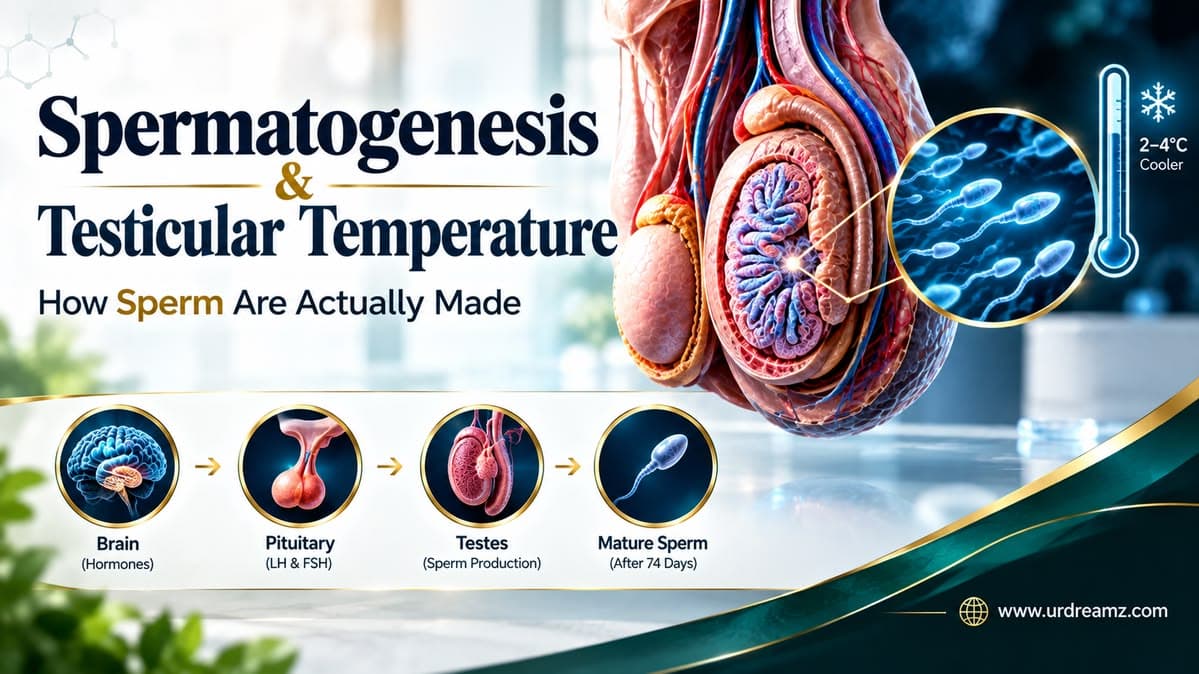
Heat exposure. The testes are positioned outside the main body cavity for a specific evolutionary reason: sperm production requires a temperature slightly below normal core body temperature. Men who are regularly exposed to high heat — whether through occupation (such as working near furnaces or in extremely hot climates), frequent hot baths, saunas, or even prolonged laptop use directly on the lap — can see a measurable, though often reversible, drop in sperm count as a result.
Structural and surgical factors. Surgery near the testes, a hernia repair that affects the surrounding structures, or a condition called varicocele (enlarged veins within the scrotum, somewhat similar to varicose veins) can all physically interfere with normal sperm production or transport. Varicocele in particular is one of the most common — and most treatable — surgical causes of male infertility.
Beyond these individual causes, it's worth understanding that they often interact with one another rather than acting in isolation. A man with a mild nutritional deficiency who also smokes and works in a hot environment is likely to see a more significant combined effect than any single factor would produce on its own, simply because oxidative stress, heat, and missing nutrients all impair the same underlying cellular processes. This is one reason a comprehensive lifestyle approach, rather than addressing just one factor, tends to produce better real-world results — improving diet alone while continuing to smoke, for example, often shows a smaller improvement than expected, because the smoking-related damage continues to offset the dietary benefit.
It's also worth briefly addressing genetic and congenital causes, which affect a smaller but still meaningful proportion of men with severe infertility. Conditions such as Klinefelter syndrome, Y-chromosome microdeletions, or congenital absence of the vas deferens (the tube that carries sperm) are present from birth and are not caused by lifestyle or environmental factors at all. These conditions are typically identified through genetic testing when a semen analysis shows azoospermia with no other obvious cause, and they matter practically because they change the treatment conversation — some of these conditions are compatible with surgical sperm retrieval and IVF/ICSI, while others may not be, which is exactly why a proper diagnostic workup, rather than guesswork, is so important before deciding on a treatment path.
When any of these factors becomes severe enough, semen analysis may reveal one of two specific diagnoses. Azoospermia means that no sperm at all is present in the ejaculate, or that a microscopic examination finds none that are viable. Oligospermia means sperm is present but in a lower concentration than the normal reference range. Both are medical findings, not verdicts — many men diagnosed with oligospermia go on to father children through a combination of lifestyle change, medical treatment, or assisted reproduction, and even some cases of azoospermia can be addressed through surgical sperm retrieval combined with IVF-based techniques.
Fertility-Boosting Foods
Diet has a direct, measurable impact on sperm quality, because sperm cells are literally built from the raw materials available in the bloodstream — proteins, fats, vitamins, and minerals. A diet that's consistently low in these building blocks, or high in the kind of processed food that promotes inflammation, shows up in semen analysis results over time. The foods below are commonly recommended because they're rich in zinc, antioxidants, and omega-3 fatty acids, all of which play a documented role in healthy sperm production, motility, and structural integrity.
| Food | Benefit | How to Use |
|---|---|---|
| Pumpkin seeds | Rich in zinc, a core mineral for sperm production and testosterone metabolism | A handful daily, ideally in the morning |
| Walnuts | Omega-3 fatty acids improve sperm structure and membrane health | 4–5 pieces daily |
| Eggs | High-quality complete protein and vitamin E | 1–2 eggs at breakfast |
| Leafy greens (spinach etc.) | Folic acid protects sperm DNA quality | 3–4 times a week |
| Pomegranate | Antioxidants that support blood flow and sperm count | 1 glass of juice or the fruit daily |
| Dark chocolate (small amount) | Flavonoids and L-arginine support semen volume | Small portion 2–3 times a week |
| Garlic | Selenium and allicin improve blood circulation | Include daily in cooking |
| Bananas | Vitamin B6 and bromelain enzyme support hormone regulation | 1 banana daily |
| Citrus fruits (oranges, lemons) | Vitamin C reduces oxidative stress on sperm cells | Daily as fruit or fresh juice |
| Oysters and shellfish | Extremely high natural zinc content | 1–2 servings a week where available |
Beyond the individual items above, it helps to think in terms of overall dietary patterns rather than any single "miracle food." A largely whole-food, Mediterranean-style diet — rich in vegetables, fruit, whole grains, nuts, fish, and olive oil, and relatively low in red meat, refined sugar, and heavily processed snacks — has repeatedly been associated in research with better sperm parameters compared to a typical Western processed diet. This isn't about extreme restriction; it's about consistency over the roughly three-month window it takes for a new batch of sperm cells to fully mature. A single healthy meal won't change a semen analysis result, but three months of consistently better eating very often will.
It's also worth being specific about what tends to work against fertility on the food side. Diets very high in processed meat, trans fats, and sugary drinks have been linked in multiple studies to lower sperm concentration and motility. Excessive soy-based processed food in very large quantities has occasionally been flagged as a possible concern due to plant compounds that mildly mimic estrogen, though normal dietary amounts of soy are not considered a significant risk for most men. The more consistent and better-supported concern is simply the volume of ultra-processed food replacing nutrient-dense whole food in the modern diet.
Diet Priority Chart
The chart below is a simplified visual summary, for general awareness, of how different diet categories relate to sperm health based on the nutrients they typically provide or, in the case of processed food, typically displace from the diet.
This chart is meant purely as a general awareness tool to help visualize dietary priorities — it is not a medical diagnosis or a substitute for a personalized nutrition plan. Every man's baseline health, existing medical conditions, and semen analysis findings are different, so before making major dietary changes, especially if there is an existing diagnosis such as diabetes, high cholesterol, or a kidney condition, it's worth discussing the plan with a doctor or a registered nutritionist who can tailor it appropriately.
Natural Home Remedies
Long before modern semen analysis existed, traditional households across South Asia relied on a set of simple, food-based home remedies believed to support male vitality and reproductive health. Modern nutrition science has, in many cases, found a genuine basis for why some of these remedies work — largely because the ingredients involved happen to be naturally rich in the same vitamins and minerals that formal fertility diets recommend. It's important to frame these correctly: they are supportive daily habits, not clinical treatments, and they work best as part of a broader healthy lifestyle rather than as a stand-alone fix for a diagnosed medical condition.
| Remedy | How to Use | Benefit |
|---|---|---|
| Honey with warm milk | 1 spoon of honey in warm milk before bed | Supports energy and stamina, and provides trace minerals |
| Ajwain (carom seeds) with honey | A small amount with honey in the morning | Supports digestion and circulation |
| Dates | 3–4 dates daily | Natural source of energy, iron, and minerals |
| Soaked almonds | Almonds soaked overnight, blended into milk in the morning | Vitamin E and healthy fats that support sperm membranes |
| Fenugreek seeds | Soaked overnight in water, consumed in the morning | Traditionally used to support testosterone levels |
| Ashwagandha root | Traditionally taken as a powder mixed with warm milk | An adaptogenic herb studied for stress reduction and its possible link to healthier sperm parameters |
| Black seed (Kalonji) | A small amount mixed with honey | Rich in antioxidant compounds |
A few practical notes make these remedies more effective in real life. Consistency matters far more than quantity — a small daily habit sustained for the full three-month sperm production cycle will generally do more than an occasional large dose taken sporadically. It also helps to treat these remedies as additions to an already reasonable diet rather than replacements for basic nutrition; honey and dates, for example, are useful for energy and minerals, but they cannot substitute for the protein, zinc, and folate found in the foods discussed earlier.
It's equally important to be honest about the limits of home remedies. If a semen analysis has already confirmed a diagnosis such as azoospermia, a significant hormonal imbalance, or a structural issue like varicocele, home remedies alone are very unlikely to resolve the underlying problem. In those situations, they can still play a supportive role alongside medical treatment, but relying on them exclusively while delaying a proper medical evaluation can mean losing valuable time — something that matters more the longer a couple has already been trying to conceive.
Lifestyle Changes and Their Impact
Of all the factors within a man's direct control, lifestyle habits tend to produce the most consistent, well-documented improvements in semen quality — often more than diet alone, because several of them address multiple biological pathways at once. Smoking, for instance, doesn't just affect the lungs; tobacco smoke introduces a large load of oxidative stress directly into the bloodstream, and sperm cells are particularly vulnerable to this kind of cellular damage because they have very limited internal repair mechanisms compared to other cells in the body. Studies consistently show that smokers have lower sperm counts, reduced motility, and a higher percentage of abnormally shaped sperm compared to non-smokers, and that these parameters measurably improve within a few months of quitting.
Alcohol works through a related but distinct mechanism — heavy, regular alcohol consumption disrupts the hormonal signaling between the brain and the testes that regulates sperm production, and it can directly impair liver function, which in turn affects how the body processes hormones like testosterone and estrogen. Occasional, moderate drinking is not typically associated with major fertility problems, but frequent heavy drinking is one of the more reversible causes of reduced sperm count once it's addressed.
Body weight plays a surprisingly large role as well. Excess body fat, particularly around the abdomen, increases the conversion of testosterone into estrogen through a process that occurs in fat tissue, which shifts the hormonal balance in a direction that isn't favorable for sperm production. Obesity is also linked to increased scrotal temperature simply due to additional insulating tissue, tying back into the heat-sensitivity issue discussed earlier. Gradual, sustainable weight loss through diet and exercise — rather than extreme crash dieting, which can itself disrupt hormone levels — tends to produce the best fertility-related outcomes.
Sleep and stress are often underestimated, but both affect the same hormonal axis that governs testosterone and sperm production. Testosterone is produced primarily during deep sleep, so men who consistently sleep fewer than six hours a night often show measurably lower testosterone levels than those who get seven to eight hours. Chronic stress, meanwhile, elevates cortisol, a hormone that in excess can suppress the reproductive hormone system. Neither factor works in isolation — poor sleep tends to increase stress, and stress tends to disrupt sleep, so improving one often helps the other.
Finally, on the physical side, the testes sit outside the main body cavity specifically because sperm production requires a temperature slightly below normal core body temperature — typically a few degrees cooler. Habits that raise scrotal temperature, even mildly but consistently, can measurably affect sperm production. This includes keeping a laptop directly on the lap for extended periods, wearing tight synthetic underwear or jeans for most of the day, taking frequent long hot baths, or regular sauna or hot tub use. None of these need to be eliminated entirely for most men, but reducing their frequency is a simple, low-cost change with a reasonable evidence base behind it.
Environmental exposure outside the home also deserves attention as part of a complete lifestyle picture. Men who work in occupations involving prolonged sitting in a hot vehicle cabin, such as professional driving, or who work in kitchens, foundries, or other consistently hot environments, may want to be especially deliberate about the other lifestyle factors within their control, since the heat exposure itself is often difficult to eliminate entirely. Similarly, everyday exposure to certain plastics and their chemical components, particularly when hot food or drink is stored in low-quality plastic containers, has been studied as a possible minor contributing factor to hormone disruption; switching to glass or food-grade stainless steel containers where practical is a small, low-effort precaution some men choose to take, though the overall evidence for this specific factor is less robust than for smoking, alcohol, weight, sleep, and heat exposure.
Exercise and Fitness
| Activity | Frequency | Benefit |
|---|---|---|
| Brisk walking | 5 days a week, 30 minutes | Improves circulation and supports weight control |
| Light to moderate weight training | 3 days a week | Naturally supports healthy testosterone levels |
| Yoga / stretching | 3–4 days a week | Reduces stress hormones and improves blood flow |
| Swimming | 2–3 days a week | Full-body, low-impact cardiovascular exercise |
| Cycling (avoid long sessions) | Keep sessions moderate and use a padded seat | Extended, frequent cycling can put sustained pressure and heat on the testicular area |
Regular moderate exercise is one of the most consistently supported lifestyle interventions for male fertility, largely because it addresses several of the underlying issues discussed above at once: it helps regulate body weight, improves insulin sensitivity, supports healthy testosterone production, and reduces the chronic low-grade inflammation associated with a sedentary lifestyle. The key word, however, is moderate. Research on extremely high-volume endurance training — very long-distance cycling, ultra-marathon training, or prolonged daily high-intensity training without adequate recovery — has occasionally shown the opposite effect, with some studies linking overtraining to temporarily reduced testosterone and semen quality. For most men, this threshold is far beyond typical recreational exercise, but it's a useful reminder that more is not always better when it comes to physical stress on the body.
Strength training in particular deserves a specific mention because of its relationship with testosterone. Compound movements that engage large muscle groups — squats, deadlifts, and similar exercises — are associated with a healthy hormonal response when performed at a sustainable frequency with adequate rest between sessions. Pairing strength training with regular cardiovascular activity like brisk walking or swimming tends to produce better overall results than either approach alone.
Medical Treatment Options
When a semen analysis reveals azoospermia, severe oligospermia, or another clearly abnormal result, lifestyle and dietary changes alone are often not enough, and a proper medical workup becomes necessary to identify the exact underlying cause. The good news is that male infertility today has a wider range of effective treatment options than ever before, and many men who receive a difficult initial diagnosis go on to father children through one of the pathways below. The following is general information only — the right treatment can only be decided by a qualified urologist or fertility specialist after appropriate testing.
| Treatment | When It's Used |
|---|---|
| Hormonal Therapy | When blood tests reveal a hormone imbalance — such as low testosterone, high prolactin, or a pituitary-related issue — that is suppressing sperm production |
| Varicocele Surgery | When swollen, enlarged veins around the testes are physically raising scrotal temperature and impairing sperm production; this is one of the most common surgically correctable causes |
| Antibiotic Treatment | When a bacterial infection or a sexually transmitted infection is identified as the underlying or contributing cause |
| IUI (Intrauterine Insemination) | When sperm count or motility is mildly to moderately reduced but conception is still considered achievable with medical assistance |
| IVF / ICSI | When natural conception or IUI is unlikely to succeed; ICSI in particular allows a single healthy sperm to be directly injected into an egg, making it useful even in cases of very low sperm count |
| Sperm Retrieval (TESA/TESE) | In select azoospermia cases where sperm production is still occurring inside the testes despite none reaching the ejaculate, sperm can sometimes be retrieved surgically for use with IVF/ICSI |
It's worth understanding, at least at a general level, what a fertility workup for a man typically involves, since it demystifies a process that many men approach with unnecessary anxiety. It usually begins with at least one, and often two, semen analyses spaced a few weeks apart, since sperm parameters can naturally fluctuate. Depending on the results, this may be followed by hormone blood tests (checking testosterone, FSH, LH, and prolactin among others), a physical examination to check for varicocele or other structural issues, and occasionally a scrotal ultrasound or genetic testing if the initial findings suggest a less common underlying cause. This step-by-step process exists specifically to avoid guesswork — treating a hormonal cause with surgery, or a structural cause with hormone therapy, generally won't produce results, which is why accurate diagnosis comes before treatment selection.
Many men also want to know, realistically, what success rates look like once a treatment path is chosen, and while exact numbers vary by clinic, underlying cause, and the age of both partners, it's fair to say that outcomes have improved substantially over the past two decades as diagnostic tools and assisted reproduction techniques have advanced. Varicocele surgery, for example, is associated in research with meaningful improvement in semen parameters for a large proportion of men who undergo it, and hormonal therapy for a confirmed hormone-driven cause often produces a fairly direct, trackable improvement over a few months. Even in more difficult cases involving very low or absent sperm counts, the combination of surgical sperm retrieval with ICSI has opened a realistic path to biological fatherhood for many men who, a generation ago, would have been told there were no further options. None of this removes the emotional difficulty of an infertility diagnosis, but it is worth knowing, as a simple matter of fact, that "difficult" is very different from "hopeless" in nearly all of these scenarios.
Assisted reproductive technologies deserve a brief, honest explanation as well, since they're often misunderstood as a "last resort" rather than a legitimate, commonly used medical pathway. IUI involves placing specially prepared sperm directly into the uterus around the time of ovulation, which is useful when sperm motility is somewhat reduced but the count is still reasonable. IVF involves fertilizing an egg with sperm outside the body before transferring the resulting embryo into the uterus, and it's used across a wide range of fertility challenges from both partners. ICSI, a refinement of IVF, involves a specialist selecting a single healthy-looking sperm and injecting it directly into an egg, which has made pregnancy achievable even for men with very severe sperm count reductions who would have had few options a generation ago.
Supplements and Vitamins
| Supplement | Role |
|---|---|
| Zinc | Fundamental for sperm production and testosterone metabolism |
| Folic Acid | Supports sperm DNA quality and reduces abnormal sperm formation |
| Vitamin C and E | Antioxidants that protect sperm from oxidative damage |
| Vitamin D | Linked in research to healthier testosterone levels and sperm motility |
| CoQ10 | Supports the energy-producing part of the sperm cell, aiding motility |
| L-Carnitine | Supports sperm energy metabolism and motility |
| Selenium | Works alongside antioxidants to protect sperm cell membranes |
| Omega-3 Fatty Acids | Supports sperm membrane flexibility and overall structure |
Supplements can play a genuinely useful supporting role, particularly for men whose diet doesn't reliably cover these nutrients, or for men who have a confirmed deficiency identified through blood testing. That said, supplements work best as a targeted correction rather than a blanket solution taken indiscriminately in large amounts. More is not automatically better — some of these nutrients, including zinc and selenium, can actually become harmful in excessive doses, and unnecessary high-dose supplementation without a clear deficiency is generally not recommended.
This is precisely why confirming any supplement dosage with a doctor or pharmacist matters, especially for a man who is already taking other medication for an unrelated condition, since interactions are possible. Self-medication based on generic advice from packaging or the internet, without knowing one's actual nutrient levels, is one of the more common and avoidable mistakes men make when trying to improve fertility on their own.
It also helps to understand roughly how these supplements are typically studied and used in a clinical context, since that context explains why doctors are often more cautious about them than online product marketing suggests. Most of the research behind nutrients like CoQ10, L-carnitine, and selenium comes from studies where men with a confirmed fertility issue were followed over a period of around three months, matching the natural sperm production cycle discussed earlier in this guide. Results in these studies are generally described in terms of modest, measurable improvement in specific semen parameters rather than a guaranteed fix, and outcomes vary meaningfully between individuals. This is a useful, realistic expectation to carry into any supplement decision — a well-chosen supplement, taken consistently and appropriately, is a reasonable part of a broader fertility plan, but it is not typically, on its own, a substitute for addressing an underlying medical cause identified through proper testing.
Sperm Recovery Timeline
One of the most important things to understand about male fertility is timing. Unlike many health metrics that can shift within days, sperm undergoes a full production and maturation cycle that takes roughly 64 to 72 days from start to finish, plus an additional two weeks or so for final maturation as it travels through the reproductive tract. This means that any change made today — whether it's quitting smoking, starting a new diet, or beginning a supplement — will not be reflected in a semen analysis taken next week. It takes a full cycle, generally around three months, before the fuller effect of a sustained change becomes visible in test results.
This timeline matters practically in two ways. First, it explains why doctors generally ask men to repeat a semen analysis after roughly three months of a lifestyle change or treatment rather than after a few weeks — testing too early risks a misleadingly discouraging result that doesn't reflect the change that's actually underway. Second, it's a useful psychological anchor for men trying to stay consistent with new habits: the absence of an immediate, visible result at two weeks doesn't mean the changes aren't working, it means the biological process simply hasn't completed its cycle yet.
Common Mistakes to Avoid
A number of avoidable habits and misconceptions can quietly work against fertility efforts, sometimes for months, before a man realizes what's happening. The first and most common is taking supplements or medication without a doctor's advice, often based on advertising or informal recommendations, without knowing whether an actual deficiency exists — this can waste money at best and cause an interaction or side effect at worst.
A second common mistake is relying exclusively on home remedies while avoiding a proper medical checkup, particularly when a couple has already been trying to conceive for a year or more. Home remedies are genuinely useful as supportive habits, but they are not a substitute for identifying whether a treatable medical cause — such as varicocele, a hormonal imbalance, or an infection — is present.
Continuing to smoke, use tobacco products, or use recreational substances while otherwise trying to "eat healthy" is another frequent inconsistency; as discussed earlier, tobacco and substance use tend to have an outsized negative effect that can outweigh the benefit of dietary improvements made elsewhere.
Neglecting sleep and ignoring chronic stress is a mistake that's easy to overlook because neither feels directly connected to fertility, but both operate through the same hormonal pathways that regulate testosterone and sperm production. Similarly, habitually keeping a laptop on the lap for long working hours, or spending extended periods in hot baths or saunas, is a small daily habit that can add up to a meaningful cumulative effect on testicular temperature over months.
Finally, testing too early — checking semen quality just a week or two after starting a change and concluding that "nothing is working" — is a mistake rooted in a misunderstanding of the roughly three-month sperm production cycle discussed in the previous section. Patience, paired with consistency, matters more than intensity for almost every intervention discussed in this guide.
One more mistake worth naming directly is treating a fertility concern as a solely private, individual issue rather than something to discuss openly with a partner. Many men delay seeking testing or treatment out of embarrassment, which can quietly add months or years of unnecessary stress and uncertainty to a couple's fertility journey. Since a fertility evaluation is most useful and most accurate when both partners are assessed together, and since emotional stress itself can worsen semen parameters as discussed earlier, approaching the process as a shared, judgment-free effort tends to produce both better emotional outcomes and, indirectly, better medical ones.
When to See a Doctor
As a general guideline, if a couple has been trying to conceive through regular, unprotected intercourse for a full year without success, it's time for both partners to be evaluated — and for the male partner, this typically starts with a straightforward semen analysis. If the female partner is over 35, doctors often recommend starting this evaluation sooner, generally after six months, simply because age can be a more time-sensitive factor on that side.
There are also several specific situations where seeing a doctor sooner, rather than waiting for the one-year mark, makes sense. A history of mumps after puberty, a past sexually transmitted infection, previous surgery near the testes or groin, a known or suspected varicocele, exposure to chemotherapy or radiotherapy, or a physically noticeable change in the testes (such as swelling, pain, or an unusual lump) are all reasons to seek an earlier evaluation. Similarly, if a semen analysis has already been done independently and shows a clearly abnormal result, there's little benefit in waiting — earlier diagnosis generally means more, and better, treatment options are still available.
It's also worth remembering that a fertility evaluation is a two-person process. Even when the semen analysis result is favorable, or when it isn't, both partners benefit from being assessed together, since a combination of mild factors on both sides can sometimes add up to a bigger overall impact than either factor alone.
Choosing the right specialist also matters. A urologist with specific training in male reproductive health, sometimes called an andrologist, is generally better equipped to interpret a semen analysis in full context than a general physician, since subtle patterns in sperm count, motility, and morphology together often point toward a specific underlying cause that isn't obvious from the numbers alone. Many fertility clinics also have male-fertility specialists on staff specifically for this reason, and couples going through IVF or ICSI will typically have both partners' care coordinated closely between a gynecologist or reproductive endocrinologist and, where relevant, a urologist.
Frequently Asked Questions
How can I increase my sperm count?
A diet rich in zinc and folic acid, regular exercise, good sleep, stress reduction, and avoiding smoking and alcohol all support sperm count over the roughly three-month sperm production cycle. Severe cases identified through semen analysis still need medical supervision alongside these lifestyle changes.
Can sperm increase in 10 days?
A full sperm production cycle is 64–72 days, so a major, testable change in 10 days is unlikely, though the biological benefits of lifestyle improvements do begin building from day one.
What can I drink to increase my sperm?
Plenty of plain water for general hydration, pomegranate juice for its antioxidant content, and smoothies made with dried fruits, nuts, and milk are commonly recommended as supportive daily drinks.
Can weak sperm still make a baby?
Yes, pregnancy is still possible with reduced motility, though the chances per cycle are generally lower, and techniques like IUI, IVF, or ICSI can meaningfully improve the odds when natural conception is difficult.
What foods boost sperm faster?
Pumpkin seeds, walnuts, eggs, leafy green vegetables, and citrus fruits are among the foods most commonly associated with better sperm parameters, largely due to their zinc, omega-3, folate, and vitamin C content.
What are the top 10 male fertility supplements?
Zinc, folic acid, vitamin C, vitamin E, vitamin D, CoQ10, L-carnitine, selenium, omega-3 fatty acids, and vitamin B12 are among the most commonly discussed and researched options.
How to improve sperm quality in 7 days?
Major measurable change in a single week is unlikely given the sperm production cycle, but hydration, consistent sleep, and avoiding alcohol and tobacco can start contributing to improvement immediately.
What are signs of poor sperm?
Low semen volume, unusually thin or watery consistency, or a long, unexplained delay in achieving pregnancy can be indirect signs, but a confirmed diagnosis only comes from a laboratory semen analysis.
What vitamins boost sperm?
Vitamin C, vitamin E, and vitamin D are among the vitamins most often associated with supporting sperm health and testosterone levels.
What kills sperm count the most?
Smoking, excessive alcohol consumption, obesity, chemical or radiation exposure, chronic stress with poor sleep, and prolonged heat exposure to the testes are among the most significant contributing factors.
Is 70% sperm motility normal?
Yes — WHO reference standards generally consider total motility above roughly 40% to be within the normal range, so a result of 70% would typically be considered a good result.
How do I get my sperm thick again?
Adequate hydration, a protein-rich diet, and avoiding tobacco and excessive alcohol can support normal semen consistency, but a persistent or ongoing change in consistency is worth having checked with a semen analysis.
How to boost sperm quality quickly?
A consistent combination of diet, moderate exercise, adequate sleep, and stress management tends to produce the fastest visible improvement within the natural limits of the sperm production cycle.
When is sperm count highest?
Sperm count is often reported as somewhat higher in morning samples and after a short period of abstinence of a few days, though this can vary meaningfully from person to person.
How quickly can sperm improve?
Small biological changes begin within 2–4 weeks of a lifestyle change, with the fuller, more measurable effect typically visible around the three-month mark once a full production cycle has completed.
How to quickly improve male fertility?
The single fastest-acting change is usually quitting smoking and substance use immediately, paired with consistent sleep and a nutrient-dense diet started right away.
Which fruit is best for sperm?
Pomegranate is especially noted in research for supporting healthy blood flow and sperm count, largely due to its high antioxidant content.
How to check sperm count at home?
Some at-home fertility test kits offer a rough estimate of sperm concentration, but an accurate, complete diagnosis — including motility and morphology — still requires a proper laboratory semen analysis.
What foods give more sperm?
Protein-rich foods such as eggs and lentils, zinc-rich foods such as pumpkin seeds, and healthy fats from walnuts and almonds are commonly associated with supporting semen volume and quality.
At what age is male sperm most fertile?
Fertility is generally considered to be at its peak from the twenties into the early thirties, with a gradual, individually variable decline in sperm quality often noted afterward.
Can I get pregnant with 30% sperm motility?
It's possible, though the chances per cycle are typically lower than average; a doctor may recommend assisted reproduction techniques such as IUI or IVF depending on the full picture from testing.
How to conceive fast as a man?
A consistently healthy diet, gradual weight management if needed, avoiding tobacco and excess alcohol, and regular checkups all meaningfully improve the odds of a quicker conception.
What are male fertility tips to get pregnant?
Regular intimacy timed around the fertile window, a generally healthy lifestyle, and active stress reduction are consistently cited as the most important, evidence-supported tips for couples trying to conceive.
Is there medicine to increase male fertility?
In some cases, once testing identifies a specific hormonal cause, doctors do prescribe hormonal or supplement-based treatment — but this decision is always made after proper testing, not through self-medication based on generic advice.
Does stress really affect sperm count?
Yes — chronic stress raises cortisol, a hormone that can suppress the reproductive hormone system over time, which is why stress management is considered a genuine, evidence-based part of a fertility plan rather than just general wellness advice.
Can a low sperm count still lead to a natural pregnancy?
Yes, in many cases of mild to moderate oligospermia, natural pregnancy is still achievable, particularly when combined with the lifestyle changes and, where appropriate, the medical treatments discussed throughout this guide.
Does age affect male fertility the way it affects female fertility?
Not to the same degree, since men continue producing sperm throughout life, but research does show a gradual decline in sperm quality, motility, and DNA integrity from the mid-thirties onward, so age is still a relevant, if less dramatic, factor.
Can wearing tight underwear really lower sperm count?
Yes, tight underwear and clothing can raise scrotal temperature slightly but consistently over time, and since sperm production is temperature-sensitive, switching to looser-fitting underwear is a simple, low-cost change many doctors recommend.
Is it normal for sperm count to vary between tests?
Yes, sperm count and other semen parameters can naturally fluctuate from one sample to another due to factors like recent illness, stress, or the period of abstinence before the test, which is why doctors often request two separate semen analyses before drawing conclusions.
Does frequent ejaculation reduce sperm count?
Very frequent ejaculation can temporarily lower the sperm count in a single sample, but it does not damage long-term fertility; for couples actively trying to conceive, moderate frequency around the fertile window is generally recommended over either extreme.
Can varicocele be treated without surgery?
Mild varicocele without symptoms or fertility impact is sometimes simply monitored, but when it is identified as a contributing cause of infertility, surgical repair is typically the most effective treatment option currently available.
How is male infertility actually diagnosed?
Diagnosis usually starts with a semen analysis, and depending on the result, may be followed by hormone blood tests, a physical examination, and sometimes imaging or genetic testing to identify the precise underlying cause before treatment begins.
Can obesity alone cause low sperm count?
Obesity can significantly contribute to reduced sperm count and quality through hormonal changes and increased scrotal temperature, and in many men, gradual weight loss alone leads to a measurable improvement in semen parameters.
Conclusion
Male fertility and sperm count aren't something to feel embarrassed about discussing — they're a normal, well-understood part of overall health, and in most cases, they respond meaningfully to the right combination of information, consistent habits, and timely medical support. This guide has walked through the major causes behind low sperm count, from infections and chemical exposure to heat and nutritional deficiency; the foods and traditional home remedies that genuinely support sperm health; the lifestyle changes, from sleep to smoking cessation, with the strongest evidence behind them; the supplements worth understanding rather than guessing at; and the medical treatments available once natural changes alone aren't sufficient.
The most important takeaway is simply this: sperm is regenerated roughly every three months, which means almost every man has a genuine, biologically grounded opportunity to improve his fertility outlook through consistent, patient effort rather than a single dramatic change. A healthy diet, a supportive daily lifestyle, and — when needed — proper medical guidance from a urologist or fertility specialist can work together far more effectively than any single change on its own. For any man currently facing this concern, the most useful next step is rarely more worry, and almost always simply a proper semen analysis to understand exactly where things stand before choosing the right path forward — clarity, more than anything else, is usually what turns anxiety into an actionable plan.