How High Blood Pressure Affects Skin, Hair, Aging and Overall Appearance
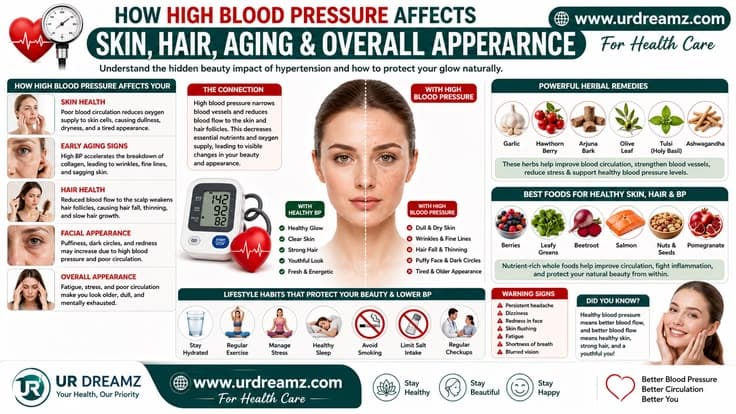
High blood pressure is widely known for damaging the heart and kidneys, but few people realize it leaves a profound mark on your outer appearance too. From thinning hair and dull skin to premature wrinkles and facial flushing, hypertension quietly reshapes the way you look and feel. This comprehensive guide explains every connection between blood pressure and beauty, along with practical herbal remedies, foods, and lifestyle habits to help you protect your skin and hair.
1. What Is High Blood Pressure and Why Does It Matter for Beauty?
High blood pressure, medically known as hypertension, is a condition where the force of blood pushing against artery walls remains consistently too high. It is often called a "silent killer" because it rarely causes noticeable symptoms until significant damage has already occurred. Normal blood pressure is typically below 120/80 mmHg. Readings of 130/80 mmHg or above are classified as hypertension.
Most people associate hypertension with heart attacks, strokes, and kidney disease. However, dermatologists and cardiologists increasingly recognize its powerful influence on external appearance. The skin is the body's largest organ and relies on a dense network of tiny capillaries for oxygen and nutrient delivery. When blood pressure is chronically elevated, it damages and stiffens these micro-vessels, starving skin cells and hair follicles of what they need to thrive.
| Category | Systolic (mmHg) | Diastolic (mmHg) | Action Required |
|---|---|---|---|
| Normal | Less than 120 | Less than 80 | Maintain healthy lifestyle |
| Elevated | 120 to 129 | Less than 80 | Lifestyle changes recommended |
| High BP Stage 1 | 130 to 139 | 80 to 89 | Lifestyle changes, consider medication |
| High BP Stage 2 | 140 or higher | 90 or higher | Medication plus lifestyle changes |
| Hypertensive Crisis | Higher than 180 | Higher than 120 | Seek emergency medical care immediately |
The beauty impact of hypertension is real and measurable. Research published in a peer-reviewed journal found that pores and wrinkles are positively correlated with blood pressure levels. Uncontrolled hypertension accelerates collagen breakdown, restricts scalp blood flow, and triggers inflammation that worsens multiple skin conditions.
2. How High Blood Pressure Causes Hair Loss
High blood pressure does not cause hair loss directly, but it acts as a powerful indirect trigger through three main pathways: medication side effects, physical and emotional stress, and reduced blood circulation to the scalp.
Every hair follicle depends on a continuous supply of oxygen, protein, vitamins, and minerals delivered by tiny capillaries beneath the scalp surface. When hypertension restricts this blood flow, the follicles become undernourished. This shortens the active growth phase of each hair strand and pushes follicles prematurely into the resting and shedding phase, a condition called telogen effluvium.
| Hair Growth Phase | Normal Duration | Effect of Poor Circulation | Visible Result |
|---|---|---|---|
| Anagen (Growth) | 2 to 7 years | Phase shortened by nutrient deprivation | Shorter, weaker hair strands |
| Catagen (Transition) | 2 to 3 weeks | Reached earlier than normal | Reduced thickness |
| Telogen (Resting) | 2 to 4 months | More follicles enter this phase at once | Diffuse shedding across the scalp |
| Exogen (Shedding) | Normal loss: 50 to 100 hairs per day | Loss increases to 200 to 300 hairs per day | Visible hair thinning |
A Japanese research team discovered a convincing correlation between hair loss and hypertension, and a 2007 European Journal of Dermatology study reported a strong link between elevated blood pressure and baldness. Both extremely high and extremely low blood pressure can disrupt healthy scalp blood flow and deprive follicles of essential nourishment.
The good news is that hair loss related to high blood pressure is almost always reversible. Because this type of shedding is telogen effluvium rather than permanent follicle destruction, resolving the underlying cause allows the hair to regrow. Hair regrowth typically begins within three to six months after the trigger is addressed, with full recovery taking up to twelve to eighteen months.
3. Blood Pressure Medications and Hair Thinning
The most common cause of hair loss in people with hypertension is not the condition itself but the prescription medications used to manage it. Certain antihypertensive drugs push hair follicles prematurely into the resting phase, triggering temporary but noticeable shedding that usually appears two to four months after starting a new prescription.
| Drug Class | Common Examples | Hair Loss Risk | Mechanism |
|---|---|---|---|
| Beta-Blockers | Metoprolol, Propranolol, Atenolol | Moderate | Reduces heart rate and scalp circulation, depriving follicles of oxygen |
| ACE Inhibitors | Lisinopril, Enalapril | Low to Moderate | Depletes trace minerals like zinc needed for keratin production |
| Diuretics (Water Pills) | Hydrochlorothiazide | Low to Moderate | Flushes out essential electrolytes including magnesium, potassium and iron |
| ARBs (Angiotensin II Receptor Blockers) | Losartan, Valsartan, Candesartan | Very Low | Generally not associated with hair loss |
| Calcium Channel Blockers | Amlodipine, Nifedipine, Diltiazem | Very Low | Generally not associated with hair loss |
| Minoxidil | Rogaine, Oral Minoxidil | Promotes hair growth | Originally a BP drug, now used to treat hair loss by widening blood vessels |
| Spironolactone | Aldactone | Treats female hair loss | Blocks androgens responsible for female pattern hair loss |
An important and fascinating fact is that some blood pressure medications actually treat hair loss rather than causing it. Minoxidil, originally developed as an oral antihypertensive drug, is now the most widely used topical treatment for hair regrowth worldwide. It works by relaxing blood vessels and increasing blood supply to shrunken hair follicles. Spironolactone, a diuretic blood pressure medication, is widely prescribed off-label to combat female pattern hair loss by blocking the androgen hormones that shrink follicles.
Never stop taking your blood pressure medication without consulting your doctor. Abrupt withdrawal can cause dangerous spikes in blood pressure. Instead, discuss your hair concerns openly so your doctor can adjust dosage or switch you to a medication class with a lower risk of hair thinning, such as an ARB or Calcium Channel Blocker. Hair typically regrows within twelve to eighteen months after switching medications.
4. How Hypertension Affects Your Skin
Hypertension impacts skin health by damaging small blood vessels and reducing the delivery of vital nutrients and oxygen to skin cells. This restricted blood flow accelerates aging, resulting in expedited collagen loss, increased wrinkles, thinning skin, and a duller complexion over time. The skin-blood pressure relationship goes in both directions: inflammatory skin conditions like moderate to severe psoriasis and eczema are also linked to a higher risk of developing high blood pressure.
| Skin Condition | Cause Related to Hypertension | Appearance | Management |
|---|---|---|---|
| Accelerated Wrinkles | Reduced oxygen and collagen breakdown | Fine lines, deep creases, sagging skin | Control blood pressure, use collagen-supporting skincare |
| Dry and Itchy Skin | Impaired moisture regulation and kidney stress | Rough texture, flaking, persistent dryness | Hydrate well, use gentle moisturizers |
| Skin Redness | Medication side effects from ACE inhibitors | Diffuse red patches or rash | Consult doctor about medication alternatives |
| Psoriasis Flares | Shared inflammatory pathways | Thick, scaly, inflamed patches | Reduce inflammation through diet and stress management |
| Xanthelasma | Associated high cholesterol (dyslipidemia) | Yellowish cholesterol plaques on eyelids | Manage cholesterol and blood pressure together |
| Impaired Wound Healing | Poor circulation slows skin cell repair | Cuts and blemishes linger longer | Improve circulation through exercise and diet |
Research published by the National Institutes of Health found that excess sodium accumulation in the skin is closely tied to hypertension and disrupts the skin's natural fluid regulation. Some diuretic blood pressure medications may also increase the long-term risk of non-melanoma skin cancer through photosensitization, making daily sunscreen application especially important for people on these drugs.
5. Does High Blood Pressure Change Your Facial Appearance?
High blood pressure does not directly alter permanent facial structure, but it can significantly affect your face's color, texture, swelling, and overall skin quality. Most of these changes develop gradually and are more noticeable in people with long-term uncontrolled hypertension.
| Facial Change | Mechanism | When It Appears | Is It Reversible? |
|---|---|---|---|
| Facial Flushing | Blood vessels dilate during BP spikes | During stress, exercise or heat | Yes, temporary |
| Persistent Redness | Chronic vascular dilation and rosacea | Long-term uncontrolled hypertension | Partially, with treatment |
| Spider Veins on Face | Weakened micro-capillaries burst under pressure | Progressive with age and BP | Laser treatment may help |
| Facial Swelling or Puffiness | Medication side effects (ACE inhibitors, ARBs) | After starting new medication | Yes, after medication adjustment |
| Blood Spots in Eyes | Burst capillaries in the whites of the eyes | During BP spikes | Usually resolves within weeks |
| Pulsing Temples | High pressure forces blood through arteries forcefully | During elevated BP episodes | Yes, with BP control |
A study published in ScienceDirect found that patients with essential hypertension exhibit significant changes in facial color and spectral reflectance parameters. Deep forehead wrinkles have been identified in research as a potential early visual indicator of cardiovascular disease, specifically atherosclerosis. Scientists believe this is because the same collagen protein changes and oxidative stress that damage blood vessels in the heart also affect the tiny blood vessels supplying the skin of the forehead.
If you notice sudden severe facial redness, unexpected facial swelling, or vision changes, seek medical evaluation promptly. These can be signs of a hypertensive crisis or stroke, which require immediate emergency attention.
6. High Blood Pressure and Premature Aging
High blood pressure and aging are so deeply intertwined that scientists describe hypertension as a disease of premature vascular aging. The American Heart Association published research confirming that hypertension causes premature aging of endothelial function in humans. Uncontrolled blood pressure stresses organs and mimics the physical wear-and-tear typically seen in much older individuals.
Arteries naturally lose elasticity and stiffen with age, which raises blood pressure over time. But hypertension dramatically accelerates this process, creating a destructive cycle where high pressure stiffens arteries further, which raises pressure even more. This vascular aging also directly speeds up the visible aging of skin, hair, bones, and cognitive function.
| Body System | Normal Aging Effect | Hypertension's Acceleration | Visible or Measurable Outcome |
|---|---|---|---|
| Skin | Gradual collagen loss after age 25 | Faster collagen breakdown from reduced oxygen | Earlier wrinkles, sagging, dull complexion |
| Blood Vessels | Arteries stiffen slowly over decades | Stiffening accelerated by years or decades | Reduced skin glow, dark circles, spider veins |
| Bones | Bone density decreases from age 30 | High BP linked to accelerated bone loss | Increased fracture risk at younger ages |
| Brain | Gradual cognitive slowing with age | Restricted brain blood flow causes faster decline | Memory issues, reduced focus, brain fog |
| Hair | Natural thinning from mid-40s onward | Follicle miniaturization accelerated | Hair thinning starts earlier and progresses faster |
Research from teenagers has confirmed that high blood pressure, obesity, and type 2 diabetes in young people increase the risk of premature aging of blood vessels even before age 30. This underscores the importance of maintaining healthy blood pressure from an early age for both long-term cardiovascular health and long-term beauty.
7. Skin Problems Caused by Poor Blood Circulation
Poor blood circulation restricts the delivery of oxygen and essential nutrients to the skin, leading to visible, structural, and textural changes. Left untreated, these issues can result in chronic inflammation, permanent discoloration, and open sores. The skin is one of the first organs to show visible signs when circulation is compromised.
| Skin Condition | Cause | Appearance | Treatment Approach |
|---|---|---|---|
| Stasis Dermatitis (Venous Eczema) | Blood pooling in leg veins | Itchy, red-brown, swollen skin on lower legs | Compression stockings, elevation of legs |
| Skin Discoloration | Poor venous return or poor arterial supply | Pale, bluish, or dark brown staining near ankles | Treat underlying vascular condition |
| Thin Shiny Skin | Peripheral artery disease | Paper-thin, tight or unnaturally shiny skin on legs and feet | Improve arterial blood flow, specialist care |
| Cold and Numb Extremities | Reduced blood carrying heat to hands and feet | Abnormally cold hands and feet, color changes | Movement, warmth, address underlying cause |
| Skin Ulcers | Oxygen-deprived skin breaks down under minor pressure | Slow or non-healing open wounds on ankles or feet | Wound care, vascular evaluation, compression |
| Chilblains | Cold exposure combined with poor circulation | Painful red or dark blotchy patches on toes and fingers | Warmth, protection from cold, improve circulation |
Managing these skin changes requires addressing the underlying vascular cause, not just the surface symptoms. Elevating the legs above heart level several times daily helps improve blood flow and reduce swelling. Wearing medical-grade compression stockings promotes upward blood flow in the legs. Avoiding long periods of sitting or standing without movement keeps blood circulating efficiently throughout the body.
8. How Stress, Blood Pressure and Hair Loss Are Connected
Stress, blood pressure, and hair loss form a tightly interconnected biological loop. Emotional or physical stress elevates blood pressure by triggering the release of cortisol and adrenaline. These hormones constrict blood vessels, spike heart rate, and restrict scalp blood flow. Simultaneously, elevated cortisol forces hair follicles out of their active growth phase and into the resting phase, dramatically increasing shedding several weeks later.
One compelling study found that women under extreme pressure are eleven times more likely to experience hair shedding compared to women with healthy stress levels. The NIH confirmed through animal studies that stress hormones directly impair the stem cells necessary for hair growth.
| Type | Trigger | Pattern of Loss | Timeline | Reversible? |
|---|---|---|---|---|
| Telogen Effluvium | Physical or emotional trauma, illness, surgery | Diffuse shedding across entire scalp | Appears 6 to 12 weeks after stressful event | Yes, fully reversible |
| Alopecia Areata | Autoimmune response triggered by stress | Circular patchy bald spots | Can appear at any time during or after stress | Often reversible with treatment |
| Trichotillomania | Impulse control disorder worsened by stress | Irregular patches where hair is pulled | Ongoing behavior-linked | Yes, with behavioral therapy |
The key to breaking this stress-BP-hair loss cycle is managing all three factors together. Lowering cortisol through daily relaxation practices reduces blood pressure spikes, restores scalp blood flow, and allows follicles to re-enter the active growth phase. Practices such as deep breathing, yoga, meditation, and spending time outdoors have each been shown to reduce cortisol and lower resting blood pressure.
9. Best Foods for Healthy Skin and Heart Health
The foods you eat directly shape both your cardiovascular health and the condition of your skin and hair. A diet rich in antioxidants, omega-3 fatty acids, vitamins C and E, and healthy fats feeds skin cells and blood vessels from the inside out. The DASH (Dietary Approaches to Stop Hypertension) diet is the gold standard for managing blood pressure while simultaneously nourishing beauty.
| Food | Key Nutrients | Skin Benefit | Hair Benefit | Heart Benefit |
|---|---|---|---|---|
| Salmon and Fatty Fish | Omega-3 fatty acids, Vitamin D | Reduces inflammation, keeps skin moisturized | Strengthens hair shaft, reduces breakage | Lowers triglycerides, reduces blood pressure |
| Avocado | Healthy fats, Vitamin E, Vitamin C | Protects from oxidative damage | Nourishes scalp, adds shine | Lowers bad LDL cholesterol |
| Blueberries and Berries | Vitamin C, Anthocyanins, Antioxidants | Boosts collagen, fights free radicals | Strengthens hair follicles | Reduces cardiovascular disease risk |
| Tomatoes | Lycopene, Beta-carotene | Protects from sun damage, smooths skin | Improves scalp health | Prevents artery hardening and blood clots |
| Walnuts and Almonds | Vitamin E, Zinc, Plant Omega-3 | Critical for wound healing and inflammation control | Provides zinc needed for keratin production | Supports arterial health |
| Spinach and Leafy Greens | Iron, Folate, Vitamin A, Potassium | Promotes skin cell renewal | Prevents iron-deficiency hair loss | Lowers blood pressure via potassium |
| Sweet Potatoes | Beta-carotene, Vitamin A | Natural skin protector and glow-booster | Promotes scalp health | Anti-inflammatory properties |
| Oatmeal | Beta-glucan fiber, Zinc, Silica | Soothes irritated or dry skin | Provides silica for hair strength | Lowers bad cholesterol significantly |
| Green Tea | EGCG, Catechins, Antioxidants | Reduces skin aging and UV damage | Stimulates hair follicle growth | Lowers blood pressure and LDL |
| Dark Chocolate (70% or above) | Flavonoids, Magnesium | Improves skin hydration and texture | Supports blood flow to scalp | Reduces blood pressure moderately |
Foods to limit or avoid include high-sodium processed foods (which spike blood pressure and cause skin puffiness), sugar and refined carbohydrates (which accelerate glycation and skin aging), trans fats (which inflame blood vessels and skin), and excessive alcohol (which dehydrates skin, disrupts sleep, and raises blood pressure).
10. 17 Herbs for Hair Loss Treatment
Herbal medicine has used plant-based remedies for centuries to stimulate scalp circulation, nourish hair follicles, reduce stress hormones, and combat the hormonal imbalances that lead to hair thinning. The following seventeen herbs are among the most extensively researched and traditionally used natural treatments for hair loss.
| Herb | Traditional System | How It Helps Hair | How to Use |
|---|---|---|---|
| Rosemary | Western and Ayurvedic herbalism | Stimulates blood circulation to scalp, promotes hair growth, reduces dandruff | Diluted rosemary essential oil scalp massage or rosemary-infused hair rinse |
| Peppermint | European and Asian herbal traditions | Natural vasodilator that increases scalp blood flow and restarts hair growth cycle | Diluted peppermint oil scalp massage, leave-on scalp treatment |
| Gotu Kola (Centella Asiatica) | Traditional Asian medicine, Ayurveda | Strengthens blood vessel walls, boosts blood flow to hair roots | Oral supplement, herbal tea, or scalp oil |
| Ashwagandha | Ayurvedic medicine | Reduces cortisol and oxidative stress, improves systemic circulation for healthy follicles | Daily oral supplement (300 to 600 mg), herbal tea |
| Ginger | Chinese and Ayurvedic medicine | Warming herb that stimulates blood vessels in the scalp, aids cell renewal | Ginger-infused hair oil scalp massage, ginger tea consumed daily |
| Bhringraj (Eclipta Alba) | Ayurvedic medicine | Stimulates dormant follicles and extends the active growth phase of hair | Bhringraj oil scalp massage, oral supplement |
| Amla (Indian Gooseberry) | Ayurvedic medicine | Prevents hair loss and greying, strengthens follicles, boosts scalp circulation | Amla oil scalp massage, amla powder mixed with water as hair mask |
| Saw Palmetto | Native American and Western herbalism | Blocks DHT hormone responsible for androgenetic hair loss | Oral supplement (320 mg daily), topical serum |
| Aloe Vera | Ancient Egyptian and Ayurvedic traditions | Deeply hydrates scalp, stimulates hair length, soothes inflammation around follicles | Fresh aloe gel applied directly to scalp and hair |
| Horsetail | European herbal medicine | Rich in silica which strengthens hair shaft and reduces breakage, stimulates scalp circulation | Oral supplement, herbal tea, or scalp rinse |
| Ginseng | Traditional Chinese and Korean medicine | Contains ginsenosides that stimulate scalp circulation and promote hair follicle regeneration | Ginseng-infused oil scalp massage, oral supplement |
| Nettle Leaf (Stinging Nettle) | European herbal medicine | Blocks DHT, rich in iron and silica that strengthen hair, reduces scalp inflammation | Nettle tea consumed daily, nettle hair rinse, oral supplement |
| Licorice Root | Chinese and Ayurvedic medicine | Reduces scalp inflammation, soothes dry scalp conditions that impair hair growth | Scalp treatment oil, herbal tea |
| Hibiscus | Ayurvedic and African herbal traditions | Strengthens hair roots, prevents premature thinning, adds shine, conditions scalp | Hibiscus oil scalp massage, hibiscus flower paste hair mask, herbal rinse |
| Fenugreek (Methi) | Ayurvedic medicine, Middle Eastern traditions | Rich in protein and nicotinic acid that feeds follicles and stimulates hair growth | Fenugreek paste applied to scalp, seeds soaked overnight then blended |
| Green Tea | East Asian traditions | EGCG antioxidants inhibit DHT, stimulate hair follicle cell proliferation | Two to three cups daily, green tea scalp rinse, topical serums |
| Brahmi (Bacopa Monnieri) | Ayurvedic medicine | Nourishes hair roots, reduces stress-related hair fall, prevents split ends and dryness | Brahmi oil scalp massage, oral supplement |
When using herbal oils for scalp massage, warm the oil slightly before application. Use the pads of your fingers rather than nails to massage in circular motions for five to ten minutes. Leave the oil on for at least thirty minutes or overnight before washing out with a mild shampoo. Consistency over several weeks to months is necessary to observe meaningful results.
Always do a patch test before applying any new herbal preparation to the scalp. People taking blood pressure medications should consult their healthcare provider before starting any new herbal supplement, as some herbs may interact with antihypertensive drugs.
11. 23 Herbs for Skin Health and Beauty
Plants have been used for skin health since ancient times across every major healing tradition. Modern research continues to validate many of these traditional uses, confirming the ability of plant compounds to reduce inflammation, improve skin microcirculation, boost collagen synthesis, neutralize free radicals, and protect against UV damage. The following twenty-three herbs offer evidence-based support for healthier, more youthful-looking skin.
| Herb | Primary Skin Benefit | Key Active Compounds | Best Form of Use |
|---|---|---|---|
| Turmeric | Anti-inflammatory, brightens skin tone, reduces dark spots and acne | Curcumin | Face mask, supplement, golden milk drink |
| Aloe Vera | Soothes irritated skin, deeply hydrates, heals wounds, reduces redness | Aloesin, Polysaccharides, Vitamins | Fresh gel applied directly to skin |
| Calendula | Anti-inflammatory, heals dry or irritated skin, soothes eczema and minor burns | Flavonoids, Triterpenoids | Infused oil, cream, topical tea rinse |
| Rosemary | Balances sebum production, stimulates circulation for a natural glow | Rosmarinic acid, Antioxidants | Facial steam, infused face oil, toner |
| Chamomile | Calms sensitive or inflamed skin, reduces redness and puffiness | Bisabolol, Apigenin | Chamomile tea compress, essential oil diluted, facial toner |
| Gotu Kola | Boosts collagen synthesis, improves skin elasticity, speeds wound healing | Triterpenoids (Asiatic acid) | Topical cream, oral supplement, herbal tea |
| Hibiscus | Natural exfoliator, improves elasticity, combats skin aging, brightens complexion | AHAs, Vitamin C, Anthocyanins | Hibiscus tea, face mask powder, topical serum |
| Green Tea | Powerful antioxidant, reduces UV damage, calms redness, shrinks pores | EGCG, Catechins, Polyphenols | Cooled green tea toner, face mask, daily oral consumption |
| Lavender | Heals acne, reduces hyperpigmentation, calms skin and stress-triggered flares | Linalool, Linalyl acetate | Diluted essential oil, facial mist, bath soak |
| Licorice Root | Brightens dark spots, reduces hyperpigmentation, soothes inflamed skin | Glabridin | Topical serum, spot treatment cream |
| Neem | Antibacterial and antifungal, clears acne, treats dry and scaly skin conditions | Nimbin, Nimbidin, Azadirachtin | Neem oil diluted in carrier oil, neem leaf paste mask |
| Witch Hazel | Natural astringent, tightens pores, reduces oiliness and inflammation | Tannins, Gallic acid | Toner applied with cotton pad, facial mist |
| Ginger | Anti-inflammatory, reduces redness and skin irritation, promotes even tone | Gingerols, Shogaols | Ginger tea, face mask with honey, topical treatment |
| Ashwagandha | Reduces cortisol-driven skin aging, improves skin elasticity, fights oxidative stress | Withanolides | Daily oral supplement, face cream, herbal tea |
| Manjistha (Rubia Cordifolia) | Powerful blood purifier in Ayurveda, brightens skin, reduces inflammatory conditions | Anthraquinones, Flavonoids | Oral supplement, face mask mixed with honey |
| Rose (Rosa Damascena) | Deeply hydrates, soothes redness, tones skin and tightens pores | Vitamin C, Tannins, Flavonoids | Rosewater toner, rose hip oil, facial steam |
| Comfrey | Promotes rapid skin cell renewal, heals wounds, reduces wrinkles | Allantoin | Topical cream or balm |
| Turmeric and Black Pepper Combination | Anti-inflammatory synergy, enhances curcumin absorption for deeper skin benefits | Curcumin enhanced by Piperine | Taken together as daily supplement or in cooking |
| Milk Thistle | Liver detoxification that clears skin from inside, antioxidant protection | Silymarin | Oral supplement, herbal tea |
| Burdock Root | Detoxifies blood which clears acne and eczema, reduces scalp and skin inflammation | Inulin, Polyacetylenes, Antioxidants | Herbal tea, oral supplement, topical tincture |
| Holy Basil (Tulsi) | Antibacterial, reduces acne, calms skin stress response, anti-aging antioxidant | Eugenol, Ursolic acid | Tulsi tea, face steam, leaf paste applied to skin |
| Pomegranate | Stimulates collagen synthesis, protects from UV damage, deeply antioxidant | Ellagic acid, Punicalagins | Pomegranate seed oil, oral supplement, fresh juice |
| Sea Buckthorn | Regenerates skin cells, heals dry and sun-damaged skin, intensely nourishing | Omega-7 fatty acids, Vitamins C and E, Carotenoids | Sea buckthorn oil applied topically or taken orally |
For hypertension patients specifically, herbs that support skin health without raising blood pressure include aloe vera, chamomile, calendula, gotu kola, and green tea. Herbal remedies containing high amounts of licorice root in oral supplement form should be used cautiously, as large doses of glycyrrhizin can raise blood pressure in some people. Always consult a healthcare professional before combining herbal supplements with prescription antihypertensive medications.
12. How to Improve Blood Circulation for Better Skin and Hair
Healthy blood circulation acts as your body's built-in nourishment system. By pumping oxygen and essential nutrients to the skin's surface and hair roots while clearing away metabolic waste, proper blood flow minimizes dullness, supports collagen production, and promotes stronger, faster hair growth. You can naturally enhance circulation through targeted lifestyle adjustments practiced consistently.
| Method | Benefit for Skin | Benefit for Hair | How Often |
|---|---|---|---|
| Aerobic Exercise (Walking, Swimming, Cycling) | Dilates blood vessels, delivers oxygen to skin cells, creates natural glow | Boosts overall blood volume reaching scalp | At least 150 minutes per week |
| Scalp Massage | Improves nutrient delivery to facial skin indirectly | Directly increases capillary blood flow to follicles | 5 to 10 minutes daily |
| Facial Massage with Upward Strokes | Stimulates microcirculation, reduces puffiness, enhances glow | Not applicable directly | Daily morning routine |
| Yoga | Sends oxygenated blood to skin during inversions and twists | Inversions temporarily increase scalp blood flow | 3 to 5 times per week |
| Dermarolling or Microneedling | Stimulates collagen and new blood vessel formation in skin | Creates micro-wounds that trigger follicle regeneration | Once per week for scalp, less frequently for face |
| Staying Well Hydrated | Maintains blood volume and skin plumpness | Thins blood for more efficient scalp circulation | 8 to 10 glasses of water daily |
| Omega-3 Rich Diet | Reduces vascular inflammation, supports skin barrier | Nourishes follicles via improved blood lipid quality | Include in meals 3 to 4 times per week |
| Stress Management | Prevents cortisol-driven vascular constriction and skin aging | Reduces cortisol-triggered hair shedding | Daily relaxation practice |
Minoxidil remains the only FDA-approved topical treatment clinically proven to combat hair loss by widening blood vessels in the scalp and keeping hair follicles in their growth phase. Platelet-Rich Plasma (PRP) therapy is a clinical procedure that uses a concentrated injection of your own blood growth factors directly into the scalp to stimulate dormant follicles. Both are worth discussing with a dermatologist if herbal and lifestyle approaches are insufficient.
One important caution for people with hypertension: the traditional inversion method of hanging the head downwards off a bed to rush blood to the scalp should be avoided if you have high blood pressure, as it can cause dangerous spikes. Instead, rely on scalp massage and exercise for circulation benefits.
13. Anti-Aging Habits That Also Support Heart Health
The habits that slow biological aging at the cellular level are the same habits that protect cardiovascular health. This powerful overlap means that investing in heart health is simultaneously an investment in how you look and how long your skin, hair, and body remain vibrant.
| Habit | Anti-Aging Benefit | Heart Health Benefit | Target |
|---|---|---|---|
| Aerobic Exercise | Keeps arteries elastic, delays skin and organ aging | Strengthens heart muscle, lowers resting blood pressure | 150 minutes moderate intensity weekly |
| Strength Training | Maintains muscle mass which declines with age | Improves insulin sensitivity and metabolic health | 2 sessions per week |
| Heart-Smart Diet | Limits oxidative stress that ages skin and cells | Reduces plaque buildup and cholesterol | Follow DASH or Mediterranean-style eating |
| Quality Sleep | Blood vessels repair themselves during deep sleep | Lowers cortisol, reduces resting blood pressure | 7 to 9 hours nightly, consistent schedule |
| Stress Management | Reduces cortisol that breaks down collagen and causes hair loss | Prevents stress-driven blood pressure spikes | Daily meditation, breathing or yoga |
| Quit Smoking | Eliminates the largest preventable cause of premature skin aging | Dramatically reduces cardiovascular disease risk | Complete cessation |
| Limit Alcohol | Prevents dehydration-driven skin aging and inflammation | Reduces blood pressure elevation from heavy drinking | Maximum 1 drink daily for women, 2 for men |
| Monitor Health Numbers | Catch early signs of cellular aging before they compound | Keep blood pressure, cholesterol and blood sugar in check | Annual checkup and home BP monitoring |
Scientists at the American Heart Association confirmed that regular cardiovascular exercise improves VO2 max and slows cardiovascular aging by increasing the elasticity of the heart's left ventricle. This is the same elasticity that keeps arteries supple and skin firm. A whole-food diet limits both the oxidative stress that causes premature skin aging and the arterial plaque that leads to heart disease.
14. Beauty Tips for People with High Blood Pressure
Managing your beauty routine while living with high blood pressure requires some thoughtful adjustments. Certain beauty practices and products can unexpectedly raise blood pressure or worsen medication side effects. The following guidance helps you maintain a safe and effective beauty routine alongside hypertension management.
| Beauty Category | What to Avoid | What to Choose Instead | Reason |
|---|---|---|---|
| Skincare Products | High-dose topical caffeine creams, stimulating harsh scrubs | Hyaluronic acid serums, gentle moisturizers with ceramides | Strong stimulants can temporarily elevate blood pressure |
| Heat Treatments | Very hot saunas, steam rooms, extremely hot facials | Warm (not hot) steam, cool or lukewarm water rinses | Sudden temperature shifts trigger rapid heart rate changes |
| Hair Scalp Products | Heavily stimulating scalp oils with high-concentration capsaicin or menthol | Gentle scalp massage with rosemary or ginger oil | Strong vasodilators can cause sudden blood flow changes |
| Hair Washing | Scalding hot water on scalp | Lukewarm water that keeps blood pressure stable | Extremes of temperature stress the cardiovascular system |
| Chemical Hair Treatments | Strong relaxers or perms during BP fluctuations | Gentle conditioning treatments and natural hair care | Stress of chemical processes can worsen hair loss |
| Exercise-Related Beauty | Occlusive heavy makeup during hot yoga or intense cardio | Breathable, lightweight mineral formulas | Clogged pores combined with heat stress worsen skin health |
Turn your beauty routine into a stress-reduction ritual rather than a rushed task. Deep breathing exercises during skincare or makeup application naturally help lower resting blood pressure over time. Watching your sodium intake extends beyond food into some skincare and dental products that contain hidden sodium compounds. Reading ingredient labels is a worthwhile habit for comprehensive hypertension management.
15. How to Protect Your Skin and Hair While Managing Hypertension
People managing hypertension face a unique challenge: the medications that control their blood pressure can simultaneously trigger skin dryness, rashes, or temporary hair shedding. The following strategies help minimize these medication-related beauty side effects while keeping blood pressure well controlled.
| Common Side Effect | Medication Typically Responsible | Protective Strategy | When to Consult Doctor |
|---|---|---|---|
| Dry and Dehydrated Skin | Diuretics (water pills) | Drink extra water throughout the day, use rich hydrating moisturizers with shea butter | If dryness is severe and unresponsive to moisturizer |
| Leg Swelling or Edema | Calcium Channel Blockers | Elevate legs when resting, wear graduated compression stockings | If swelling is severe or rapidly worsening |
| Skin Rash or Hives | ACE Inhibitors, Beta-Blockers, Diuretics | Avoid harsh soaps, use fragrance-free gentle cleansers and moisturizers | Immediately if rash is accompanied by throat swelling (angioedema) |
| Hair Thinning or Shedding | Beta-Blockers, ACE Inhibitors, Diuretics | Avoid heat styling, tight hairstyles and chemical treatments; eat biotin and zinc-rich foods | If shedding is severe; ask about switching to ARBs or CCBs |
| Sun Sensitivity | Some Diuretics and ACE Inhibitors | Apply SPF 30 or above every morning regardless of weather | If unusual burning or rash develops after brief sun exposure |
| Nutrient Deficiencies | Diuretics flush out magnesium, potassium and zinc | Eat potassium-rich foods like spinach and avocado, consider targeted supplements with doctor approval | Get blood nutrient levels tested annually |
The most critical rule for anyone managing hypertension is never stopping or reducing blood pressure medication without medical guidance. Abrupt withdrawal can trigger dangerously high blood pressure spikes that pose immediate risk of stroke or heart attack. If you are concerned about medication side effects affecting your skin or hair, bring a list of your specific symptoms to your next appointment and discuss the possibility of dose adjustment or switching to a different drug class.
Consistent blood pressure monitoring at home using a validated digital monitor helps you and your doctor track whether your current treatment is working and identify the specific times of day when your BP is highest. This information is valuable for timing beauty treatments and physical activity safely.
16. Internal Links and Related Reading
This article is part of a larger Blood Pressure and Beauty cluster. Explore related topics to build a complete understanding of how cardiovascular health shapes your overall appearance and wellness.
- High Blood Pressure Explained: Causes, Symptoms and Diagnosis
- DASH Diet and Low-Sodium Recipes for Better Blood Pressure
- Blood Pressure in Children and Teenagers: What Parents Should Know
- Blood Pressure Lifestyle and Stress Management Guide
| Topic | Key Takeaway |
|---|---|
| Hair Loss | Hypertension indirectly causes hair loss through poor scalp circulation, stress hormones and medication side effects. Hair regrows once the trigger is resolved. |
| Skin Health | High BP reduces oxygen delivery to skin cells, accelerating collagen loss, dryness and skin aging. Managing BP improves skin glow over time. |
| Premature Aging | Hypertension accelerates vascular and skin aging by years or decades compared to people with controlled blood pressure. |
| Facial Appearance | High BP can cause facial flushing, spider veins, broken capillaries and swelling, especially through medication side effects. |
| Herbal Remedies | Rosemary, peppermint, gotu kola, ashwagandha, bhringraj and amla are among the most effective herbs for hair and skin affected by hypertension. |
| Best Foods | Fatty fish, avocado, berries, leafy greens, tomatoes and walnuts nourish both cardiovascular health and outer beauty simultaneously. |
| Lifestyle Habits | Regular exercise, quality sleep, stress management and a heart-healthy diet are the four pillars that protect both heart and beauty long-term. |
If you suspect high blood pressure is affecting your hair, skin or appearance, the first and most important step is to check your blood pressure readings and discuss findings with a healthcare professional. Beauty and cardiovascular health are deeply connected. Managing one means protecting the other.
Medical Disclaimer: This article is for informational and educational purposes only. It is not intended to replace professional medical advice, diagnosis or treatment. Always consult your doctor or a qualified healthcare provider before making any changes to your medication, diet or health routine.