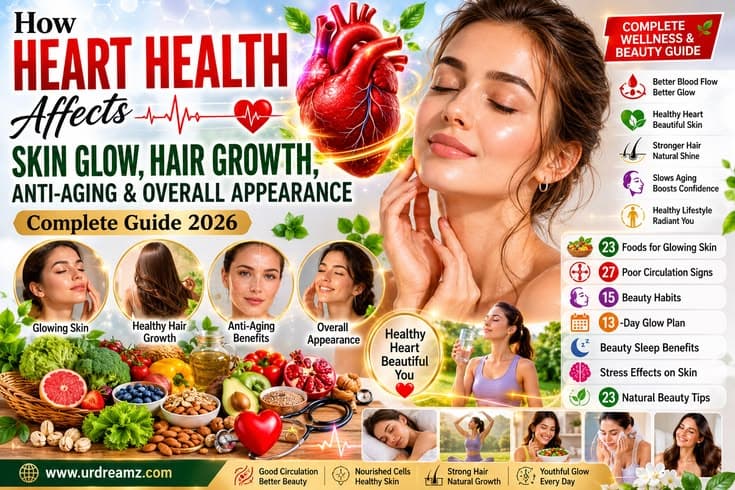
How Heart Health Affects Skin Glow, Hair Growth, Anti-Aging and Overall Appearance
Your heart and your appearance are more deeply connected than most people realize. Healthy blood circulation — driven by a strong cardiovascular system — is the biological foundation of glowing skin, strong hair, slower aging, and an overall vibrant look. When your heart pumps efficiently, it delivers oxygen, nutrients, and antioxidants to every skin cell and hair follicle in your body. When circulation slows, your skin dulls, your hair weakens, and aging accelerates visibly. This guide covers everything: the science behind the connection, foods that help, habits to build, signs of poor circulation, and complete beauty and wellness strategies.
How Heart Health Improves Skin Glow Naturally
A healthy heart naturally improves skin glow by optimizing cardiovascular circulation to efficiently deliver vital oxygen and nutrient-rich blood to skin cells. This enhanced microcirculation removes cellular waste, reduces inflammation, and balances hormones — leaving your complexion visibly brighter, firmer, and more radiant.
When circulation is strong and efficient, your skin tends to appear brighter, more evenly toned, and resilient. Reduced blood flow, on the other hand, can contribute to a dull, ashy, or pale appearance and can worsen existing skin conditions.
The Direct Aesthetic Impact of Blood Flow
The visual condition of your skin, hair, and complexion is closely bound to the health of your microcirculation — the network of tiny capillaries just beneath the surface of your skin.
- Complexion Radiance: Healthy blood flow delivers an abundance of oxygen. This prevents an ashy, pale, or dull appearance and replaces it with a natural, vibrant glow.
- Wrinkle Delay: Increased blood supply stimulates fibroblasts — the cells responsible for generating collagen and elastin. This structural reinforcement keeps skin plump, maintaining elasticity and reducing fine lines.
- Acne and Inflammation Control: Stagnant circulation causes cellular waste and metabolic byproducts to pool. Proper circulation clears these toxins via the lymphatic system, minimizing the chronic inflammation that triggers breakouts, eczema, and flaky skin.
- Under-Eye Brightness: Poorly oxygenated, slow-moving blood pooling in the delicate capillaries beneath the eyes is a primary cause of dark circles.
- Hair and Scalp Vitality: Blood vessels nourish hair follicles. Robust scalp circulation delivers the essential building blocks required to prevent thinning and promote strong hair growth.
| Circulatory State | Visual Appearance | Underlying Cellular Mechanism |
|---|---|---|
| Optimal Circulation | Luminous tone, firm contour, smooth texture, rapid blemish healing | High oxygen transport, robust collagen synthesis, efficient waste removal |
| Sluggish Circulation | Dull or pale tone, sagging skin, pronounced dark circles, slow healing | Nutrient starvation, breakdown of cellular matrix, toxin accumulation |
| Poor Microcirculation | Persistent puffiness, uneven skin tone, premature wrinkles, acne flares | Impaired lymph drainage, collagen breakdown, excess sebum production |
Key Habits That Strengthen the Heart-Skin Connection
- Boost Blood Flow with Cardio: Regular cardiovascular exercise acts as an internal glow-booster by pumping fresh, oxygenated blood into the skin's smallest capillaries. It also flushes out toxins and reduces stress hormones like cortisol.
- Eat Heart-Healthy, Skin-Loving Fats: Diets rich in Omega-3 fatty acids (found in fatty fish like salmon and mackerel) support both your cardiovascular system and your skin. They reduce inflammation, preserve collagen, and maintain your skin's natural lipid barrier.
- Prioritize Restorative Sleep: Getting 7 to 9 hours of quality rest gives your heart time to recover and is also when your skin undergoes vital cell repair and regeneration.
- Leverage Antioxidants: Consuming antioxidant-rich fruits and vegetables protects against free radical damage that accelerates aging and dulls the skin.
Blood Circulation and Beauty: The Science Behind the Glow
Optimal blood circulation is the fundamental baseline for healthy, glowing skin and youthful vitality. When your circulatory system functions efficiently, it acts as an internal delivery service — carrying oxygen, essential nutrients, and antioxidants directly to skin cells while flushing away cellular waste and toxins.
Primary Benefits of Enhanced Facial Blood Flow
- Natural Radiance: Fosters a healthy, flushed glow by bringing fresh, oxygenated blood to the skin's surface.
- Anti-Aging and Firmness: Provides the building blocks required for collagen synthesis, helping to keep skin plump and preventing fine lines and sagging.
- Accelerated Healing: Boosts tissue repair, aiding in the recovery of wounds, breakouts, and post-procedure skin.
- Detoxification and De-puffing: Helps stimulate the lymphatic system to clear metabolic waste, reducing under-eye bags, dark circles, and facial swelling.
- Better Product Absorption: Stimulates microcirculation, allowing your skin to better absorb the active ingredients in your daily skincare routine.
How to Boost Circulation for Better Skin
- Facial Massage (Gua Sha or Jade Roller): Using tools like a jade roller or Gua Sha in upward strokes releases muscle tension, stimulates vessels, and improves localized blood flow.
- Face Yoga and Tapping: Gentle tapping exercises wake up sleepy facial muscles and promote blood flow.
- Temperature Therapy: Alternating between warm and cool water during cleansing causes blood vessels to naturally dilate and constrict — acting as a mini-workout for your skin.
- Advanced Treatments: Clinical options like microneedling, LED light therapy, and microcurrent devices stimulate the skin's microvasculature to accelerate repair and collagen production.
23 Best Foods for Glowing Skin and Strong Hair
Eating a diet rich in proteins, healthy fats, and antioxidants is the most effective way to achieve radiant skin and strong, lustrous hair. Key nutrients like omega-3 fatty acids, vitamin C, biotin, and zinc help your body produce collagen, repair sun damage, and build strong hair follicles.
| Food | Key Nutrients | Skin Benefit | Hair Benefit |
|---|---|---|---|
| Salmon | Omega-3, Vitamin D | Reduces inflammation, retains moisture | Adds brilliant shine, strengthens follicles |
| Eggs | Biotin, Protein | Supports keratin production | Promotes keratin — the building block of hair |
| Avocados | Vitamin E, A, Healthy Fats | Natural moisturizer, plumps skin | Deeply nourishes and hydrates the scalp |
| Berries (Blueberries, Strawberries) | Vitamin C, Antioxidants | Promotes collagen, fights free radicals | Supports collagen to strengthen hair strands |
| Spinach | Iron, Folate, Vitamin C | Reduces dullness, evens skin tone | Helps red blood cells carry oxygen to hair follicles |
| Sweet Potatoes | Beta-Carotene (Vitamin A) | Encourages cell turnover, natural glow | Keeps the scalp moisturized with sebum |
| Walnuts | Omega-3, Vitamin E, Zinc | Protects against UV damage and sun stress | Reduces breakage, nourishes roots |
| Greek Yogurt | Protein, Calcium, Pantothenic Acid | Supports moisture retention and gut health | Boosts blood flow to the scalp |
| Pumpkin Seeds | Zinc, Magnesium, Arginine | Heals blemishes, reduces oil gland excess | Strengthens follicles, actively reduces shedding |
| Lentils | Iron, Protein, Biotin, Zinc | Reduces dullness caused by iron deficiency | Jump-starts hair growth, excellent vegetarian source |
| Tomatoes | Lycopene, Vitamin C | Powerful anti-inflammatory, protects arteries | Reduces scalp inflammation |
| Citrus Fruits (Oranges, Lemons) | Vitamin C, Flavonoids | Promotes collagen and even skin tone | Supports collagen in the hair structure |
| Chia Seeds | Omega-3, Calcium, Fiber | Reduces skin inflammation and redness | Nourishes follicles, reduces scalp dryness |
| Broccoli | Calcium, Potassium, Vitamins C and K | Boosts vascular flexibility for skin health | Provides iron and folate for oxygen delivery to roots |
| Kiwifruit | Vitamin C, Potassium, Magnesium | Brightens skin, accelerates healing | Reduces oxidative damage to follicles |
| Dark Chocolate (70%+ Cacao) | Flavonoids, Iron, Magnesium | Promotes blood vessel dilation for glow | Iron supports oxygen delivery to hair roots |
| Oysters | Zinc, Selenium, Protein | Regulates oil glands, reduces acne | One of the best zinc sources for hair follicle repair |
| Almonds | Vitamin E, Magnesium, Calcium | Protects skin from sun-induced oxidative damage | Reduces breakage, promotes scalp health |
| Garlic | Allicin, Selenium, Vitamin C | Dilates blood vessels, reduces inflammation | Promotes scalp circulation, antifungal properties |
| Beets | Dietary Nitrates, Iron, Folate | Converts to nitric oxide for natural skin glow | Improves oxygen delivery to scalp via blood flow |
| Flaxseeds | Omega-3, Lignans, Fiber | Locks in moisture, reduces inflammatory acne | Reduces scalp inflammation, promotes healthy growth |
| Sardines | Omega-3, Vitamin D, Protein | Reduces skin dryness and eczema risk | Strengthens hair shaft, adds luster |
| Watermelon | L-Citrulline, Lycopene, Vitamin C | Converts to nitric oxide for plump, hydrated skin | Hydrates the scalp, reduces brittleness |
Can Better Heart Health Improve Hair Growth?
Yes, improving heart health can significantly support better hair growth by enhancing blood circulation, delivering crucial oxygen and nutrients to hair follicles, and lowering stress hormones like cortisol.
How Cardiovascular Health Affects Hair
- Enhanced Circulation: Hair follicles sit deep in the skin and rely heavily on a vast network of blood vessels to function. When your heart pumps efficiently, it optimizes this blood supply — extending the active hair growth phase.
- Nutrient Delivery: Improved cardiovascular health ensures a steady stream of oxygen and essential building blocks (amino acids, vitamins, zinc, iron) reach the hair roots.
- Stress Reduction: Regular, balanced cardio reduces cortisol levels. High cortisol is known to disrupt the hair growth cycle and accelerate shedding.
- Reduced Androgenic Effects: Conditions like androgenetic alopecia (pattern baldness) and metabolic syndrome often share vascular roots, meaning hair thinning can sometimes be an early indicator of circulatory issues.
The Biology of Balding and Blood Flow
Research indicates that balding scalps experience a decrease in capillary density and lower overall blood volume compared to areas of the scalp with healthy hair growth. Studies demonstrate that compared to non-balding scalps, balding scalps have up to 2.6 times less subcutaneous blood flow — which leads to progressive follicle miniaturization and thinner hair over time.
Science-Backed Ways to Boost Scalp Blood Flow
- Scalp Massage: Massaging the scalp for 5 to 10 minutes daily relaxes tension and dilates blood vessels, boosting local nutrient delivery.
- Cardiovascular Exercise: Regular workouts improve overall body circulation, ensuring your head receives a steady supply of oxygen and nutrients.
- Microneedling: Creates tiny punctures on the scalp that trigger wound-healing responses, promoting new blood vessel formation and encouraging nutrient delivery.
- Minoxidil: This FDA-approved topical treatment acts as a vasodilator, specifically widening blood vessels to increase blood and nutrient supply to miniaturized hair follicles.
- Balanced Exercise: While moderate cardio promotes blood flow and a healthier scalp environment, it is important to avoid over-exercising. Chronic excessive cardio without proper recovery can increase inflammatory biomarkers and stress hormones.
Anti-Aging Benefits of Healthy Blood Circulation
Healthy blood circulation drives anti-aging by delivering oxygen and essential nutrients to tissues while removing cellular waste. This vascular support promotes vibrant skin, stimulates collagen production, improves organ function, and enhances natural regeneration throughout the body.
Skin Rejuvenation Through Circulation
- Boosts Fibroblast Activity: Adequate blood supply delivers the resources needed for fibroblasts to synthesize collagen and elastin, preserving skin firmness and bounce.
- Improves Complexion: Proper microcirculation avoids dull, sallow, or uneven skin tones by ensuring a rich supply of nutrients reaches the skin surface.
- Reduces Puffiness and Dark Circles: Improved microcirculation aids in clearing fluid buildup and insufficiently oxygenated blood under the eyes.
- Faster Repair: A robust nutrient supply speeds up cellular regeneration and helps heal small wounds, breakouts, and UV damage quickly.
Systemic Anti-Aging Effects
- Cellular Repair: Healthy circulation is vital for the delivery of proteins that repair traumatized skin and heal wounds faster.
- Brain and Organ Function: Continuous blood flow ensures all major organs receive necessary nutrients to function optimally, keeping both the brain sharp and the heart healthy.
- Vascular Integrity: Good circulation relies on the natural production of nitric oxide, which widens blood vessels, maintains healthy blood pressure, and reduces strain on the heart.
- Cellular Longevity: Proper circulatory support activates proteins and enzymes that naturally decline with age, maintaining muscle strength and tissue health.
- Joint and Muscle Health: Healthy circulation prevents muscle frailty and delivers vital nutrients needed for joint lubrication and repair.
| Intervention | Cardiovascular Impact | Visible Anti-Aging Benefit |
|---|---|---|
| Aerobic Exercise (150+ minutes per week) | Restores heart muscle elasticity and lowers arterial stiffness | Increases dermal blood flow, giving a natural vibrant glow |
| Polyphenol-Rich Diet | Limits cellular aging and manages cholesterol levels | Neutralizes free radicals to protect skin from collagen breakdown |
| Blood Pressure Control | Prevents arterial micro-tears and vascular stress | Restricts deeper wrinkles, skin thinning, and systemic dehydration |
| Deep Sleep (7–9 Hours) | Lowers baseline heart rate and systemic cortisol levels | Maximizes cell regeneration and overnight dermal repair cycles |
| Quitting Smoking | Restores arterial flexibility and oxygen-carrying capacity | Reverses premature aging, restores skin radiance and elasticity |
| Reducing Refined Sugar | Lowers advanced glycation end-products (AGEs) in blood vessels | Prevents collagen cross-linking and deep skin wrinkling |
27 Warning Signs of Poor Blood Circulation
Poor blood circulation is a non-specific symptom often caused by underlying issues like peripheral artery disease, diabetes, or blood clots. It restricts the delivery of vital oxygen and nutrients, which can lead to a broad range of physical warning signs throughout the body. Always consult a healthcare provider if you experience several of these symptoms together.
Extremities and Skin Signs
- Cold hands and feet — Extremities stay chilled even in warm environments.
- Numbness — A loss of feeling in fingers, toes, hands, or feet.
- Tingling — The classic pins-and-needles sensation in arms or legs.
- Skin discoloration — Skin appearing unusually pale, bluish, or purplish (cyanosis).
- Shiny skin — The skin over legs or feet loses elasticity and appears taut or shiny.
- Slow-healing wounds — Minor cuts or sores that take unusually long to heal due to lack of nutrient delivery.
- Dry or cracked skin — Often seen on feet and lower legs due to inadequate moisture and nutrient supply.
- Hair loss on legs — Noticeable thinning or hair loss on the legs, feet, and toes due to restricted follicle nourishment.
- Brittle toenails — Toenails become weak, thick, or grow unusually slowly.
- Swelling or edema — Fluid buildup causing abnormal swelling in the legs, ankles, and feet.
Face and Complexion Signs
- Dull, sallow complexion — A grey, flat, or lackluster appearance from lack of oxygenated blood.
- Dark circles — Sluggish blood pools under the delicate eye area causing persistent dark shadows.
- Chronic puffiness — Fluid builds up in the jawline, cheeks, and under-eye area.
- Facial numbness or tingling — A fuzzy sensation related to restricted blood flow reaching facial nerves.
- Persistent acne and uneven tone — When toxins cannot be cleared efficiently, breakouts and pigmentation issues develop.
- Premature wrinkling — Reduced nutrient flow hinders collagen production, leaving skin prone to fine lines.
Muscles, Veins, and Systemic Signs
- Muscle cramps — Painful cramping in the calves, feet, arms, or thighs.
- Claudication (leg pain during activity) — Cramping or heaviness in the legs when walking that eases with rest.
- Pain at rest — Leg or foot pain that persists even when lying down.
- Varicose veins — Twisted, bulging, or swollen blue-purple veins usually in the legs, caused by weakened vein valves.
- Spider veins — Tiny, thread-like red or purple veins visible just beneath the skin surface.
- Chronic fatigue — Feeling constantly exhausted because the body struggles to maintain energy levels.
- Cognitive impairment — Difficulty concentrating, confusion, or mild memory loss from restricted brain blood flow.
- Erectile dysfunction — In men, restricted pelvic blood flow can impair sexual function.
- Digestive issues — Slower blood flow to the gastrointestinal tract causing abdominal pain or complications.
- Weak pulse — A faint or difficult-to-find pulse in the legs or feet.
- Facial asymmetry or drooping — Sudden numbness, weakness, or drooping on one side of the face can be a medical emergency and a sign of a stroke.
Important Disclaimer: Persistent poor circulation can be a sign of serious conditions like Peripheral Artery Disease (PAD), diabetes, or heart disease. If you experience several of these symptoms, consult a healthcare provider or a board-certified vascular specialist immediately.
Beauty Sleep: How Sleep and Heart Health Improve Appearance
Beauty sleep is a scientifically proven reality. During the 7 to 9 hours of nightly rest, your body increases blood flow to the skin, triggers cellular renewal, and ramps up collagen production. This overnight repair combats wrinkles, reduces inflammation, and leaves you with a healthy, glowing complexion.
11 Key Skin Benefits of Quality Sleep
- Increased Skin Blood Flow: During deep sleep, blood circulation to the face spikes, delivering vital oxygen and nutrients to skin cells for repair and regeneration.
- Collagen Production: Your body releases human growth hormone (hGH) during deep sleep, which ramps up collagen and elastin production — the foundational proteins that keep skin plump, firm, and elastic.
- Reduced Wrinkles: Consistent sleep prevents collagen breakdown from exceeding production, helping skin stay smooth and firm over time.
- Skin Cell Turnover: Skin cell regeneration can more than double at night compared to daytime rates, removing damaged cells and replacing them with fresh ones.
- Prevents Dark Circles: Quality rest stabilizes fluid retention and helps you wake up looking refreshed and bright — preventing blood from pooling under your eyes.
- Fewer Breakouts: Adequate sleep prevents excess oil production triggered by cortisol spikes, reducing acne.
- Skin Barrier Recovery: Sleep restores your skin's moisture balance, preventing the dryness that makes wrinkles look more obvious and skin feel tight.
- Reduced Puffiness: Proper lymphatic drainage during sleep reduces facial swelling and de-puffs the under-eye area.
- Better Product Absorption: The skin's permeability is enhanced at night — making it the best time to apply targeted nighttime treatments like retinol or peptide serums.
- Stress Hormone Regulation: Sleep reduces cortisol levels, which helps prevent inflammation-triggered skin conditions like eczema, psoriasis, and rosacea flare-ups.
- UV Damage Repair: Overnight skin repair specifically targets UV-induced DNA damage, reducing the risk of age spots and premature aging from sun exposure.
Tips to Maximize Your Beauty Sleep
- Consistent Schedule: Maintain a consistent bedtime to align with your body's natural circadian rhythm.
- Sleep Position: Sleep on your back when possible to avoid physical pressure on your skin that can cause sleep creases.
- Silk Pillowcase: Swap cotton pillowcases for silk to minimize friction, reduce inflammation, and prevent moisture loss.
- Cool, Dark Room: Lower your bedroom temperature and eliminate blue light exposure 30 to 60 minutes before bed to allow your body to naturally produce melatonin.
- Elevate Your Head: If you frequently wake up with under-eye puffiness, use an extra pillow to elevate your head and improve lymphatic drainage.
- Active Nighttime Skincare: Apply targeted treatments like copper peptides, retinol, or restorative serums at night to complement your natural overnight repair cycle.
How Stress Damages Skin and Hair Health
Stress damages skin and hair by flooding your system with cortisol, triggering widespread inflammation and disrupting your body's cellular renewal processes. This hormonal surge compromises the skin's moisture barrier, spikes oil production, and restricts the nutrient supply needed for healthy hair follicles.
Impact of Stress on Skin
- Acne Breakouts: Elevated cortisol levels stimulate the skin's sebaceous glands to produce excess sebum, which clogs pores and invites acne-causing bacteria.
- Chronic Flare-Ups: Stress suppresses the immune system and increases neurogenic inflammation, triggering or worsening eczema, psoriasis, and rosacea.
- Impaired Barrier and Premature Aging: A weakened skin barrier struggles to retain moisture, leading to dryness and heightened sensitivity. Stress also breaks down collagen, accelerating fine lines and premature aging.
- Slow Healing: High stress impairs your skin's ability to naturally repair itself, meaning cuts, breakouts, and rashes take much longer to clear.
- Dull Complexion: Cortisol restricts microcirculation, reducing the delivery of nutrients and oxygen to skin cells, resulting in a grey and lifeless appearance.
Impact of Stress on Hair and Scalp
- Telogen Effluvium (Excessive Shedding): Emotional or physical distress diverts energy away from hair growth, forcing follicles into an early resting phase. You will typically experience sudden, diffuse hair thinning 3 to 4 months after a major stressful event.
- Scalp Irritation: Just like facial skin, your scalp reacts to stress with excess oil, flaking, dryness, and itchiness.
- Alopecia Areata: In some individuals, extreme stress causes the immune system to mistakenly attack hair follicles, resulting in patchy hair loss.
- Premature Graying: Chronic stress has been linked to the depletion of melanin-producing stem cells in hair follicles, which can speed up the graying process significantly.
How to Manage Stress for Better Skin and Hair
- For skin: Incorporate anti-inflammatory and resurfacing ingredients like retinol, benzoyl peroxide, or salicylic acid to control breakouts and unclog pores.
- For hair and scalp: Focus on gentle, hydrating scalp treatments and stress reduction techniques like meditation, yoga, or counseling to regulate your central nervous system.
- Daily movement: Even 20 minutes of walking reduces cortisol levels and improves both skin radiance and scalp circulation.
- Sleep and rest: Restoring sleep quality is one of the fastest ways to normalize cortisol and visibly reduce stress-related skin and hair damage.
13-Day Natural Glow Plan: From Dull to Radiant
Achieving a noticeable natural glow requires an intense, consistent focus on internal hydration, targeted skincare, and cellular repair. Here is a 13-day action plan that combines nutrition, skincare, and lifestyle habits for maximum results.
| Days | Phase | Morning Routine | Evening Routine | Daily Non-Negotiable |
|---|---|---|---|---|
| Days 1–3 | Detox and Exfoliate | Rice flour and rose water scrub; raw milk and tomato cleanse; Vitamin C serum + SPF 30 | Aloe vera gel mixed with Vitamin E oil as overnight mask | Drink 2.5 to 3 liters of water; cut all processed sugar |
| Days 4–6 | Deep Nourishment | Besan, turmeric, and curd mask for 15 minutes; apply lightweight hyaluronic acid moisturizer + SPF | 5-minute facial massage with almond or jojoba oil; apply retinol serum (first-time users start slowly) | Eat berries, oranges, and dark leafy greens daily; 20 minutes of light cardio |
| Days 7–9 | Brightening and Hydration | Papaya and honey brightening mask for 15 minutes; Vitamin C serum + SPF | Rose water toning; apply overnight peptide or copper serum; use silk pillowcase | Add omega-3 foods (salmon, walnuts, flaxseeds); get 7 to 9 hours of sleep each night |
| Days 10–11 | Skin Barrier Repair | Honey and aloe vera soothing mask; apply niacinamide serum + moisturizer + SPF | Apply a rich, occlusive moisturizer; avoid touching face overnight | Include probiotic foods (yogurt, kefir) to support the gut-skin axis |
| Days 12–13 | Lock In the Glow | Gentle cleanse with milk cleanser; Vitamin C serum; SPF 50 for extra protection | Celebratory deep moisture mask (shea butter or hyaluronic acid); full 8 hours of sleep | Maintain all habits; add a cold water face rinse in the morning for natural radiance boost |
Daily Lifestyle Rules for All 13 Days
- Drink at least 2.5 liters of water every day — dehydrated skin looks dull and aged.
- Avoid all forms of refined sugar, as they trigger glycation which breaks down collagen.
- Eat at least 5 portions of colorful fruits and vegetables daily.
- Get 7 to 9 hours of quality sleep every night — your skin repairs itself only during deep sleep.
- Never skip sunscreen — UV exposure ruins all your hard work and causes the most visible aging.
- Do 20 minutes of cardio daily to boost blood circulation and deliver nutrients to your skin cells.
23 Natural Ways to Improve Beauty Through Wellness
Achieving vibrant skin and healthy hair involves nurturing your body's foundation through consistent wellness practices. Here are 23 proven, science-backed natural beauty strategies.
| No. | Wellness Habit | How It Improves Beauty | Category |
|---|---|---|---|
| 1 | Drink 2.5 to 3 liters of water daily | Flushes toxins, plumps skin cells, prevents dullness | Hydration |
| 2 | Get 7 to 9 hours of sleep nightly | Triggers cellular repair, boosts collagen, reduces dark circles | Sleep |
| 3 | Eat antioxidant-rich foods daily | Fights free radical damage, preserves collagen, evens skin tone | Nutrition |
| 4 | Practice 20 minutes of cardio exercise daily | Boosts blood circulation delivering oxygen and nutrients to skin | Exercise |
| 5 | Include omega-3 fatty acids in your diet | Maintains skin moisture barrier, reduces scalp inflammation | Nutrition |
| 6 | Practice daily stress management (meditation, yoga) | Lowers cortisol, prevents acne flares, stops stress-induced hair loss | Mental Wellness |
| 7 | Apply SPF 30 or higher every morning | Prevents UV-induced collagen damage, age spots, and premature aging | Sun Protection |
| 8 | Exfoliate gently 2 to 3 times per week | Removes dead skin cells, improves texture, boosts product absorption | Skincare |
| 9 | Use a Vitamin C serum in the morning | Brightens dark spots, enhances luminosity, protects collagen | Skincare |
| 10 | Do a weekly scalp massage (5 to 10 minutes) | Stimulates scalp microcirculation, prolongs the hair growth phase | Hair Care |
| 11 | Quit smoking entirely | Reverses premature aging, restores skin oxygen, strengthens hair | Lifestyle |
| 12 | Reduce refined sugar and processed food intake | Prevents glycation that stiffens blood vessels and causes deep wrinkles | Nutrition |
| 13 | Eat probiotic-rich foods (yogurt, kefir, kimchi) | Supports gut-skin axis, reduces inflammatory skin conditions | Gut Health |
| 14 | Use a facial massage or Gua Sha tool regularly | Drains lymphatic system, reduces puffiness, improves circulation | Skincare Tools |
| 15 | Cleanse your face twice daily with a gentle cleanser | Removes toxins, excess oil, and environmental pollutants | Skincare |
| 16 | Apply a nighttime retinol or peptide serum | Accelerates cell turnover and collagen synthesis during sleep | Skincare |
| 17 | Limit alcohol to one or fewer drinks per day | Prevents dehydration, reduces facial puffiness, protects liver and skin | Lifestyle |
| 18 | Eat iron-rich foods to prevent anemia | Iron deficiency is a major cause of rapid hair shedding and dull skin | Nutrition |
| 19 | Sleep on a silk pillowcase | Prevents sleep creases, reduces friction on hair, retains skin moisture | Sleep |
| 20 | Do temperature alternation during face washing | Alternating warm and cool water exercises facial blood vessels | Skincare |
| 21 | Clean your makeup brushes at least twice a month | Prevents bacteria buildup that causes breakouts and skin irritation | Hygiene |
| 22 | Practice good oral hygiene daily | Prevents harmful bacteria from entering bloodstream and affecting arterial health | Oral Health |
| 23 | Use topical antioxidant serums (Vitamins C and E) | Defends against environmental stressors and supports healthy cholesterol | Skincare |
15 Superfoods for Heart Health and Youthful Appearance
A healthy cardiovascular system is the ultimate biological foundation for radiant, youthful skin. Peer-reviewed longevity data proves that lower cardiovascular risk scores directly correlate with looking significantly younger than your chronological age. Here are 15 superfoods that simultaneously protect your heart and improve your appearance.
| Superfood | Key Nutrients | Heart Health Benefit | Beauty Benefit |
|---|---|---|---|
| Salmon | Omega-3, Vitamin D, Protein | Reduces arterial inflammation, lowers triglycerides | Reduces skin dryness, adds hair shine |
| Walnuts | Omega-3, Vitamin E, Antioxidants | Lowers LDL cholesterol, improves arterial function | Reduces skin breakage, strengthens hair roots |
| Blueberries | Anthocyanins, Vitamin C, Fiber | Lowers blood pressure, fights arterial oxidative stress | Reduces skin aging, promotes collagen production |
| Dark Chocolate (70%+ Cacao) | Flavonoids, Iron, Magnesium | Promotes blood vessel dilation, lowers blood pressure | Improves skin glow through enhanced microcirculation |
| Legumes (Lentils, Chickpeas, Beans) | Protein, Fiber, Iron, Zinc | Lowers cholesterol, stabilizes blood sugar | Provides iron for hair follicle oxygen delivery |
| Tofu | Isoflavones, Protein, Calcium | Improves arterial elasticity, reduces blood pressure | Reduces skin aging effects through antioxidant isoflavones |
| Oatmeal | Beta-Glucan Fiber, Magnesium | Lowers LDL cholesterol, manages blood pressure | Soothes skin inflammation, provides magnesium for cell repair |
| Flaxseeds | Omega-3, Lignans, Fiber | Reduces arterial stiffness, lowers blood pressure | Locks in skin moisture, reduces scalp inflammation |
| Avocado | Monounsaturated Fats, Potassium, Vitamin E | Lowers LDL, raises HDL cholesterol | Natural skin moisturizer, nourishes hair and scalp |
| Pomegranate | Punicalagins, Anthocyanins, Vitamin C | Lowers systolic blood pressure significantly | Powerful anti-aging antioxidant, promotes skin cell renewal |
| Spinach | Nitrates, Potassium, Magnesium, Iron | Relaxes blood vessels, lowers blood pressure | Reduces skin dullness caused by iron deficiency |
| Olive Oil (Extra Virgin) | Oleocanthal, Vitamin E, Polyphenols | Reduces inflammation, improves cholesterol balance | Protects skin from oxidative aging, supports skin barrier |
| Garlic | Allicin, Selenium, Sulfur Compounds | Acts as a natural ACE inhibitor, lowers blood pressure | Dilates blood vessels for glowing skin, has antifungal scalp properties |
| Beets | Dietary Nitrates, Folate, Iron | Converts to nitric oxide, dramatically improves circulation | Creates a natural flush and glow in the skin |
| Green Tea | EGCG Catechins, L-Theanine, Antioxidants | Reduces LDL cholesterol, protects arterial walls | Reduces UV skin damage, calms inflammation and redness |
Beauty Habits That Also Support Heart Health
Many everyday beauty and self-care practices naturally support cardiovascular health. Simple habits like regular facial massages, staying hydrated, using antioxidant-rich skincare, and prioritizing beauty sleep enhance your appearance while improving circulation, reducing inflammation, and lowering blood pressure.
Dual-Purpose Beauty and Heart Habits
- Facial Massage and Gua Sha: Relieves muscle tension and helps drain the lymphatic system to reduce puffiness. Applied to the neck and chest, gentle massage promotes blood circulation and relaxes the nervous system, which helps lower blood pressure.
- Prioritizing Beauty Sleep (7 to 9 hours): Essential for cellular repair and preventing under-eye circles. Also gives your cardiovascular system time to rest, which regulates blood pressure and reduces the risk of inflammation.
- Quitting Smoking: Rapidly improves the skin's radiance and reverses premature aging caused by restricted oxygen. Quitting significantly reduces arterial inflammation and lowers the risk of coronary heart disease.
- Daily SPF Protection: The most effective way to prevent wrinkles and hyperpigmentation — and also lowers your risk of skin cancer by protecting DNA from UV damage.
- Drinking Adequate Water: Plumps the skin and flushes out toxins. Also keeps your blood at a healthy viscosity, preventing your heart from working too hard to circulate blood.
- Good Oral Hygiene: Brushing and flossing prevent gum disease and keep teeth healthy. Healthy oral hygiene also prevents harmful bacteria from entering your bloodstream, which helps keep arterial plaque from building up.
- Topical Antioxidants (Vitamin C Serum): Defends skin against environmental stressors from outside. Eating an antioxidant-rich diet (like berries and nuts) does the same from within and supports healthy cholesterol levels.
- Daily Exercise: Regular exercise gives skin a healthy, youthful glow by boosting oxygen-rich blood flow. It is also the most crucial habit for strengthening your heart muscle and managing blood pressure.
Nutrition for Skin Glow and Hair Strength
Nutrition is the ultimate foundation for natural beauty. A diet rich in proteins, essential fatty acids, and key vitamins directly fuels cellular repair, boosts collagen, and builds keratin — the exact building blocks required for radiant skin and resilient, strong hair.
| Nutrient | Role in Skin | Role in Hair | Best Food Sources |
|---|---|---|---|
| Vitamin C | Vital for collagen synthesis, brightens dark spots, fights free radicals | Supports collagen in hair structure, protects follicles | Citrus fruits, strawberries, bell peppers, kiwifruit |
| Biotin (Vitamin B7) | Supports keratin production and cell regeneration | Directly supports keratin — the building block of hair | Eggs, whole grains, nuts, leafy greens |
| Vitamin E | Protects skin cells from oxidative stress and UV damage | Reduces hair breakage, supports scalp health | Avocados, almonds, sunflower seeds |
| Vitamin A | Regulates sebum production, encourages skin cell turnover | Keeps scalp naturally moisturized with sebum | Sweet potatoes, carrots, spinach, liver |
| Omega-3 Fatty Acids | Maintains skin's natural lipid barrier, reduces acne inflammation | Nourishes follicles, reduces scalp inflammation | Salmon, mackerel, walnuts, chia seeds, flaxseeds |
| Iron | Prevents pallor and dullness caused by anemia | Carries oxygen to hair roots — deficiency causes rapid shedding | Lentils, spinach, kidney beans, red meat (lean) |
| Zinc | Heals skin blemishes, regulates oil glands | Strengthens hair follicles, reduces shedding | Oysters, pumpkin seeds, chickpeas, beef |
| Protein/Keratin | Builds the structural foundation of skin cells | Makes up 80 to 95% of hair shaft structure | Eggs, fish, chicken, Greek yogurt, legumes |
Gut Health and Skin Connection
Skin is the mirror of your internal health. Consuming enough water ensures moisture reaches the skin barrier, while fiber and probiotics reduce the internal inflammation that can trigger breakouts, uneven skin tone, and scalp conditions. Include fermented foods like yogurt, kefir, and kimchi in your daily diet to support the gut-skin axis.
The Science of Beauty and Cardiovascular Wellness
Cardiovascular wellness is the foundation of outer beauty. Research confirms that lower cardiovascular risk scores directly correlate with looking significantly younger than your chronological age. Exercise and a heart-healthy diet enhance blood circulation and nutrient delivery to the skin, producing a natural glow. Conversely, cardiovascular risk factors like poor diet and high blood pressure dull the complexion and accelerate aging.
The Physiological Connection
- Enhanced Microcirculation: Regular cardiovascular activity improves the flow of oxygen and vital nutrients to your skin cells. This efficient delivery aids cellular repair and gives the skin a healthy, rosy tint.
- Toxin Clearance: Sweating during physical exertion helps flush out cellular debris from the pores, reducing congestion and breakouts.
- Hormonal Balance: Exercise reduces cortisol, which is known to trigger acne flare-ups and collagen breakdown.
- The Gut-Skin Axis: Heart-healthy diets rich in vegetables and antioxidants support both cardiovascular function and skin quality simultaneously.
| Area | Healthy Circulation | Poor Circulation |
|---|---|---|
| Skin Tone | Bright, even, radiant complexion | Dull, pale, grey, or ashy appearance |
| Under Eyes | Bright, rested, minimal circles | Dark circles, persistent puffiness, bags |
| Skin Texture | Smooth, plump, firm | Rough, dry, sagging, premature wrinkles |
| Hair | Strong, shiny, full, minimal shedding | Thin, brittle, dull, excessive shedding |
| Healing Speed | Rapid — blemishes clear quickly | Slow — wounds and breakouts linger |
| Scalp | Healthy, balanced, nourished follicles | Dry, flaky, irritated, under-nourished |
| Energy and Vitality | Energized, alert, fresh appearance | Fatigued, puffy, aged appearance |
Heart Health Secrets for a Youthful Appearance
A strong heart produces a youthful face. Here is an evidence-based roadmap to simultaneously protect your cardiovascular health and preserve your skin's youthful appearance.
Actionable Steps to Lower Your Biological Age
- Incorporate Interval Training: Dedicate at least four days a week to structured aerobic activity. Consistent cardiovascular exertion can significantly reverse age-related heart decline and improve vital markers of systemic longevity and skin vitality.
- Limit Glycation (AGEs): Reduce intake of ultra-processed foods and refined sugars. Advanced glycation end-products (AGEs) cross-link with collagen fibers, stiffening blood vessels while concurrently inducing deep skin wrinkling.
- Monitor Your Metrics: Keep track of blood pressure, lipid panels, and blood sugar levels. Catching vascular strain early safeguards your vital organs and preserves the baseline density of your skin.
- Stay Consistently Hydrated: Water keeps blood at a healthy viscosity, reducing strain on your heart and keeping skin cells plump and radiant.
- Manage Social and Emotional Stress: Chronic stress raises blood pressure and cortisol — both of which accelerate vascular aging and visible skin deterioration. Build a daily stress relief practice into your routine.
| AHA Essential Metric | Heart Benefit | Beauty Benefit |
|---|---|---|
| Regular Exercise | Lowers blood pressure, strengthens heart muscle | Improves skin glow, reduces stress-induced hair loss |
| Healthy Diet | Lowers LDL cholesterol, reduces arterial inflammation | Provides collagen-building nutrients, reduces skin dullness |
| Not Smoking | Removes arterial inflammation and plaque risk | Reverses premature aging, restores skin radiance |
| Healthy Weight | Reduces heart strain and metabolic syndrome risk | Reduces puffiness, improves skin elasticity |
| Optimal Blood Pressure | Prevents arterial damage and stroke risk | Preserves skin capillary density for a radiant complexion |
| Healthy Cholesterol | Prevents arterial plaque buildup | Supports cell membrane health, keeps skin supple |
| Healthy Blood Sugar | Prevents diabetic vascular complications | Prevents glycation-related collagen breakdown |
| Healthy Sleep (7–9 hours) | Lowers resting heart rate, reduces cortisol | Maximizes collagen production and overnight skin repair |
Frequently Asked Questions About Heart Health and Beauty
Does increasing blood flow help with beauty?
Yes. The more you encourage blood flow, the better your skin will look. This is due to the nutrients — including antioxidants — that spread through the skin via blood flow. Deficient blood flow does not allow nutrients to protect the skin, which can result in premature aging, dullness, and weakened hair.
Why is blood circulation good for the face?
Improving facial blood circulation revitalizes your skin by rapidly delivering oxygen and essential nutrients while flushing out toxins. This natural process promotes a brighter complexion, stimulates collagen production to maintain elasticity, and accelerates the repair of environmental damage and blemishes.
Can poor circulation affect your face?
Yes. Poor circulation can lead to a puffy face, especially if it results from chronic venous insufficiency. When veins cannot effectively return blood to the heart, fluid can accumulate in tissues, causing swelling, dark circles, dull skin tone, and slowed healing of blemishes.
Does beauty sleep actually work?
Yes, beauty sleep is scientifically real. Adequate, deep sleep allows skin to repair and regenerate by enhancing blood flow and cell turnover. During deep sleep, the body releases human growth hormone, which stimulates collagen and elastin production — the proteins that keep skin firm, smooth, and resilient.
Does blood flow help with hair growth?
Yes. Blood flow helps create the optimal environment for hair growth. Blood vessels deliver vital oxygen and essential nutrients to the follicles, which prolongs the hair's growth phase and helps existing hairs grow thicker and stronger. However, blood flow is not a magic cure — hair loss is often also rooted in genetics or hormones, and improving blood flow helps existing follicles work more efficiently.
Can stress cause permanent hair loss?
Most stress-induced hair loss (telogen effluvium) is temporary and reversible. Hair typically begins regrowing within 3 to 6 months after the stressful trigger is removed. However, chronic long-term stress combined with other genetic factors can contribute to more permanent thinning patterns in some individuals.
Final Thoughts: Beauty Starts from Within
Your skin, hair, and overall appearance are direct reflections of what is happening inside your body. A healthy heart, clean diet, quality sleep, and managed stress are not just good for your cardiovascular system — they are the most powerful beauty tools you will ever have access to.
The science is clear: better blood circulation means more oxygen to your skin, more nutrients to your hair follicles, faster cellular repair, and slower visible aging. No topical product can fully substitute for what a strong, healthy cardiovascular system does naturally every day.
Start small — add a 20-minute walk to your day, swap one processed food for a handful of berries or salmon, and protect your sleep. These small consistent changes compound into dramatic improvements in how you look and feel, month after month.
Always consult a healthcare provider or dermatologist before making significant changes to your diet, exercise routine, or skincare regimen, especially if you have underlying health conditions.