Blood Pressure Lifestyle Management: Stress Reduction, Sleep, Daily Habits and Long-Term Heart Health
Managing high blood pressure does not always require medication alone. The scientific evidence is clear: targeted daily lifestyle habits can lower systolic blood pressure by 10 to 20 mmHg or more, reduce cardiovascular risk dramatically, and in many cases delay or reduce the need for medication entirely. This comprehensive guide covers every major lifestyle dimension, from what you eat and how you move, to how you sleep and manage stress, giving you a complete roadmap for long-term heart health.
1. The Six Pillars of Lifestyle Medicine for Heart Health
Lifestyle medicine is a branch of evidence-based medicine that uses therapeutic lifestyle changes to treat, prevent, and often reverse chronic diseases including hypertension. The University of Pittsburgh Medical Center identifies six core pillars that form the foundation of any effective blood pressure management plan. Each pillar addresses a specific dimension of health that directly influences cardiovascular function.
| Pillar | Core Focus | BP Reduction Potential | Key Action |
|---|---|---|---|
| 1. Nutrition | Whole food, plant-predominant eating pattern | 8 to 14 mmHg systolic reduction | Follow DASH or Mediterranean diet, reduce sodium to under 1,500 mg daily |
| 2. Physical Activity | Regular aerobic and strength exercise | 5 to 8 mmHg systolic reduction | 150 minutes moderate cardio plus 2 strength sessions weekly |
| 3. Restorative Sleep | Consistent, high-quality 7 to 9 hours of sleep | 4 to 7 mmHg systolic reduction | Fixed sleep schedule, dark cool room, treat sleep apnea |
| 4. Stress Management | Parasympathetic nervous system activation | 3 to 5 mmHg systolic reduction | Daily deep breathing, meditation, yoga or nature time |
| 5. Avoid Harmful Substances | Eliminate tobacco and limit alcohol | 5 to 10 mmHg systolic reduction from quitting smoking | Complete tobacco cessation, maximum 1 to 2 drinks daily |
| 6. Social Connections | Strong positive social ties and emotional wellness | Indirect reduction through stress buffering | Regular meaningful connection with family, friends, community |
Adopting all six pillars simultaneously produces a cumulative effect that can reduce systolic blood pressure by 30 to 40 mmHg in motivated individuals, a result comparable to taking two blood pressure medications. The key insight from lifestyle medicine is that these pillars do not work in isolation. Poor sleep worsens stress, which drives poor food choices, which impairs exercise performance. Strengthening one pillar reinforces all the others.
The American Heart Association's Life's Essential 8 framework aligns closely with these pillars, adding blood sugar management, weight management, and cholesterol control as additional monitored targets for lifelong cardiovascular wellness.
2. Thirty-Three Daily Habits That Help Control Blood Pressure
Consistent, manageable daily habits are more powerful for blood pressure control than occasional dramatic interventions. Each habit listed below addresses a specific physiological mechanism that drives hypertension, from sodium retention and arterial stiffness to hormonal stress responses and poor sleep quality.
| # | Habit | Category | Why It Works | Target or Dose |
|---|---|---|---|---|
| 1 | Follow the DASH Diet daily | Nutrition | Rich in potassium, calcium and magnesium that relax blood vessel walls | Make it your default eating pattern |
| 2 | Prioritize potassium-rich foods | Nutrition | Potassium helps the kidneys excrete sodium and reduces arterial tension | 2,600 to 3,400 mg daily from bananas, spinach, avocado |
| 3 | Slash sodium intake | Nutrition | Less sodium means less fluid retention and lower blood volume | Under 1,500 mg daily, avoid processed and canned foods |
| 4 | Eat leafy greens daily | Nutrition | Nitrates in greens convert to nitric oxide which dilates blood vessels | At least one serving of spinach, kale or chard daily |
| 5 | Include fatty fish weekly | Nutrition | Omega-3 fatty acids reduce inflammation and support arterial flexibility | Salmon, mackerel or sardines two to three times per week |
| 6 | Limit added sugars | Nutrition | Sugar causes insulin spikes, weight gain, and arterial inflammation | Under 25g daily for women, under 36g for men |
| 7 | Spice instead of salt | Nutrition | Garlic, ginger, lemon and chili naturally flavor food without raising BP | Use herbs and spices in every meal |
| 8 | Drink beet or pomegranate juice | Nutrition | Nitrates and polyphenols in these juices promote vasodilation | One glass daily, consumed without added sugar |
| 9 | Eat dark chocolate in moderation | Nutrition | Flavonoids in dark chocolate relax blood vessels modestly | One small square of 70 percent or higher cocoa daily |
| 10 | Stay well hydrated throughout the day | Nutrition and Hydration | Dehydration causes blood vessels to constrict and blood to thicken | 8 to 10 glasses of water daily, more if exercising |
| 11 | Commit to 150 minutes of weekly cardio | Exercise | Aerobic exercise lowers resting heart rate and blood pressure over time | 30 minutes brisk walking five days per week |
| 12 | Break up prolonged sitting | Exercise | Prolonged sitting causes vascular stiffness and spikes BP | Move for 5 minutes every hour of desk work |
| 13 | Include isometric exercises | Exercise | Wall squats and planks have been shown to lower resting BP significantly | Three to four sessions weekly, two minutes per exercise |
| 14 | Walk after meals | Exercise | Post-meal walking lowers blood sugar and post-meal BP spikes | 10 to 15 minutes after each main meal |
| 15 | Build non-exercise activity into your day | Exercise | Incidental activity like stairs and parking far away adds cardiovascular endurance | Target 8,000 to 10,000 steps daily total |
| 16 | Add strength training twice weekly | Exercise | Resistance training improves insulin sensitivity and reduces arterial stiffness | Two sessions weekly covering all major muscle groups |
| 17 | Practice daily deep breathing for 10 minutes | Stress Management | Activates parasympathetic nervous system and counteracts stress hormones | Use 4-4-4 or 4-7-8 breathing techniques |
| 18 | Meditate or practice mindfulness daily | Stress Management | Reduces cortisol levels which drive chronic blood pressure elevation | 10 to 20 minutes of guided or silent meditation |
| 19 | Prioritize 7 to 9 hours of quality sleep | Sleep | Chronic sleep deprivation keeps sympathetic nervous system in overdrive | Consistent bedtime and wake time every day |
| 20 | Limit alcohol to healthy levels | Lifestyle | Excess alcohol raises BP by narrowing blood vessels and disrupting sleep | Maximum 1 drink for women, 2 for men daily |
| 21 | Quit smoking completely | Lifestyle | Tobacco damages artery walls and causes immediate BP spikes with every cigarette | Complete cessation using medication or support programs |
| 22 | Limit caffeine during stress-heavy moments | Lifestyle | Caffeine causes temporary BP spikes that compound with stress-driven elevation | Under 400mg daily, avoid in afternoon and evening |
| 23 | Monitor blood pressure at home daily | Monitoring | Home readings are more accurate than clinic readings and guide treatment | Same time each morning, log results for your doctor |
| 24 | Take prescribed medications as directed | Medication Adherence | Missing doses causes dangerous BP fluctuations and reduces treatment effectiveness | Same time daily, never stop without medical consultation |
| 25 | Maintain a healthy body weight | Weight Management | Every 2.5kg of weight loss reduces systolic BP by about 1 mmHg | BMI under 25, healthy waist circumference |
| 26 | Eat a heart-healthy breakfast daily | Nutrition | A fiber-rich morning meal stabilizes blood sugar and reduces stress eating | Oats with fruit and nuts, or eggs with vegetables |
| 27 | Connect socially with others regularly | Mental Wellness | Strong social ties buffer cortisol and reduce inflammation-driven hypertension | Regular meaningful contact with at least one person daily |
| 28 | Spend time in nature outdoors | Stress Management | Nature exposure measurably reduces cortisol, heart rate, and blood pressure | At least 20 minutes outdoors daily |
| 29 | Cook most meals at home | Nutrition | Home cooking allows full control over sodium, oil, and sugar content | Cook at home at least five days per week |
| 30 | Read food labels consistently | Nutrition | Hidden sodium in packaged foods is the primary driver of hypertension | Check sodium content of every packaged item before buying |
| 31 | Practice yoga or tai chi weekly | Mind-Body Exercise | Both practices combine movement, breathing and mindfulness to lower BP | Two to three sessions weekly, any duration |
| 32 | Laugh and seek joy intentionally | Mental Wellness | Laughter lowers stress hormones and reduces arterial inflammation | Watch comedy, share humor, seek positive social moments |
| 33 | Schedule regular medical checkups | Monitoring | Catching rising cholesterol, blood sugar or kidney strain early prevents complications | Annual comprehensive checkup with blood tests |
The power of these habits lies in their compounding effect. Research published in the American Journal of Hypertension found that combining dietary changes, exercise, and stress management produces blood pressure reductions two to three times greater than any single intervention alone. Start with the three habits you find easiest and build from there over ninety days.
3. How Stress Affects Blood Pressure and Heart Health
Stress is one of the most underestimated drivers of hypertension. When you encounter a stressful situation, your brain signals the release of adrenaline and cortisol, which instantly cause your heart to beat faster and your blood vessels to narrow. While this brief fight-or-flight response is harmless, chronic daily stress keeps your cardiovascular system in a state of sustained tension that gradually damages artery walls, elevates resting blood pressure, and accelerates heart disease.
| Mechanism | What Happens in the Body | Long-Term Effect on Heart |
|---|---|---|
| Hormonal Surges | Cortisol and adrenaline flood the bloodstream, constricting blood vessels and raising heart rate | Sustained high resting blood pressure and increased cardiac workload |
| Chronic Hypertension | Cortisol makes blood vessels more reactive to adrenaline, causing steeper and longer BP spikes | Progressive arterial damage and thickening of heart muscle walls |
| Increased Blood Clotting | Stress makes blood platelets stickier and more prone to clumping together | Higher risk of dangerous blood clots leading to heart attack or stroke |
| Arterial Inflammation | Long-term stress promotes systemic inflammation in artery walls | Accelerated plaque buildup and increased risk of coronary artery disease |
| Poor Lifestyle Choices | Stressed people are more likely to smoke, drink, overeat, or skip exercise | Compounding of all cardiovascular risk factors simultaneously |
| Sleep Disruption | Chronic worry causes insomnia and poor sleep quality | Higher inflammation, insulin resistance, and hypertension risk |
The most effective immediate technique for stress-induced blood pressure spikes is controlled breathing. The 7-second trick involves inhaling slowly through your nose for 4 seconds and exhaling through your mouth for 7 seconds. Repeating this cycle for 3 to 5 minutes activates your parasympathetic nervous system, causing your arteries to widen slightly and your heart rate to drop. This technique provides measurable temporary relief from acute stress-driven BP elevation, though it should complement rather than replace long-term lifestyle management.
For long-term stress management, daily aerobic exercise is the single most effective intervention. It burns off circulating stress hormones, builds resilience to future stressors, and has a cumulative anti-anxiety effect that develops over weeks of consistent practice. Cognitive Behavioral Therapy (CBT) is also proven to alter how the brain processes chronic stressors and should be considered for people with severe anxiety-driven hypertension.
4. Seventeen Natural Ways to Improve Blood Pressure Levels
Natural blood pressure management relies on consistent lifestyle choices that address the root causes of elevated pressure, namely sodium retention, arterial inflammation, poor circulation, excess weight, and chronic stress. The following seventeen approaches are each supported by clinical evidence and work best when combined into a comprehensive daily routine.
| # | Natural Method | Type | Clinical Evidence | How to Apply It |
|---|---|---|---|---|
| 1 | Follow the DASH Diet | Dietary | Can reduce systolic BP by 8 to 14 mmHg in 2 weeks | Make fruits, vegetables, whole grains, and low-fat dairy your dietary foundation |
| 2 | Reduce sodium intake | Dietary | Each 1,000mg reduction lowers systolic BP by 2 to 3 mmHg | Cook fresh, read labels, target under 1,500 mg sodium daily |
| 3 | Increase potassium consumption | Dietary | Potassium reduces sodium-driven BP elevation by helping kidneys flush excess salt | Eat bananas, avocados, sweet potatoes, and spinach daily |
| 4 | Eat nitrate-rich vegetables | Dietary | Dietary nitrates convert to nitric oxide which dilates blood vessels within hours | Beet juice, arugula, watercress, and spinach one to two servings daily |
| 5 | Exercise 30 minutes daily | Physical Activity | Regular aerobic exercise lowers systolic BP by about 5 to 8 mmHg | Brisk walk, cycling, swimming, or any continuous aerobic activity |
| 6 | Lose excess body weight | Weight Management | Losing 4 to 10 pounds reduces systolic BP by 4 to 8 mmHg | Combine calorie awareness with daily movement and DASH eating |
| 7 | Limit alcohol consumption | Lifestyle | Reducing alcohol from heavy to moderate intake lowers systolic BP by 2 to 4 mmHg | Maximum one drink daily for women, two for men |
| 8 | Practice deep breathing daily | Stress Management | Slow breathing reduces sympathetic nervous system activity and lowers BP acutely | 10 minutes of diaphragmatic breathing morning and evening |
| 9 | Improve sleep quality and duration | Sleep | Each hour of additional sleep reduces 24-hour ambulatory BP in pre-hypertensives | Fixed sleep and wake times, dark quiet room, treat sleep apnea |
| 10 | Quit tobacco completely | Lifestyle | Each cigarette causes a temporary 5 to 10 mmHg spike; long-term cessation restores vascular health | Use nicotine replacement therapy and professional support programs |
| 11 | Reduce caffeine during stressful periods | Lifestyle | Caffeine causes BP spikes of 3 to 4 mmHg that compound with stress-driven elevation | Switch to herbal teas in afternoon and evening |
| 12 | Practice meditation or mindfulness | Stress Management | Meta-analyses show mindfulness reduces systolic BP by 4 to 5 mmHg on average | 10 to 20 minutes of daily guided or silent meditation |
| 13 | Eat magnesium-rich foods | Dietary | Magnesium relaxes blood vessel smooth muscle and reduces arterial stiffness | Dark chocolate, pumpkin seeds, almonds, and black beans daily |
| 14 | Try isometric exercise | Physical Activity | Recent meta-analyses show isometric exercise reduces systolic BP by 8 to 10 mmHg | Wall squats, hand grip exercises, or planks three to four times weekly |
| 15 | Spend time in nature regularly | Stress Management | Shinrin-yoku (forest bathing) measurably reduces cortisol, heart rate, and BP | At least 20 minutes outdoors in green spaces daily |
| 16 | Add garlic to your diet | Dietary | Aged garlic extract has been shown to reduce systolic BP by 5 to 8 mmHg | One to two cloves of raw garlic daily or aged garlic supplement |
| 17 | Monitor and track your blood pressure | Self-Management | Home monitoring motivates behavior change and helps detect medication effectiveness | Validated upper-arm monitor used at the same time each morning |
Combining approaches 1, 2, 3, 5, and 9 from this list produces the largest single-habit cluster effect, capable of reducing systolic blood pressure by 20 to 30 mmHg without any medication change. This is why the Mayo Clinic and American Heart Association both recommend a combined lifestyle approach rather than relying on any single natural remedy.
5. Best Sleep Habits for Lower Blood Pressure
Sleep is the body's natural blood pressure reset mechanism. During healthy deep sleep, blood pressure drops by 10 to 20 percent from daytime levels, a process called nocturnal dipping. This daily drop gives the heart and arteries a period of reduced workload that is essential for long-term cardiovascular health. When this dip does not occur due to poor sleep, the cardiovascular system never fully recovers and resting blood pressure gradually rises.
| Sleep Habit | Why It Matters for BP | How to Implement | Expected Benefit |
|---|---|---|---|
| Maintain a strict sleep schedule | Fixed bedtimes allow your body to initiate natural nocturnal BP dipping reliably | Go to bed and wake up at the same time every day including weekends | Significant reduction in both systolic and diastolic BP over 8 weeks |
| Get 7 to 9 hours of sleep nightly | Sleeping under 6 hours keeps stress hormones elevated through the night | Plan your schedule around sleep, not the other way around | Each added hour of sleep reduces 24-hour ambulatory BP measurably |
| Avoid alcohol before bed | Alcohol disrupts sleep cycles and prevents healthy nocturnal BP dipping | Stop alcohol consumption at least 3 to 4 hours before bedtime | Improved sleep architecture and more consistent nocturnal BP reduction |
| Avoid caffeine after noon | Caffeine has a 5 to 6 hour half-life and disrupts deep sleep stages | Switch to herbal teas after lunchtime | Faster sleep onset and better deep sleep quality |
| Power down screens 60 minutes before bed | Blue light suppresses melatonin, delaying sleep onset and reducing sleep depth | Set a phone-free alarm and put devices in another room | 30 to 45 minutes faster sleep onset, better sleep quality |
| Optimize bedroom environment | Darkness, quiet, and cool temperature maximize deep sleep stages | Blackout curtains, white noise if needed, temperature around 18 to 20 degrees Celsius | Increased deep and REM sleep, more consistent nocturnal BP dipping |
| Wind down with a relaxing pre-sleep routine | A calm pre-sleep state reduces cortisol and prepares the nervous system for rest | Light stretching, reading a physical book, deep breathing or warm bath | Faster transition to deep sleep and lower morning BP readings |
| Screen for and treat sleep apnea | OSA causes repeated overnight BP spikes that permanently elevate daytime BP | Consult a doctor if you snore loudly or wake up gasping; CPAP is highly effective | Treating OSA can reduce systolic BP by 2 to 10 mmHg on average |
People whose sleep duration varies by two hours or more from night to night are 85 percent more likely to develop hypertension than people with consistent sleep schedules, according to the American Heart Association. This finding underscores that sleep consistency matters just as much as sleep duration. A regular bedtime is one of the most undervalued tools for blood pressure control.
6. The Connection Between Sleep and Hypertension
The relationship between sleep and blood pressure is bidirectional and deeply physiological. Poor sleep elevates blood pressure, and elevated blood pressure disrupts sleep quality. Breaking this cycle requires understanding the specific mechanisms through which sleep deprivation harms the cardiovascular system and targeting those mechanisms with precise interventions.
| Sleep Condition | Mechanism of BP Elevation | Risk Level | Treatment Approach |
|---|---|---|---|
| Obstructive Sleep Apnea (OSA) | Repeated breathing stoppages activate fight-or-flight response multiple times nightly, causing severe overnight BP spikes | High - OSA is the most common secondary cause of hypertension | CPAP therapy, weight loss, positional therapy |
| Chronic Insomnia | Sustained hyperarousal of the nervous system maintains elevated cortisol and inflammatory markers around the clock | Moderate to High | Cognitive Behavioral Therapy for Insomnia (CBT-I), sleep hygiene improvements |
| Short Sleep Duration (under 6 hours) | Insufficient recovery time prevents full restoration of parasympathetic nervous system balance | Moderate - each hour under 6 hours raises hypertension risk by 37 percent | Sleep schedule extension, lifestyle adjustments to protect sleep time |
| Irregular Sleep Schedule | Circadian rhythm disruption impairs the natural overnight BP dipping process | Moderate - irregular sleepers are 85 percent more likely to have hypertension | Strict consistent sleep and wake times every day |
| Restless Legs Syndrome (RLS) | Fragmented light sleep prevents the cardiovascular system from entering restorative deep sleep phases | Low to Moderate | Iron supplementation (if deficient), dopamine agonist medications |
The physiological pathway connecting poor sleep to hypertension involves three key changes. First, sleep deprivation activates the sympathetic nervous system, raising heart rate and vasoconstriction. Second, poor sleep elevates cortisol and norepinephrine, which promote sodium and fluid retention. Third, disrupted circadian rhythms impair the kidney's ability to regulate blood pressure through its natural overnight filtration cycle. Addressing all three pathways simultaneously, through sleep duration, sleep quality, and sleep consistency, produces the greatest cardiovascular benefit.
7. Walking vs Running for Heart Health
Both walking and running are excellent for lowering blood pressure and protecting heart health, but they achieve their benefits through different mechanisms and at different rates. Understanding the true comparison helps you choose the approach that best matches your fitness level, health status, and lifestyle consistency goals.
| Factor | Brisk Walking | Running | Verdict |
|---|---|---|---|
| BP Reduction | Reduces systolic BP by 4 to 6 mmHg with consistent practice | Reduces systolic BP by 5 to 8 mmHg more quickly | Equal benefit when total energy expenditure is matched |
| Heart Disease Risk Reduction | Reduces heart disease risk by up to 35 percent when done consistently | Reduces heart disease risk by up to 45 percent | Running edges walking when comparing same duration, not same energy |
| Cholesterol Improvement | Moderate improvement in HDL cholesterol over time | Greater improvement in HDL and triglyceride reduction per session | Running superior per minute but walking wins with equal energy expenditure |
| Time Efficiency | Requires 150 minutes weekly for heart health guidelines | Achieves similar benefits in 75 minutes weekly | Running requires half the time investment |
| Injury Risk | Very low, suitable for all ages and fitness levels | Higher risk of runner's knee, shin splints and joint stress | Walking is significantly safer and more sustainable |
| Mental Health Benefits | Long walks in nature are particularly effective at reducing cortisol | Running produces stronger endorphin release per session | Both are excellent, nature walks have unique cortisol-reducing advantage |
| Sustainability Long-Term | Much easier to maintain over years without burnout or injury | Higher dropout rate due to injury and intensity demands | Walking wins on long-term adherence which determines lifetime benefit |
| Best For | Beginners, older adults, people with joint problems or high BP | Fit individuals seeking faster cardiovascular gains | Walking for most hypertension patients; running as fitness improves |
A landmark study published in the journal Arteriosclerosis, Thrombosis, and Vascular Biology found that when researchers matched walkers and runners by the amount of energy they expended, the two groups achieved nearly identical reductions in hypertension risk, diabetes risk, and heart disease risk. The finding reinforces that it is the total work done rather than the intensity that drives cardiovascular benefit over time.
For hypertension patients who are new to exercise, the most evidence-based recommendation is to start with brisk walking for 30 minutes daily, five days per week. Once this becomes comfortable over 8 to 12 weeks, you can progressively add short running intervals using a walk-run approach. This progression builds cardiovascular fitness while minimizing injury risk and maintaining the consistency that produces lasting blood pressure reductions.
8. How Exercise Supports Cardiovascular Health
Regular physical activity is one of the most powerful medicines available for blood pressure management. Exercise strengthens the heart muscle, improves the flexibility and function of blood vessels, balances cholesterol levels, enhances insulin sensitivity, and reduces the chronic inflammation that drives arterial damage. Understanding exactly how each mechanism works helps you appreciate why consistency in movement is non-negotiable for heart health.
| Exercise Type | Examples | Primary Cardiovascular Benefit | Recommended Dose |
|---|---|---|---|
| Aerobic or Cardio Exercise | Walking, running, cycling, swimming, dancing | Lowers resting BP, strengthens heart muscle, improves arterial flexibility, reduces resting heart rate | At least 150 minutes moderate or 75 minutes vigorous weekly |
| Resistance or Strength Training | Weight lifting, resistance bands, bodyweight exercises | Improves insulin sensitivity, reduces arterial stiffness, lowers resting BP through metabolic improvements | Two or more sessions per week targeting all major muscle groups |
| Isometric Exercise | Wall squats, plank holds, hand grip exercises | Recent meta-analyses show the strongest BP reduction of all exercise types, up to 10 mmHg systolic | Three to four sessions per week, two minutes per exercise |
| Yoga and Mind-Body Exercise | Hatha yoga, tai chi, qi gong | Activates parasympathetic nervous system, reduces cortisol, improves flexibility and arterial function | Two to three sessions per week, any duration |
| High-Intensity Interval Training | Sprint intervals, circuit training, HIIT classes | Most time-efficient for improving VO2 max and cardiovascular fitness, but requires medical clearance for hypertension | Two sessions per week maximum with adequate rest days |
Exercise benefits the heart through multiple simultaneous pathways. Aerobic activity boosts nitric oxide production, causing blood vessels to dilate and remain flexible. Strength training increases insulin sensitivity, reducing the metabolic burden on the cardiovascular system. Isometric exercises appear to work through a sustained vascular squeeze-and-release mechanism that directly resets arterial tone. All forms of exercise also reduce the circulating stress hormones that chronically elevate blood pressure, making exercise a form of pharmacological stress management as well.
If you are starting from a sedentary baseline with high blood pressure, begin at a very low intensity and duration, even ten minutes of gentle walking counts, and increase gradually over weeks. Never exercise to the point of extreme breathlessness or chest tightness, and always consult your doctor before starting a new exercise program if your BP is above 160/100 mmHg.
9. Thirteen Morning Habits for Blood Pressure Control
The first sixty minutes of your day set the physiological tone for your blood pressure, stress hormones, and nervous system for the hours ahead. Blood pressure naturally rises sharply in the early morning, a phenomenon called the morning surge, which is associated with a higher risk of heart attacks and strokes between 6am and noon. Building protective morning habits specifically targets this vulnerable window and establishes healthier cardiovascular rhythms for the rest of the day.
| # | Morning Habit | Why It Helps BP | How to Do It |
|---|---|---|---|
| 1 | Wake up at a consistent time daily | Consistent wake times stabilize your circadian rhythm and normalize the morning BP surge | Set the same alarm every day, including weekends, and resist the snooze button |
| 2 | Drink 500ml of water immediately upon waking | Overnight dehydration thickens blood and constricts vessels, raising morning BP | Keep a glass of water on your bedside table ready each night |
| 3 | Spend 5 to 10 minutes in controlled breathing | Diaphragmatic breathing activates the parasympathetic nervous system before the day's stress begins | Inhale for 4 seconds, exhale for 6 seconds, repeat for 5 to 10 minutes before getting up |
| 4 | Avoid checking your phone for the first 30 minutes | Morning news and social media immediately activate stress responses and cortisol spikes | Keep your phone in another room overnight and delay checking it until after breakfast |
| 5 | Get 10 to 15 minutes of morning sunlight | Morning light exposure regulates your circadian rhythm, supports vitamin D production, and aids overnight BP dipping the following night | Step outside or sit by a bright window with your morning water |
| 6 | Do 5 to 10 minutes of gentle stretching or yoga | Light morning movement reduces arterial stiffness that accumulates overnight | Simple floor stretches, cat-cow movements, or sun salutations |
| 7 | Take your blood pressure reading | Morning readings before medication or food give the most accurate baseline for tracking treatment progress | Sit quietly for 5 minutes then take two readings, one minute apart, with an upper-arm monitor |
| 8 | Take prescribed medications at the same time | Consistent timing maintains steady medication blood levels and prevents the uncontrolled morning BP spike | Take medications with your morning water before breakfast, same time every day |
| 9 | Eat a potassium-rich heart-healthy breakfast | A fiber-rich meal with potassium stabilizes blood sugar and supports healthy vascular tone through the morning | Oatmeal with banana and walnuts, Greek yogurt with berries, or eggs with spinach |
| 10 | Delay caffeine for 90 to 120 minutes after waking | Consuming caffeine immediately on waking compounds with your naturally elevated morning cortisol to spike BP further | Drink water and eat breakfast first, then have your coffee or tea |
| 11 | Practice brief gratitude or positive reflection | Positive morning emotions measurably lower cortisol and set a calmer psychological tone for the day ahead | Write three things you are grateful for or sit quietly reflecting on something positive |
| 12 | Step outside for a brief morning walk if possible | Morning walking combines light exposure, gentle aerobic activity, and nature contact for a triple cardiovascular benefit | Even a 10 to 15 minute gentle neighborhood walk sets positive metabolic tone |
| 13 | Plan your meals for the day ahead | Unplanned eating leads to sodium-heavy convenience foods that spike blood pressure throughout the day | Review your day's meals at breakfast, ensuring low-sodium options are prepared or available |
Research published in Verywell Health and confirmed by a PharmD specialist found that the most impactful single morning habit for blood pressure is waking up at a consistent time. The circadian regulation that flows from a consistent wake time improves the quality of nocturnal BP dipping the previous night and sets up healthier hormonal rhythms for the next 24-hour cycle.
10. Seventeen Patterns to Follow for Long-Term Hypertension Management
Long-term blood pressure control is not about individual actions but about sustainable behavioral patterns that become automatic over time. Research consistently shows that people who successfully manage hypertension for years are those who have built structured routines around their health behaviors rather than relying on willpower and motivation alone. The following seventeen lifestyle patterns represent the most impactful systemic approaches.
| # | Lifestyle Pattern | Focus Area | Long-Term Benefit |
|---|---|---|---|
| 1 | Eat a DASH or Mediterranean style diet as your permanent eating pattern | Nutrition | Sustained 8 to 14 mmHg systolic reduction and reduced cardiovascular event risk by 30 percent |
| 2 | Maintain daily sodium intake under 1,500 mg as a non-negotiable rule | Nutrition | Prevents progressive BP elevation associated with aging and cumulative sodium exposure |
| 3 | Exercise aerobically for at least 30 minutes five days every week | Exercise | Maintains resting BP at optimal levels and reduces cardiovascular disease risk by up to 35 percent |
| 4 | Strength train twice weekly as a regular scheduled appointment | Exercise | Preserves metabolic health, reduces arterial stiffness, and supports healthy weight long-term |
| 5 | Sleep at the same time every night and protect seven to nine hours | Sleep | Maintains nocturnal BP dipping and prevents the gradual rise in resting BP caused by chronic poor sleep |
| 6 | Practice daily stress reduction techniques as a fixed part of your routine | Stress Management | Prevents cortisol-driven chronic hypertension and reduces cardiovascular inflammation over years |
| 7 | Take all prescribed medications at the same time each day without exception | Medication | Consistent medication timing prevents BP fluctuations that damage arteries over time |
| 8 | Monitor blood pressure at home weekly or as advised by your doctor | Self-Monitoring | Enables early detection of treatment gaps or lifestyle pattern failures before they cause complications |
| 9 | Maintain your weight within a healthy range through consistent eating and movement | Weight Management | Prevents the BP-raising effect of weight gain which averages 1 mmHg per kilogram gained |
| 10 | Never restart tobacco use in any form | Lifestyle | Complete tobacco avoidance preserves endothelial function and reduces cardiovascular risk continuously |
| 11 | Keep alcohol within recommended limits as a permanent lifestyle boundary | Lifestyle | Prevents alcohol-driven BP elevation which compounds with other cardiovascular risk factors over decades |
| 12 | Get annual comprehensive medical checkups including BP, cholesterol, and blood sugar | Medical Care | Early detection of rising risk factors allows intervention before irreversible damage occurs |
| 13 | Stay socially connected with meaningful relationships | Mental Wellness | Strong social support is one of the most powerful predictors of long-term cardiovascular survival |
| 14 | Continue learning about heart health and update your approach as evidence evolves | Health Literacy | Informed patients make better daily decisions and are more consistent with their management plans |
| 15 | Cook and prepare most of your own food rather than relying on processed options | Nutrition | Home cooking reduces sodium exposure by 30 to 40 percent compared to eating processed or restaurant food daily |
| 16 | Approach hypertension management as a lifelong commitment rather than a temporary fix | Mindset | People who frame BP management as a permanent lifestyle rather than a temporary intervention achieve better long-term outcomes |
| 17 | Build a support system of family, friends, or a healthcare team who understand your goals | Social Support | Accountability and encouragement from others significantly improves long-term adherence to lifestyle changes |
The Minneapolis Heart Institute Foundation emphasizes that the most successful long-term hypertension managers are those who integrate these patterns so deeply into their identity and daily structure that they require minimal ongoing willpower. The goal is to make heart-healthy behavior the path of least resistance in your daily life rather than a constant conscious struggle against your default habits.
11. Heart Healthy Lifestyle Changes That Actually Work
Countless lifestyle interventions are claimed to benefit heart health, but the evidence for different approaches varies widely. The following are the changes with the strongest clinical support for actually reducing blood pressure, preventing heart disease, and improving cardiovascular outcomes in real-world populations.
| Lifestyle Change | Evidence Strength | How Much It Helps | Time to See Results |
|---|---|---|---|
| DASH Diet | Very Strong (multiple randomized controlled trials) | 8 to 14 mmHg systolic reduction | 2 to 4 weeks |
| Sodium Restriction | Very Strong (consistent across all major guidelines) | 2 to 8 mmHg systolic reduction | 1 to 2 weeks |
| Regular Aerobic Exercise | Very Strong (endorsed by AHA, WHO, ESC) | 5 to 8 mmHg systolic reduction | 4 to 12 weeks |
| Weight Loss | Very Strong (1 mmHg per kilogram lost) | Up to 20 mmHg systolic in obese individuals | Proportional to amount of weight lost |
| Smoking Cessation | Very Strong (immediate and long-term benefit) | 5 to 10 mmHg systolic; prevents arterial damage | Immediate acute improvement |
| Alcohol Moderation | Strong (multiple observational and intervention studies) | 2 to 4 mmHg systolic reduction | 2 to 4 weeks |
| Quality Sleep Improvement | Strong (growing body of evidence) | 4 to 7 mmHg systolic reduction | 4 to 8 weeks of consistent improvement |
| Stress Management | Moderate to Strong (meditation meta-analyses) | 3 to 5 mmHg systolic reduction | 8 to 12 weeks of daily practice |
UC Davis Health and Johns Hopkins Medicine both emphasize that the compounding effect of combining multiple evidence-based changes is greater than the sum of individual interventions. A person who improves their diet, exercises, improves sleep, and manages stress simultaneously may achieve reductions of 25 to 35 mmHg or more, a magnitude that equals or exceeds most single drug therapies. This is why comprehensive lifestyle medicine programs often produce dramatic results that surprise both patients and clinicians.
12. Self-Care Habits Every Hypertension Patient Should Follow
Hypertension is primarily managed through daily self-care choices rather than through healthcare visits alone. Research published in Frontiers in Medicine confirms that the most important predictor of long-term blood pressure control is not the quality of medical care received but the consistency of self-management behaviors practiced between medical appointments. The following nine essential self-care habits form the daily foundation of effective hypertension management.
| Self-Care Habit | Why It Is Non-Negotiable | Practical Implementation |
|---|---|---|
| Take medications at the same time daily without missing doses | Medication controls but does not cure hypertension. Missing doses allows BP to spike and damages arteries cumulatively | Link medication time to an existing habit like morning brushing or breakfast |
| Reduce sodium to under 1,500 to 2,300 mg daily | Sodium is the single most powerful dietary driver of blood pressure elevation. Every 1,000 mg reduction helps significantly | Cook fresh, read every label, and eliminate the salty six from your diet |
| Follow a DASH-pattern diet consistently | The DASH diet is the most clinically proven dietary pattern for blood pressure control | Fill half your plate with vegetables and fruits at every meal |
| Exercise at least 30 minutes on most days | Regular aerobic exercise lowers resting BP as effectively as some medications | Schedule exercise like an appointment and protect that time daily |
| Monitor blood pressure at home regularly | Home readings detect patterns that clinic visits miss, especially morning surge and white-coat effects | Use a validated upper-arm monitor, same time each morning, log results |
| Manage stress through daily relaxation practices | Unmanaged chronic stress maintains cortisol-driven BP elevation that blunts the effect of medication | Ten minutes of deep breathing or meditation daily as a minimum |
| Sleep seven to nine hours on a consistent schedule | Poor sleep prevents nocturnal dipping and elevates daytime BP progressively over months and years | Same bedtime and wake time every day, bedroom optimized for dark and cool |
| Maintain a healthy weight through diet and movement | Excess weight forces the heart to generate higher pressure to reach all body tissues | Aim for gradual, sustainable weight management through eating and activity changes together |
| Avoid tobacco in all forms and limit alcohol strictly | Both substances damage blood vessels directly and compound every other cardiovascular risk factor | Complete tobacco cessation and strict alcohol limits as permanent lifestyle boundaries |
Imperial Center Family Medicine and the American Heart Association both emphasize that medication adherence is the most immediately life-saving self-care habit for diagnosed hypertension patients. People who consistently take their medications as prescribed have dramatically lower rates of stroke, heart attack, and kidney disease than those with variable adherence, regardless of how well they manage other lifestyle factors.
13. Long-Term Strategies for Preventing Heart Disease
Preventing heart disease requires a lifelong commitment to managing the biological risk factors that accumulate silently over decades. Blood pressure is the most important modifiable risk factor for heart disease and stroke worldwide. The CDC, WHO, and American Heart Association all agree that the combination of lifestyle management and appropriate medical care can prevent the majority of premature cardiovascular deaths.
| Life Stage | Primary Heart Health Focus | Key Prevention Actions | Monitoring Priority |
|---|---|---|---|
| Ages 20 to 35 | Establishing lifelong healthy habits | Never start smoking, maintain healthy weight, build exercise habits, limit alcohol | Annual BP check, baseline cholesterol screening |
| Ages 35 to 50 | Managing rising metabolic risk factors | DASH diet, regular exercise, stress management, blood sugar monitoring if risk factors present | BP monitoring every 6 months, annual cholesterol and blood sugar |
| Ages 50 to 65 | Active management of cardiovascular risk factors | Medication if prescribed, sodium restriction, exercise modification for joints, sleep quality | Home BP monitoring weekly, comprehensive metabolic panel annually |
| Ages 65 and above | Protecting organ function and preventing events | Medication adherence, fall prevention, cognitive health, social connection | More frequent BP monitoring, kidney function tests, echocardiogram if advised |
The most important insight from cardiovascular medicine is that heart disease prevention is not a single decision but a daily practice accumulated over decades. The arteries of a 60-year-old reflect the sum of every dietary choice, exercise session, stress experience, and sleep quality from the preceding decades. Starting preventive habits earlier produces dramatically better outcomes, but beginning at any age reduces risk meaningfully. The CDC confirms that up to 80 percent of premature cardiovascular deaths are preventable through known lifestyle interventions.
Internal links for further reading:
- High Blood Pressure Explained: Symptoms, Causes, Risks and Complete Treatment Guide
- How High Blood Pressure Affects Skin, Hair, Aging and Overall Appearance
- Best Low-Sodium Recipes and DASH Diet Meal Plan for Blood Pressure Control
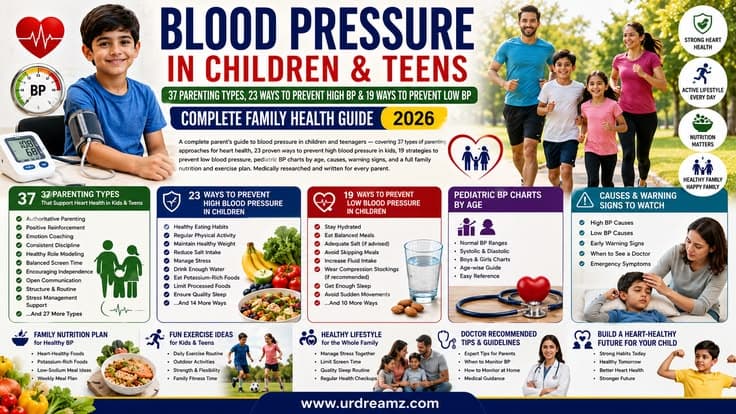
- Blood Pressure in Children and Teens: Causes, Prevention and Family Health Guide
| Area | Single Most Important Action | Expected Benefit |
|---|---|---|
| Diet | Follow DASH diet and limit sodium to 1,500 mg daily | 8 to 14 mmHg systolic reduction |
| Exercise | 30 minutes brisk walking five days weekly | 5 to 8 mmHg systolic reduction |
| Sleep | Same bedtime and wake time every single day | 4 to 7 mmHg systolic reduction |
| Stress | 10 minutes deep breathing every morning | 3 to 5 mmHg systolic reduction |
| Substances | Quit smoking completely and limit alcohol | 5 to 10 mmHg systolic reduction |
| Monitoring | Home BP reading same time each morning | Enables real-time management optimization |
| Medication | Same time daily without missing doses | Prevents dangerous BP fluctuations |
Medical Disclaimer: This article provides general health education and is not a substitute for personalized medical advice. Always consult your healthcare provider before making changes to your medication, diet, or exercise routine, especially if you have diagnosed hypertension or other cardiovascular conditions.