Health is not merely the absence of disease — it is a complete state of physical, mental, and social wellbeing. In 2026, as chronic disease rates continue to climb, mental health challenges reach record levels, and people worldwide search for sustainable ways to live longer and feel better, the importance of understanding healthy living has never been greater. Whether you are asking what are the 5 principles of healthy living, looking for a healthy diet plan for weight loss, exploring natural remedies for high blood pressure, wanting mental health tips for teens, or trying to understand herbal supplements and their uses — this comprehensive guide covers every dimension of health and wellness that matters in your daily life.

What is a Healthy Life? – Definition and Foundation
What is a healthy life? A healthy life is one in which a person maintains physical vitality, mental clarity, emotional stability, and meaningful social connections — and does so consistently over time, not just in short bursts of effort. The World Health Organization defines health as "a state of complete physical, mental, and social wellbeing — not merely the absence of disease or infirmity." This definition is revolutionary because it shifts health from a passive state (not being sick) to an active, positive condition (thriving in all dimensions of life).
What is a healthy lifestyle? A healthy lifestyle is the collection of habits, choices, and behaviors that a person practices consistently to support their long-term wellbeing. It includes what you eat, how much you move, how well you sleep, how you manage stress, how you nurture relationships, and how you protect yourself from physical and mental harm. Healthy living is not a destination — it is a daily practice, a continuous series of choices that either build toward health or gradually erode it.
Health is wealth — this saying captures a profound truth that most people only fully appreciate when their health fails. No amount of money, status, or achievement compensates for the loss of physical health or mental clarity. Studies consistently show that subjective wellbeing — how good people feel about their lives — is more strongly correlated with health than with income, once basic needs are met.
What are the 5 Principles of Healthy Living?
What are the 5 principles of healthy living? and What are the 5 pillars of good health? — While different frameworks use different language, these five core principles appear consistently across the world's most respected health authorities:
1. Nourish Your Body: Eat a balanced, whole-food diet rich in vegetables, fruits, lean proteins, whole grains, and healthy fats. Minimize processed foods, added sugars, trans fats, and excess sodium. Food is not just fuel — it is information that your cells use to regulate every biological process in your body. 2. Move Regularly: Physical activity is not optional — it is a biological necessity. Humans evolved to move. Sedentary behavior is now classified as an independent risk factor for chronic disease, separate from diet and weight. At least 150 minutes of moderate aerobic activity per week, combined with strength training twice a week, is the evidence-based minimum for health maintenance. 3. Sleep Sufficiently: Sleep is when your body repairs itself — consolidating memories, regulating hormones, clearing metabolic waste from the brain, and repairing cellular damage. Adults need 7–9 hours of quality sleep per night. Chronic sleep deprivation is linked to obesity, diabetes, cardiovascular disease, depression, and reduced immune function. 4. Manage Stress: Chronic psychological stress is one of the most damaging forces in modern health. It elevates cortisol levels, suppresses immune function, damages the cardiovascular system, accelerates aging, and dramatically increases the risk of anxiety and depression. Effective stress management — through mindfulness, social connection, physical activity, nature exposure, or professional support — is not a luxury; it is a health imperative. 5. Build Meaningful Connections: Loneliness is now classified as a public health crisis in many countries. Social connection is one of the strongest predictors of longevity and wellbeing — stronger even than exercise or diet in some studies. Nurturing relationships with family, friends, and community is as important to health as any dietary supplement or fitness routine.
What are the 7 Pillars of Healthy Living? – The Complete Framework
What are the 7 pillars of healthy living? and What are the 8 pillars of health? — expanding beyond the basic five principles, a comprehensive healthy living framework includes:
| Pillar | What It Covers | Key Actions | Warning Signs of Neglect |
|---|---|---|---|
| Physical Health | Body fitness, nutrition, sleep | Exercise, balanced diet, 7–9 hrs sleep | Fatigue, weight gain, frequent illness |
| Mental Health | Psychological wellbeing, resilience | Therapy, mindfulness, journaling | Persistent anxiety, depression, hopelessness |
| Emotional Health | Managing feelings, self-awareness | Emotional literacy, healthy relationships | Emotional outbursts, numbness, isolation |
| Social Health | Quality of relationships and connections | Community, friendship, family bonds | Loneliness, conflict, isolation |
| Spiritual Health | Meaning, purpose, values alignment | Prayer, meditation, service, reflection | Emptiness, meaninglessness, moral confusion |
| Environmental Health | Living and working conditions | Clean air, water, safe surroundings | Toxin exposure, chronic stress from environment |
| Financial Health | Economic security and stability | Budgeting, saving, debt management | Chronic financial stress, debt spiral |
What are 10 Ways to Stay Healthy? – Practical Daily Actions
What are 10 ways to stay healthy? and What are 10 tips for a healthy lifestyle? — Here are ten evidence-based, immediately actionable strategies:
1. Drink adequate water daily: Most adults need 2–3 liters of water per day. Dehydration — even mild — impairs cognitive performance, energy levels, and mood. Start every morning with a glass of water before anything else. 2. Eat vegetables at every meal: Aim for at least five servings of vegetables and fruits per day. Vegetables provide fiber, micronutrients, antioxidants, and phytochemicals that protect against cancer, cardiovascular disease, and inflammation. 3. Walk 10,000 steps daily: Walking is one of the most accessible, effective, and underrated forms of exercise. Even 7,000–8,000 steps per day significantly reduces all-cause mortality risk. 4. Practice the 3-3-3 rule for health: 3 meals per day at regular times, 3 liters of water, and 3 periods of movement (morning stretch, midday walk, evening wind-down). This simple framework maintains metabolic regularity. 5. Limit screen time before bed: Blue light from screens suppresses melatonin production and delays sleep onset. Stopping screen use 60–90 minutes before bedtime dramatically improves sleep quality. 6. Practice gratitude daily: Research consistently shows that gratitude practice — writing three things you are grateful for each day — measurably improves mood, reduces anxiety, and improves sleep quality within weeks. 7. Maintain a regular sleep schedule: Going to bed and waking at the same time every day — including weekends — is one of the most powerful interventions for sleep quality and metabolic health. 8. Eat together as a family: Shared mealtimes are associated with better nutrition (children eat more vegetables), stronger family bonds, lower rates of eating disorders, and improved mental health across age groups. 9. Wash your hands regularly: Handwashing before meals and cooking, after using the bathroom, and after contact with sick individuals prevents the spread of the majority of common infectious diseases. 10. See a healthcare provider at least once a year: Preventive screenings catch problems early — when they are most treatable. Annual check-ups, dental cleanings, eye exams, and age-appropriate cancer screenings save lives.
Healthy Eating Habits – The Foundation of Physical Health
What are healthy eating habits? and What are the 7 healthy eating habits? — Healthy eating is not about perfection, extreme restriction, or following the latest diet trend. It is about building consistent, sustainable patterns of nourishment that support your body's needs throughout your life.
The 7 Core Healthy Eating Habits: (1) Eat whole, minimally processed foods as the foundation of your diet — fruits, vegetables, whole grains, legumes, nuts, seeds, and quality proteins. (2) Control portion sizes — even healthy foods consumed in excessive quantities lead to weight gain. (3) Eat breakfast — starting the day with a balanced meal regulates blood sugar, reduces cravings throughout the day, and improves concentration. (4) Limit added sugars — the WHO recommends that free sugars constitute less than 10% of daily energy intake, with additional benefits below 5%. (5) Include healthy fats — avocados, olive oil, nuts, and fatty fish provide essential fatty acids that support brain health, hormone production, and cardiovascular function. (6) Eat mindfully — eating slowly, without screens, paying attention to hunger and fullness cues, dramatically improves digestion and reduces overeating. (7) Plan and prepare meals in advance — meal preparation is the single most effective behavioral strategy for maintaining a healthy diet in a busy world.
What are the 20 good food habits? Beyond the core seven: choose water over sugary drinks; eat more fiber; reduce salt intake; vary your protein sources; choose whole fruit over juice; read food labels; cook more meals at home; include fermented foods for gut health; avoid eating late at night; choose seasonal and local produce; limit alcohol; eat slowly and chew thoroughly; include probiotic foods; avoid skipping meals; maintain adequate calcium intake; include iron-rich foods; rotate your vegetables; choose low-glycemic index carbohydrates; eat enough but not too much protein; and make vegetables the largest component of every plate.
What is the 3-3-3 rule for food? A practical eating guideline: eat 3 meals per day, include at least 3 different colors of vegetables per day (each color represents different phytonutrients), and leave 3 hours between your last meal and bedtime for optimal digestion and sleep quality. What is the 5-4-3-2-1 food rule? A portion control framework: 5 servings of vegetables/fruits, 4 servings of whole grains, 3 servings of protein, 2 servings of dairy or calcium-rich alternatives, and 1 treat per day — creating a balanced nutritional framework without deprivation.
Healthy Diet Plan – For Weight Loss, Weight Gain, Women, Men, and Pregnancy
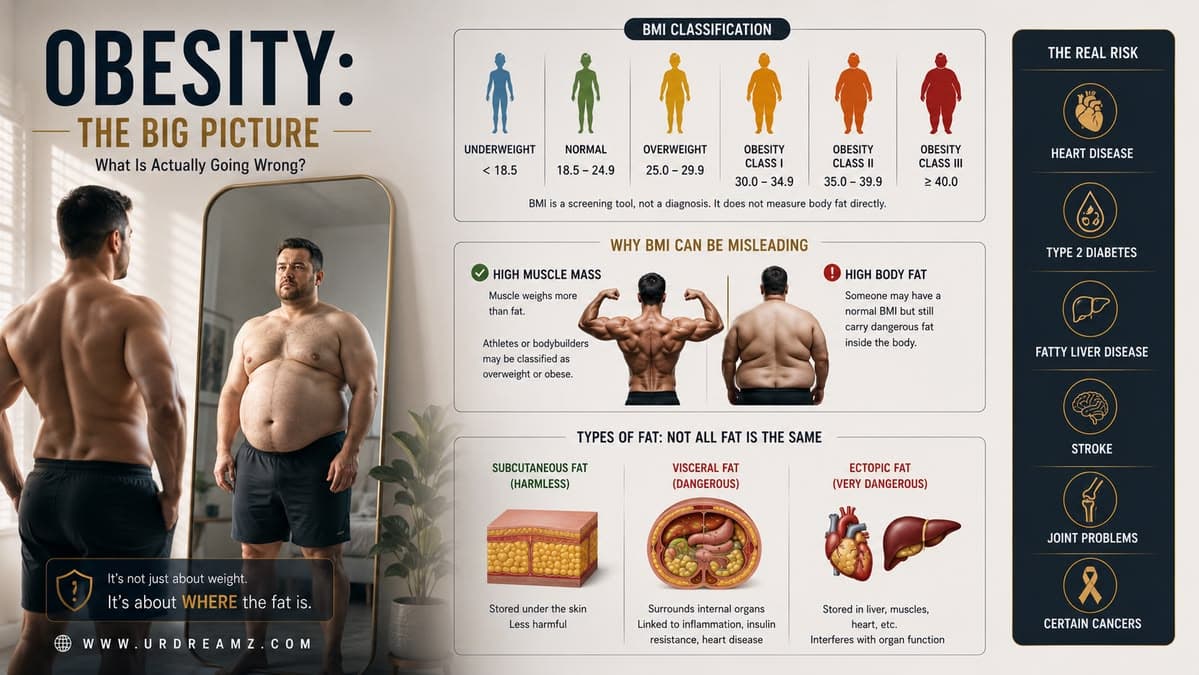
Healthy diet plan for weight loss: Sustainable weight loss requires creating a modest caloric deficit (300–500 calories per day below maintenance) while maintaining adequate protein (to preserve muscle mass), fiber (to maintain satiety), and micronutrients. Crash dieting, extreme restriction, and single-food diets are not only ineffective long-term — they are actively harmful. The most evidence-supported dietary patterns for weight loss include the Mediterranean diet, the DASH diet, and whole-food plant-based approaches. How to lose 5kg in 1 week? Losing 5kg of actual body fat in one week is physiologically impossible — it would require a caloric deficit of 38,500 calories, far beyond what is achievable or safe. What some people experience as rapid weight loss is primarily water weight and glycogen depletion. Aim for 0.5–1 kg of fat loss per week through sustainable diet and exercise changes.
Healthy diet plan for weight gain: Healthy weight gain requires a caloric surplus of 300–500 calories per day above maintenance, prioritizing protein (to support muscle growth), complex carbohydrates (for energy), and healthy fats. Strength training in combination with increased caloric intake produces muscle gain rather than fat gain. Healthy diet plan for women: Women have specific nutritional needs — including adequate iron (particularly during reproductive years), calcium and vitamin D (bone health), folate (reproductive health), and omega-3 fatty acids (hormonal balance and mental health). Healthy diet plan for men: Men generally require more total calories, more protein for muscle maintenance, and specific attention to zinc (testosterone production and immune function), selenium, and lycopene (prostate health). Healthy diet plan for pregnancy: Pregnancy dramatically increases nutritional demands. Key nutrients include: folate/folic acid (neural tube development), iron (blood volume expansion), calcium and vitamin D (fetal bone development), omega-3 DHA (brain development), and iodine (thyroid function and fetal brain development). Healthy diet plan for pregnancy first trimester specifically focuses on managing nausea while maintaining adequate folate, iron, and protein intake.
Healthy diet plan for Ramadan: During Ramadan fasting, maintaining nutritional adequacy across two meals (Suhoor before dawn and Iftar at sunset) requires careful planning. Suhoor should include slow-digesting complex carbohydrates (oats, whole grain bread), protein (eggs, dairy, legumes), and hydration. Iftar should break the fast with dates and water (following Prophetic tradition), followed by a balanced meal. Avoiding fried, heavily processed foods and excess sugar during Iftar prevents energy crashes and supports sustained health throughout the month.
What foods help burn fat? No single food "burns fat" — fat loss is determined by overall caloric balance. However, certain foods support the fat-loss process: high-protein foods (chicken, fish, eggs, legumes) increase satiety and metabolic rate; fiber-rich foods (vegetables, legumes, whole grains) slow digestion and reduce appetite; green tea contains catechins that modestly support fat oxidation; and whole spices like chili peppers contain capsaicin that temporarily elevates metabolism. How to lose 2kg in a week? Losing 2kg in a week requires a deficit of approximately 14,000 calories — achievable only through a combination of significant dietary reduction and intensive exercise, and not sustainable beyond the short term.
Weight Loss – Diet Plan, Injection, Medicine, and Solutions
Weight loss diet plan: The most effective weight loss diet is the one you can maintain long-term. Research shows that adherence matters more than the specific diet type. Key elements of any effective weight loss diet include: adequate protein (1.2–1.6g per kg of body weight), high fiber intake, caloric awareness without obsession, minimal processed foods, and sufficient hydration. Weight loss injection: GLP-1 receptor agonists (semaglutide — brand names Ozempic/Wegovy; tirzepatide — Mounjaro/Zepbound) have revolutionized obesity medicine in 2025–2026. These injectable medications produce 15–25% body weight reduction in clinical trials — significantly more than any previous pharmacological intervention. They work by mimicking gut hormones that regulate appetite, satiety, and blood sugar. Weight loss medicine and weight loss tablet: Beyond GLP-1 drugs, other pharmacological options include orlistat (blocks fat absorption), phentermine (appetite suppressant), and naltrexone/bupropion combination. All weight loss medications should be used under medical supervision. Weight loss solution by Rubina and weight loss Islamabad: Pakistan has a growing market of wellness clinics offering medically supervised weight management programs, combining dietary counseling, exercise programming, and where appropriate, medical interventions.
Mental Health Tips – For Students, Teens, Women, Adults, and Men
Mental health tips are among the most searched health topics globally in 2026 — reflecting a growing awareness of mental health as a fundamental component of overall wellbeing, not a secondary concern. Mental health conditions affect approximately 1 in 4 people globally at some point in their lives. Yet in many communities — particularly in South Asia and the Middle East — mental health remains stigmatized and undertreated.
Mental health tips for teens: Adolescence is a period of intense neurological, hormonal, and social change — making it one of the highest-risk periods for the emergence of mental health conditions. Key protective factors include: strong family relationships and open communication with at least one trusted adult, consistent sleep (teenagers need 8–10 hours), regular physical activity, limiting social media comparison, developing a sense of purpose through meaningful activities, and learning to identify and name emotions. If a teenager is experiencing persistent sadness, withdrawal, changes in eating or sleeping, or thoughts of self-harm, professional help should be sought immediately without delay or judgment.
Mental health tips for students: Academic pressure, financial stress, social transitions, and uncertainty about the future make the college and university years a high-risk period for anxiety, depression, and burnout. Evidence-based strategies include: establishing consistent daily routines, breaking large tasks into manageable steps (avoiding procrastination that amplifies anxiety), practicing regular physical activity, maintaining social connections, using campus mental health services without shame, developing realistic academic expectations, and cultivating activities that provide genuine joy and restoration outside of academic work.
Mental health tips for women: Women experience higher rates of anxiety disorders and depression than men — influenced by hormonal fluctuations across the menstrual cycle, pregnancy, postpartum period, and menopause; greater exposure to gender-based stress and trauma; and socialization patterns that sometimes discourage emotional expression. Key strategies include: hormonal health awareness (tracking cycle and mood patterns), setting and maintaining firm boundaries, community connection with other women, physical activity (particularly strength training, which is powerfully mood-regulating for women), professional support when needed, and challenging internalized perfectionism.
Mental health tips for working from home: Remote work has blurred the boundaries between professional and personal life for millions of people, creating unique mental health challenges. Strategies include: establishing a dedicated workspace (ideally a separate room), maintaining regular work hours with clear start and end times, scheduling deliberate social interaction throughout the week, getting outside for at least 20–30 minutes daily, dressing professionally to signal the psychological transition into "work mode," and practicing a definite end-of-workday ritual (closing the laptop, going for a walk, changing clothes).
Mental health tips for men: Men are significantly less likely than women to seek mental health support — yet die by suicide at approximately three times the rate. Key strategies tailored for men include: reframing help-seeking as strength rather than weakness, finding physical outlets for emotional processing (exercise, manual work, sport), building at least one relationship where genuine vulnerability is possible, reducing alcohol consumption (often used as emotional self-medication), and recognizing the specific signs of male depression (irritability, anger, risk-taking behavior, social withdrawal, workaholism) which often differ from classical presentations.
Healthy Morning Routine – The Foundation of a Productive Day
Healthy morning routine is one of the highest-return investments you can make in your daily health and productivity. The first hour of the day sets the physiological, hormonal, and psychological tone for everything that follows. A consistent morning routine reduces cortisol spikes, improves decision-making, and builds the self-efficacy that makes healthy choices easier throughout the day.
Healthy morning routine for weight loss: Start with hydration (a large glass of water immediately upon waking rehydrates the body after overnight fasting), followed by 10–20 minutes of light movement (yoga, stretching, or a short walk to activate metabolism), a high-protein breakfast to establish metabolic rate and reduce mid-morning cravings, and exposure to natural sunlight within the first 30 minutes of waking (which regulates circadian rhythm, cortisol, and serotonin production). Healthy morning routine for women may additionally include specific hormonal health practices — tracking basal body temperature (for reproductive awareness), taking prenatal vitamins if planning pregnancy, or adapting morning exercise intensity to cycle phase. Healthy morning routine for men often benefits from: morning exercise (testosterone peaks in the morning, making it an optimal time for strength training), cold exposure (cold shower or cold water face wash activates the sympathetic nervous system and improves alertness), and a protein-forward breakfast. Healthy morning routine for glowing skin: Hydration, vitamin C application, SPF sunscreen, and antioxidant-rich breakfast foods (berries, green tea) support skin health from the inside out. Early morning routine and habits: The most productive people worldwide consistently report waking early, avoiding phones for the first hour, engaging in physical activity, and practicing some form of reflection (prayer, meditation, journaling) before beginning work tasks.
Wellness Tips – For Employees, Women, College Students, and Daily Life
Wellness tips for employees: Workplace wellness has become a strategic priority for organizations in 2026. Key evidence-based employer wellness interventions include: standing desk options and movement breaks every 60–90 minutes, natural light in workspaces, healthy food options in cafeterias and vending machines, Employee Assistance Programs (EAPs) providing confidential mental health support, flexible scheduling where possible to reduce commute-related stress, and a culture that normalizes disconnecting from work outside of business hours. Wellness tips of the day — the most powerful single-day wellness action: get outside for 20–30 minutes of natural light exposure in the morning. This one habit regulates circadian rhythm, boosts serotonin, improves vitamin D production, and reduces stress — all from a single activity.
Wellness tips for women specific to female physiology include: cycle syncing (adapting exercise intensity and nutrition to the four phases of the menstrual cycle), prioritizing iron-rich foods, addressing chronic sleep disruption (which disproportionately affects women due to hormonal fluctuations and caregiving responsibilities), building community with other women (which research shows is a specific stress buffer for females), and regular breast and cervical health screenings. Wellness tips for college students: The transition to university is associated with significant declines in health behaviors — reduced sleep, increased alcohol consumption, deteriorating diet, and decreased exercise. The most important protective behaviors for college students are: establishing a sleep schedule and protecting it, using the campus gym or walking daily, cooking at least some meals, limiting alcohol and entirely avoiding drug use, and proactively using campus mental health resources before reaching crisis.
Fitness and Wellness – Exercise, Benefits, and Types
What is wellness and fitness? Fitness and wellness are related but distinct concepts. Fitness refers specifically to physical capacity — strength, endurance, flexibility, and body composition. Wellness is the broader state of optimal health across all dimensions of life — physical, mental, emotional, social, and spiritual. Fitness is a component of wellness, but wellness extends far beyond physical performance.
What are the four types of wellness? The most widely referenced model identifies four core types: Physical wellness (body health and function), Mental wellness (psychological health and cognitive function), Emotional wellness (ability to understand and manage feelings), and Social wellness (quality of relationships and sense of community belonging). What are the 7 pillars of wellness? An expanded model adds: Environmental wellness, Spiritual wellness, and Occupational wellness — recognizing that where you live and work, what you believe, and whether your work aligns with your values all profoundly affect overall health.
What are the 5 benefits of fitness? Regular physical exercise produces: (1) cardiovascular protection — reducing risk of heart attack, stroke, and hypertension; (2) metabolic health improvement — regulating blood sugar, reducing insulin resistance, and supporting healthy weight; (3) mental health benefits — reducing depression and anxiety symptoms as effectively as medication in mild-moderate cases; (4) musculoskeletal strength — reducing risk of osteoporosis, fractures, and age-related muscle loss; and (5) cognitive protection — reducing the risk of dementia and cognitive decline. What are the 10 points of fitness? The CrossFit model identifies: cardiovascular endurance, stamina, strength, flexibility, power, speed, coordination, agility, balance, and accuracy as the ten domains of physical fitness.
What is the 3-3-3 rule for exercise? A beginner-friendly framework: 3 days of aerobic exercise, 3 days of strength training, and 3 days of flexibility work per week — providing comprehensive physical fitness coverage while allowing adequate recovery. How to burn 1000 calories in 1 hour? Burning 1000 calories in one hour requires very intense exercise — activities like rowing, cycling at high intensity, or running at 8+ mph can approach this figure for larger individuals. However, focusing on caloric burn during exercise misses the bigger picture: the metabolic and health benefits of exercise extend 24–48 hours after each session through elevated base metabolic rate.
Sleep Improvement – Tips, Foods, Devices, and Plans
Sleep improvement is one of the highest-impact health interventions available — and one of the most neglected. Sleep deprivation affects every system in the body: immune function, metabolic regulation, hormonal balance, cardiovascular health, cognitive performance, and emotional regulation all depend on adequate nightly sleep.
Sleep improvement tips: The most evidence-based sleep hygiene practices are: maintaining a consistent sleep schedule every day (including weekends), keeping the bedroom cool (16–19°C / 60–67°F is the optimal sleep temperature for most adults), making the bedroom completely dark (blackout curtains or sleep mask), avoiding caffeine after 2 PM, avoiding alcohol within 3 hours of bedtime (alcohol disrupts REM sleep even if it helps you fall asleep initially), establishing a 30–60 minute wind-down routine before bed, and avoiding vigorous exercise within 2 hours of sleep. Sleep improvement foods: Foods that support sleep quality include: tart cherries and tart cherry juice (natural source of melatonin), kiwi fruit (shown in studies to reduce sleep onset time), almonds and walnuts (melatonin and magnesium content), chamomile tea (apigenin content), fatty fish (omega-3 and vitamin D support circadian regulation), and complex carbohydrates like oatmeal (which facilitate tryptophan absorption). Sleep improvement supplement: Evidence-supported sleep supplements include magnesium glycinate (relaxation and sleep depth), low-dose melatonin (0.5–3mg for circadian adjustment, not as a sedative), L-theanine (reduces anxiety without sedation), and valerian root (modestly reduces sleep onset time). Always consult a healthcare provider before beginning any supplementation regimen. Sleep improvement devices: Technology supporting better sleep includes white noise machines, smart sleep trackers (Oura Ring, Whoop), temperature-regulating mattress covers, light therapy devices for circadian regulation, and red light therapy lamps for evening use.
Immune System Boosters – Foods, Vitamins, and Natural Support
Immune system boosters are among the most searched health topics globally. Understanding how to genuinely support immune function — rather than chasing miracle supplements — is essential for practical health literacy. The immune system is not a single entity that can be simply "boosted" — it is an extraordinarily complex network of cells, tissues, organs, and proteins that must be balanced, not simply amplified.
Immune system booster foods: The most powerfully immune-supportive foods are: citrus fruits and bell peppers (vitamin C), garlic (allicin compounds with antimicrobial properties), ginger (gingerol with anti-inflammatory effects), turmeric (curcumin), spinach and leafy greens (multiple vitamins and antioxidants), yogurt and fermented foods (probiotic support for gut-immune axis), almonds (vitamin E), sunflower seeds (selenium and vitamin E), and green tea (EGCG catechins). Immune system booster for adults: Adults should prioritize: adequate sleep (immune function is significantly impaired by sleep deprivation), regular moderate exercise (which circulates immune cells through the body), stress management (chronic cortisol suppresses immune function), vitamin D optimization (deficiency is extremely common and significantly impairs immune response), and maintaining a diverse gut microbiome through fiber-rich diet and fermented foods. Immune system booster for kids: Children's immune systems are still developing. Key supportive strategies include: adequate sleep (children need more than adults — 9–12 hours depending on age), minimizing sugar intake (which temporarily impairs white blood cell function), outdoor play (natural vitamin D production and exposure to diverse environmental microbes), breastfeeding in infancy (transfers maternal antibodies), and age-appropriate vaccinations.
Immune system booster vitamins: The most important vitamins for immune function are: Vitamin D (arguably the most important — deficiency dramatically impairs both innate and adaptive immune responses), Vitamin C (supports production and function of white blood cells), Vitamin A (maintains integrity of respiratory and digestive tract mucous membranes), Zinc (essential for immune cell development and inflammatory response), and Vitamin E (powerful antioxidant protecting immune cells from oxidative damage). Immune system booster drink: Evidence-supported immune-supportive drinks include green tea, ginger-turmeric shots, elderberry tea, and diluted tart cherry juice. Immune system booster shot: Beyond vaccinations (the most evidence-backed immune intervention available), some wellness clinics offer IV vitamin infusions — however, evidence for IV vitamin administration beyond correcting deficiencies in healthy individuals is limited.
Natural Remedies – For High Blood Pressure, Hormonal Imbalance, Constipation, and More
Natural remedies are plant-based, dietary, or lifestyle-based interventions used to prevent or address health conditions. It is important to approach natural remedies with both openness and scientific rigor — some have strong evidence supporting their use, while others have limited research and potential for harm or drug interactions.
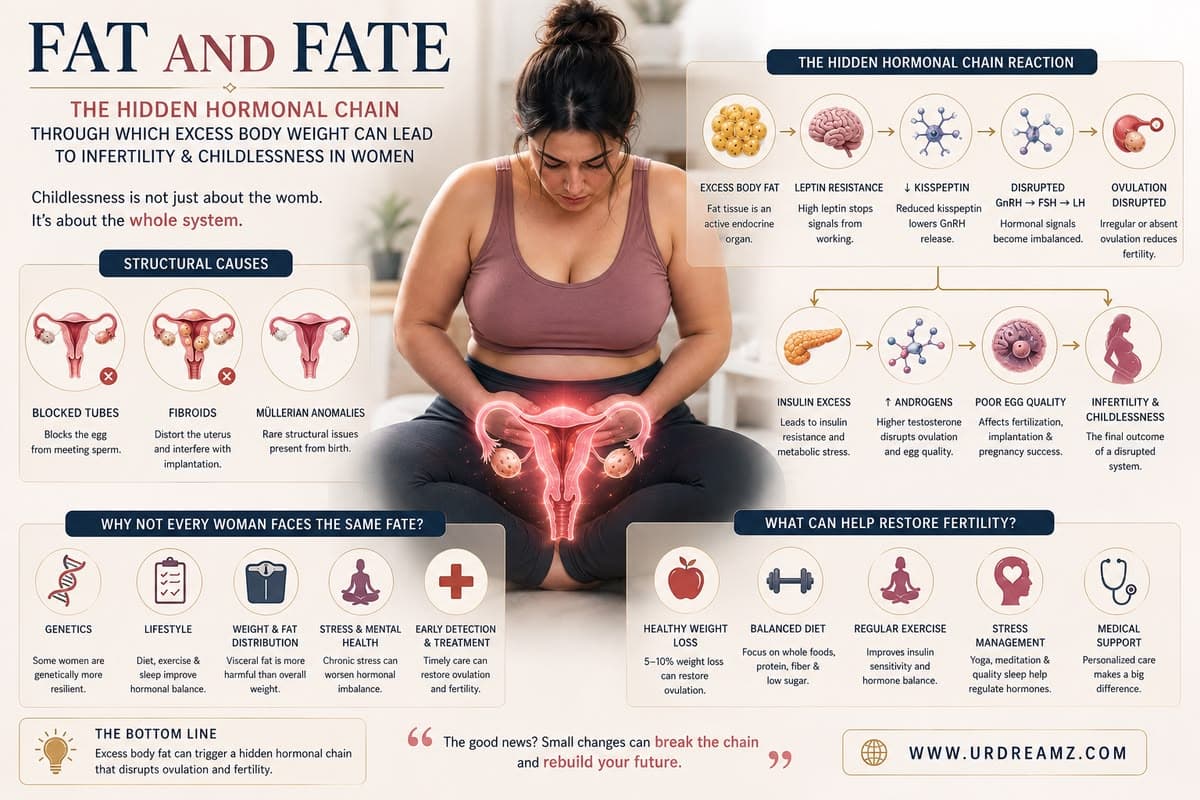
Natural remedies for high blood pressure: Evidence-supported interventions include: the DASH diet (Dietary Approaches to Stop Hypertension — rich in potassium, magnesium, calcium, and low in sodium), regular aerobic exercise (reduces systolic blood pressure by 5–8 mmHg), reducing sodium intake, limiting alcohol, managing chronic stress through mindfulness or meditation, hibiscus tea (multiple studies show 5–10 mmHg reduction in systolic pressure), garlic supplementation, and maintaining a healthy weight. These approaches complement but do not replace antihypertensive medication when prescribed by a physician. Natural remedies for hormonal imbalance in females: Supporting hormonal balance naturally includes: maintaining a healthy body weight (adipose tissue produces estrogen; both excess and deficiency cause hormonal disruption), consuming adequate dietary fat (hormones are synthesized from cholesterol), reducing exposure to endocrine-disrupting chemicals (BPA in plastics, phthalates in fragrances), managing stress (cortisol directly interferes with reproductive hormones), ensuring adequate sleep, and specific herbs like ashwagandha (adaptogen supporting cortisol regulation) and maca root (traditionally used for hormonal balance). Natural remedies for constipation: The most effective natural approaches include: dramatically increasing fiber intake (particularly soluble fiber from oats, apples, and legumes), hydration (adequate water is essential for stool softening), regular physical movement, prune juice or whole prunes (contain sorbitol, a natural laxative), ground flaxseed, and magnesium citrate supplementation.
Natural remedies for insulin resistance: Evidence-based natural approaches to improving insulin sensitivity include: resistance training (the most powerful lifestyle intervention for insulin sensitivity), intermittent fasting or time-restricted eating, reducing refined carbohydrate and sugar intake, increasing fiber intake, berberine supplementation (comparable to metformin in some studies), cinnamon (modestly improves insulin sensitivity), alpha-lipoic acid, and achieving and maintaining a healthy body weight. Natural remedies for hair growth and thickness: Evidence-supported approaches include: rosemary oil topical application (shown in at least one clinical trial to be as effective as minoxidil for androgenic alopecia), ensuring adequate iron, zinc, vitamin D, and biotin status, scalp massage (which increases dermal papilla cell gene expression linked to hair growth), reducing thermal and chemical styling damage, and addressing underlying thyroid or hormonal conditions causing hair loss.
Herbal Supplements and Herbal Medicine – What You Need to Know
What are herbal supplements? Herbal supplements are plant-based products used to support health or address specific conditions. They include dried plants, plant extracts, tinctures, capsules, powders, and teas. The practice of using medicinal plants dates back thousands of years across virtually every culture on Earth. Today, herbal supplement use is widespread globally — yet they occupy a regulatory gray zone that makes informed decision-making particularly important.
The FDA classifies herbal supplements as foods, not medicines. This means they are not subject to the same rigorous testing, manufacturing standards, and labeling requirements as pharmaceutical drugs. Herbal supplement labels can describe how an herb "influences" a body function — but they cannot legally claim to treat, cure, or prevent any specific disease. This regulatory distinction is critical: it means that the quality, purity, and potency of herbal products vary enormously between manufacturers.
| Herbal Supplement | Traditional Use | Evidence Level | Important Cautions |
|---|---|---|---|
| Echinacea | Immune support, cold prevention | Moderate – may reduce cold duration | Avoid with autoimmune conditions |
| St. John's Wort | Mild-moderate depression | Good – comparable to some antidepressants | Major drug interactions (contraceptives, warfarin) |
| Ginkgo Biloba | Memory, circulation, aging | Moderate – some benefit for dementia | Blood thinning – avoid pre-surgery |
| Ginseng | Energy, stress, immunity | Moderate – adaptogenic effects supported | Can raise blood pressure; affects blood sugar |
| Garlic | Cardiovascular health, cholesterol | Good – modest cholesterol and BP reduction | Blood thinning – caution with anticoagulants |
| Turmeric/Curcumin | Anti-inflammation, joint health | Good – strong anti-inflammatory evidence | Poor absorption without black pepper (piperine) |
| Ashwagandha | Stress, anxiety, testosterone | Good – cortisol reduction well-supported | Avoid in pregnancy; may affect thyroid |
| Saw Palmetto | Enlarged prostate (BPH) | Moderate – symptom relief in some studies | May affect PSA test results |
| Black Cohosh | Menopausal symptoms | Moderate – hot flash reduction | Avoid with liver conditions or hormone-sensitive cancers |
| Green Tea Extract | Antioxidant, weight management | Good – multiple health benefits supported | High doses may cause liver stress |
What herbs are good for estrogen? Phytoestrogen-containing herbs that may support estrogen balance include flaxseed, red clover, and soy isoflavones. These should be used cautiously and under medical supervision, particularly by individuals with hormone-sensitive cancers. What is the best herb to lower your cholesterol? Garlic, berberine, and artichoke leaf extract have the strongest evidence for modest cholesterol reduction among herbal options — though none match the potency of pharmaceutical statins for high-risk individuals. What herbs interfere with statins? St. John's Wort significantly reduces statin blood levels (reducing effectiveness). Red yeast rice contains lovastatin (a natural statin) — combining with pharmaceutical statins increases muscle damage risk. Grapefruit (and its juice) inhibits statin metabolism, increasing drug levels and side effect risk. Always inform your doctor and pharmacist of all herbal supplements you use.
Herbal health tips for safe use: (1) Always inform your healthcare provider about every supplement you take — interactions with medications can be serious. (2) Choose products tested by third-party quality certification organizations (USP, NSF International, ConsumerLab). (3) Follow dosage instructions precisely — more is not better and can be harmful. (4) Watch for side effects and stop use if symptoms develop. (5) Be especially cautious during pregnancy, breastfeeding, or before surgery.
What are the 7 Healthy Habits? – Daily Non-Negotiables
What are 7 healthy habits? and What are 10 good daily habits? — The seven habits that research most consistently associates with longevity and wellbeing are:
| Habit | Daily Practice | Health Benefit |
|---|---|---|
| Regular Physical Activity | 30–60 min moderate exercise daily | Cardiovascular, metabolic, mental health |
| Quality Sleep | 7–9 hours consistent schedule | Immune, hormonal, cognitive, emotional health |
| Whole Food Diet | 5+ servings vegetables/fruit, minimal processed food | Disease prevention, energy, longevity |
| Stress Management | Daily mindfulness, breathing, or relaxation practice | Cardiovascular, immune, mental health |
| Hydration | 2–3 liters water daily | Cognitive, metabolic, kidney, skin health |
| Social Connection | Meaningful interaction with loved ones daily | Longevity, mental health, immune function |
| Preventive Healthcare | Annual check-ups, screenings, vaccinations | Early detection, disease prevention |
What Makes People Live Longer? – The Science of Longevity
What makes people live longer? The most robust research on longevity comes from studies of "Blue Zones" — regions where people live significantly longer than average, including Okinawa (Japan), Sardinia (Italy), Nicoya (Costa Rica), Ikaria (Greece), and Loma Linda (California). Common factors across all Blue Zones include: predominantly plant-based diets with modest portions, daily natural movement integrated into life (not structured gym sessions), strong sense of purpose ("ikigai" in Okinawa, "plan de vida" in Nicoya), low-stress lifestyles with regular rest and social connection, belonging to a faith community, and deep integration into multi-generational family networks.
What are the 10 signs of good health? Positive health indicators include: consistent energy levels throughout the day, quality sleep (falling asleep easily, waking refreshed), healthy appetite and digestion, stable mood and emotional regulation, clear skin and healthy hair and nails, normal weight for body composition, normal blood pressure and resting heart rate, regular bowel movements, physical strength and endurance appropriate for age, and a sense of purpose and engagement with life.
What are the 12 pillars of health? An extended model of comprehensive health includes: nutrition, movement, sleep, stress management, social connection, mental health, purpose/meaning, environmental health, preventive care, financial wellbeing, spiritual health, and learning/intellectual engagement — recognizing that optimal health requires attention to the full complexity of human existence, not just diet and exercise.
Conclusion – Your Health is Your Greatest Asset
From healthy eating habits to mental health tips for teens, from herbal supplements and their uses to natural remedies for high blood pressure, from sleep improvement tips to immune system booster foods — every dimension of health covered in this guide points to the same fundamental truth: health is not an accident, and it is not primarily determined by genetics or luck. It is built — daily, consistently, through thousands of small choices that either support or undermine your body's remarkable capacity for vitality and resilience.
The most important thing to understand about health in 2026 is that no single supplement, diet trend, or exercise program is a substitute for the fundamentals: eating real food in reasonable amounts, moving your body daily, sleeping enough, managing stress, nurturing relationships, and engaging with life purposefully. These are not complicated ideas. But they require consistent action — and consistent action requires motivation, knowledge, and support. That is exactly what this guide aims to provide.
Health is wealth — not as a cliché, but as a lived reality that becomes more apparent with every passing year. Invest in your health today, not when illness forces you to. The best time to build a healthy life was twenty years ago. The second best time is right now.
"Take care of your body. It's the only place you have to live." — Jim Rohn